


Description
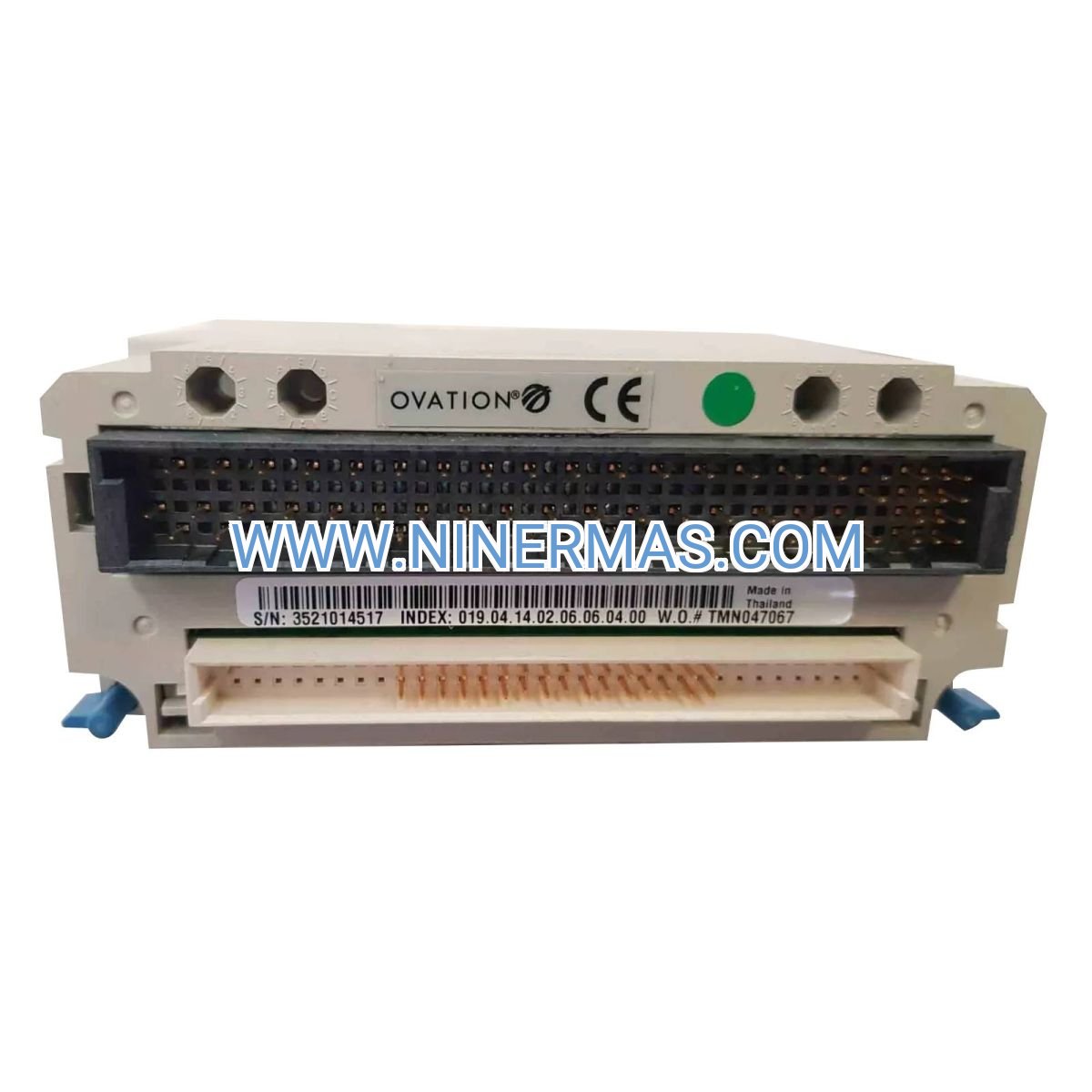
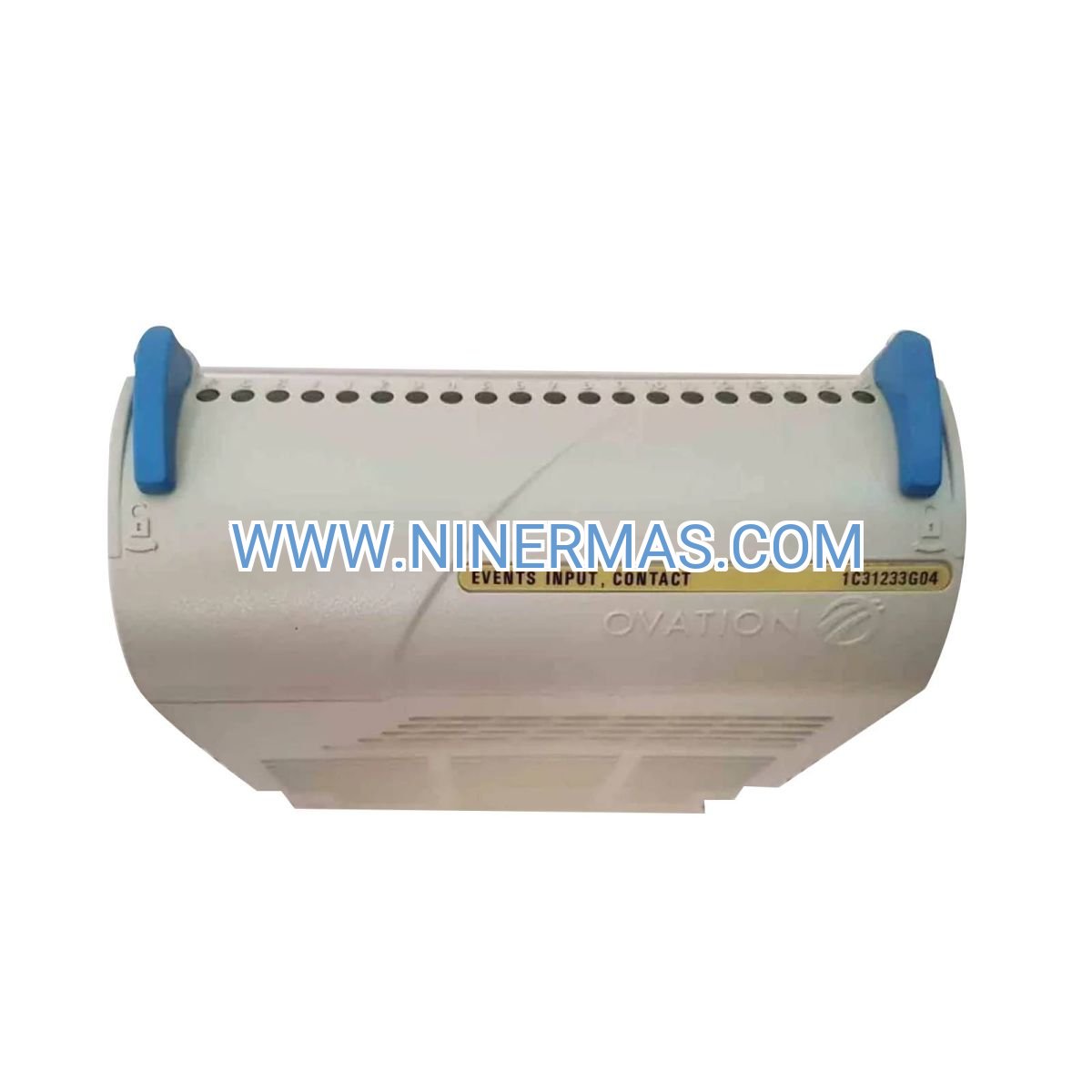
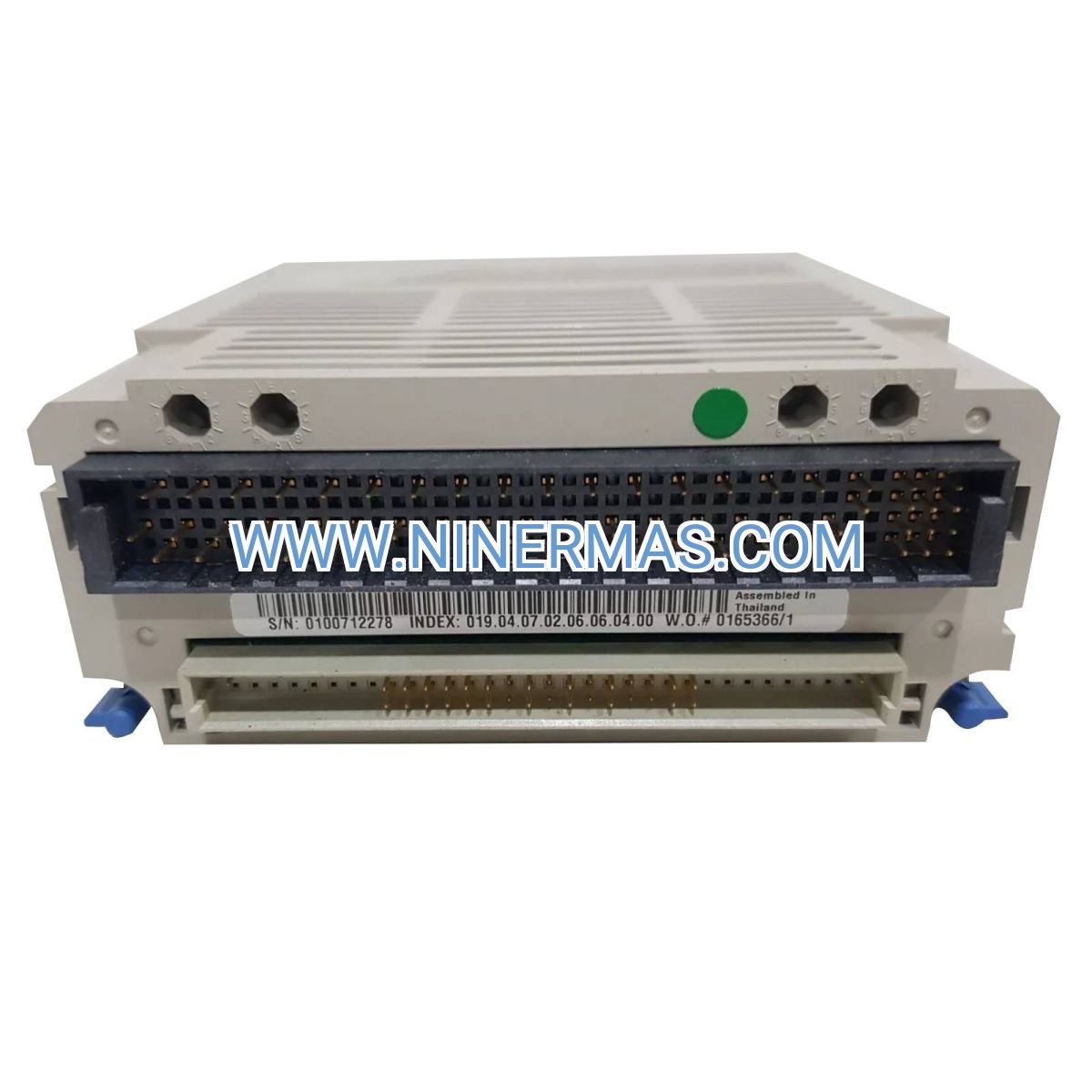
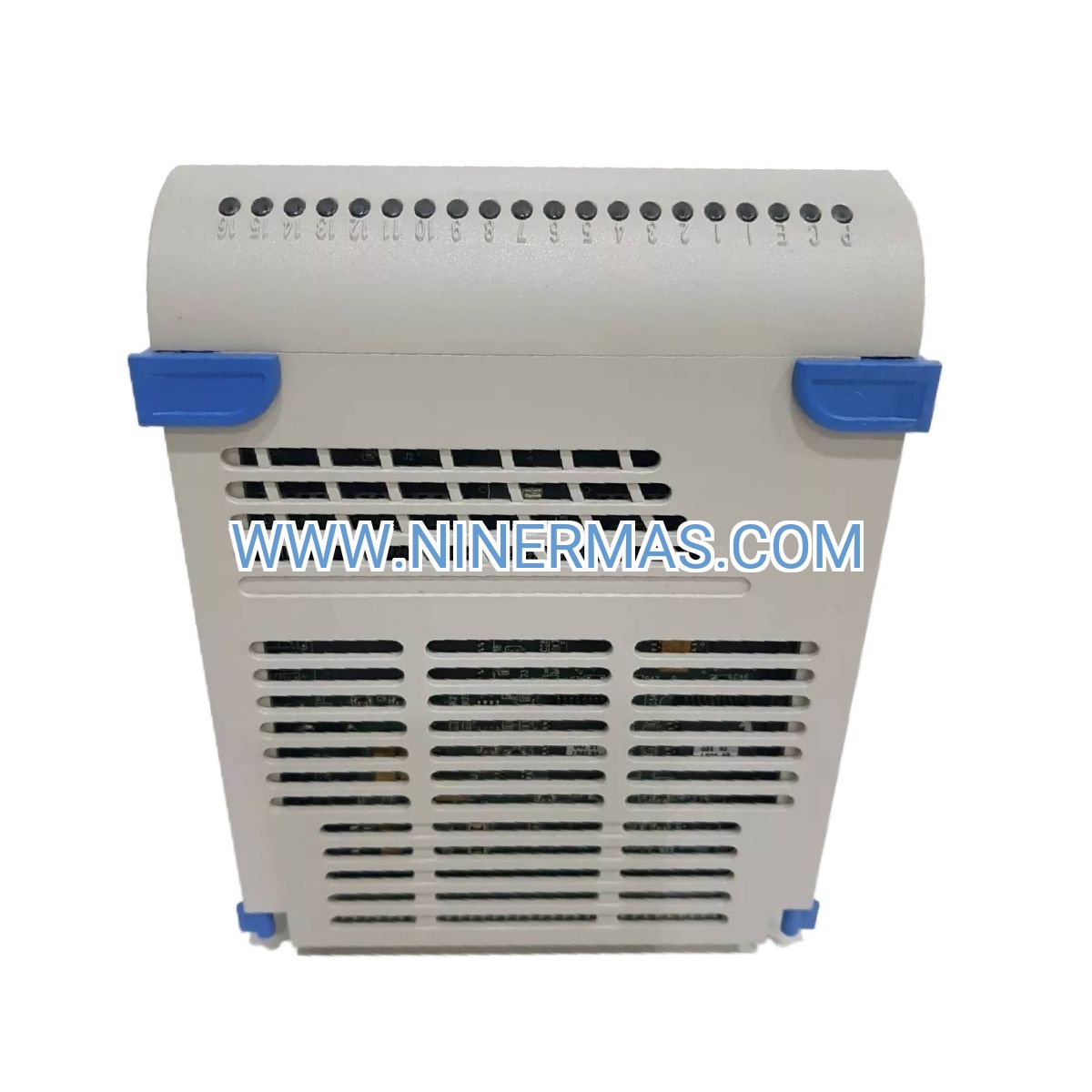
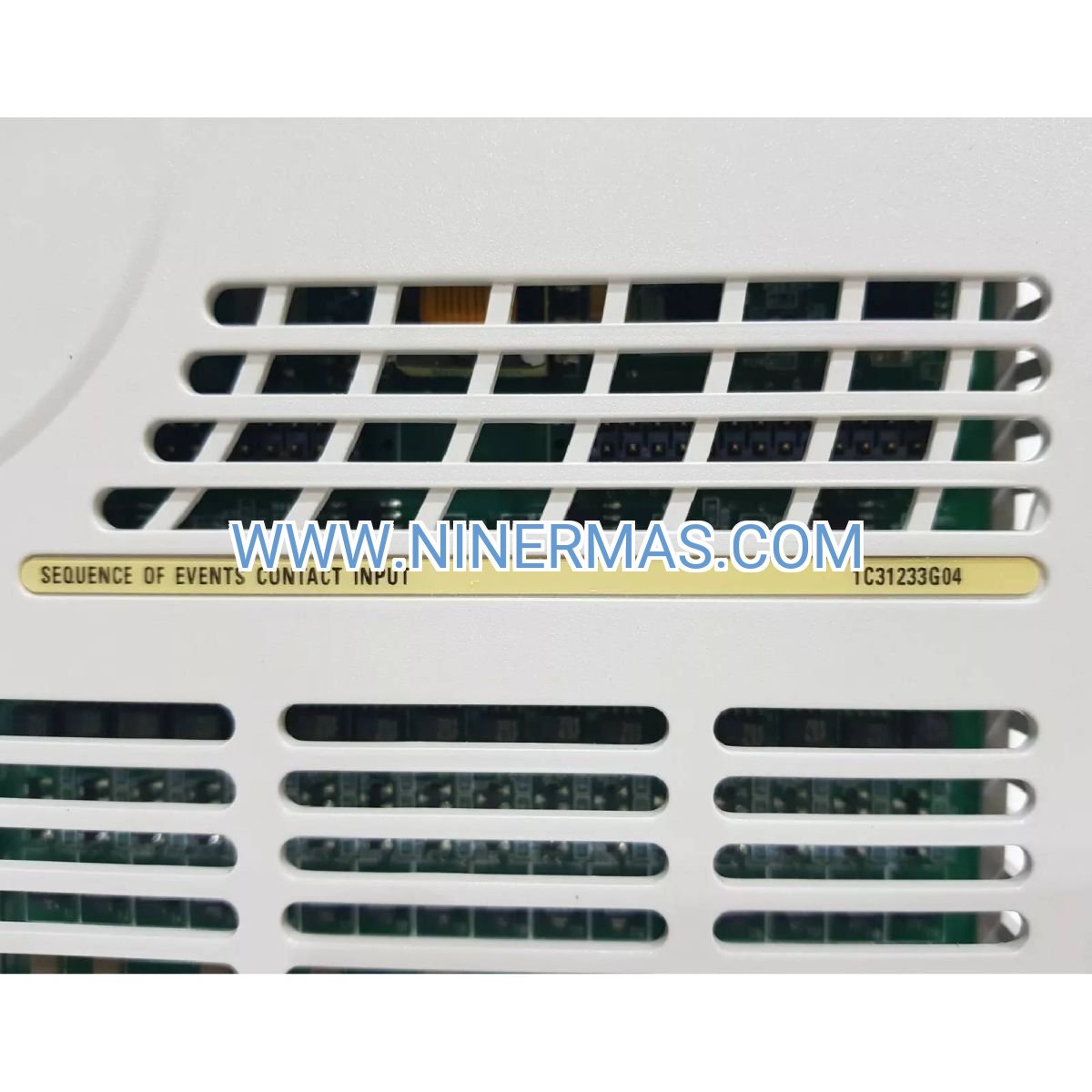
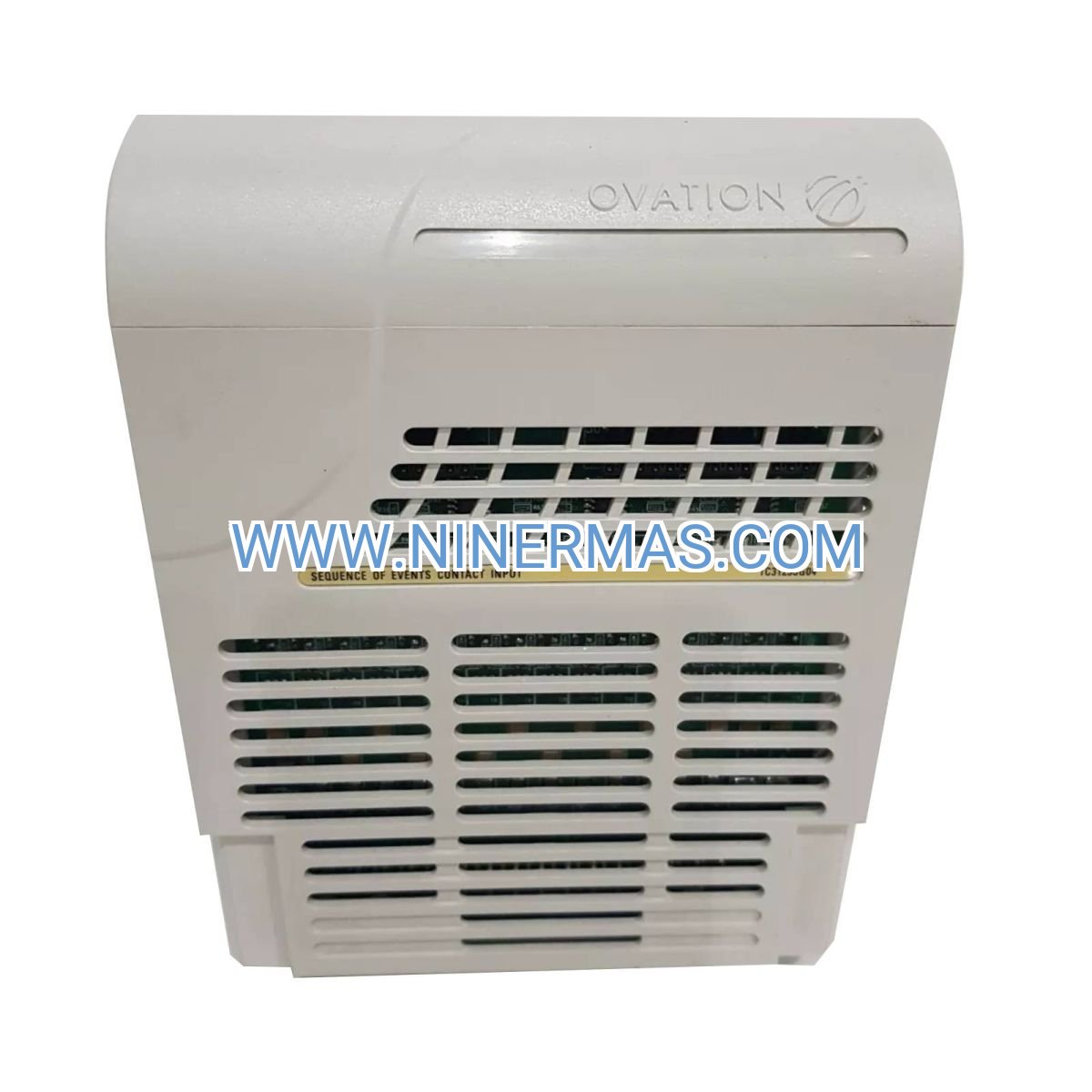
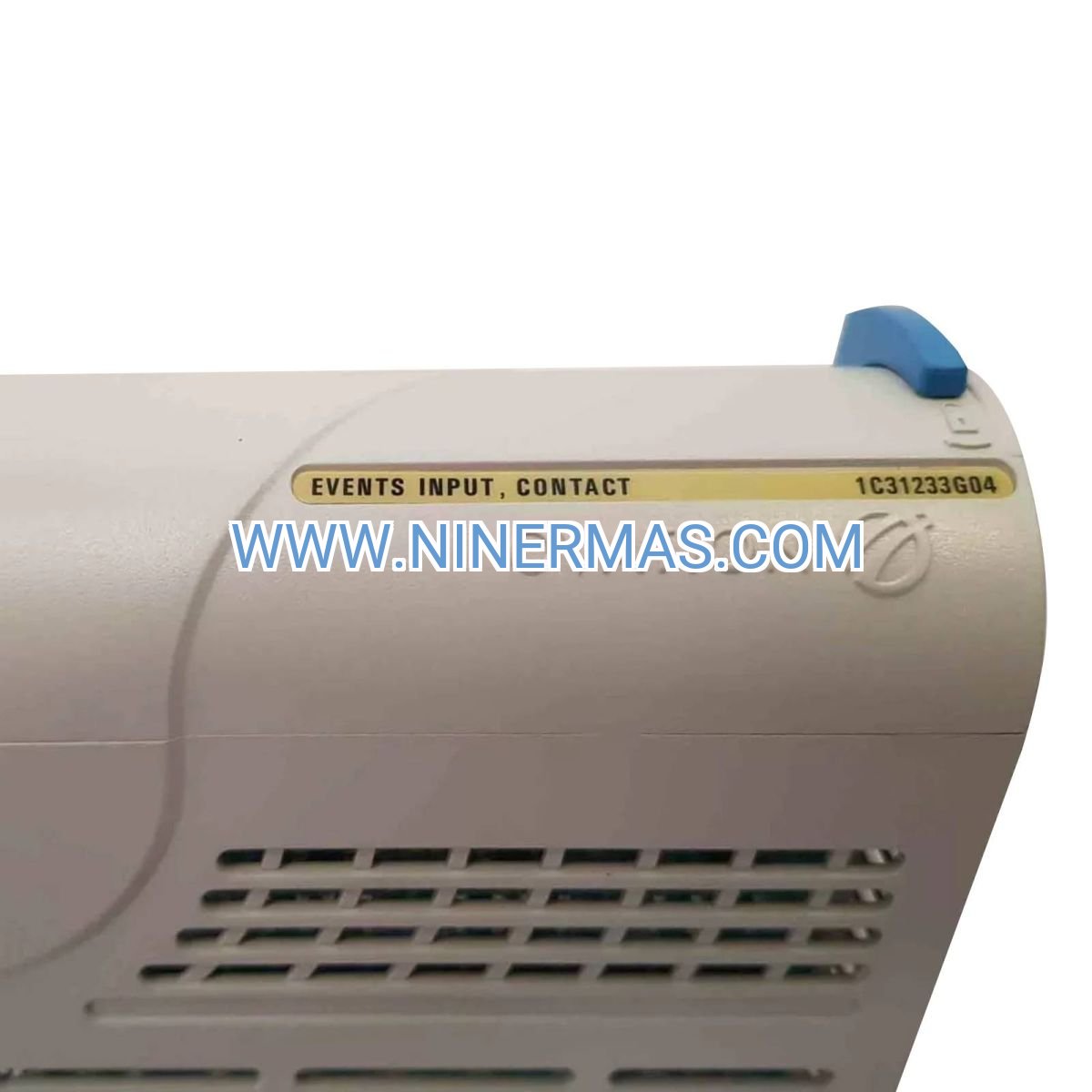
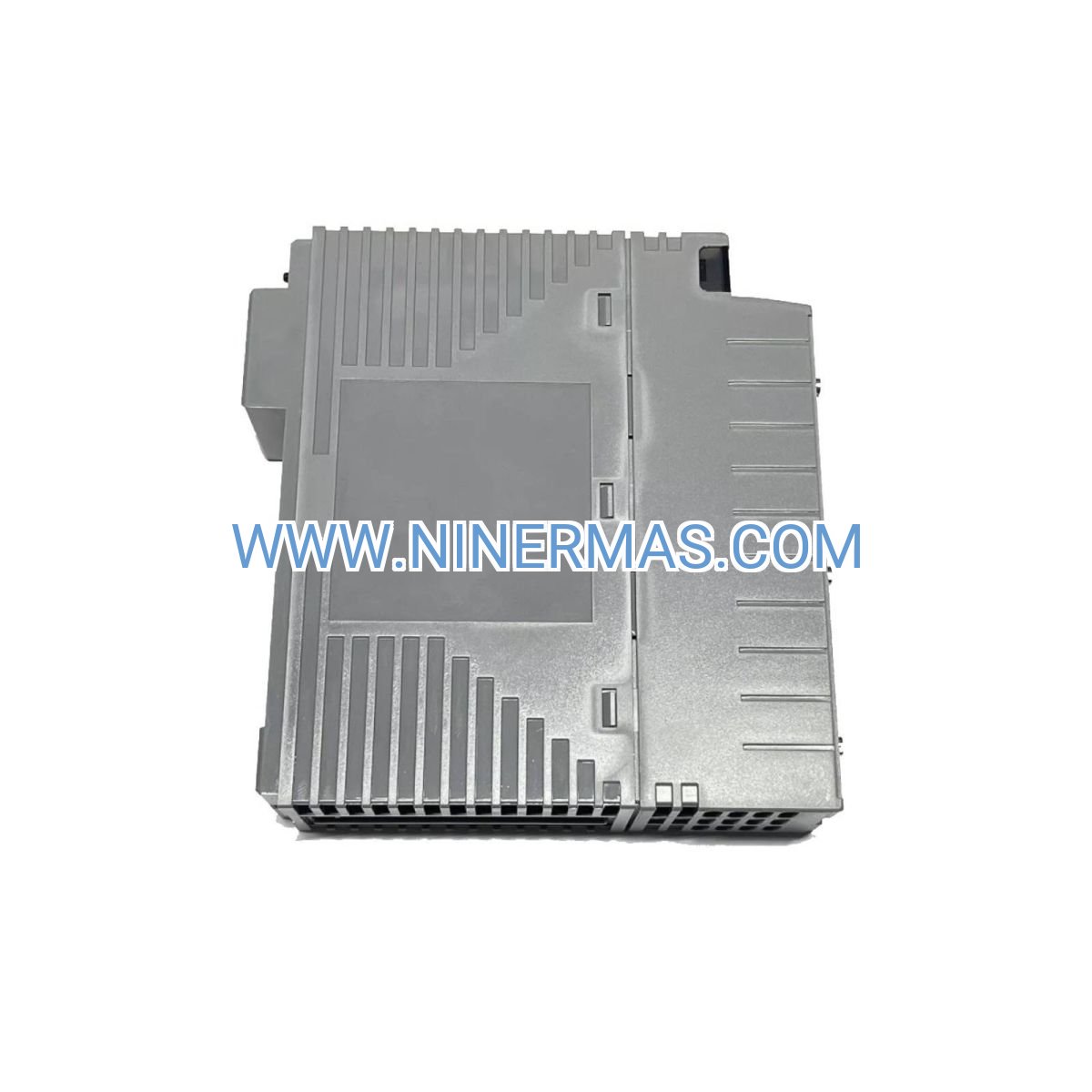
1C31233G04 Sequence of Events Module (Industrial-Grade Event Recorder)
The Emerson Ovation 1C31233G04 represents a specialized contact input module designed for high-precision event sequencing in distributed control environments. Built to capture and timestamp discrete industrial events with millisecond-level accuracy, this 16-channel SOE module serves as a critical forensic tool for post-incident analysis, regulatory compliance documentation, and process safety verification across power generation, petrochemical, and critical infrastructure sectors.
Engineered for operators managing complex automation systems where event sequence reconstruction determines root cause identification, the 1C31233G04 addresses the fundamental challenge of distinguishing initiating faults from cascading consequences. Its integration within Emerson's Ovation DCS ecosystem enables seamless data flow from field contacts to historian databases, transforming raw event timestamps into actionable intelligence for reliability engineering and continuous improvement programs.
This module delivers enterprise-grade event logging capabilities previously available only in dedicated fault recorders, combining robust industrial packaging with native DCS communication protocols to eliminate standalone recording systems and reduce total cost of ownership.
Core Capabilities & Technical Advantages
→ Millisecond-Resolution Time Stamping: Captures state changes across 16 independent digital inputs with 1ms granularity, enabling precise reconstruction of event sequences during equipment trips, protection relay operations, and emergency shutdown activations—critical for compliance with NERC PRC-002 and IEC 61850 standards.
✓ Ovation DCS Native Integration: Communicates directly over Ovation's deterministic control network without protocol conversion, ensuring synchronized timestamps across all system modules and eliminating the latency issues common in third-party event recorders.
→ Industrial-Hardened Input Circuitry: Features galvanic isolation, transient suppression, and EMI filtering on each channel, maintaining signal integrity in substations and process areas with high electromagnetic interference from VFDs, switchgear, and motor starters.
✓ Hot-Swappable Architecture: Supports online replacement without system shutdown or loss of event data, minimizing maintenance windows and preserving continuous monitoring during module upgrades or troubleshooting procedures.
→ Diagnostic LED Arrays: Provides per-channel status indication and module health monitoring, accelerating commissioning verification and reducing mean time to identify wiring errors or field device failures.
✓ Wide Input Voltage Compatibility: Accepts 24-48 VDC nominal signals, accommodating diverse field device outputs from protective relays, limit switches, and auxiliary contacts without external signal conditioning.
Industry-Specific Application Scenarios
Power Generation & Transmission: In combined-cycle plants and substations, the 1C31233G04 monitors breaker auxiliary contacts, lockout relay states, and turbine trip circuits. When a generator trips offline, the module's event log reveals whether the initiating cause was a grid fault, bearing vibration alarm, or cooling system failure—enabling targeted corrective actions rather than broad equipment inspections.
Chemical Process Safety Systems: For SIL-rated emergency shutdown systems in refineries and chemical plants, this module verifies that safety instrumented functions execute within required response times. Event records demonstrate to regulatory auditors that valve closure sequences, pump shutdowns, and alarm activations occurred in the correct order during process upsets.
Water & Wastewater Treatment: Municipal facilities use the 1C31233G04 to track pump station events, clarifier operations, and chemical dosing system states. When treatment processes deviate from setpoints, operators analyze event sequences to determine whether issues originated from level sensor failures, valve malfunctions, or SCADA communication losses.
Manufacturing & Material Handling: In automotive assembly lines and conveyor systems, the module captures product presence sensors, safety gate positions, and motor starter auxiliary contacts. Production engineers correlate event timestamps with quality defects to identify whether line stoppages caused by upstream equipment affect downstream process parameters.
Critical Infrastructure Monitoring: Data centers and telecommunications facilities deploy SOE modules to monitor UPS transfer switches, generator start sequences, and HVAC system transitions. Event logs support uptime reporting and provide evidence for service level agreement compliance verification.
Technical Specifications & Selection Criteria
| Parameter | Specification |
|---|---|
| Model Designation | 1C31233G04 |
| Input Channels | 16 isolated digital contacts |
| Time Resolution | 1 millisecond (1 ms) |
| Input Voltage Range | 24-48 VDC nominal |
| Input Current | Typically 5-10 mA per channel |
| Isolation Voltage | 1500 VDC channel-to-bus |
| Operating Temperature | 0°C to 60°C (32°F to 140°F) |
| Storage Temperature | -40°C to 85°C (-40°F to 185°F) |
| Humidity Range | 5% to 95% non-condensing |
| Communication Interface | Ovation DCS backplane |
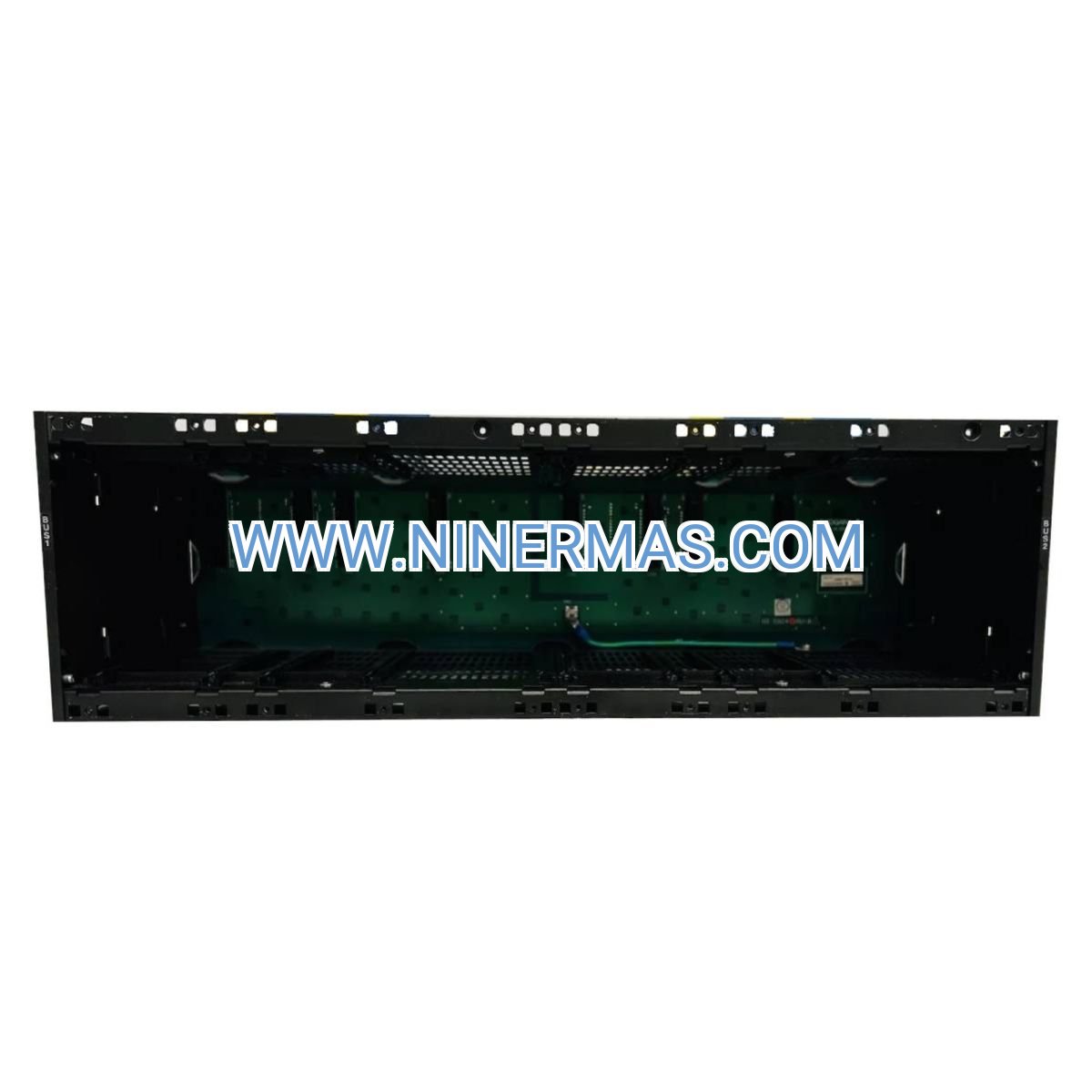
| Mounting Configuration | Standard Ovation chassis slot |
| Power Consumption | Typically 5W from backplane |
| Certifications | UL 508, CE, CSA C22.2, ATEX Zone 2 |
| MTBF Rating | >100,000 hours at 40°C |
Selection Guidelines: Choose the 1C31233G04 when your application requires forensic-quality event recording integrated with Ovation DCS control logic. For systems needing more than 16 inputs, multiple modules can be deployed with synchronized system time. If analog signal trending is required alongside discrete event capture, consider pairing with Ovation analog input modules for comprehensive process documentation.
Advanced Integration & Connectivity Options
Historian Database Integration: Event data streams directly to Emerson's DeltaV or OSI PI historians, enabling long-term trend analysis and correlation with process variables. Custom SQL queries extract event patterns for predictive maintenance algorithms.
SCADA System Interoperability: Through Ovation's OPC-UA and Modbus TCP gateways, SOE data becomes accessible to third-party HMI platforms, mobile operator interfaces, and enterprise asset management systems without custom programming.
Cybersecurity Compliance: Module firmware supports IEC 62443 security standards with role-based access controls and audit logging, meeting requirements for critical infrastructure protection programs and NERC CIP compliance.
Custom Event Filtering: Configure debounce timers and state change thresholds to eliminate nuisance alarms from chattering contacts or momentary signal glitches, ensuring event logs contain only meaningful state transitions.
Delivery, Warranty & Technical Support
Standard Lead Time: In-stock modules ship within 1-2 business days via expedited carriers. Custom-configured modules with pre-loaded firmware or special calibration require 5-7 business days.
Warranty Coverage: 12-month manufacturer's warranty covering defects in materials and workmanship. Extended warranty programs available for critical sparing applications.
Technical Assistance: Our application engineering team provides pre-sales consultation for system architecture design, I/O point allocation, and network loading calculations. Post-sales support includes commissioning guidance, troubleshooting assistance, and firmware update coordination.
Documentation Package: Each module ships with installation manual, wiring diagrams, configuration software utilities, and sample ladder logic for common event capture scenarios. CAD drawings and 3D STEP files available for panel layout design.
Frequently Asked Questions
Q: How does the 1C31233G04 interface with existing protective relay systems?
A: The module accepts dry contact outputs or voltage-free auxiliary contacts from any relay manufacturer. For relays with only voltage outputs, external interface relays convert signals to contact closures. Wiring typically follows a common-return configuration with field devices providing the switching action.
Q: What is the maximum event capture rate per channel?
A: Each input can reliably detect state changes occurring at intervals of 10ms or greater. For higher-frequency events (>100 Hz), consider dedicated high-speed counter modules or waveform capture devices designed for transient recording.
Q: Can this module reduce energy costs in industrial facilities?
A: While not directly an energy-saving device, the 1C31233G04 enables identification of equipment cycling patterns, unnecessary motor starts, and inefficient process sequences. Analyzing event logs often reveals opportunities to optimize batch timing, reduce idle running, and eliminate redundant operations—yielding 5-15% energy reductions in process industries.
Q: What are the physical installation requirements?
A: The module occupies one slot in a standard Ovation I/O chassis. Ensure adequate ventilation (minimum 50mm clearance above/below chassis) and avoid mounting near heat sources exceeding 60°C. Field wiring terminates on removable screw-terminal blocks supporting 14-22 AWG conductors.
Q: Does the module support remote monitoring and diagnostics?
A: Yes—through Ovation's web-based operator interface and mobile apps, authorized personnel can view real-time input states, review event histories, and receive diagnostic alerts from any network-connected device. Integration with Emerson's AMS Device Manager enables predictive health monitoring.
Q: How do I migrate event data from legacy fault recorders?
A: Our engineering team provides data conversion utilities that import COMTRADE files and proprietary recorder formats into Ovation's event database structure. Historical event records can be merged with new 1C31233G04 data for unified analysis spanning equipment lifecycles.
Take the Next Step
Enhance your facility's event analysis capabilities with the Emerson Ovation 1C31233G04 SOE module. Contact our automation specialists for application-specific recommendations, system integration planning, and volume pricing. Request a technical datasheet or schedule a virtual demonstration of event sequencing workflows.
© 2026 NINERMAS COMPANY LIMITED. All rights reserved.
Original Source: https://ninermas.com
Contact: sale@ninermas.com | +0086 187 5021 5667
PDF Specification
Download PDF file here:
Click to Download PDFRelated products

Contact Info
-
Address:22 / F, South Wo Hang building, 148 Wing Lok Street, Sheung Wan, Western District, Hong Kong
-
Phone:+8618750215667
-
Email:
