


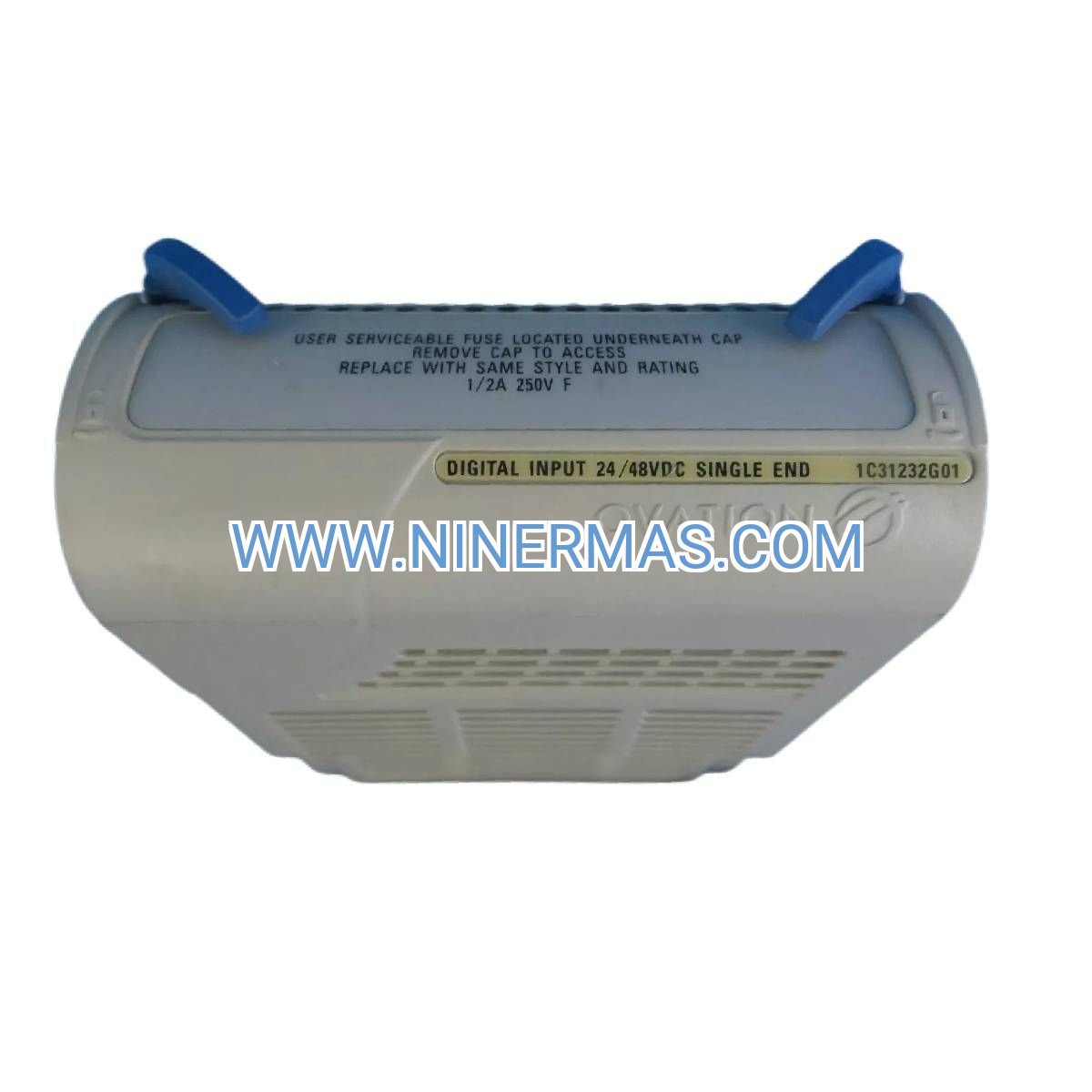
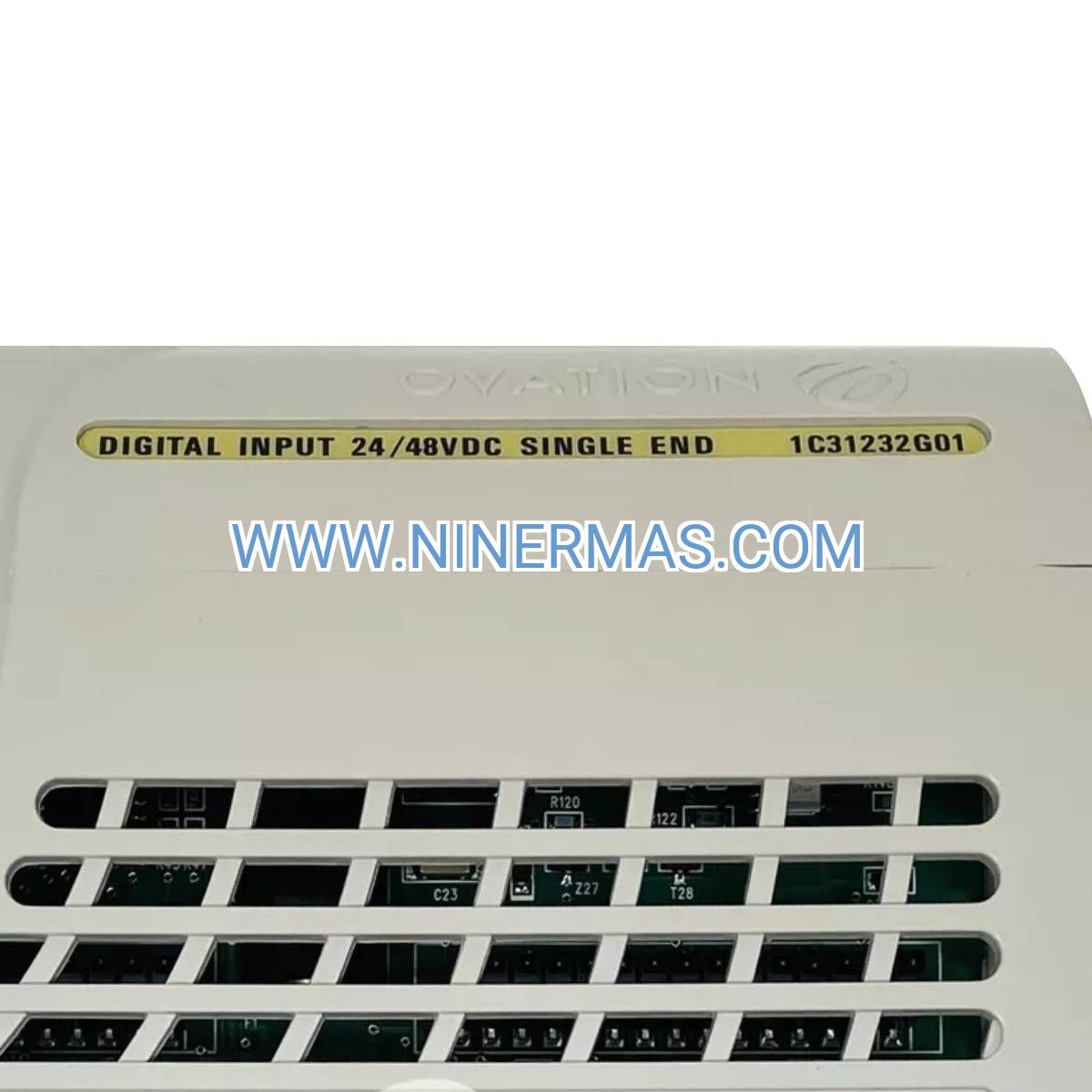
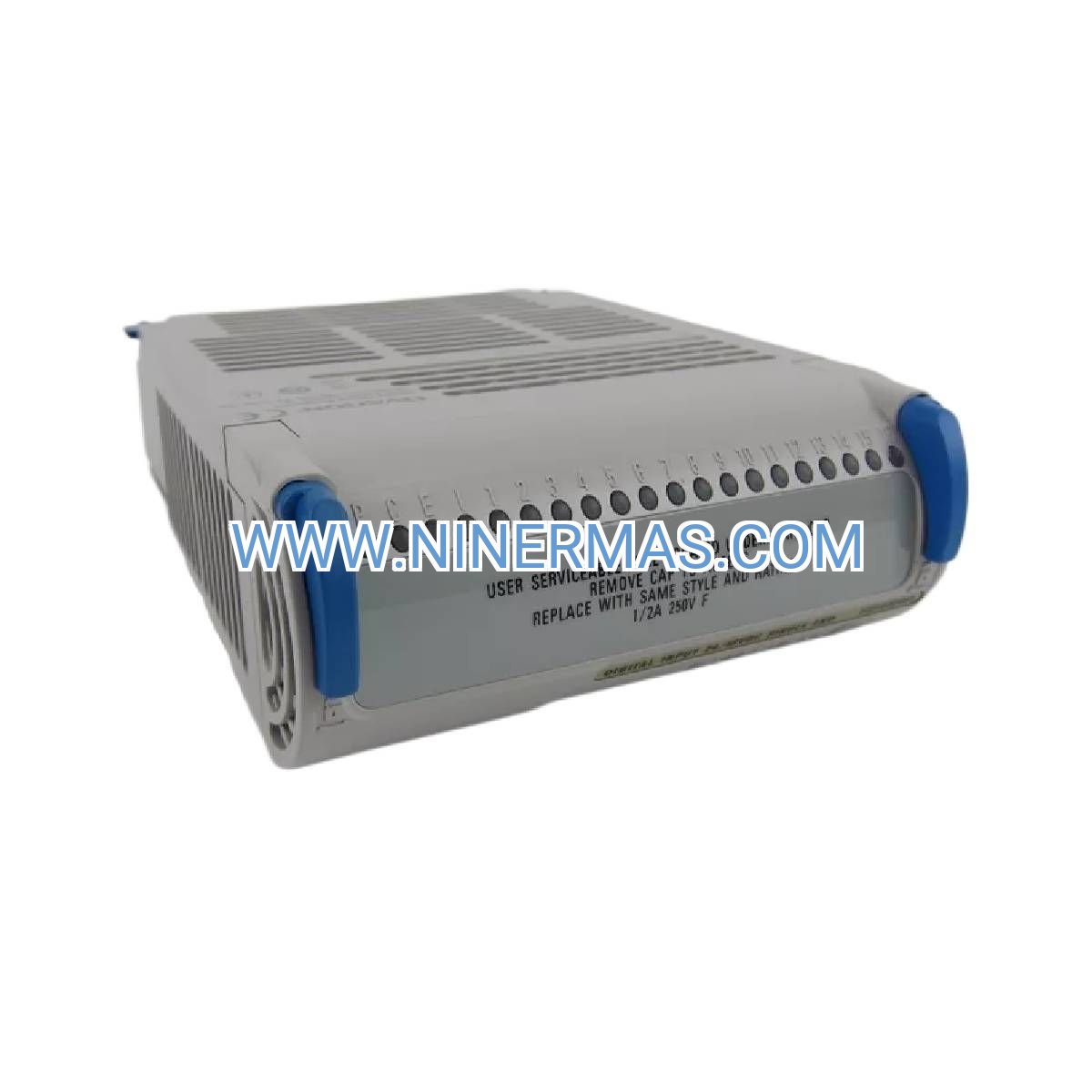
Description
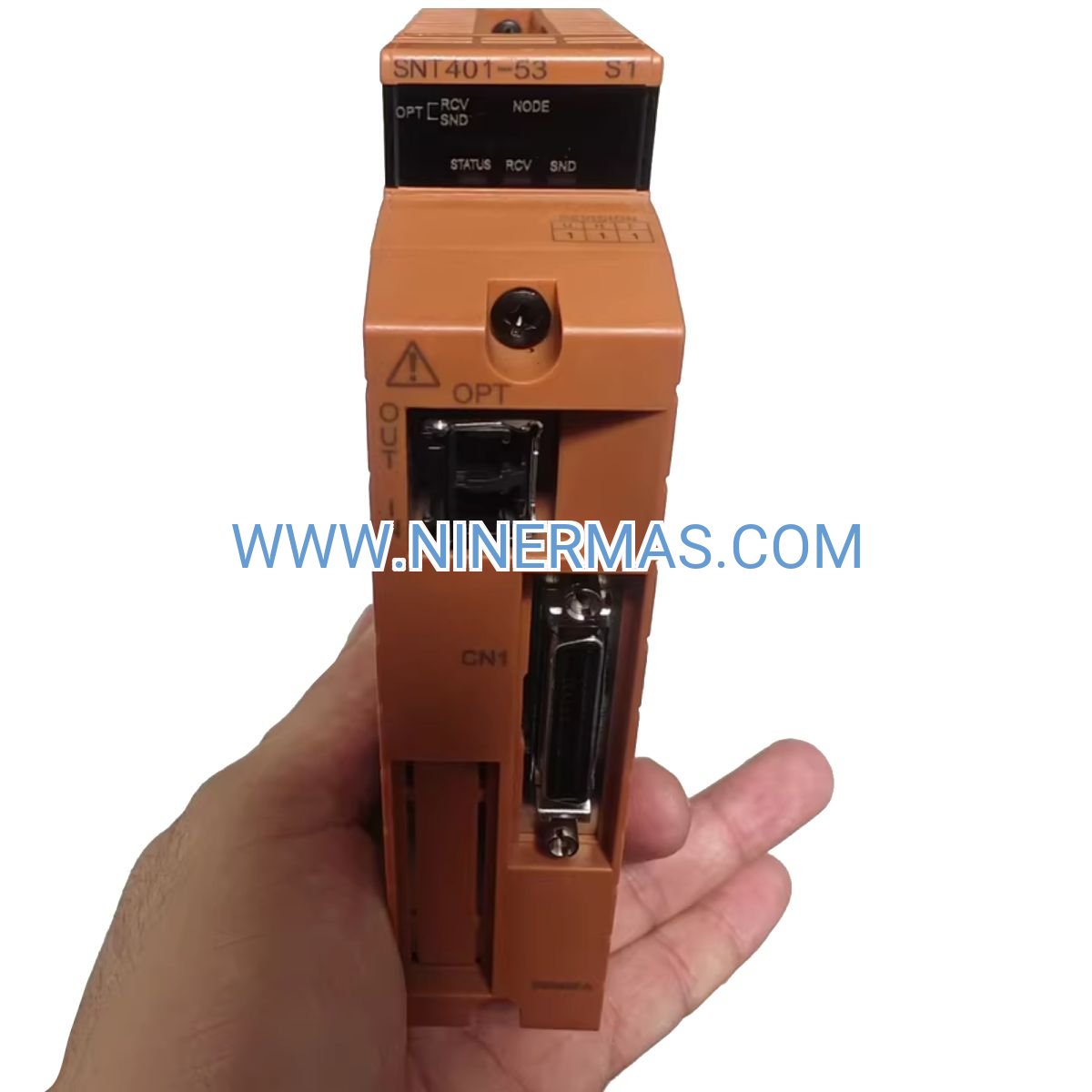
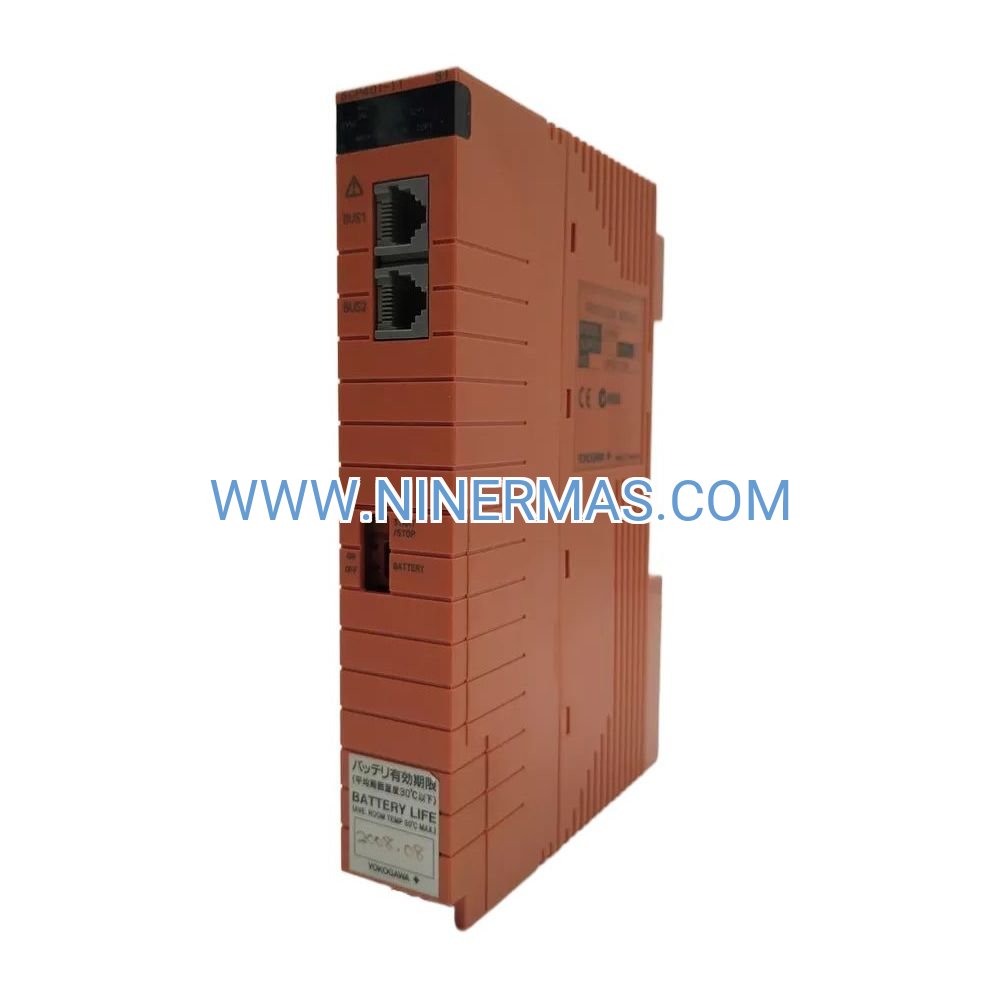
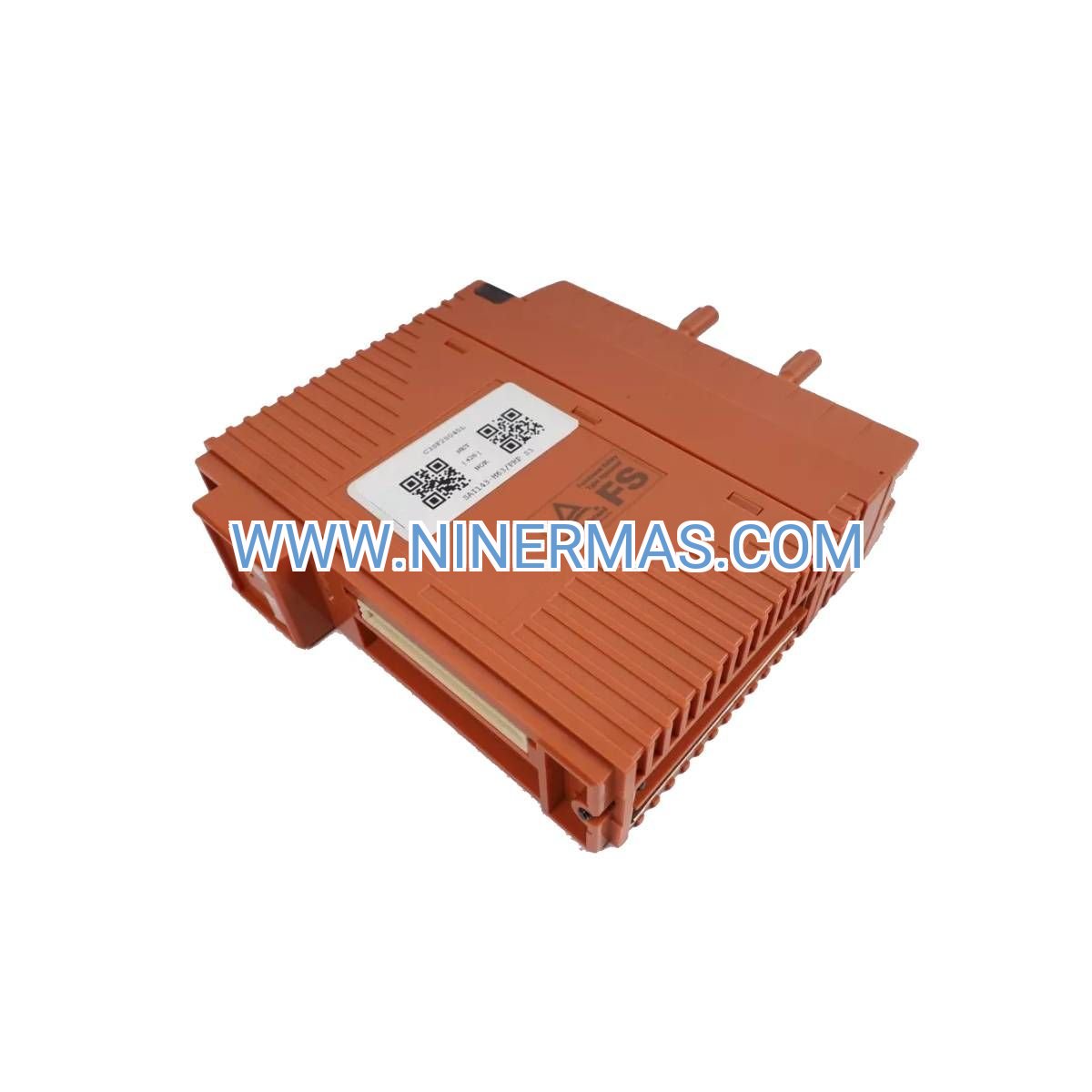
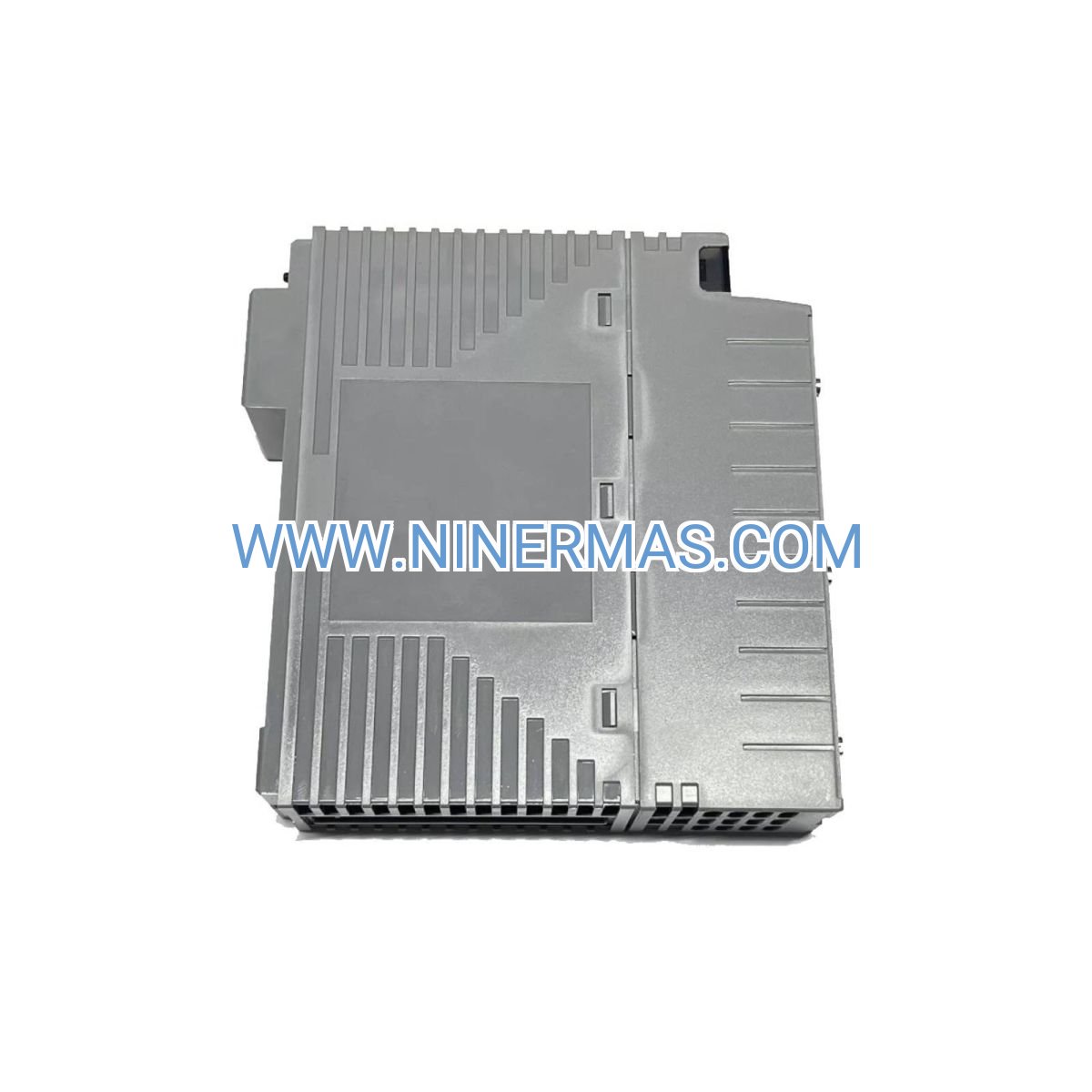
1C31161G02 RTD Temperature Acquisition Module (Industrial-Grade Precision)
The 1C31161G02 represents a professional-grade resistance temperature detector interface designed specifically for Emerson Ovation distributed control architectures. This personality module transforms analog RTD resistance signals into calibrated digital temperature values, enabling operators to monitor thermal processes with laboratory-level accuracy across demanding industrial environments.
Built for facilities where temperature deviation translates directly to product quality loss or safety incidents, the 1C31161G02 addresses the challenge of maintaining measurement integrity across wide ambient temperature swings, electrical noise, and vibration. Process engineers in refineries, chemical plants, and power stations rely on this module to deliver consistent ±0.1°C performance even when mounted in field junction boxes or control room cabinets subject to harsh conditions.
With 14 independently configurable channels supporting multiple RTD types on a single card, the module eliminates the need for separate hardware when monitoring mixed sensor populations. Hot-swap capability ensures maintenance teams can replace modules during scheduled turnarounds without initiating emergency shutdowns—a critical advantage in continuous process operations where downtime costs exceed $50,000 per hour.
Core Capabilities & Business Value
→ Multi-Sensor Compatibility: Accepts Pt100, Pt1000, Ni120, and Cu10 RTDs in 2-wire, 3-wire, or 4-wire configurations. Eliminates inventory complexity by consolidating sensor types on unified hardware platforms.
→ Channel-Level Isolation: Galvanic separation between input circuits and backplane bus prevents ground loop interference. Reduces troubleshooting time by 40% in electrically noisy environments like motor control centers.
→ Adaptive Scan Rates: Configure update intervals from 100 milliseconds to 10 seconds per channel based on process dynamics. Fast-changing reactor temperatures receive priority scanning while stable ambient measurements conserve processing bandwidth.
→ Integrated Diagnostics: Automatic detection of sensor breaks, wiring faults, and out-of-range conditions triggers immediate operator alerts. Predictive health monitoring flags degrading connections before they cause measurement failures.
✓ 16-Bit Resolution: Delivers 0.01°C discrimination across the full -200°C to +850°C span, meeting pharmaceutical validation requirements for critical quality attributes.
✓ Callendar-Van Dusen Linearization: Hardware-accelerated polynomial correction ensures Pt100/Pt1000 accuracy across non-linear resistance curves without burdening controller CPU cycles.
Industry-Specific Deployment Scenarios
Refining & Petrochemicals: In fluid catalytic cracking units, the 1C31161G02 monitors riser temperatures at 12 elevations simultaneously, providing operators real-time thermal profiles to optimize catalyst circulation rates. Early detection of hot spots prevents coking incidents that require multi-week shutdowns for mechanical cleaning.
Electric Power Generation: Combined-cycle plants deploy these modules to track steam turbine bearing metal temperatures, condenser vacuum system performance, and feedwater heater efficiency. Trending data feeds predictive maintenance algorithms that schedule bearing replacements during planned outages rather than forced trips.
Pharmaceutical Batch Processing: Bioreactor temperature control during fermentation directly impacts yield and product consistency. The module's ±0.1°C accuracy satisfies FDA 21 CFR Part 11 validation protocols, while audit trails document every temperature excursion for regulatory submissions.
Food Safety Compliance: Pasteurization systems in dairy plants use the 1C31161G02 to verify HACCP critical control points. Automated alarming ensures product batches receive adequate thermal treatment, while historical logs provide evidence during USDA inspections.
Metals & Mining: Smelter operations monitor furnace refractory temperatures to prevent catastrophic lining failures. The module's high-temperature capability (up to 850°C) and sensor break detection provide early warning when thermocouples degrade in molten metal splash zones.
Technical Parameters & Selection Criteria
| Parameter | Specification |
|---|---|
| Input Channels | 14 differential RTD inputs |
| Sensor Types | Pt100, Pt1000, Ni120, Cu10 |
| Wiring Modes | 2-wire, 3-wire, 4-wire (selectable per channel) |
| Measurement Range | -200°C to +850°C (-328°F to +1562°F) |
| Accuracy | ±0.1°C typical @ 25°C ambient |
| Resolution | 16-bit A/D conversion (0.01°C discrimination) |
| Update Rate | 100ms to 10s per channel (configurable) |
| Isolation | 1500V channel-to-channel, 2500V channel-to-bus |
| Operating Temperature | -40°C to +70°C ambient |
| MTBF | >500,000 hours (MIL-HDBK-217F) |
| Certifications | UL/cUL, CE, ATEX Zone 2, IECEx, SIL 2 capable |
Selection Guidance: Choose 3-wire RTD connections for installations under 100 meters to balance accuracy and wiring cost. Specify 4-wire configurations for critical measurements where lead resistance compensation is mandatory (pharmaceutical reactors, calibration standards). The module auto-detects sensor types during commissioning, simplifying multi-zone temperature mapping projects.
Advanced Integration & Customization
The 1C31161G02 integrates seamlessly with Ovation Developer Studio for drag-and-drop configuration. Engineers assign engineering units (°C, °F, K), alarm setpoints, and filtering parameters through graphical interfaces—no ladder logic programming required. For legacy system migrations, the module supports Modbus TCP and OPC UA protocols, enabling data exchange with third-party historians and MES platforms.
Custom linearization tables accommodate non-standard RTD curves for specialty alloy sensors used in aerospace testing or nuclear applications. Firmware updates deploy over the Ovation network without removing modules from service, ensuring cybersecurity patches install during normal operations.
When paired with Ovation Safety Controllers, the 1C31161G02 participates in SIL 2-rated safety instrumented functions. Redundant module configurations provide 1oo2 voting for high-integrity temperature protection systems (HITPS) in fired heater applications.
Delivery Timeline & Support Infrastructure
Lead Time: Standard stock items ship within 3-5 business days. Custom-configured modules with factory calibration certificates require 2-3 weeks. Expedited processing available for emergency outage support.
Warranty Coverage: 24-month manufacturer defect warranty from shipment date. Extended service agreements include advance replacement and on-site commissioning assistance.
Technical Resources: Each module ships with installation manual, wiring diagrams, and Ovation configuration templates. Access to 24/7 application engineering hotline for troubleshooting support during startup and commissioning phases.
Documentation Package: Calibration certificates traceable to NIST standards, material certifications for hazardous area installations, and IEC 61508 functional safety manuals for SIL applications.
Frequently Asked Questions
Q: Can the 1C31161G02 interface with non-Ovation control systems?
A: Yes, the module supports Modbus TCP and OPC UA protocols for integration with Allen-Bradley, Siemens, or Yokogawa controllers. Configuration requires Ovation Developer Studio but runtime operation is protocol-agnostic.
Q: What is the maximum cable length between RTD sensors and the module?
A: 3-wire Pt100 sensors maintain ±0.2°C accuracy up to 300 meters using 18 AWG shielded cable. For distances exceeding 500 meters, specify 4-wire configurations or install remote I/O bases closer to sensor fields.
Q: Does the module require calibration after installation?
A: No field calibration necessary. Factory calibration remains valid for 5 years under normal operating conditions. Annual verification using portable RTD simulators confirms measurement integrity for quality system audits.
Q: How does the module handle sensor failures during operation?
A: Sensor break detection activates within 2 seconds, driving the channel to a configurable safe state (high alarm, low alarm, or last good value). Operators receive HMI notifications with specific channel identification for rapid troubleshooting.
Q: Can I mix Pt100 and Pt1000 sensors on the same module?
A: Absolutely. Each of the 14 channels configures independently, allowing simultaneous use of different RTD types, wiring modes, and temperature ranges on a single card.
Q: What cybersecurity features protect against unauthorized access?
A: Firmware cryptographic signing prevents malicious code injection. Role-based access controls in Ovation Developer Studio restrict configuration changes to authorized personnel. Audit logs track all parameter modifications with user ID and timestamp.
Secure Your Temperature Measurement Upgrade
Contact our application engineers to discuss your specific RTD monitoring requirements. We provide complimentary system architecture reviews, sensor selection guidance, and ROI analysis for control system modernization projects. Request a quotation today to lock in current pricing and delivery schedules.
© 2026 NINERMAS COMPANY LIMITED. All rights reserved.
Original Source: https://ninermas.com
Contact: sale@ninermas.com | +0086 187 5021 5667
Related products


Contact Info
-
Address:22 / F, South Wo Hang building, 148 Wing Lok Street, Sheung Wan, Western District, Hong Kong
-
Phone:+8618750215667
-
Email:
