Description
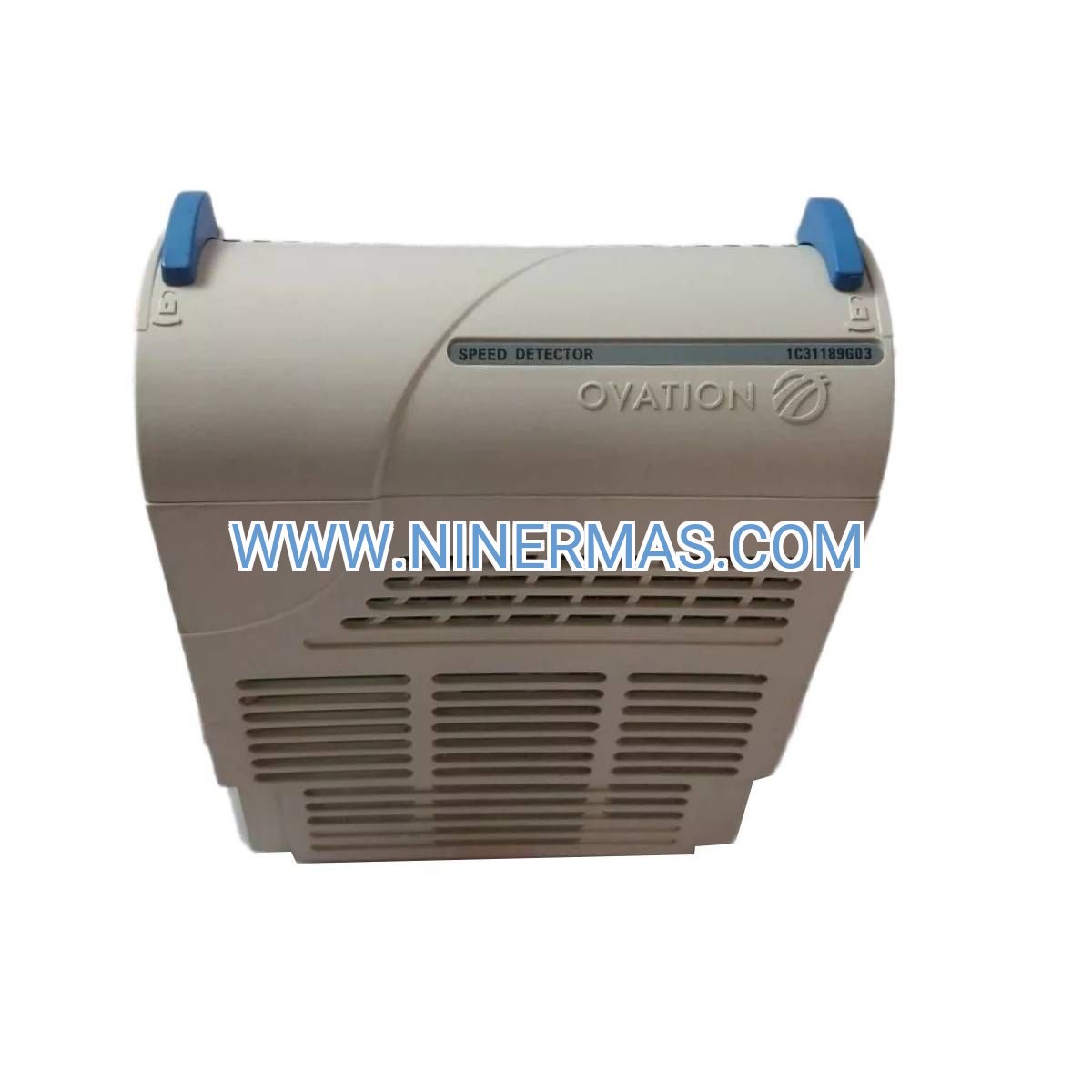
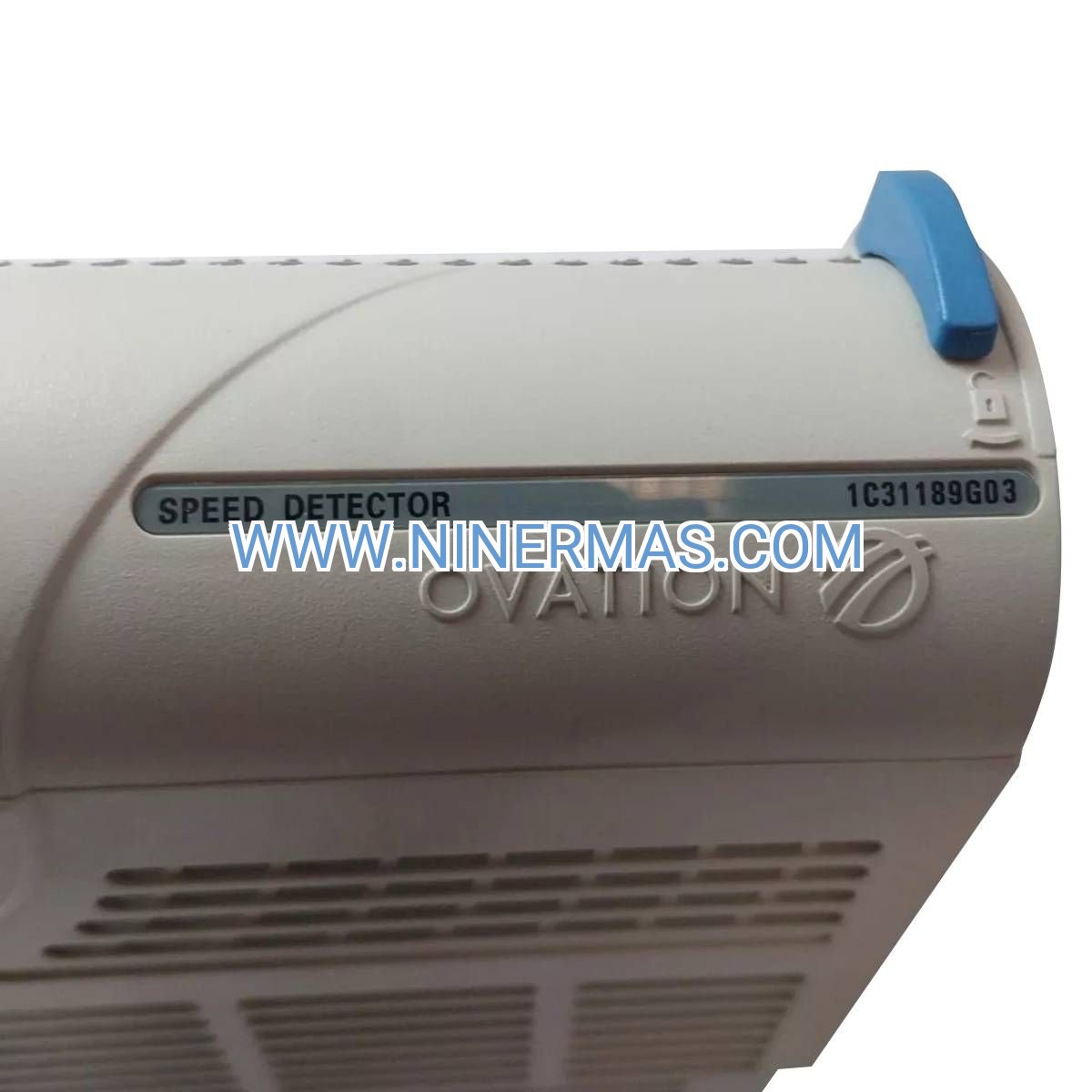
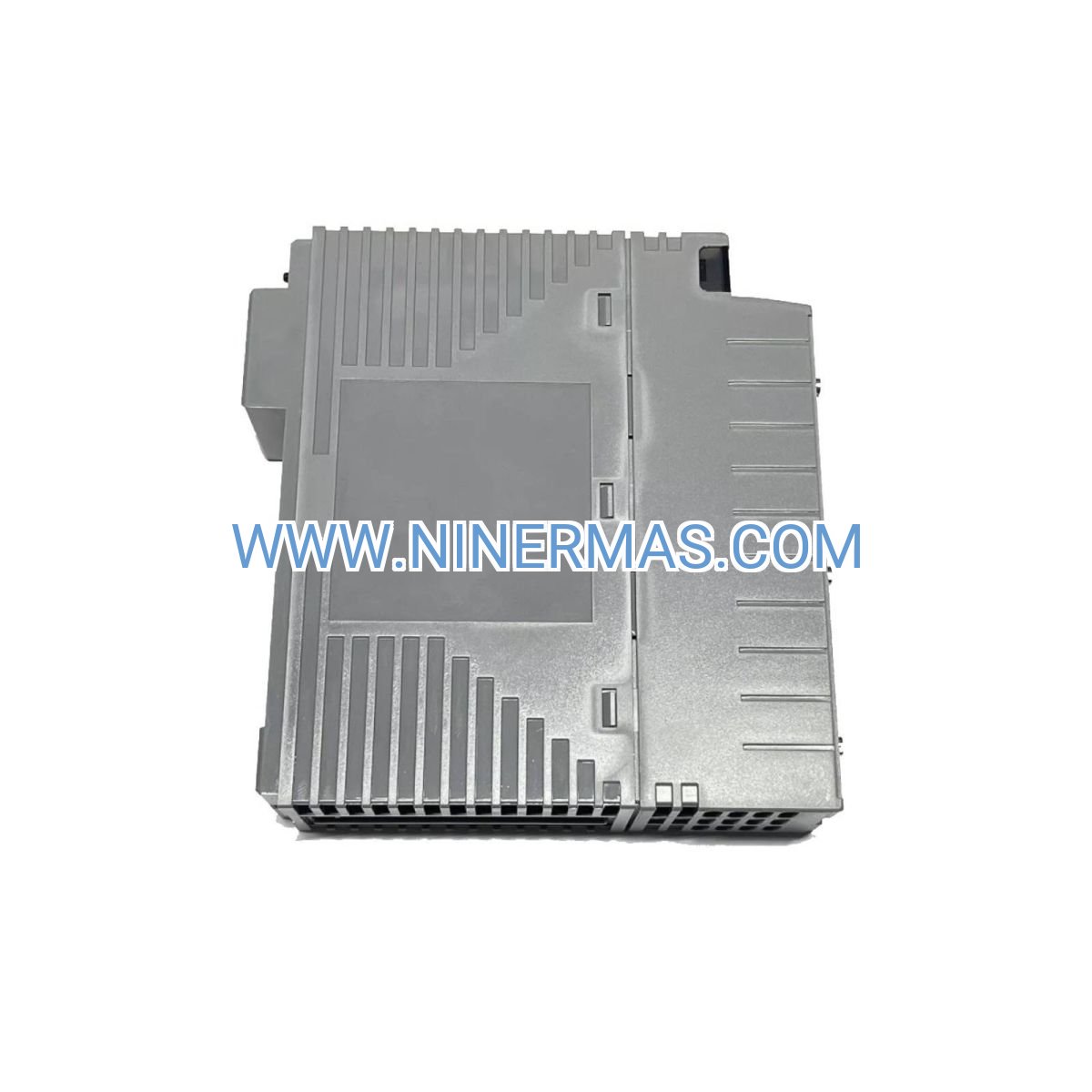
1C31189G03 Speed Input Personality Module (Industrial-Grade Turbomachinery Control)
The 1C31189G03 is an industrial-grade speed input personality module engineered for Emerson Ovation distributed control systems. This precision instrument transforms raw sensor signals into actionable speed data, enabling operators to monitor rotating equipment performance in real time. Designed for power plants, petrochemical facilities, and heavy manufacturing environments, it serves as the critical link between mechanical assets and digital control infrastructure.
Process engineers face constant pressure to prevent unplanned shutdowns while maximizing equipment lifespan. Traditional speed monitoring solutions often lack the accuracy needed for predictive maintenance or the reliability required in safety-critical applications. The 1C31189G03 addresses these challenges through multi-sensor compatibility, programmable alarm thresholds, and fault-tolerant architecture that maintains operation even during sensor degradation.
Key differentiators include hot-swappable installation for zero-downtime maintenance, built-in diagnostics that identify wiring faults before they cause trips, and seamless integration with Ovation's unified control platform. Whether you're protecting a 500 MW turbine generator or synchronizing conveyor systems in automotive assembly, this module delivers the measurement integrity your operations demand.
Technical Features & Business Value
→ Universal Sensor Compatibility
Accepts inputs from magnetic pickups, eddy current probes, and TTL encoders without external signal conditioning. Eliminates costly adapter modules and simplifies spare parts inventory across multi-vendor installations.
→ Configurable Speed Ranges
User-programmable measurement spans from 0 to 30,000 RPM accommodate everything from slow-speed crushers to high-speed centrifugal compressors. Single module type reduces engineering complexity and procurement lead times.
→ Dual-Channel Redundancy
Independent input channels with automatic failover ensure continuous monitoring even if one sensor fails. Meets SIL 2 requirements for safety instrumented systems in hazardous process areas.
✓ Integrated Overspeed Detection
Programmable trip setpoints trigger emergency shutdown sequences within 10 milliseconds of threshold breach. Protects equipment worth millions from catastrophic overspeed events that could destroy bearings, seals, and rotating assemblies.
✓ Real-Time Diagnostics
Continuous self-monitoring detects open circuits, short circuits, and signal degradation. Maintenance teams receive advance warning of sensor issues, enabling scheduled repairs instead of reactive emergency responses.
✓ Hot-Swap Capability
Field-replaceable during operation without interrupting control system functions. Reduces mean time to repair (MTTR) from hours to minutes, directly improving overall equipment effectiveness (OEE).
Industry Applications & Problem Solving
Power Generation Facilities
Steam turbine speed control and generator synchronization in coal, gas, and combined-cycle plants. Prevents grid disturbances caused by frequency deviations while enabling automatic load following during peak demand periods. Typical installations monitor main turbines, boiler feed pumps, and induced draft fans.
Upstream Oil & Gas Operations
Compressor anti-surge control and pump speed regulation on offshore platforms and remote wellhead sites. Harsh environmental conditions demand rugged electronics that maintain calibration despite temperature swings and vibration exposure. Reduces unplanned shutdowns that cost operators $50,000+ per hour in lost production.
Chemical Process Manufacturing
Reactor agitator speed monitoring and centrifuge control in batch and continuous processes. Precise speed regulation ensures product quality consistency while preventing mechanical failures that could release hazardous materials. Integrates with distributed control systems managing temperature, pressure, and flow loops.
Pulp & Paper Mills
Paper machine drive synchronization and refiner speed control across multi-stage production lines. Coordinated speed management between forming sections, press rolls, and dryer cans eliminates sheet breaks that waste raw materials and reduce throughput by 15-20%.
Steel & Metals Production
Rolling mill speed matching and conveyor coordination in hot strip, cold rolling, and finishing operations. Maintains precise speed ratios between successive stands to achieve target gauge tolerances and surface finish specifications.
Technical Parameters & Selection Criteria
| Parameter | Specification |
| Input Signal Types | Magnetic pickup (passive), Proximity probe (8-24 VDC), TTL pulse (0-5 VDC) |
| Measurement Range | 0–30,000 RPM (field-configurable in 100 RPM increments) |
| Accuracy | ±0.01% of reading ±1 RPM (whichever is greater) |
| Response Time | 10 ms update rate, 5 ms overspeed trip response |
| Input Channels | Dual independent channels with selectable voting logic |
| Operating Temperature | 0°C to 60°C (32°F to 140°F), -40°C to 85°C storage |
| Humidity Tolerance | 5% to 95% RH non-condensing |
| Power Requirements | 24 VDC ±10% via Ovation I/O chassis backplane, 3.5 W typical |
| Isolation | 1500 VDC channel-to-backplane, 500 VDC channel-to-channel |
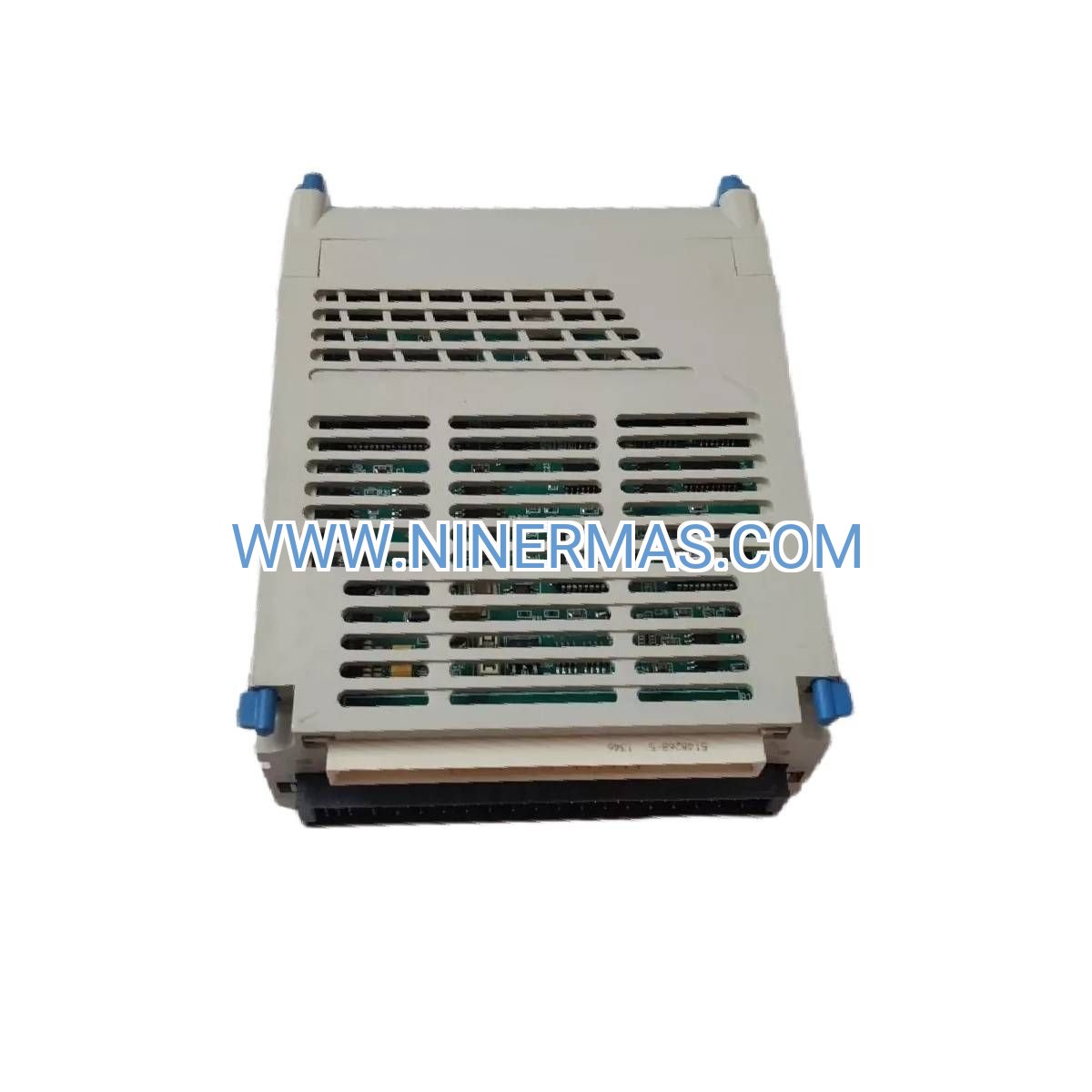
| Mounting | Ovation I/O chassis slot (single-width module) |
| Certifications | UL/cUL, CE, ATEX Zone 2, IECEx, SIL 2 capable |
| MTBF | >150,000 hours (Bellcore TR-332 methodology) |
Selection Guidelines: Choose the 1C31189G03 when your application requires speed measurement accuracy better than ±0.1%, dual-channel redundancy for safety-critical services, or integration with existing Ovation control infrastructure. For applications with speed ranges exceeding 30,000 RPM or requiring frequency output signals, consult factory application engineers for alternative module recommendations. Verify sensor compatibility using the Ovation I/O Configuration Tool before ordering.
Extended Functionality & Integration Options
Ovation DCS Integration: Native support for Ovation Controller and Ovation Developer Studio enables drag-and-drop configuration without custom programming. Speed data automatically populates historian databases for trend analysis and regulatory compliance reporting.
Modbus TCP/IP Connectivity: Optional communication module provides speed data to third-party SCADA systems, vibration monitoring platforms, and enterprise asset management software. Enables condition-based maintenance strategies that reduce spare parts inventory by 30%.
Customizable Alarm Logic: Configure up to 8 independent alarm setpoints with adjustable deadbands and time delays. Supports high/low speed warnings, rate-of-change alerts, and deviation alarms for multi-unit synchronization applications.
Field Calibration Tools: Handheld configuration device allows technicians to adjust scaling factors and verify accuracy without laptop computers. Reduces commissioning time by 40% compared to software-only configuration methods.
Delivery Timeline & Service Commitments
Standard Delivery: 3-5 business days for in-stock units via express courier to major industrial centers. All modules ship with factory calibration certificates traceable to NIST standards.
Custom Configuration: 7-10 business days for pre-programmed modules with customer-specific alarm setpoints and scaling parameters. Includes documentation package with loop drawings and configuration file backups.
Warranty Coverage: 24-month comprehensive warranty covering materials, workmanship, and calibration drift. Advance replacement program ships substitute modules within 24 hours of failure notification.
Technical Support: Unlimited phone and email support from application engineers with average 2-hour response time during business hours. Remote diagnostic assistance available via secure VPN connection to troubleshoot installation issues.
Documentation Included: Installation manual, wiring diagrams, configuration software license, and sample control logic for common applications. Video tutorials demonstrate sensor wiring, module installation, and software configuration procedures.
Frequently Asked Questions
What sensor wiring configurations does the 1C31189G03 speed input module support?
The module accepts two-wire magnetic pickups (passive sensors generating AC voltage), three-wire proximity probes (requiring 8-24 VDC excitation), and TTL pulse inputs from optical encoders or Hall effect sensors. Terminal blocks provide clearly labeled connections for signal, shield, and power wires. Built-in termination resistors eliminate external components for magnetic pickup applications.
Can this speed monitoring module handle variable frequency drive applications?
Yes, the 1C31189G03 accurately measures motor speeds controlled by VFDs across the entire 0-30,000 RPM range. The module's digital signal processing filters electrical noise from VFD switching frequencies while maintaining 10 ms update rates. For optimal performance in high-EMI environments, use shielded sensor cables with 360-degree shield termination at the module end.
How much energy efficiency improvement can speed control optimization deliver?
Precise speed regulation typically reduces energy consumption by 8-15% in variable-torque applications like fans and pumps. A 500 HP centrifugal compressor operating 8,000 hours annually at $0.10/kWh can save $30,000-$56,000 per year through optimized speed control. Additional savings come from reduced mechanical wear and extended maintenance intervals.
What are the physical installation requirements for Ovation I/O chassis mounting?
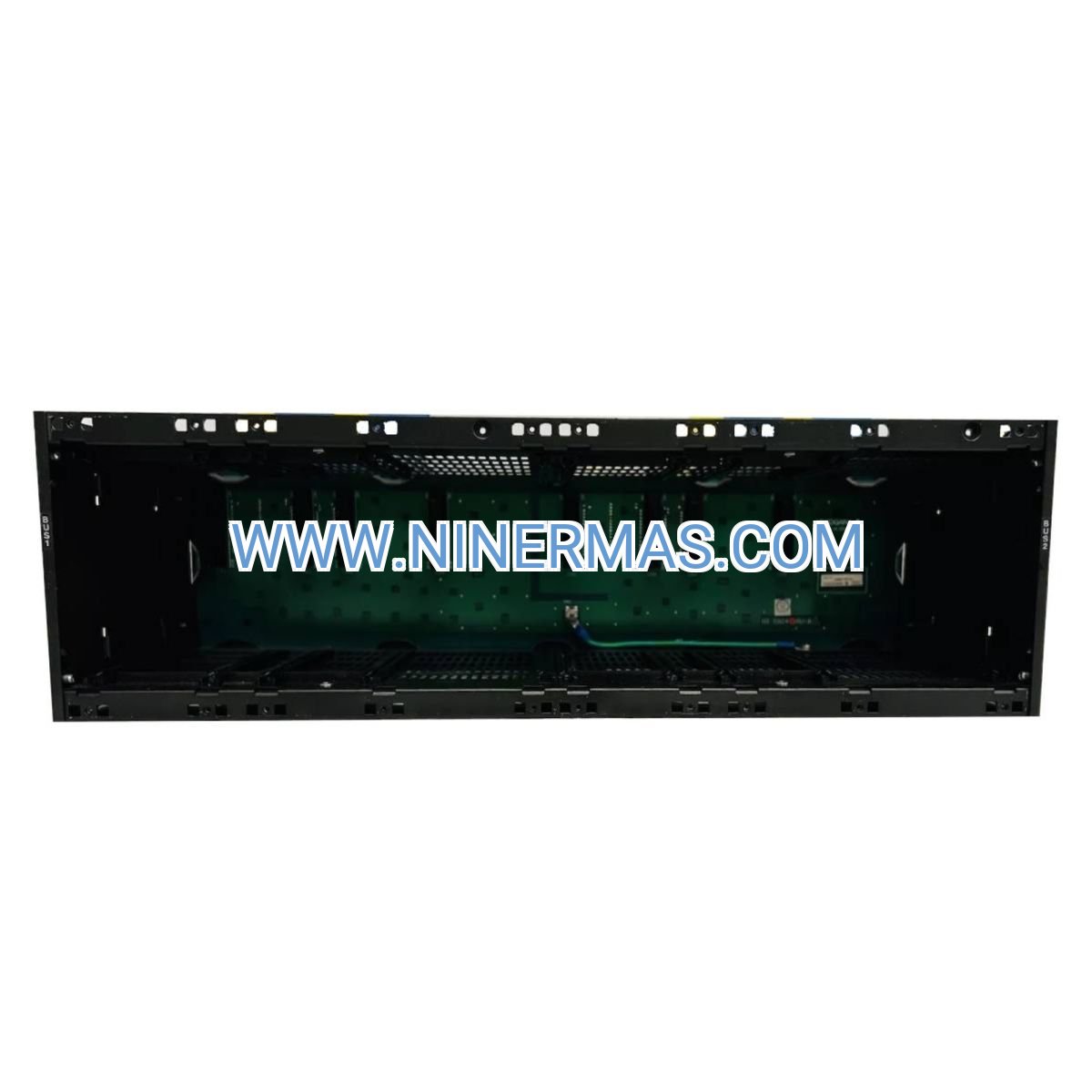
The module occupies one standard slot in Ovation 1C, 1D, or 1X series I/O chassis. Minimum clearances: 50 mm above and below chassis for airflow, 100 mm behind chassis for cable routing. Ambient temperature must remain below 60°C; install cooling fans if cabinet temperatures exceed 50°C. Chassis mounting rails must support 15 kg total load including all installed modules.
Does the 1C31189G03 support remote monitoring and predictive maintenance integration?
Yes, speed data streams to Ovation's built-in historian and can be exported to third-party condition monitoring platforms via OPC UA or Modbus TCP protocols. Integration with vibration analysis systems enables correlation between speed variations and bearing wear patterns. Typical predictive maintenance implementations detect developing faults 4-6 weeks before functional failure.
What is the typical calibration interval for maintaining measurement accuracy?
Factory calibration remains valid for 24 months under normal operating conditions. Annual verification using a precision frequency generator confirms accuracy within ±0.01% specification. Harsh environments with temperature cycling or high vibration may require 12-month calibration intervals. The module stores calibration coefficients in non-volatile memory that survives power interruptions.
Get Started with Industrial-Grade Speed Monitoring
Protect your critical rotating equipment with proven measurement technology trusted by thousands of installations worldwide. Our application engineers are ready to discuss your specific speed monitoring requirements, recommend optimal sensor configurations, and provide integration guidance for your Ovation control system.
Request a technical consultation: Contact our team to receive detailed specifications, compatibility verification for your existing sensors, and project-specific pricing. Standard delivery ensures your module arrives ready for immediate installation with comprehensive documentation and configuration support.
© 2026 NINERMAS COMPANY LIMITED. All rights reserved.
Original Source: https://ninermas.com
Contact: sale@ninermas.com | +0086 187 5021 5667
Related products

Contact Info
-
Address:22 / F, South Wo Hang building, 148 Wing Lok Street, Sheung Wan, Western District, Hong Kong
-
Phone:+8618750215667
-
Email: