Description
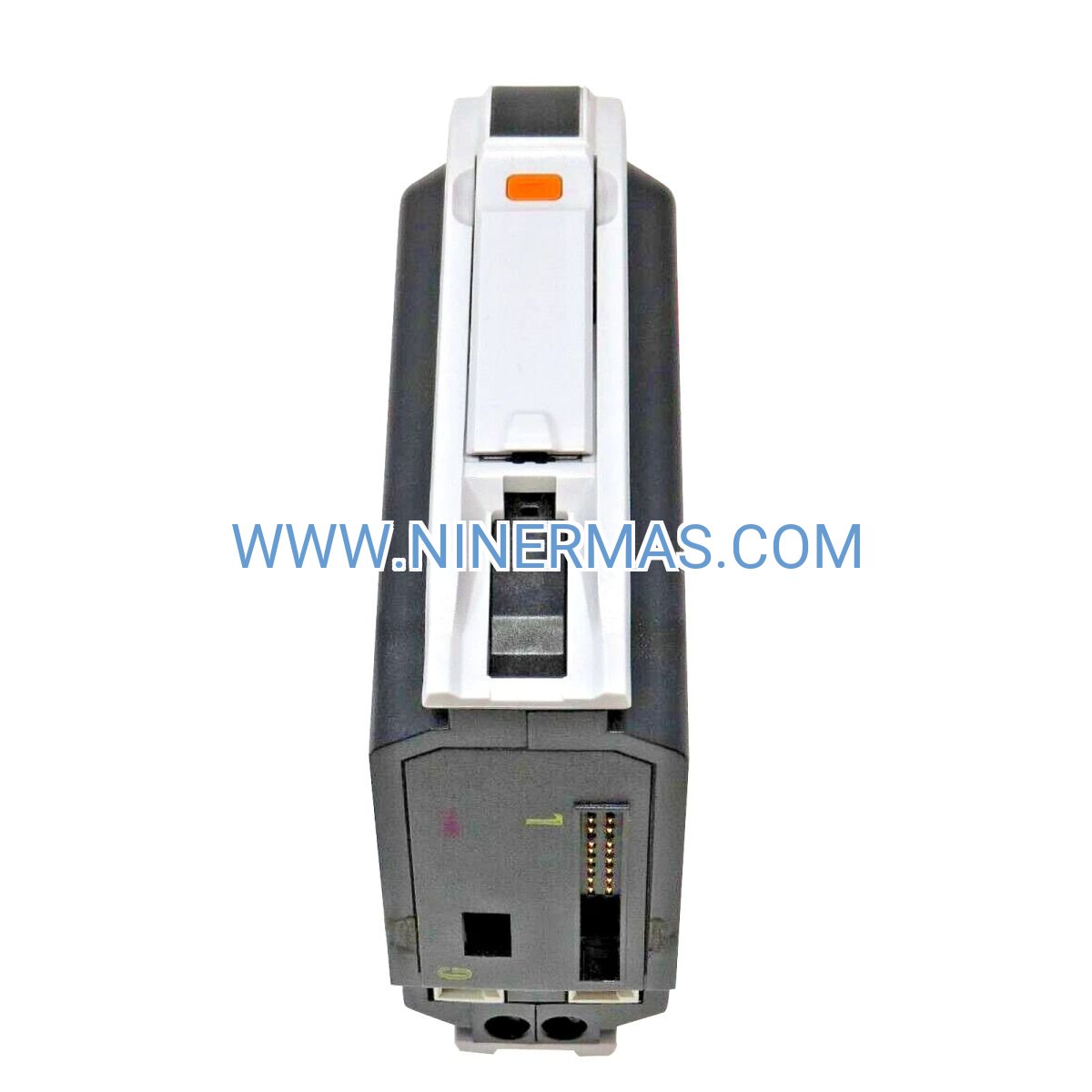
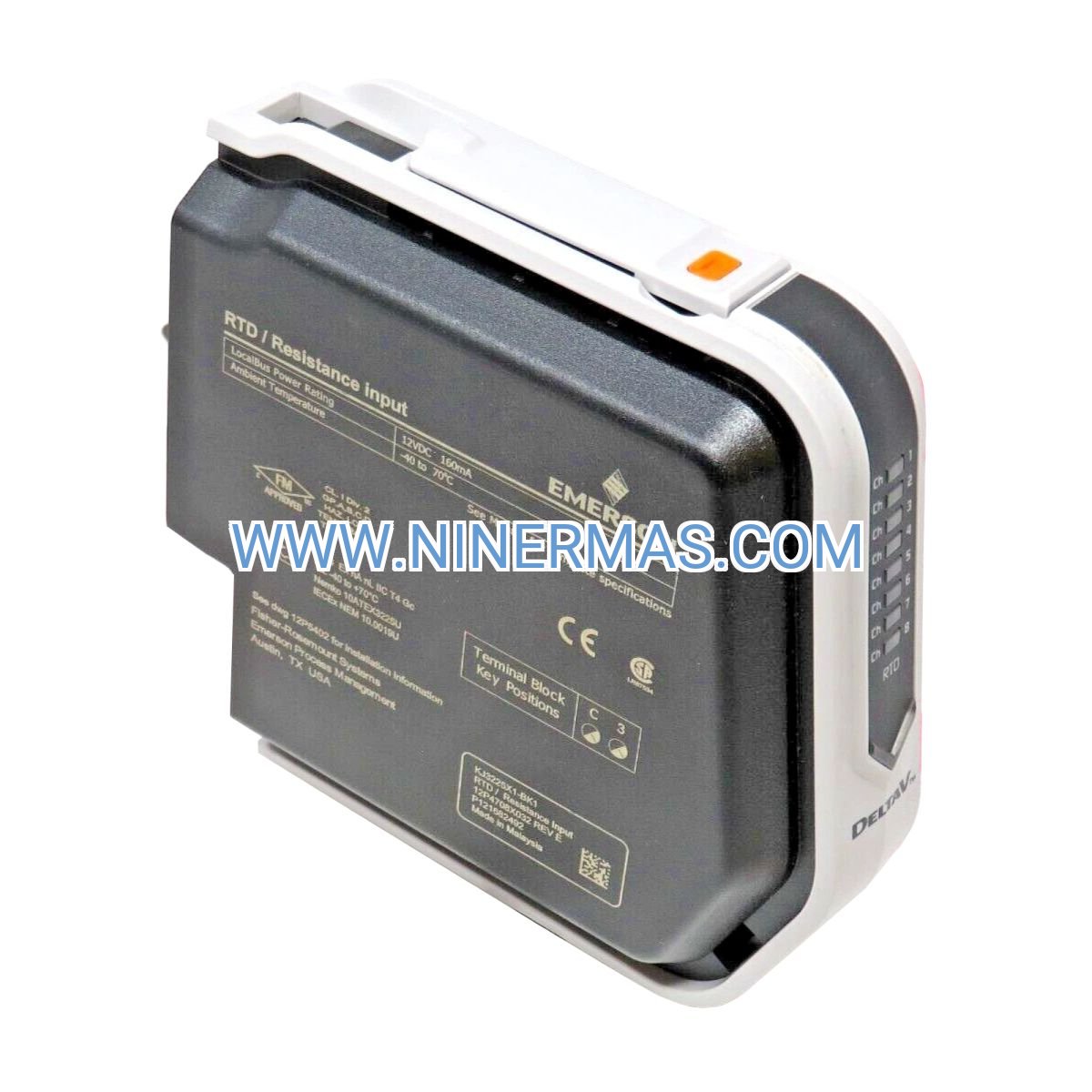
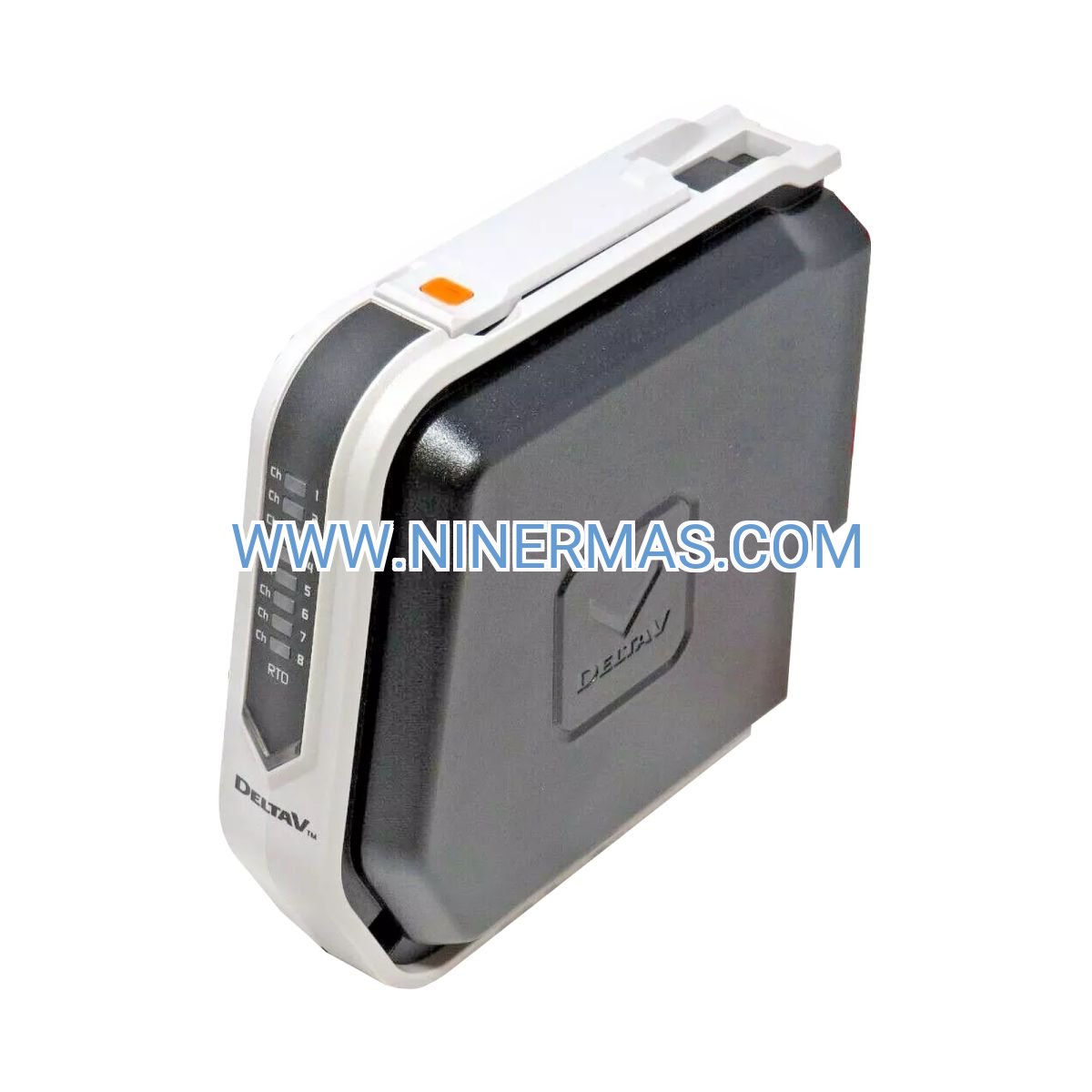
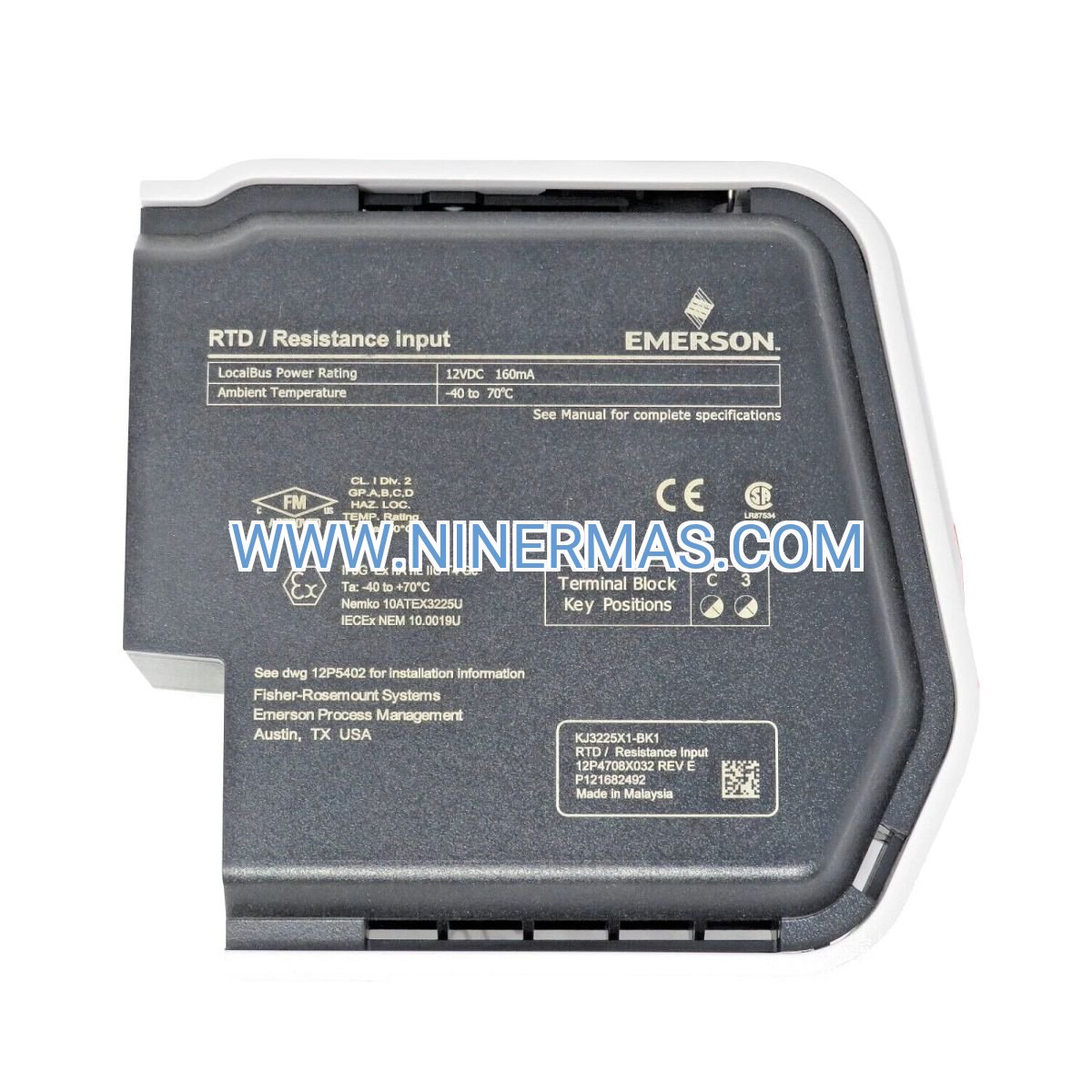
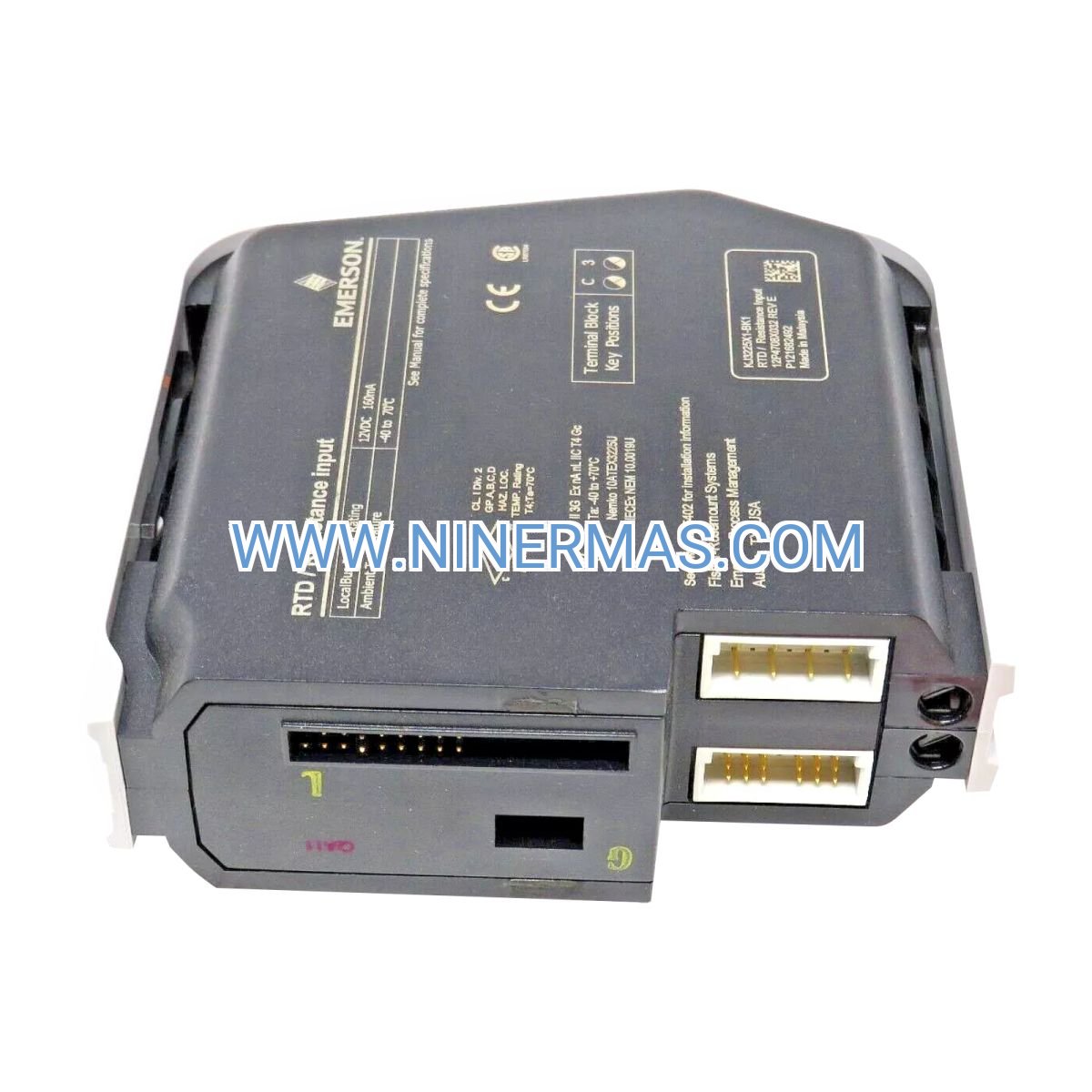
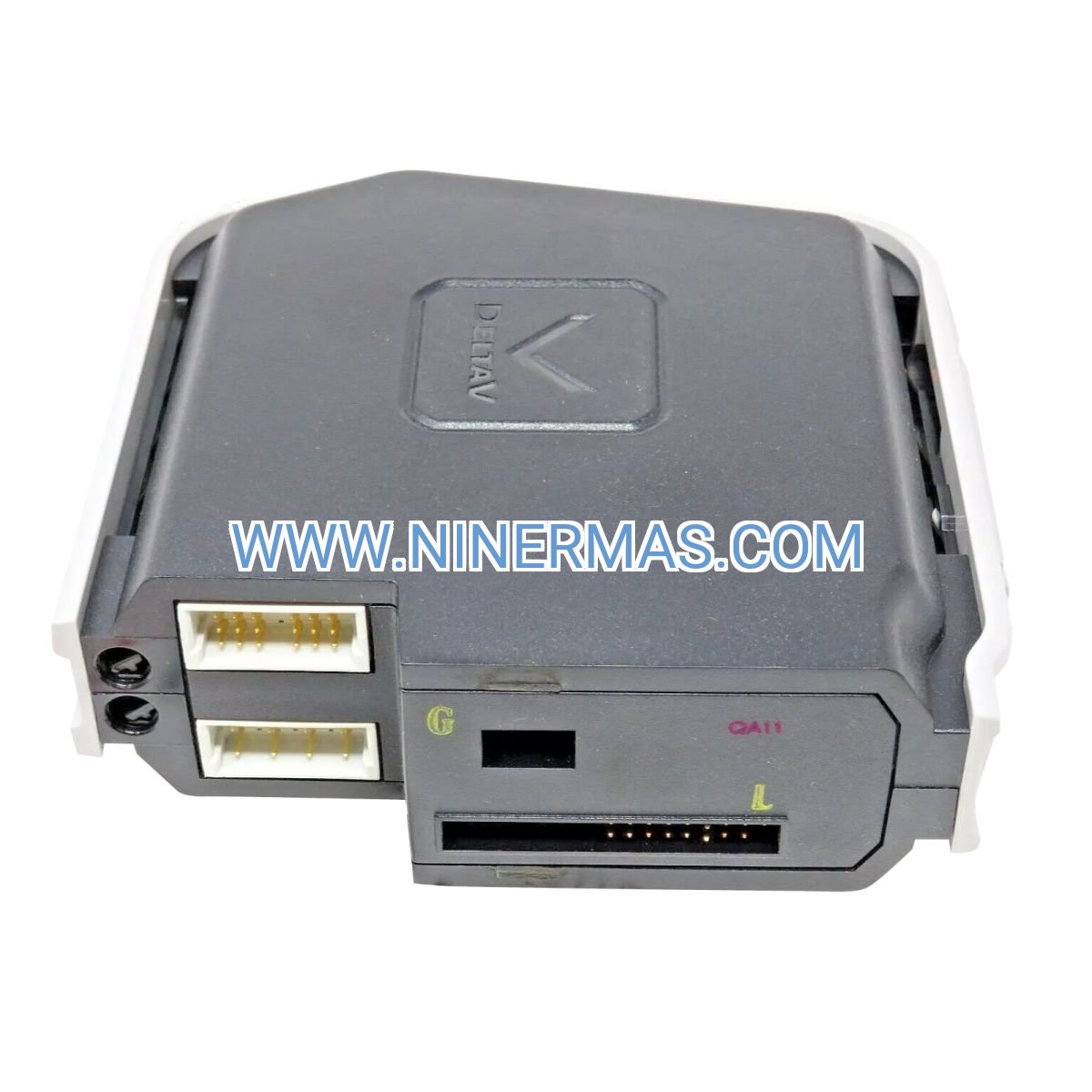
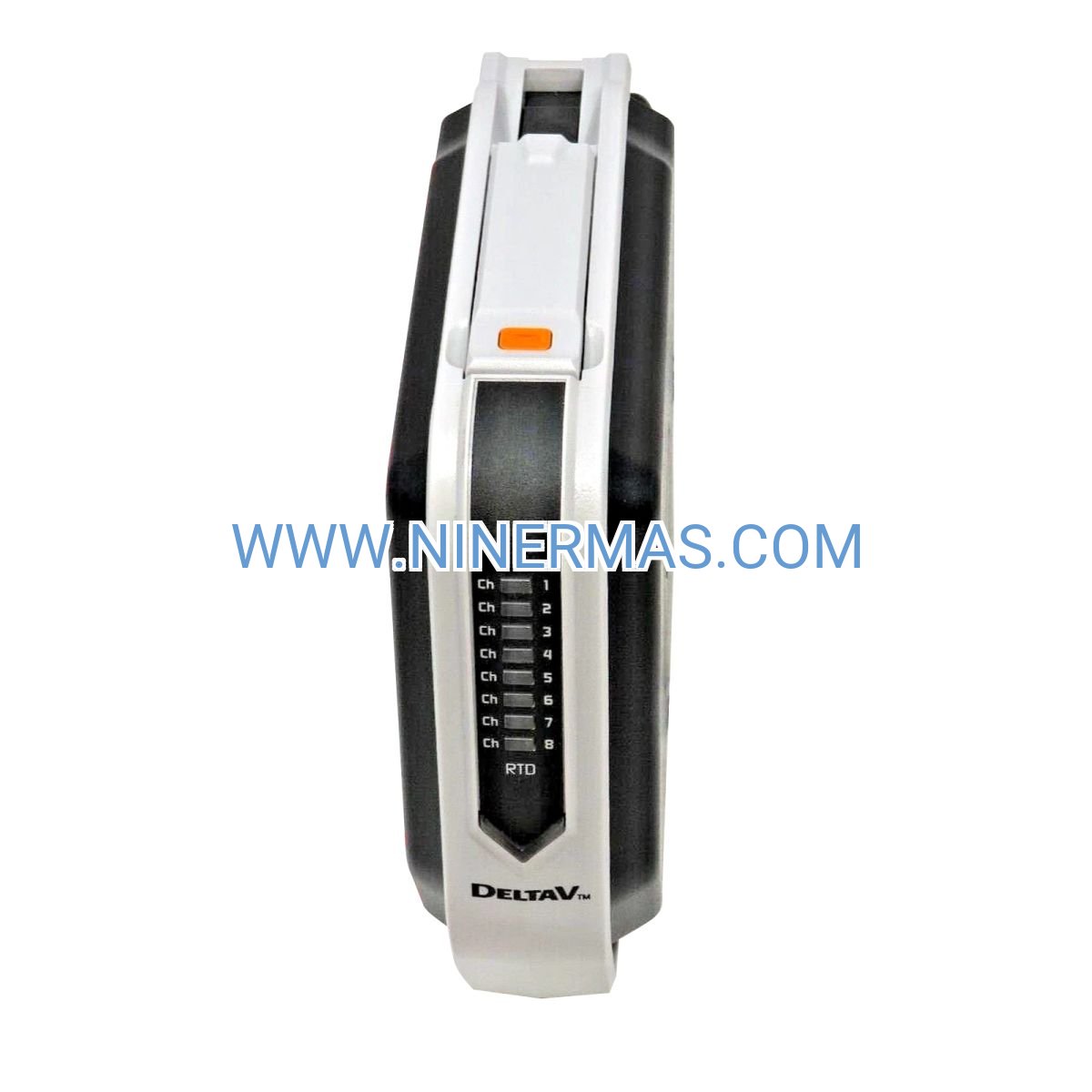
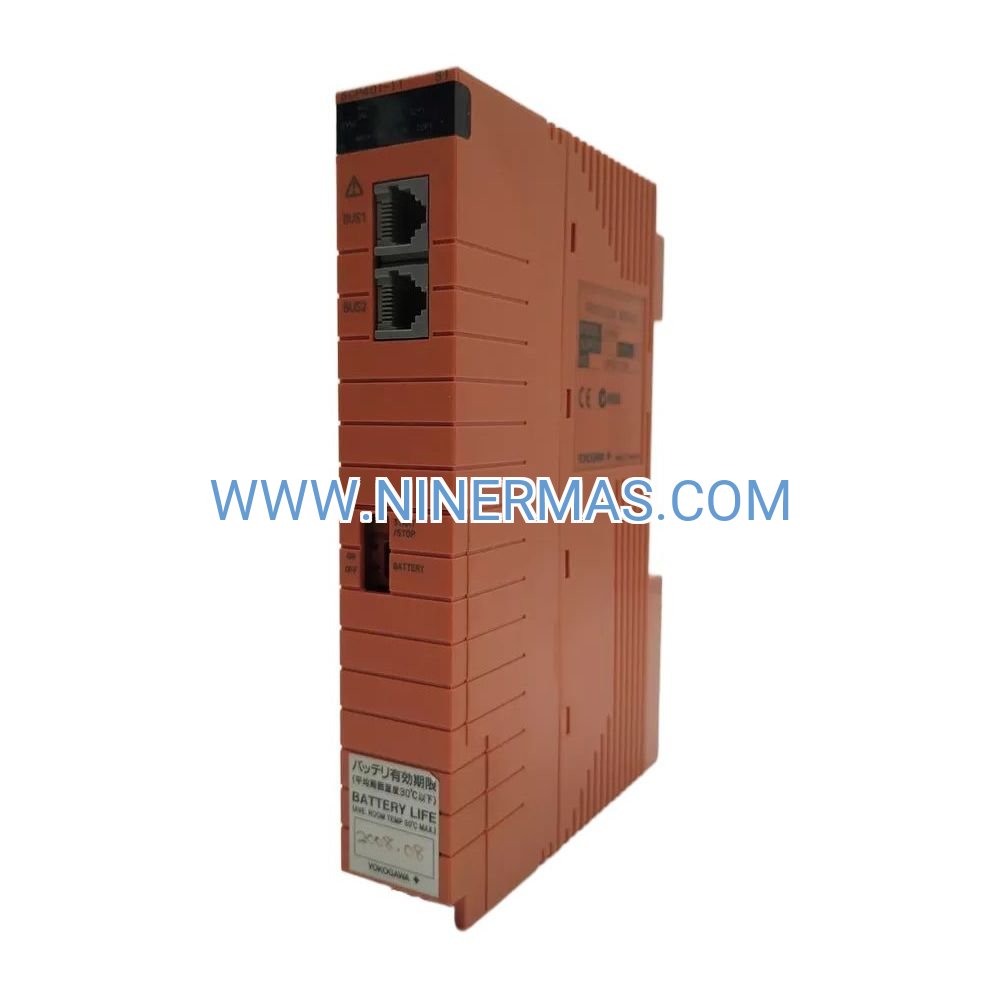
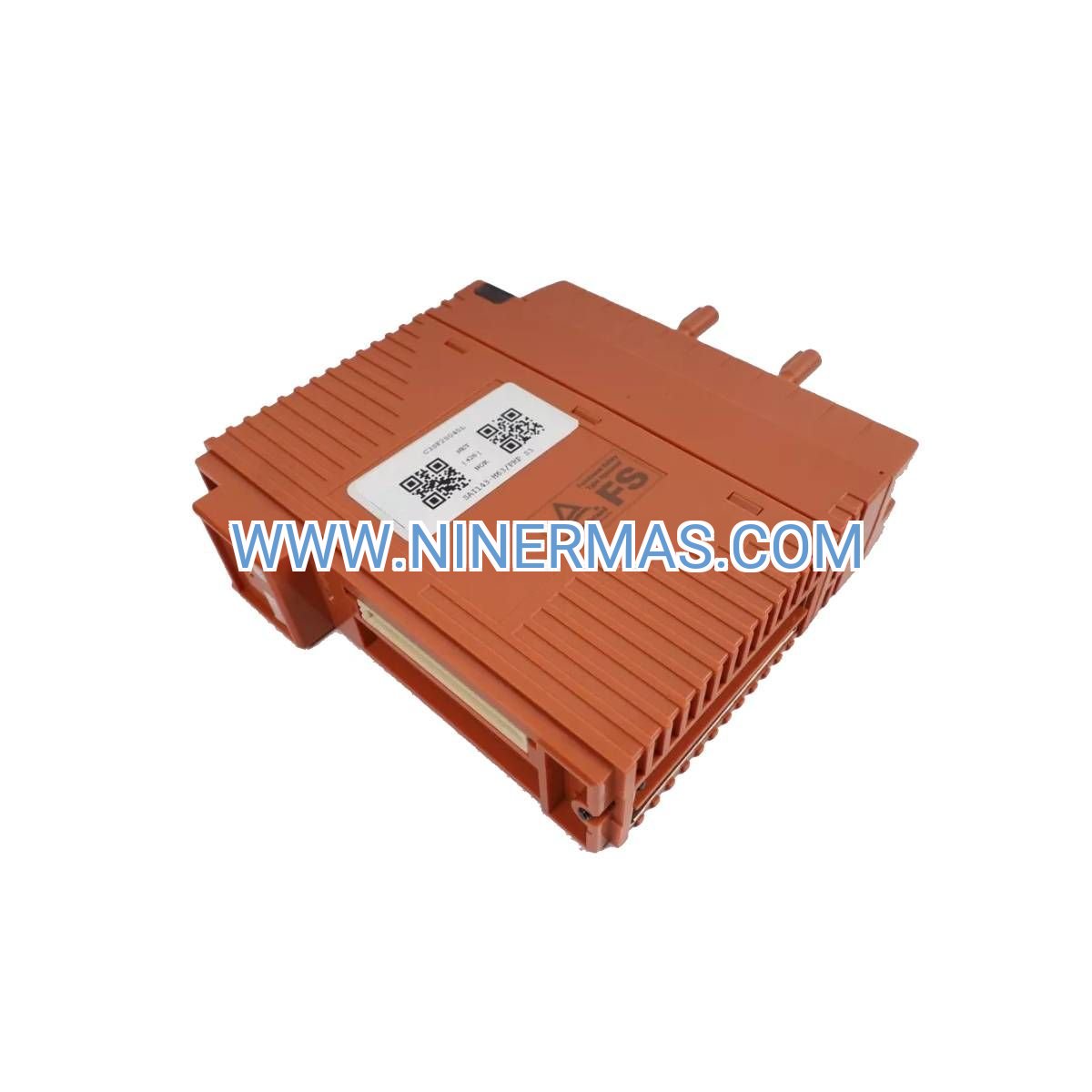
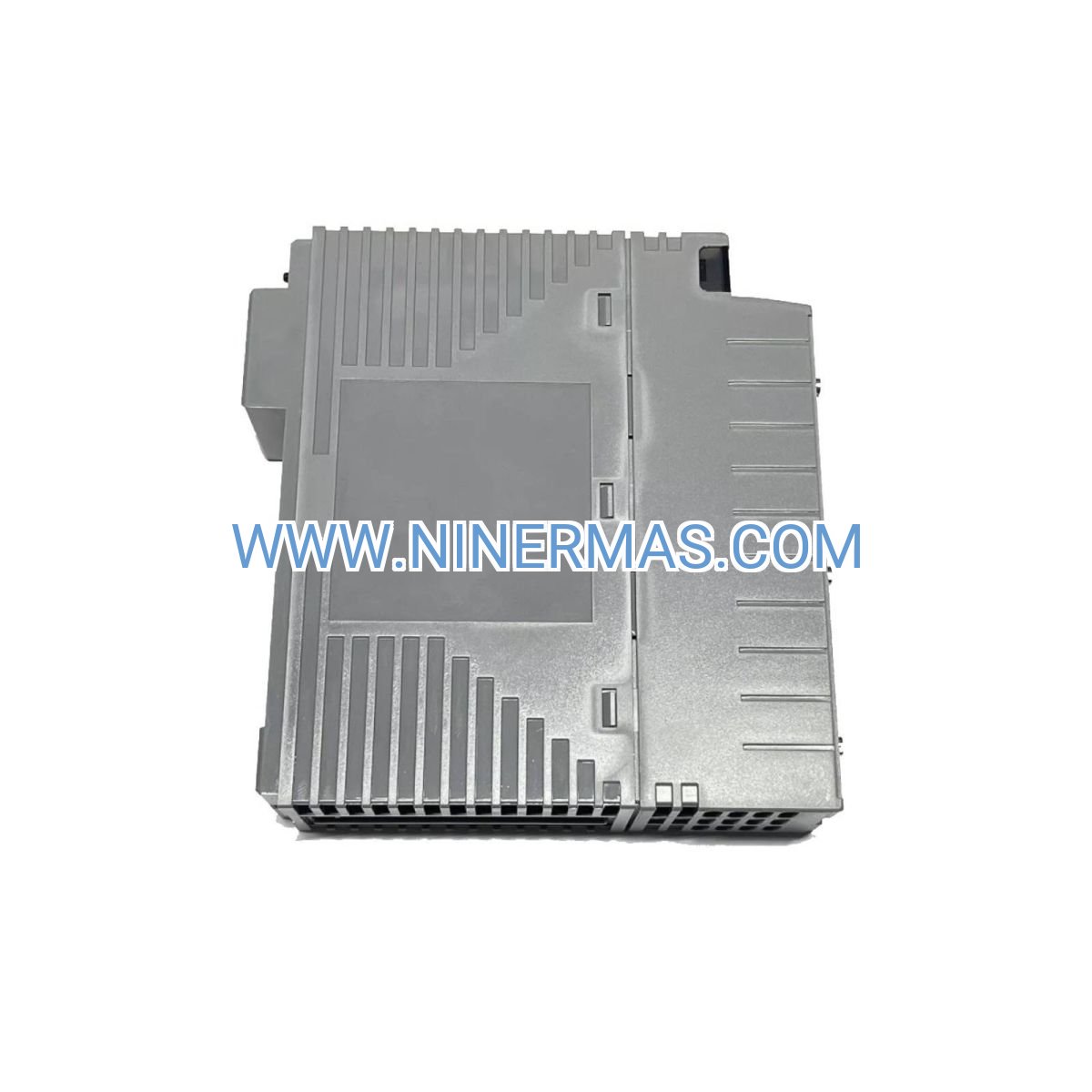
KJ3225X1-BK1 High-Precision RTD Input Module (Industrial-Grade Temperature Acquisition)
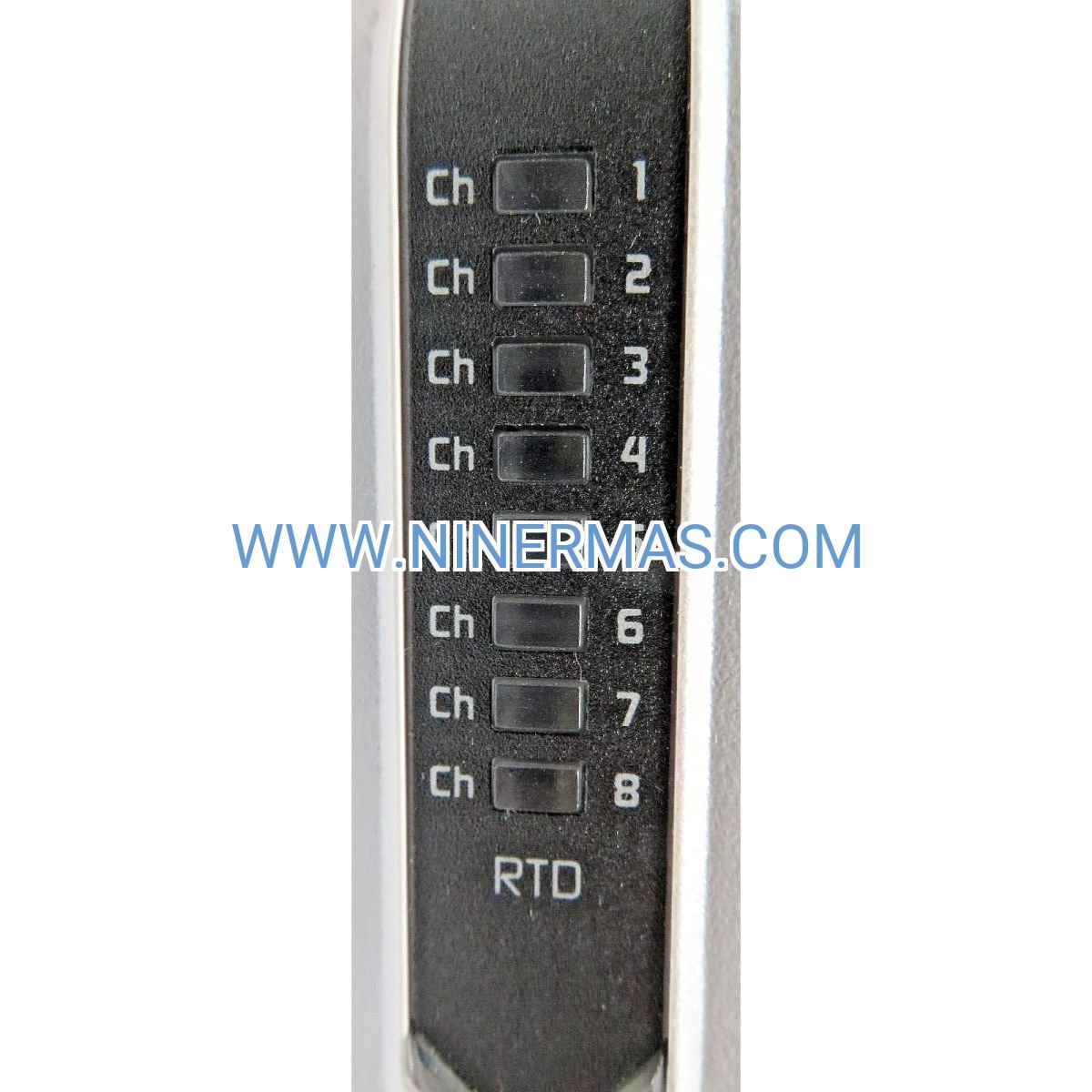
The KJ3225X1-BK1 represents Emerson's advanced solution for industrial temperature monitoring within DeltaV S-Series distributed control architectures. Engineered for applications demanding exceptional thermal accuracy and long-term reliability, this 8-channel RTD/resistance input module transforms raw sensor signals into actionable process data.
Process industries face mounting pressure to maintain tighter temperature tolerances while reducing unplanned downtime. Traditional temperature measurement systems often struggle with lead resistance errors, sensor drift, and inadequate fault detection. The KJ3225X1-BK1 addresses these challenges through multi-wire RTD support, automatic linearization, and comprehensive diagnostic capabilities that identify sensor failures before they impact product quality or safety.
Designed for engineers managing critical thermal processes in refineries, pharmaceutical facilities, and power plants, this module delivers ±0.1°C measurement precision across Pt100, Pt1000, Ni100, Ni1000, Cu10, and Cu50 sensor types. Hot-swappable architecture ensures maintenance activities never compromise process continuity, while 250V channel isolation protects against electrical noise in harsh industrial environments.
Core Capabilities & Technical Advantages
→ Universal RTD Compatibility: Accepts all standard resistance temperature detectors per IEC 60751 and ANSI/MC96.1 specifications. Built-in polynomial linearization eliminates external signal conditioning requirements, reducing installation costs by 30-40% compared to legacy analog systems.
→ Adaptive Wire Configuration: Seamlessly switches between 2-wire, 3-wire, and 4-wire RTD connections. Four-wire mode eliminates lead resistance errors entirely for long cable runs exceeding 100 meters, while 3-wire configuration provides automatic compensation for installations where additional wiring is impractical.
→ Intelligent Fault Diagnostics: Continuous monitoring detects open circuits, short circuits, and out-of-range conditions within 100 milliseconds. Configurable alarm thresholds trigger operator notifications before sensor failures cascade into process upsets, reducing emergency shutdowns by up to 60%.
✓ High-Speed Data Acquisition: 10 samples per second per channel enables rapid response to thermal transients in batch reactors, heat exchangers, and distillation columns. Oversampling and digital filtering reject 50/60 Hz power line interference without sacrificing measurement bandwidth.
✓ Field-Serviceable Design: Front-accessible terminal blocks and tool-free card extraction allow technicians to replace failed modules in under 5 minutes without system shutdown. Automatic configuration download from DeltaV controllers eliminates manual parameter entry during emergency replacements.
✓ Extended Operating Range: -40°C to +70°C ambient temperature rating supports installations in uncontrolled environments including outdoor analyzer shelters, compressor buildings, and tropical climates without supplemental cooling.
Industry-Specific Application Solutions
Chemical Processing & Refining: Monitor exothermic reactor temperatures across multiple zones to prevent thermal runaway events. The module's 0.1°C accuracy maintains catalyst selectivity in polymerization processes where 2-3°C deviations reduce yield by 5-8%. Redundant card configurations meet SIL 2 requirements for safety-instrumented temperature loops protecting high-pressure vessels.
Pharmaceutical & Biotechnology: Validate sterilization cycles, fermentation profiles, and lyophilization stages with FDA 21 CFR Part 11 compliant data logging. Sensor fault detection prevents batch losses worth $50,000-$500,000 by alerting operators to RTD failures during critical temperature holds. Multi-point calibration certificates provide NIST traceability for regulatory audits.
Power Generation & Utilities: Track turbine bearing temperatures, feedwater heater performance, and condenser vacuum conditions. Early detection of 5-10°C bearing temperature increases enables predictive maintenance interventions 2-4 weeks before catastrophic failures. Vibration-resistant construction withstands continuous operation in high-EMI environments near generators and transformers.
Food & Beverage Manufacturing: Control pasteurization temperatures within ±0.5°C to ensure pathogen elimination while preserving nutritional content and flavor profiles. The module's ATEX Zone 2 certification permits installation in grain handling, solvent extraction, and spray drying areas with combustible dust hazards.
Metals & Heat Treatment: Regulate annealing furnace temperatures, quench bath conditions, and tempering cycles for consistent metallurgical properties. Resistance measurement mode (0-4000Ω range) supports custom sensor types including strain gauges and position transducers for integrated process monitoring.
Technical Specifications & Performance Data
| Catalog Number | KJ3225X1-BK1 |
| Input Type | RTD / Resistance (0-4000Ω) |
| Channel Count | 8 differential inputs |
| Supported Sensors | Pt100, Pt1000, Ni100, Ni1000, Cu10, Cu50 |
| Measurement Accuracy | ±0.1°C (Pt100 typical), ±0.05% of span (resistance) |
| Sampling Rate | 10 Hz per channel (simultaneous) |
| Wire Configurations | 2-wire, 3-wire, 4-wire RTD |
| Isolation Voltage | 250V channel-to-channel, channel-to-ground |
| Operating Temperature | -40°C to +70°C ambient |
| Power Consumption | 3.5W typical (carrier-supplied) |
| Certifications | CE, UL508, CSA C22.2, ATEX Zone 2, IECEx |
| MTBF | >150,000 hours (MIL-HDBK-217F) |
Selection Criteria: Choose KJ3225X1-BK1 when process applications require ±0.1°C accuracy, multi-sensor compatibility, or hot-swap capability. For thermocouple inputs, consider KJ3224X1-BK1. For analog 4-20mA signals, specify KJ3222X1-BK1. All S-Series I/O cards require KJ4005X1-BA1 or KJ4005X1-BE1 system carriers and appropriate terminal blocks (KJ4001X1-CH1 for RTD applications).
Advanced Integration Features
HART Protocol Support: Communicate with intelligent temperature transmitters for remote sensor diagnostics, calibration verification, and configuration management. Access drift detection, sensor health metrics, and predictive maintenance alerts without additional wiring or protocol converters.
Redundancy Architecture: Deploy paired KJ3225X1-BK1 modules in redundant S-Series carriers for critical safety loops. Automatic failover occurs within 50 milliseconds upon primary card failure, maintaining bumpless transfer and continuous control authority. Redundant configurations meet IEC 61508 SIL 2 requirements for temperature-based safety instrumented functions.
Cybersecurity Hardening: Firmware authentication and encrypted backplane communication protect against unauthorized configuration changes and data tampering. Integration with DeltaV security features including role-based access control, audit logging, and change management workflows ensures compliance with NERC CIP, ISA/IEC 62443, and FDA cybersecurity guidance.
Delivery, Warranty & Technical Support
Standard Lead Time: 3-5 business days for in-stock items; 4-6 weeks for factory orders during high-demand periods. Expedited shipping available for emergency replacements with 24-hour dispatch to major industrial regions.
Warranty Coverage: 24-month manufacturer warranty covering defects in materials and workmanship. Extended warranty programs available for critical spares inventory and long-term service agreements.
Engineering Assistance: Pre-sales application support includes RTD selection guidance, wiring diagrams, and system integration planning. Post-sales services encompass commissioning support, troubleshooting assistance, and firmware update coordination with DeltaV system administrators.
Documentation Package: Each module ships with installation manual, quick-start guide, calibration certificate, and compliance declarations. Downloadable resources include CAD drawings, EDDL device descriptions, and FDT/DTM configuration files for asset management integration.
Frequently Asked Questions
Q: Can the KJ3225X1-BK1 interface with 2-wire transmitters or only direct RTD sensors?
A: The module accepts both direct RTD connections (2/3/4-wire) and 2-wire HART-enabled temperature transmitters. For transmitter applications, configure channels for 0-4000Ω resistance measurement mode and scale outputs in DeltaV control modules. Direct RTD wiring eliminates transmitter costs but requires home-run cables to the control room.
Q: What is the maximum cable length between field RTDs and the I/O card?
A: Four-wire RTD configurations support unlimited cable lengths since lead resistance is eliminated. Three-wire mode accommodates up to 300 meters with 18 AWG copper conductors (≤10Ω total lead resistance). Two-wire connections should not exceed 50 meters to maintain ±0.5°C accuracy. For longer distances, use 4-wire wiring or install local temperature transmitters.
Q: How does the module's energy efficiency compare to legacy analog I/O systems?
A: At 3.5W per 8-channel card, the KJ3225X1-BK1 consumes 65% less power than equivalent analog input modules requiring external signal conditioners and power supplies. Digital backplane communication eliminates 4-20mA loop power requirements, reducing cabinet heat loads and air conditioning costs in large control rooms with 100+ I/O cards.
Q: Are firmware updates required for compatibility with newer DeltaV controller versions?
A: The KJ3225X1-BK1 maintains backward and forward compatibility across DeltaV versions 11.3 through 15.1 LTS without mandatory firmware updates. Optional firmware revisions may add features like enhanced diagnostics or cybersecurity improvements. Updates are performed via DeltaV Explorer software during scheduled maintenance windows without removing cards from service.
Q: Can I monitor card health and predict failures before they occur?
A: Yes. The module reports 15+ diagnostic parameters including power supply voltages, internal temperature, communication error rates, and per-channel sensor health metrics. AMS Device Manager and DeltaV Insight software analyze these parameters to predict failures 30-90 days in advance, enabling proactive spare parts ordering and scheduled maintenance during planned outages.
Q: What installation requirements exist for hazardous area applications?
A: The KJ3225X1-BK1 carries ATEX Zone 2 and IECEx certification for installation in non-hazardous control rooms monitoring sensors located in Zone 1/Division 1 hazardous areas. Intrinsically safe barriers (e.g., MTL, Pepperl+Fuchs) must be installed between the card and field sensors when RTDs are located in Zone 0/Division 1 explosive atmospheres. Consult local electrical codes and Emerson application notes for specific barrier selection and grounding requirements.
Ready to Upgrade Your Temperature Measurement Infrastructure?
Contact our DeltaV specialists for application-specific recommendations, volume pricing, and integration support. Whether you're expanding existing systems or designing new installations, we provide the technical expertise and genuine Emerson components to ensure project success.
© 2026 NINERMAS COMPANY LIMITED. All rights reserved.
Original Source: https://ninermas.com
Contact: sale@ninermas.com | +0086 187 5021 5667
PDF Specification
Download PDF file here:
Click to Download PDFRelated products

Contact Info
-
Address:22 / F, South Wo Hang building, 148 Wing Lok Street, Sheung Wan, Western District, Hong Kong
-
Phone:+8618750215667
-
Email: