Description
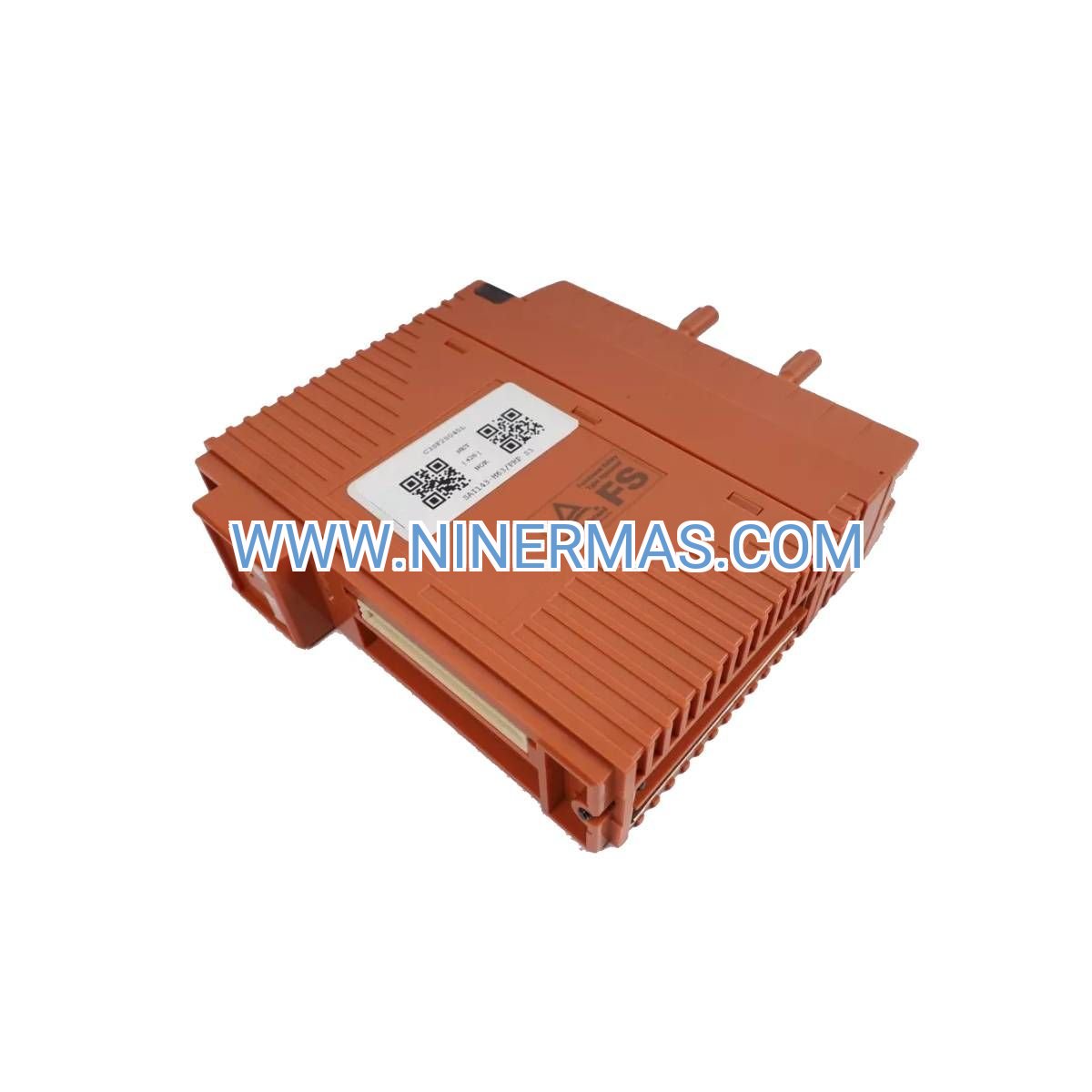
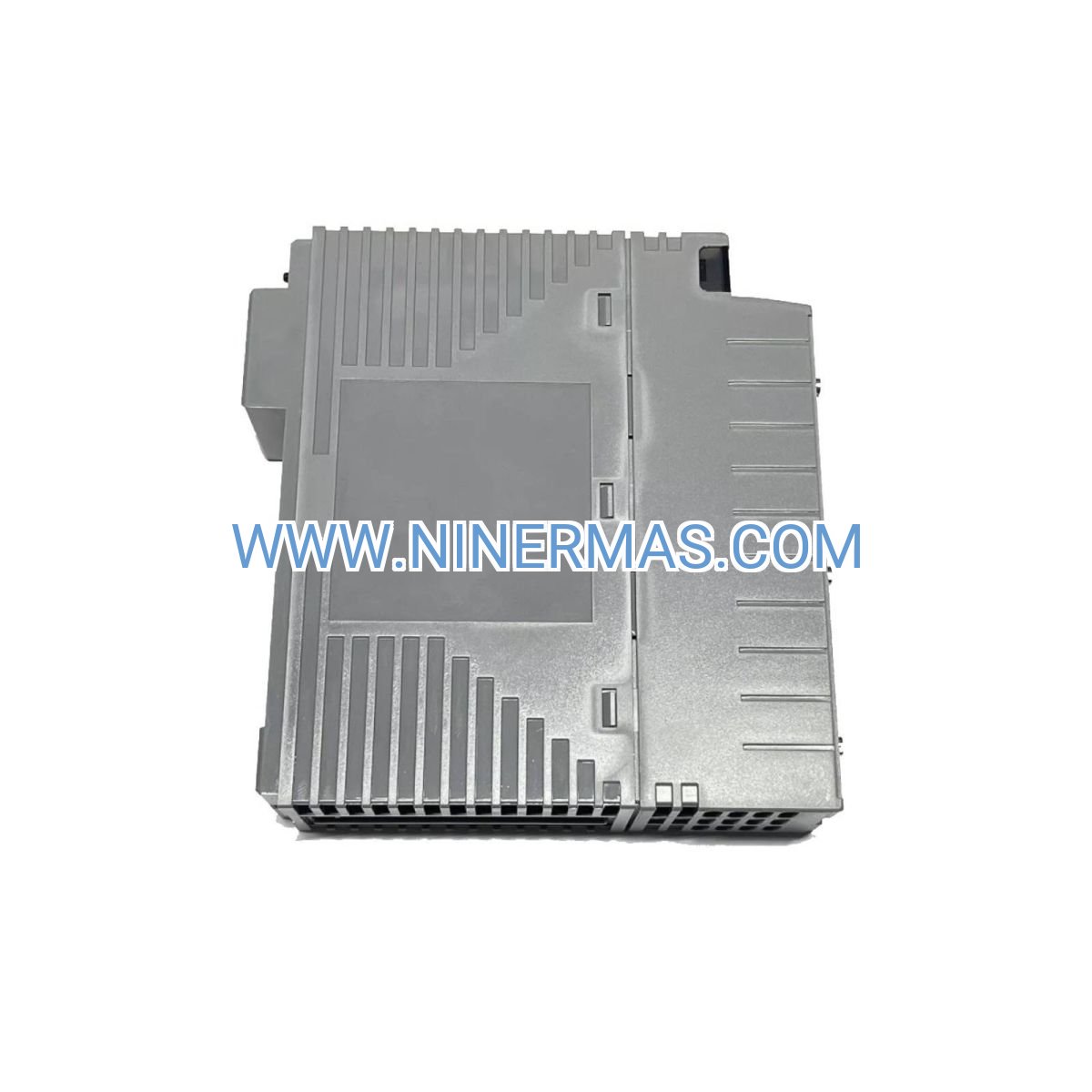
KJ3223X1-EA1 Analog Input Terminal Block (Industrial-Grade DeltaV Field Interface)
Engineered for mission-critical process control environments, the Emerson KJ3223X1-EA1 (alternate part number 12P2867X022) delivers reliable field signal termination for DeltaV distributed control systems. This 16-channel analog input terminal block bridges the gap between field instrumentation and your DCS I/O infrastructure, supporting 4-20mA and voltage signals with 30VDC/100mA power distribution across oil refineries, chemical plants, pharmaceutical facilities, and power generation sites where measurement accuracy and uptime are non-negotiable.
Technical Specifications & Performance Parameters
| Specification | Value |
|---|---|
| Part Number | KJ3223X1-EA1 (12P2867X022) |
| Channel Density | 16 analog input channels |
| Power Supply | 30VDC @ 100mA maximum |
| Operating Range | -40°C to +70°C (-40°F to 158°F) |
| Wire Gauge | 22-14 AWG screw cage terminals |
| Vibration Tolerance | 0.7g (13.2-150 Hz), 1mm p-p (2-13.2 Hz) |
| Shock Rating | 10g half-sine, 11ms duration |
| Humidity | 5-95% RH non-condensing |
| Coating Protection | ISA-S71.04-1985 Class G3 conformal |
| Certifications | FM/CSA Class I Div 2, ATEX Zone 2, IECEx, DNV, ABS |
Selection Criteria for Your Application
→ Choose this terminal block if: You need high-density analog input termination (16 channels) for DeltaV KJ3223X1-series I/O cards in space-constrained cabinets
→ Operating environment: Suitable for both climate-controlled control rooms and harsh outdoor installations (-40°C to +70°C)
→ Hazardous area requirements: Certified for Class I Division 2 / Zone 2 installations per FM, ATEX, and IECEx standards
→ Signal types: Compatible with 4-20mA loop-powered transmitters and voltage input devices
→ System compatibility: Designed exclusively for DeltaV M-series and S-series CHARM I/O carriers
Key Features & Operational Benefits
1. Space-Optimized High-Density Design
Consolidate 16 field signal connections in a single compact terminal block, reducing cabinet footprint by up to 40% compared to 8-channel alternatives. This density advantage translates to lower panel costs, simplified cable routing, and faster commissioning for large-scale DCS projects with hundreds of I/O points.
2. Tool-Free Hot-Swap Capability
Replace I/O cards without disturbing field wiring—the terminal block remains mounted while you swap the electronic card behind it. This maintenance-friendly architecture cuts MTTR (mean time to repair) from hours to minutes during critical process upsets, minimizing production losses and safety incidents.
3. Integrated Shield Grounding Infrastructure
Dedicated shield termination points for each channel eliminate ground loops and common-mode noise that plague analog measurements in electrically noisy environments. Achieve ±0.1% measurement accuracy even when installed adjacent to VFDs, welders, and high-power motor starters.
4. Numbered Terminal Identification System
Clear, permanent terminal markings accelerate commissioning and troubleshooting. Technicians can verify field connections 3x faster compared to unmarked terminal blocks, reducing human error during startup and maintenance activities—critical for FDA-regulated pharmaceutical and food processing facilities.
5. Rugged Construction for Harsh Environments
Conformal coating protects against corrosive gases (H₂S, SO₂, Cl₂) per ISA-S71.04 Class G3 standards. Withstands 10g shock and 0.7g vibration, making it suitable for offshore platforms, mobile equipment, and installations subject to seismic activity or mechanical vibration from nearby rotating equipment.
6. Global Hazardous Area Compliance
Single part number meets FM/CSA (North America), ATEX (Europe), IECEx (international), DNV/ABS (marine) certifications. Simplify global project specifications and spare parts inventory while ensuring compliance with local electrical codes and insurance requirements across multiple jurisdictions.
Industry Applications & Use Cases
→ Upstream Oil & Gas Production
Terminate signals from wellhead pressure transmitters, separator level sensors, and pipeline flow meters on offshore platforms and remote production facilities. The marine-grade certifications (DNV/ABS) and wide temperature range support installations in Gulf of Mexico, North Sea, and Arctic environments where equipment reliability directly impacts production uptime and personnel safety.
→ Petrochemical Refining Operations
Interface with distillation column temperature cascades, reactor pressure monitoring, and product quality analyzers in Class I Division 2 hazardous areas. The 16-channel density reduces marshalling cabinet size in congested pipe racks and analyzer shelters, while the conformal coating resists corrosive hydrocarbon vapors and sulfur compounds.
→ Pharmaceutical Manufacturing & Bioprocessing
Connect validated transmitters monitoring bioreactor temperature, fermentation vessel pressure, and sterile filtration differential pressure in GMP-regulated facilities. The factory-tested, sealed construction eliminates field calibration requirements, supporting 21 CFR Part 11 compliance and reducing validation documentation burden during facility qualification.
→ Power Generation & Cogeneration Plants
Terminate boiler feedwater flow, steam drum level, turbine bearing temperature, and condenser vacuum signals in both indoor control rooms and outdoor equipment enclosures. The -40°C to +70°C operating range accommodates unheated buildings in northern climates, while the vibration tolerance handles installations near turbines and generators.
→ Water & Wastewater Treatment
Provide field termination for influent flow meters, clarifier level transmitters, chemical dosing pump feedback, and effluent quality analyzers. The corrosion-resistant coating withstands exposure to chlorine, ozone, and hydrogen sulfide gases common in treatment plants, extending service life beyond standard terminal blocks in these challenging environments.
Installation Best Practices & Wiring Guidelines
Wire Preparation & Termination: Strip field wiring to 7-9mm length for optimal screw cage engagement. Use insulated ferrules on stranded wire to prevent strand breakage and ensure consistent contact pressure. Torque terminals to 5-7 in-lb using a calibrated torque screwdriver—under-torquing causes high-resistance connections and signal drift, while over-torquing damages wire strands and terminal blocks.
Shield Grounding Strategy: Terminate cable shields ONLY at the terminal block shield grounding points, never at both ends. This single-point grounding eliminates ground loops that inject 60Hz noise into 4-20mA signals. For installations with severe electrical noise, use individually shielded twisted-pair cables rather than multi-pair cables with overall shield.
Cable Routing & Separation: Maintain 12-inch minimum separation between analog signal cables and AC power wiring, or use grounded metal barriers. Route analog cables in dedicated cable trays separate from VFD motor leads, solenoid valve wiring, and other inductive loads. Crossing power cables at 90° angles minimizes coupling compared to parallel runs.
Polarity & Loop Verification: Before energizing, verify correct polarity for loop-powered transmitters using a multimeter. Reversed polarity can damage transmitter electronics or cause erroneous readings. After energizing, measure loop current at the terminal block to confirm proper transmitter operation before placing the loop in service.
Hazardous Area Installation Requirements
✓ De-energized Installation Mandatory: Terminal blocks MUST NOT be removed or inserted while power is applied unless the area is verified non-hazardous. Violating this requirement voids certifications and creates ignition risk.
✓ Energy Isolation Procedures: Lock out I/O card power and verify zero energy state using a multimeter before terminal block removal or installation activities.
✓ Conduit Sealing: Field wiring conduits entering Division 2/Zone 2 areas require sealing fittings per NEC Article 501 or IEC 60079-14 to prevent gas migration.
✓ Documentation Reference: Follow installation procedures in Document 12P2046 "DeltaV CHARM I/O Subsystem Zone 2 Installation Instructions" and "DeltaV S-Series Hardware Installation Manual."
Extended Functionality & System Integration
HART Communication Support: When paired with HART-enabled DeltaV I/O cards (KJ3223X1-BA1/BK1), the terminal block supports digital communication with smart field devices. Access diagnostic data, perform remote configuration, and monitor device health without additional wiring—reducing commissioning time and enabling predictive maintenance strategies.
Redundant I/O Architecture: Deploy in redundant DeltaV configurations for critical measurements where single-point failures are unacceptable. The terminal block supports connection to dual I/O cards, with automatic failover ensuring continuous measurement during card replacement or failure events.
Multi-Location Inventory Standardization: Standardize on KJ3223X1-EA1 across multiple facilities to reduce spare parts inventory complexity and training requirements. Single part number supports both M-series and S-series DeltaV systems, simplifying procurement and maintenance procedures for multi-site operations.
Delivery, Warranty & Technical Support
Lead Time: In-stock items ship within 1-2 business days via DHL/FedEx. Custom configurations or large project quantities (50+ units) typically ship within 5-7 business days.
Warranty Coverage: 12-month manufacturer warranty covering defects in materials and workmanship. Extended warranty options available for critical spares programs.
Technical Support: Pre-sales application engineering assistance for wiring diagram review, shield grounding consultation, and hazardous area certification verification. Post-sales troubleshooting support via email and phone.
Documentation Package: Installation manual, wiring diagrams, hazardous area certification documents (FM/ATEX/IECEx), and dimensional drawings provided with each order.
Frequently Asked Questions
Q: Can I use this terminal block with non-DeltaV I/O systems?
A: No. The KJ3223X1-EA1 is mechanically and electrically designed exclusively for DeltaV KJ3223X1-series analog input cards. Using it with other manufacturers' I/O systems will result in improper fit, potential electrical damage, and voided certifications.
Q: What is the maximum cable length for 4-20mA signals?
A: For standard 4-20mA signals, maximum cable length is typically 3,000-5,000 feet depending on wire gauge and loop resistance. Use 16 AWG wire for runs exceeding 2,000 feet to minimize voltage drop. Consult DeltaV I/O card specifications for exact limits based on your transmitter power requirements.
Q: Does the terminal block require periodic calibration?
A: No. The terminal block is a passive wiring interface with no active electronics, so calibration is not required. Only the DeltaV I/O card requires periodic calibration per your facility's metrology procedures.
Q: Can I install this terminal block in outdoor enclosures?
A: Yes, provided the enclosure maintains the -40°C to +70°C operating temperature range and 5-95% non-condensing humidity limits. Use NEMA 4X or IP66-rated enclosures with environmental seals and heaters/coolers as needed for extreme climates.
Q: What is the difference between KJ3223X1-EA1 and 12P2867X022?
A: These are identical products with different part number formats. KJ3223X1-EA1 is the commercial part number, while 12P2867X022 is the internal Emerson manufacturing code. Both designations appear on product labels and documentation.
Q: How do I verify compatibility with my existing DeltaV system?
A: Check your DeltaV I/O card part number. If it begins with "KJ3223X1" (e.g., KJ3223X1-BA1, KJ3223X1-BK1), this terminal block is compatible. For other card models, contact our application engineering team for compatibility verification.
Order Your KJ3223X1-EA1 Terminal Block Today
Ensure reliable field signal termination for your DeltaV control system with genuine Emerson components backed by expert technical support. Contact our automation specialists for project pricing, technical specifications, or application engineering assistance. We support DCS projects worldwide with fast shipping to North America, Europe, Middle East, and Asia-Pacific regions.
Ready to order? Request a quote now or speak with our DeltaV experts at sale@ninermas.com | +0086 187 5021 5667
© 2026 NINERMAS COMPANY LIMITED. All rights reserved.
Original Source: https://ninermas.com
Contact: sale@ninermas.com | +0086 187 5021 5667
PDF Specification
Download PDF file here:
Click to Download PDFRelated products

Contact Info
-
Address:22 / F, South Wo Hang building, 148 Wing Lok Street, Sheung Wan, Western District, Hong Kong
-
Phone:+8618750215667
-
Email: