Description
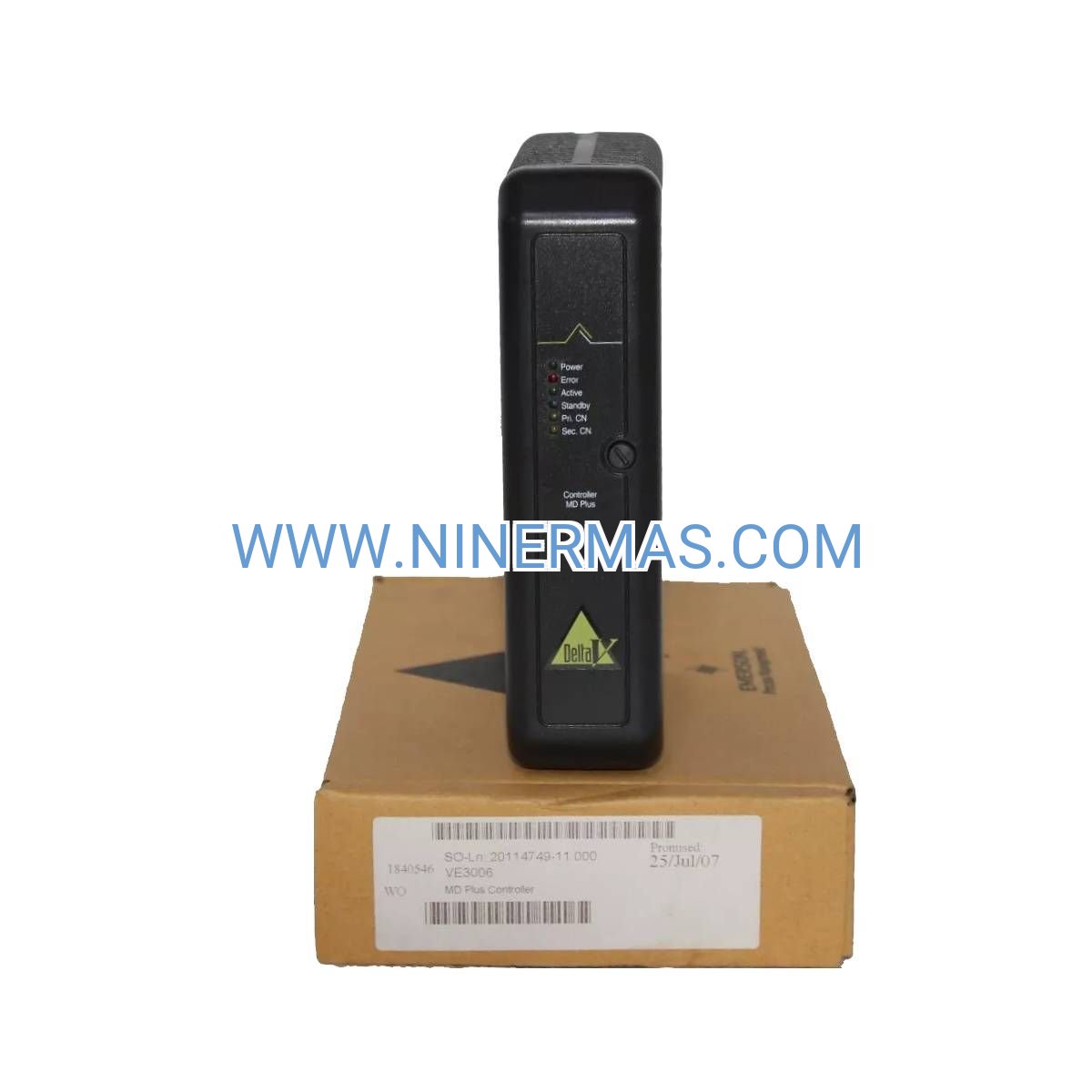
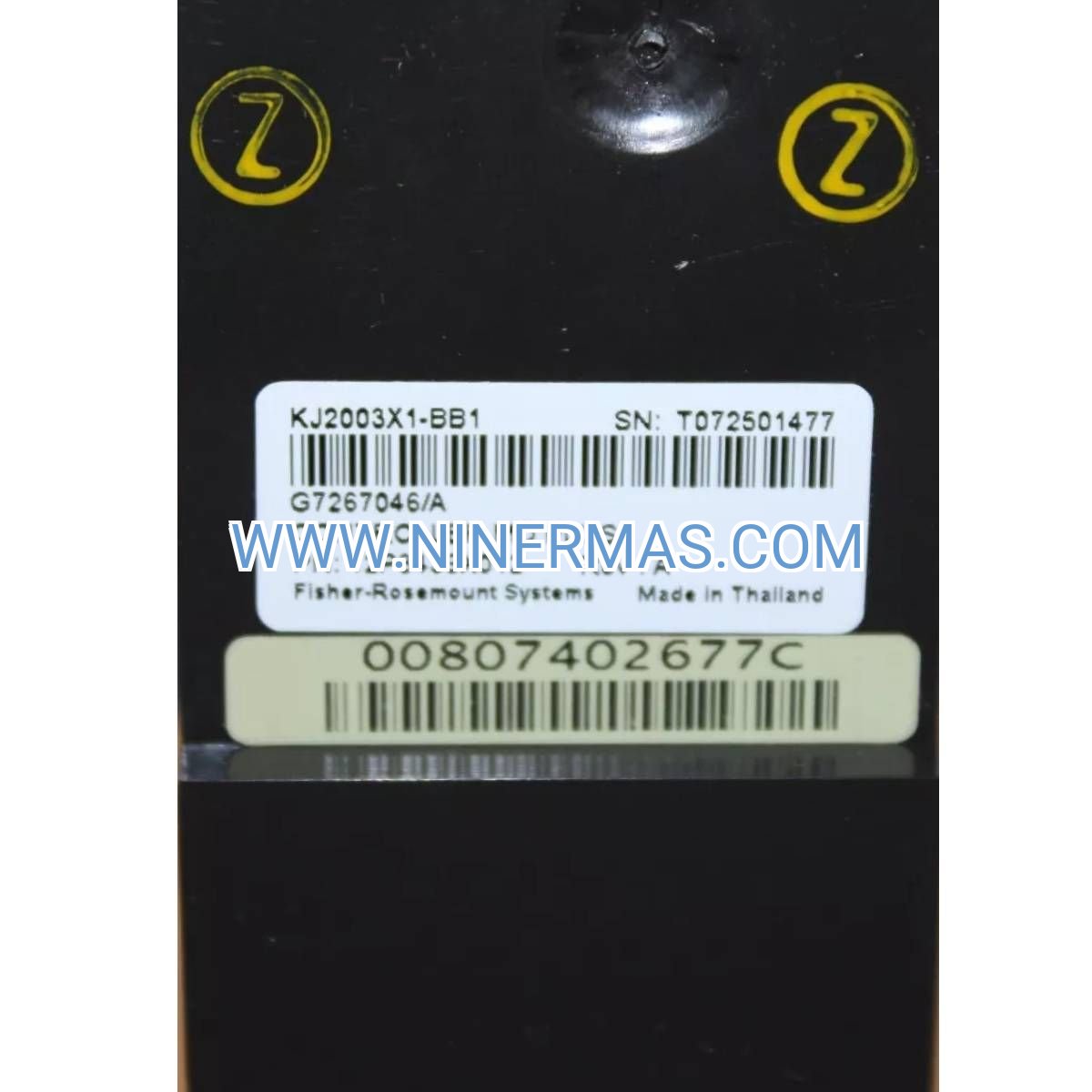
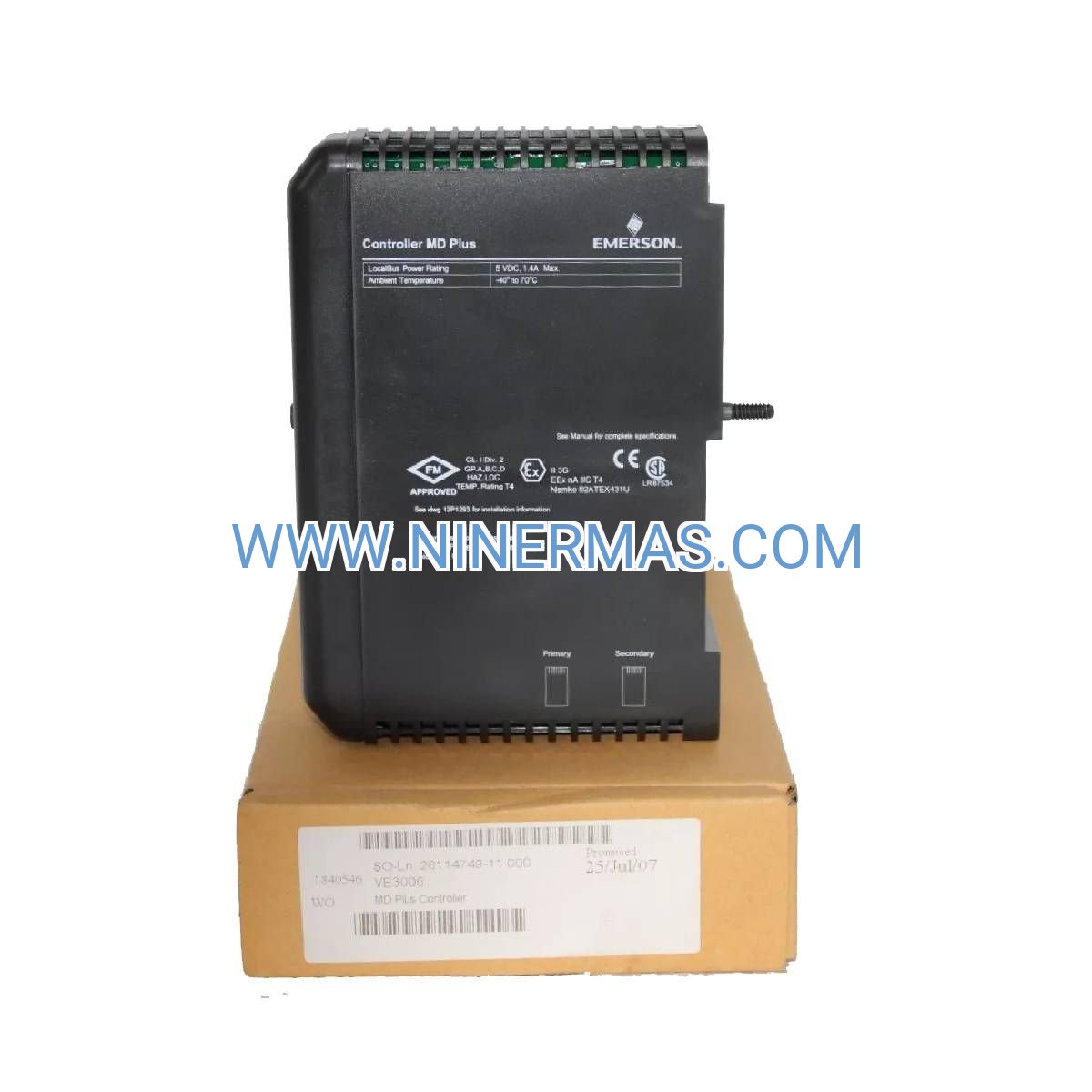
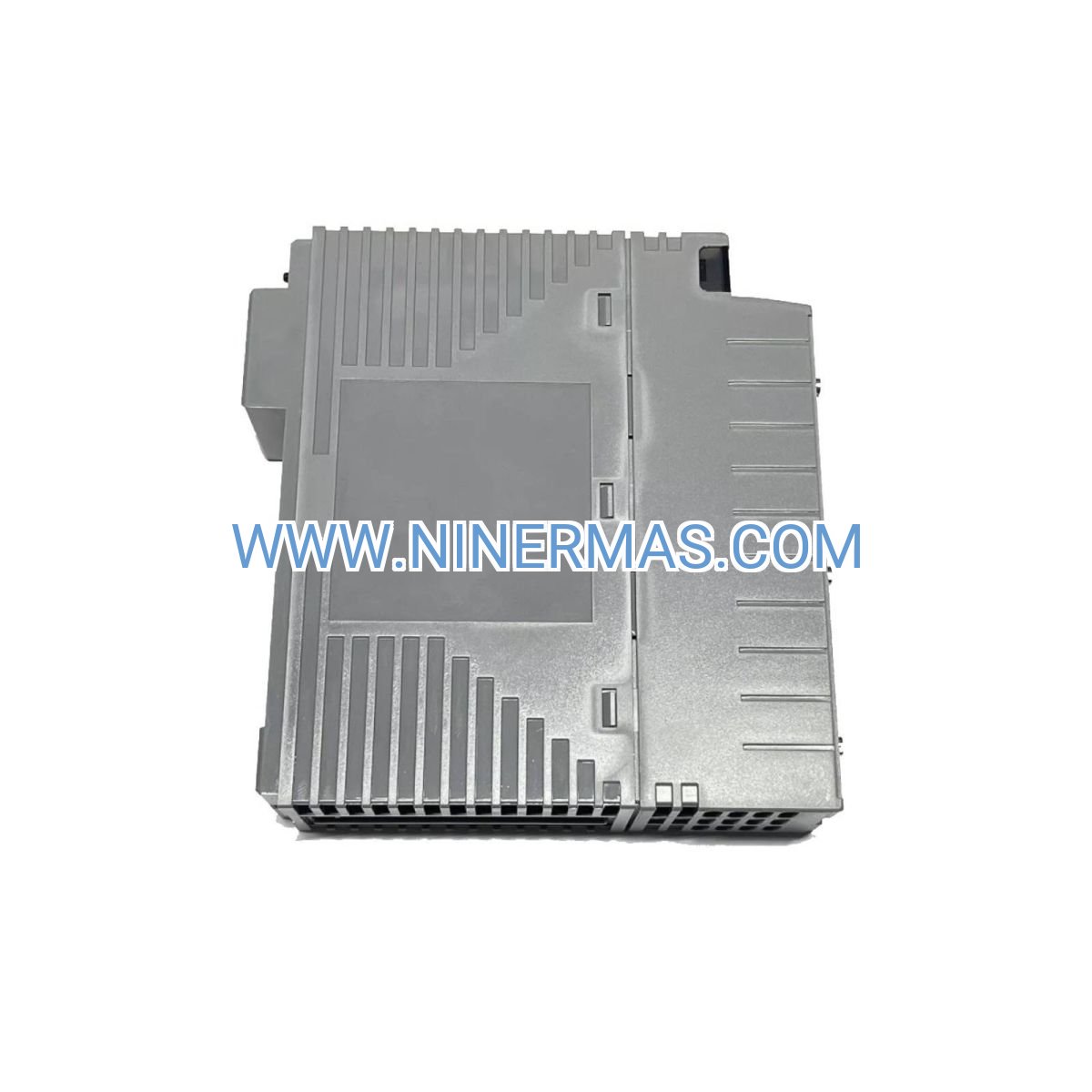
KJ2003X1-BB1 DeltaV MD Plus Controller (Industrial-Grade Process Automation)
The KJ2003X1-BB1 is an industrial-grade distributed control system (DCS) controller engineered by Emerson for continuous process industries demanding zero-downtime operation. Built on the proven DeltaV platform, this MD Plus controller combines dual-redundant processing architecture with extensive I/O scalability to manage complex automation workflows across refineries, chemical plants, pharmaceutical facilities, and power generation stations. Designed for system integrators and plant engineers who require deterministic control performance, the KJ2003X1-BB1 delivers sub-100ms scan cycles while supporting up to 3000 I/O points per controller pair.
Process manufacturers face mounting pressure to maximize uptime, ensure regulatory compliance, and optimize yield across aging infrastructure. The KJ2003X1-BB1 addresses these challenges through hot-swappable redundancy that eliminates single points of failure, integrated safety functions certified to SIL 2 standards, and native compatibility with HART, Foundation Fieldbus, and Ethernet/IP field devices. Whether you're modernizing a legacy control system or designing greenfield facilities, this controller provides the foundation for scalable, future-proof automation architectures.
Key differentiators include seamless integration with Emerson's AMS Suite predictive maintenance platform, built-in cybersecurity features aligned with IEC 62443 standards, and field-proven reliability backed by millions of installed hours across mission-critical applications. The controller's modular design supports incremental capacity expansion without system downtime, while advanced diagnostics reduce mean time to repair (MTTR) by up to 40% compared to conventional DCS platforms.
Core Features & Benefits
→ Dual-Redundant Processing Architecture
Automatic failover in <100ms ensures continuous operation during controller maintenance or unexpected failures. Redundant power supplies, communication paths, and processor modules eliminate production losses from hardware faults—critical for batch processes where mid-cycle interruptions result in product waste and extended recovery times.
→ Scalable I/O Capacity (Up to 3000 Points)
Supports medium-to-large process units through distributed I/O architecture. Single controller pair manages complete distillation columns, reactor trains, or packaging lines without requiring multiple control nodes. Reduces engineering complexity, lowers spare parts inventory, and simplifies operator training across multi-unit facilities.
→ SIL 2 Safety Certification
Integrated safety logic execution meets IEC 61508/61511 requirements for basic process safety applications. Eliminates need for separate safety PLCs in many scenarios, reducing capital costs by 15-25% while maintaining unified operator interface for both regulatory and safety control loops.
✓ Native Multi-Protocol Communication
Direct connectivity to HART smart transmitters, Foundation Fieldbus H1 segments, and Ethernet/IP devices without protocol gateways. Accesses advanced diagnostics from intelligent field instruments, enabling predictive maintenance strategies that reduce unplanned shutdowns by 30-50% based on industry benchmarks.
✓ Hot-Swappable Modules & Online Configuration
Replace I/O cards, power supplies, and communication modules during operation without process interruption. Download control strategy changes to active controllers without halting production—essential for continuous processes where scheduled shutdowns occur only once every 18-36 months.
✓ Deterministic 100ms Scan Performance
Guaranteed execution timing for time-critical control loops including cascade temperature control, pressure balancing, and flow ratio management. Consistent scan rates prevent control instability and product quality variations that plague systems with variable execution times.
Typical Application Scenarios
Hydrocarbon Processing & Refining
Manages crude distillation units, fluid catalytic crackers (FCC), and hydrotreating processes where temperature control precision directly impacts product yields and energy consumption. The KJ2003X1-BB1's fast scan rates maintain ±0.5°C setpoint accuracy in fractionation columns, improving light ends recovery by 2-3% while reducing reboiler steam consumption. Redundant architecture ensures continuous operation during turnarounds affecting adjacent process units.
Chemical Manufacturing & Polymerization
Controls batch reactors, continuous polymerization trains, and specialty chemical synthesis where recipe management and precise sequencing prevent off-spec production. Integrated batch management capabilities coordinate raw material charging, reaction phase transitions, and product discharge across multi-vessel operations. Safety-rated I/O directly interfaces with emergency shutdown valves and high-integrity pressure protection systems (HIPPS).
Pharmaceutical Production (FDA 21 CFR Part 11 Compliant)
Orchestrates fermentation bioreactors, chromatography skids, and aseptic filling lines requiring full audit trails and electronic signature workflows. The controller's embedded historian captures all process variables, operator actions, and alarm events with tamper-proof timestamps. Supports validation protocols through deterministic behavior and comprehensive self-diagnostics that simplify qualification documentation.
Power Generation & Utilities
Regulates boiler combustion control, steam turbine governing, and emissions monitoring systems in combined-cycle plants and cogeneration facilities. Coordinates feedwater control, attemperator sprays, and selective catalytic reduction (SCR) systems to maintain NOx/SOx compliance while optimizing heat rate. Redundant controllers ensure grid stability during controller maintenance or upgrades.
Pulp & Paper Processing
Manages digester cooking cycles, bleach plant sequences, and paper machine quality control systems where moisture profiles and basis weight uniformity determine product value. High-speed I/O scanning supports cross-directional (CD) control actuators that adjust slice openings and steam box profiles at 10Hz update rates, reducing sheet variability and trim waste.
Technical Parameters & Selection Guide
| Specification | KJ2003X1-BB1 Value | Selection Criteria |
|---|---|---|
| Controller Class | MD Plus (Medium Density Plus) | Choose for 500-3000 I/O point applications |
| Maximum I/O Capacity | 3000 points per redundant pair | Size based on current + 25% future expansion |
| Processor Memory | 128 MB RAM / 512 MB Flash | Supports 5000+ control modules typical |
| Scan Cycle Time | 100 ms nominal (configurable) | Fast loops require ≤250ms total latency |
| Redundancy Type | Active-standby with bumpless transfer | Mandatory for SIL 2+ safety applications |
| Communication Interfaces | Dual Ethernet + LocalBus | Verify compatibility with existing network |
| Operating Temperature | 0°C to 60°C (32°F to 140°F) | Add climate control if ambient >50°C |
| Power Requirements | 24V DC redundant (40W typical) | Use UPS-backed supplies for critical loads |
| Safety Integrity Level | SIL 2 per IEC 61508 | SIL 3 requires separate safety controller |
| MTBF (Mean Time Between Failures) | >200,000 hours (redundant config) | Factor into lifecycle cost analysis |
Selection Guidelines: For process units with <500 I/O points, consider the MD (Medium Density) controller variant to optimize costs. Applications requiring >3000 points should deploy multiple MD Plus controllers with coordinated control strategies. When integrating with legacy DeltaV systems (v11.3 or earlier), verify firmware compatibility and plan migration path for deprecated function blocks. Harsh environments (high vibration, corrosive atmospheres) may require additional IP-rated enclosures beyond the controller's standard IP20 rating.
Extended Functions
Predictive Analytics Integration: Native connectivity to Emerson's Plantweb digital ecosystem enables real-time streaming of process data to cloud-based analytics platforms. Machine learning algorithms identify subtle performance degradation patterns—such as heat exchanger fouling or pump cavitation—weeks before traditional alarm thresholds trigger, allowing maintenance during planned outages rather than emergency shutdowns.
Advanced Regulatory Control: Embedded model predictive control (MPC) capabilities optimize multi-variable processes like distillation column reflux ratios and reactor temperature profiles. Reduces energy consumption by 5-12% compared to conventional PID control while improving product consistency and throughput in constrained processes.
Cybersecurity Hardening: Role-based access control (RBAC), encrypted communication channels, and intrusion detection integration align with ISA/IEC 62443 industrial cybersecurity standards. Supports network segmentation strategies that isolate control systems from enterprise IT networks while maintaining secure data exchange for MES/ERP integration.
Custom Function Block Development: DeltaV Studio development environment allows creation of proprietary control algorithms and equipment modules tailored to unique process requirements. Encapsulate intellectual property in reusable templates that accelerate project engineering and standardize control strategies across multiple facilities.
Delivery & Service Assurance
Lead Time: Standard configurations ship within 3-5 business days from regional distribution centers. Custom-configured controllers with specialized firmware or factory acceptance testing (FAT) require 2-3 weeks. Expedited delivery available for critical outage support with <48-hour turnaround on in-stock items.
Warranty Coverage: Comprehensive 12-month warranty covers manufacturing defects, component failures, and workmanship issues. Warranty includes advance replacement service—receive functional spare before returning defective unit to minimize downtime. Extended warranty programs available for up to 5 years with annual health checks and firmware updates.
Technical Support: 24/7/365 global support hotline staffed by DeltaV-certified engineers provides remote diagnostics, configuration assistance, and troubleshooting guidance. On-site field service available within 24 hours in major industrial regions for critical failures. Quarterly software patches and security updates included with active support contracts.
Documentation Package: Each controller ships with installation manual, wiring diagrams, configuration templates, and compliance certificates (CE, UL, ATEX where applicable). Access to online knowledge base includes 500+ technical bulletins, application notes, and video tutorials covering common integration scenarios and optimization techniques.
Frequently Asked Questions
How does the KJ2003X1-BB1 integrate with existing DeltaV infrastructure?
The controller maintains backward compatibility with DeltaV v11.3 and later through standardized LocalBus and Ethernet communication protocols. Existing I/O carriers, power supplies, and operator workstations require no hardware modifications. Control strategies migrate using DeltaV Bulk Edit tools, with typical conversion times of 2-4 hours per 1000 I/O points. Legacy serial communication modules may require protocol converters for non-standard field devices.
What redundancy failover time can I expect during controller switchover?
Active-to-standby failover completes in <100 milliseconds under normal conditions, with control outputs maintaining last valid state during transition. Fast-acting control loops (scan rates <500ms) experience single-scan disruption, while slower loops see no measurable impact. Failover events generate timestamped alarm records for post-event analysis. Monthly automatic switchover tests validate redundancy health without process interruption.
Can this controller handle safety-instrumented functions for SIL 3 applications?
While the KJ2003X1-BB1 achieves SIL 2 certification, SIL 3 applications require dedicated safety controllers per IEC 61511 architectural constraints. For facilities needing integrated safety and regulatory control, deploy the controller alongside Emerson DeltaV SIS (Safety Instrumented System) controllers that share common engineering tools and operator interfaces while maintaining independent execution environments.
What is the maximum distance between controller and remote I/O racks?
LocalBus I/O extends up to 100 meters (328 feet) from the controller using standard shielded twisted-pair cabling. Distances beyond 100m require LocalBus extender modules or migration to Ethernet-based remote I/O with fiber optic links supporting multi-kilometer separation. For distributed facilities, consider deploying multiple controllers with coordinated control strategies rather than extending I/O distances beyond recommended limits.
Does the controller support wireless sensor integration for remote monitoring?
Yes, through WirelessHART gateway modules that connect to the controller's Ethernet interface. Wireless sensors monitor non-critical parameters like tank levels, ambient conditions, and rotating equipment vibration in areas where wired installation is cost-prohibitive. Wireless networks support 50-100 devices per gateway with 1-60 second update rates depending on battery life requirements.
How do I size controller memory for complex batch recipes and historical data?
The 128 MB RAM supports approximately 5000 standard control modules (PID loops, logic solvers, calculation blocks) with typical configuration overhead. Batch recipe storage consumes 50-200 KB per recipe depending on complexity. For applications exceeding memory limits, offload historical data collection to dedicated DeltaV Continuous Historian servers and archive infrequently-used recipes to engineering workstations. Controller memory is non-expandable; oversized applications require multiple controllers.
Take the Next Step
Ready to modernize your process control infrastructure with proven DeltaV technology? Our application engineers provide complimentary system architecture reviews to validate controller sizing, redundancy strategies, and integration requirements for your specific facility. Request a technical consultation to discuss your automation challenges, or download detailed specification sheets and CAD drawings to accelerate your project planning.
For immediate assistance with controller selection, configuration support, or replacement part identification, contact our industrial automation specialists who average 12+ years of DCS implementation experience across refining, chemical, pharmaceutical, and power generation sectors.
© 2026 NINERMAS COMPANY LIMITED. All rights reserved.
Original Source: https://ninermas.com
Contact: sale@ninermas.com | +0086 187 5021 5667
PDF Specification
Download PDF file here:
Click to Download PDFRelated products

Contact Info
-
Address:22 / F, South Wo Hang building, 148 Wing Lok Street, Sheung Wan, Western District, Hong Kong
-
Phone:+8618750215667
-
Email: