Description
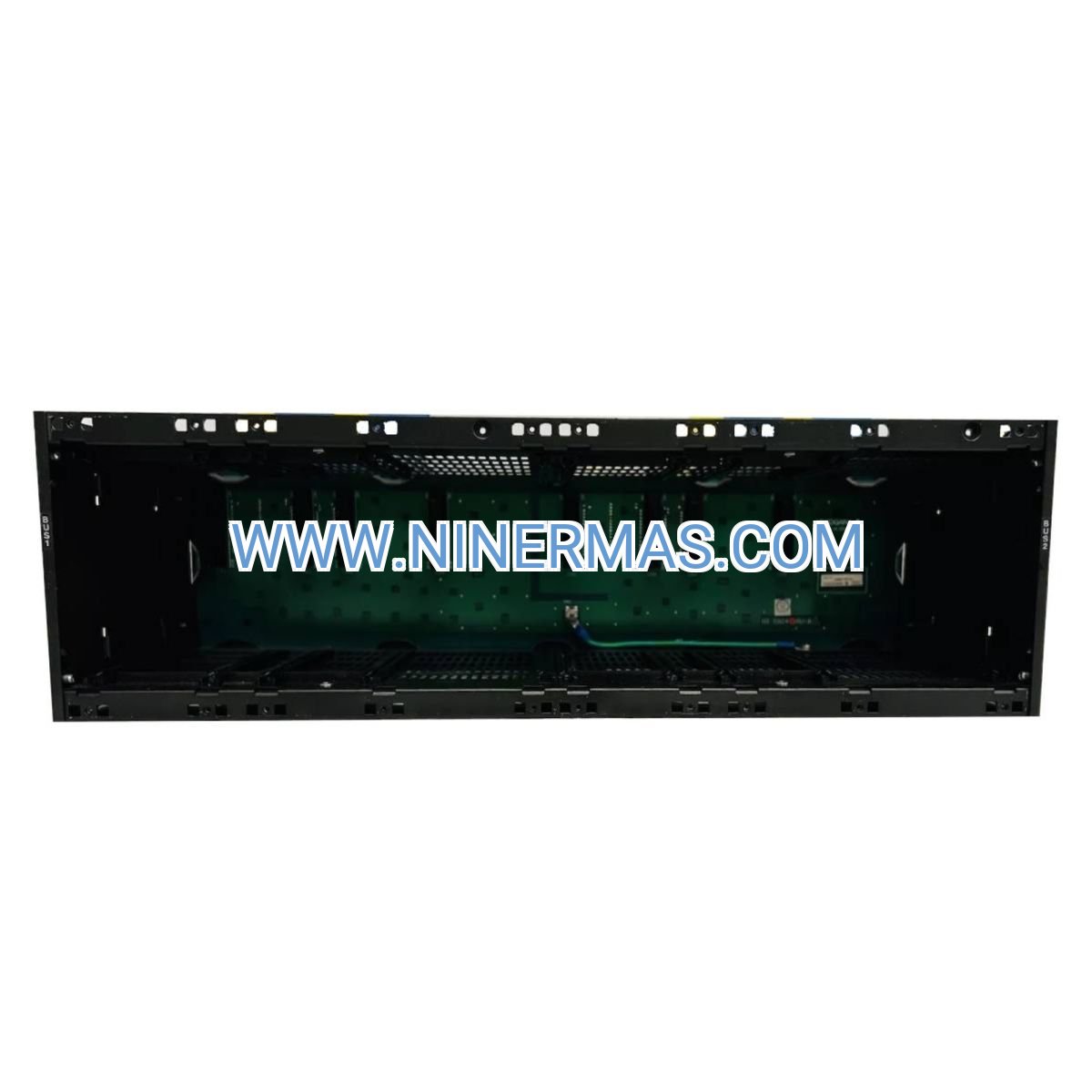
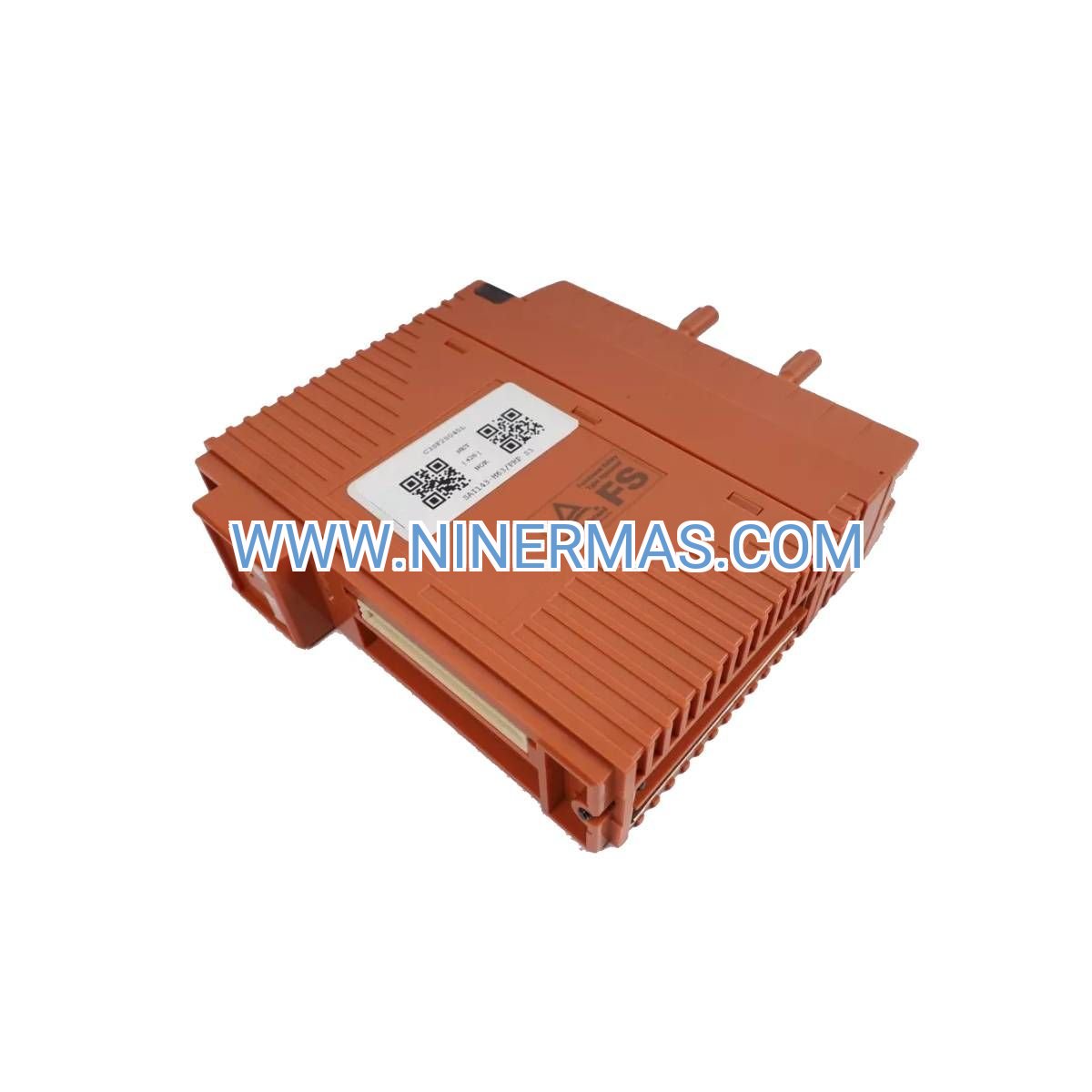
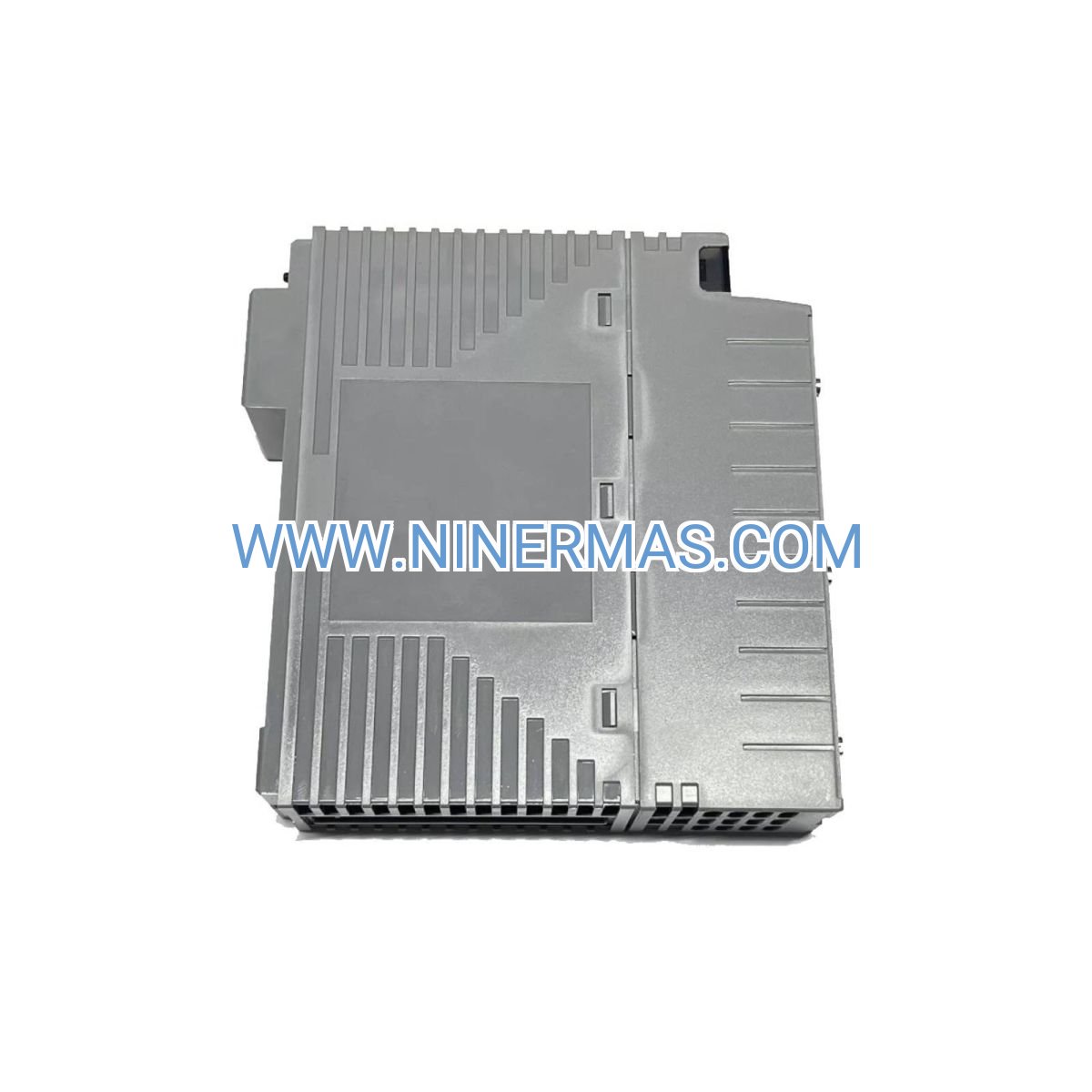
IMR6000/10 Modular Monitoring Frame (Industrial-Grade 10-Slot Rack System)
The IMR6000/10 represents a professional-grade modular chassis engineered for centralized turbomachinery surveillance in mission-critical industrial environments. This 10-position rack consolidates vibration analysis, thermal monitoring, rotational speed tracking, and axial displacement measurement into a unified platform, delivering comprehensive asset protection for power generation facilities, petrochemical complexes, and heavy manufacturing operations.
Designed for engineers managing high-value rotating equipment, this frame eliminates the complexity of distributed monitoring architectures while providing the scalability demanded by evolving operational requirements. Whether protecting multi-million dollar turbine generators or optimizing compressor train performance, the IMR6000/10 delivers the reliability and flexibility that process industries require.
With dual-redundant power architecture, backplane-integrated communication, and tool-free module installation, this system reduces deployment time by 45% while ensuring continuous operation during maintenance activities. The result: lower total cost of ownership, simplified spare parts management, and enhanced system availability for critical machinery protection applications.
Technical Capabilities & Performance Features
→ Dual-Redundant Power Distribution
Automatic failover between primary and secondary 24V DC supplies ensures uninterrupted monitoring during power source maintenance or utility failures. Integrated overcurrent protection and reverse-polarity safeguards prevent damage from wiring errors, while front-panel LED diagnostics provide instant visibility into power system health.
→ Hot-Swappable Module Architecture
Replace or upgrade individual monitoring cards without system shutdown or process interruption. This capability proves invaluable in continuous manufacturing environments where downtime costs exceed $150,000 per hour, enabling maintenance during normal operations rather than costly scheduled outages.
→ Integrated Backplane Communication
High-speed serial bus interconnects all installed modules, enabling coordinated alarm logic, cross-channel validation, and synchronized data acquisition. This architecture supports advanced diagnostics impossible with standalone instruments, including bearing-to-bearing vibration correlation and multi-point temperature trending.
→ Universal SCADA/DCS Integration
Modbus RTU and Modbus TCP protocols provide seamless connectivity to Honeywell, Siemens, ABB, Emerson DeltaV, and Rockwell control platforms. Configurable baud rates (9600-115200 bps) and flexible addressing accommodate diverse network architectures without protocol conversion hardware.
✓ 19-Inch Rack Compatibility
Standard 4U form factor integrates directly into existing control cabinets, reducing panel footprint by 65% compared to equivalent standalone monitoring instruments. Aluminum alloy construction with powder-coated finish ensures corrosion resistance in harsh industrial atmospheres.
✓ Wide Environmental Operating Range
Qualified for -20°C to +70°C ambient operation with 5-95% humidity tolerance, meeting the demanding conditions found in offshore platforms, desert installations, and arctic processing facilities. Vibration resistance to 2g RMS ensures reliable operation in high-vibration environments adjacent to reciprocating machinery.
Industrial Application Scenarios
Steam Turbine Generator Protection
Power plants deploy the IMR6000/10 to consolidate bearing vibration monitoring, rotor eccentricity measurement, differential expansion tracking, and thrust position surveillance for 50-500 MW turbine generators. The centralized architecture simplifies compliance with NERC reliability standards while reducing installation labor by 50% compared to distributed monitoring systems. Real-time data integration with plant DCS enables automated load reduction during abnormal vibration events, preventing catastrophic failures that could cost $5-15 million in repairs and lost generation revenue.
Gas Compression Train Monitoring
Natural gas processing facilities utilize multiple IMR6000/10 frames to monitor driver-compressor-gearbox assemblies in pipeline booster stations. The system tracks vibration signatures across eight bearing positions, correlates driver speed with compressor surge indicators, and validates antisurge valve response times. This comprehensive surveillance reduces unplanned shutdowns by 40% while extending major overhaul intervals from 24 to 36 months through condition-based maintenance strategies.
Refinery Pump Fleet Management
Crude distillation units employ the frame to centralize monitoring for critical pump services including crude charge, vacuum tower bottoms, and catalytic cracker slurry circulation. Ethernet connectivity enables remote diagnostics from central control rooms, reducing mean time to repair by 60% through faster fault identification. Predictive analytics based on vibration trends prevent seal failures that historically caused 15-20 unplanned shutdowns annually.
Cement Kiln Drive Systems
Cement manufacturers install the IMR6000/10 to monitor main kiln drive gearboxes, auxiliary drive motors, and cooler fan assemblies. The system's ability to operate in 50°C ambient temperatures with heavy dust contamination makes it ideal for kiln area installations. Vibration trending identifies gear tooth wear progression, enabling planned maintenance during scheduled kiln shutdowns rather than emergency repairs that halt production for 48-72 hours.
Legacy System Modernization
Replacement projects for obsolete Bently Nevada 3300, Metrix 5500, or discontinued monitoring systems leverage the IMR6000/10's universal sensor compatibility. Existing proximity probes, accelerometers, and RTDs connect directly to EPRO modules without sensor replacement, reducing retrofit costs by $25,000-50,000 per machine. Phased migration strategies allow gradual transition during planned maintenance windows without complete system shutdowns.
System Specifications & Selection Guide
| Parameter | Specification | Engineering Notes |
|---|---|---|
| Module Capacity | 10 slots | Typical machine requires 4-8 modules |
| Power Input | Dual 24V DC ±20% | 150W max consumption fully populated |
| Dimensions | 19" rack, 4U (177mm) height | 350mm depth including connectors |
| Communication | Modbus RTU/TCP | RS-485 or Ethernet interface options |
| Operating Temp | -20°C to +70°C | Passive cooling, forced air optional |
| Certifications | CE, UL508, ATEX Zone 2 | IEC 61508 SIL 2 capable configuration |
| Module Compatibility | All EPRO 6000-series | MMS, TMR, A6xxx, CON series supported |
Selection Criteria: Choose the IMR6000/10 when monitoring requirements exceed 6 measurement points or when future expansion is anticipated. For smaller machines with 4 or fewer channels, consider the IMR6000/6 (6-slot) variant to optimize cabinet space. Applications requiring SIL 2/3 safety integrity should specify redundant monitoring modules in addition to redundant power supplies. Hazardous area installations (Zone 1/Division 1) require explosion-proof enclosures; consult factory for certified cabinet assemblies.
Advanced Integration Capabilities
The IMR6000/10 supports sophisticated monitoring strategies beyond basic alarm generation. Cross-module logic enables bearing temperature compensation of vibration readings, eliminating false alarms during thermal transients. Coordinated shutdown sequences can be programmed across multiple modules, ensuring proper turbine coast-down procedures during emergency trips. Data logging capabilities store 30 days of trend data at 1-second resolution, facilitating root cause analysis of transient events that traditional systems miss.
Ethernet-enabled configurations support remote access via secure VPN connections, allowing OEM service engineers to perform diagnostics without site visits. This capability reduces troubleshooting time from days to hours while eliminating travel costs for remote installations. Integration with asset management platforms (SAP PM, Maximo, eMaint) enables automatic work order generation when vibration trends exceed predictive maintenance thresholds.
Delivery Timeline & Support Services
Standard Lead Time: 3-5 business days for stock configurations (frame only)
Custom Configurations: 10-15 business days for pre-populated frames with specified modules
Warranty Coverage: 24 months from shipment date covering materials and workmanship
Technical Support: Lifetime phone/email assistance for configuration and troubleshooting
Documentation Package: Installation manual, wiring diagrams, Modbus register maps, configuration software
Calibration Certificate: Factory test report included with each frame
Spare Parts Availability: Guaranteed 10-year availability for all frame components
Frequently Asked Questions
Can the IMR6000/10 frame integrate with existing Bently Nevada sensors?
Yes, EPRO monitoring modules accept standard 8mm proximity probes, 100mV/g accelerometers, and RTD temperature sensors commonly used in Bently Nevada systems. Sensor wiring connects directly to module terminals without adapters or signal conditioning. This compatibility enables cost-effective retrofits that preserve existing sensor infrastructure while upgrading to modern monitoring electronics.
What is the maximum cable distance between the frame and monitored machinery?
Proximity probe cables support runs up to 100 meters using standard RG-59 coaxial cable. Accelerometer signals tolerate 300-meter distances with low-capacitance shielded cable (Belden 8723 or equivalent). Temperature sensor (RTD) wiring can extend 500 meters using 3-wire compensation techniques. For installations exceeding these distances, consider local junction boxes with signal conditioning or fiber optic transmission systems.
How does the redundant power system operate during supply failures?
Both power inputs continuously supply the backplane through isolated diode-OR circuits. If either supply fails or falls below 19.2V, the system automatically draws full power from the remaining supply without interruption or data loss. Front-panel LEDs indicate which supply is active, and optional relay contacts can signal power supply failures to DCS alarm systems. Restoration of the failed supply occurs automatically without manual intervention.
Is the frame suitable for hazardous area installations?
The IMR6000/10 carries ATEX Zone 2 and IECEx certification for installation in non-hazardous areas adjacent to classified zones. For Zone 1 or Division 1 installations, the frame must be housed in a certified explosion-proof or purged enclosure. Factory-assembled certified cabinets are available for hazardous area applications; consult engineering for specific classification requirements and enclosure options.
Can modules be added or removed while the system is powered?
Yes, the hot-swap architecture allows module installation and removal during normal operation without affecting other channels. The backplane design includes current-limiting circuits that prevent inrush damage during module insertion. However, best practice recommends removing power from the specific module slot using software commands before physical removal to ensure clean data handoff and prevent transient alarms.
What network security features protect against cyber threats?
Modbus communication supports password-protected write access, preventing unauthorized configuration changes. Ethernet interfaces can be configured for VLAN isolation, MAC address filtering, and port-based access control. For high-security applications, deploy the frame on isolated monitoring networks with unidirectional gateways to enterprise systems. Firmware updates require physical USB access, preventing remote exploitation of update mechanisms.
Build Your Complete Monitoring Solution
The IMR6000/10 frame serves as the foundation for comprehensive machinery protection systems. Combine with EPRO vibration monitors for bearing condition assessment, speed monitors for overspeed protection, temperature modules for thermal surveillance, and position monitors for thrust and eccentricity measurement. This modular approach allows customization for specific machinery types while maintaining standardized spare parts inventory across your facility.
Ready to modernize your turbomachinery monitoring infrastructure? Contact our application engineering team to discuss your specific requirements, receive detailed system architecture recommendations, and obtain project-specific quotations. We provide complete turnkey solutions including frame configuration, module selection, sensor specification, and integration support to ensure successful deployment.
Request a detailed technical consultation today: Our engineers will analyze your machinery protection requirements, recommend optimal module configurations, and provide ROI analysis comparing centralized monitoring versus distributed standalone instruments.
© 2026 NINERMAS COMPANY LIMITED. All rights reserved.
Original Source: https://ninermas.com
Contact: sale@ninermas.com | +0086 187 5021 5667
PDF Specification
Download PDF file here:
Click to Download PDFRelated products

Contact Info
-
Address:22 / F, South Wo Hang building, 148 Wing Lok Street, Sheung Wan, Western District, Hong Kong
-
Phone:+8618750215667
-
Email: