Description
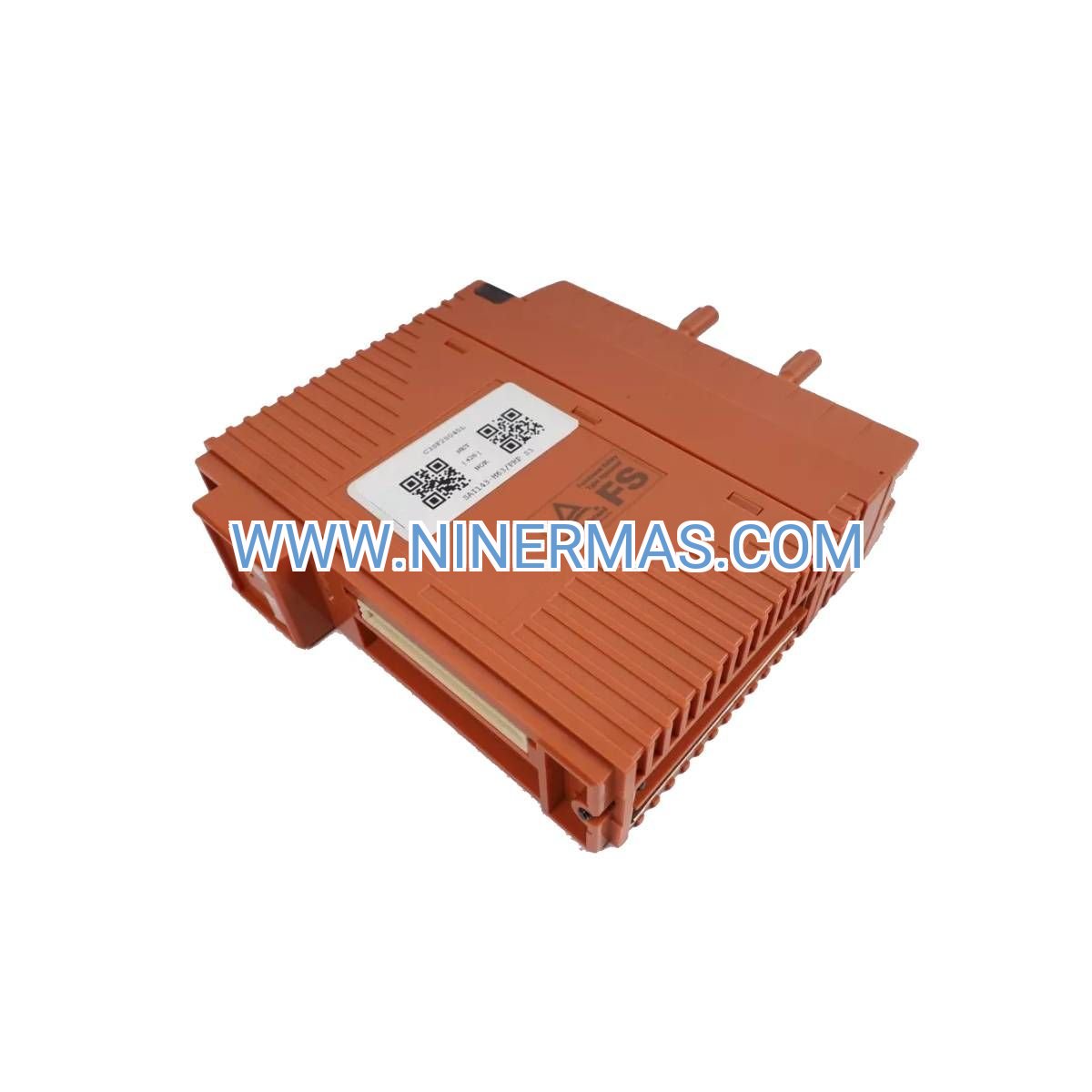
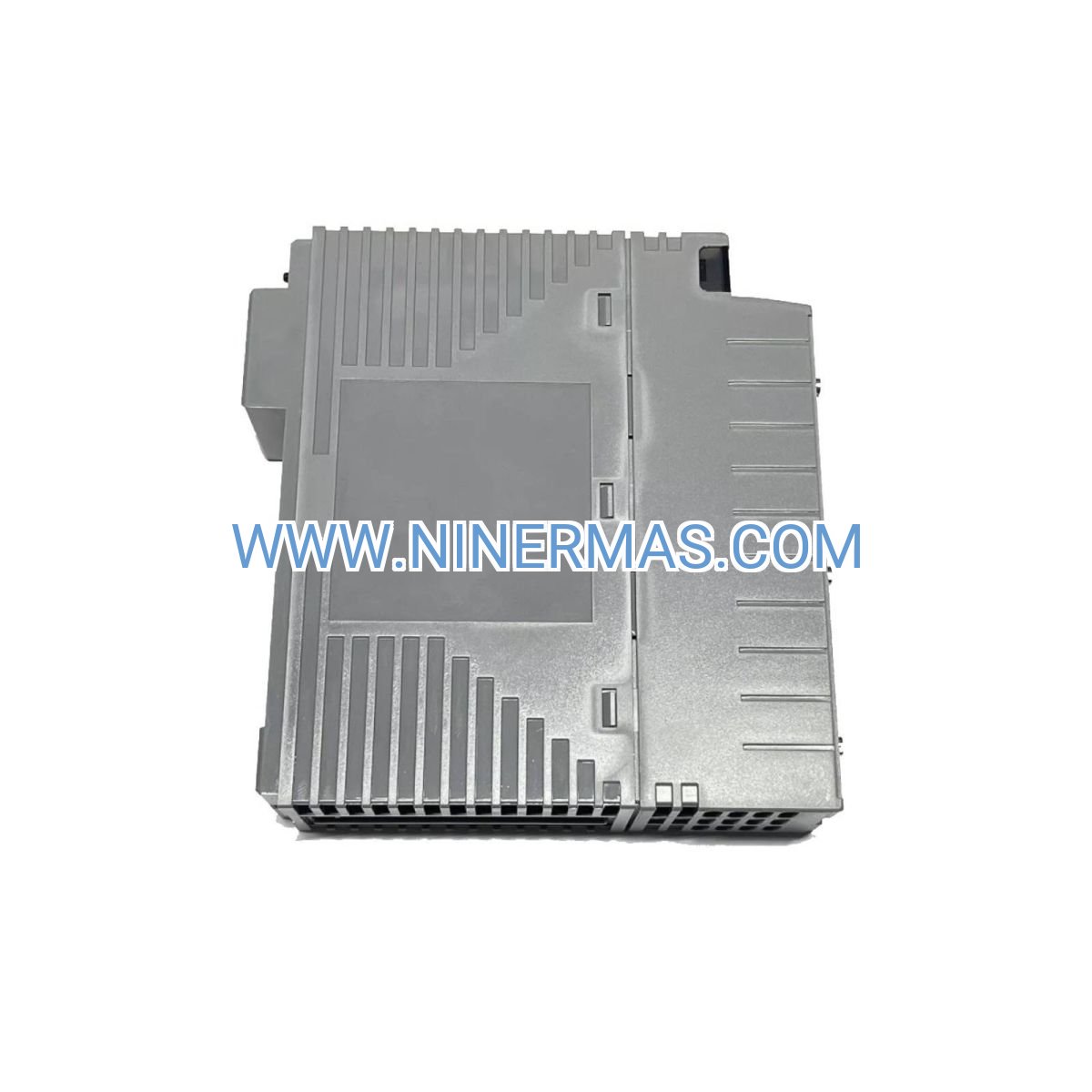
ABB TPSG4AI Analog Input Module (Industrial-Grade Signal Acquisition)
The ABB TPSG4AI (1KHL015623R0004) delivers enterprise-level analog signal conversion for mission-critical industrial applications. Engineered for continuous operation in harsh environments, this module bridges the physical world of sensors with digital control systems through high-fidelity data acquisition. Process engineers, automation integrators, and plant operators rely on the TPSG4AI for accurate measurement of temperature, pressure, flow, and level signals across manufacturing, energy generation, and chemical processing facilities.
Built on ABB's proven automation platform architecture, the module eliminates signal degradation through advanced noise filtering and galvanic isolation. Whether retrofitting legacy systems or designing greenfield installations, the TPSG4AI provides the measurement foundation for optimized process control, reduced waste, and enhanced operational safety.
Core Features & Benefits
✓ Multi-Channel Architecture
Simultaneous acquisition of 4 independent analog inputs reduces hardware footprint and wiring complexity. Each channel operates autonomously with dedicated signal conditioning, enabling mixed sensor types within a single module. Business value: Lower installation costs and simplified cabinet design.
✓ 16-Bit Resolution Precision
Capture subtle process variations with 0.0015% full-scale accuracy. High-resolution conversion detects early drift in critical parameters before they impact product quality. Business value: Tighter process control and reduced scrap rates.
✓ Universal Signal Compatibility
Configurable inputs accept 0-10V, ±10V, 0-20mA, and 4-20mA industry-standard signals without external adapters. Software-selectable ranges adapt to diverse sensor requirements. Business value: Inventory consolidation and faster commissioning.
→ Galvanic Isolation Protection
2500V channel-to-channel and channel-to-backplane isolation prevents ground loops and protects against voltage transients. Certified for hazardous area installations per ATEX/IECEx standards. Business value: Enhanced system reliability and personnel safety.
→ Hot-Swap Capability
Replace modules during live operation without system shutdown or data loss. Automatic configuration restoration accelerates maintenance procedures. Business value: Maximized uptime and reduced maintenance windows.
→ Built-In Diagnostics
Real-time channel health monitoring with wire-break detection, over-range alarms, and calibration drift alerts. LED indicators provide instant status visibility. Business value: Proactive maintenance and faster troubleshooting.
Application Scenarios
Chemical Batch Processing
Monitor reactor temperatures, feed pressures, and pH levels with synchronized sampling across multiple vessels. The TPSG4AI's fast conversion rate captures transient conditions during exothermic reactions, enabling precise recipe control and batch-to-batch consistency.
Power Generation Facilities
Track turbine vibration, bearing temperatures, and steam pressures in combined-cycle plants. Isolated inputs withstand electrical noise from high-voltage switchgear, while extended temperature ratings support outdoor enclosure installations.
Water Treatment Plants
Acquire flow meter pulses, chlorine analyzer outputs, and tank level transmitters across distributed pump stations. Modbus RTU connectivity integrates with SCADA systems for centralized monitoring and regulatory compliance reporting.
Food & Beverage Production
Measure pasteurization temperatures, CIP solution concentrations, and packaging line pressures with hygienic sensor interfaces. Stainless steel terminal blocks meet FDA material requirements for direct food contact zones.
HVAC Energy Management
Collect chiller differential pressures, VAV damper positions, and outdoor air quality sensors for building automation systems. Low power consumption supports battery-backed UPS installations during grid outages.
Technical Parameters & Selection Guide
| Parameter | Specification |
|---|---|
| Input Channels | 4 differential analog inputs |
| Signal Types | Voltage: 0-10V, ±10V | Current: 0-20mA, 4-20mA |
| Resolution | 16-bit (65,536 counts) |
| Accuracy | ±0.1% of full scale @ 25°C |
| Conversion Time | < 100ms per channel |
| Isolation Voltage | 2500V AC channel-to-bus |
| Operating Temp | -40°C to +70°C (-40°F to +158°F) |
| Power Consumption | < 5W typical |
| Communication | Modbus RTU, PROFIBUS DP |
| Mounting | DIN rail (35mm standard) |
| Certifications | CE, UL508, ATEX Zone 2, IECEx |
Selection Criteria: Choose the TPSG4AI when your application requires simultaneous multi-point measurement with better than 0.1% accuracy. For applications needing more than 4 channels, combine multiple modules on the same backplane. If thermocouple or RTD inputs are required, consider the TPSG4TC temperature module instead. For current-only applications with lower resolution needs, the TPSG4CI offers cost-optimized performance.
Extended Functions
IoT Integration: Export process data to cloud platforms via OPC UA gateways for predictive analytics and remote monitoring. REST API support enables custom dashboard development and mobile app integration.
Advanced Filtering: Programmable digital filters eliminate 50/60Hz noise and high-frequency interference without external components. Selectable time constants balance response speed against signal stability.
Customization Options: Factory-configured modules available with pre-set ranges, custom terminal labeling, and extended temperature screening for extreme environments. Consult engineering for application-specific modifications.
Delivery & Service Assurance
Lead Time: Standard stock items ship within 3-5 business days. Custom configurations require 2-3 weeks for factory programming and testing.
Warranty: 24-month manufacturer warranty covering defects in materials and workmanship. Extended service agreements available for critical applications.
Technical Support: Access to ABB-certified application engineers for system design assistance, commissioning support, and troubleshooting. Phone and email support available during business hours (GMT+8).
Documentation: Each module includes installation manual, wiring diagrams, Modbus register maps, and sample PLC code. CAD drawings and 3D STEP files available for download.
Frequently Asked Questions
What communication protocols does the TPSG4AI analog input module support?
The module natively supports Modbus RTU (RS-485) and PROFIBUS DP fieldbus protocols. For Ethernet connectivity, pair with an ABB AC500 PLC or third-party protocol gateway. Configuration software runs on Windows 10/11 via USB programming cable.
Can I mix voltage and current signals on the same TPSG4AI module?
Yes, each of the 4 input channels is independently configurable. Channel 1 could monitor a 4-20mA pressure transmitter while Channel 2 reads a 0-10V temperature sensor. Settings are stored in non-volatile memory and persist through power cycles.
How much energy savings can I achieve with precision analog input monitoring?
Customers report 8-15% reduction in energy consumption when upgrading from 12-bit to 16-bit resolution modules. Tighter control of HVAC setpoints, boiler combustion ratios, and motor speed drives directly translates to lower utility bills. Typical ROI occurs within 18-24 months.
What are the installation requirements for the ABB TPSG4AI in hazardous areas?
The module carries ATEX Zone 2 and IECEx certification for gas/dust environments. Install in approved enclosures with proper cable gland sealing. Maintain minimum 50mm spacing from ignition sources. Intrinsically safe barriers required when connecting to sensors in Zone 0/1 areas.
Does the TPSG4AI support remote monitoring and diagnostics?
Built-in web server provides real-time channel status, historical trend data, and alarm logs accessible via standard browsers. SNMP traps notify maintenance teams of fault conditions. Integration with ABB Ability™ cloud platform enables predictive maintenance algorithms and mobile app alerts.
How do I select the correct analog input range for my application?
Match the module's input range to your sensor's output signal. For 4-20mA transmitters, configure the channel for 0-20mA range to detect wire-break conditions (< 3.5mA). Voltage sensors should use the smallest range that accommodates the signal to maximize resolution—a 0-5V sensor performs better on the 0-10V range than ±10V.
Take the Next Step
Ready to upgrade your analog signal acquisition infrastructure? Contact our automation specialists for application-specific recommendations, volume pricing, and integration support. Request a technical datasheet or schedule a virtual system design review to validate compatibility with your existing control platform.
Email: sale@ninermas.com | Phone: +0086 187 5021 5667
© 2026 NINERMAS COMPANY LIMITED. All rights reserved.
Original Source: https://ninermas.com
Contact: sale@ninermas.com | +0086 187 5021 5667
Related products

Contact Info
-
Address:22 / F, South Wo Hang building, 148 Wing Lok Street, Sheung Wan, Western District, Hong Kong
-
Phone:+8618750215667
-
Email: