ABB SPDSI14 Digital Input Module 16-Channel 24VDC | Symphony Plus DCS System
Description
ABB SPDSI14 Digital Input Module – Industrial-Grade 16-Channel 24VDC Solution for Symphony Plus DCS
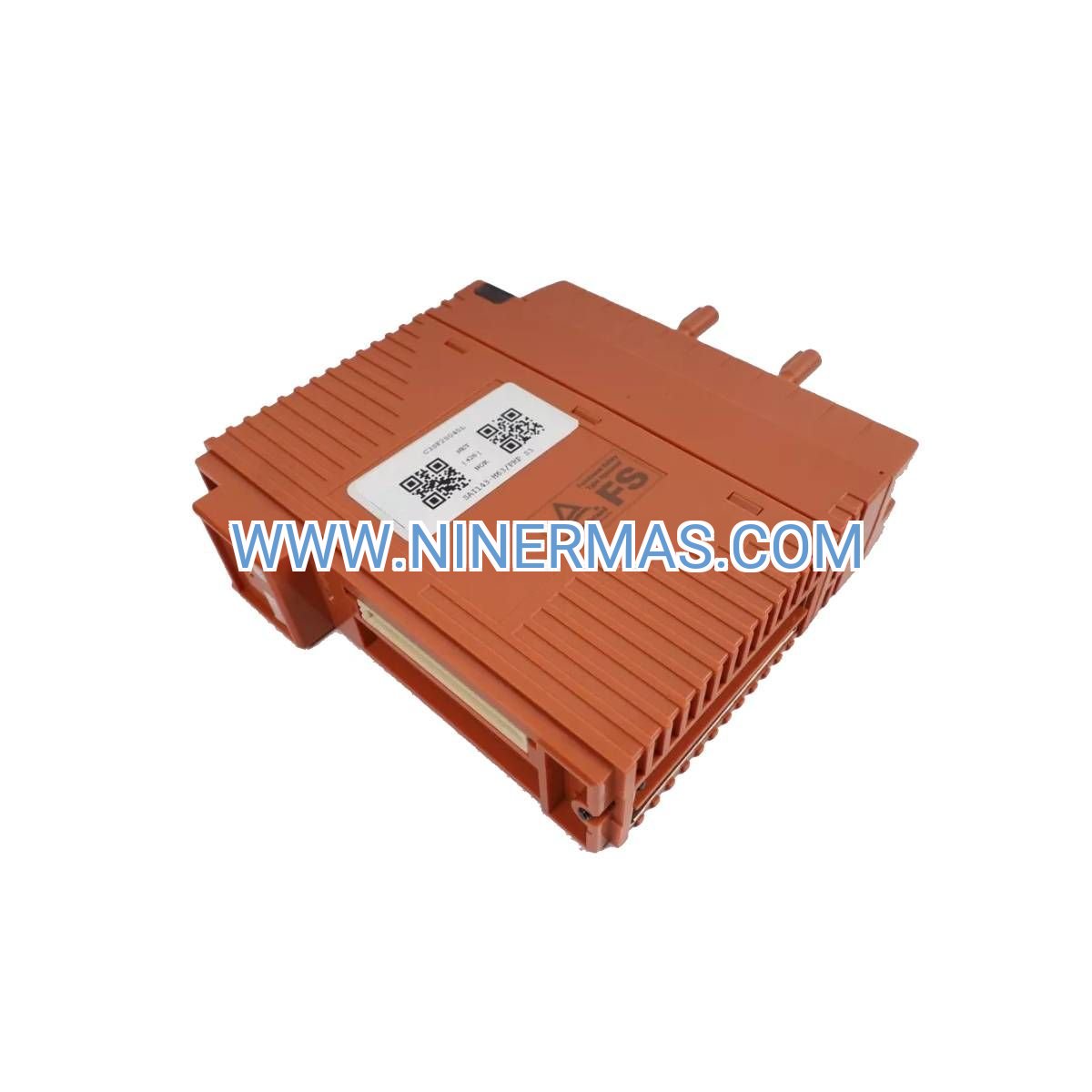
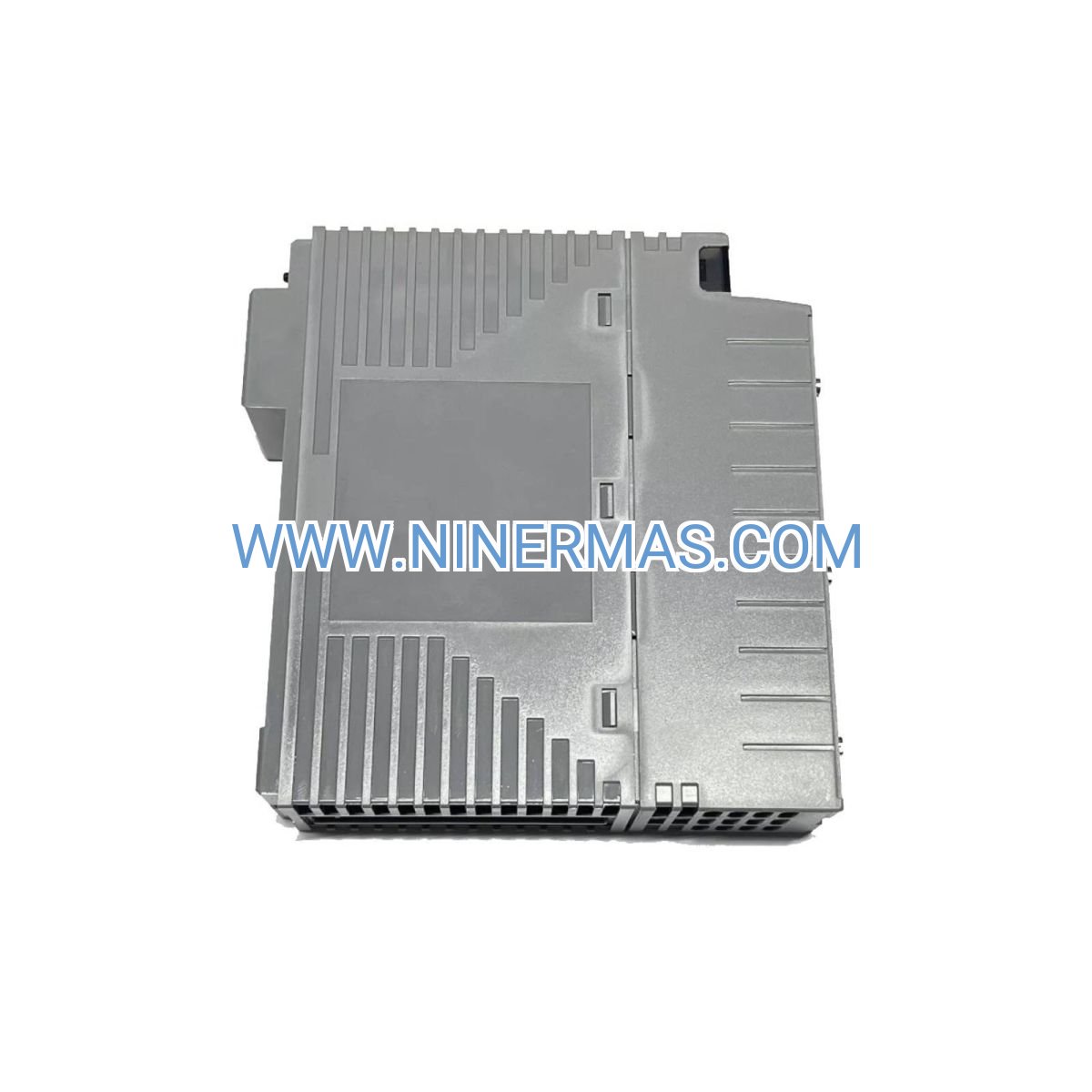
The ABB SPDSI14 Digital Input Module is a high-performance industrial control component designed for Symphony Plus and Bailey INFI 90 distributed control systems (DCS). Through 16 isolated 24VDC input channels and robust signal conditioning, it delivers reliable discrete signal acquisition for critical process automation applications. Each channel features galvanic isolation to ensure noise immunity and system integrity in harsh industrial environments.
Engineered for energy, chemical processing, manufacturing, and heavy industry, this module addresses common challenges including signal interference, wiring complexity, and system downtime. It supports applications such as valve position feedback, limit switch monitoring, emergency shutdown systems, and equipment status indication across refineries, power plants, pharmaceutical facilities, and discrete manufacturing lines.
With standardized DIN rail mounting and field-proven design, the SPDSI14 offers seamless DCS integration, superior noise rejection, simplified commissioning, and long-term reliability. Ideal for system integrators, control engineers, plant maintenance teams, and OEM equipment manufacturers. Contact our automation specialists for application-specific configuration guidance and technical support.
Core Features & Technical Advantages
- 16 Isolated Digital Input Channels
Each channel provides galvanic isolation up to 1500VAC, preventing ground loops and protecting the DCS from field-side electrical disturbances while maintaining signal integrity. - 24VDC Nominal Input Voltage
Compatible with industry-standard 24VDC sensors, switches, and field devices. Wide input voltage tolerance (typically 10-30VDC) accommodates voltage drops and field wiring variations. - Symphony Plus & Bailey INFI 90 Native Compatibility
Plug-and-play integration with ABB's Symphony Plus and legacy Bailey INFI 90 systems via proprietary backplane communication, reducing engineering time and configuration errors. - Extended Operating Temperature Range
Rated for -30°C to +70°C ambient operation, suitable for control rooms, field enclosures, and harsh industrial environments without additional climate control. - Comprehensive Diagnostic Capabilities
Built-in channel-level diagnostics with LED indicators and system-level fault reporting enable rapid troubleshooting, reducing mean time to repair (MTTR) and unplanned downtime. - Robust EMC & Environmental Protection
Meets IEC 61000 EMC standards and IP20 enclosure rating. Conformal coating options available for corrosive atmospheres and high-humidity installations.
Typical Application Scenarios
The SPDSI14 module excels in applications requiring dependable discrete signal monitoring and high channel density:
- Oil & Gas Upstream/Downstream Operations
Monitor valve positions, pump status, pressure switch states, and emergency shutdown (ESD) signals in refineries, gas processing plants, and pipeline control systems. - Power Generation & Distribution
Acquire breaker status, turbine trip signals, generator auxiliary contacts, and substation alarm inputs for fossil, nuclear, and renewable energy facilities. - Chemical & Pharmaceutical Manufacturing
Track reactor interlocks, batch process sequencing, material level switches, and safety instrumented system (SIS) inputs in compliance with IEC 61511 and FDA 21 CFR Part 11. - Water & Wastewater Treatment
Interface with flow switches, level transmitters, motor contactors, and SCADA alarm points for municipal and industrial water treatment infrastructure. - Metals & Mining Processing
Capture conveyor status, crusher interlocks, mill bearing temperature alarms, and material handling equipment feedback in continuous and batch metallurgical processes.
Technical Specifications & Selection Guide
To ensure optimal system performance, review the following key parameters when specifying the SPDSI14:
| Parameter | Specification |
|---|---|
| Number of Channels | 16 isolated digital inputs |
| Input Voltage Range | 24VDC nominal (10-30VDC typical) |
| Isolation Voltage | 1500VAC channel-to-backplane |
| Input Current | Typically 5-8mA per channel |
| Response Time | ≤10ms (configurable filtering) |
| Operating Temperature | -30°C to +70°C |
| Storage Temperature | -40°C to +85°C |
| Humidity | 5% to 95% RH, non-condensing |
| Mounting | DIN rail or panel mount |
| Communication | Symphony Plus / Bailey INFI 90 backplane |
| Certifications | CE, UL, CSA, ATEX/IECEx (zone-dependent) |
| MTBF | >100,000 hours (MIL-HDBK-217F) |
Selection Considerations: When configuring your system, evaluate total I/O point count, required scan rate, field device voltage levels, hazardous area classification (if applicable), and spare capacity for future expansion. For applications requiring intrinsically safe (IS) barriers or HART pass-through, consult our engineering team for compatible interface solutions.
Advanced Integration & Customization Options
- Redundant Configuration Support
Pair with redundant Symphony Plus controllers and power supplies for high-availability architectures in critical process units. - Hot-Swap Capability
Replace modules under power without system shutdown (controller-dependent), minimizing maintenance windows in 24/7 operations. - Custom Firmware & Logic
Leverage Symphony Plus engineering tools for advanced input filtering, debounce timing, and alarm prioritization tailored to your process requirements. - Third-Party System Integration
Interface with OPC UA, Modbus TCP, or PROFINET networks via Symphony Plus gateways for enterprise MES/ERP connectivity.
Delivery, Quality Assurance & Technical Support
Lead Time: Standard catalog items typically ship within 3-5 business days. Custom-configured modules or large project quantities may require 2-4 weeks; contact us for expedited options.
Warranty & Service: All modules include a minimum 24-month manufacturer warranty covering defects in materials and workmanship. Extended warranty and advance replacement programs available for critical applications.
Documentation Package: Each shipment includes product datasheet, installation manual, wiring diagrams, terminal block layouts, and Symphony Plus configuration files (GSD/EDS). CAD drawings and 3D STEP models available upon request.
Technical Assistance: Our certified ABB automation engineers provide pre-sales application support, commissioning guidance, and post-installation troubleshooting. Remote diagnostics and on-site services available based on geographic location and service agreement.
Frequently Asked Questions (FAQ)
Q: How do I integrate the SPDSI14 digital input module with my existing Symphony Plus DCS?
A: The module mounts directly onto the Symphony Plus I/O rack and auto-configures via backplane communication. You'll need to verify rack slot compatibility, configure channel parameters in the Symphony Plus engineering station (using Composer software), and assign I/O tags to your control logic. Detailed integration procedures are provided in the installation manual.
Q: What is the maximum cable length between field devices and the SPDSI14 module?
A: For 24VDC signals, typical maximum cable length is 300-500 meters using shielded twisted-pair cable (e.g., 18-22 AWG). Actual distance depends on cable capacitance, ambient noise, and input current. For longer runs, consider using signal repeaters or switching to 4-20mA analog inputs.
Q: Can this module be used in hazardous area (ATEX/IECEx Zone 1/2) installations?
A: The SPDSI14 itself is typically rated for Zone 2/Division 2 non-incendive installations when properly installed. For Zone 1/Division 1 applications, you must use approved intrinsic safety (IS) barriers between field devices and the module. Consult the product certification documents and local electrical codes.
Q: Does the module support both sinking and sourcing input configurations?
A: The SPDSI14 is designed for sinking input configuration (common positive). For sourcing applications (common negative), verify compatibility with your specific module revision or consider field wiring adapters. Contact technical support for configuration guidance.
Q: What diagnostic features are available for troubleshooting input faults?
A: Each channel has an individual LED status indicator (green = active, off = inactive, red = fault). The Symphony Plus HMI displays real-time channel status, wire-off detection, and historical alarm logs. Advanced diagnostics include input voltage monitoring and channel-to-channel isolation testing.
Q: Is the module compatible with legacy Bailey INFI 90 systems, or only Symphony Plus?
A: The SPDSI14 supports both Symphony Plus and Bailey INFI 90 platforms, though configuration tools and backplane protocols differ. Verify your system controller firmware version and I/O rack type before ordering. Migration paths from INFI 90 to Symphony Plus are available for system upgrades.
Request a Custom Solution
For project-specific configurations, bulk procurement, or technical consultation, please provide the following details:
- Project name and application overview
- Total digital input point count and signal types
- Existing DCS platform (Symphony Plus / Bailey INFI 90 version)
- Environmental conditions (temperature, humidity, hazardous area classification)
- Required delivery timeline and installation support needs
Our automation specialists will respond within 24 hours with tailored recommendations, budgetary pricing, and technical documentation.
© 2026 NINERMAS COMPANY LIMITED. All rights reserved.
Original Source: https://ninermas.com
Contact: sale@ninermas.com | +0086 187 5021 5667
Related products

Contact Info
-
Address:22 / F, South Wo Hang building, 148 Wing Lok Street, Sheung Wan, Western District, Hong Kong
-
Phone:+8618750215667
-
Email: