Description
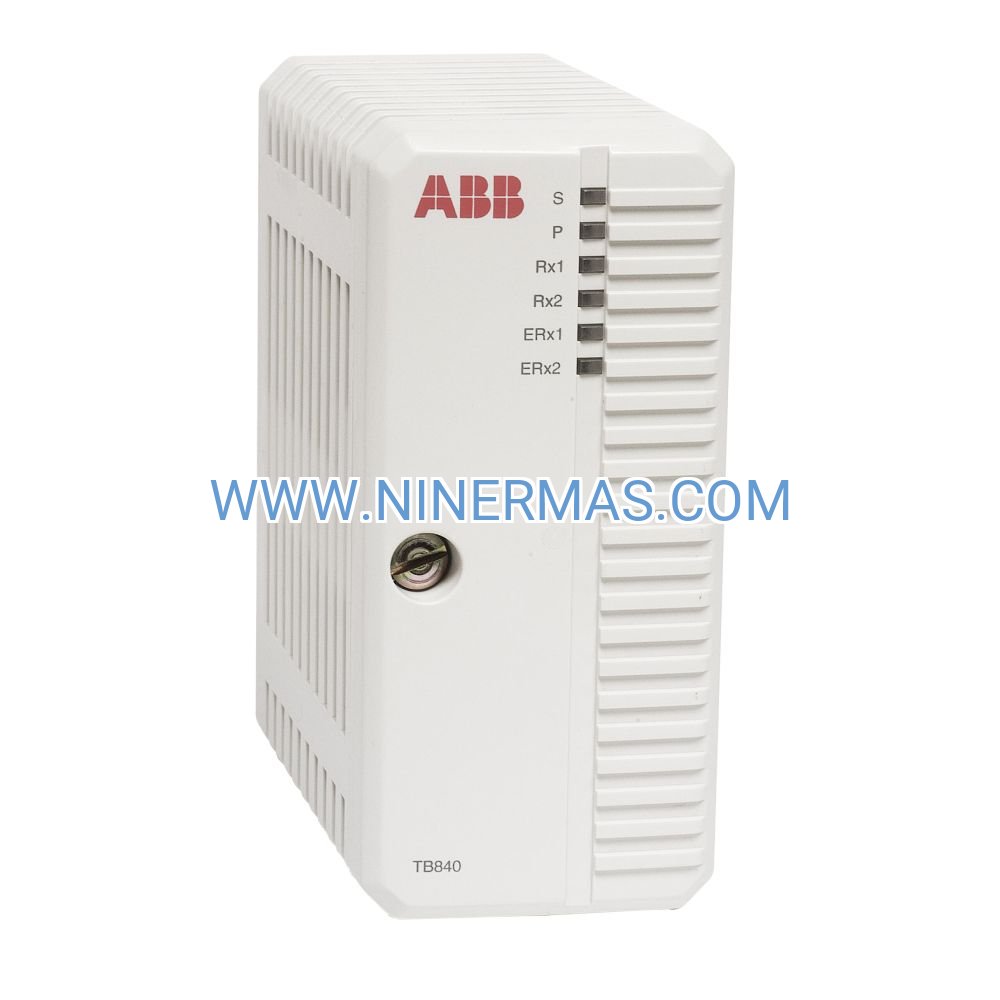
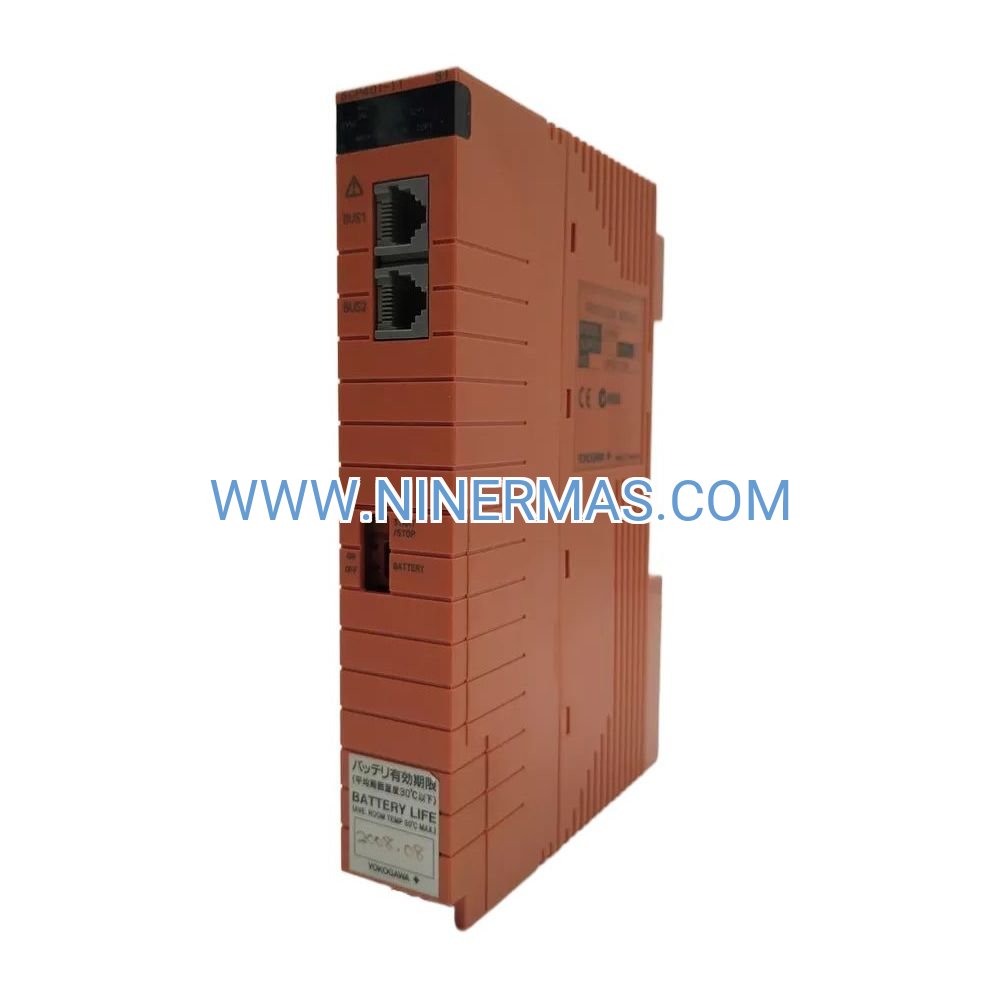
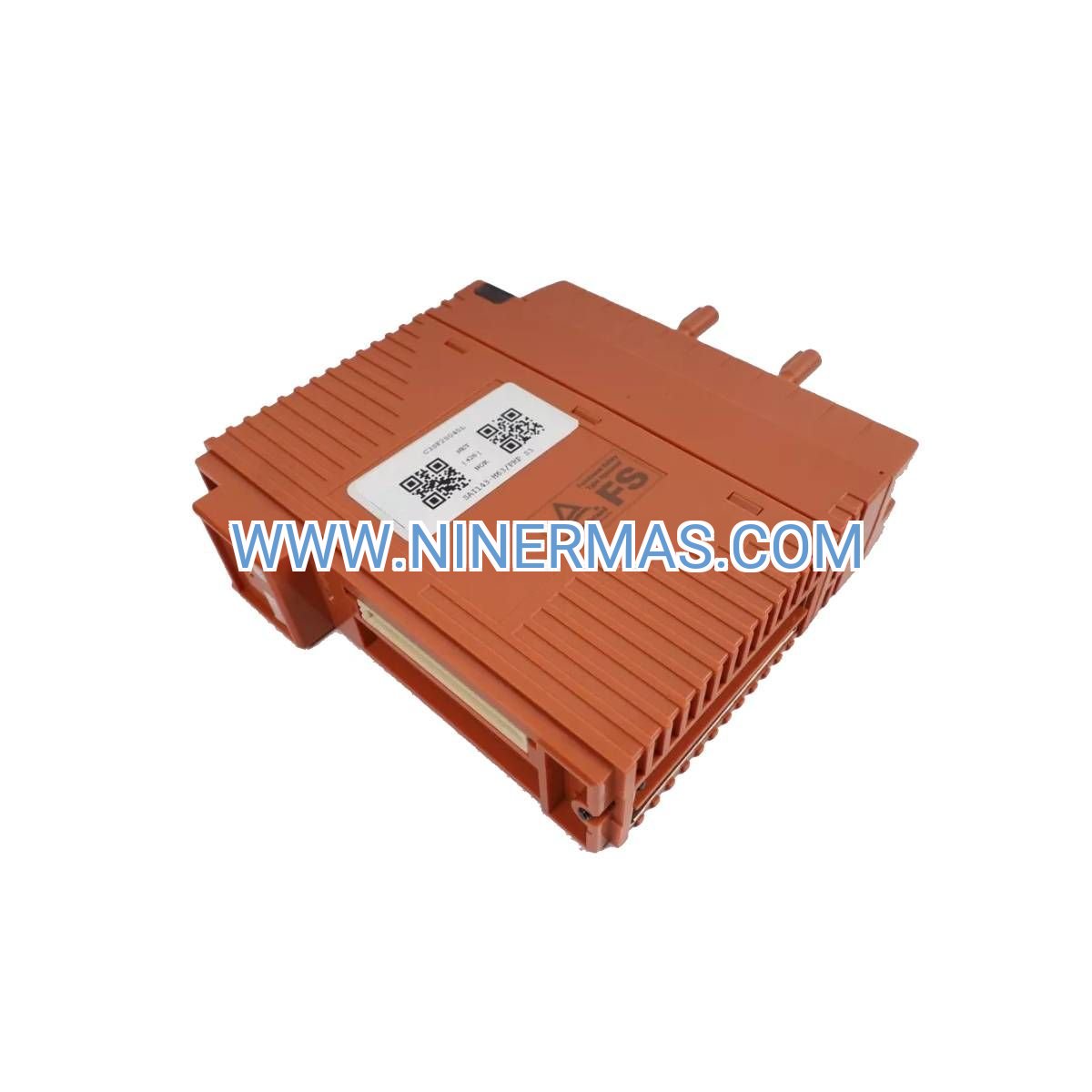
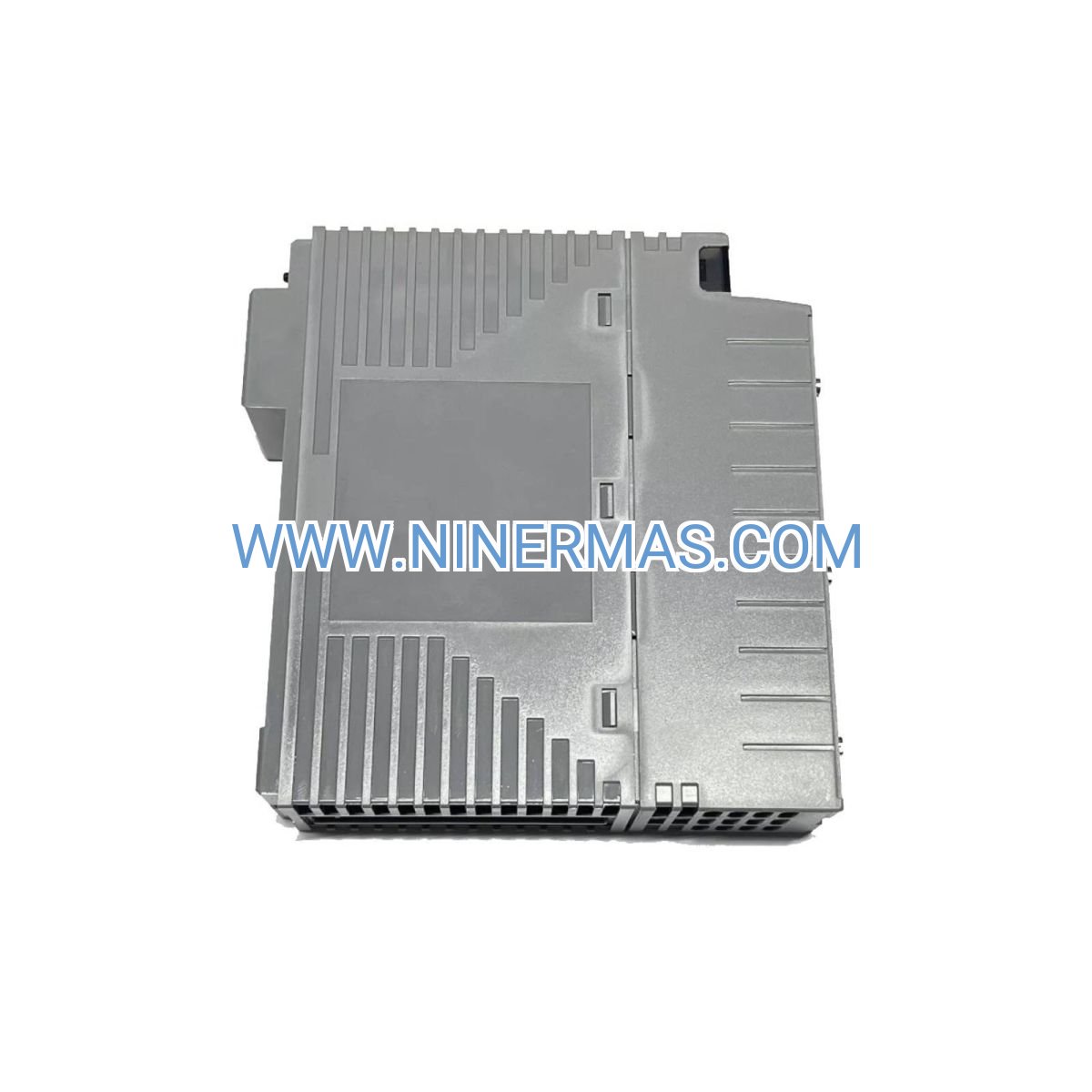
ABB TB840A ModuleBus Cluster Modem (Industrial-Grade Fiber Optic Interface)
The ABB TB840A (P/N: 3BSE037760R1) serves as a critical fiber optic communication bridge within S800 I/O architectures, establishing high-speed data pathways between AC800M programmable automation controllers and geographically distributed I/O clusters. Engineered for mission-critical process industries, this redundant ModuleBus modem delivers fault-tolerant connectivity across extended distances while maintaining microsecond-level response times essential for real-time control applications.
Designed for system integrators and control engineers managing complex DCS installations, the TB840A addresses the fundamental challenge of reliable I/O distribution in electrically hostile environments. By leveraging dual fiber optic channels with automatic failover mechanisms, it eliminates common-mode electrical interference that plagues copper-based fieldbus systems, while supporting scalable architectures from compact skid packages to plant-wide automation networks spanning multiple kilometers.
This hot-swappable communication module integrates seamlessly with ABB's 800xA control ecosystem, enabling rapid deployment of distributed I/O topologies that reduce installation costs, improve system availability, and provide the architectural flexibility required for phased expansion in power generation, petrochemical processing, and offshore production facilities.
Core Features & Technical Advantages
→ Dual Redundant Optical Links: Two independent fiber optic ModuleBus channels with sub-second automatic switchover ensure continuous I/O communication during cable damage or transceiver failures, maintaining process control integrity in safety-critical applications where communication loss triggers emergency shutdowns costing $500K-2M per incident.
→ Multi-Cluster Scalability: Supports up to 7 I/O clusters per optical bus line, with each cluster accommodating 12 S800 modules, enabling distributed architectures with 84 modules per modem pair—sufficient for mid-scale process units while maintaining deterministic scan cycles under 10ms for time-sensitive control loops.
→ Online Module Replacement: Hot-swap capability allows field technicians to replace failed units during live operation without halting production processes or rebooting controllers, reducing mean time to repair from hours to minutes and eliminating the need for costly maintenance windows in 24/7 manufacturing environments.
✓ Electrical Isolation Protection: Fiber optic transmission inherently blocks ground loop currents and lightning-induced surges that account for 60% of I/O system failures in plants with high-power motor drives, welding equipment, and overhead crane operations—extending module lifespan by 3-5 years compared to copper alternatives.
✓ Extended Distance Capability: Optical ModuleBus supports point-to-point links up to 2 kilometers without signal repeaters, enabling centralized control rooms to manage remote process areas in large facilities such as refineries, power stations, and water treatment plants while reducing copper cable procurement costs by $40-80 per meter.
✓ Integrated Health Monitoring: Built-in diagnostics track optical signal quality, electrical bus voltage, and module temperature, transmitting real-time status to 800xA System Manager for predictive maintenance scheduling—allowing proactive replacement 4-6 weeks before failures based on degradation trends rather than reactive emergency repairs.
Industrial Application Scenarios
Combined-Cycle Power Generation: In 400-800 MW gas turbine plants, the TB840A distributes I/O across heat recovery steam generators (HRSG), turbine protection systems, and emissions monitoring networks. Fiber optic isolation prevents electrical noise from 13.8kV switchgear and generator excitation systems from corrupting analog signals, while redundant communication ensures continuous operation during the 8,000-hour inspection intervals required by grid reliability standards.
Offshore Oil & Gas Production: On floating production platforms processing 50,000-150,000 barrels per day, this modem connects hazardous area I/O (ATEX Zone 2, IECEx) to control rooms located in safe zones 200-500 meters away. Marine-certified construction (ABS, DNV-GL, Lloyd's Register) withstands salt fog, vibration from drilling operations, and temperature swings from -20°C to +55°C across 20-year platform lifecycles.
Chemical Batch Processing: In specialty chemical plants producing pharmaceuticals, polymers, or agrochemicals, distributed I/O clusters monitor reactor temperatures, pressure vessels, and material transfer systems across multi-building facilities. The TB840A's deterministic communication supports recipe-driven batch control with ±0.1% temperature precision required for FDA 21 CFR Part 11 compliance and consistent product quality in high-value formulations.
Municipal Water Treatment: For drinking water facilities serving populations of 100,000-1,000,000, fiber optic ModuleBus links central SCADA systems to remote pump stations, clarifiers, and chlorination systems distributed across 2-10 km² treatment complexes. Immunity to lightning strikes—common in outdoor installations with elevated tanks and exposed piping—reduces annual I/O replacement costs by 40-60% compared to copper fieldbus networks.
Pulp & Paper Manufacturing: In integrated mills producing 500-2,000 tons per day, the modem enables distributed control of digester systems, recovery boilers, and paper machine drives. Hot-swap capability allows maintenance during brief production gaps between grade changes, avoiding the 4-6 hour shutdowns required for non-redundant I/O system repairs that reduce daily output by 15-25%.
Technical Parameters & Selection Guide
| Parameter | Specification | Engineering Notes |
|---|---|---|
| Catalog Number | 3BSE037760R1 | Current production revision |
| Communication Protocol | ModuleBus (Optical + Electrical) | Proprietary ABB protocol, 1.5 Mbps |
| Fiber Optic Ports | 2× ST connectors (62.5/125 μm) | Multimode fiber, 2 km max distance |
| Electrical ModuleBus | 12 modules per cluster | Mix of DI, DO, AI, AO modules |
| Cluster Capacity | 7 clusters per optical line | 84 modules total per modem pair |
| Power Supply | 24V DC ±20%, 120 mA typical | Supplied via TU840/TU841 terminal unit |
| Operating Temperature | 0°C to +55°C (horizontal mount) | Derate to +40°C for vertical installation |
| Humidity Range | 5-95% RH, non-condensing | ISA-S71.04 G3 corrosion resistance |
| Hazardous Area Rating | ATEX Zone 2, cULus C1 Div 2 | Suitable for gas/dust environments |
| Marine Approvals | ABS, DNV-GL, Lloyd's Register | Offshore platform/vessel installations |
| MTBF | >500,000 hours (57 years) | IEC 61709 calculation, 40°C ambient |
| Physical Dimensions | 130 × 127 × 65 mm (H×W×D) | DIN rail mount, 0.2 kg weight |
Selection Criteria: Choose TB840A when distributed I/O architecture requires distances exceeding 100 meters, electrical isolation from high-voltage equipment, or redundant communication for SIL 2/3 safety systems. For single-line non-redundant applications under 50 meters, consider TB840 (non-redundant variant). Pair with TU840 terminal units for dual-bus redundancy or TU841 for single-bus configurations. Verify fiber optic cable specifications match 62.5/125 μm multimode requirements and ST connector compatibility.
Extended Functionality & Integration
800xA System Integration: The TB840A appears as a managed device within Control Builder M and System Manager, enabling centralized configuration of I/O addressing, diagnostic thresholds, and redundancy parameters. Engineers can monitor optical signal strength in real-time, set alarm limits for degraded fiber performance, and schedule preventive maintenance based on historical trend data—reducing unplanned failures by 70% through condition-based replacement strategies.
Redundancy Architectures: Deploy in fully redundant configurations with dual AC800M controllers, dual optical ModuleBus lines, and redundant power supplies to achieve 99.99% system availability (52 minutes downtime per year). The modem's automatic failover logic switches between optical paths in under 100 milliseconds, maintaining control loop stability during communication path failures without process upsets or alarm floods.
Third-Party Protocol Gateways: Combine with ABB's CI854 communication interfaces to bridge S800 I/O data to Modbus TCP, PROFIBUS DP, or OPC UA networks, enabling integration with legacy PLCs, SCADA systems, and MES platforms. This hybrid architecture preserves existing infrastructure investments while modernizing I/O distribution with fiber optic technology.
Cybersecurity Compliance: When deployed within IEC 62443-compliant 800xA systems, the TB840A supports network segmentation strategies that isolate process control networks from enterprise IT systems. Fiber optic physical layer provides inherent protection against electrical eavesdropping and electromagnetic pulse (EMP) attacks targeting critical infrastructure in power generation and water treatment facilities.
Delivery Timeline & Service Assurance
Standard Lead Time: 3-5 business days for in-stock units shipped from regional distribution centers in North America, Europe, and Asia-Pacific. Express 24-hour delivery available for emergency replacements in critical process industries with premium freight charges.
Custom Configuration: Factory-programmed units with pre-loaded I/O addressing and diagnostic settings available with 10-15 business day lead time for large projects requiring 20+ modules. Reduces on-site commissioning time by 40-60% through plug-and-play deployment.
Warranty Coverage: 24-month manufacturer warranty covering defects in materials and workmanship under normal operating conditions. Extended 5-year service agreements available including advance replacement, on-site technical support, and annual preventive maintenance inspections.
Technical Support: Access to ABB's global service network with 24/7 hotline support, remote diagnostics via 800xA connectivity, and field service engineers experienced in S800 I/O troubleshooting. Comprehensive documentation package includes installation manuals, wiring diagrams, configuration examples, and integration guides for 800xA Control Builder M.
Training Resources: Recommended training courses include "S800 I/O System Configuration" (3 days) and "AC800M Advanced Programming" (5 days) available through ABB University. Online learning modules cover fiber optic installation best practices, redundancy configuration, and diagnostic interpretation for maintenance personnel.
Frequently Asked Questions
Q: What fiber optic cable specifications are required for TB840A installations?
A: Use 62.5/125 μm multimode fiber optic cable with ST connectors, rated for industrial environments (temperature range -40°C to +85°C). Maximum distance of 2 km per segment without repeaters. Duplex cable configuration required for redundant operation. Avoid tight bend radius below 50 mm to prevent signal attenuation. Pre-terminated cable assemblies from ABB (part numbers 3BSE008510R1 series) ensure compatibility and simplify field installation.
Q: Can TB840A modems be mixed with older TB840 (non-A) versions in the same system?
A: Yes, TB840A is backward compatible with TB840 and can coexist on the same optical ModuleBus network. However, mixing versions within a redundant pair is not recommended—use matched pairs (both TB840A or both TB840) for each cluster to ensure consistent failover behavior. Firmware versions should be synchronized using Control Builder M to avoid communication timing mismatches during redundancy switchovers.
Q: How much power consumption reduction can be achieved with fiber optic I/O distribution?
A: Fiber optic ModuleBus eliminates the need for copper cable signal conditioning and repeaters, reducing overall system power consumption by 15-25% in distributed architectures exceeding 500 meters. The TB840A itself draws only 120 mA at 24V DC (2.9W), compared to 200-300 mA for equivalent copper-based communication modules. In large installations with 50+ I/O clusters, annual energy savings of $5,000-15,000 are achievable based on $0.12/kWh industrial electricity rates.
Q: What diagnostic indicators help predict TB840A failures before they occur?
A: Monitor these key parameters in 800xA System Manager: (1) Optical receive power trending below -23 dBm indicates fiber degradation requiring cable inspection within 30 days; (2) Module temperature exceeding 65°C suggests inadequate cabinet ventilation—add cooling before thermal shutdown at 70°C; (3) Electrical ModuleBus voltage dropping below 20V DC indicates power supply issues affecting connected I/O modules; (4) Communication error rate above 1 error per 10⁶ messages signals impending transceiver failure—schedule replacement within 2-4 weeks.
Q: Are there installation requirements for hazardous area (ATEX Zone 2) applications?
A: TB840A carries ATEX II 3 G Ex nA IIC T4 Gc certification for Zone 2 gas environments. Installation must follow EN 60079-15 standards: (1) Mount in IP54-rated enclosures with adequate ventilation; (2) Ensure all cable glands maintain enclosure rating; (3) Verify ambient temperature does not exceed +40°C in hazardous zones; (4) Use intrinsically safe barriers for I/O modules in Zone 1 areas; (5) Maintain 50 mm clearance from heat-generating equipment. Consult ABB document 3BSE040662 for complete hazardous area installation guidelines.
Q: What is the maximum I/O count achievable with TB840A in a single AC800M controller?
A: A single AC800M controller supports up to 12,000 I/O points across multiple communication interfaces. With TB840A modems, practical limits are 2,000-3,000 I/O points per controller to maintain scan cycle times under 100ms for typical process control applications. This translates to approximately 20-25 optical ModuleBus lines, each supporting 7 clusters with 12 modules (assuming average 8 channels per module). For larger systems, deploy redundant AC800M controllers in distributed architectures with peer-to-peer communication via Ethernet/IP.
Request Technical Consultation
Our application engineers provide complimentary system design reviews for projects requiring distributed I/O architectures with 100+ points. We'll analyze your facility layout, electrical noise environment, and redundancy requirements to recommend optimal TB840A deployment strategies that minimize installation costs while maximizing system reliability. Contact our technical sales team to schedule a consultation or request AutoCAD drawings, cable schedules, and bill-of-materials for your specific application.
© 2026 NINERMAS COMPANY LIMITED. All rights reserved.
Original Source: https://ninermas.com
Contact: sale@ninermas.com | +0086 187 5021 5667
Related products

Contact Info
-
Address:22 / F, South Wo Hang building, 148 Wing Lok Street, Sheung Wan, Western District, Hong Kong
-
Phone:+8618750215667
-
Email: