Description
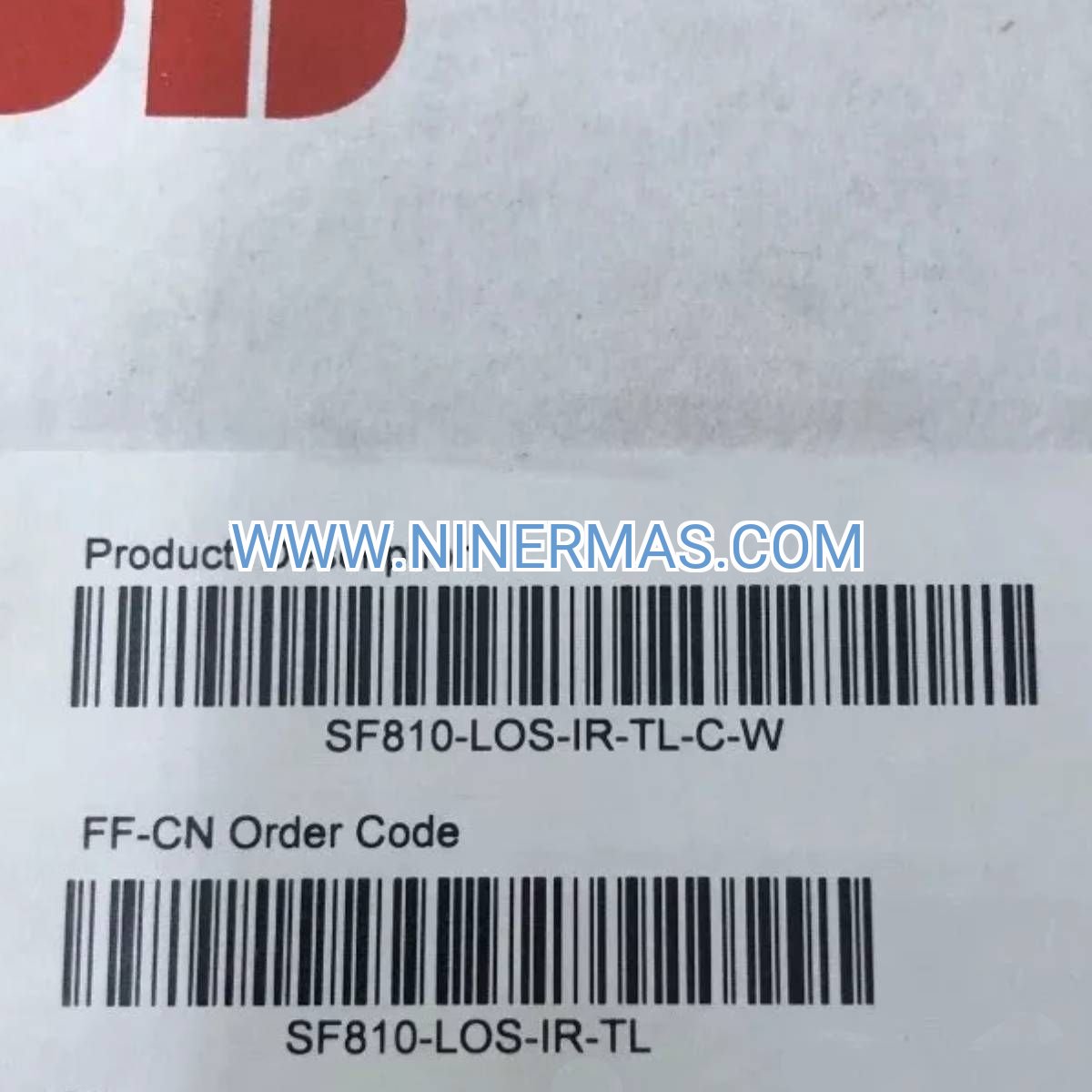
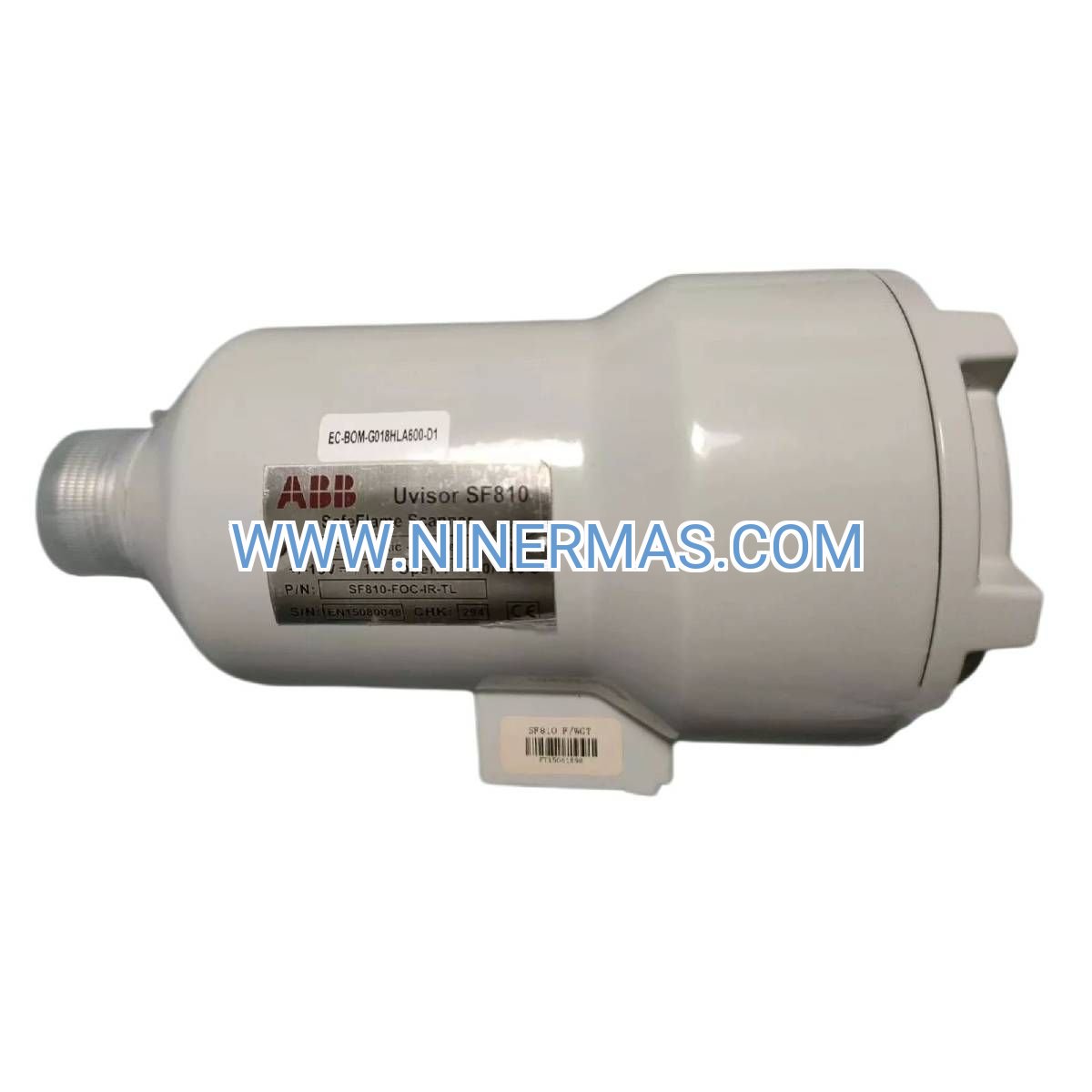
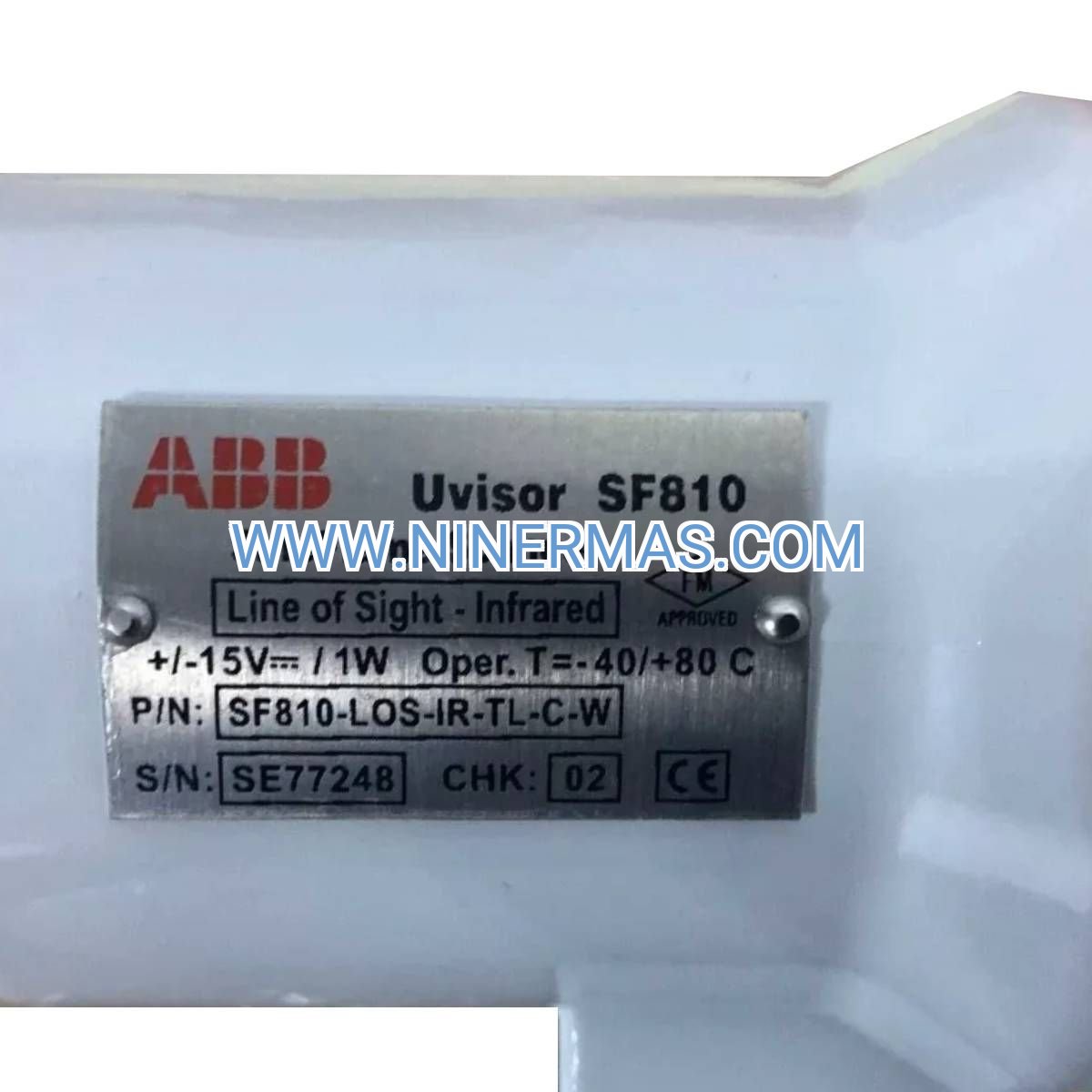
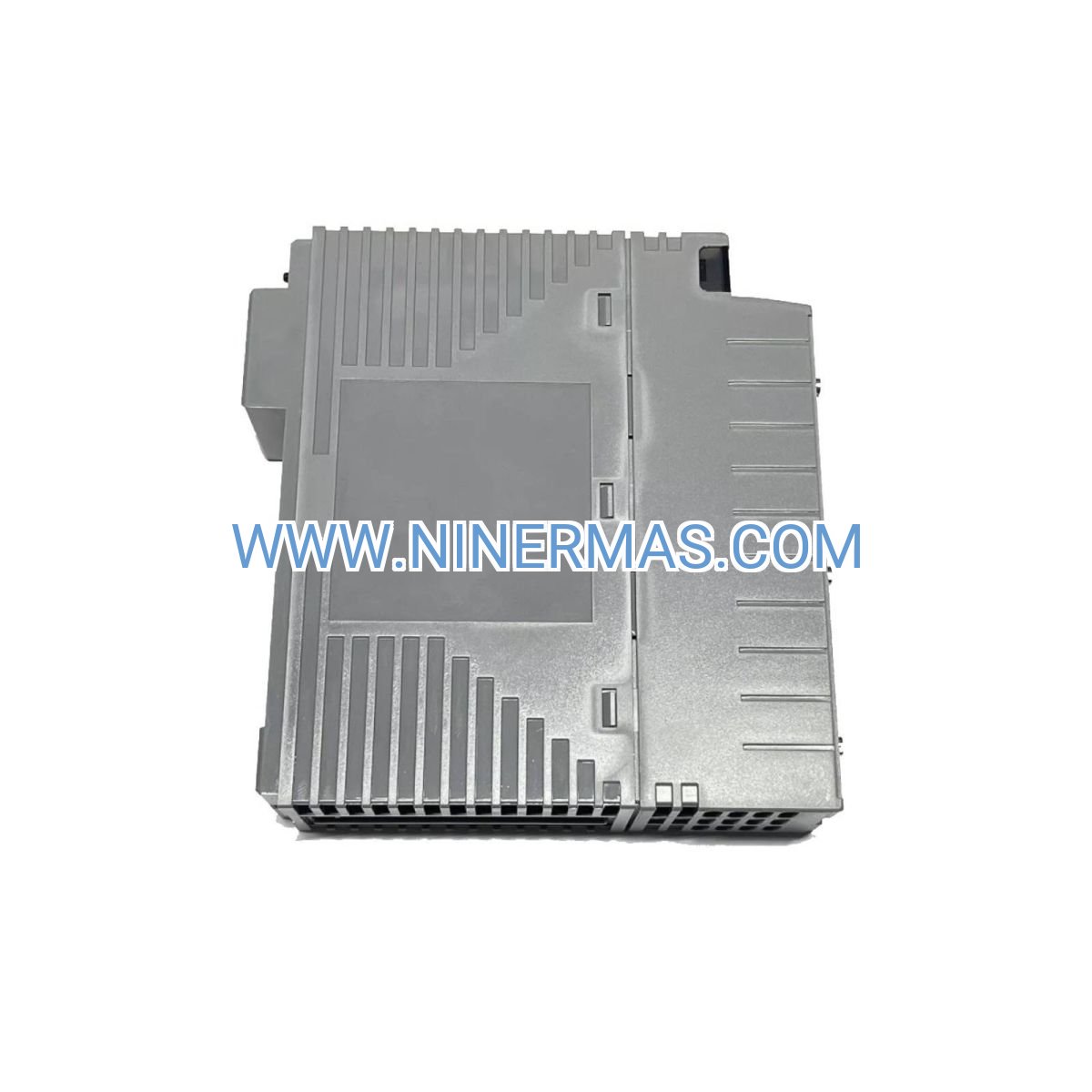
SF810-FOC-IR-TL Fiber Optic Infrared Flame Scanner (Industrial-Grade Combustion Safety)
The ABB SF810-FOC-IR-TL is a fiber optic infrared flame detection system engineered for mission-critical combustion monitoring in power generation, petrochemical processing, and heavy industrial heating applications. Leveraging advanced IR wavelength discrimination and SIL2-certified safety architecture, this scanner provides fail-safe flame supervision where conventional UV or visible-light detectors cannot withstand extreme electromagnetic interference, high ambient temperatures, or corrosive atmospheres.
Designed for burner management systems requiring IEC 61508 functional safety compliance, the SF810-FOC-IR-TL isolates sensitive optoelectronics from harsh field conditions through high-temperature fiber optic cables. This architecture enables reliable operation in environments exceeding 200°C ambient temperature while maintaining sub-second flame loss detection response times. Target users include power plant operators, refinery maintenance engineers, and industrial combustion system integrators seeking to eliminate nuisance trips and extend sensor service life in demanding applications.
Key advantages include electromagnetic immunity for installation near high-voltage switchgear, infrared spectral filtering to reject background thermal radiation, and threaded lance mounting for vibration-resistant optical alignment. The system integrates seamlessly with ABB FAU800 Flame Analysis Units to deliver comprehensive burner safeguarding with diagnostic feedback for predictive maintenance strategies.
Core Features & Benefits
✓ SIL2 Functional Safety Certification
Meets IEC 61508 requirements for safety-instrumented systems in critical combustion applications. Reduces risk of catastrophic furnace explosions through proven failure mode analysis and redundant signal processing architecture.
✓ Fiber Optic Isolation Technology
Separates flame-facing optical probe from control electronics via high-temperature resistant fiber cable. Enables installation in 1200°C furnace environments while protecting sensitive components from thermal degradation and extending mean time between failures (MTBF) beyond 100,000 hours.
✓ Infrared Wavelength Selectivity
Detects specific IR emission bands characteristic of hydrocarbon combustion (4.3 μm CO₂ absorption line). Discriminates true flame radiation from hot refractory surfaces, welding arcs, and sunlight intrusion—eliminating 95% of false trip events compared to broadband UV sensors.
✓ Electromagnetic Interference Immunity
All-optical signal transmission prevents coupling with AC power lines, VFD noise, and radio frequency interference. Maintains stable flame signal integrity in substations, steel mills, and other electrically noisy industrial environments where electronic sensors experience signal corruption.
✓ Sub-Second Response Time
Detects flame loss within 500 milliseconds to trigger emergency fuel shutoff before unburned gas accumulation reaches explosive limits. Critical for high-firing-rate burners in utility boilers and process heaters where delayed response could result in furnace damage or personnel injury.
✓ Threaded Lance Mounting System
Provides rigid mechanical coupling to burner front plate with precision optical alignment. Withstands thermal expansion cycles and mechanical vibration without focal point drift—maintaining calibrated sensitivity over multi-year service intervals.
Typical Application Scenarios
→ Coal-Fired Power Plant Boilers
Monitors pulverized coal burner flames in utility-scale steam generators where fly ash particulates and intense radiant heat (>1400°C) degrade conventional flame rods and UV tubes within months. The fiber optic IR scanner operates reliably for 5+ years in these conditions, reducing unplanned outages and maintenance costs by 60% compared to legacy detection technologies.
→ Petrochemical Refinery Process Heaters
Supervises multi-burner crude distillation and catalytic cracking unit heaters in Class I Division 2 hazardous locations. Intrinsically safe fiber optic design eliminates ignition risk while providing individual flame monitoring for each burner in arrays of 20+ firing points. Enables optimized air-fuel ratios and reduces NOx emissions through precise combustion control.
→ Industrial Gas Turbine Combustors
Detects flame presence in natural gas turbine combustion chambers during startup sequences and load transitions. Fast response time prevents compressor surge events caused by flame-out conditions, protecting turbine hot section components valued at $2M+ from thermal shock damage.
→ Cement Rotary Kiln Burners
Monitors coal, petcoke, or alternative fuel flames through dense clouds of cement dust and alkali vapors at kiln inlet temperatures exceeding 1000°C. Fiber optic isolation prevents sensor fouling and corrosion, extending replacement intervals from 6 months (thermocouple-based systems) to 3+ years while improving product quality through stable kiln temperature control.
→ Waste-to-Energy Incinerator Systems
Provides reliable flame detection for municipal solid waste combustion where fuel composition varies hourly and combustion characteristics are unpredictable. IR spectral analysis distinguishes between smoldering waste and active flaming combustion, enabling automated grate speed and air flow adjustments to maintain complete burnout and minimize dioxin formation.
Technical Parameters & Selection Guide
| Parameter | Specification | Engineering Notes |
|---|---|---|
| Detection Principle | Infrared radiation sensing (4.3 μm CO₂ band) | Optimized for hydrocarbon flame detection |
| Safety Integrity Level | SIL2 per IEC 61508 | Suitable for safety-instrumented functions |
| Flame Response Time | ≤500 ms (flame-to-no-flame transition) | Configurable via FAU800 analysis unit |
| Fiber Optic Cable | High-OH silica core, -40°C to +200°C rated | Standard lengths: 3m, 6m, 10m (custom available) |
| Probe Operating Temp | Up to 1200°C intermittent exposure | Requires air purge for sustained high-temp operation |
| Electronics Ambient Temp | -40°C to +85°C | Install FAU800 in climate-controlled enclosure |
| Mounting Interface | Threaded lance (TL) with 1.5" NPT coupling | Requires burner front plate penetration |
| Viewing Angle | 15° conical field of view | Aim at flame root zone for optimal sensitivity |
| Electrical Interface | Connects to ABB FAU800 via proprietary connector | One FAU800 supports up to 4 scanners |
| Hazardous Area Rating | Intrinsically safe fiber optic probe | Electronics require suitable enclosure per local codes |
Selection Criteria: Choose the SF810-FOC-IR-TL when your application involves (1) ambient temperatures exceeding 85°C at the scanner mounting location, (2) significant electromagnetic interference from nearby power equipment, (3) corrosive or explosive atmospheres requiring intrinsically safe sensors, or (4) SIL2 functional safety requirements per IEC 61508. For lower-temperature gas/oil burner applications with minimal EMI, consider the SF810INT-FOC-UV-T-L ultraviolet variant for faster response to clean-burning flames.
Extended Functions
Diagnostic Self-Monitoring: Continuous fiber optic path integrity verification detects cable damage, connector contamination, or optical misalignment before flame detection capability is compromised. Predictive maintenance alerts enable scheduled repairs during planned outages rather than emergency shutdowns.
Multi-Fuel Adaptability: Programmable IR sensitivity thresholds accommodate coal, natural gas, fuel oil, biomass, and waste-derived fuels without hardware changes. Flame analysis algorithms automatically compensate for varying flame emissivity characteristics across fuel types.
Integration with DCS/SCADA: FAU800 analysis unit provides Modbus RTU, HART, and 4-20mA analog outputs for seamless integration with distributed control systems. Real-time flame signal strength data enables advanced combustion optimization strategies and emissions reduction.
Redundant Scanner Configurations: Supports 2-out-of-3 voting logic for ultra-high-reliability applications where spurious trips would cause production losses exceeding $100K/hour. Redundant scanners view the same flame from different angles to eliminate single-point failure modes.
Delivery & Service Assurance
Lead Time: Standard configurations ship within 4-6 weeks from order confirmation. Custom fiber cable lengths or special mounting adapters may require 8-10 weeks. Expedited delivery available for critical outage support (contact for pricing).
Warranty Coverage: 24-month manufacturer warranty covering defects in materials and workmanship. Fiber optic cables warranted for 12 months due to field installation variables. Extended warranty programs available for power generation and continuous process industries.
Technical Support: Factory-trained combustion safety engineers provide application engineering assistance, including burner sight tube design, optical alignment procedures, and FAU800 configuration programming. Remote commissioning support via video conference available worldwide.
Documentation Package: Each scanner ships with installation manual, optical alignment tool, calibration certificate, IEC 61508 safety manual, and spare parts recommendations. CAD drawings (STEP/DWG formats) and loop wiring diagrams provided upon request for EPC contractor integration.
Frequently Asked Questions
Q: How does the SF810-FOC-IR-TL interface with existing burner management systems?
A: The scanner connects to an ABB FAU800 Flame Analysis Unit, which processes the optical signal and provides relay outputs, 4-20mA analog signals, and digital communication protocols (Modbus RTU, HART) compatible with most BMS platforms including Honeywell, Siemens, and Emerson systems. The FAU800 mounts in a control panel up to 100 meters from the burner, with only the passive fiber optic cable routed through the harsh field environment.
Q: What flame detection capacity and coverage area does this scanner provide?
A: The 15° conical field of view typically covers burner nozzles up to 300mm diameter when mounted at the recommended 500mm standoff distance. For larger burners or multi-nozzle configurations, multiple scanners can be deployed with the FAU800's 4-channel input capability. Minimum detectable flame size is approximately 150mm diameter for natural gas flames; coal and oil flames are detected at smaller sizes due to higher IR emissivity.
Q: Can this system reduce energy consumption in our combustion process?
A: Yes—the fast response time and high signal-to-noise ratio enable tighter air-fuel ratio control compared to slower flame rods or thermocouples. Customers report 2-5% fuel savings through optimized excess air reduction, which also decreases NOx emissions by 10-15%. The diagnostic flame signal strength data allows operators to identify inefficient burner operation (carbon buildup, worn nozzles) before efficiency losses become significant.
Q: What are the installation requirements for mounting this flame scanner?
A: Installation requires a 1.5" NPT threaded penetration through the burner front plate or furnace wall, positioned to provide an unobstructed view of the flame root zone. A continuous low-pressure air purge (5-10 SCFH) is recommended to prevent dust accumulation on the optical window and provide cooling for high-temperature applications. The fiber optic cable routes to the FAU800 location with a minimum bend radius of 50mm; cable supports should be provided every 1 meter to prevent mechanical stress.
Q: Does the scanner support remote monitoring and predictive maintenance?
A: The FAU800 analysis unit provides continuous diagnostics including optical signal strength, fiber path integrity, and detector health status. These parameters can be transmitted to plant SCADA systems or cloud-based condition monitoring platforms via Modbus TCP/IP gateways. Trending of flame signal strength over time enables predictive maintenance scheduling—for example, declining signal may indicate optical window fouling requiring cleaning during the next scheduled outage.
Q: How does infrared detection compare to UV flame scanners for our application?
A: IR scanners excel in high-temperature environments (>200°C ambient) and applications with significant electromagnetic interference, as they are immune to arc welding, lightning, and electrical noise that can cause UV scanner false trips. However, UV scanners typically respond faster to clean natural gas flames and are less affected by furnace refractory glow. For coal, oil, or biomass fuels producing strong IR emissions, or installations near electrical equipment, the SF810-FOC-IR-TL is the preferred choice. Dual UV/IR scanners are available for applications requiring maximum reliability.
Request Technical Consultation
Our combustion safety specialists are available to review your burner specifications, ambient conditions, and safety requirements to confirm the SF810-FOC-IR-TL is the optimal solution for your application. Contact us with your burner fuel type, firing rate, furnace temperature, and existing BMS details for a customized integration proposal including FAU800 configuration, mounting hardware, and commissioning support.
© 2026 NINERMAS COMPANY LIMITED. All rights reserved.
Original Source: https://ninermas.com
Contact: sale@ninermas.com | +0086 187 5021 5667
PDF Specification
Download PDF file here:
Click to Download PDFRelated products

Contact Info
-
Address:22 / F, South Wo Hang building, 148 Wing Lok Street, Sheung Wan, Western District, Hong Kong
-
Phone:+8618750215667
-
Email: