


Description
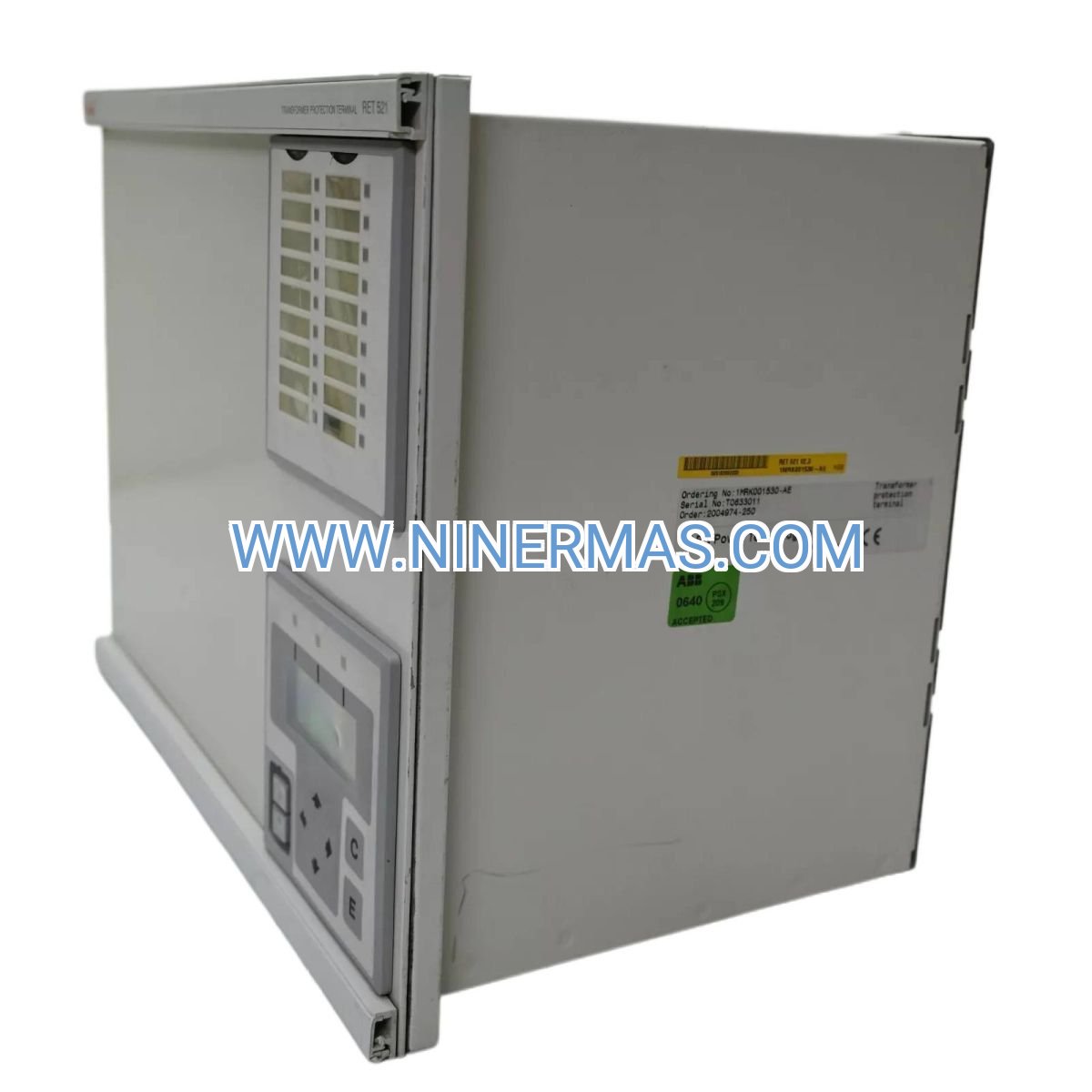
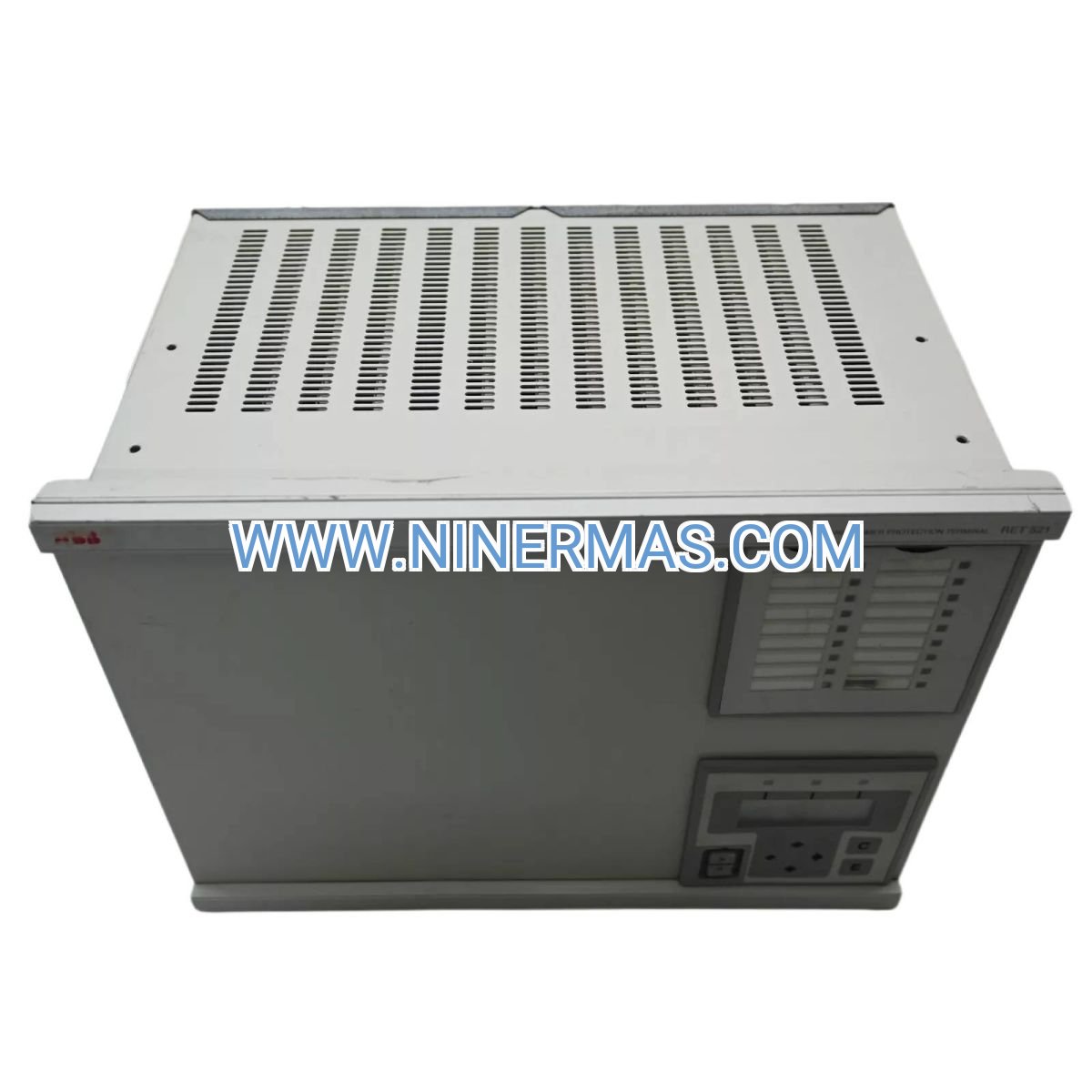
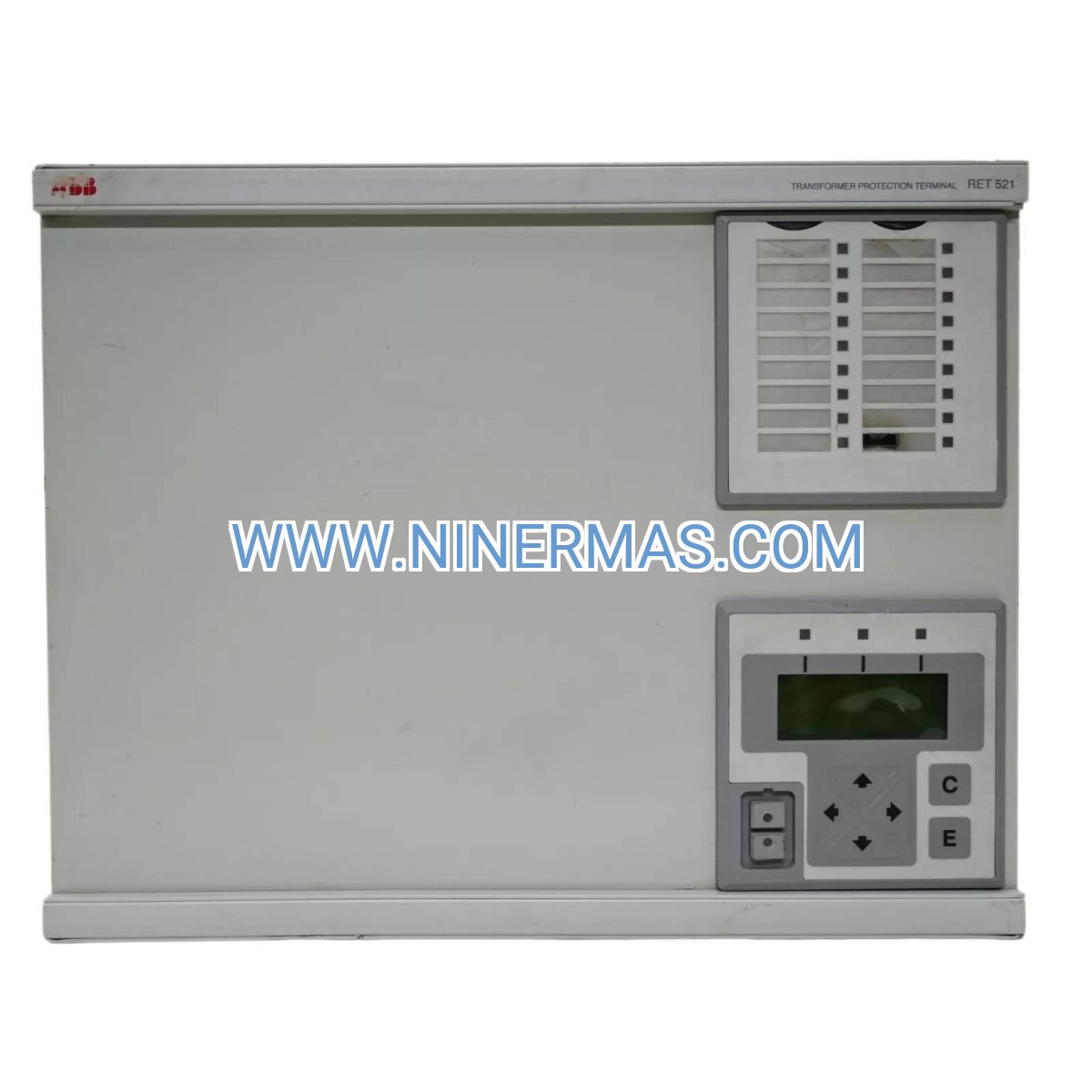
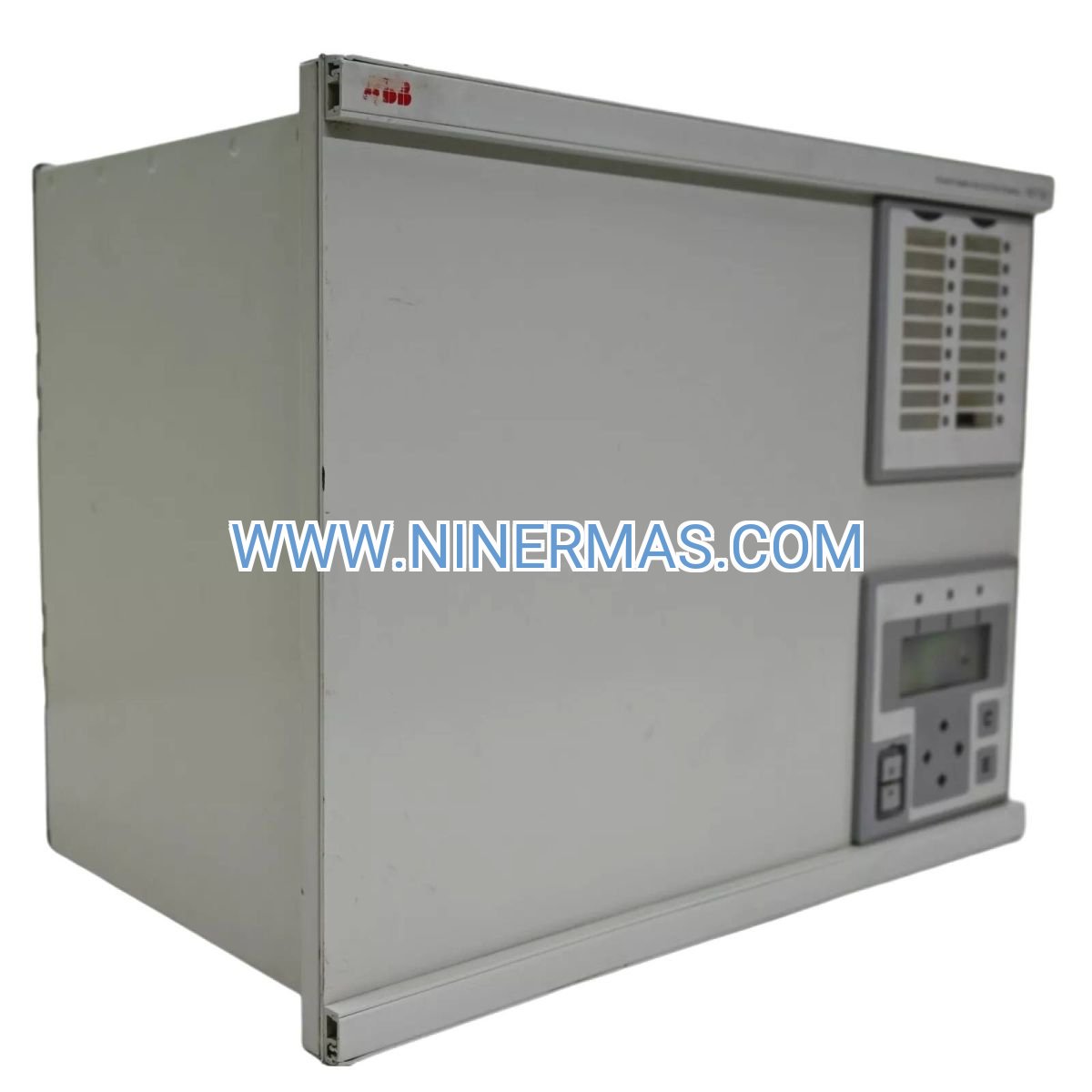
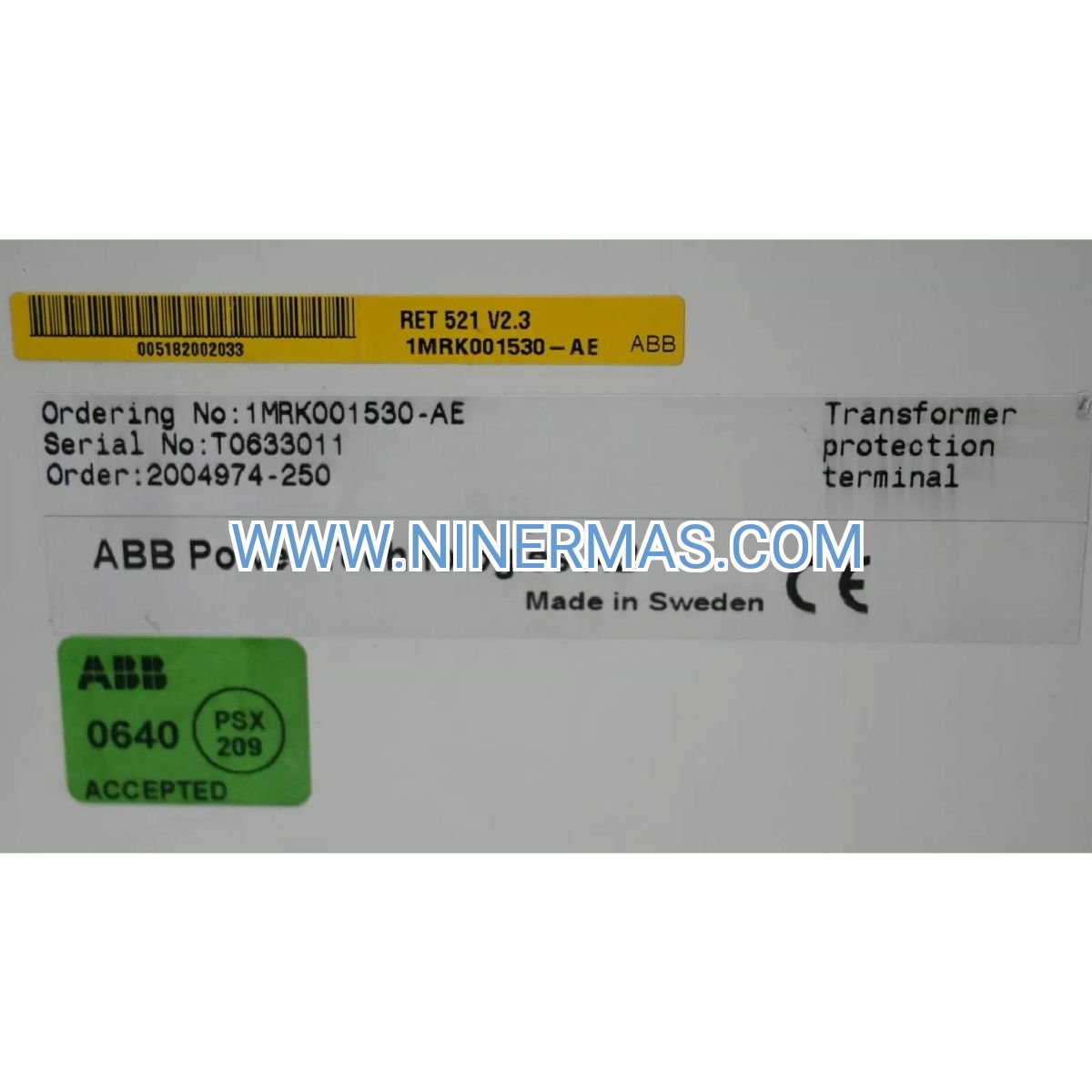
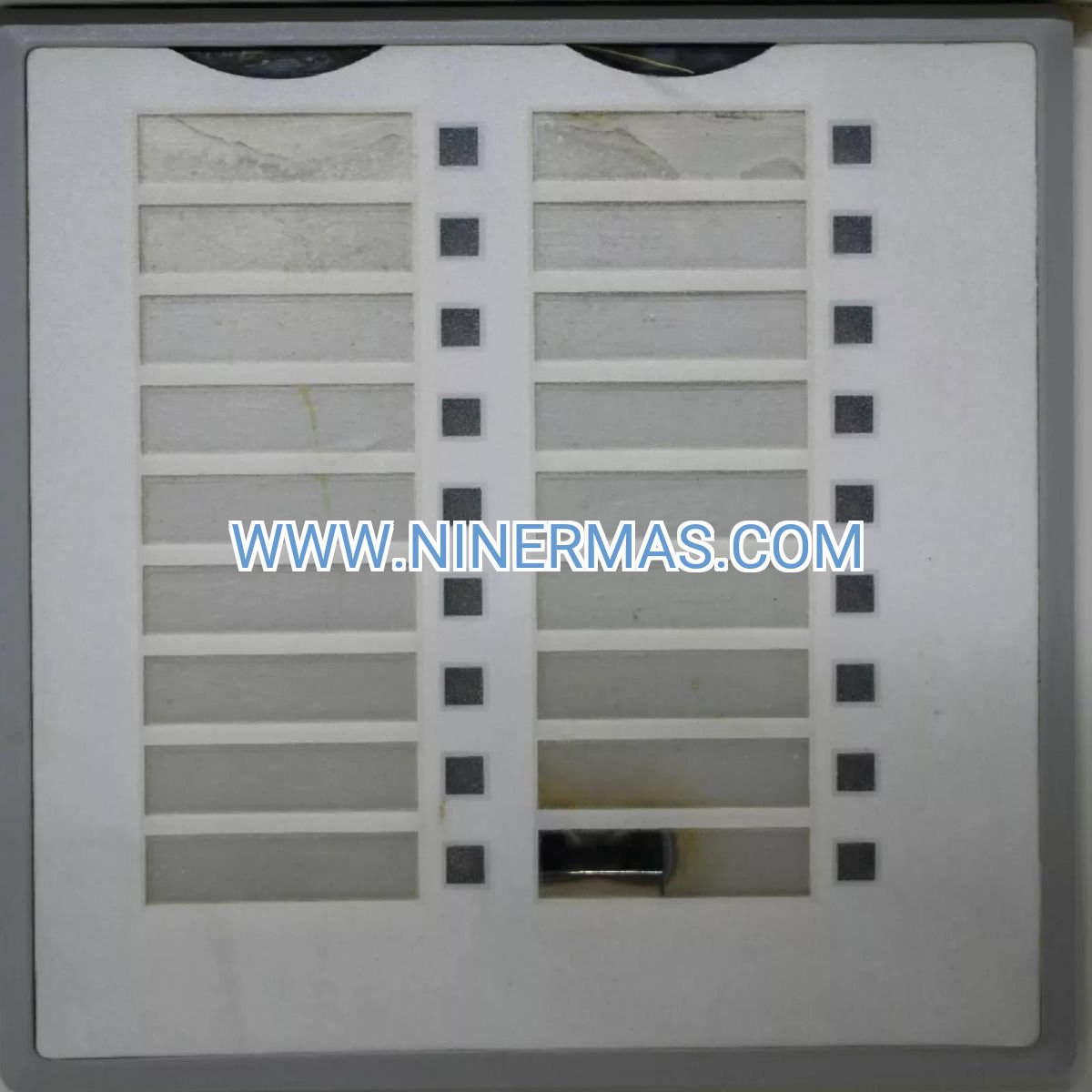
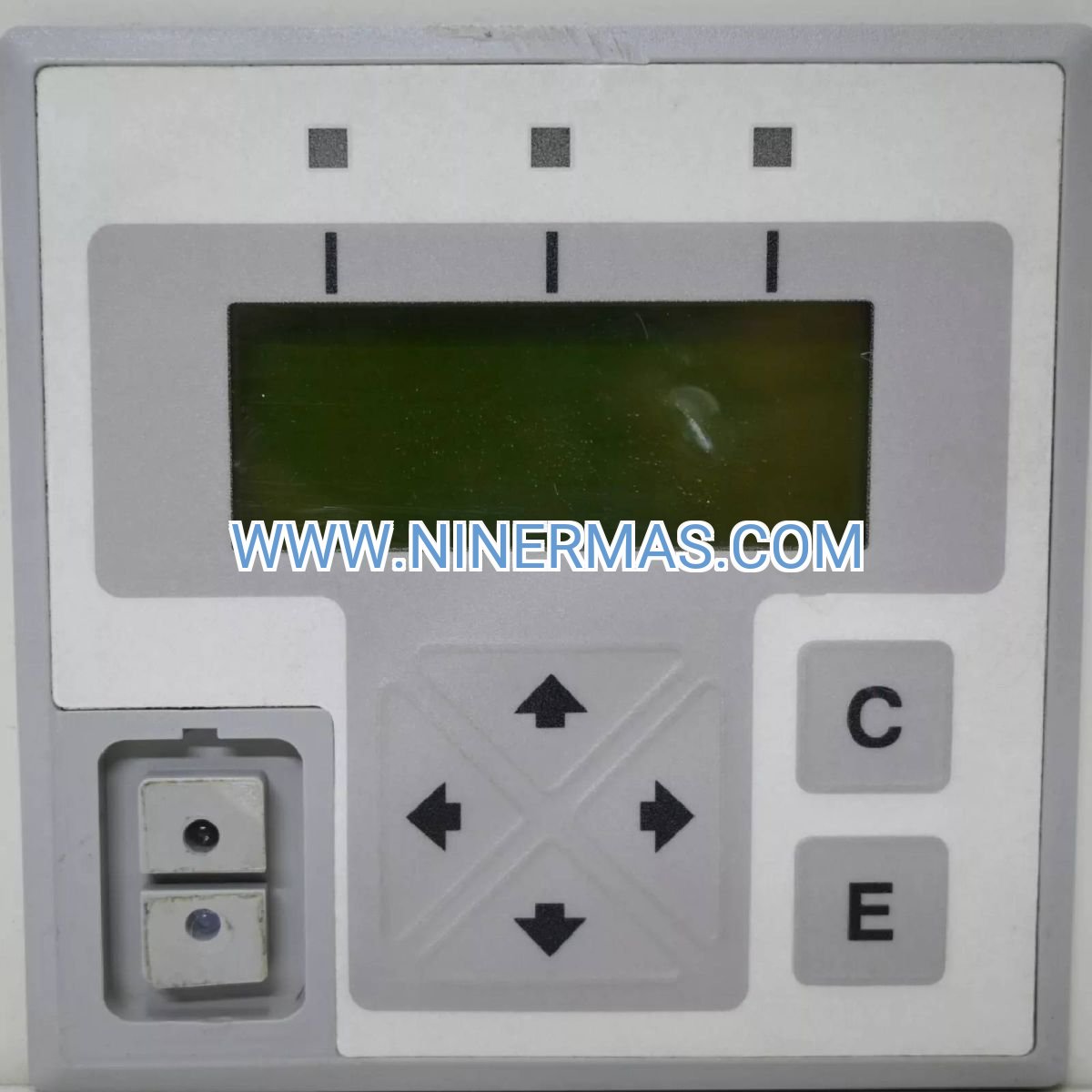
RET521 Microprocessor-Based Transformer Protection Terminal (Industrial-Grade Reliability)
The RET521 represents ABB's advanced approach to transformer asset protection, combining differential protection algorithms with multi-layered fault detection capabilities. Built on proven microprocessor architecture, this terminal safeguards power transformers against internal faults, overload conditions, and abnormal operating states across utility and industrial applications.
Designed for protection engineers managing critical transformer assets in substations, renewable energy plants, and heavy industrial facilities, the RET521 addresses the challenge of distinguishing genuine internal faults from magnetizing inrush currents and external through-faults. Its harmonic restraint and blocking logic prevents nuisance tripping while ensuring sub-cycle response to legitimate differential conditions.
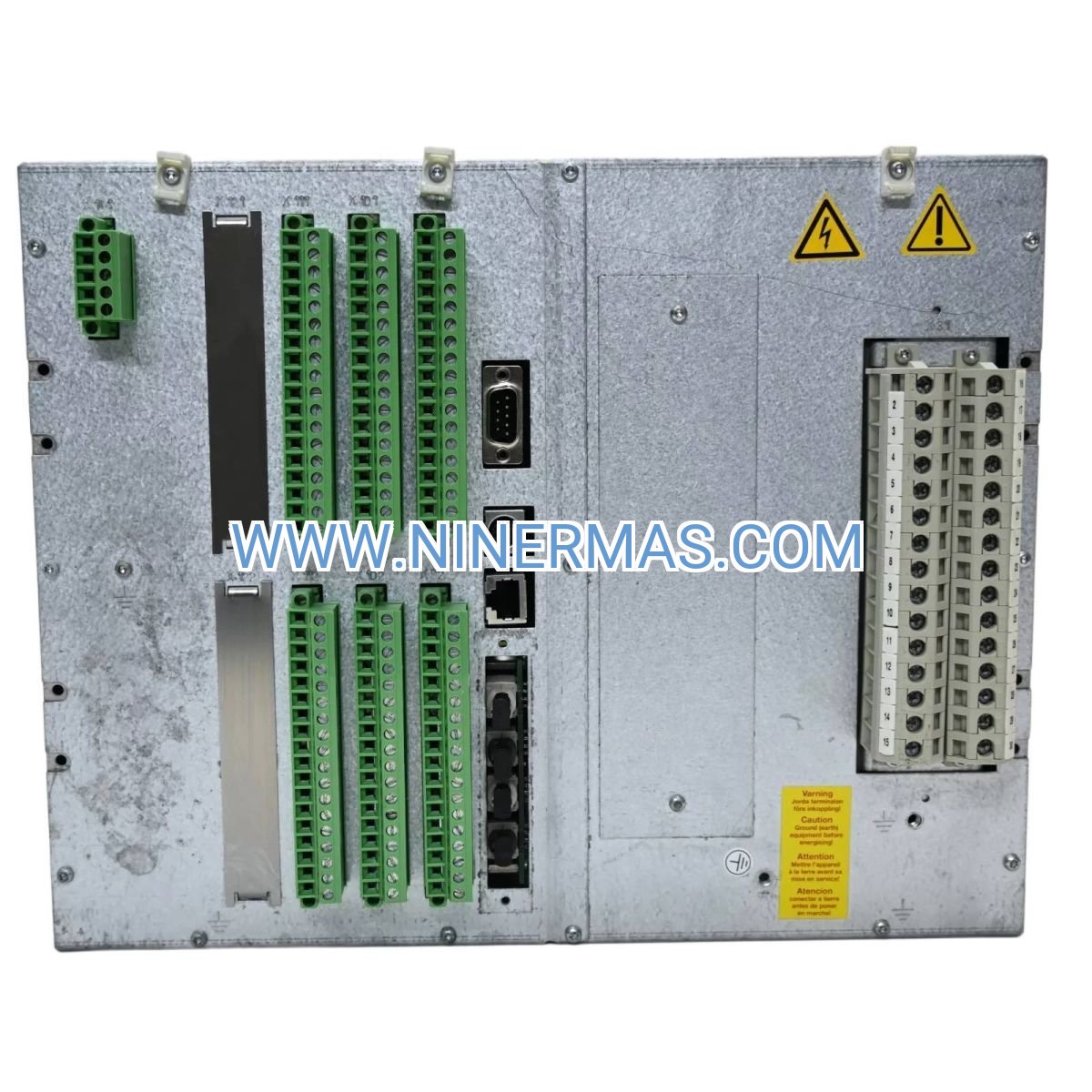
With fiber optic communication ports, wide-range power supply compatibility (80-265V AC/DC), and extended temperature operation (-40°C to +70°C), the RET521 delivers consistent performance in harsh electrical environments where electromagnetic interference and voltage fluctuations are common concerns.
Core Protection Functions & Business Value
→ Percentage Differential Protection with Harmonic Restraint
Detects turn-to-turn and phase-to-phase faults within transformer windings while blocking on 2nd and 5th harmonic content during energization events. Reduces asset damage costs by isolating faults in 20-40ms typical operating time.
✓ Integrated Backup Protection Suite
Combines overcurrent (ANSI 50/51), earth fault (50N/51N), and thermal overload (49) functions in a single device. Eliminates need for multiple protection relays, reducing panel space requirements by 30-40% and simplifying maintenance procedures.
✓ Fiber Optic Communication Interface
Provides galvanic isolation between protection terminal and SCADA systems, immune to substation ground potential rise during fault conditions. Ensures reliable data transmission in high-voltage environments where copper-based communication fails.
→ Event Recording with GPS Time Synchronization
Captures fault waveforms and sequence-of-events with ±1ms accuracy when connected to IRIG-B or SNTP time sources. Accelerates root cause analysis during post-fault investigations, reducing outage duration by 25-35%.
✓ IEC 61850 Protocol Stack
Enables plug-and-play integration with modern substation automation systems through standardized GOOSE messaging and MMS reporting. Cuts commissioning time by 40-50% compared to legacy DNP3 or Modbus implementations.
→ Self-Supervision and Diagnostic Monitoring
Continuously validates CT circuits, voltage inputs, and internal processing modules with automatic alarm generation. Prevents hidden failures that compromise protection reliability, supporting 99.9%+ availability targets.
Industrial Application Scenarios
Utility Substation Transformer Protection
In 33/11kV and 132/33kV distribution substations, the RET521 protects network transformers against internal faults while coordinating with upstream transmission protection. The harmonic blocking feature prevents false trips during cold-load pickup after extended outages, maintaining service continuity for 10,000+ downstream customers per transformer.
Industrial Plant Power Distribution
Manufacturing facilities with on-site 13.8kV or 4.16kV distribution transformers use the RET521 to protect critical production equipment. The thermal overload function models transformer hot-spot temperature, preventing insulation degradation that leads to $500K+ unplanned replacement costs.
Renewable Energy Generation Facilities
Wind farms and solar parks deploy the RET521 on generator step-up transformers (690V/33kV typical) where rapid fault clearance is essential to prevent turbine damage. Fiber optic communication eliminates ground loop issues in distributed generation sites with multiple earthing points.
Data Center and Mission-Critical Infrastructure
Colocation facilities and hospitals protecting N+1 redundant transformer configurations rely on the RET521's selective tripping logic. The terminal's wide operating voltage range (80-265V) maintains protection during UPS transfer events and degraded DC supply conditions.
Mining and Heavy Industry Applications
Open-pit mines and steel mills operating in extreme ambient conditions (-40°C to +70°C) leverage the RET521's ruggedized design. The terminal's dust-sealed enclosure (IP54 front panel) withstands vibration and contamination common in mobile substation and mill drive applications.
Technical Parameters & Selection Guide
| Parameter | Specification | Selection Criteria |
|---|---|---|
| Rated Current (CT Primary) | 1A or 5A nominal | Match existing CT secondary rating; 1A preferred for long cable runs (>100m) |
| Voltage Inputs | 3-phase + neutral, 100-240V AC | Required for voltage-dependent functions; optional for differential-only applications |
| Auxiliary Power Supply | 80-265V AC/DC universal input | Specify AC or DC station battery based on site standard; no separate power supply needed |
| Communication Protocols | IEC 61850, DNP3, Modbus, IEC 60870-5-103 | IEC 61850 for new installations; DNP3/Modbus for retrofit projects |
| Fiber Optic Ports | 2x LC connectors, multimode/singlemode | Singlemode for distances >2km; multimode for local substation LAN |
| Binary Inputs/Outputs | 8-16 configurable I/O | Minimum 6 outputs for trip, alarm, and breaker failure initiation |
| Operating Temperature | -40°C to +70°C | Standard range suitable for outdoor kiosks and non-climate-controlled enclosures |
| Compliance Standards | IEC 60255, IEEE C37.91, UL/CSA | Verify regional certification requirements; UL listing required for North America |
Selection Recommendations: For transformers rated 5MVA and above, specify the RET521 with voltage inputs to enable restricted earth fault (REF) protection and voltage-controlled overcurrent functions. Installations with existing IEC 61850 infrastructure should prioritize fiber optic communication to future-proof the protection scheme. In retrofit scenarios replacing electromechanical relays, verify CT burden compatibility—the RET521's <0.1VA burden per phase supports legacy CT installations without ratio changes.
Extended Functionality & Integration Options
Substation Automation Integration: The RET521 functions as an IEC 61850 Intelligent Electronic Device (IED) within bay-level automation architectures. GOOSE messaging enables peer-to-peer interlocking with circuit breaker controllers and busbar protection relays, eliminating hardwired logic and reducing panel wiring by 60-70%.
Condition Monitoring Capabilities: Optional dissolved gas analysis (DGA) interface modules connect Buchholz relay contacts and oil temperature sensors, providing early warning of incipient transformer failures. Trending algorithms detect gradual degradation patterns 6-12 months before catastrophic failure.
Cybersecurity Features: Role-based access control (RBAC) and encrypted communication channels (TLS 1.2) protect against unauthorized configuration changes and man-in-the-middle attacks. Complies with NERC CIP requirements for bulk electric system protection in North American utilities.
Customization and Engineering Services: ABB offers factory-configured terminals with pre-loaded protection settings based on transformer nameplate data and system fault levels. Custom logic programming available for specialized applications such as phase-shifting transformers and multi-winding autotransformers.
Delivery Timeline & Service Assurance
Standard Lead Time: 4-6 weeks for catalog configurations with common voltage and current ratings. Express delivery available for critical outage replacements with 10-14 day expedited manufacturing.
Custom Configuration Lead Time: 8-10 weeks for terminals requiring non-standard I/O arrangements, special communication protocols, or factory acceptance testing (FAT) with customer-witnessed commissioning.
Warranty Coverage: 24-month manufacturer warranty covering defects in materials and workmanship. Extended warranty programs available for up to 60 months with optional advance replacement service.
Technical Support: Access to ABB's global protection engineering team for application assistance, settings calculation, and troubleshooting. 24/7 emergency support hotline for critical infrastructure customers.
Documentation Package: Each terminal ships with installation manual, protection settings worksheet, IEC 61850 ICD file, and AutoCAD panel cutout drawings. Online access to relay configuration software (PCM600) and firmware updates included.
Frequently Asked Questions
Q: How does the RET521 interface with existing SCADA systems in substations without IEC 61850 infrastructure?
A: The terminal supports legacy protocols including DNP3 over serial (RS-485) or Ethernet, Modbus RTU/TCP, and IEC 60870-5-103. Protocol conversion is handled internally without external gateways. For mixed-protocol environments, the RET521 can simultaneously communicate via IEC 61850 to the station automation system and DNP3 to the utility's centralized SCADA, providing migration flexibility.
Q: What transformer capacity range is the RET521 suitable for protecting?
A: The terminal is designed for transformers from 2.5MVA to 100MVA in distribution and industrial applications. For smaller transformers (<2.5MVA), consider the REF615 feeder protection relay with transformer protection functions. Large power transformers (>100MVA) may require the RET670 series with advanced features like breaker failure protection and synchrophasor measurement.
Q: Can the RET521 reduce energy losses in transformer protection schemes?
A: Yes—the terminal's low CT burden (<0.1VA per phase) minimizes core losses in current transformers compared to electromechanical relays (2-5VA typical). In a 33kV substation with 1000A rated CTs, this translates to 15-20W reduction in continuous losses per protected transformer, yielding $50-75 annual energy savings and improved CT accuracy during low-load conditions.
Q: What are the physical installation requirements for panel mounting?
A: The RET521 uses a standard 1/4-rack (96mm) or 1/2-rack (192mm) case depending on I/O configuration, with 221mm depth behind the panel. Minimum clearances: 50mm top/bottom for ventilation, 100mm rear for cable termination. Panel cutout dimensions and mounting rail specifications are provided in the installation manual. The terminal weighs 3.5-5kg depending on configuration.
Q: Does the terminal support remote monitoring and diagnostics for offshore or unmanned substations?
A: Absolutely. The RET521's web server interface allows secure remote access via standard browsers for real-time monitoring, event retrieval, and settings verification. Email and SNMP trap notifications can alert maintenance teams to alarm conditions. For offshore wind farms and remote mining sites, cellular or satellite communication modules enable monitoring without dedicated fiber optic links.
Q: How does harmonic blocking prevent false trips during transformer energization?
A: When a transformer is energized, magnetizing inrush current can reach 8-12 times rated current with high 2nd harmonic content (30-70%). The RET521's blocking algorithm measures the ratio of 2nd harmonic to fundamental current—if this ratio exceeds 15-20% (adjustable), the differential trip is inhibited for 0.5-2 seconds. This allows the inrush to decay naturally while maintaining sensitivity to genuine internal faults that contain minimal harmonic distortion.
Request Technical Consultation
Our protection engineering team provides complimentary application reviews for transformer protection projects. Submit your single-line diagram and transformer nameplate data to receive customized settings calculations and panel layout recommendations within 48 hours. For urgent replacement requirements or retrofit compatibility assessments, contact our technical sales specialists directly.
© 2026 NINERMAS COMPANY LIMITED. All rights reserved.
Original Source: https://ninermas.com
Contact: sale@ninermas.com | +0086 187 5021 5667
Related products

Contact Info
-
Address:22 / F, South Wo Hang building, 148 Wing Lok Street, Sheung Wan, Western District, Hong Kong
-
Phone:+8618750215667
-
Email:
