Description
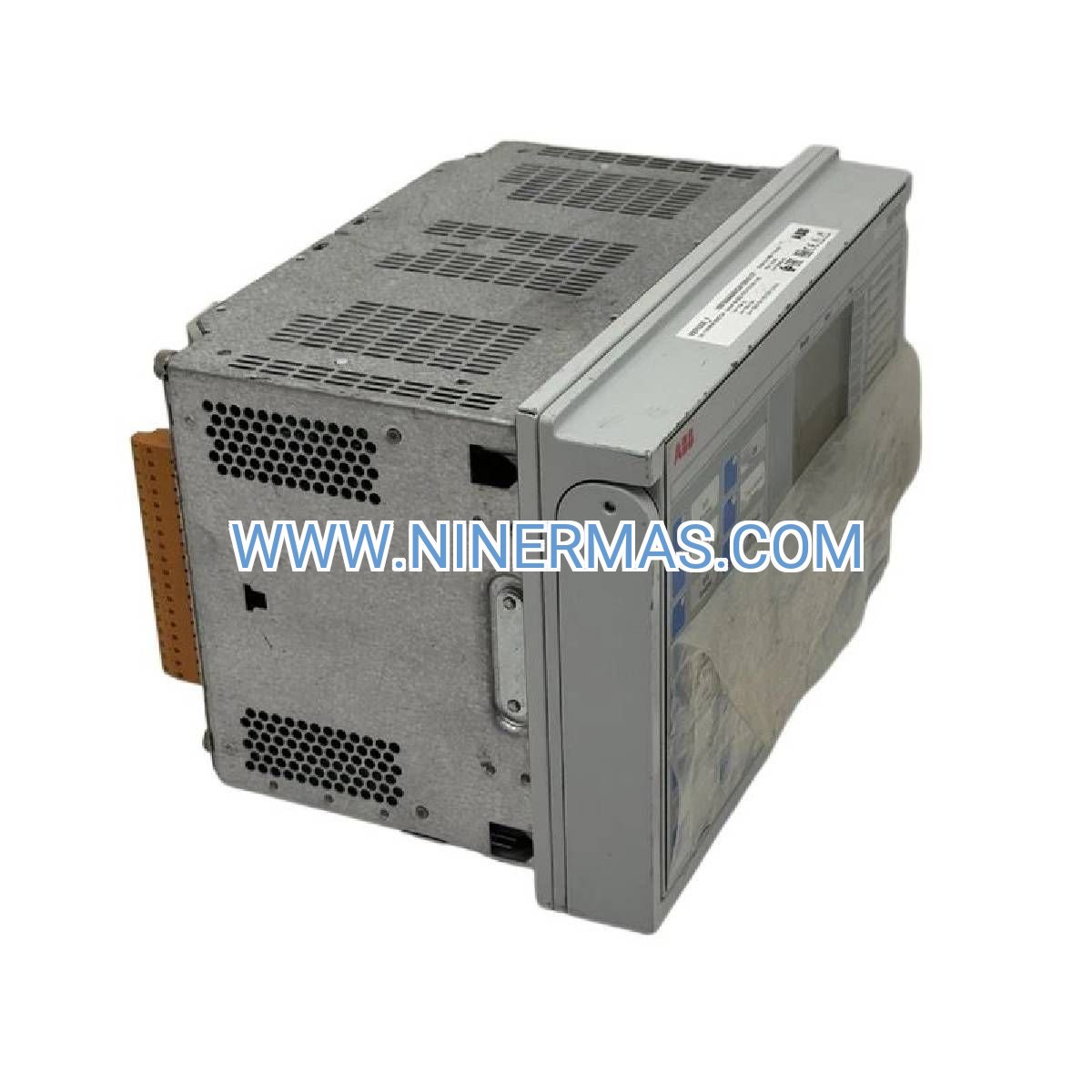
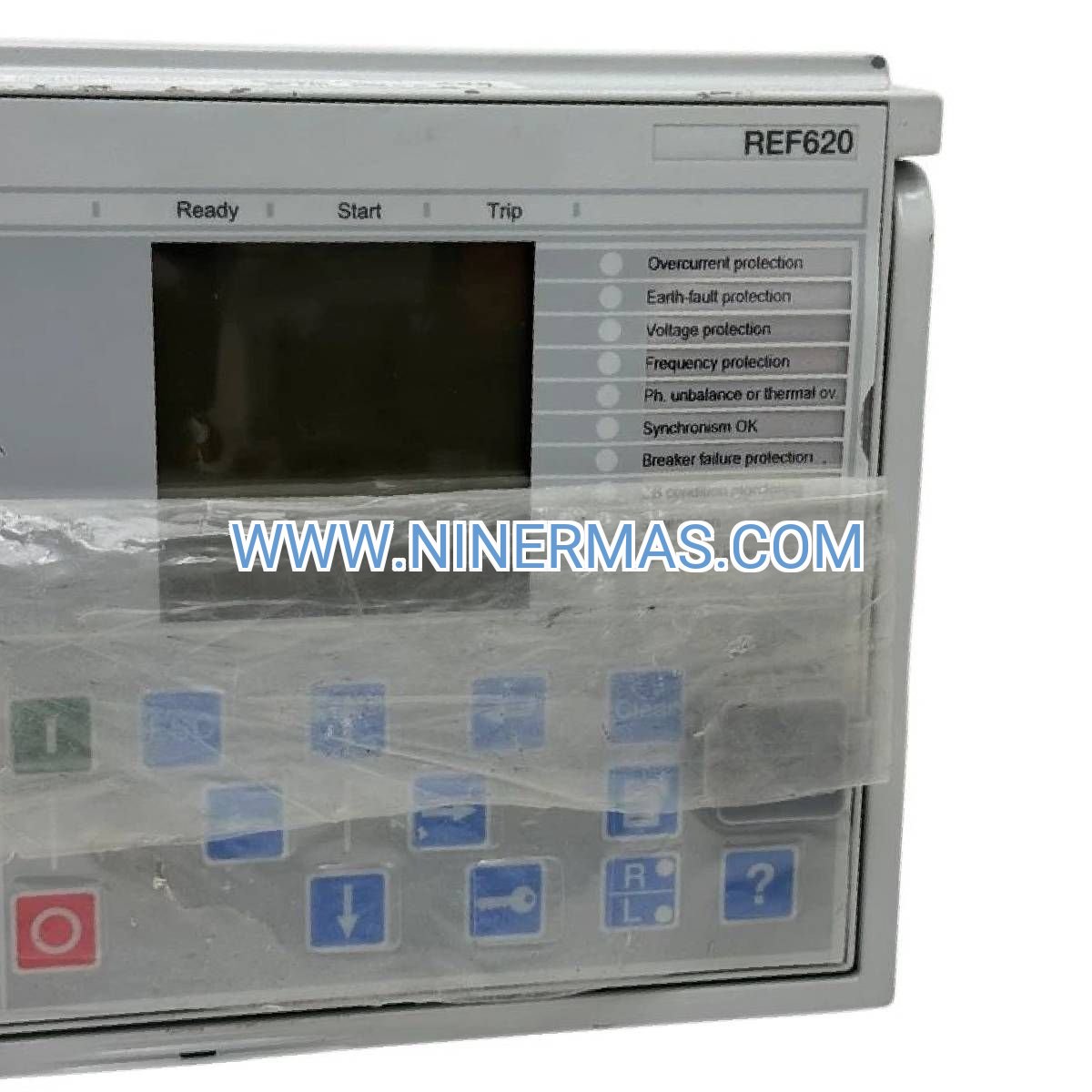
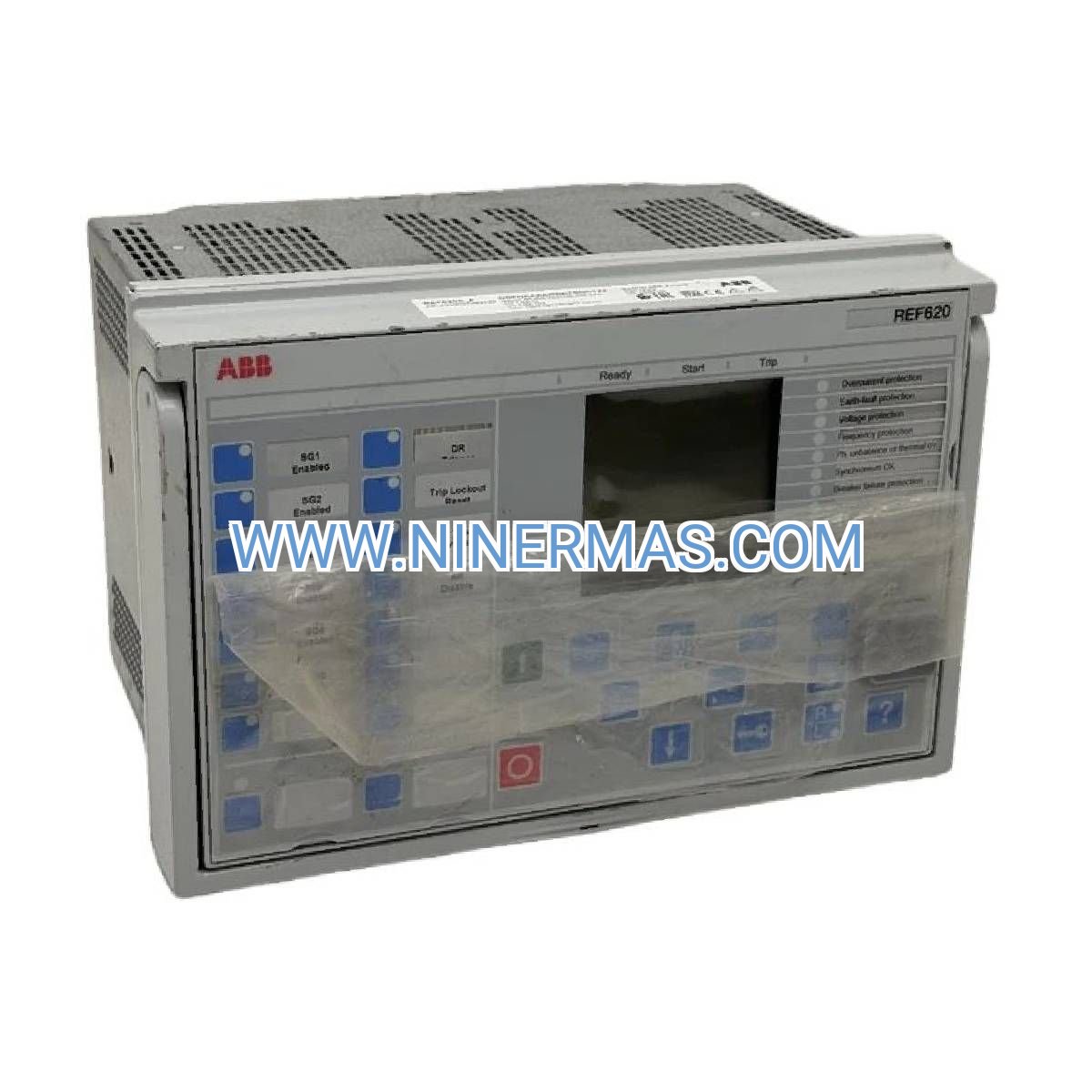
REF620 Multi-Function Feeder Protection Relay (Industrial-Grade Solution)
The ABB REF620 NBFNAANNNBA1BNN11G represents a comprehensive feeder protection platform engineered for mission-critical medium voltage distribution networks. This intelligent electronic device (IED) combines protection, control, measurement, and communication capabilities into a single compact unit, delivering unmatched reliability for utility substations, industrial facilities, and renewable energy installations. Designed to meet the demanding requirements of modern grid infrastructure, the REF620 ensures continuous power delivery while safeguarding personnel and equipment.
Power system operators face increasing complexity in managing distribution networks with bidirectional power flows, dynamic load patterns, and stringent reliability requirements. The REF620 addresses these challenges through adaptive protection algorithms, real-time monitoring, and seamless integration with SCADA and substation automation systems. Whether protecting overhead lines, cable feeders, or transformer circuits, this relay provides the intelligence and speed necessary to isolate faults before they escalate into costly outages or safety incidents.
With native IEC 61850 support, cybersecurity features, and field-proven reliability in harsh environments (-40°C to +70°C), the REF620 NBFNAANNNBA1BNN11G delivers exceptional value for utilities and industrial operators seeking to modernize their protection infrastructure. The relay's modular design and extensive I/O flexibility ensure compatibility with existing systems while providing a clear migration path to future smart grid technologies.
Core Capabilities & Technical Advantages
→ Comprehensive Protection Portfolio: Implements ANSI 50/51 overcurrent, 50N/51N earth fault, 67/67N directional overcurrent, 27/59 voltage, 81 frequency, and 50BF breaker failure protection. Each function operates independently with dedicated settings groups for operational flexibility.
✓ Multi-Protocol Communication: Supports IEC 61850 Edition 2, Modbus RTU/TCP, DNP3, and IEC 60870-5-103 protocols simultaneously. Enables integration with legacy SCADA systems while providing a migration path to modern substation automation architectures.
→ Arc Flash Mitigation: High-speed arc detection inputs trigger instantaneous tripping (sub-cycle response), reducing incident energy exposure by up to 90% compared to conventional protection schemes. Critical for personnel safety in medium voltage switchgear.
✓ Adaptive Protection Logic: Automatically adjusts protection settings based on network topology, generation status, and operational modes. Eliminates manual intervention during switching operations or maintenance activities.
→ Integrated Disturbance Recording: Captures high-resolution waveforms (up to 64 samples/cycle) during fault events with pre-trigger and post-trigger buffers. Provides forensic data for root cause analysis and protection scheme validation.
✓ Self-Monitoring Diagnostics: Continuous supervision of CT/VT circuits, binary inputs, output relays, communication links, and internal processing. Generates alarms for degraded conditions before they impact protection performance.
Industry Applications & Use Cases
Utility Distribution Networks: Protects radial and looped feeders in 11kV-33kV distribution systems. Directional overcurrent functions enable selective fault isolation in meshed networks, minimizing the number of customers affected by outages. Communication capabilities support centralized fault location and automated restoration schemes.
Industrial Power Systems: Safeguards critical process feeders in manufacturing plants, data centers, and chemical facilities where unplanned downtime costs thousands per minute. Programmable logic enables custom interlocking schemes for motor control centers, generator paralleling, and load shedding applications.
Renewable Energy Installations: Manages protection coordination in solar farms and wind parks with variable generation profiles. Voltage and frequency protection functions ensure compliance with grid code requirements, while communication interfaces enable remote monitoring and control from operations centers.
Infrastructure & Transportation: Deployed in railway traction substations, airport electrical systems, and water treatment facilities requiring 24/7 availability. Harsh environment rating (-40°C to +70°C) ensures reliable operation in outdoor enclosures and uncontrolled ambient conditions.
Mining & Oil/Gas Operations: Protects mobile substations and temporary power distribution in remote locations. Rugged construction withstands vibration, dust, and electromagnetic interference common in heavy industrial environments.
Technical Parameters & Selection Guide
| Parameter | Specification |
|---|---|
| Model Code | NBFNAANNNBA1BNN11G |
| Auxiliary Power Supply | 100-240V AC/DC (universal input) |
| Current Inputs | 1A or 5A nominal, 4x In continuous thermal rating |
| Voltage Inputs | Phase-phase or phase-neutral, 50/60 Hz |
| Binary Inputs | Configurable 24-250V DC, optically isolated |
| Output Relays | High-speed trip contacts, 5A @ 250V AC/DC |
| Communication Ports | Ethernet (IEC 61850), RS-485 (Modbus/DNP3) |
| Display Interface | Graphical LCD with 6-button navigation |
| Operating Temperature | -40°C to +70°C (-40°F to +158°F) |
| Protection Class | IP54 front, IP20 rear (panel-mounted) |
| Compliance Standards | IEC 60255, IEEE C37.90, IEC 61850 |
Selection Criteria: Choose the REF620 when your application requires multi-function protection beyond basic overcurrent, communication integration with SCADA/EMS systems, or arc flash mitigation in medium voltage switchgear. For simple radial feeders with limited I/O requirements, consider the REF610 series. For advanced feeder management with power quality monitoring and load profiling, evaluate the REF630 platform.
Extended Functionality & Integration Options
Cybersecurity Features: Role-based access control with password protection, encrypted communication channels (TLS/SSL), and audit logging of configuration changes. Complies with IEC 62351 security standards for critical infrastructure protection.
Programmable Logic: Built-in logic editor enables custom automation sequences without external PLCs. Create interlocking schemes, automatic transfer switching, and load management algorithms using graphical function blocks.
Power Quality Monitoring: Tracks voltage sags/swells, harmonics (up to 31st order), and power factor. Generates reports for utility billing verification and equipment troubleshooting.
Customization Services: Factory configuration available for project-specific protection settings, communication templates, and HMI displays. Reduces commissioning time and ensures consistency across multiple installations.
Delivery Timeline & Service Commitment
Standard Lead Time: 3-5 business days for stock items shipped from regional distribution centers. Express shipping available for urgent replacements.
Custom Configuration: 7-10 business days for factory-programmed units with project-specific settings and firmware versions.
Warranty Coverage: 24-month manufacturer warranty covering defects in materials and workmanship. Extended warranty programs available for critical applications.
Technical Support: Access to application engineers for protection coordination studies, communication setup, and troubleshooting assistance. Remote diagnostics via secure VPN connection.
Documentation Package: Includes installation manual, protection setting guidelines, communication configuration examples, and IEC 61850 ICD files for engineering tools.
Frequently Asked Questions
How does the REF620 integrate with existing Modbus-based SCADA systems?
The relay supports simultaneous Modbus RTU (RS-485) and Modbus TCP (Ethernet) communication. Map protection status, measurements, and control points to standard Modbus registers using the built-in configuration tool. No protocol gateways required for most legacy systems.
What current transformer ratios are compatible with this model?
The REF620 accepts 1A or 5A secondary CTs with ratios from 10/1A to 6000/1A. Field-selectable input configuration eliminates the need to specify CT rating at time of order. Supports class 5P20 and 10P20 protection-class transformers.
Can the relay reduce arc flash incident energy in existing switchgear?
Yes. When paired with arc flash sensors (light-based or current-based), the REF620 provides tripping in less than 2 milliseconds. This reduces incident energy by 85-95% compared to conventional overcurrent protection, often eliminating the need for PPE category upgrades.
What are the physical installation requirements for panel mounting?
The relay requires a standard 1/4 DIN panel cutout (96mm x 96mm). Mounting depth behind panel is 185mm including terminal blocks. Minimum clearances: 50mm top/bottom for ventilation, 25mm sides for cable access. Supports horizontal or vertical orientation.
Does the device support remote firmware updates over the network?
Firmware updates can be performed via Ethernet using ABB's Protection and Control IED Manager software. The relay maintains dual firmware images for safe rollback if an update fails. Remote updates require cybersecurity assessment per site policies.
How many setting groups can be configured for different operating modes?
The REF620 supports up to 6 independent setting groups that can be activated via binary inputs, communication commands, or programmable logic. Common applications include seasonal load variations, maintenance bypass modes, and generator synchronization.
Request Technical Consultation
Our protection engineering team is ready to assist with application-specific questions, protection coordination studies, and system integration planning. Contact us for detailed datasheets, AutoCAD drawings, and IEC 61850 configuration files. Volume pricing available for multi-unit projects.
© 2026 NINERMAS COMPANY LIMITED. All rights reserved.
Original Source: https://ninermas.com
Contact: sale@ninermas.com | +0086 187 5021 5667
PDF Specification
Download PDF file here:
Click to Download PDFRelated products

Contact Info
-
Address:22 / F, South Wo Hang building, 148 Wing Lok Street, Sheung Wan, Western District, Hong Kong
-
Phone:+8618750215667
-
Email: