


Description
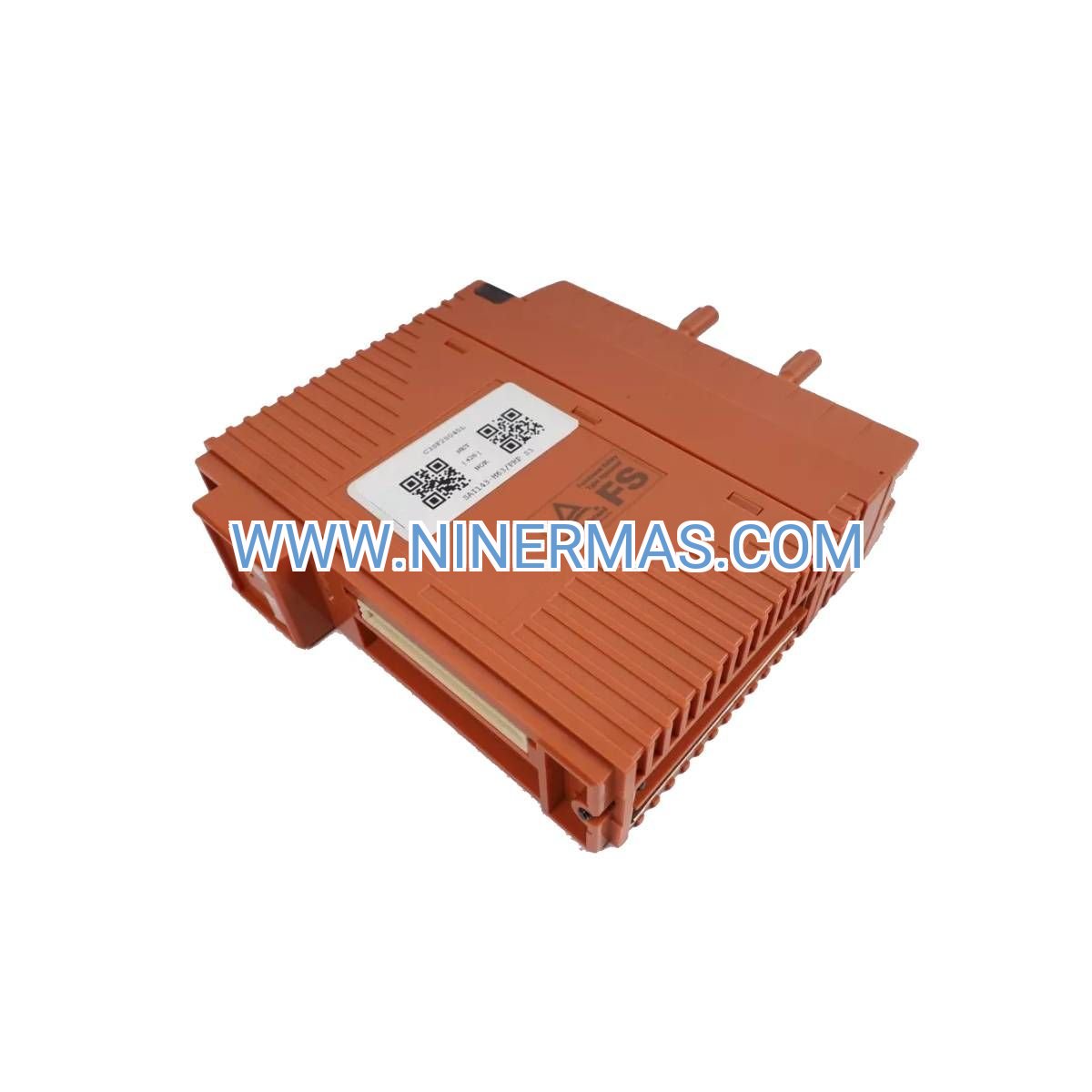
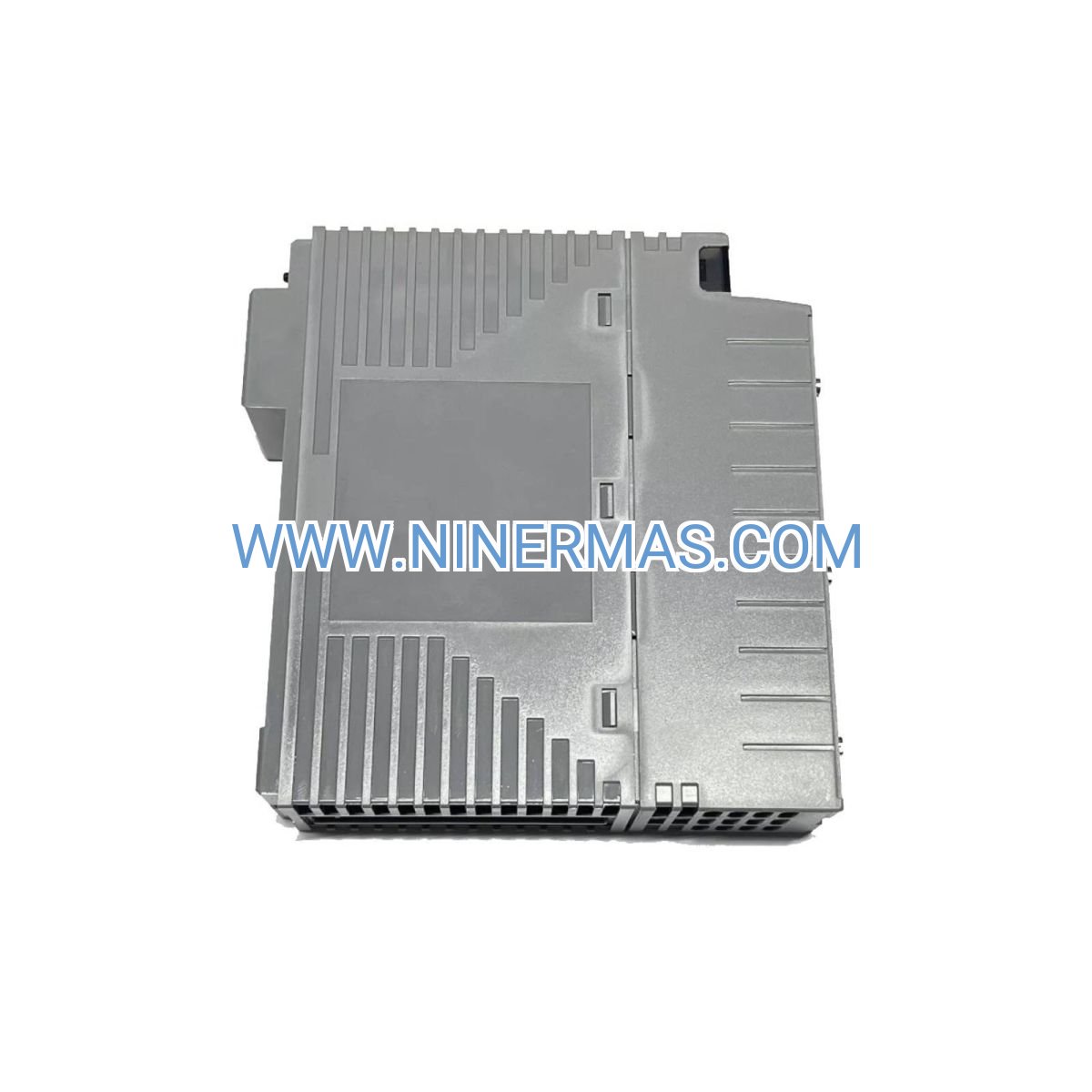
ABB PFTL101B 5.0KN Force Transducer (Industrial-Grade Precision Sensor)
The ABB PFTL101B represents a breakthrough in force measurement technology, combining Swiss engineering precision with rugged industrial durability. This 5.0 kilonewton capacity transducer transforms mechanical force into reliable electrical signals, enabling real-time monitoring and control across manufacturing, testing, and process automation environments. Built to ABB's exacting standards, the 3BSE004191R1 model delivers measurement integrity that production engineers and quality managers depend on for critical applications.
Designed for professionals who demand accuracy without compromise, this force transducer addresses the persistent challenge of maintaining measurement consistency in harsh industrial settings. Whether you're managing automated assembly lines, conducting material strength analysis, or optimizing process control loops, the PFTL101B provides the data foundation for informed decision-making. Its stainless steel construction and IP65 environmental protection ensure reliable operation where lesser sensors fail.
With proven compatibility across ABB DCS platforms and third-party control systems, this transducer integrates seamlessly into existing infrastructure while future-proofing your measurement architecture. The result: reduced downtime, enhanced product quality, and operational confidence backed by ABB's global support network.
Core Capabilities & Technical Advantages
→ Dual-Mode Force Detection: Measures both compressive and tensile forces up to 5.0 kN with identical accuracy, eliminating the need for separate sensors in bidirectional applications. This versatility reduces inventory complexity and simplifies system design.
→ Superior Signal Stability: Advanced strain gauge technology delivers <0.03% non-linearity across the full measurement span, ensuring proportional output signals that accurately reflect applied loads. Minimal drift characteristics maintain calibration integrity for extended periods.
→ Environmental Resilience: IP65-rated enclosure protects internal electronics from dust ingress and water jets, while the -10°C to +70°C operating range accommodates temperature fluctuations common in industrial facilities. Stainless steel wetted parts resist corrosion in chemical processing environments.
→ Universal Signal Compatibility: Configurable analog outputs (4-20mA current loop or 0-10V voltage) interface directly with PLCs, SCADA systems, and data acquisition equipment without requiring specialized signal conditioning hardware.
→ Rapid Response Dynamics: High-frequency response characteristics capture transient force events, making the sensor suitable for dynamic testing applications and high-speed production monitoring where millisecond-level resolution matters.
→ Simplified Installation Protocol: Standard M20 threaded mounting interface and pre-wired cable termination reduce installation time by 40% compared to custom-mount alternatives, accelerating project commissioning schedules.
Industry Application Scenarios
✓ Automated Packaging Operations: Monitor seal force consistency in blister packaging lines and carton closing machinery. The PFTL101B detects force variations that indicate worn tooling or misaligned components, triggering preventive maintenance before quality defects occur. Pharmaceutical and food manufacturers use this capability to maintain GMP compliance and reduce product recalls.
✓ Materials Testing Laboratories: Conduct tensile strength analysis, compression testing, and fatigue cycle evaluation with laboratory-grade accuracy in production environments. Research institutions and quality control departments rely on the sensor's repeatability for comparative testing and certification documentation.
✓ Robotic Assembly Verification: Integrate force feedback into collaborative robot applications for press-fit operations, component insertion, and fastener tightening. Real-time force profiling ensures assembly completeness while preventing damage to delicate components—critical for electronics manufacturing and automotive subassembly.
✓ Process Control Optimization: Implement closed-loop control in extrusion processes, laminating equipment, and calendering systems where maintaining consistent pressure directly impacts product uniformity. The transducer's analog output enables PID control algorithms to compensate for material property variations automatically.
✓ Weighing System Integration: Deploy in tank weighing, hopper monitoring, and conveyor belt scales where dynamic forces require continuous measurement. The sensor's overload protection and mechanical robustness withstand shock loads during material transfer operations.
Technical Parameters & Selection Criteria
| Parameter | Specification | Selection Consideration |
|---|---|---|
| Rated Capacity | 5.0 kN (1,124 lbf) | Select based on maximum expected force +20% safety margin |
| Accuracy Class | ±0.5% FS | Suitable for industrial process control; upgrade to 0.25% for metrology |
| Combined Error | <0.03% linearity + <0.02% hysteresis | Ensures bidirectional measurement consistency |
| Temperature Coefficient | <0.002%/°C | Minimal thermal drift in variable ambient conditions |
| Safe Overload | 150% rated capacity | Protects sensor during accidental overload events |
| Excitation Voltage | 10-24 VDC | Compatible with standard industrial power supplies |
| Output Signal | 2 mV/V nominal | Requires signal amplifier or transmitter for PLC interface |
| Cable Length | 3 meters standard | Extension cables available for remote mounting |
| Material Grade | 17-4 PH stainless steel | Corrosion resistance for food/pharma applications |
Selection Guidelines: For applications involving cyclic loading, verify that peak forces remain below 80% of rated capacity to maximize sensor lifespan. In environments exceeding 50°C ambient temperature, consider additional thermal insulation or active cooling. When integrating with legacy control systems, confirm signal conditioning requirements—most modern PLCs accept 4-20mA directly, while older systems may require voltage conversion.
Extended Functionality & System Integration
Digital Connectivity Options: While the standard PFTL101B provides analog output, pairing with ABB's signal conditioning modules enables Modbus RTU, PROFIBUS, or EtherNet/IP connectivity for Industry 4.0 implementations. This architecture supports remote diagnostics, predictive maintenance algorithms, and centralized data logging across distributed measurement points.
Multi-Point Measurement Arrays: Deploy multiple transducers in synchronized configurations for center-of-gravity calculations, uneven load detection, and multi-axis force profiling. ABB's junction box accessories simplify wiring and provide individual sensor calibration adjustments without system-wide reconfiguration.
Customization Capabilities: Factory modifications available for non-standard mounting threads, extended temperature ranges (-40°C to +85°C), and explosion-proof certifications (ATEX/IECEx) for hazardous area installations. Consult with application engineers for project-specific requirements exceeding standard specifications.
Delivery Timeline & Service Commitments
Standard Lead Time: 3-5 business days for in-stock units; expedited same-day shipping available for urgent requirements. Custom configurations require 4-6 weeks manufacturing time depending on specification complexity.
Warranty Coverage: 24-month manufacturer's warranty covering material defects and workmanship failures under normal operating conditions. Extended warranty programs available for critical infrastructure applications.
Technical Support: Lifetime access to ABB's global technical support network, including application engineering consultation, troubleshooting assistance, and calibration guidance. On-site commissioning services available for complex installations.
Documentation Package: Each unit ships with calibration certificate traceable to national standards, dimensional drawings, wiring diagrams, and integration guides for common PLC platforms. Digital resources include 3D CAD models and sample programming code.
Frequently Asked Questions
Q: What interface options exist for connecting this force transducer to Allen-Bradley CompactLogix PLCs?
A: The PFTL101B's analog output connects directly to 1769-IF4 or 1769-IF8 analog input modules. Configure the module for 4-20mA input (preferred for noise immunity) or 0-10V depending on your signal conditioning setup. Scaling parameters in RSLogix 5000 convert the raw signal to engineering units (kN or lbf).
Q: Can this 5.0 kN capacity sensor accurately measure forces below 500 N?
A: Yes, but resolution decreases at the lower end of the measurement range. For forces consistently below 10% of rated capacity, consider the PFTL101A 1.0 kN model for improved resolution and sensitivity. The measurement uncertainty at 500 N would be approximately ±2.5 N with the 5.0 kN sensor versus ±0.5 N with a 1.0 kN unit.
Q: How does the IP65 protection rating perform in washdown environments with high-pressure cleaning?
A: IP65 certification protects against low-pressure water jets from any direction, suitable for routine cleaning procedures. For high-pressure steam cleaning or chemical washdown applications common in food processing, upgrade to the IP67-rated variant or implement protective shrouding during sanitation cycles.
Q: What calibration interval maintains measurement accuracy for quality system compliance?
A: ABB recommends annual recalibration for general industrial use, with intervals reduced to 6 months for metrology applications or environments with extreme temperature cycling. The sensor's inherent stability typically maintains <0.1% drift annually, but calibration frequency should align with your ISO 9001 or industry-specific quality requirements.
Q: Does this transducer support remote monitoring through IoT platforms for predictive maintenance?
A: When paired with ABB Ability™ smart sensor gateways or third-party IIoT edge devices, the analog signal can be digitized and transmitted to cloud analytics platforms. This enables trend analysis, anomaly detection, and automated alert generation when force patterns deviate from established baselines—key capabilities for condition-based maintenance strategies.
Q: Are mounting accessories included, or must they be ordered separately for installation?
A: The standard package includes the transducer with pre-attached cable; mounting hardware (threaded adapters, lock washers, alignment fixtures) must be specified separately based on your mechanical interface requirements. Consult the dimensional drawing to determine compatible mounting components for your application.
Request Technical Consultation
Our application engineering team provides complimentary system design reviews to ensure optimal sensor selection and integration. Contact us with your force measurement requirements, operating environment details, and control system specifications for personalized recommendations. Bulk pricing available for multi-unit projects and OEM partnerships.
© 2026 NINERMAS COMPANY LIMITED. All rights reserved.
Original Source: https://ninermas.com
Contact: sale@ninermas.com | +0086 187 5021 5667
PDF Specification
Download PDF file here:
Click to Download PDFRelated products

Contact Info
-
Address:22 / F, South Wo Hang building, 148 Wing Lok Street, Sheung Wan, Western District, Hong Kong
-
Phone:+8618750215667
-
Email:
