Description
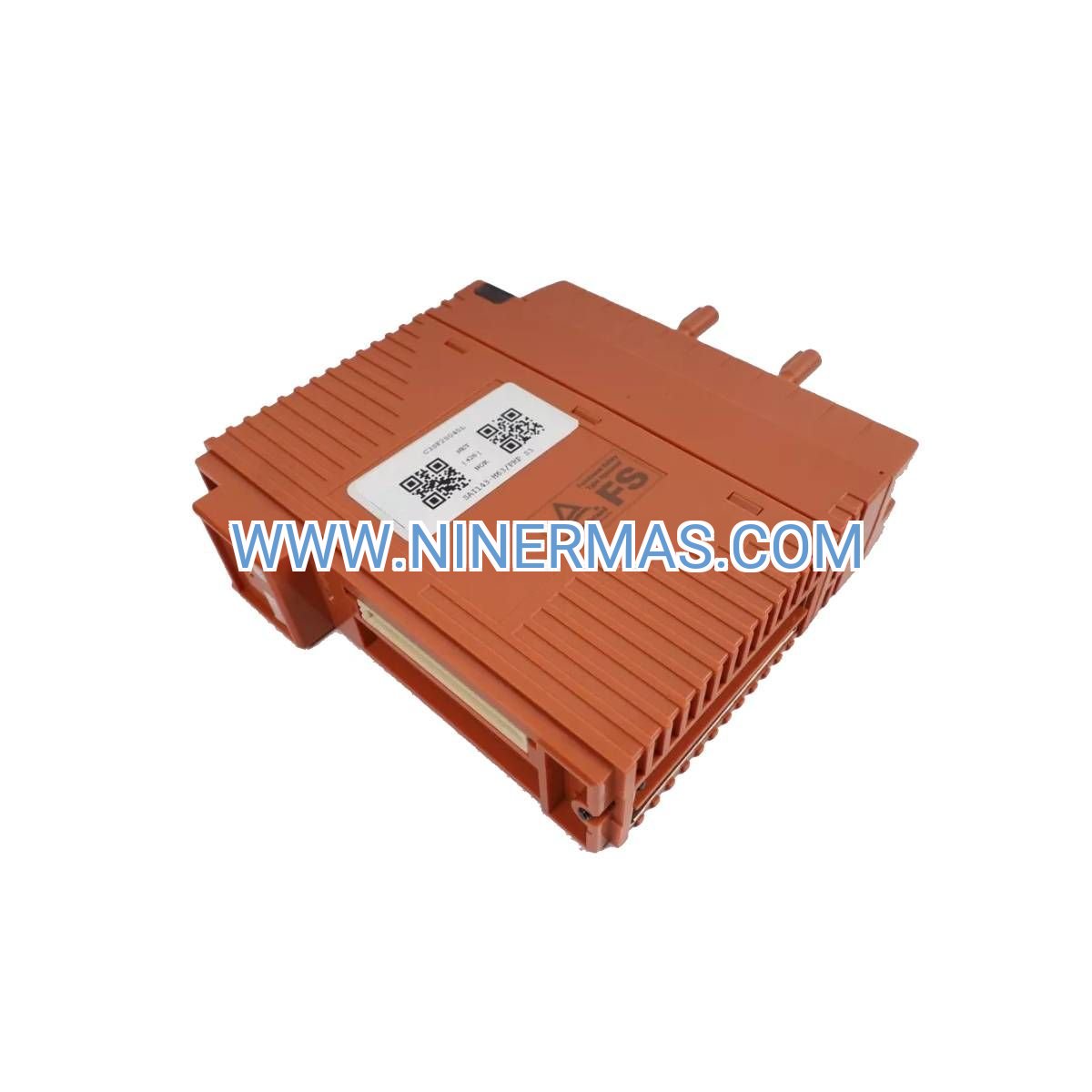
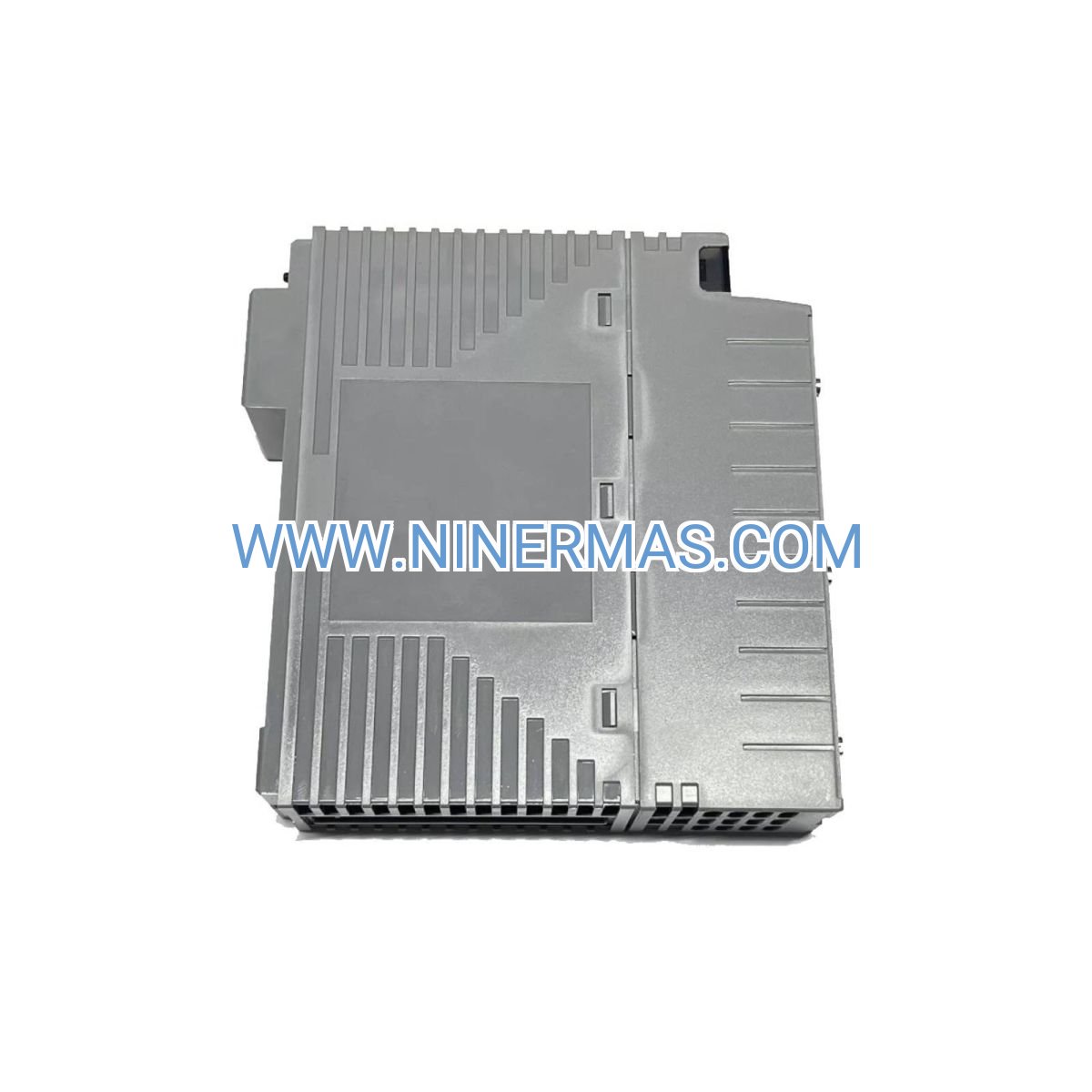
ABB PFSA140 High-Frequency Power Module (Industrial-Grade Stressometer Excitation)
The ABB PFSA140 (Part No. 3BSE006503R1) represents a specialized power delivery solution engineered for Stressometer flatness measurement ecosystems in continuous metal rolling environments. Delivering 1 kilowatt at a precise 2 kHz frequency, this constant-current supply ensures stable excitation of force transducers embedded within measurement rolls, enabling real-time detection of strip shape deviations across hot and cold rolling operations.
Designed for integration with Stressometer 6.0 through 8.1 FSA platforms, the PFSA140 addresses the critical challenge of maintaining sensor accuracy in electrically hostile mill environments where electromagnetic interference from high-power drives can compromise measurement integrity. Its multi-channel architecture supports segmented flatness profiling, essential for identifying localized defects such as edge wave, center buckle, and quarter buckle patterns that impact downstream processing quality.
This Swedish-engineered power module serves as the foundation for closed-loop shape control strategies in steel, aluminum, and specialty metals production, where flatness tolerances directly influence material yield, surface finish, and end-product performance in automotive, aerospace, and packaging applications.
Core Features & Benefits
→ Precision Constant-Current Regulation: Maintains sensor excitation within ±0.1% tolerance across varying load conditions, ensuring repeatable flatness measurements throughout production campaigns and eliminating drift-related calibration requirements.
→ High-Frequency Operation (2 kHz): Enables sampling rates exceeding 1,000 Hz for detecting transient shape defects at line speeds up to 1,500 m/min, while minimizing susceptibility to 50/60 Hz power line interference common in mill electrical systems.
→ Multi-Zone Power Distribution: Dual-channel configuration (2x2x1.2A) supports independent excitation of multiple sensor arrays, facilitating cross-direction flatness profiling with resolution down to 25mm strip width segments.
→ Industrial Thermal Management: Forced-air cooling system with conformal-coated components supports continuous operation in ambient temperatures to 45°C, with automatic derating protection preventing thermal shutdown during peak mill loading.
✓ Integrated Diagnostics: Real-time monitoring of output current, voltage, and frequency with fault detection for sensor disconnection, overload conditions, and power stage failures—reducing unplanned downtime through predictive maintenance alerts.
✓ EMC-Hardened Design: Shielded enclosure and multi-stage filtering meet EN 61000-6-2 industrial immunity standards, enabling installation within 3 meters of variable-frequency drives without measurement degradation.
Typical Application Scenarios
Hot Strip Mill Finishing Stands: Positioned after the final rolling stand, the PFSA140 powers Stressometer measurement rolls that provide feedback to work roll bending and intermediate roll shifting actuators. This closed-loop control corrects shape defects before coiling, reducing customer claims for flatness non-conformance in automotive-grade steel by up to 40%.
Tandem Cold Mills: In multi-stand cold reduction operations, the module enables inter-stand flatness monitoring essential for preventing coil breaks and achieving gauge tolerances below ±3 microns. The high-frequency excitation supports dynamic shape control at production speeds exceeding 1,200 m/min in tinplate and electrical steel applications.
Aluminum Reversing Mills: For aerospace alloy production requiring surface finish Ra values below 0.4 microns, the PFSA140 provides the measurement stability needed to maintain flatness within I-unit specifications across multiple rolling passes, minimizing material scrapped due to shape defects.
Stainless Steel Precision Rolling: In austenitic and ferritic stainless production, where material costs exceed $4,000 per ton, the system's diagnostic capabilities detect sensor degradation before measurement errors lead to off-spec production, protecting profit margins in high-value product grades.
Silicon Steel Processing: For electrical steel used in transformer cores, the module's low-noise excitation preserves the magnetic properties measurement accuracy required to certify core loss performance, supporting premium pricing for grain-oriented grades.
Technical Parameters & Selection Guide
| Specification | Value | Application Relevance |
|---|---|---|
| Model Designation | PFSA140 | Compatible with Stressometer 6.0–8.1 FSA |
| Manufacturer Part Number | 3BSE006503R1 | Factory-direct replacement identification |
| Maximum Output Power | 1 kW (1000 W) | Supports up to 64 force sensors per channel |
| Excitation Frequency | 2 kHz ±0.5% | Optimized for 50–150 kHz sensor resonance |
| Output Current | 2 × 2 × 1.2 A (constant) | Four independent sensor zones |
| Current Regulation | ±0.1% (no load to full load) | Eliminates temperature-induced drift |
| Operating Temperature | 0°C to +45°C | Suitable for non-climate-controlled enclosures |
| Unit Weight | 23.3 kg (51.4 lbs) | Rack-mount installation in 19" cabinets |
| Manufacturing Origin | Sweden / USA | Complies with CE and UL industrial standards |
| MTBF (Mean Time Between Failures) | >80,000 hours | Supports 10+ years continuous operation |
Selection Criteria: Choose the PFSA140 when your Stressometer system requires replacement of legacy power supplies or when upgrading from 6.0/7.0 platforms to 8.x FSA versions. Verify compatibility with existing PFEA tension electronics modules (IP20 or IP65 variants) and confirm that your measurement roll configuration does not exceed the 1 kW total power budget across all sensor zones.
Extended Functions
Redundant Power Architecture: The PFSA140 supports N+1 redundancy configurations where dual units operate in load-sharing mode, automatically redistributing power if one module fails. This capability is critical for continuous annealing lines and hot-dip galvanizing operations where unplanned shutdowns cost $50,000+ per hour in lost production.
Remote Monitoring Integration: Digital status outputs interface with ABB 800xA DCS platforms and third-party SCADA systems via discrete I/O signals, enabling centralized monitoring of power supply health across multiple mill stands. Modbus RTU and PROFIBUS-DP options available through external gateway modules.
Calibration Automation: When paired with ABB Stressometer commissioning software, the unit supports automated sensor excitation testing and load cell verification routines, reducing initial setup time from 8 hours to under 2 hours per measurement roll.
Delivery & Service Assurance
Standard Lead Time: 3–5 business days for in-stock units; 4–6 weeks for factory-direct orders requiring configuration verification or custom voltage specifications.
Warranty Coverage: 12-month manufacturer warranty covering defects in materials and workmanship, with optional extended service agreements providing 24/7 emergency replacement and on-site technical support.
Technical Support: Access to ABB-certified application engineers for system integration planning, retrofit compatibility assessments, and troubleshooting assistance. Remote diagnostics available via secure VPN connections to minimize on-site service calls.
Documentation Package: Each unit ships with installation manual, electrical schematics, spare parts catalog, and calibration certificates traceable to NIST/PTB standards. CAD drawings and 3D STEP files available for mechanical integration planning.
Frequently Asked Questions
Q: Can the PFSA140 replace older PFSA103 or PFSA130 power supplies in existing Stressometer installations?
A: Yes, the PFSA140 is backward-compatible with Stressometer 6.0 and 7.x systems originally equipped with PFSA103/130 modules. Mechanical mounting dimensions are identical, though firmware updates to PFEA tension electronics may be required to optimize communication protocols. Consult factory documentation or contact our technical team for retrofit validation.
Q: What is the maximum cable length between the PFSA140 and measurement roll sensors?
A: The constant-current output design supports sensor cable runs up to 150 meters (500 feet) using shielded twisted-pair conductors with minimum 1.5 mm² cross-section. Longer distances require impedance compensation or installation of intermediate junction boxes to maintain excitation accuracy.
Q: How does the 2 kHz frequency improve measurement performance compared to DC excitation systems?
A: AC excitation at 2 kHz eliminates thermoelectric voltage errors inherent in DC systems, which can introduce measurement offsets exceeding 50 I-units in high-temperature mill environments. The frequency also enables synchronous demodulation techniques that reject 50/60 Hz power line interference by 60+ dB, critical for installations near thyristor-controlled mill drives.
Q: Is the PFSA140 suitable for tension measurement applications in winding/unwinding operations?
A: While the unit can power PFTL-series load cells used in tension measurement, it is optimized for the multi-sensor arrays found in Stressometer flatness rolls. For dedicated tension control in coilers, uncoilers, and bridle rolls, consider the PFEA111 or PFEA113 tension electronics modules, which include built-in signal conditioning and analog/digital outputs tailored to closed-loop tension regulation.
Q: What preventive maintenance is required to achieve the rated 80,000-hour MTBF?
A: Quarterly inspections should verify cooling fan operation, check for dust accumulation on heat sinks, and confirm that ambient temperatures remain within specification. Annual calibration verification using a precision current meter ensures output regulation remains within ±0.1% tolerance. Electrolytic capacitors in the power stage have a 10-year service life and should be replaced during planned mill outages to prevent age-related failures.
Q: Does the module support installation in hazardous area classifications (ATEX/IECEx zones)?
A: The standard PFSA140 is rated for Zone 2/Division 2 installations when housed in IP54-rated enclosures. For Zone 1/Division 1 applications in coating lines with flammable atmospheres, consult ABB for intrinsically safe barrier options or explosion-proof enclosure specifications.
Request Technical Consultation
Our metals processing automation specialists provide complimentary system assessments to determine optimal Stressometer power supply configurations for your rolling mill. Contact us with your current equipment inventory, production requirements, and upgrade objectives to receive a detailed compatibility analysis and ROI projection within 48 hours.
Expedited Shipping Available: Emergency replacement units can be dispatched within 24 hours to minimize production interruptions during critical outages.
© 2026 NINERMAS COMPANY LIMITED. All rights reserved.
Original Source: https://ninermas.com
Contact: sale@ninermas.com | +0086 187 5021 5667
PDF Specification
Download PDF file here:
Click to Download PDFRelated products

Contact Info
-
Address:22 / F, South Wo Hang building, 148 Wing Lok Street, Sheung Wan, Western District, Hong Kong
-
Phone:+8618750215667
-
Email: