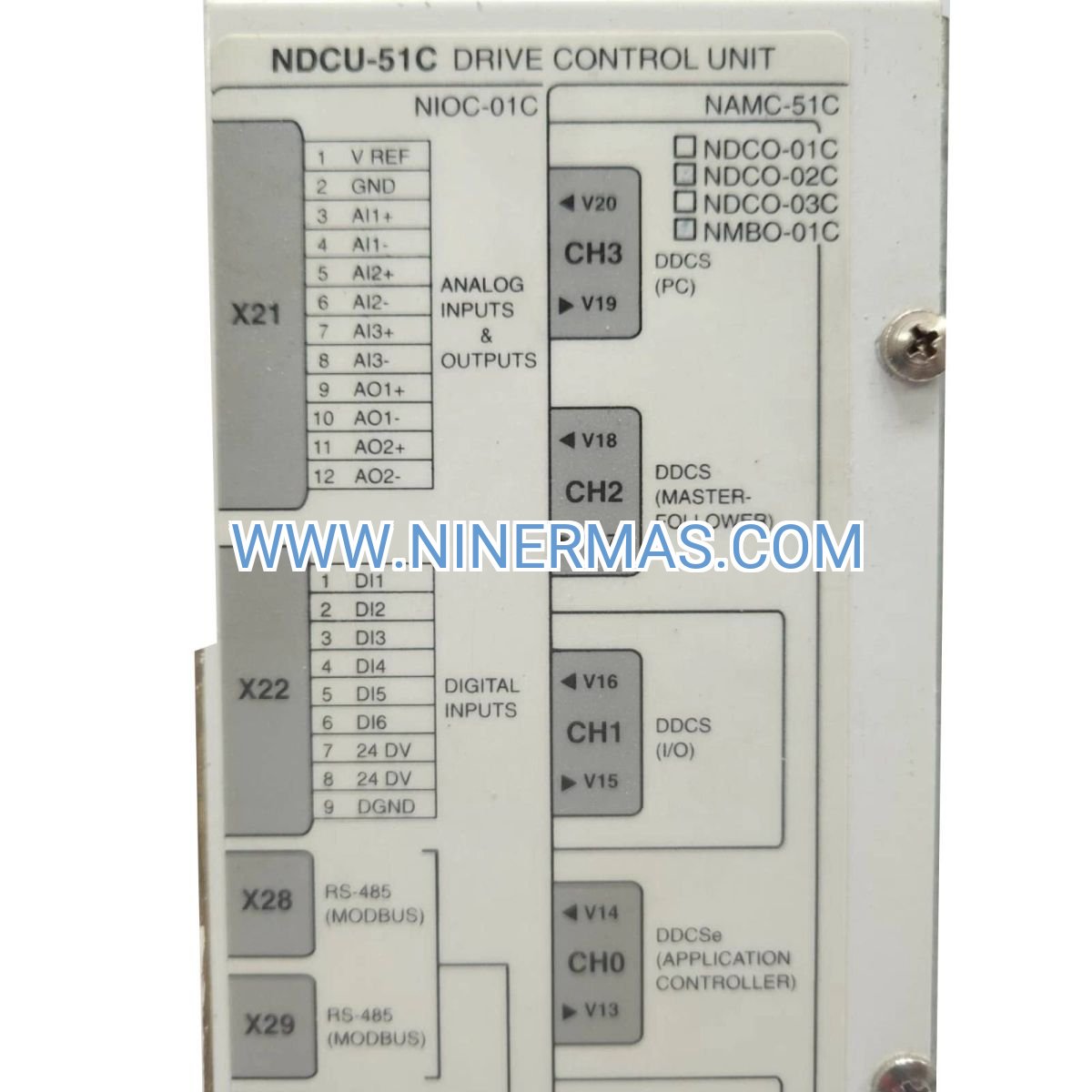
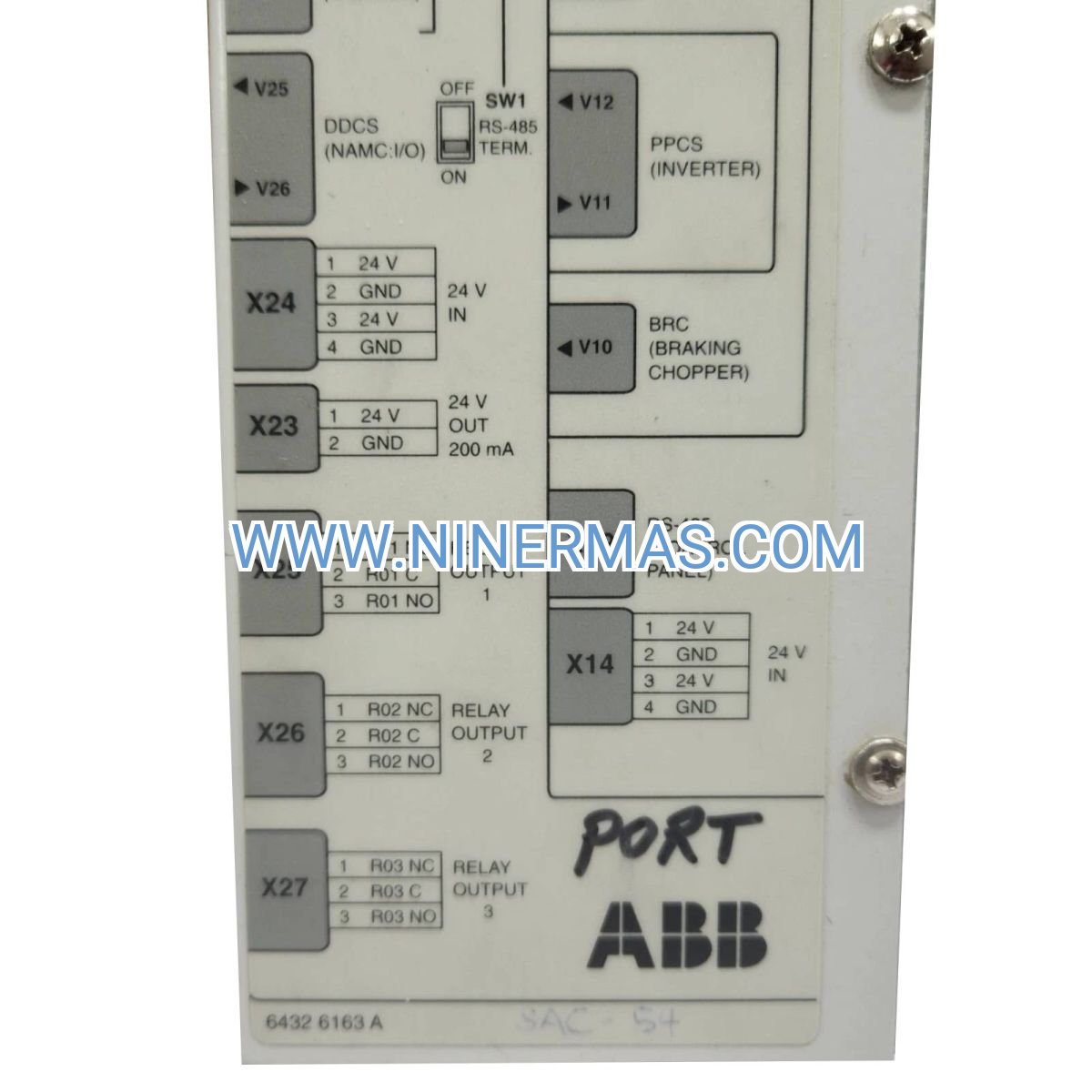
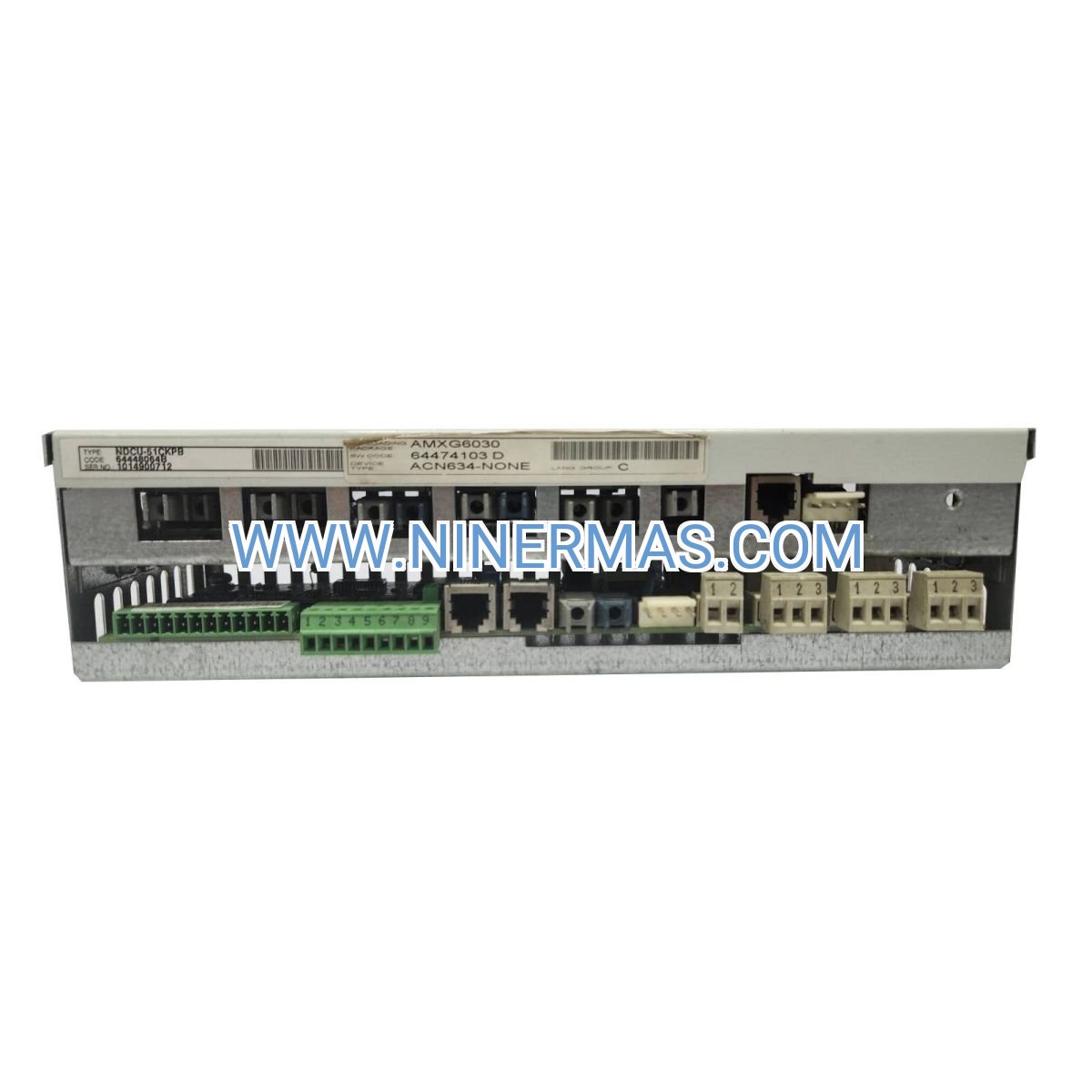
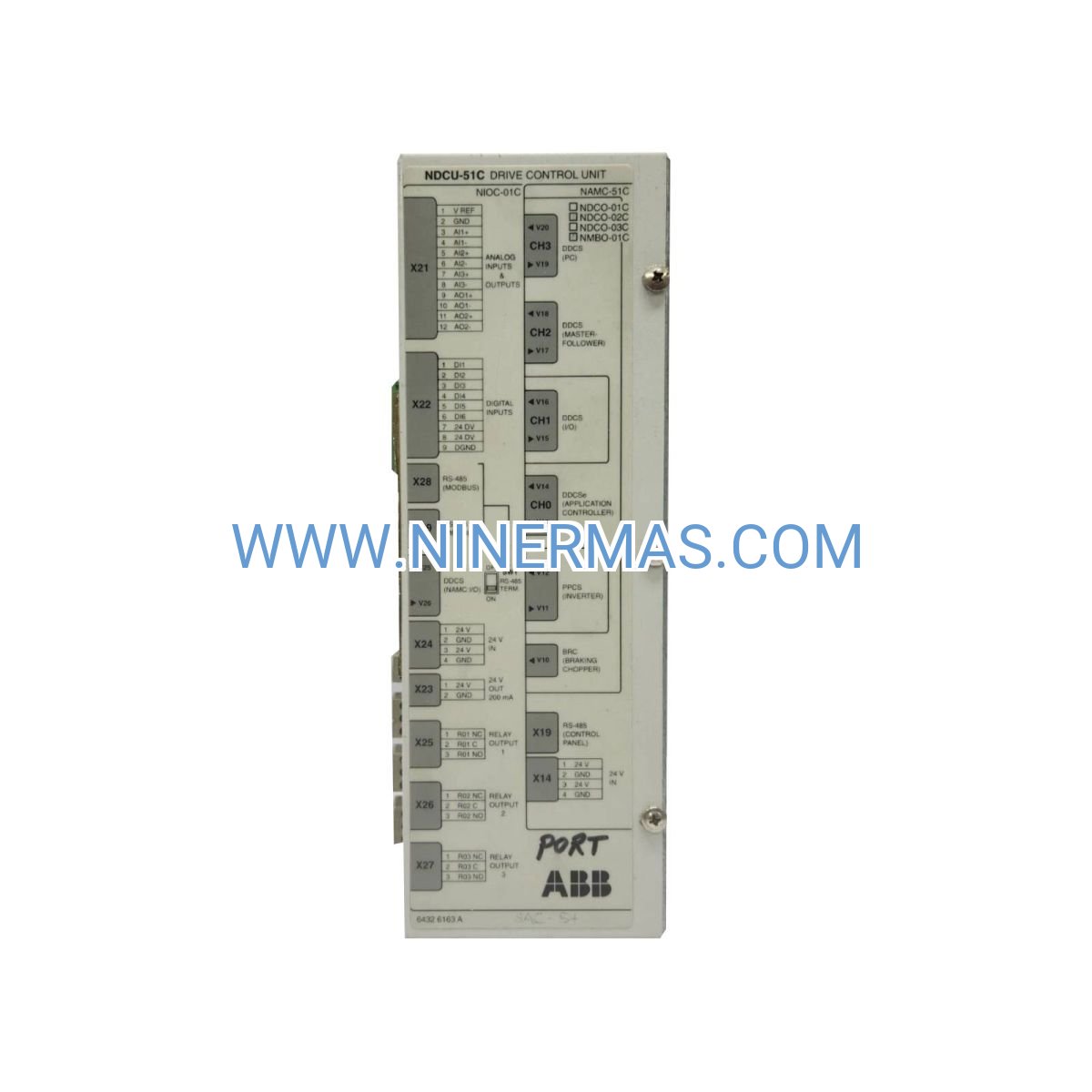
ABB NDBU-95C DDCS Fiber Optic Branching Unit | Industrial Drive Network Hub
Description
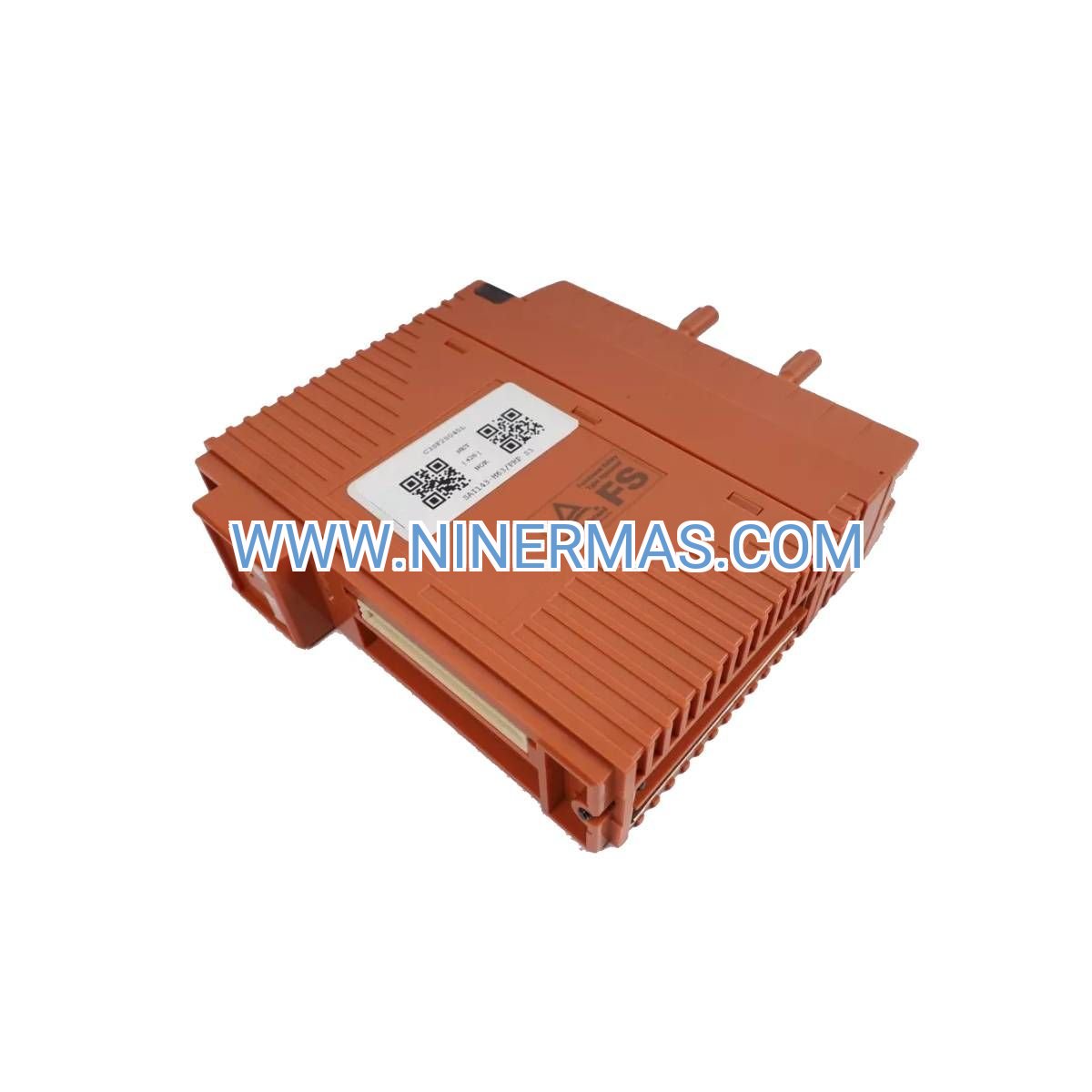
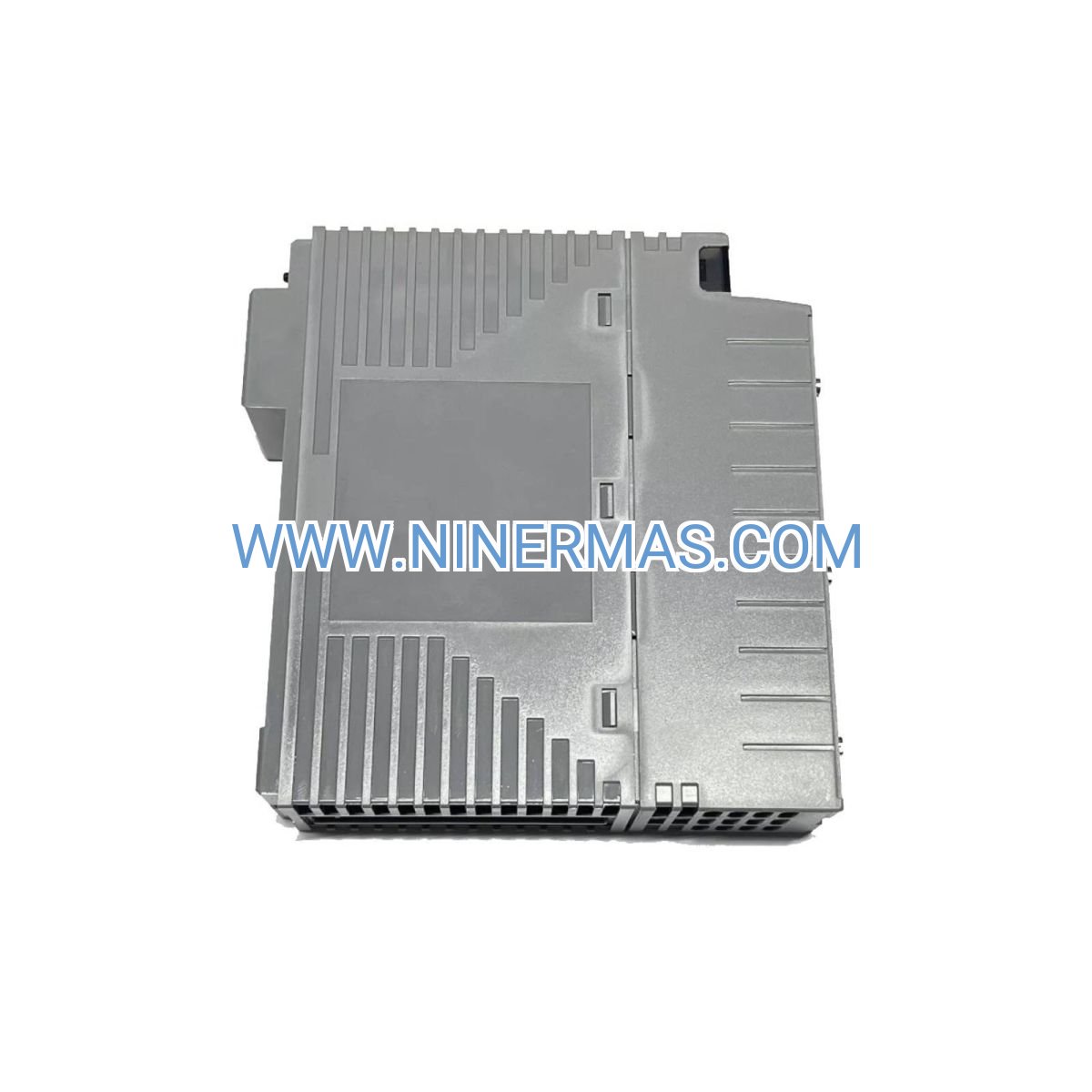
ABB NDBU-95C DDCS Fiber Optic Branching Unit (Industrial-Grade Network Expansion Solution)
The ABB NDBU-95C is a professional fiber optic branching unit designed for DDCS (Drive-to-Drive Communication System) networks, enabling multi-drop topology expansion through advanced optical signal distribution technology. It facilitates high-speed, interference-free data transmission between ACS800 and DCS800 series variable frequency drives, ensuring reliable communication in demanding industrial environments.
Ideal for applications requiring distributed drive control across manufacturing facilities, process automation systems, material handling operations, and industrial production lines. This branching unit addresses challenges such as limited point-to-point connectivity, electromagnetic interference in harsh environments, complex wiring requirements, and scalability constraints in expanding drive networks.
Through standardized design and flexible configuration options, the NDBU-95C delivers superior signal integrity, electromagnetic immunity, installation simplicity, and system scalability advantages. It serves design engineers, system integrators, automation contractors, and end-user facilities seeking robust drive communication infrastructure. Contact our technical team for network topology design and product specifications.
Core Functions & Advantages
- Multi-Drop Network Topology
Enables star or daisy-chain configurations through optical signal splitting, allowing multiple drives to communicate on a single fiber optic network while maintaining signal quality and reducing cabling complexity. - Superior EMI Immunity
Fiber optic technology eliminates electromagnetic interference concerns common in industrial environments, ensuring reliable data transmission even in proximity to high-power equipment, motors, and switching devices. - High-Speed Data Transmission
Supports DDCS protocol communication rates up to 2.5 Mbps, enabling real-time synchronization, coordinated motion control, and rapid parameter exchange between networked drives for precision applications. - Flexible Network Expansion
Accommodates network growth without major infrastructure changes, supporting up to 8 drive connections per branching unit, with cascading capability for larger installations requiring dozens of networked drives. - Robust Industrial Design
Engineered for harsh environments with wide operating temperature range, vibration resistance, and compact DIN-rail mounting format, minimizing installation footprint while ensuring long-term reliability in demanding conditions. - Simplified Installation & Maintenance
Pre-terminated fiber optic connectors and clear port labeling reduce installation time and potential errors, while diagnostic LEDs provide instant visual feedback on connection status and signal quality.
Typical Application Scenarios
This branching unit is engineered for industrial environments demanding reliable, high-speed communication between multiple variable frequency drives, particularly in:
- Coordinated Multi-Motor Systems
Synchronizes speed and torque across multiple drives in applications such as web handling, printing presses, and conveyor systems where precise coordination prevents material damage and maintains product quality. - Process Automation & Chemical Plants
Connects distributed pump, fan, and compressor drives throughout facilities, enabling centralized monitoring and coordinated control while maintaining signal integrity in electrically noisy environments with heavy machinery. - Material Handling & Logistics
Networks conveyor drives, sortation systems, and automated storage/retrieval equipment, facilitating zone control, load balancing, and synchronized material flow across warehouse and distribution operations. - Manufacturing Production Lines
Integrates drive systems across assembly lines, machining centers, and packaging equipment, supporting coordinated motion profiles, production tracking, and rapid changeover capabilities in automotive, electronics, and consumer goods manufacturing. - Mining & Heavy Industry
Provides reliable communication infrastructure for crusher drives, conveyor systems, and material processing equipment in harsh environments with extreme temperatures, dust, moisture, and vibration exposure.
Technical Parameters & Selection Guide
To facilitate system design and component selection, we provide standardized specifications for network planning. Custom configurations are available based on specific project requirements.
| Parameter | Specification |
|---|---|
| Communication Protocol | DDCS (Drive-to-Drive Communication System) |
| Transmission Medium | Fiber Optic (Multi-mode or Single-mode) |
| Data Rate | Up to 2.5 Mbps |
| Network Topology | Star, Daisy-chain, or Hybrid |
| Maximum Connections | 8 drives per branching unit |
| Fiber Connector Type | ST or SC (model dependent) |
| Operating Temperature | -10°C to +50°C |
| Mounting Method | DIN-rail (35mm standard) |
| Protection Rating | IP20 (enclosure dependent) |
| Diagnostic Features | LED indicators for power and signal status |
| Compatible Drives | ABB ACS800, DCS800 series with DDCS option |
| Dimensions (W×H×D) | Approximately 45×120×110 mm |
Selection Considerations: When planning your network, evaluate total number of drives requiring communication, maximum distance between units, existing fiber infrastructure, environmental conditions (temperature, vibration, dust), and control system integration requirements. For assistance with network topology design and component selection, provide your application details including drive quantities, facility layout, and communication requirements to our engineering team.
Extended Capabilities
- Redundant Network Support: Can be configured in redundant topologies for critical applications requiring failover capability and continuous operation during maintenance or component failure scenarios.
- Integration with Control Systems: Compatible with ABB automation platforms including AC800M controllers and System 800xA DCS, enabling seamless integration into comprehensive plant automation architectures.
- Remote Diagnostics: When integrated with drive control networks, enables remote monitoring of communication status, signal quality metrics, and network health indicators through SCADA or HMI systems.
- Scalable Architecture: Supports hierarchical network designs with multiple branching levels, accommodating facility expansion and production capacity increases without complete system redesign.
Delivery, Service & Quality Assurance
Lead Time: Standard units typically ship within 3-5 business days from stock; custom configurations or large quantity orders may require 2-3 weeks. Expedited shipping available upon request.
Warranty Coverage: Backed by manufacturer's warranty of minimum 12 months from delivery date, covering defects in materials and workmanship under normal operating conditions.
Technical Support: Comprehensive support including pre-sales application consultation, network topology design assistance, installation guidance, and post-installation troubleshooting. Remote technical support available; on-site commissioning services can be arranged for major projects.
Documentation Package: Each unit ships with complete technical documentation including installation manual, wiring diagrams, fiber optic connection guidelines, network configuration examples, and troubleshooting procedures in English, facilitating rapid deployment and maintenance.
Quality Standards: Manufactured to ISO 9001 quality management standards with compliance to relevant industrial communication and safety regulations, ensuring reliable performance in professional industrial applications.
Frequently Asked Questions (FAQ)
Q: How does the ABB NDBU-95C branching unit integrate with existing drive communication networks?
A: The NDBU-95C connects via standard fiber optic cables using ST or SC connectors (model dependent). It requires drives equipped with DDCS communication option boards. Installation involves connecting fiber cables from the master controller to the branching unit input, then distributing to individual drives via output ports. Configuration is typically performed through the master drive or control system interface.
Q: What is the maximum number of drives that can be connected using this branching unit?
A: A single NDBU-95C supports up to 8 drive connections. For larger networks, multiple branching units can be cascaded or configured in hierarchical topologies, enabling networks with dozens of drives while maintaining communication performance and signal integrity.
Q: What are the typical communication performance improvements compared to traditional copper-based networks?
A: Fiber optic communication eliminates electromagnetic interference, enabling reliable operation in electrically noisy environments where copper networks may experience data errors. Maximum transmission distances increase significantly (up to several kilometers vs. tens of meters), and installation is simplified by eliminating grounding and shielding requirements critical for copper networks.
Q: What environmental conditions must be maintained for reliable operation?
A: The unit operates reliably in temperatures from -10°C to +50°C with standard IP20 protection rating when mounted in appropriate enclosures. For harsh environments with dust, moisture, or extreme temperatures, install within rated control cabinets providing adequate environmental protection and ventilation.
Q: Does the branching unit support remote monitoring and diagnostics capabilities?
A: The NDBU-95C features LED diagnostic indicators for local status monitoring. When integrated with ABB drive networks connected to automation systems (PLC, DCS, SCADA), communication status and network health can be monitored remotely through the control system interface, enabling predictive maintenance and rapid fault identification.
Q: Is the unit compatible with fiber optic infrastructure from other manufacturers?
A: The NDBU-95C uses standard fiber optic connectors and multi-mode or single-mode fiber (specification dependent), ensuring compatibility with industry-standard fiber optic cables and infrastructure. However, communication protocol compatibility is limited to ABB drives with DDCS capability; it cannot interface with non-ABB proprietary drive communication systems.
Request Technical Support & Quotation
For detailed network design consultation, product specifications, or pricing information, please provide the following details: project name and scope, application type and industry, total number of drives requiring communication, facility layout and maximum distances, existing automation infrastructure, environmental conditions, and timeline requirements. Our engineering team will provide customized network topology recommendations and comprehensive quotations.
© 2026 NINERMAS COMPANY LIMITED. All rights reserved. Original Source: https://ninermas.com Contact: sale@ninermas.com | +0086 187 5021 5667
Related products

Contact Info
-
Address:22 / F, South Wo Hang building, 148 Wing Lok Street, Sheung Wan, Western District, Hong Kong
-
Phone:+8618750215667
-
Email: