Description
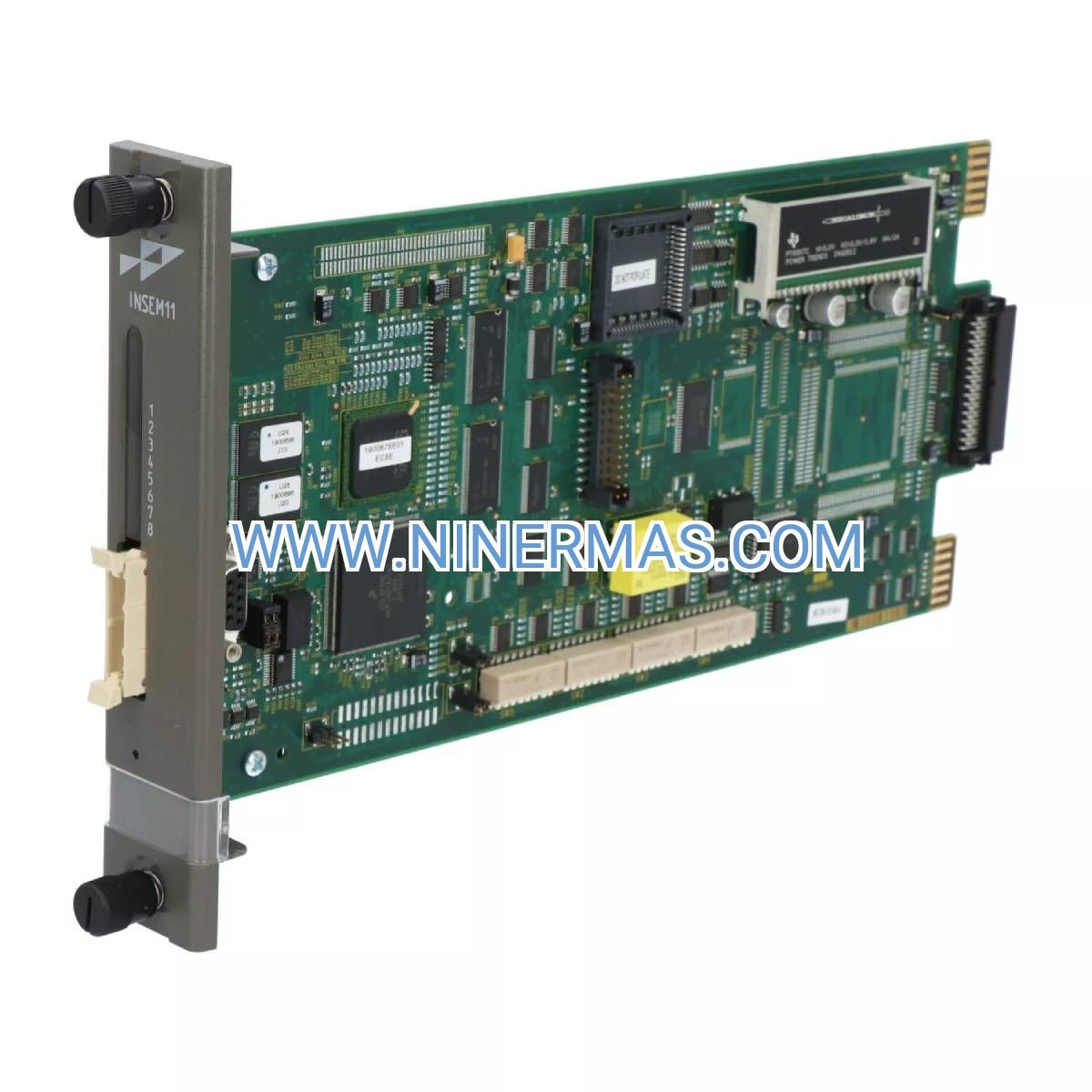
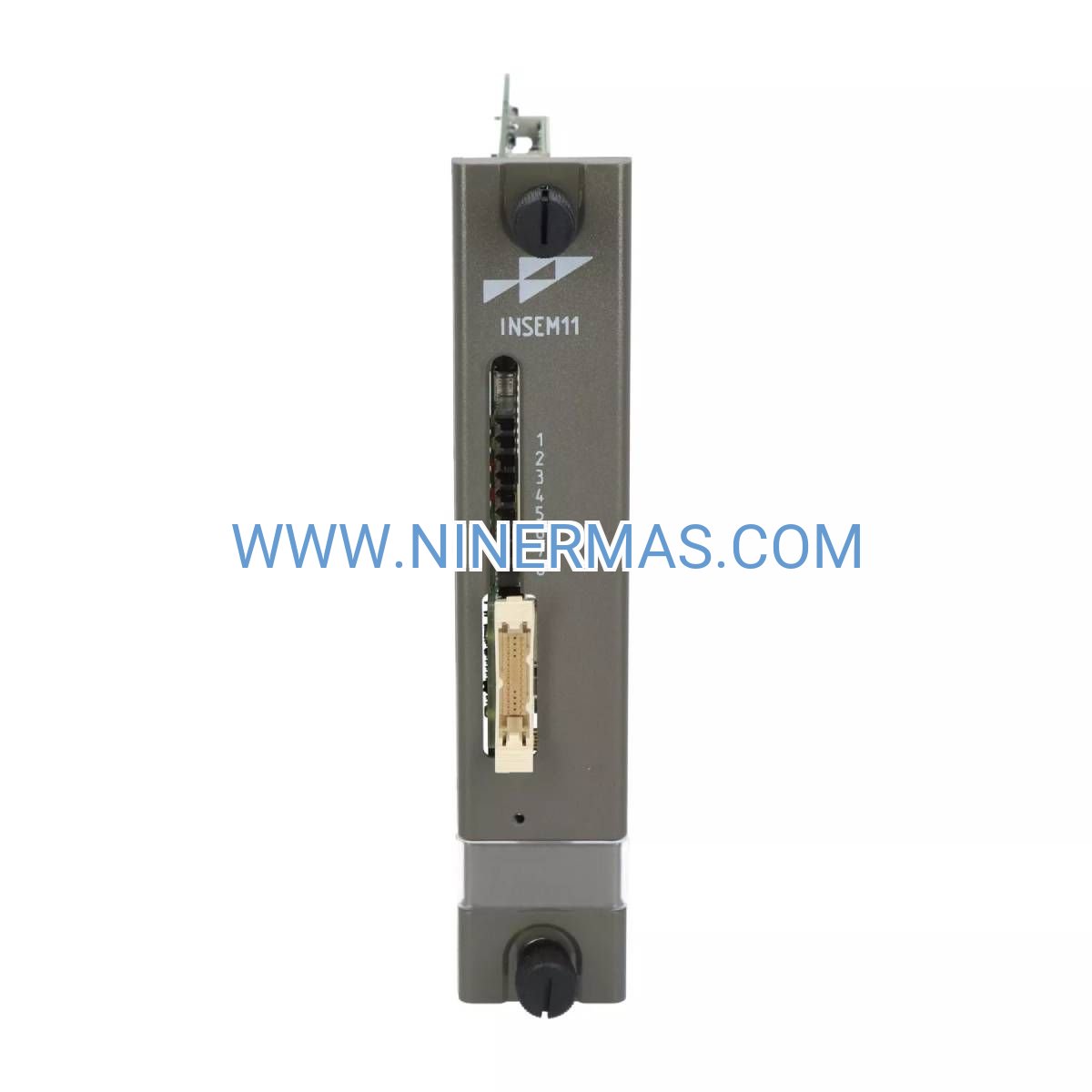
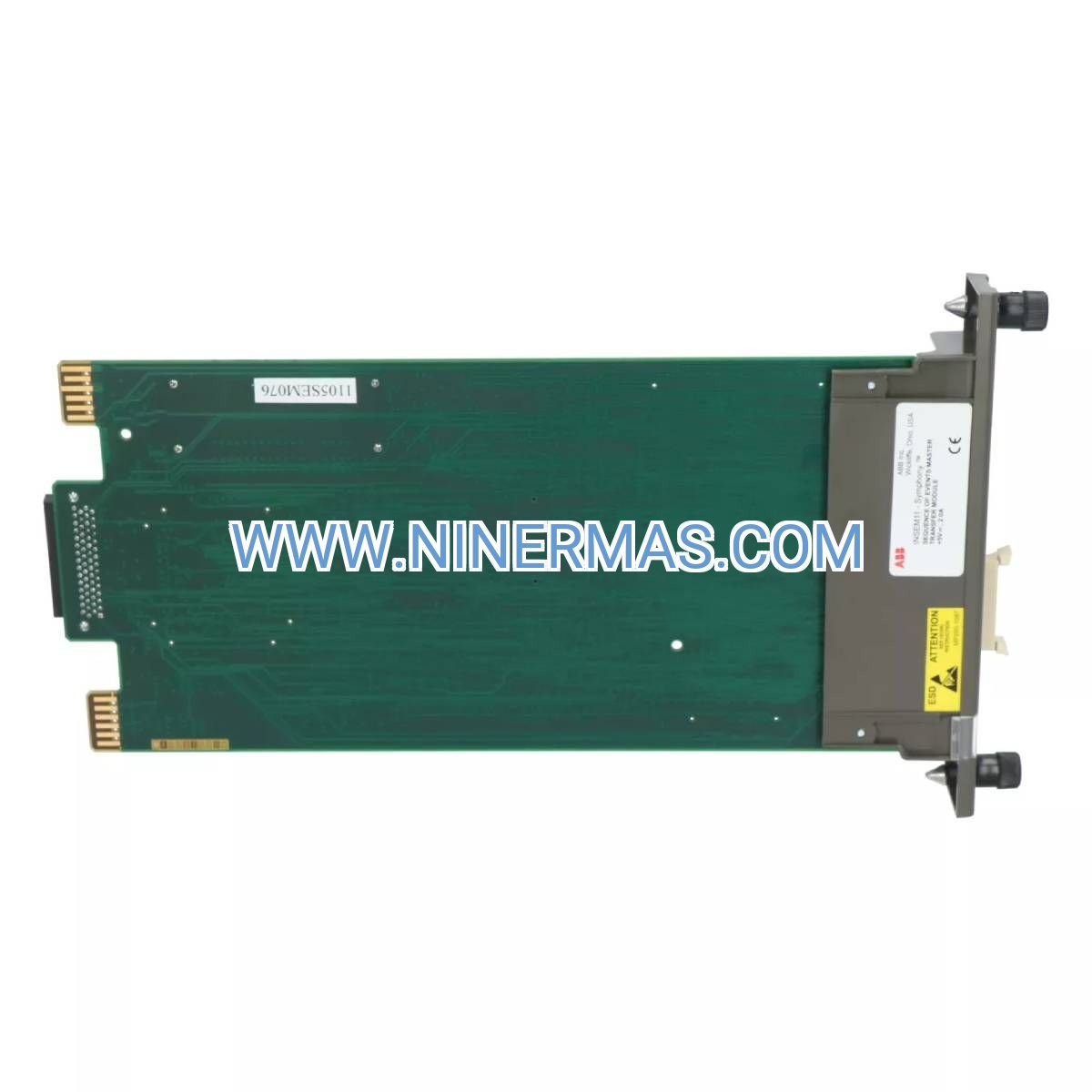
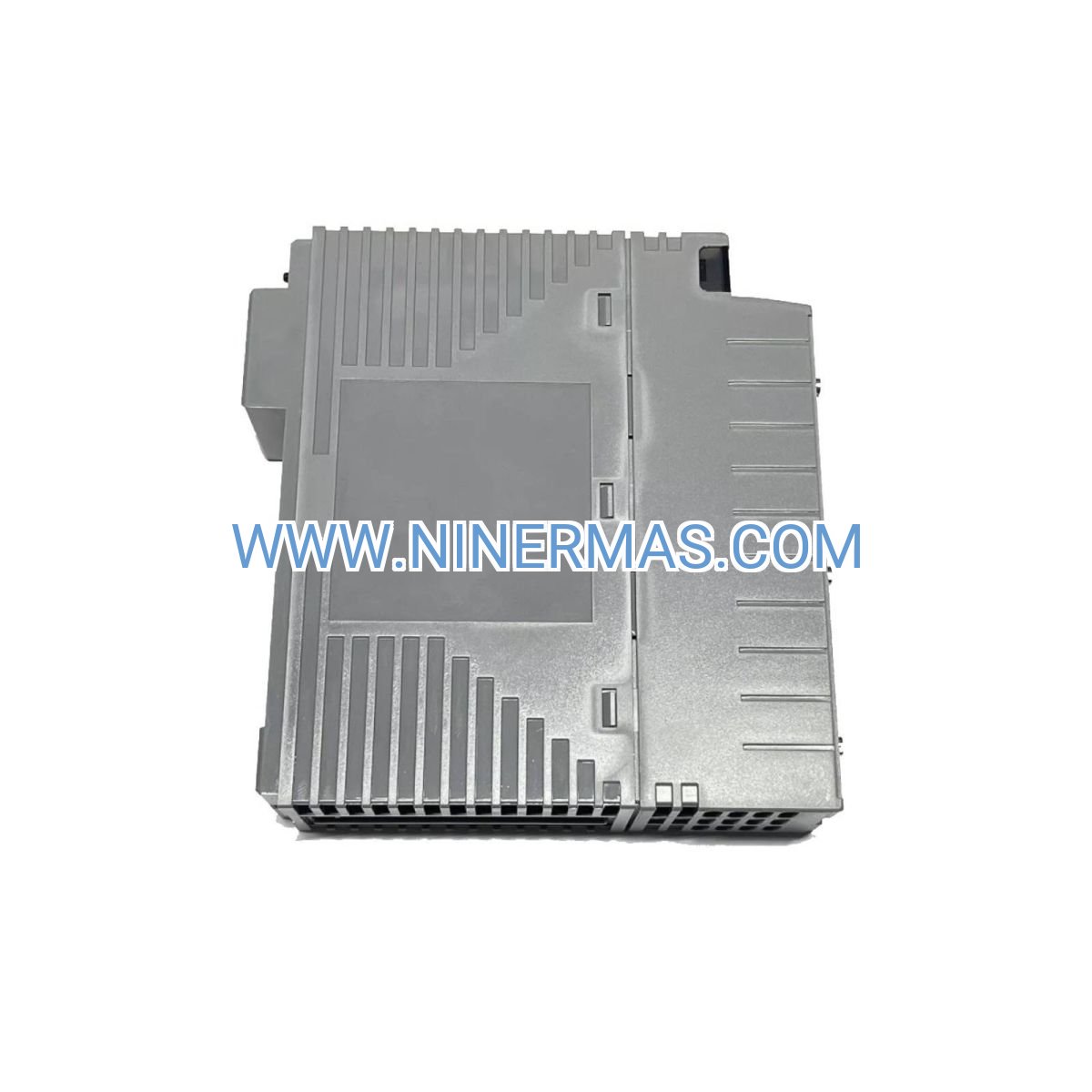
INSEM11 Master Controller (Industrial-Grade Event Sequencing)
The INSEM11 represents ABB's flagship solution for mission-critical event recording in Harmony Rack architectures. This master coordination module delivers microsecond-resolution timestamping across distributed control networks, enabling forensic-quality fault analysis in power generation, transmission infrastructure, and high-stakes industrial environments. When system failures carry regulatory consequences or safety implications, the INSEM11 provides the chronological precision engineers need to distinguish root causes from cascading effects.
Designed for environments where every millisecond matters—turbine trip sequences, breaker coordination failures, protection relay misoperations—this module serves as the authoritative time reference for your entire SOE architecture. Plant operators, protection engineers, and compliance teams rely on INSEM11-generated event logs to satisfy NERC CIP requirements, reconstruct incident timelines, and implement corrective actions that prevent recurrence.
Whether you're modernizing legacy Harmony systems or engineering new installations, the INSEM11 integrates seamlessly with GPS time sources, IRIG-B synchronization networks, and SCADA historians. Our technical team provides configuration guidance, compatibility verification, and post-installation validation to ensure your event recording infrastructure meets both operational needs and regulatory mandates.
Core Capabilities & Business Value
→ Microsecond Timestamping Precision
Captures system events with sub-millisecond resolution, enabling accurate reconstruction of fast-moving fault sequences where traditional logging systems miss critical transitions. Reduces post-incident analysis time by 60-75% compared to manual log correlation.
✓ Multi-Module Coordination Architecture
Synchronizes 8-16 distributed SOE slave modules across your Harmony Rack installation, maintaining timing coherence even during communication disruptions. Eliminates timestamp conflicts that compromise forensic analysis quality.
✓ GPS/IRIG-B Time Synchronization
Accepts industry-standard time references for absolute timestamp accuracy across geographically distributed facilities. Supports compliance with IEEE C37.239 and IEC 61850-90-5 precision time protocol requirements.
→ High-Capacity Event Buffering
Manages thousands of events per second with intelligent FIFO overflow handling, ensuring critical early-sequence events are preserved during system storms. Prevents data loss during the exact moments when event visibility matters most.
✓ SCADA/Historian Integration
Exports structured event data to plant information systems via standard protocols, enabling long-term archival, trend analysis, and automated reporting workflows. Reduces manual data extraction effort by 80%+.
→ Regulatory Compliance Support
Meets NERC PRC-002 disturbance monitoring requirements and provides audit-ready event logs with cryptographic integrity verification. Simplifies compliance documentation and reduces regulatory risk exposure.
Typical Application Scenarios
Combined-Cycle Power Plants: Coordinate event recording across gas turbine controls, steam turbine protection, and HRSG safety systems. When a unit trips, the INSEM11 provides the chronological evidence needed to determine whether the initiating event was a combustion anomaly, vibration excursion, or grid disturbance—critical for insurance claims and equipment warranty validation.
Transmission Substation Protection: Synchronize fault recorder data from multiple relay panels, breaker controllers, and RTU systems. During line faults or bus differential operations, engineers use INSEM11 logs to verify protection scheme coordination, identify relay misoperations, and validate settings calculations against real-world performance.
Petrochemical Safety Systems: Integrate with emergency shutdown logic, fire and gas detection networks, and critical alarm management platforms. The module's precise event sequencing helps safety engineers distinguish between legitimate process upsets and spurious trips caused by instrumentation failures or operator error.
Hydroelectric Generation: Monitor wicket gate positioning, generator excitation systems, and penstock pressure transients during startup/shutdown sequences. Event logs support vibration analysis, cavitation detection, and predictive maintenance programs that extend equipment life and reduce forced outage rates.
Industrial Cogeneration: Track boiler controls, turbine governors, and electrical switchgear in facilities where power reliability directly impacts production throughput. INSEM11 data enables root cause analysis that minimizes downtime costs and optimizes maintenance scheduling.
Technical Parameters & Selection Guide
| Parameter | Specification |
|---|---|
| Model Designation | INSEM11 |
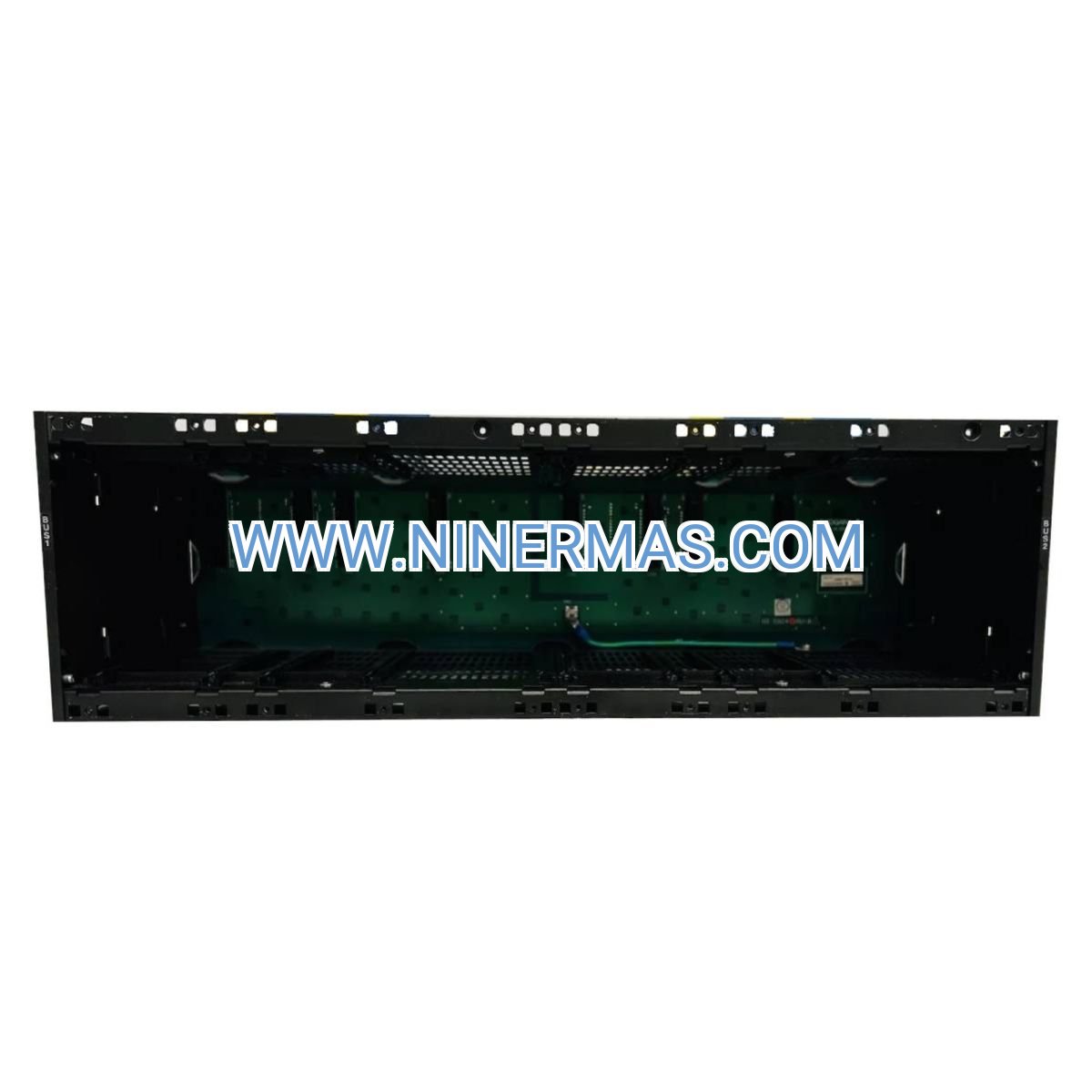
| System Compatibility | ABB Harmony Rack Platform |
| Timing Resolution | <1 millisecond (GPS-synchronized) |
| Event Throughput | 1,000+ events/second sustained |
| Slave Module Capacity | 8-16 units (configuration-dependent) |
| Time Sync Inputs | GPS, IRIG-B (AC/DC modulated) |
| Communication Interface | Harmony proprietary bus + Ethernet option |
| Operating Environment | -10°C to +55°C, 5-95% RH non-condensing |
| Storage Conditions | -40°C to +70°C |
| Installation Method | Hot-swappable rack card slot |
| Power Consumption | Rack-supplied DC (redundant feeds recommended) |
| Certifications | CE, UL508, IEC 61010 compliance |
Selection Criteria: Specify the INSEM11 when your application requires coordinated event recording across multiple control points with regulatory-grade timestamp accuracy. For standalone single-point event logging, consider simpler SOE slave modules. For systems requiring nanosecond precision (protective relay testing, synchrophasor applications), consult our engineering team regarding specialized timing solutions.
Extended Functions
Remote Diagnostics Integration: When paired with ABB's System 800xA or compatible DCS platforms, the INSEM11 enables remote event log retrieval, automated alarm correlation, and predictive analytics that identify degrading components before they cause unplanned outages.
Cybersecurity Hardening: Supports role-based access control, encrypted communication channels, and audit trail generation compliant with NERC CIP-005/007 requirements. Firmware updates follow secure boot procedures to prevent unauthorized modifications.
Custom Event Filtering: Configure priority-based event capture rules that preserve critical alarms during high-volume transient conditions. Reduces post-incident analysis workload by filtering nuisance events while guaranteeing capture of safety-significant sequences.
Delivery & Service Assurance
Lead Time: Standard configurations ship within 3-5 business days. Custom-configured modules with specialized firmware or extended temperature ratings require 2-3 weeks. Expedited processing available for emergency outage support.
Warranty Coverage: 12-month comprehensive warranty covering manufacturing defects, component failures, and firmware issues. Extended warranty programs available for critical infrastructure applications requiring 5+ year coverage.
Technical Support: Our application engineers provide pre-sales system sizing, configuration file development, and commissioning assistance. Post-installation support includes firmware updates, troubleshooting guidance, and performance optimization recommendations.
Documentation Package: Each module ships with installation manual, configuration software, sample event log templates, and integration guides for common SCADA platforms (Wonderware, GE iFIX, Siemens WinCC).
Frequently Asked Questions
How does the INSEM11 maintain timing accuracy during GPS signal loss?
The module incorporates a temperature-compensated crystal oscillator (TCXO) that maintains ±50 microsecond accuracy for up to 24 hours during GPS outages. For extended holdover requirements, external rubidium or cesium references can be integrated via IRIG-B inputs.
What communication protocols does the module support for SCADA integration?
Native Harmony bus communication is standard. Optional Ethernet modules enable Modbus TCP, DNP3, IEC 60870-5-104, and OPC UA connectivity. Protocol selection depends on your existing infrastructure—our team provides compatibility assessment during quotation.
Can existing Harmony Rack systems be retrofitted with INSEM11 modules?
Most Harmony installations from 2005 onward support INSEM11 integration with firmware updates. Legacy systems may require backplane modifications or communication gateway upgrades. Provide your system serial numbers for detailed compatibility analysis.
What is the maximum event storage capacity before data overwrite occurs?
Internal buffer capacity ranges from 10,000-50,000 events depending on configuration. When integrated with external historians, effective capacity becomes unlimited. We recommend configuring automatic data export triggers at 70% buffer utilization to prevent loss during communication failures.
Does the module support redundant configuration for high-availability applications?
Yes—dual INSEM11 modules can operate in hot-standby mode with automatic failover. Redundant configurations are standard practice in nuclear, utility, and petrochemical applications where event recording system downtime is unacceptable.
What training is required for maintenance personnel?
Basic operation requires familiarity with Harmony Rack systems and Windows-based configuration tools. Advanced troubleshooting and system integration typically require ABB's 3-day Harmony System Fundamentals course. We offer customized on-site training for multi-module installations.
Take the Next Step
Ensure your critical infrastructure has the event recording precision it deserves. Contact our technical sales team at sale@ninermas.com or +0086 187 5021 5667 to discuss your specific application requirements, receive a detailed quotation, and schedule a technical consultation. For urgent outage support or same-day quotations, mention "INSEM11 Priority" in your inquiry.
© 2026 NINERMAS COMPANY LIMITED. All rights reserved.
Original Source: https://ninermas.com
Contact: sale@ninermas.com | +0086 187 5021 5667
Related products

Contact Info
-
Address:22 / F, South Wo Hang building, 148 Wing Lok Street, Sheung Wan, Western District, Hong Kong
-
Phone:+8618750215667
-
Email: