Description
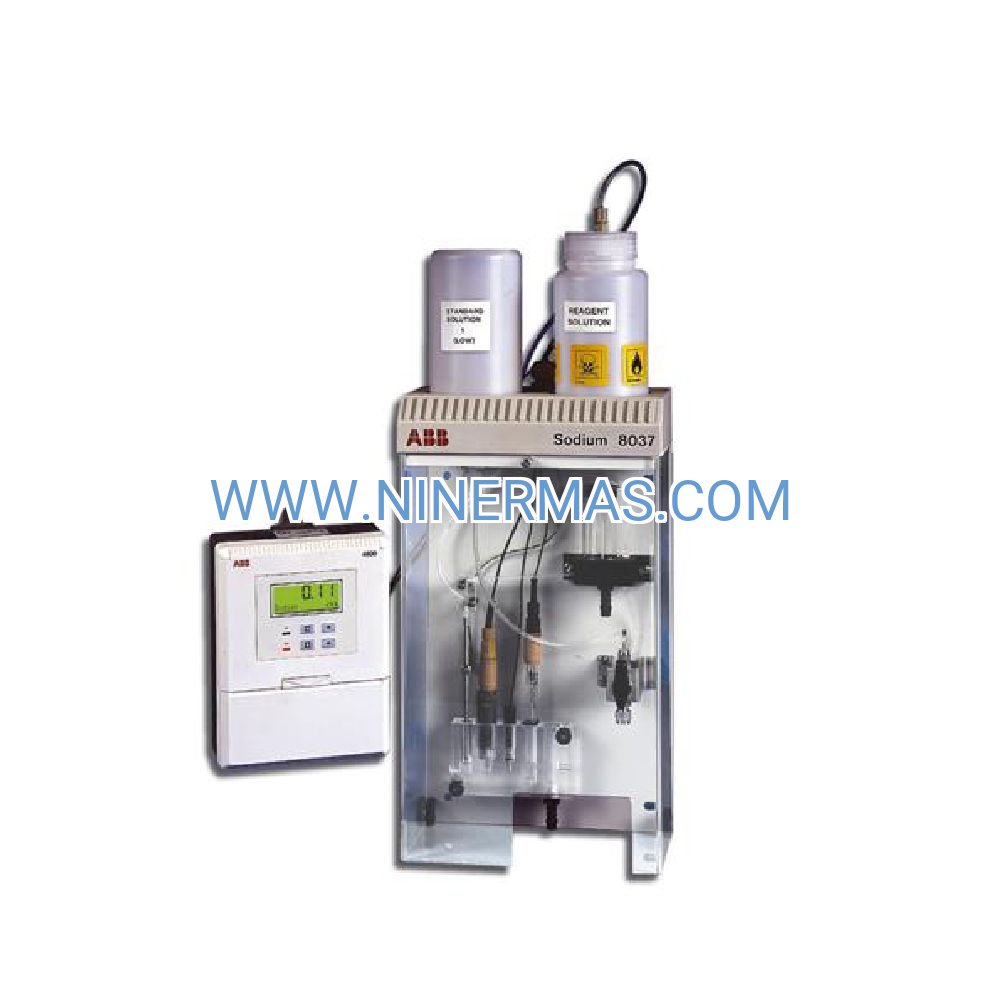
ABB 1048836 Sodium Ion-Selective Electrode (Industrial-Grade Water Quality Sensor)
The ABB 1048836 represents a field-proven sodium measurement solution engineered for continuous water chemistry surveillance in steam generation facilities, industrial cooling circuits, and high-purity water treatment operations. Featuring a serviceable cable interface and glass membrane sensing technology, this electrode delivers reliable sodium ion quantification essential for protecting boiler metallurgy, optimizing demineralizer cycles, and preventing costly thermal equipment failures.
Designed for power generation chemists, water treatment operators, and instrumentation engineers who demand precision sodium monitoring without compromising uptime. The detachable cable architecture enables rapid sensor swaps during scheduled maintenance windows while maintaining continuous analytical coverage across critical process streams.
This electrode integrates seamlessly with ABB 8037 series analyzers to provide real-time sodium concentration data ranging from trace-level boiler feedwater purity verification (sub-ppb detection) to high-concentration cooling water blowdown analysis (up to 23,000 ppm), eliminating the need for multiple sensor inventories across diverse water quality applications.
Core Features & Benefits
→ Serviceable Cable Design: Field-replaceable cable connection reduces sensor changeout time to under 5 minutes without process shutdown or sample line drainage, delivering 80% faster maintenance versus permanently-wired configurations and enabling proactive electrode rotation strategies.
→ Extended Operational Lifespan: Glass membrane construction withstands aggressive water chemistry conditions for 12-18 months in typical power plant environments—double the service life of polymer-based alternatives—reducing annual sensor procurement costs by $1,200-$3,600 per measurement point.
→ Wide Measurement Span: Single electrode platform covers five decades of sodium concentration (0.1 ppb to 23,000 ppm), supporting applications from ultrapure condensate polishing systems to industrial wastewater discharge monitoring without sensor reconfiguration.
→ Integrated Temperature Correction: Built-in RTD sensor enables automatic Nernst slope compensation across 0-80°C sample temperatures, maintaining ±2% measurement accuracy in thermally-variable process streams without manual calibration adjustments.
→ Rapid Response Characteristics: Achieves 90% final reading within 60 seconds of sample composition change, enabling timely detection of condenser tube leaks, demineralizer breakthrough events, and makeup water quality excursions before they impact boiler chemistry limits.
→ Robust Pressure Tolerance: Rated for continuous operation at pressures up to 6 bar (87 psi), accommodating direct installation in pressurized sample systems and eliminating the need for pressure-reducing stations in many applications.
Application Scenarios
Boiler Feedwater Purity Assurance: In combined-cycle power plants and industrial steam facilities, this electrode monitors sodium contamination in high-purity feedwater streams (target: <5 ppb Na+), providing early warning of demineralizer exhaustion, condensate polisher breakthrough, or makeup water treatment failures. Prevents boiler tube corrosion and caustic gouging that can trigger forced outages costing $750,000-$2.5M in lost generation revenue and emergency repairs.
Condensate System Leak Detection: Pharmaceutical manufacturing and food processing operations deploy this sensor to identify cooling water ingress into steam condensate return systems, detecting sodium concentration spikes that indicate heat exchanger tube failures or condenser leaks. Early detection prevents product contamination, maintains steam purity specifications (<0.2 µS/cm conductivity), and avoids batch rejections valued at $50K-$500K.
Cooling Tower Chemistry Optimization: Data centers and HVAC systems utilize sodium measurement to control cooling water cycles of concentration, balancing water conservation against scaling/corrosion risks. Precise sodium tracking enables 20-30% reduction in makeup water consumption and chemical treatment costs while maintaining heat exchanger efficiency above 92%.
Ion Exchange Performance Verification: Semiconductor fabrication facilities and laboratory water systems employ this electrode to validate mixed-bed deionizer regeneration effectiveness, confirming sodium removal to <0.1 ppb levels required for Type I ultrapure water production (18.2 MΩ·cm resistivity). Prevents costly process contamination in photolithography and analytical instrumentation applications.
Wastewater Discharge Compliance: Industrial facilities monitor sodium levels in treated effluent streams to verify regulatory compliance and optimize reverse osmosis system performance, achieving 95%+ sodium rejection rates and meeting discharge permit limits for total dissolved solids (TDS) and specific conductance.
Technical Parameters & Selection Guide
| Parameter | Specification |
|---|---|
| Article Number | 1048836 |
| Sensor Technology | Glass Membrane Ion-Selective Electrode (ISE) |
| Measurement Range | 0.1 ppb to 23,000 ppm Na+ (configurable) |
| Accuracy | ±2% of reading (typical conditions) |
| Response Time | <60 seconds (90% final value) |
| Sample Temperature | 0°C to 80°C (32°F to 176°F) |
| Pressure Rating | 6 bar (87 psi) maximum |
| pH Operating Range | 6-12 (optimal performance) |
| Cable Configuration | Detachable/Field-Replaceable |
| Electrical Connection | BNC or ABB proprietary connector |
| Analyzer Compatibility | ABB 8037 Sodium Analyzer Series |
| Body Material | Epoxy resin with glass sensing element |
| Expected Service Life | 12-18 months (power plant applications) |
| Weight | 0.3 kg (0.66 lbs) |
| Certifications | CE, ISO 9001 manufacturing |
Selection Criteria: Choose this electrode for applications requiring sodium measurement in aqueous solutions with pH 6-12 and temperatures below 80°C. For extreme pH environments (<6 or >12), consult ABB for specialized electrode options. Verify analyzer compatibility before ordering—this electrode requires ABB 8037 series analyzers or equivalent instrumentation with sodium ISE input capability.
Extended Functions
Multi-Point Calibration: Supports 2-5 point calibration protocols using NIST-traceable sodium standard solutions (1 ppm, 10 ppm, 100 ppm, 1000 ppm), enabling accuracy optimization across specific measurement ranges and compensating for matrix effects in complex water chemistries.
Diagnostic Monitoring: When paired with ABB 8037 analyzers, provides electrode impedance tracking and slope degradation alerts, enabling predictive maintenance scheduling and preventing measurement drift before it impacts process control decisions.
Sample Conditioning Integration: Compatible with ABB sample conditioning systems featuring automatic temperature stabilization, pressure regulation, and pH adjustment, ensuring optimal electrode performance in variable process conditions.
Data Connectivity: Analyzer outputs support 4-20mA analog signals, Modbus RTU/TCP, and HART protocols for integration with distributed control systems (DCS), SCADA platforms, and plant historian databases, enabling real-time trending and alarm management.
Delivery & Service Assurance
Lead Time: Standard delivery within 3-5 business days for in-stock items; custom configurations or bulk orders (10+ units) ship within 7-10 business days from order confirmation.
Warranty Coverage: 12-month manufacturer's warranty against defects in materials and workmanship from date of shipment. Warranty excludes normal wear, chemical damage, or improper installation/operation.
Technical Support: Access to ABB-certified application engineers for installation guidance, calibration procedures, and troubleshooting assistance via email (sale@ninermas.com) or phone (+0086 187 5021 5667) during business hours (GMT+8).
Documentation Package: Each electrode ships with installation manual, calibration procedure, compatibility matrix for ABB 8037 analyzers, and certificate of conformity. Calibration certificates available upon request for regulated industries.
Frequently Asked Questions
Q: How often should I calibrate the ABB 1048836 sodium electrode in boiler feedwater applications?
A: For critical boiler feedwater monitoring (<10 ppb Na+), perform 2-point calibration monthly using 1 ppb and 10 ppb standards. Less critical applications (cooling water, wastewater) can extend calibration intervals to quarterly. Always calibrate after electrode replacement or if readings drift >5% from grab sample verification.
Q: Can this electrode measure sodium in high-temperature condensate streams above 80°C?
A: Direct measurement is limited to 80°C maximum sample temperature. For higher-temperature applications, install a sample cooler upstream of the electrode to reduce temperature to 40-60°C range. ABB offers integrated sample conditioning systems with automatic cooling and pressure regulation.
Q: What is the minimum detectable sodium concentration for ultrapure water applications?
A: The electrode reliably measures down to 0.1 ppb (100 ppt) sodium when properly calibrated and installed in a low-contamination sample system. Achieving sub-ppb detection requires careful attention to sample line materials (use PFA/PTFE tubing), minimizing dead volumes, and maintaining stable sample flow rates of 100-200 mL/min.
Q: How do I replace the electrode without interrupting continuous monitoring?
A: The detachable cable design enables hot-swapping: (1) Prepare replacement electrode with fresh electrolyte, (2) Disconnect cable from existing electrode while analyzer remains powered, (3) Connect cable to new electrode within 30 seconds, (4) Verify reading stabilization within 2-3 minutes. Total interruption <5 minutes versus 30-60 minutes for fixed-cable designs.
Q: Does this electrode require special storage conditions when not in use?
A: Store electrode in provided protective cap filled with 3M KCl storage solution. Never allow the glass membrane to dry out—this causes irreversible damage. For long-term storage (>30 days), refrigerate at 4°C and replace storage solution monthly. Before use, soak in deionized water for 30 minutes to remove storage solution.
Q: What interfering ions affect sodium measurement accuracy in power plant water?
A: The sodium ISE exhibits high selectivity (1000:1) over most common ions. Primary interferences are potassium (K+) and lithium (Li+), which can cause positive bias if present at concentrations >10× sodium level. In typical boiler water chemistry, interference is negligible. For applications with high K+ or Li+ levels, consult ABB for interference correction factors.
Request Technical Consultation
Optimize your water quality monitoring strategy with expert guidance. Our application engineers can help you:
- Select appropriate measurement ranges and calibration protocols for your specific water chemistry
- Design sample conditioning systems for challenging process conditions
- Integrate sodium monitoring with existing DCS/SCADA infrastructure
- Develop preventive maintenance schedules to maximize electrode lifespan
- Troubleshoot measurement issues and optimize analytical performance
Contact our team today to discuss your sodium monitoring requirements and receive a customized solution proposal.
© 2026 NINERMAS COMPANY LIMITED. All rights reserved.
Original Source: https://ninermas.com
Contact: sale@ninermas.com | +0086 187 5021 5667
Related products

Contact Info
-
Address:22 / F, South Wo Hang building, 148 Wing Lok Street, Sheung Wan, Western District, Hong Kong
-
Phone:+8618750215667
-
Email: