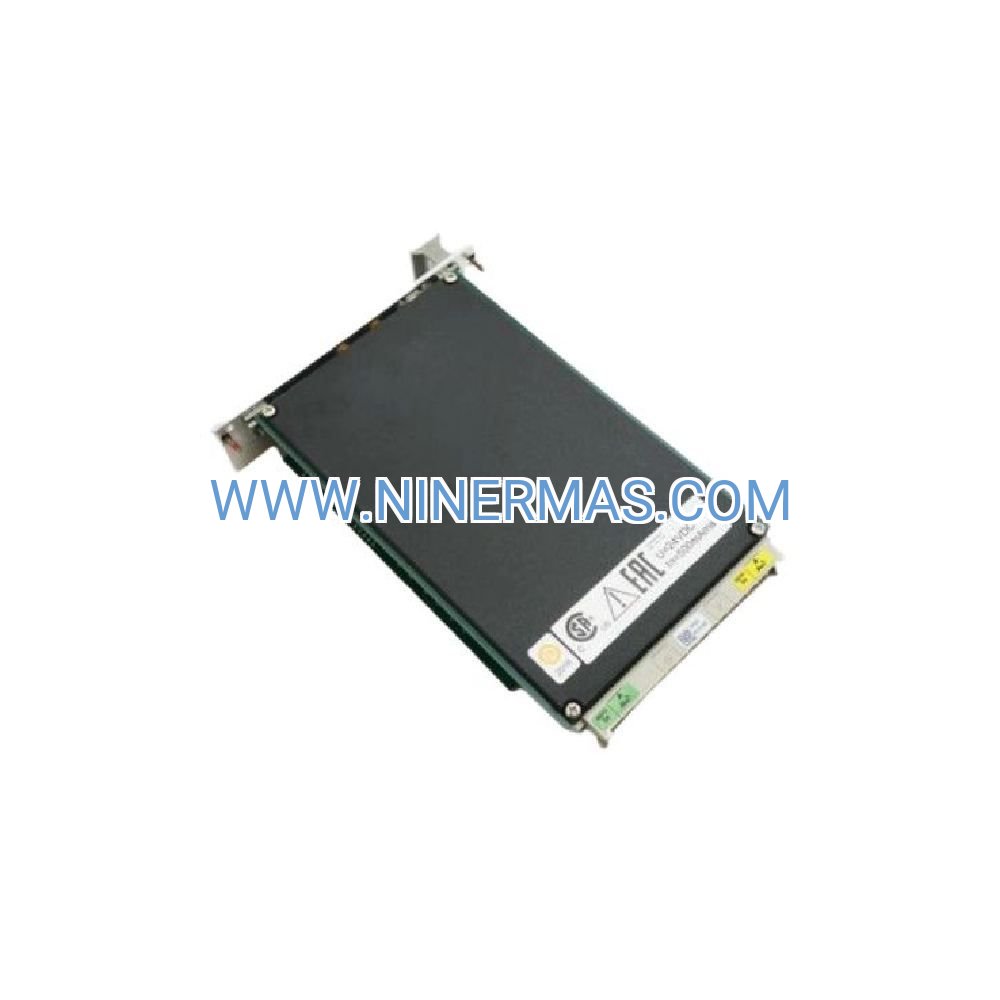
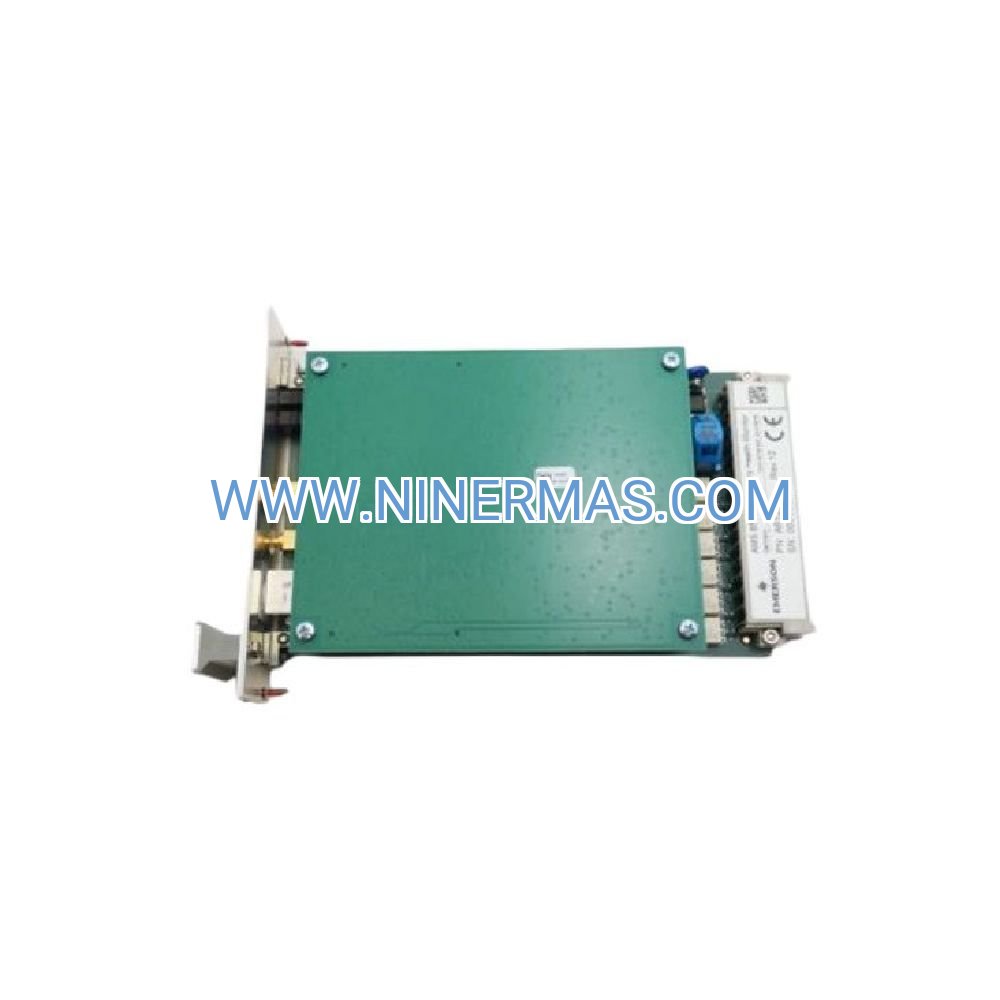
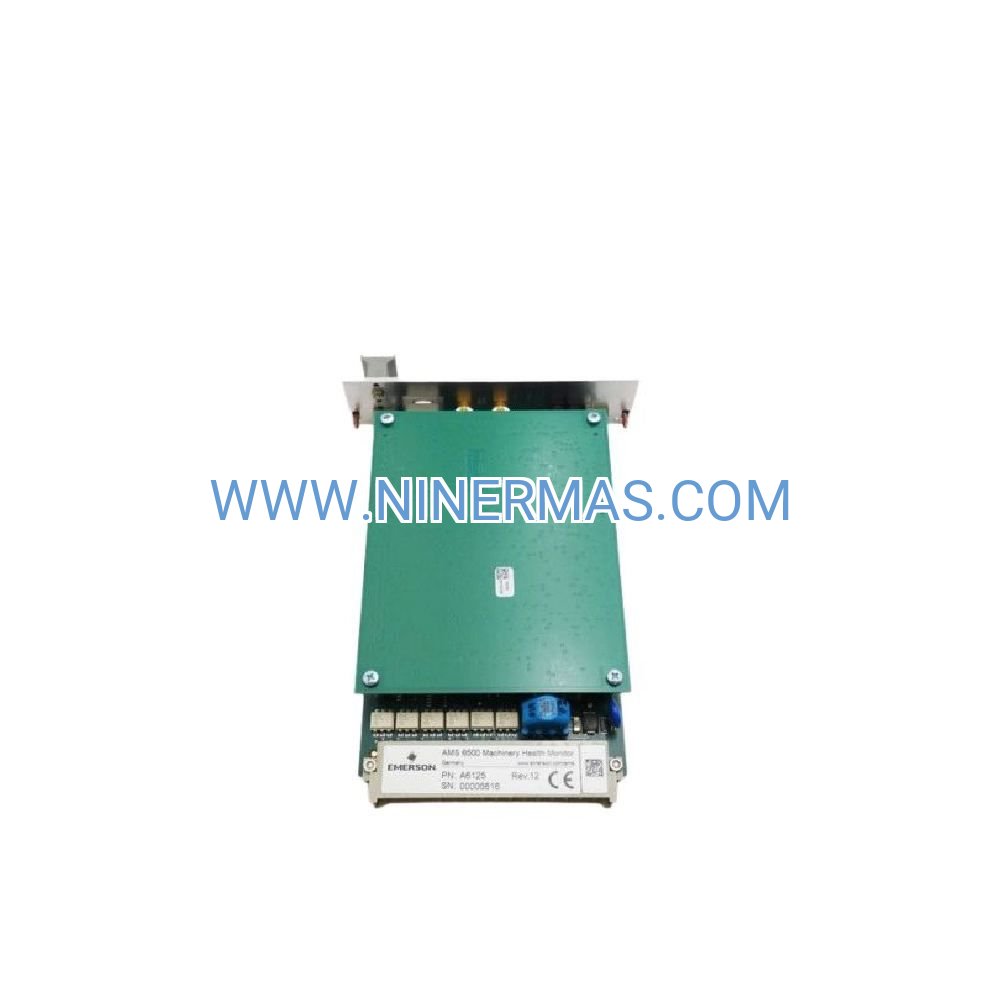
Description
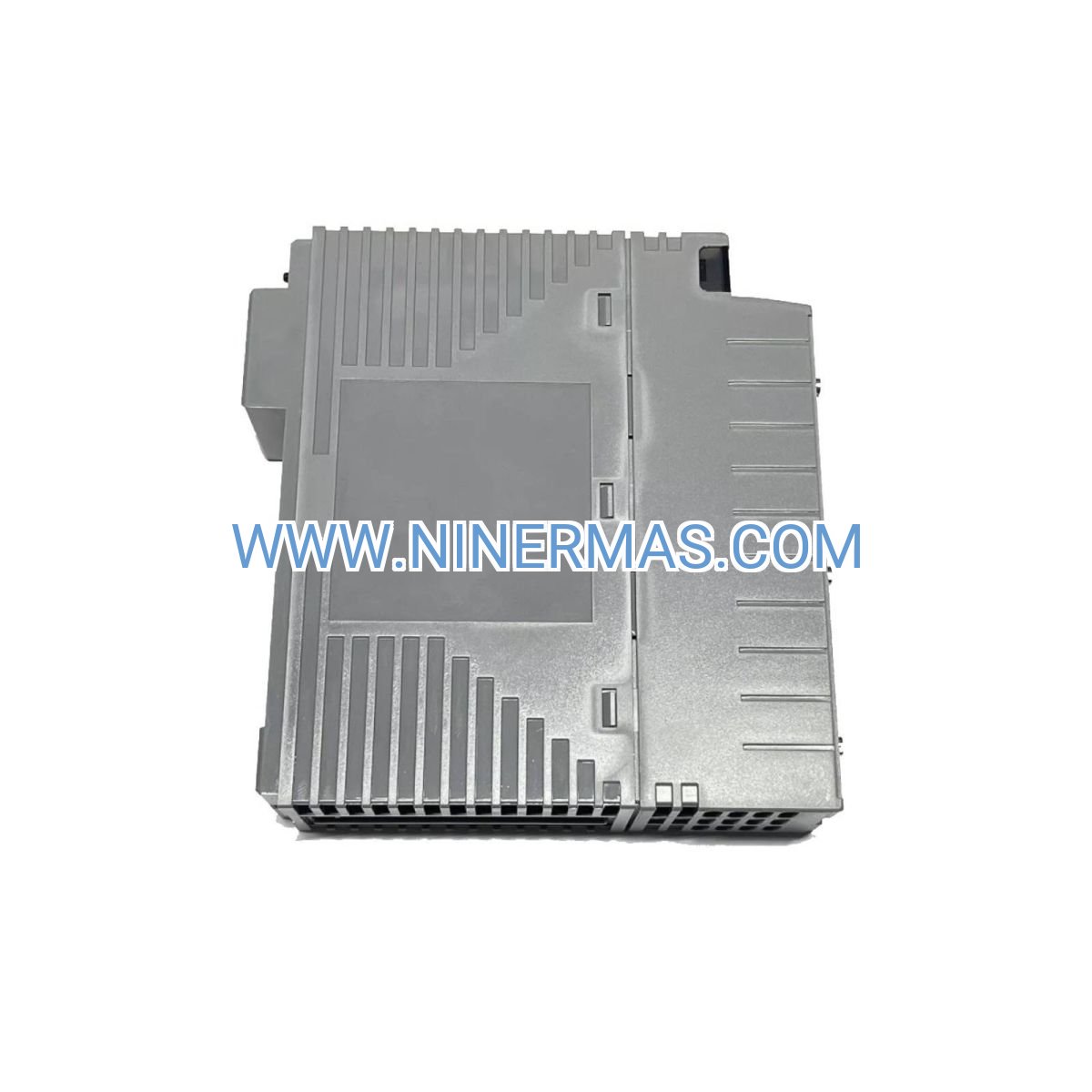
A6125 Industrial Vibration Monitor (Dual-Channel Piezoelectric System)
The Emerson A6125 represents a proven solution for continuous machinery health surveillance in demanding industrial environments. This dual-input monitoring platform processes vibration signals from piezoelectric accelerometers and velometers, delivering configurable alert logic that protects high-value rotating assets from catastrophic failure. With field-selectable frequency bands spanning 2 Hz to 8000 Hz and independent RMS/peak measurement modes, the A6125 adapts to diverse machinery profiles—from slow-speed conveyors to high-speed turbomachinery.
Designed for integration into legacy AMS 6500 protection systems and modern DCS architectures, this compact EURO card module combines robust environmental specifications with flexible configuration options. Password-protected setpoints, galvanically isolated sensor power, and built-in fault detection ensure reliable operation in electrically noisy plant environments where machinery uptime directly impacts production throughput.
Industrial facilities deploying the A6125 gain early warning of bearing degradation, shaft misalignment, and rotor imbalance—enabling maintenance teams to schedule interventions during planned outages rather than responding to emergency shutdowns. The system's dual alert/danger threshold architecture supports both operator notification and automated equipment protection strategies.
Core Capabilities & Technical Advantages
→ Dual Independent Monitoring Channels
Two galvanically isolated differential inputs allow simultaneous monitoring of radial and axial vibration planes or redundant measurement of critical bearing positions. Each channel operates independently with dedicated alert logic and configurable sensitivity ranges.
→ Wide-Range Sensor Compatibility
Accepts piezoelectric accelerometers and velometers with >100 kΩ input impedance. Standard 6125/00 variant handles 311-9500 mV p-p signals; high-sensitivity 6125/10 version processes 16-450 mV p-p for extreme-temperature transducers operating up to 65°C.
→ Application-Optimized Frequency Bands
Field-selectable filters isolate fault-specific vibration signatures: 2-250 Hz for low-speed gearboxes, 10-2000 Hz for general industrial machinery, 30-8000 Hz for high-speed compressors and turbines. Eliminates irrelevant noise while capturing critical diagnostic frequencies.
→ Configurable Measurement Modes
Switch between RMS (effective vibration energy) and zero-to-peak (maximum displacement) measurement to match industry standards—ISO 10816 for RMS velocity or API 670 for peak displacement monitoring.
→ Dual-Threshold Protection Logic
Independent Alert and Danger setpoints trigger graduated responses: operator notification at Alert level, automated shutdown at Danger threshold. Prevents nuisance trips while ensuring equipment protection when vibration exceeds safe operating limits.
✓ Buffered Sensor Power Supply
Constant-current 2-8 mA excitation at 30 VDC with galvanic isolation eliminates ground loops and electrical interference. Supports long cable runs up to 300 meters without signal degradation.
Industrial Application Scenarios
Petrochemical Rotating Equipment
Continuous monitoring of centrifugal pumps, compressors, and turbines in refinery service. The A6125's dual-channel architecture monitors both drive-end and non-drive-end bearings simultaneously, detecting early-stage bearing wear before oil contamination or temperature rise becomes evident. Automated shutdown protection prevents secondary damage to seals, impellers, and coupling components when vibration exceeds API 670 limits.
Power Generation Turbomachinery
High-frequency monitoring (30-8000 Hz range) captures blade-pass frequencies and rotor imbalance in steam turbines and gas turbines. Integration with plant DCS enables automated load reduction when vibration trends upward, preventing forced outages during peak demand periods. Historical trending supports root-cause analysis of balance deterioration and alignment drift.
Pulp & Paper Process Equipment
Low-frequency monitoring (2-250 Hz) detects misalignment and looseness in large slow-speed machinery—digesters, refiners, and dryer sections. The A6125's robust EMC compliance (EN50082-2) ensures reliable operation in electrically noisy environments with variable-frequency drives and high-power motor controllers.
Mining Conveyor Systems
Vibration surveillance of critical conveyor drive units, crushers, and material handling equipment. Dual alert levels allow maintenance planning: Alert threshold triggers work order generation for next scheduled outage; Danger threshold initiates immediate shutdown to prevent catastrophic gearbox or bearing failure that could halt production for days.
Chemical Manufacturing Agitators
Monitoring of reactor agitators and mixers where process conditions prevent visual inspection. The A6125's sensor fault detection (open/short circuit monitoring) provides continuous verification of transducer integrity, ensuring protection system reliability in safety-critical applications.
Technical Specifications & Selection Guide
| Parameter | Specification | Selection Criteria |
|---|---|---|
| Input Channels | 2 independent differential inputs | Select for multi-point or redundant monitoring |
| Sensor Type | Piezoelectric accelerometer/velometer | Input impedance >100 kΩ required |
| Signal Range (6125/00) | 311 - 9500 mV peak-to-peak | Standard industrial accelerometers |
| Signal Range (6125/10) | 16 - 450 mV peak-to-peak | High-temperature or low-sensitivity sensors |
| Frequency Range (Accel) | 6-1000 Hz / 10-2000 Hz / 30-8000 Hz | Match to machinery speed and fault frequencies |
| Frequency Range (Velo) | 2-250 Hz / 6-1500 Hz / 10-2000 Hz | Low-speed applications require 2-250 Hz band |
| Measurement Mode | RMS or Zero-to-Peak | RMS for ISO 10816, Peak for API 670 |
| Sensor Power | 2-8 mA @ 30 VDC, isolated | Constant-current excitation for IEPE sensors |
| Operating Temp | 0° to 65°C (32° to 149°F) | Standard industrial environment rating |
| Dimensions | 100 x 160 mm EURO card (6 TE) | 14 modules per standard 19" rack |
| Power Consumption | 6 W max (250 mA @ 24 VDC) | Low power for multi-module installations |
| EMC Compliance | EN50081-1 / EN50082-2 | Industrial electromagnetic environment |
Selection Guidance: Choose the 6125/00 variant for standard industrial accelerometers with 100 mV/g sensitivity. Specify the 6125/10 high-sensitivity version when using low-output sensors (<10 mV/g) or high-temperature transducers in extreme environments. For machinery operating below 600 RPM, select velometer mode with 2-250 Hz frequency band to capture low-frequency imbalance and misalignment signatures.
Advanced Configuration & Integration Options
Password-Protected Configuration
Secure setpoint adjustment prevents unauthorized changes to alert/danger thresholds and frequency band selection. Configuration access requires 4-digit password entry, ensuring protection system integrity in multi-user environments.
AMS 6500 System Integration
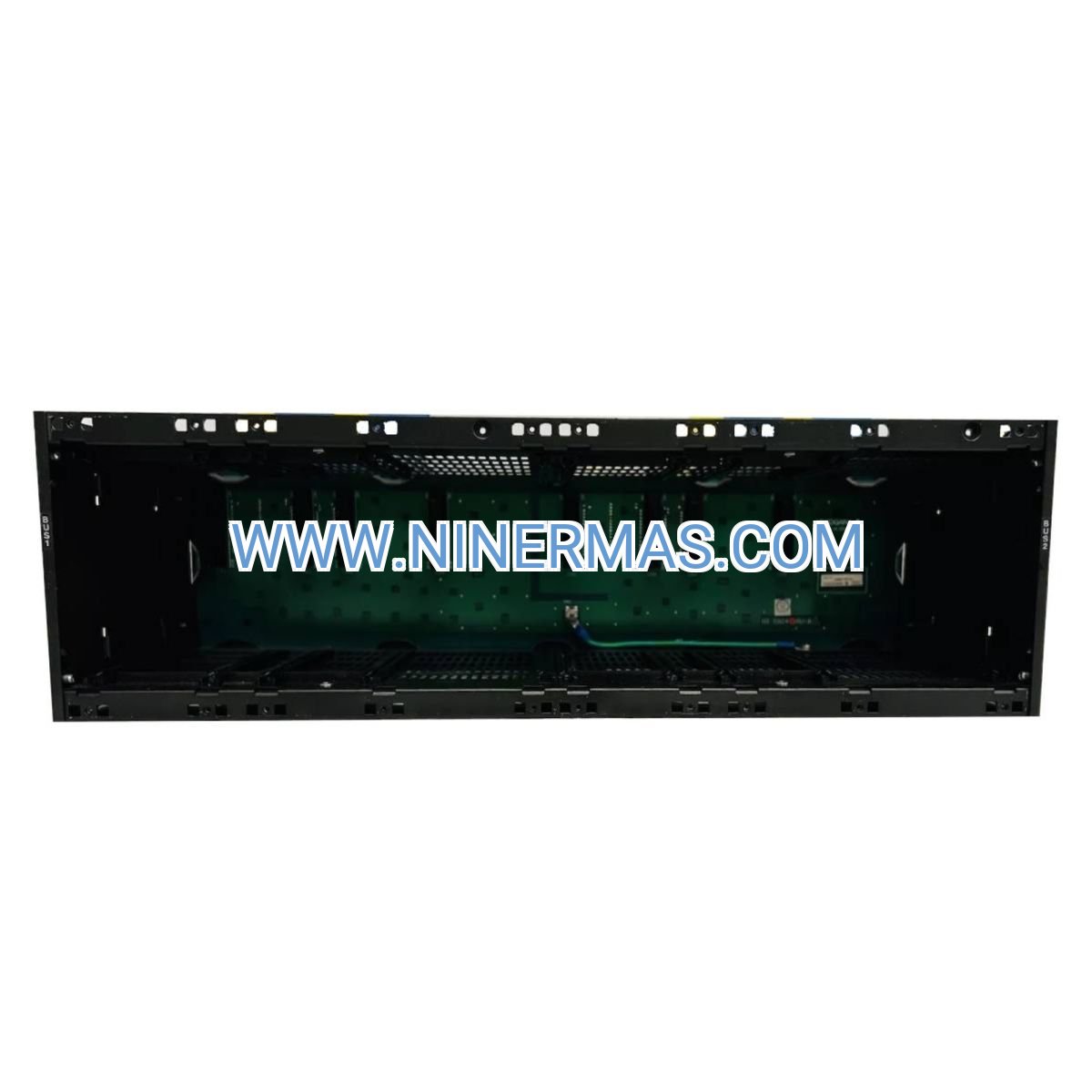
Direct compatibility with Emerson AMS 6500 Classic machinery protection systems. Rack-mount installation supports up to 14 modules in standard 19" enclosures with shared power supply and backplane communication.
DCS Interface Capability
Analog output signals (4-20 mA or 0-10 VDC) interface with distributed control systems for centralized monitoring and automated shutdown logic. Relay outputs provide hardwired trip signals for safety-instrumented systems (SIS).
Sensor Health Monitoring
Continuous open-circuit and short-circuit detection verifies transducer integrity. Fault conditions trigger dedicated alarm outputs, alerting operators to sensor failures that could compromise equipment protection.
Trend Data Logging
When integrated with AMS Suite software, the A6125 supports historical vibration trending and spectral analysis. Maintenance teams can track degradation rates, establish baseline signatures, and predict remaining bearing life based on vibration growth patterns.
Delivery, Warranty & Technical Support
Lead Time: Stock units ship within 3-5 business days. Custom configurations (special frequency bands or modified I/O) require 2-3 weeks for factory programming and testing.
Warranty Coverage: 12-month manufacturer warranty covers defects in materials and workmanship. Extended warranty options available for critical spares inventory programs.
Technical Documentation: Each A6125 module ships with installation manual, configuration guide, and dimensional drawings. Wiring diagrams and sensor compatibility charts provided in PDF format.
Application Engineering: Pre-sales support includes sensor selection assistance, frequency band recommendations, and integration planning for AMS 6500 or DCS architectures. Post-sales commissioning support available via phone and email.
Calibration Services: Factory-traceable calibration certificates available upon request. Field calibration verification procedures documented in user manual for periodic accuracy checks.
Frequently Asked Questions
Q: What sensor cable length can the A6125 support without signal loss?
A: The buffered constant-current sensor supply supports cable runs up to 300 meters (1000 feet) with standard low-capacitance coaxial cable. For longer distances, use low-noise cable with <100 pF/m capacitance to maintain signal integrity.
Q: Can I monitor both radial and axial vibration on a single bearing?
A: Yes, the dual independent channels allow simultaneous monitoring of perpendicular measurement planes. Install one accelerometer in the radial direction and one in the axial direction, then configure each channel with appropriate frequency bands and alert thresholds.
Q: How do I select between RMS and peak measurement modes?
A: Use RMS mode for compliance with ISO 10816 velocity standards (typical for general industrial machinery). Select zero-to-peak mode for API 670 displacement monitoring (required for turbomachinery in oil & gas applications). RMS provides better averaging for trending; peak captures maximum excursions.
Q: What's the difference between Alert and Danger threshold settings?
A: Alert threshold triggers operator notification (alarm annunciation) when vibration exceeds normal operating levels, indicating maintenance should be scheduled. Danger threshold initiates automated equipment shutdown when vibration reaches levels that could cause immediate damage. Typical spacing: Alert at 70-80% of Danger setpoint.
Q: Is the A6125 compatible with non-Emerson accelerometers?
A: Yes, any piezoelectric accelerometer or velometer with IEPE (constant-current) output and >100 kΩ input impedance will work. Common compatible brands include Wilcoxon, PCB Piezotronics, Brüel & Kjær, and Kistler. Verify sensor sensitivity falls within the 6125/00 (311-9500 mV p-p) or 6125/10 (16-450 mV p-p) input range.
Q: Can I retrofit the A6125 into existing AMS 6500 racks?
A: Absolutely. The A6125 uses standard EURO card format (100 x 160 mm, 6 TE width) and is fully compatible with AMS 6500 Classic rack enclosures, power supplies, and backplane communication. Simply slide the module into an available slot and configure via front-panel controls or AMS software.
Ready to Protect Your Critical Machinery?
Contact our application engineers to discuss your vibration monitoring requirements. We'll help you select the optimal A6125 configuration, recommend compatible sensors, and provide integration guidance for your specific machinery and control system architecture.
Request a technical consultation: Share your machinery specifications (equipment type, operating speed, existing instrumentation) and we'll provide a customized monitoring solution with sensor recommendations, frequency band selection, and alert threshold guidelines.
© 2026 NINERMAS COMPANY LIMITED. All rights reserved.
Original Source: https://ninermas.com
Contact: sale@ninermas.com | +0086 187 5021 5667
PDF Specification
Download PDF file here:
Click to Download PDFRelated products

Contact Info
-
Address:22 / F, South Wo Hang building, 148 Wing Lok Street, Sheung Wan, Western District, Hong Kong
-
Phone:+8618750215667
-
Email: