


Description
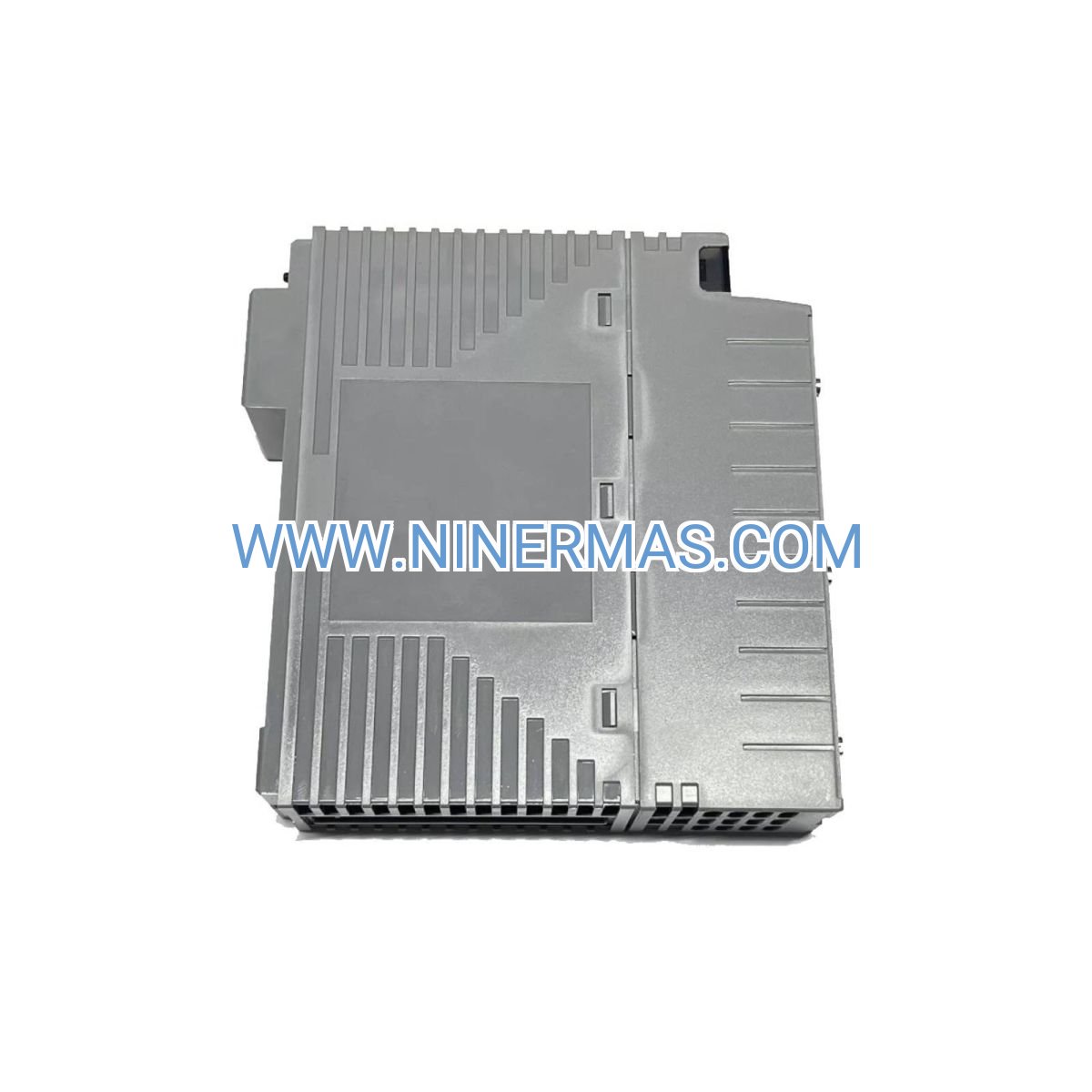
GE 239-RTD-AN RTD Motor Protection Relay (Industrial-Grade Thermal Monitoring System)
The GE 239-RTD-AN represents a professional-grade motor protection solution engineered for continuous thermal surveillance in mission-critical industrial applications. Featuring 12 independent RTD sensor inputs, this relay module delivers precision temperature monitoring across motor windings, bearing assemblies, and enclosure environments—preventing costly thermal failures before they occur.
Designed for facilities requiring uninterrupted motor operation, the 239-RTD-AN addresses the challenge of thermal degradation in high-duty-cycle equipment. Industrial maintenance teams rely on this relay to detect abnormal temperature rises caused by bearing wear, insulation breakdown, cooling system failures, or overload conditions—issues that account for over 55% of motor failures in manufacturing environments.
Target users include plant engineers managing critical process motors, facility managers overseeing HVAC infrastructure, and automation specialists designing fail-safe control systems. With ±0.5°C accuracy and sub-2-second response times, the relay provides the thermal intelligence needed to implement predictive maintenance strategies and avoid unplanned downtime.
Core Capabilities & Business Value
→ 12-Channel RTD Monitoring Architecture
Simultaneously tracks temperatures from a dozen independent sensors across motor components. Business impact: Comprehensive thermal mapping identifies localized hotspots 40-60% faster than single-point monitoring, enabling targeted maintenance interventions.
✓ Multi-Standard RTD Compatibility
Supports Pt100, Pt1000, Cu10, Ni100, and Ni120 sensor types with per-channel configuration. Business impact: Eliminates sensor standardization costs—integrate with existing temperature monitoring infrastructure without wholesale replacement.
→ Programmable Alarm Hierarchy
Independent warning and trip thresholds for each RTD input with Class 10/20/30 thermal curves. Business impact: Staged alarm protocols allow operators to address developing issues before automatic shutdowns impact production schedules.
✓ Modbus RTU Integration
RS-485 communication interface streams real-time temperature data to SCADA platforms and building management systems. Business impact: Centralized monitoring reduces site visits by 35-50% while enabling remote diagnostics and trend analysis.
→ Intelligent Sensor Diagnostics
Automatic detection of open circuits, short circuits, and out-of-range resistance values. Business impact: Distinguishes between actual thermal events and sensor failures, reducing false trips and unnecessary emergency responses.
✓ Onboard Data Logging
Internal memory captures temperature trends and alarm events for post-incident analysis. Business impact: Historical data supports root cause investigations and validates warranty claims with documented thermal profiles.
Industrial Application Scenarios
Continuous Process Manufacturing
Scenario: Paper mills, chemical plants, and food processing facilities operating 24/7 production lines with large induction motors (200-2000 HP).
Pain point addressed: Unplanned motor failures halt entire production lines, costing $50,000-$500,000 per incident in lost output and emergency repairs.
Value delivered: Early thermal warnings enable scheduled maintenance during planned downtime windows, reducing emergency shutdowns by 60-75%.
Critical Infrastructure HVAC
Scenario: Data centers, hospitals, and pharmaceutical facilities where environmental control is non-negotiable.
Pain point addressed: Chiller motor failures compromise temperature-sensitive operations and violate regulatory compliance requirements.
Value delivered: Redundant thermal monitoring with automatic failover to backup systems maintains environmental stability and meets FDA/ISO validation standards.
Water & Wastewater Treatment
Scenario: Municipal pumping stations and treatment plants with submersible motors and high-duty-cycle pump drives.
Pain point addressed: Bearing failures in submerged motors require costly crane operations and extended service interruptions.
Value delivered: Bearing temperature monitoring detects lubrication degradation 2-4 weeks before catastrophic failure, enabling proactive seal and bearing replacement.
Mining & Material Handling
Scenario: Conveyor systems, crushers, and grinding mills in quarries, mines, and bulk material terminals.
Pain point addressed: Dusty, high-vibration environments accelerate bearing wear and insulation breakdown in conveyor drive motors.
Value delivered: Multi-point thermal surveillance across drive and tail pulleys identifies developing issues despite harsh operating conditions, extending motor service life by 25-40%.
Technical Parameters & Selection Guide
| Specification Category | Parameter | Value |
|---|---|---|
| Electrical Ratings | Voltage Rating | 250VAC |
| Current Rating | 10A | |
| Alarm Relay Outputs | 4 × SPDT (configurable) | |
| RTD Input Specifications | Number of Channels | 12 independent inputs |
| Supported Sensor Types | Pt100, Pt1000, Cu10, Ni100, Ni120 | |
| Temperature Range | -50°C to +250°C | |
| Measurement Accuracy | ±0.5°C across full range | |
| Response Time | ≤2 seconds (typical) | |
| Communication | Protocol | Modbus RTU |
| Physical Interface | RS-485 (2-wire) | |
| Baud Rate | 9600-115200 bps (selectable) | |
| Environmental | Operating Temperature | -10°C to +55°C |
| Storage Temperature | -40°C to +85°C | |
| Humidity | 5-95% RH (non-condensing) | |
| Enclosure Rating | IP20 (front panel) | |
| Physical | Dimensions (H×W×D) | 144 × 144 × 85 mm |
| Mounting | DIN rail / panel mount | |
| Weight | 1.5 kg | |
| Compliance | Safety Certifications | UL, CE, CSA |
| Standards | IEC 60947-4-1 (thermal trip classes) |
Selection Criteria:
Choose the 239-RTD-AN when your application requires: (1) monitoring more than 6 temperature points per motor, (2) integration with existing Pt100/Pt1000 sensor infrastructure, (3) Modbus connectivity for SCADA/BMS integration, or (4) compliance with IEC thermal protection standards. For motors under 50 HP with basic thermal protection needs, consider simpler bimetallic overload relays. For motors above 500 HP or applications requiring comprehensive electrical + thermal + mechanical protection, evaluate integrated motor management relays like the GE 869 or SR469 series.
RTD sensor cable runs should not exceed 300 meters for 3-wire configurations. Use shielded twisted-pair cable (minimum 18 AWG) in electrically noisy environments. For installations in hazardous areas (Class I Div 2), verify sensor and cable certifications meet local electrical codes.
Extended Functionality & Integration
IoT & Cloud Connectivity: While the 239-RTD-AN features native Modbus RTU, integration with modern IIoT platforms is achieved through protocol gateways. Deploy Modbus-to-MQTT converters or edge computing devices to stream temperature data to cloud analytics platforms for machine learning-based predictive maintenance algorithms.
Advanced Alarm Logic: Beyond simple threshold monitoring, the relay supports rate-of-rise detection—triggering alarms when temperature increases exceed configurable degrees-per-minute limits. This feature identifies sudden thermal events (bearing seizures, coolant loss) that may not immediately exceed absolute temperature limits.
Customization Options: Factory configuration services are available for high-volume installations requiring pre-programmed alarm setpoints, Modbus addresses, and communication parameters. Custom front panel labeling and extended temperature range calibrations can be specified for specialized applications.
Delivery Timeline & Service Commitments
Standard Delivery: In-stock units ship within 2-3 business days via express courier. Typical transit times: 5-7 days to North America/Europe, 7-10 days to Asia-Pacific, 10-14 days to other regions. Expedited shipping available upon request.
Custom Configuration: Factory-programmed units with customer-specific settings require 10-15 business days for configuration, testing, and quality verification before shipment.
Warranty Coverage: Comprehensive 12-month manufacturer warranty covers defects in materials and workmanship. Warranty includes replacement unit shipment and return freight for defective products.
Technical Support: Lifetime application engineering support via email and phone. Configuration assistance, troubleshooting guidance, and integration consulting available at no additional charge.
Documentation Package: Each relay ships with installation manual, quick-start guide, Modbus register map, and wiring diagrams. CAD drawings (DXF/DWG) and 3D STEP models available for download to support panel design workflows.
Frequently Asked Questions
What cable specifications are required for RTD sensor connections in industrial environments?
Use shielded twisted-pair cable rated for your installation environment—minimum 18 AWG for runs under 100 meters, 16 AWG for 100-300 meter runs. Shield should be grounded at the relay end only to prevent ground loops. In high-EMI environments (near VFDs or welding equipment), use double-shielded cable with 90%+ coverage. For hazardous locations, verify cable jacket ratings meet NEC Article 501 requirements.
Can the relay monitor motors with mixed RTD sensor types simultaneously?
Yes—each of the 12 input channels has independent sensor type configuration. You can connect Pt100 sensors on channels 1-6 for stator windings, Ni120 sensors on channels 7-10 for bearings, and Cu10 sensors on channels 11-12 for ambient monitoring, all within the same relay. Configure sensor types via front panel menu or Modbus commands.
How does the system differentiate between legitimate overtemperature conditions and sensor failures?
The relay continuously monitors RTD resistance values. Open circuits (infinite resistance), short circuits (near-zero resistance), and out-of-range values trigger distinct "Sensor Fault" alarms separate from "High Temperature" alarms. Sensor fault conditions do not initiate motor trip sequences unless configured to do so, preventing nuisance shutdowns from wiring issues.
What is the maximum Modbus network distance and node count?
RS-485 networks support up to 32 devices (without repeaters) over distances up to 1200 meters at 9600 baud. For longer distances or higher node counts, use RS-485 repeaters every 1200 meters or upgrade to fiber-optic Modbus converters. Each 239-RTD-AN occupies one Modbus address (1-247 configurable).
Are replacement relay outputs available if contact life is exceeded?
Alarm relay outputs are rated for 100,000 mechanical operations at resistive loads. For applications with frequent alarm cycling, consider interfacing to solid-state relay modules or PLC digital inputs to extend service life. GE does not offer field-replaceable relay modules—units requiring contact replacement should be returned for factory service.
Can the relay control auxiliary cooling systems based on temperature thresholds?
Absolutely. Program any of the four relay outputs to energize when specific RTD channels exceed configurable setpoints. Common applications include activating supplemental cooling fans at 80°C, opening ventilation dampers at 90°C, or triggering alarm annunciators at 100°C. Each output supports independent logic (normally open/closed, latching/non-latching).
Ready to Protect Your Critical Motors?
Implement industrial-grade thermal monitoring with the GE 239-RTD-AN relay. Our application engineers are available to discuss your specific motor protection requirements, recommend optimal sensor placement strategies, and provide integration guidance for your control architecture.
Contact our technical sales team today: Complete the inquiry form below or reach out directly via email/phone for same-day application support. Volume pricing and custom configuration services available for multi-unit installations.
© 2026 NINERMAS COMPANY LIMITED. All rights reserved.
Original Source: https://ninermas.com
Contact: sale@ninermas.com | +0086 187 5021 5667
Related products


Contact Info
-
Address:22 / F, South Wo Hang building, 148 Wing Lok Street, Sheung Wan, Western District, Hong Kong
-
Phone:+8618750215667
-
Email:
