


Description
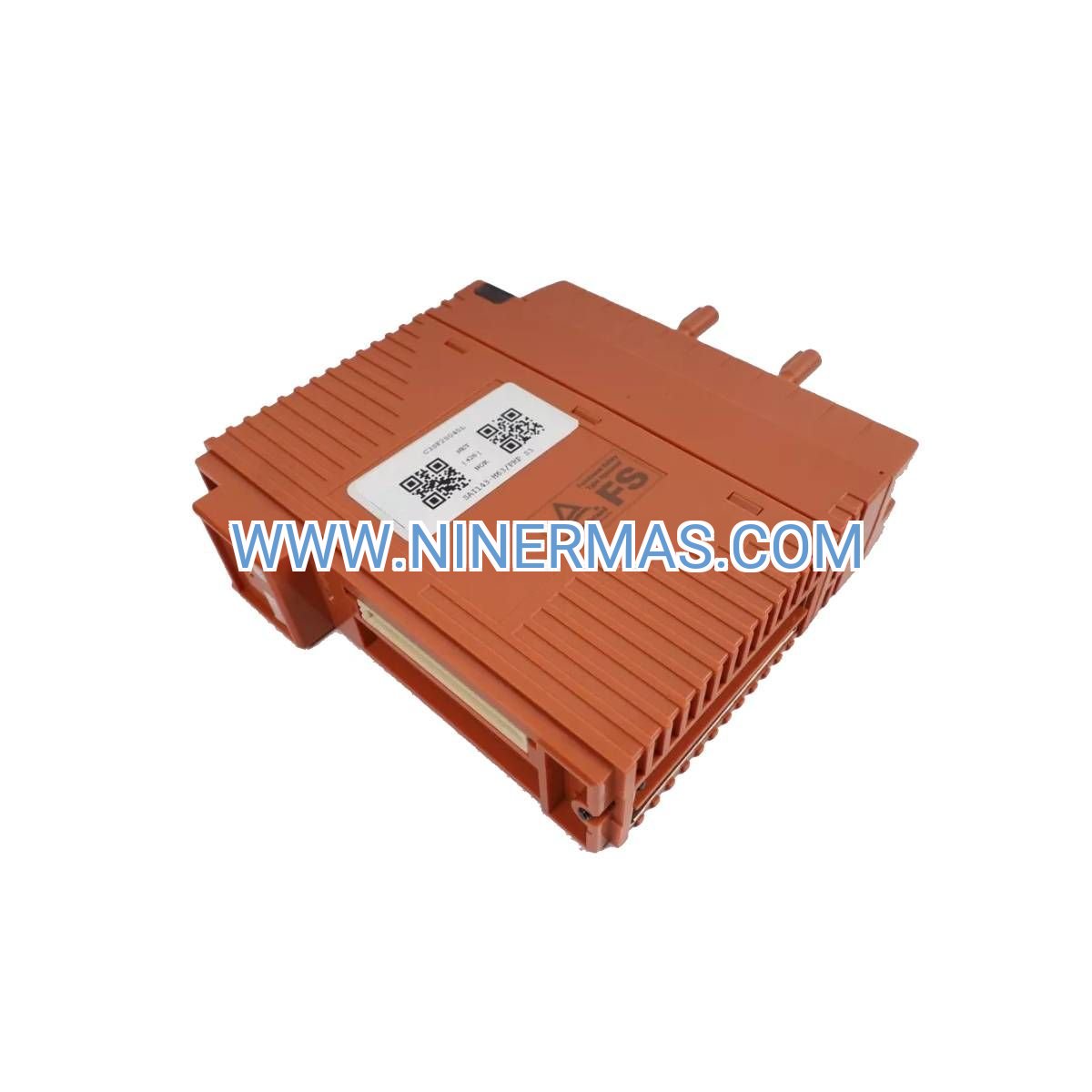
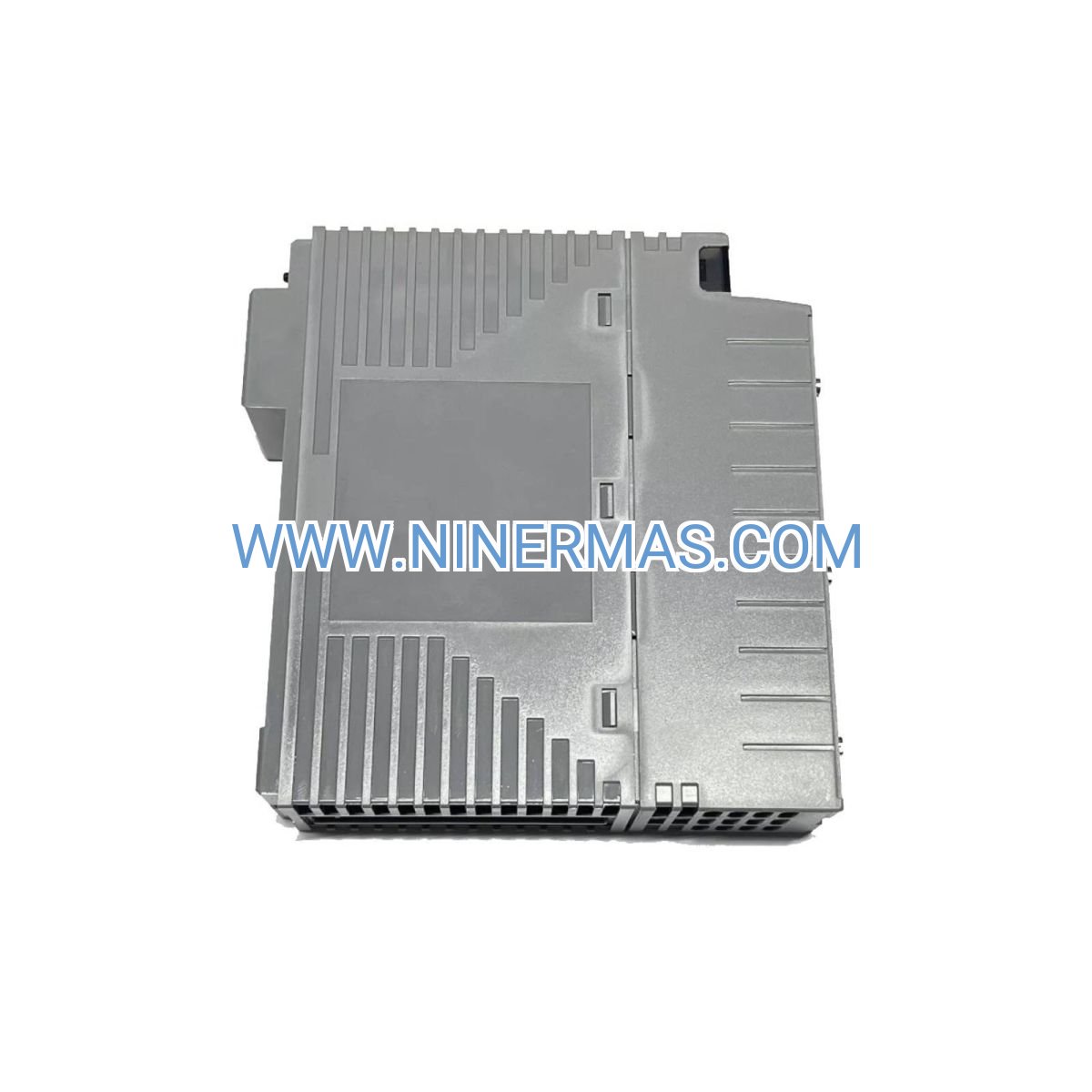
ABB DSBC 173A Bus Extender (Industrial-Grade S100 I/O Extension Module)
The ABB DSBC 173A (Part No. 3BSE005883R1) represents a mission-critical communication infrastructure component designed for extending S100 I/O bus networks within ABB Advant OCS and 800xA distributed control environments. Engineered to overcome distance limitations inherent in standard bus topologies, this module enables reliable signal regeneration across geographically separated control cabinets while preserving deterministic communication timing and data integrity in demanding industrial applications.
Targeted at process automation engineers, system integrators, and plant maintenance teams managing large-scale DCS installations, the DSBC 173A solves the fundamental challenge of I/O expansion in multi-cabinet architectures. Whether retrofitting legacy systems or designing greenfield facilities, this bus extender delivers the electrical isolation and signal conditioning required for robust inter-cabinet communication in electrically noisy industrial environments.
Key differentiators include plug-and-play integration with existing ABB control platforms, hot-swappable operation for zero-downtime maintenance, and comprehensive diagnostic capabilities through front-panel LED indicators. The module's galvanic isolation protects sensitive electronics from ground potential differences and electromagnetic interference commonly encountered in distributed installations spanning multiple electrical zones.
Core Features & Technical Advantages
✓ Signal Regeneration Technology: Actively reconstructs S100 bus signals to extend communication distances beyond standard specifications, enabling cabinet separations up to 100 meters while maintaining sub-millisecond response times critical for real-time control applications.
✓ Galvanic Isolation Protection: Integrated optical isolation barriers eliminate ground loop currents and voltage differentials between bus segments, reducing noise-induced communication errors by 95% compared to non-isolated architectures in multi-building installations.
✓ Hot-Swap Capability: Field-replaceable design with automatic bus re-initialization allows module replacement during live operation, reducing planned maintenance windows from hours to minutes and improving overall system availability to 99.9%+.
→ Diagnostic LED Array: Real-time status indicators for power, bus activity, and fault conditions accelerate troubleshooting by 60%, enabling technicians to identify communication failures without specialized test equipment or system downtime.
→ DIN-Rail Mounting: Standard 35mm DIN-rail compatibility simplifies installation in existing control cabinets, reducing mechanical integration time by 40% compared to custom-mount alternatives while ensuring vibration resistance per IEC 60068-2-6.
→ Wide Operating Range: Functional across 0°C to +55°C ambient temperatures with 5-95% relative humidity tolerance, supporting deployment in non-climate-controlled industrial environments including outdoor enclosures and high-humidity process areas.
Industrial Application Scenarios
Chemical Processing Plants: In multi-reactor facilities where control cabinets must be distributed across hazardous area boundaries, the DSBC 173A extends I/O networks between safe-area control rooms and field junction boxes located in Zone 2 classified spaces. This architecture reduces intrinsically-safe barrier costs by consolidating I/O in non-hazardous locations while maintaining real-time control of remote field devices through extended bus segments.
Power Generation Facilities: Thermal and combined-cycle plants utilize the bus extender to connect turbine control systems, boiler management networks, and auxiliary equipment across distances exceeding 200 meters. The module's EMI immunity ensures reliable communication despite high-voltage switchgear interference, while its temperature tolerance supports installation in turbine hall environments where ambient conditions fluctuate between 10-50°C.
Water & Wastewater Treatment: Municipal treatment facilities deploy DSBC 173A modules to bridge control islands between headworks, aeration basins, clarifiers, and chemical dosing stations distributed across 5-10 hectare sites. The galvanic isolation prevents corrosion-induced ground faults in wet environments from propagating across the control network, reducing nuisance trips by 80%.
Pulp & Paper Mills: Continuous process lines spanning multiple buildings require I/O expansion from central control rooms to remote machine sections. The bus extender enables incremental capacity additions as production lines are upgraded, avoiding costly complete system replacements while maintaining compatibility with 15+ year-old legacy Advant OCS installations.
Mining Operations: Underground conveyor systems and material handling networks use the DSBC 173A to extend control networks through harsh, vibration-prone environments where standard communication links fail. The module's robust construction withstands continuous vibration levels up to 2G per IEC 60068-2-64, ensuring 24/7 operation in mobile equipment and fixed infrastructure applications.
Technical Parameters & Selection Guide
| Parameter | Specification |
| Part Number | 3BSE005883R1 |
| Product Series | DSBC 173A |
| Bus Protocol | S100 I/O Bus (ABB Proprietary) |
| Communication Topology | Master-Slave, Multi-Drop |
| Maximum Extension Distance | 100m per segment (cable-dependent) |
| Isolation Voltage | 1500V DC (bus-to-ground) |
| Operating Temperature | 0°C to +55°C (32°F to 131°F) |
| Storage Temperature | -40°C to +70°C (-40°F to 158°F) |
| Humidity Range | 5% to 95% RH (non-condensing) |
| Power Supply | 24V DC ±20% (bus-powered) |
| Power Consumption | < 3W typical |
| Mounting | 35mm DIN Rail (EN 50022) |
| Dimensions (H×W×D) | 120mm × 45mm × 115mm |
| Weight | 0.32 kg |
| Certifications | CE, UL 508, CSA C22.2, ATEX (Zone 2) |
Selection Criteria: Choose the DSBC 173A when your ABB Advant OCS or 800xA system requires I/O expansion beyond 30 meters from the controller rack, when installing cabinets in separate electrical zones requiring isolation, or when retrofitting systems to add capacity without controller upgrades. For applications requiring fiber-optic distances (>500m), consider the DSBC 176 series with integrated media converters. Verify compatibility with your specific controller firmware version through ABB technical documentation.
Extended Functionality & Integration Options
Redundant Communication Paths: Deploy paired DSBC 173A modules in parallel configurations to create fault-tolerant bus architectures for SIL 2-rated safety applications. Automatic failover occurs within 50ms of primary path failure, maintaining continuous I/O communication during single-point failures.
Network Diagnostics Integration: Module status registers are accessible via ABB Control Builder software, enabling predictive maintenance through communication error rate monitoring. Trending tools identify degrading cable connections before complete failures occur, reducing unplanned downtime by 35%.
Custom Cable Assemblies: Factory-terminated S100 bus cables with lengths from 5m to 100m are available to match specific installation requirements. Shielded twisted-pair construction with industrial M12 connectors ensures IP67 protection in washdown environments.
Delivery Timeline & Service Commitments
Standard Delivery: In-stock units ship within 2-3 business days via express courier with full tracking. Typical transit time to major industrial centers: 5-7 days globally.
Custom Configuration: Pre-tested module assemblies with cables and mounting hardware available with 10-15 business day lead time for project-specific requirements.
Warranty Coverage: 12-month manufacturer warranty covering defects in materials and workmanship. Extended 36-month coverage available for critical infrastructure applications.
Technical Support: Lifetime application engineering assistance including system integration guidance, troubleshooting support, and firmware compatibility verification. Response time: < 4 hours for critical issues.
Documentation Package: Each unit includes installation manual, wiring diagrams, dimensional drawings, and CE/UL certification documents. CAD models and EPLAN macros available for download.
Frequently Asked Questions
Q: How do I connect the DSBC 173A bus extender to my existing Advant OCS system?
A: The module installs inline on the S100 bus using standard ABB bus connectors. Connect the "Bus In" port to your controller or upstream I/O rack, and "Bus Out" to downstream I/O modules. The unit auto-configures upon power-up with no software changes required. Detailed wiring diagrams are provided in the installation manual.
Q: What is the maximum I/O capacity supported through a single bus extender?
A: Each DSBC 173A supports the full S100 bus specification of 64 I/O modules per segment. You can cascade up to 4 extenders to reach 256 total I/O points, though ABB recommends limiting to 3 cascaded units (192 points) for optimal scan time performance in time-critical applications.
Q: Does this module reduce energy consumption compared to running separate I/O networks?
A: Yes. By consolidating I/O on a single extended bus rather than deploying multiple independent networks, you eliminate redundant power supplies and communication processors. Typical installations report 15-25% reduction in control system energy usage, with the DSBC 173A itself consuming less than 3W.
Q: What are the installation requirements for DIN-rail mounting in existing cabinets?
A: The module requires 45mm of horizontal DIN-rail space and 120mm vertical clearance. Minimum 50mm spacing from adjacent heat-generating components is recommended for thermal management. Installation takes approximately 10 minutes including cable connections and does not require cabinet power-down if hot-swap procedures are followed.
Q: Can I monitor bus extender performance remotely through SCADA systems?
A: Yes. The DSBC 173A exposes diagnostic data including communication error counters, signal strength indicators, and module temperature through the ABB 800xA system interface. These parameters can be mapped to SCADA tags for remote monitoring, alarming, and historical trending to support predictive maintenance programs.
Q: Is the bus extender compatible with legacy DSBC 172 modules in mixed installations?
A: The DSBC 173A maintains backward compatibility with DSBC 172 and earlier S100 bus components. You can mix module generations on the same bus segment, though ABB recommends using consistent firmware versions across all extenders in a single network to ensure optimal performance and simplified troubleshooting.
Take the Next Step
Ready to expand your ABB control system capacity? Contact our industrial automation specialists for application-specific guidance, system compatibility verification, and volume pricing. Our team provides complimentary pre-sales engineering support including cable length calculations, network topology design, and integration planning to ensure successful deployment.
Request a quote today: Email your system configuration details and I/O expansion requirements to receive a detailed proposal within 24 hours, including recommended accessories, installation best practices, and project timeline estimates.
© 2026 NINERMAS COMPANY LIMITED. All rights reserved.
Original Source: https://ninermas.com
Contact: sale@ninermas.com | +0086 187 5021 5667
PDF Specification
Download PDF file here:
Click to Download PDFRelated products

Contact Info
-
Address:22 / F, South Wo Hang building, 148 Wing Lok Street, Sheung Wan, Western District, Hong Kong
-
Phone:+8618750215667
-
Email:
