


Description
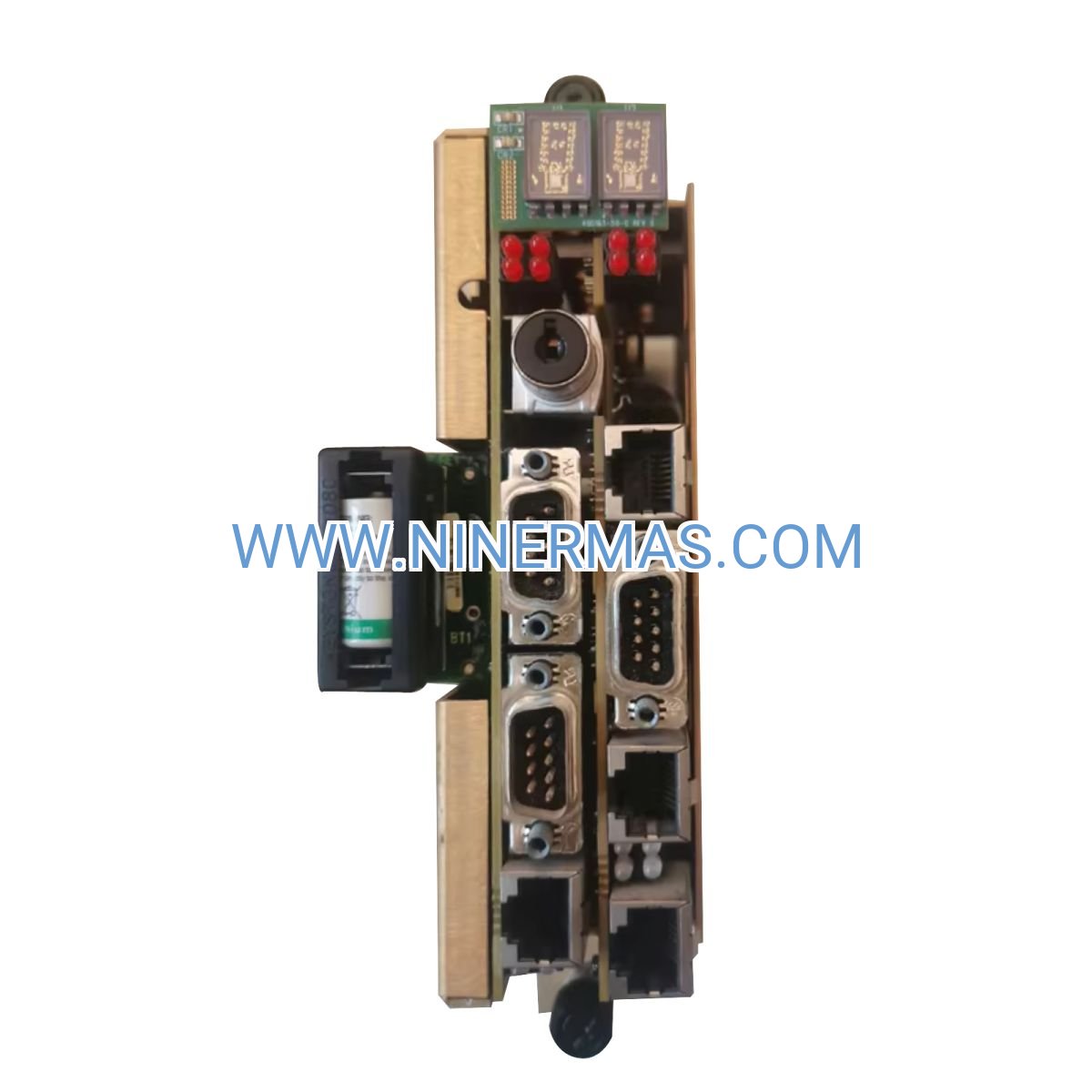
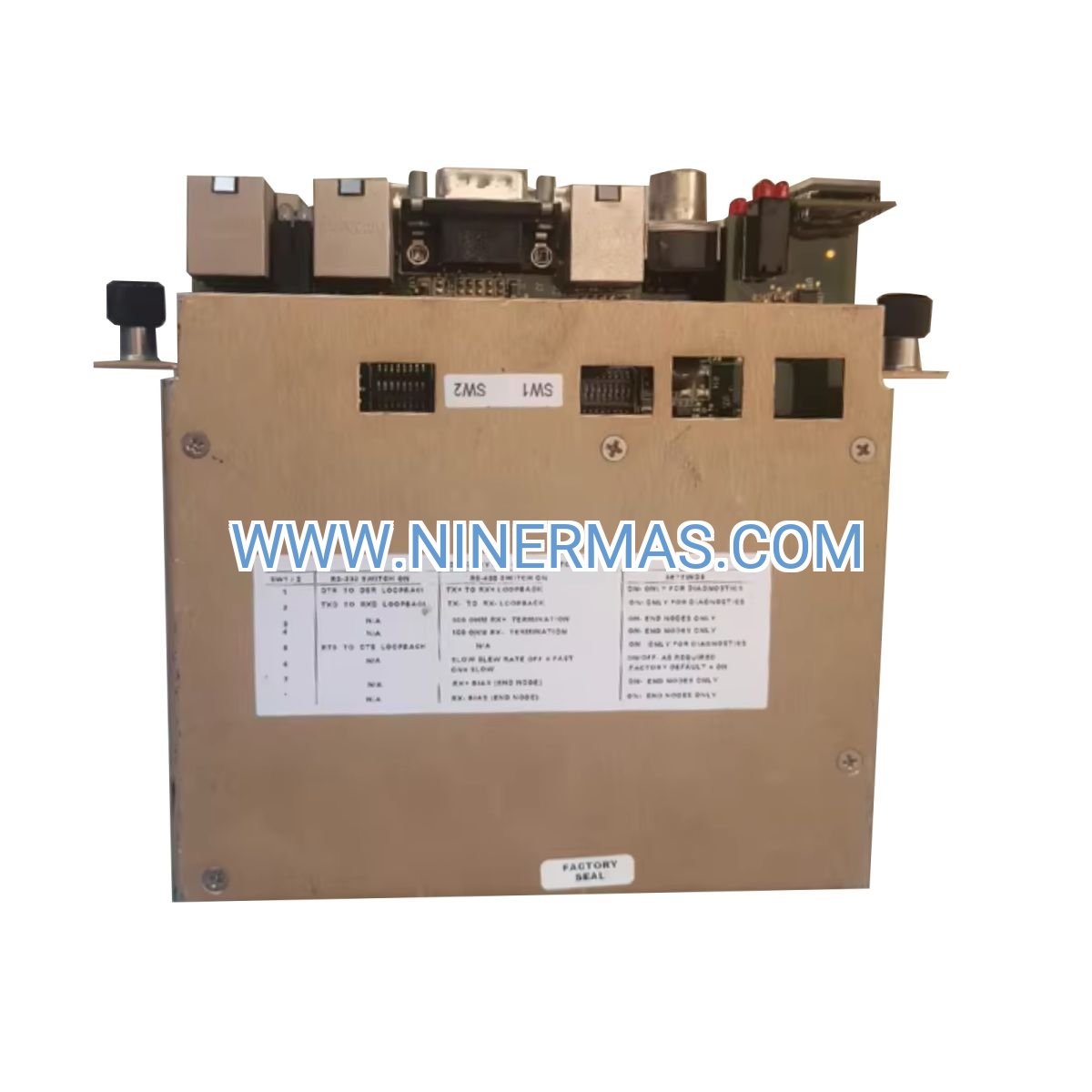
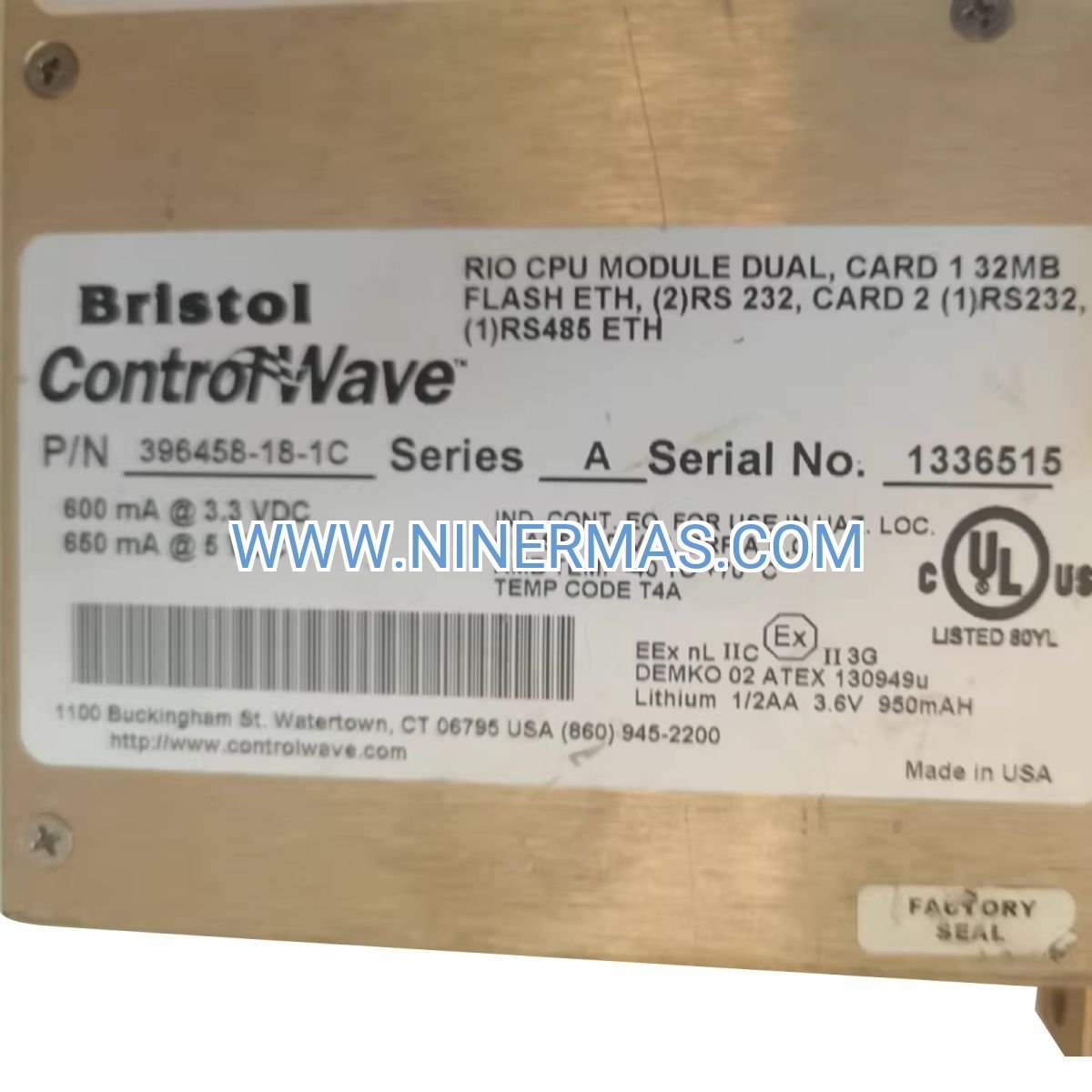
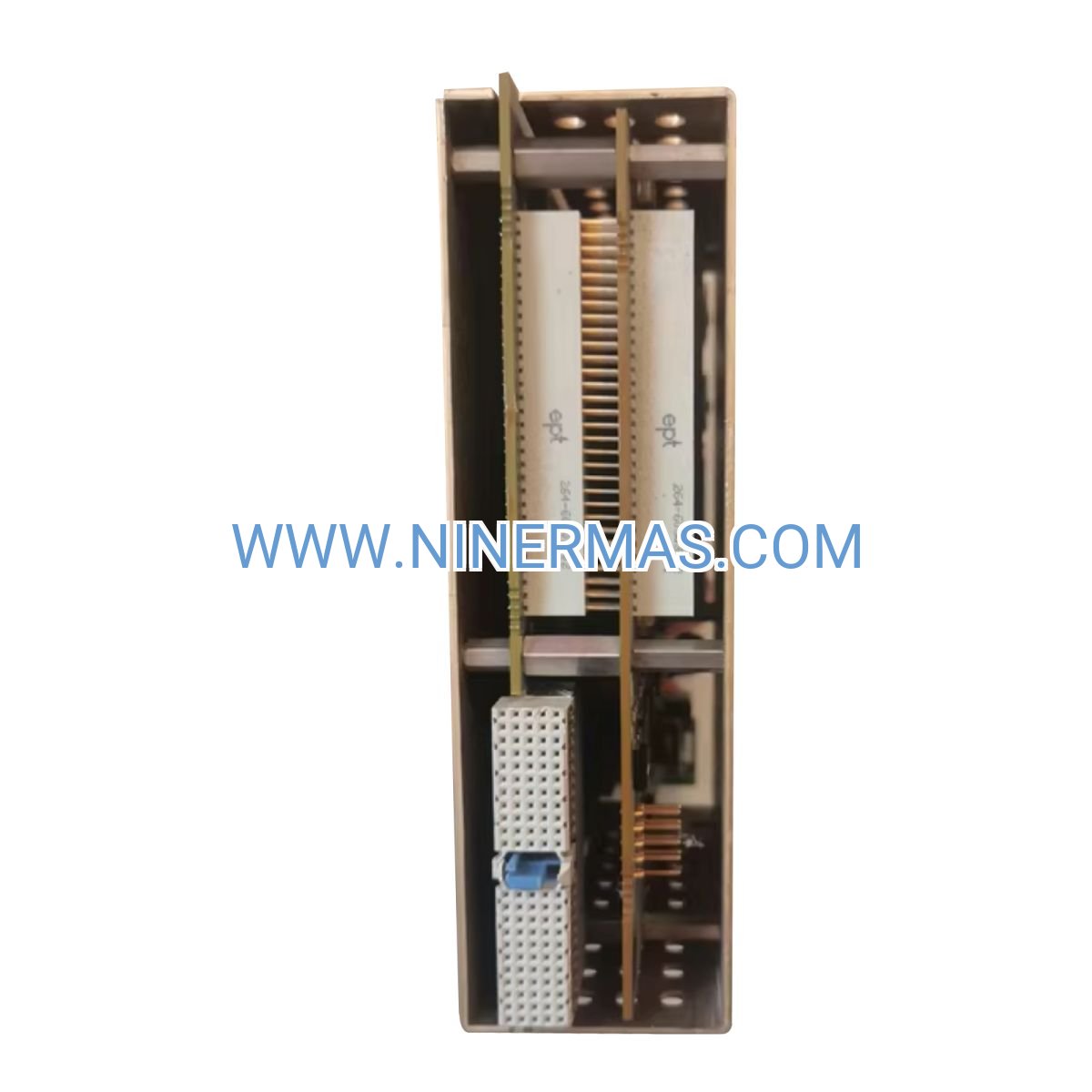
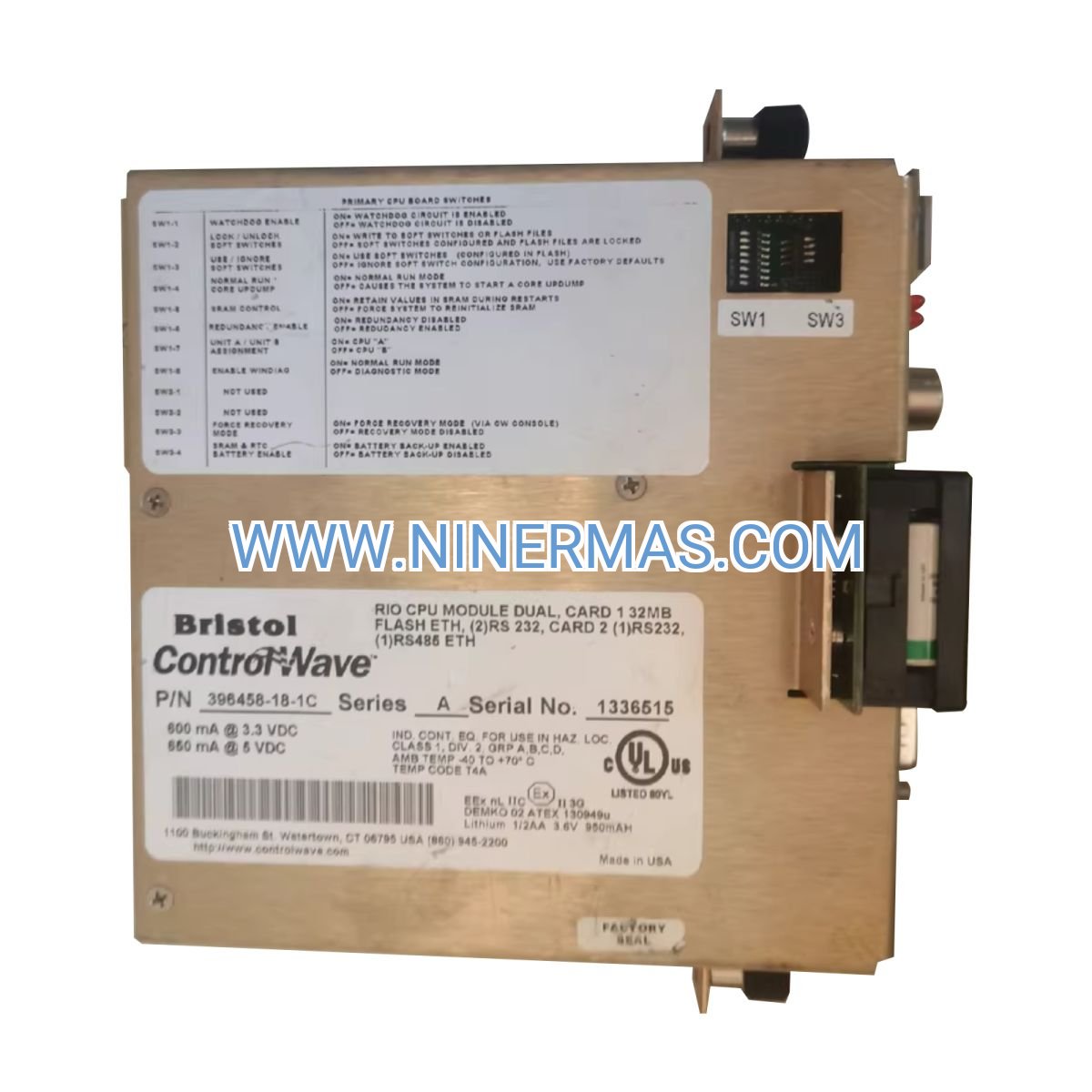
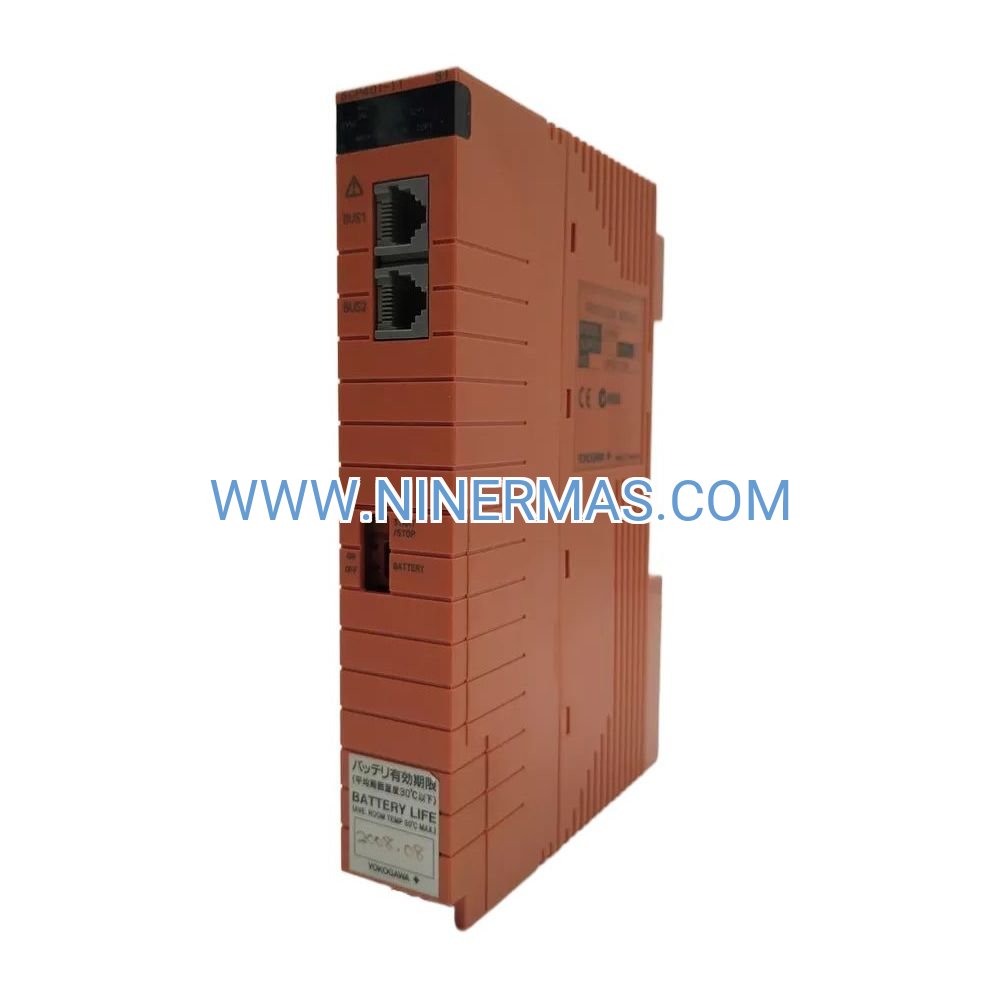
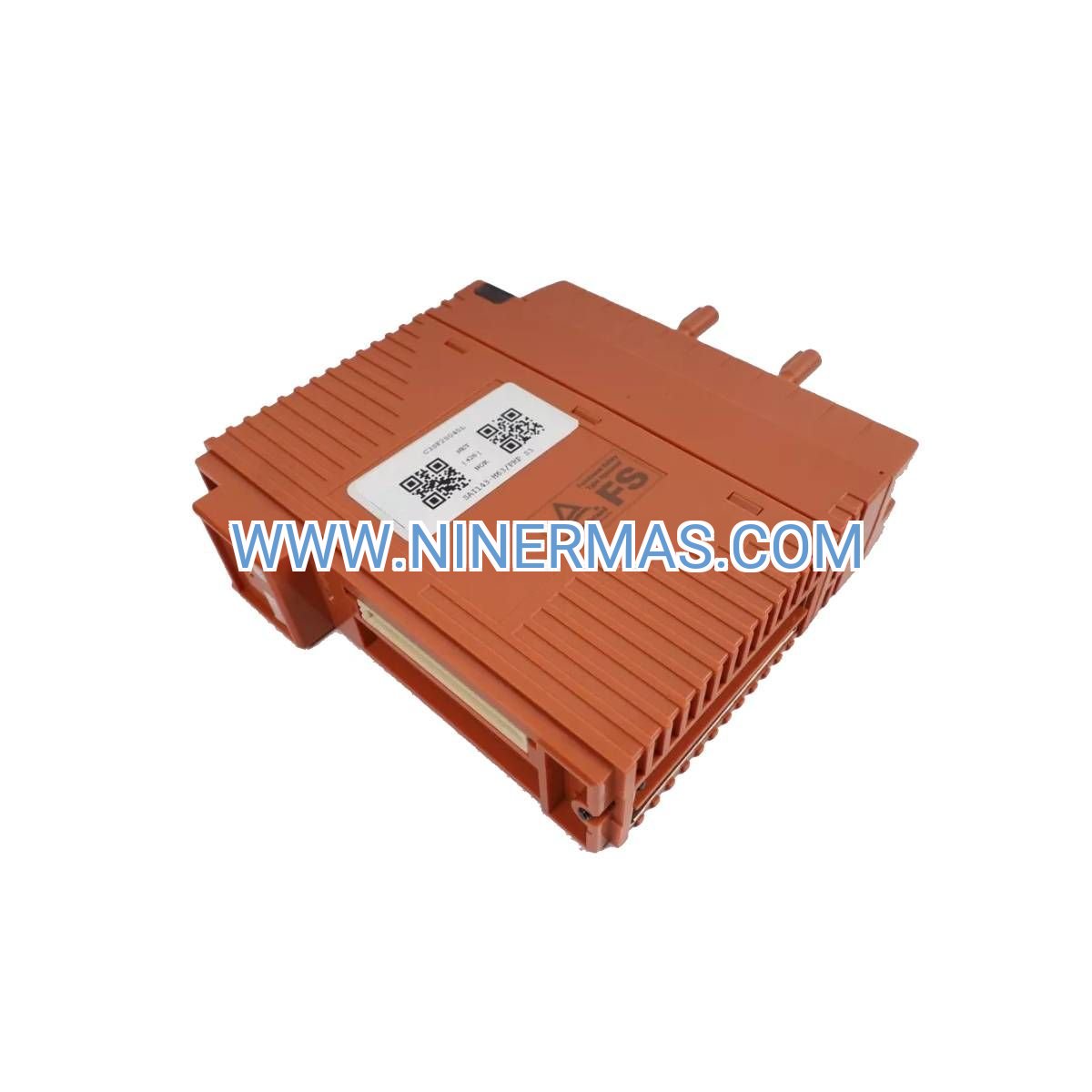
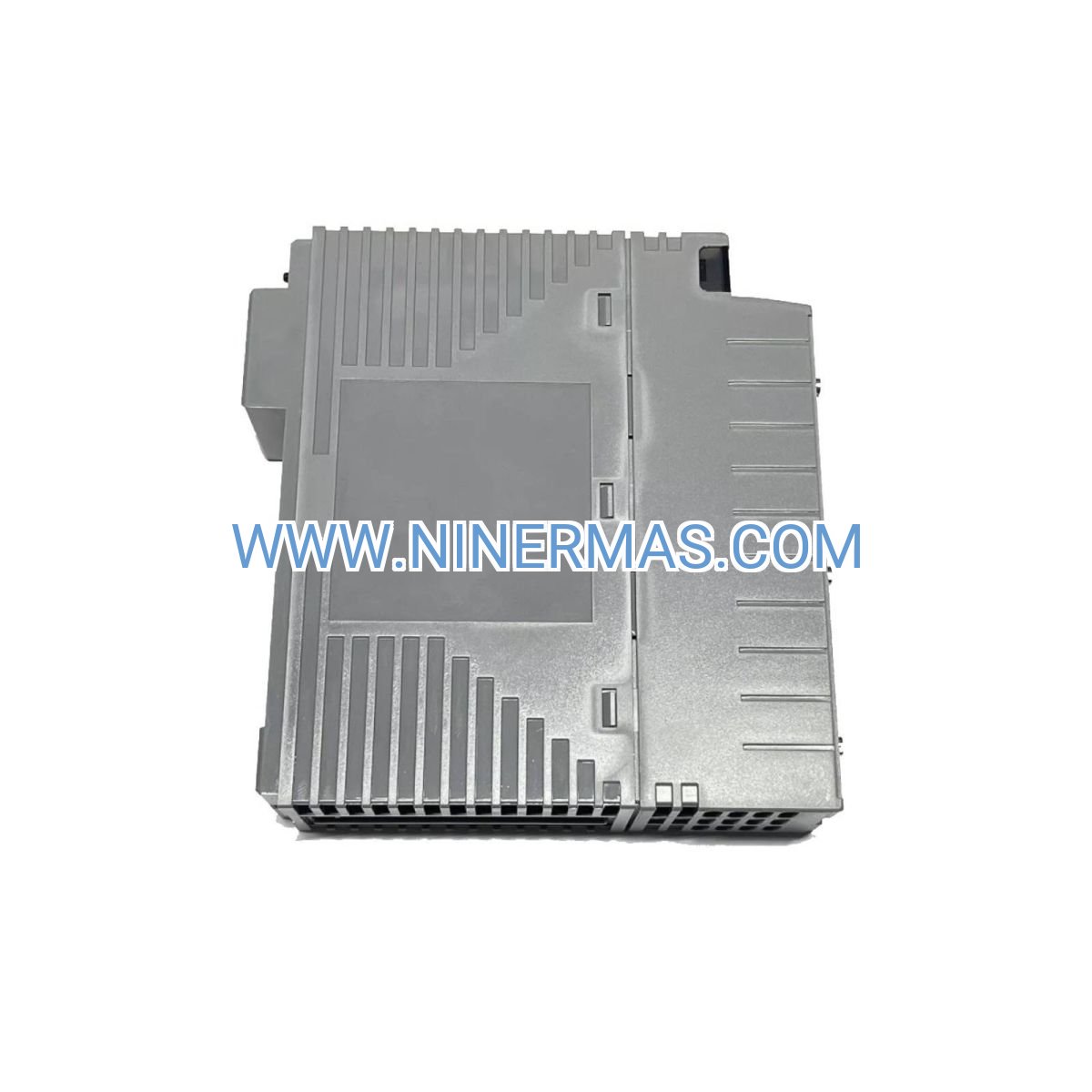
396458-18-1 ControlWave CPU Module (Industrial-Grade Process Controller)
The 396458-18-1 represents Emerson's flagship CPU module engineered for mission-critical process automation in remote and hazardous industrial environments. Built around a high-performance 32-bit RISC architecture, this computational powerhouse drives Bristol-series ControlWave platforms across oil & gas production, pipeline infrastructure, and water treatment facilities worldwide. When uptime isn't negotiable and environmental conditions push equipment to its limits, this module delivers unwavering reliability with sub-millisecond response times and comprehensive protocol support.
Designed for system integrators and plant engineers managing distributed control networks, the 396458-18-1 eliminates the complexity of multi-vendor integration through native support for Modbus RTU/TCP, DNP3, and IEC 60870-5 protocols. Its dual Ethernet architecture ensures seamless SCADA connectivity while maintaining autonomous local control during communication failures—a critical capability for remote installations where network reliability varies.
What sets this CPU module apart is its field-proven resilience: conformal-coated circuitry withstands corrosive atmospheres, extended temperature ratings (-40°C to +70°C) handle extreme climates, and Class I Div 2 / ATEX Zone 2 certifications enable deployment in hazardous locations. Combined with 8 MB Flash and 4 MB RAM, you gain the computational headroom for complex control algorithms, data logging, and edge analytics—all within a hot-swappable form factor that minimizes maintenance downtime.
Key Features & Technical Advantages
→ High-Speed Processing Core: 32-bit RISC processor with integrated floating-point unit executes control logic at sub-millisecond scan rates, ensuring precise regulation of fast-changing process variables in applications like compressor anti-surge control and flow metering.
→ Extensive Memory Capacity: 8 MB Flash storage accommodates large control programs and historical data buffers, while 4 MB RAM (expandable) supports complex calculations and temporary data handling without performance degradation.
→ Multi-Protocol Connectivity: Native support for Modbus RTU/TCP, DNP3, OPC, and IEC 60870-5 eliminates costly protocol gateways and simplifies integration with legacy SCADA systems, third-party PLCs, and enterprise historians.
✓ Dual Ethernet Interfaces: Redundant network paths provide failover capability and enable network segmentation—isolate control traffic from IT networks while maintaining simultaneous connections to local HMIs and remote SCADA hosts.
✓ IEC 61131-3 Programming: Develop control logic using industry-standard languages (Ladder Logic, Function Block Diagram, Structured Text, Sequential Function Chart) that reduce training requirements and leverage existing automation expertise.
✓ Industrial Hardening: Conformal coating protects against moisture, dust, and chemical exposure; reverse polarity protection and wide-range DC input (18-32 VDC) safeguard against wiring errors and power fluctuations common in field installations.
Application Scenarios & Industry Solutions
Upstream Oil & Gas Production: Deployed across wellhead automation systems, the 396458-18-1 orchestrates separator level control, gas lift optimization, and tank farm management. Its autonomous operation capability ensures production continues during SCADA communication outages, while built-in data logging captures production metrics for regulatory compliance and reservoir management analysis.
Midstream Pipeline Operations: Powers compressor station control, custody transfer metering, and leak detection systems along interstate pipeline networks. DNP3 protocol compliance meets NERC CIP requirements for critical energy infrastructure, while the module's cybersecurity features (firewall, encrypted communications, role-based access) protect against evolving cyber threats.
Municipal Water/Wastewater Treatment: Manages lift station pump sequencing, filtration process control, and chemical dosing systems in harsh high-humidity environments. The extended temperature rating handles outdoor installations without climate-controlled enclosures, reducing infrastructure costs while maintaining 99.9%+ uptime for essential services.
Remote Monitoring Stations: Ideal for unattended installations requiring edge computing capabilities—execute local alarming, data aggregation, and exception-based reporting to minimize cellular/satellite bandwidth consumption by up to 60% compared to continuous polling architectures.
Hybrid Renewable Integration: Coordinates solar/wind generation with traditional power sources in microgrid applications, leveraging fast scan rates and flexible I/O configurations to balance intermittent renewable output with load demand and battery storage systems.
Technical Specifications & Selection Guide
| Parameter | Specification |
|---|---|
| Processor Type | 32-bit RISC with FPU |
| Program Memory | 8 MB Flash |
| Data Memory | 4 MB RAM (expandable) |
| I/O Scan Rate | Sub-millisecond update cycles |
| Communication Ports | 2× Ethernet (10/100 Mbps), RS-232/485 serial |
| Supported Protocols | Modbus RTU/TCP, DNP3, OPC DA/UA, IEC 60870-5 |
| Programming Languages | IEC 61131-3 (LD, FBD, ST, SFC) |
| Operating Temperature | -40°C to +70°C (-40°F to +158°F) |
| Storage Temperature | -55°C to +85°C |
| Humidity | 5% to 95% non-condensing |
| Power Input | 18-32 VDC, reverse polarity protected |
| Power Consumption | Typical 8W, Maximum 12W |
| Hazardous Area Rating | Class I Div 2, ATEX Zone 2, IECEx |
| Safety Integrity | SIL 2 capable (per IEC 61508) |
| Dimensions (H×W×D) | 130 mm × 35 mm × 120 mm |
| Weight | 0.68 kg (1.5 lbs) |
| Mounting | DIN rail or panel mount |
Selection Criteria: Choose the 396458-18-1 when your application demands proven reliability in extreme environments, requires multi-protocol SCADA integration, or needs edge computing capabilities to reduce network bandwidth. For applications requiring redundant controller configurations, pair with a second 396458-18-1 module for hot-standby failover. If your I/O count exceeds 128 points or you need advanced motion control, consider upgrading to the 396458-20-1 variant with enhanced processing power.
Extended Capabilities & System Integration
Edge Analytics & Data Processing: Execute complex mathematical operations, statistical process control (SPC) algorithms, and predictive maintenance calculations locally—reducing SCADA server computational load while enabling real-time decision-making at the process edge. Built-in data logging captures up to 30 days of high-resolution trend data for post-event analysis.
Cybersecurity Architecture: Multi-layered security includes stateful packet inspection firewall, user authentication with password complexity enforcement, encrypted Modbus TCP communications, and audit logging of all configuration changes. Role-based access control (RBAC) restricts programming and configuration privileges to authorized personnel only.
Hot-Swap Redundancy: In dual-CPU configurations, replace or upgrade modules without process interruption—automatic state synchronization transfers control logic, I/O configurations, and process variable values to the standby module within 50 milliseconds of primary failure detection.
Third-Party Integration: Open architecture supports custom C++ function blocks for specialized algorithms (e.g., model predictive control, neural network inference). OPC UA server functionality enables direct connectivity to MES/ERP systems, cloud historians, and analytics platforms without middleware.
Remote Management: Web-based configuration interface allows secure remote access for diagnostics, program uploads/downloads, and real-time monitoring—reducing site visit requirements by up to 70% for geographically dispersed installations.
Delivery, Warranty & Technical Support
Lead Time: Standard configurations ship within 3-5 business days from our regional distribution centers. Custom firmware versions or special certifications may require 2-3 weeks—contact our technical sales team for expedited processing options.
Warranty Coverage: 24-month manufacturer warranty covers defects in materials and workmanship. Extended warranty plans (up to 5 years) available for critical infrastructure applications requiring guaranteed parts availability and priority RMA processing.
Technical Support: Access to Emerson's global support network with 24/7 phone and email assistance. Support package includes firmware updates, configuration assistance, and troubleshooting guidance. On-site commissioning services available through certified system integrators.
Documentation Package: Each module ships with quick-start guide, detailed hardware reference manual, IEC 61131-3 programming guide, protocol implementation specifications, and CAD drawings for panel layout design. Online knowledge base provides application notes, sample code libraries, and video tutorials.
Frequently Asked Questions
Q: What communication protocols does the 396458-18-1 ControlWave CPU support for SCADA integration?
A: The module natively supports Modbus RTU/TCP, DNP3 (Level 2), OPC DA/UA, and IEC 60870-5-104 protocols without requiring external gateways. This multi-protocol capability allows simultaneous connections to legacy RTUs, modern SCADA systems, and enterprise historians using their preferred communication standards.
Q: Can this CPU module operate in hazardous area classifications for oil & gas installations?
A: Yes, the 396458-18-1 carries Class I Division 2 (North America), ATEX Zone 2 (Europe), and IECEx certifications for deployment in areas where explosive atmospheres are not normally present. For Zone 1/Division 1 applications, the module must be installed in an approved purged enclosure with proper ventilation and monitoring.
Q: How does the dual Ethernet configuration improve system reliability compared to single-port designs?
A: Dual Ethernet ports enable network redundancy (automatic failover if primary connection fails) and traffic segmentation (isolate control network from IT/business networks). This architecture maintains SCADA connectivity even during network maintenance or cable damage, while reducing cybersecurity risks through physical network separation.
Q: What is the maximum I/O capacity supported by a single 396458-18-1 CPU module?
A: The module supports up to 2,048 discrete I/O points and 512 analog channels when configured with ControlWave I/O racks and remote I/O via Modbus. Actual capacity depends on scan rate requirements—faster update cycles (e.g., 10ms) may require reducing total I/O count to maintain deterministic performance.
Q: Does the module support remote firmware updates, or do updates require on-site access?
A: Firmware updates can be performed remotely via Ethernet using Emerson's ControlWave Designer software, provided proper cybersecurity protocols are followed (VPN access, change management procedures). For critical systems, we recommend scheduling updates during planned maintenance windows with local personnel on standby.
Q: How does this CPU module handle power interruptions in remote installations with unstable electrical supply?
A: The wide-range DC input (18-32 VDC) tolerates significant voltage fluctuations common in solar/battery-powered remote sites. For complete power loss protection, pair the module with an uninterruptible power supply (UPS) rated for at least 30 minutes runtime—sufficient for graceful shutdown or generator startup in most installations.
Ready to Upgrade Your Process Control Infrastructure?
Contact our automation specialists to discuss your specific application requirements, receive customized configuration recommendations, and obtain project-specific pricing for volume orders. Our team can assist with system architecture design, I/O mapping, protocol configuration, and commissioning support to ensure successful deployment.
Request a Quote: Email your project specifications to sale@ninermas.com or call +0086 187 5021 5667 to speak with a technical sales engineer. Mention reference code 396458-18-1 for priority processing.
© 2026 NINERMAS COMPANY LIMITED. All rights reserved.
Original Source: https://ninermas.com
Contact: sale@ninermas.com | +0086 187 5021 5667
Related products

Contact Info
-
Address:22 / F, South Wo Hang building, 148 Wing Lok Street, Sheung Wan, Western District, Hong Kong
-
Phone:+8618750215667
-
Email:
