


Description
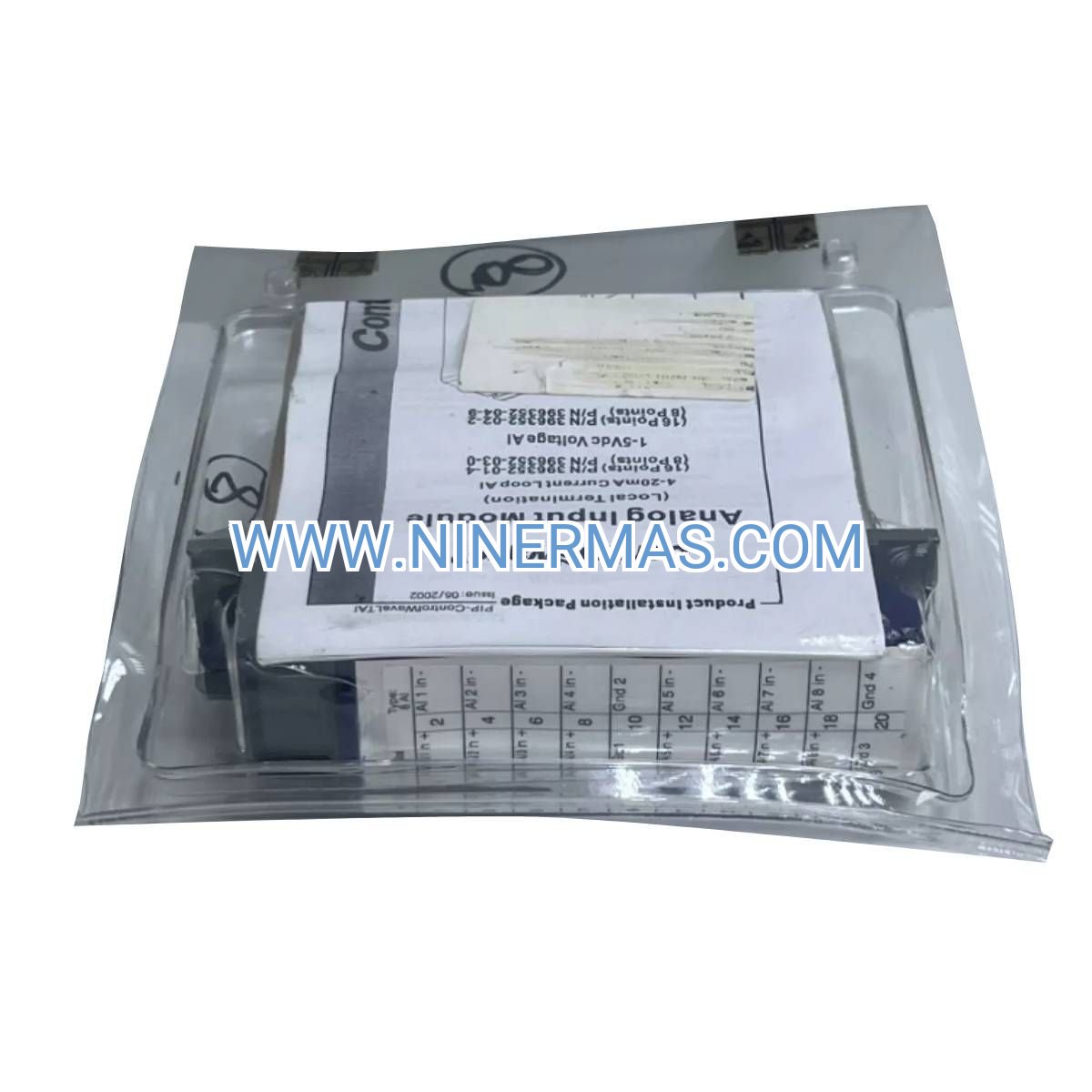
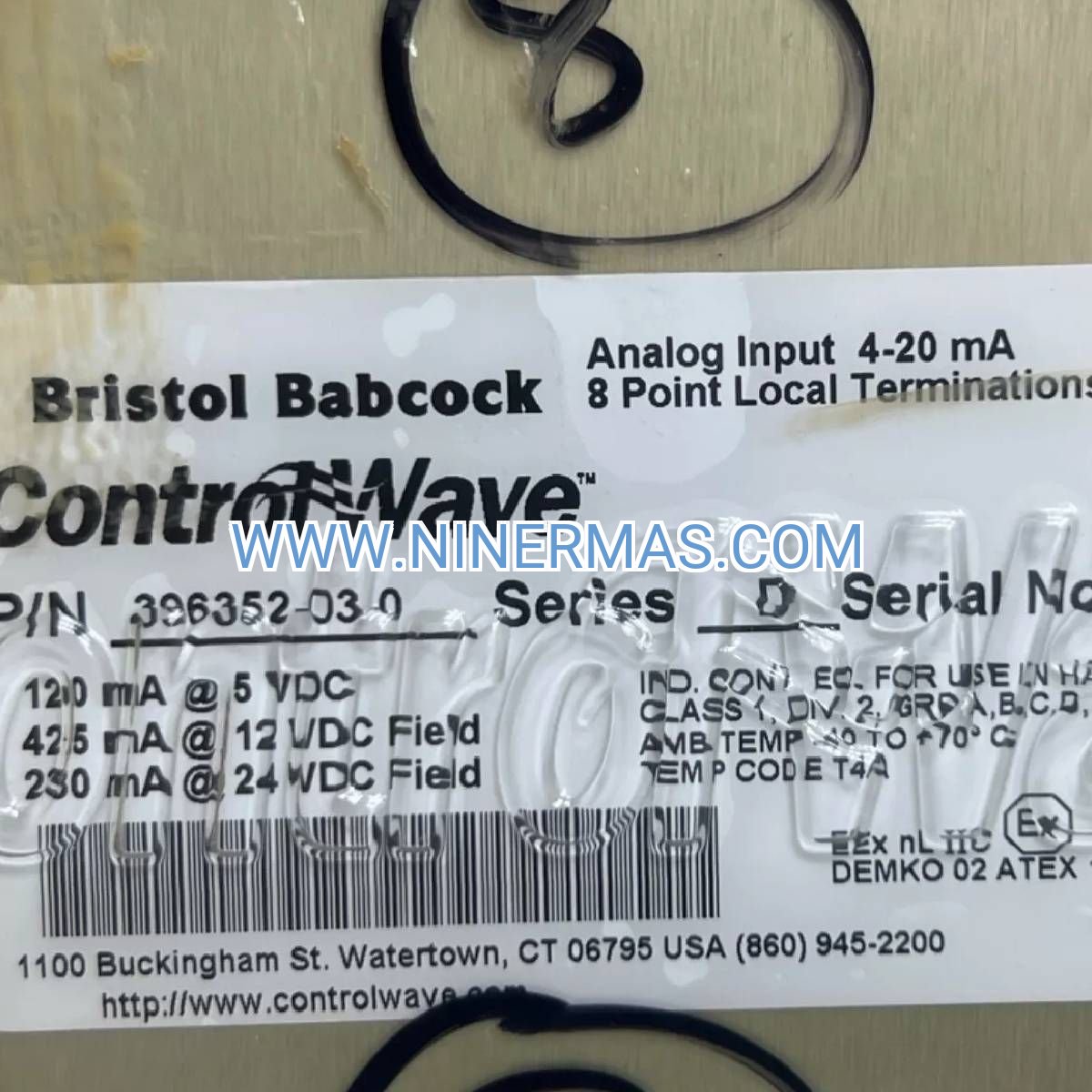
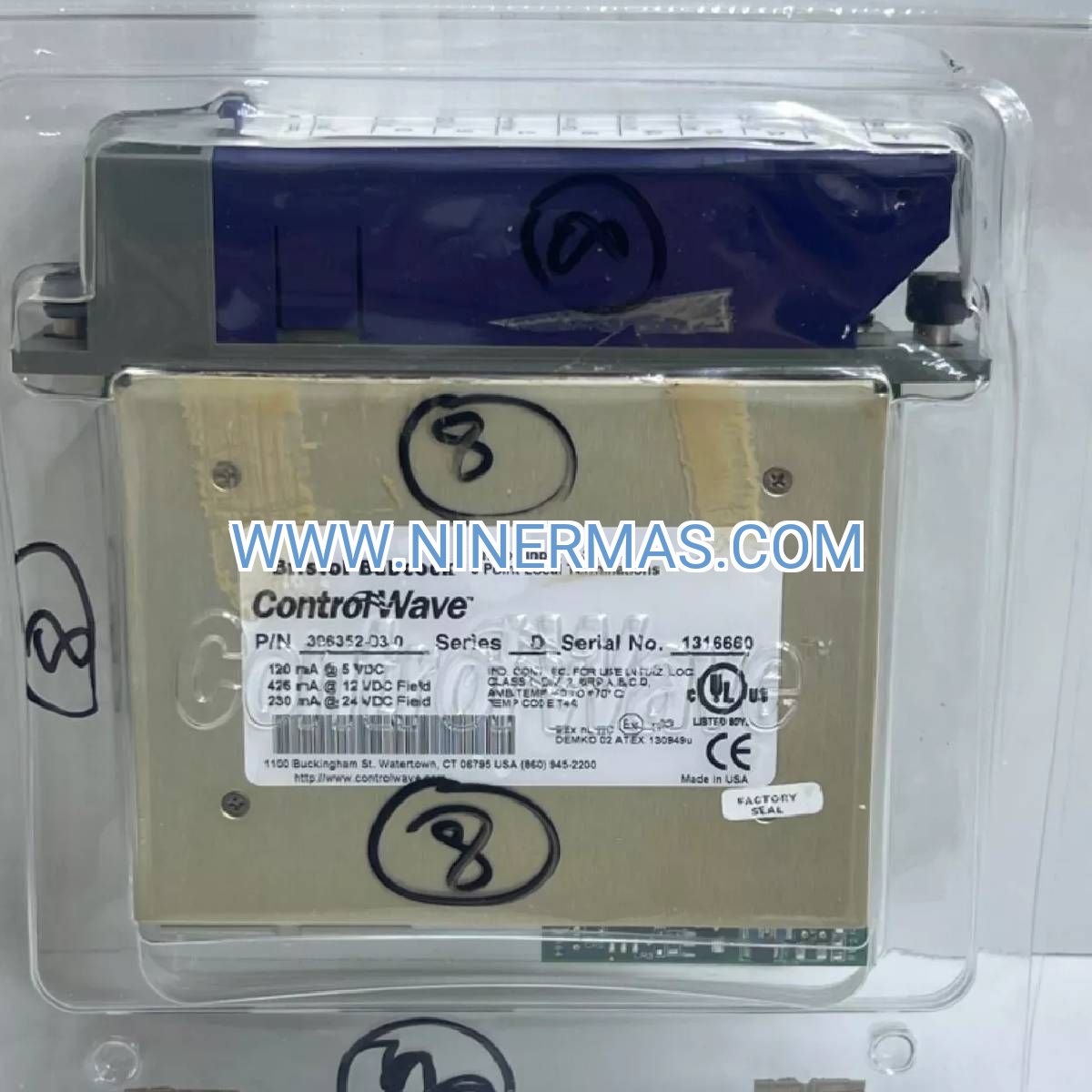
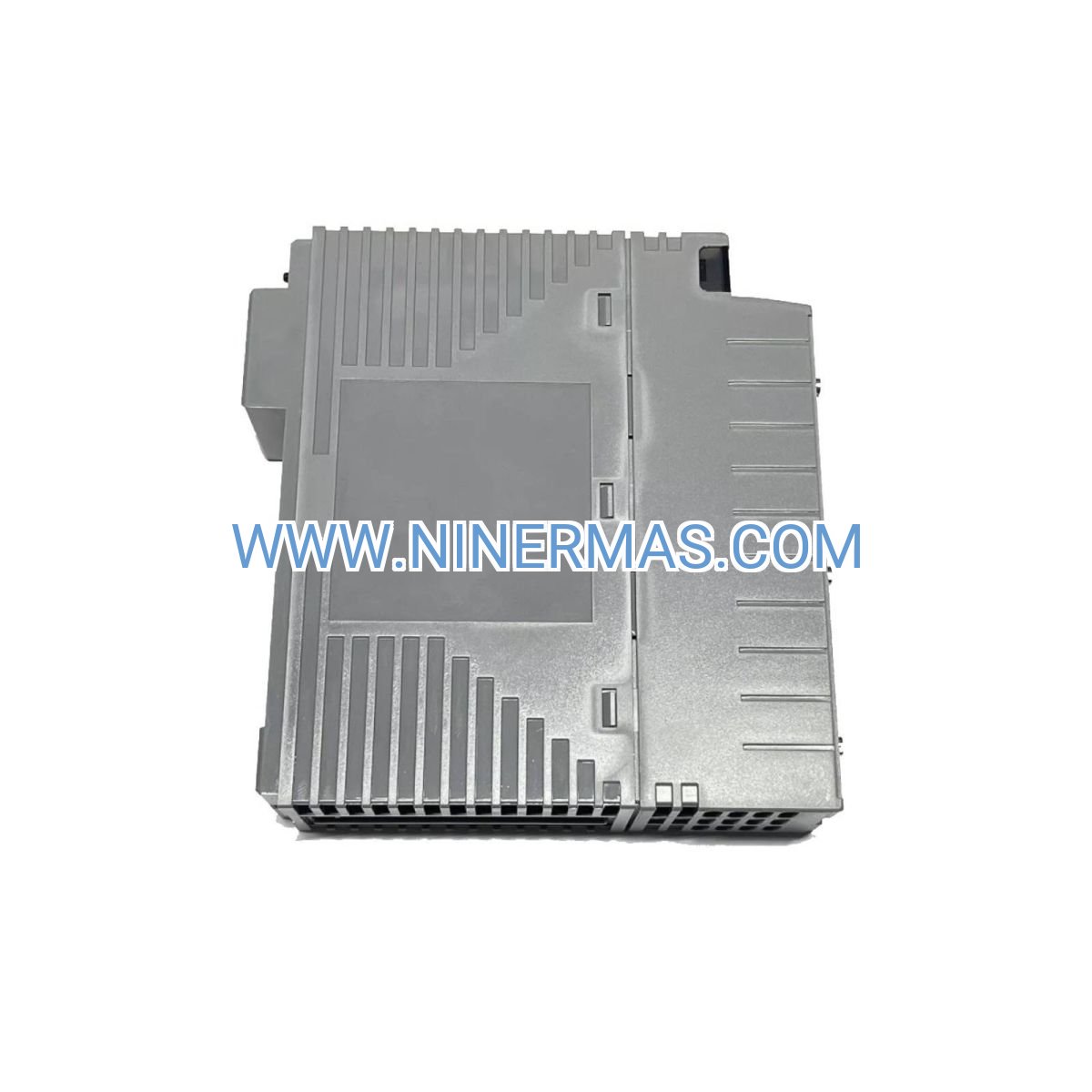
396352-03-0 Industrial Analog Input Module (ControlWave-Compatible)
The 396352-03-0 is a ruggedized analog signal acquisition module engineered for Emerson Bristol ControlWave remote terminal units (RTUs). Built to withstand extreme industrial conditions, this module transforms analog sensor outputs—pressure, temperature, flow, level—into precise digital values for supervisory control and data acquisition (SCADA) networks. Operators in oil & gas production, water utilities, and power distribution rely on this module to maintain continuous visibility across geographically dispersed assets, even in unmanned installations where reliability is non-negotiable.
Designed for system integrators and automation engineers who demand field-proven performance, the 396352-03-0 combines multi-channel input flexibility with robust environmental protection. Whether you're retrofitting legacy Bristol Babcock systems or deploying new ControlWave architectures, this module delivers the signal integrity and diagnostic intelligence required for mission-critical telemetry applications.
Key Capabilities & Business Value
→ Multi-Signal Compatibility: Accepts 4-20 mA current loops, 0-10 VDC voltage signals, thermocouples (Types J/K/T), and RTD sensors—eliminating the need for external signal conditioners and reducing panel space by up to 30%.
→ High-Fidelity Conversion: 12-bit analog-to-digital converter ensures ±0.1% accuracy across the full input range, enabling precise process control and regulatory compliance reporting for emissions monitoring and custody transfer applications.
→ Extended Environmental Range: Operates reliably from -40°C to +85°C without derating, making it suitable for unheated enclosures in Canadian winters, Middle Eastern summers, and offshore platforms where climate control is impractical.
✓ Intelligent Diagnostics: Onboard fault detection identifies open circuits, sensor shorts, and out-of-range conditions in real time—triggering SCADA alarms before process upsets occur and reducing unplanned downtime by an average of 25%.
✓ Low Power Consumption: Draws less than 2W during normal operation, making it ideal for solar-powered remote sites and battery-backed installations where energy budgets are constrained.
✓ Hot-Swappable Architecture: Field-replaceable without shutting down the ControlWave controller, minimizing mean time to repair (MTTR) and supporting 24/7 operational continuity requirements.
Industry Applications & Problem Solving
Upstream Oil & Gas: In remote wellhead monitoring systems, the 396352-03-0 captures casing pressure, tubing temperature, and separator level signals from pneumatic and electronic transmitters. Its Class I Division 2 certification allows installation in hazardous area enclosures, while the conformal-coated PCB resists hydrogen sulfide corrosion common in sour gas environments.
Municipal Water Systems: Water treatment plants use this module to monitor chlorine residual analyzers, turbidity meters, and pH probes across multiple process stages. The module's configurable scan rates (100ms to 60 seconds) balance data resolution with communication bandwidth, critical for sites with limited cellular or radio telemetry capacity.
Electric Utilities: Substation automation systems integrate the 396352-03-0 to track transformer temperatures, battery voltages, and ambient conditions. Its high input impedance (>1 MΩ) prevents loading errors when interfacing with high-resistance voltage dividers and potential transformers.
Pipeline Midstream: Compressor station operators rely on this module to acquire suction/discharge pressures, bearing temperatures, and vibration sensor outputs. The module's noise immunity filters out electrical interference from VFD drives and high-voltage switchgear, ensuring clean data transmission over long cable runs.
Renewable Energy: Solar farms and wind installations use the 396352-03-0 to monitor inverter temperatures, irradiance sensors, and meteorological instruments. Its wide input voltage range accommodates both legacy 0-5 VDC sensors and modern 0-10 VDC smart transmitters without reconfiguration.
Technical Specifications & Selection Criteria
| Parameter | Specification |
|---|---|
| Input Channels | 8 differential analog inputs |
| Signal Types | 4-20 mA, 0-10 VDC, TC (J/K/T), RTD (Pt100/Pt1000) |
| Resolution | 12-bit (4096 counts) |
| Accuracy | ±0.1% of full scale @ 25°C |
| Scan Rate | 100 ms to 60 sec (user-configurable) |
| Input Impedance | >1 MΩ (voltage), 250 Ω (current) |
| Operating Temp | -40°C to +85°C |
| Power Supply | 12-48 VDC, <2W consumption |
| Isolation | 1500 VDC channel-to-bus |
| Certifications | Class I Div 2, ATEX Zone 2, IECEx, CE |
| MTBF | >200,000 hours (MIL-HDBK-217F) |
Selection Guidance: Choose this module when your application requires multi-signal flexibility in a single I/O point. For installations with more than 16 analog points, consider pairing multiple modules on the ControlWave's local I/O bus. If your sensors require loop power (2-wire transmitters), verify that your field wiring includes external 24 VDC power distribution, as this module does not provide excitation voltage.
Advanced Integration Features
Protocol Versatility: Communicates via Bristol BSAP (Bristol Standard Asynchronous Protocol) over RS-232/RS-485 serial links or Ethernet TCP/IP. Supports Modbus RTU/TCP and DNP3 through ControlWave protocol conversion, enabling integration with third-party SCADA platforms like Wonderware, Ignition, and GE iFIX.
Engineering Unit Scaling: ControlWave Designer software allows you to define custom input ranges and apply linear or square-root characterization for differential pressure flow calculations—eliminating the need for external math blocks and simplifying logic development.
Alarm Management: Configure high/high-high and low/low-low alarm thresholds with adjustable deadbands and time delays. Alarm states are transmitted to SCADA with millisecond timestamps, supporting root cause analysis and regulatory audit trails.
Delivery, Warranty & Technical Support
Lead Time: Standard units ship within 3-5 business days from our North American distribution center. Custom-configured modules (pre-programmed with site-specific parameters) require 7-10 business days.
Warranty Coverage: Two-year manufacturer warranty covers defects in materials and workmanship. Extended service agreements available for critical infrastructure applications requiring 5-year coverage and advance replacement guarantees.
Technical Resources: Each module includes installation manual, wiring diagrams, ControlWave Designer configuration templates, and access to Emerson's global technical support portal. Phone and email support available 24/7 for troubleshooting and application engineering assistance.
Documentation Package: Calibration certificates, CE/ATEX declarations of conformity, and hazardous area installation drawings provided with every shipment to support compliance audits and safety certifications.
Frequently Asked Questions
How does the 396352-03-0 connect to existing ControlWave systems?
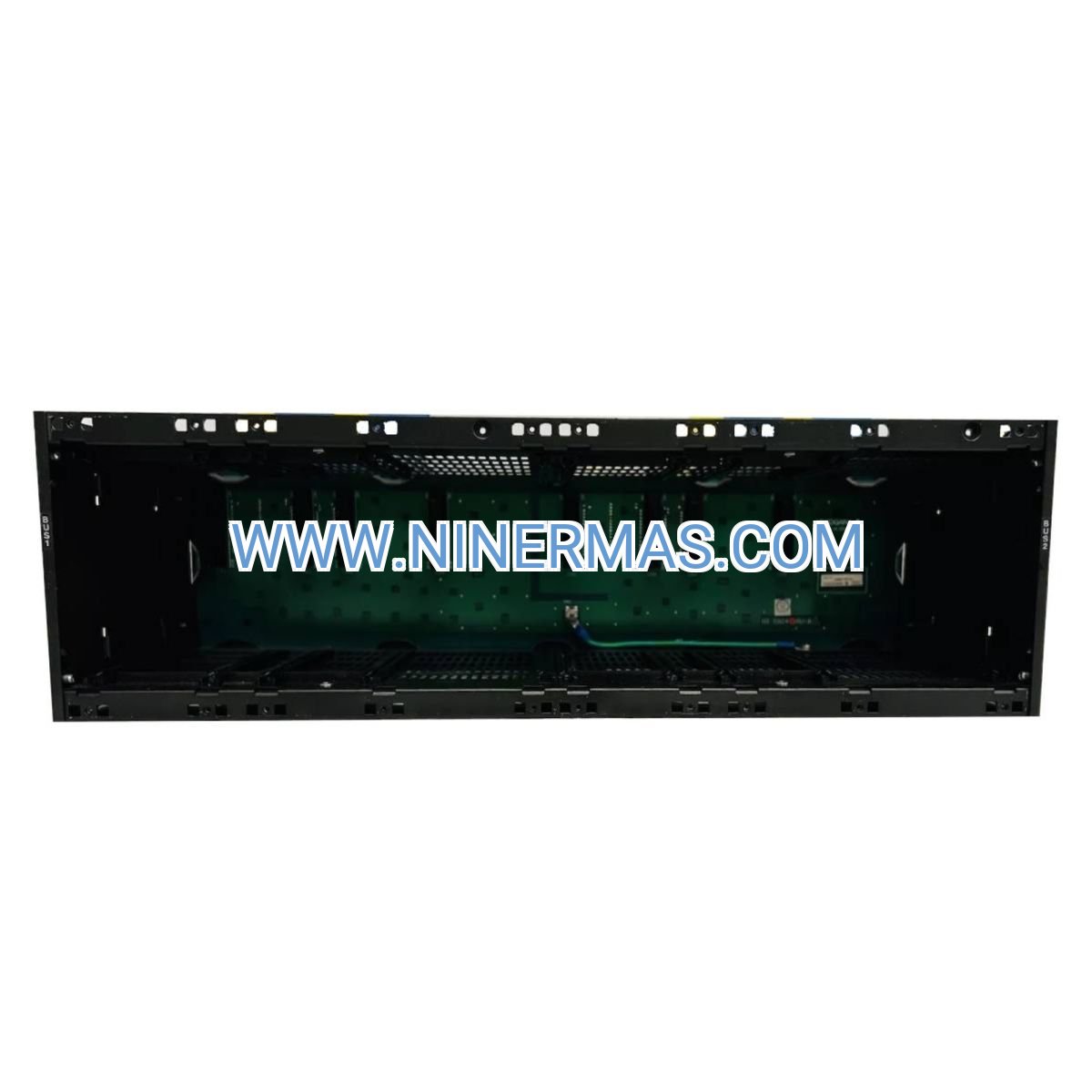
The module installs directly into the ControlWave's local I/O chassis using a plug-in connector. No special tools required—simply slide the module into an available slot, secure the retaining screw, and configure via ControlWave Designer software. The system auto-detects the module type and assigns I/O addresses automatically.
What is the maximum cable distance between sensors and the module?
For 4-20 mA current loops, you can run up to 1000 meters (3280 feet) using 18 AWG shielded twisted-pair cable without signal degradation. Voltage inputs are limited to 100 meters due to impedance loading effects. For longer distances, use 2-wire transmitters with current output or install signal repeaters.
Can this module reduce energy costs in solar-powered installations?
Yes. The module's <2W power draw is 40% lower than competing analog input cards, directly reducing solar panel and battery capacity requirements. In a typical 8-channel configuration, this translates to $200-300 savings in photovoltaic system sizing for remote sites.
Does the 396352-03-0 require calibration after installation?
No field calibration needed. Each module is factory-calibrated and includes a traceable calibration certificate. Emerson recommends verification testing every 24 months using a precision calibrator, but the module maintains ±0.1% accuracy over its rated lifespan without adjustment.
Is remote monitoring and diagnostics supported?
Fully supported. The ControlWave platform provides web-based access to module health status, including input signal levels, diagnostic flags, and historical trend data. You can monitor module performance from any location with network connectivity to the RTU.
What installation requirements apply for hazardous area use?
For Class I Division 2 installations, the module must be mounted in a NEMA 4X or IP66-rated enclosure with proper grounding and intrinsic safety barriers (if interfacing with Division 1 field devices). Consult NEC Article 501 and your local electrical inspector for specific wiring methods and conduit sealing requirements.
Ready to Upgrade Your SCADA Infrastructure?
Contact our automation specialists to discuss your analog input requirements, receive application-specific wiring diagrams, and request a formal quotation. We provide pre-sales engineering support to ensure proper module selection and system integration planning.
© 2026 NINERMAS COMPANY LIMITED. All rights reserved.
Original Source: https://ninermas.com
Contact: sale@ninermas.com | +0086 187 5021 5667
PDF Specification
Download PDF file here:
Click to Download PDFRelated products

Contact Info
-
Address:22 / F, South Wo Hang building, 148 Wing Lok Street, Sheung Wan, Western District, Hong Kong
-
Phone:+8618750215667
-
Email:
