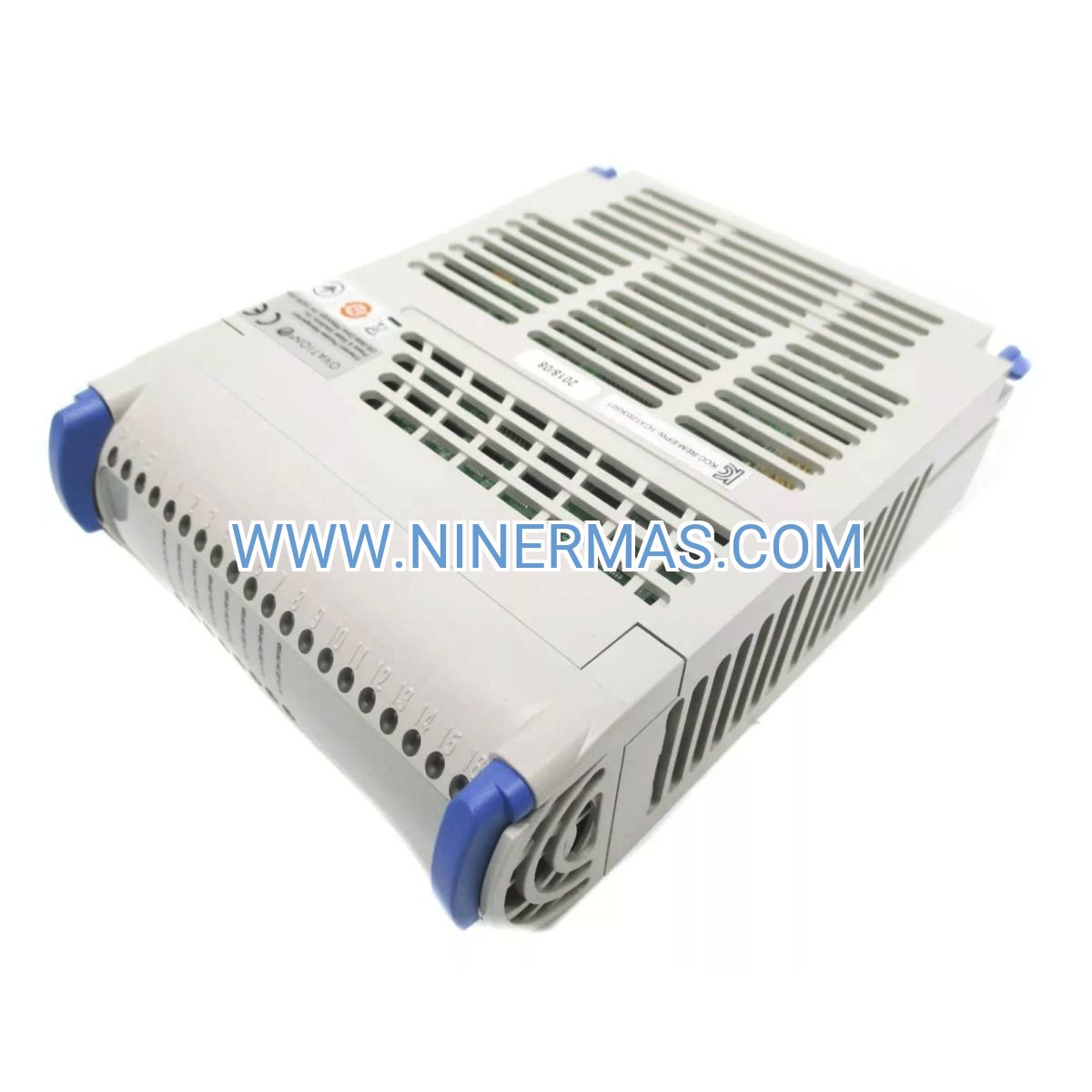
Description
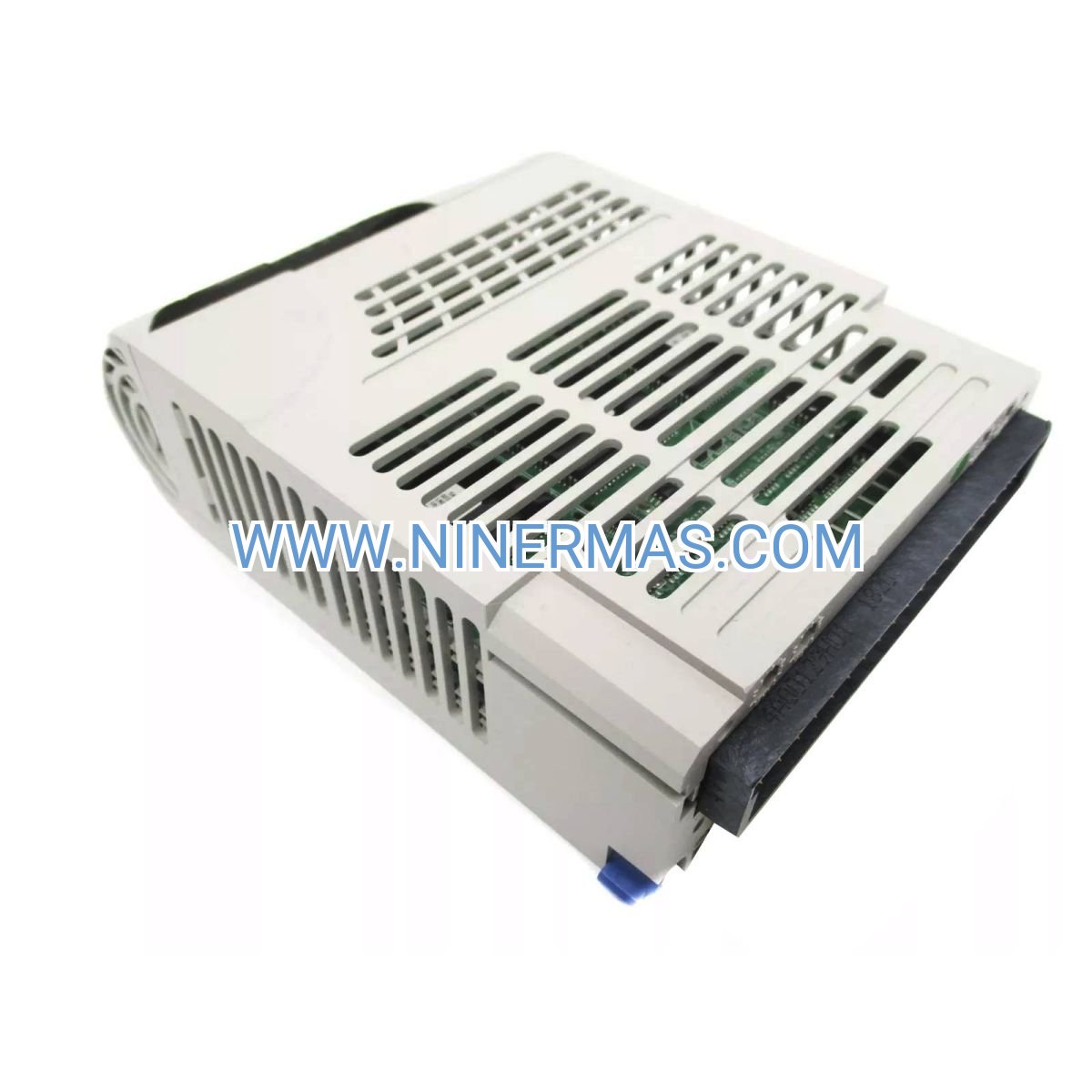
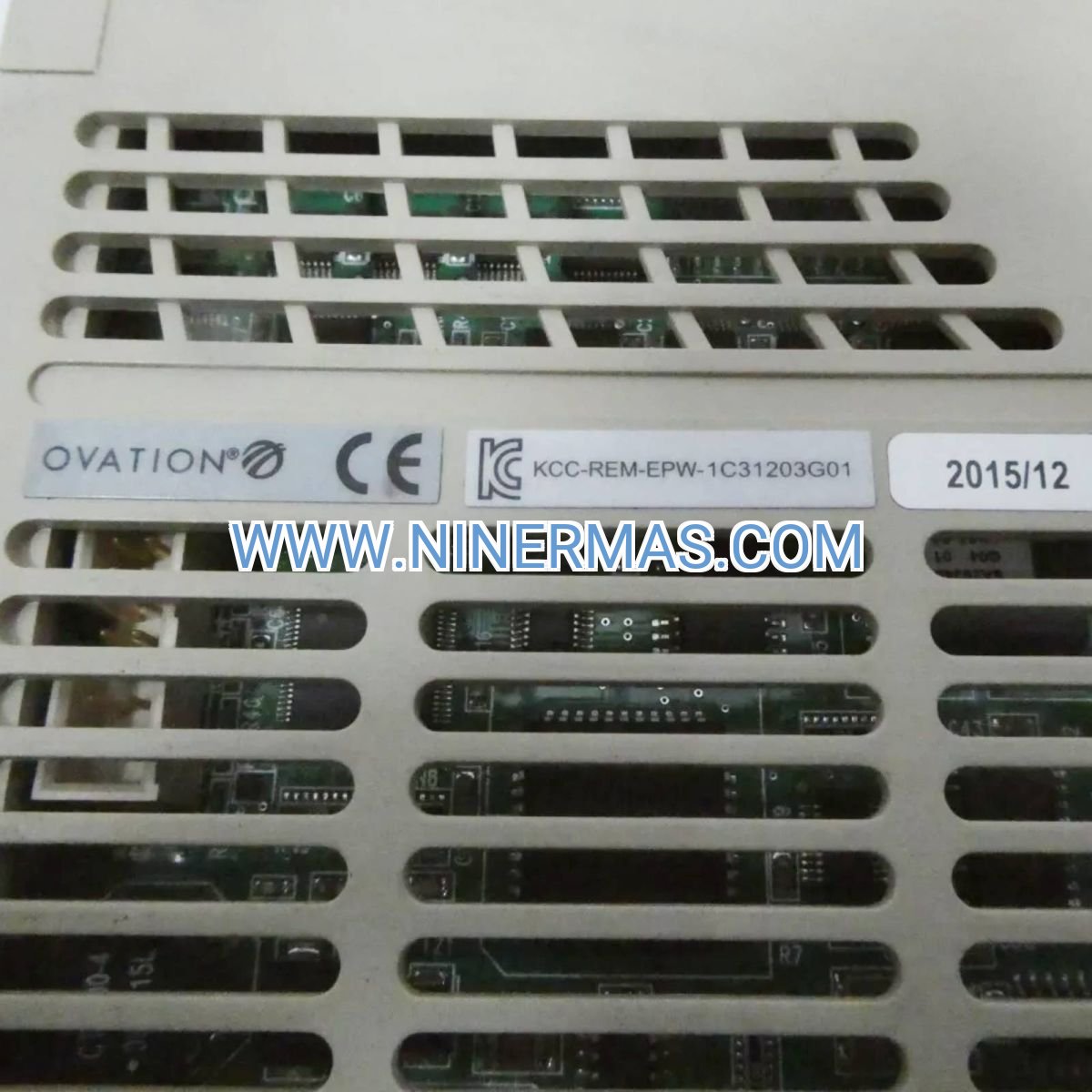
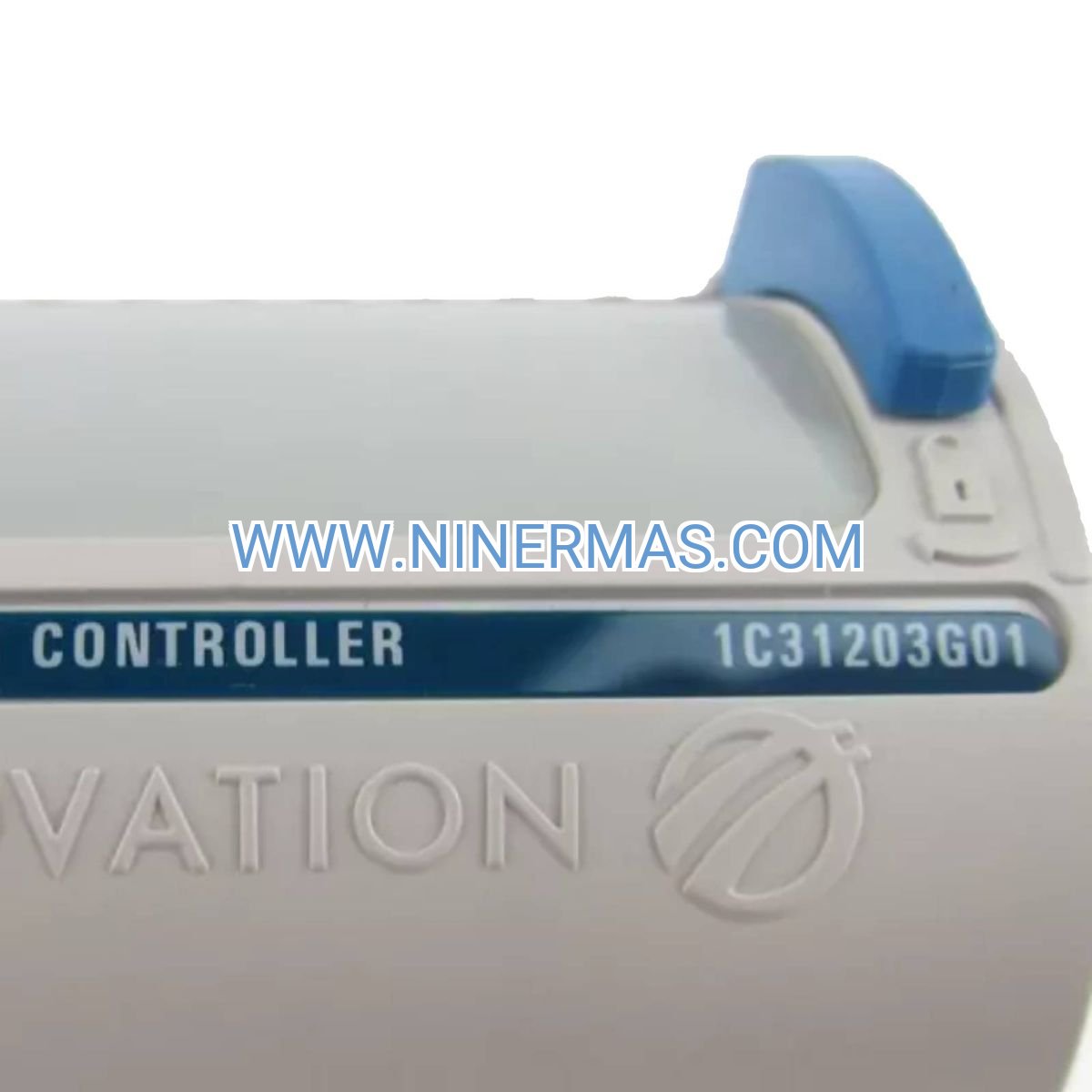
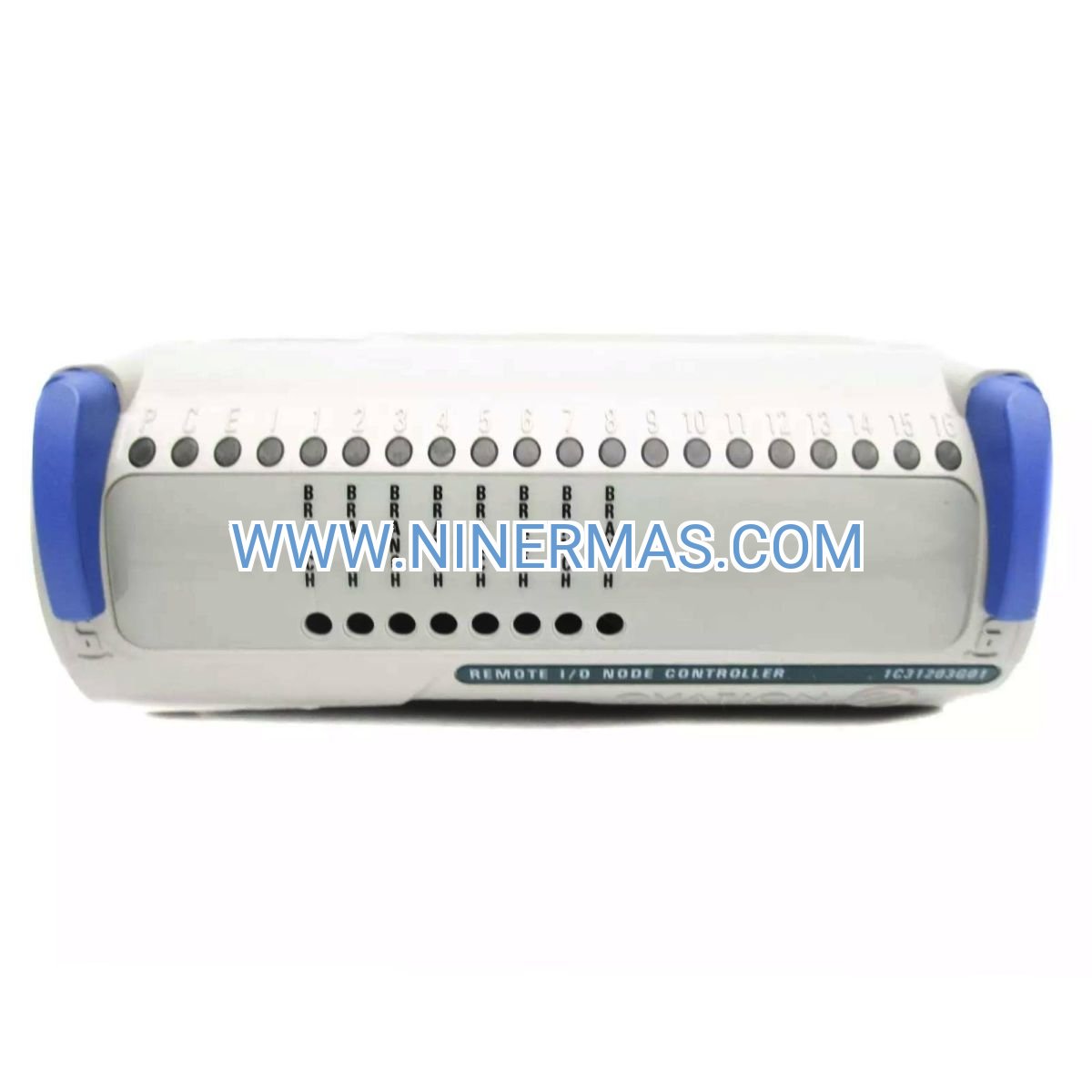
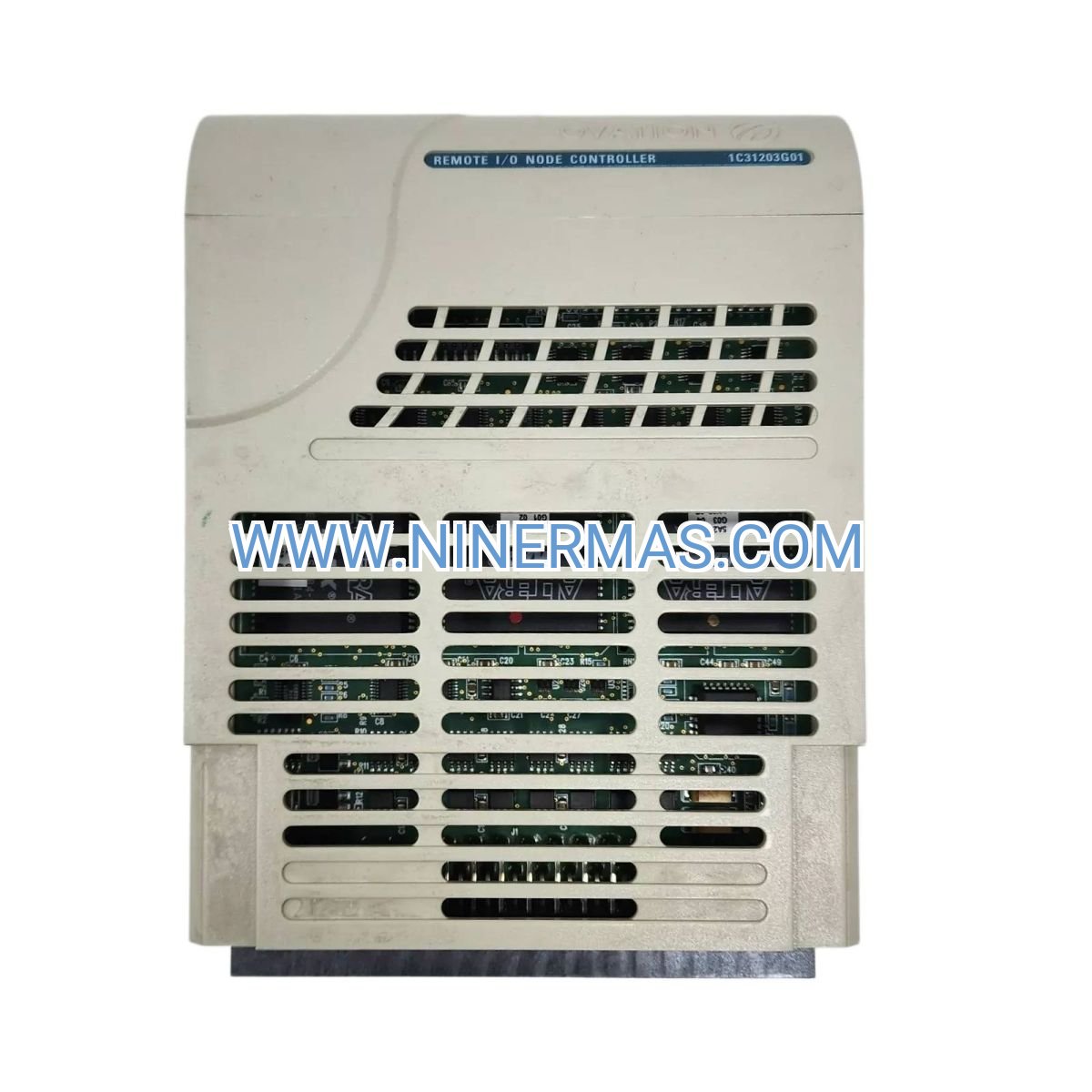
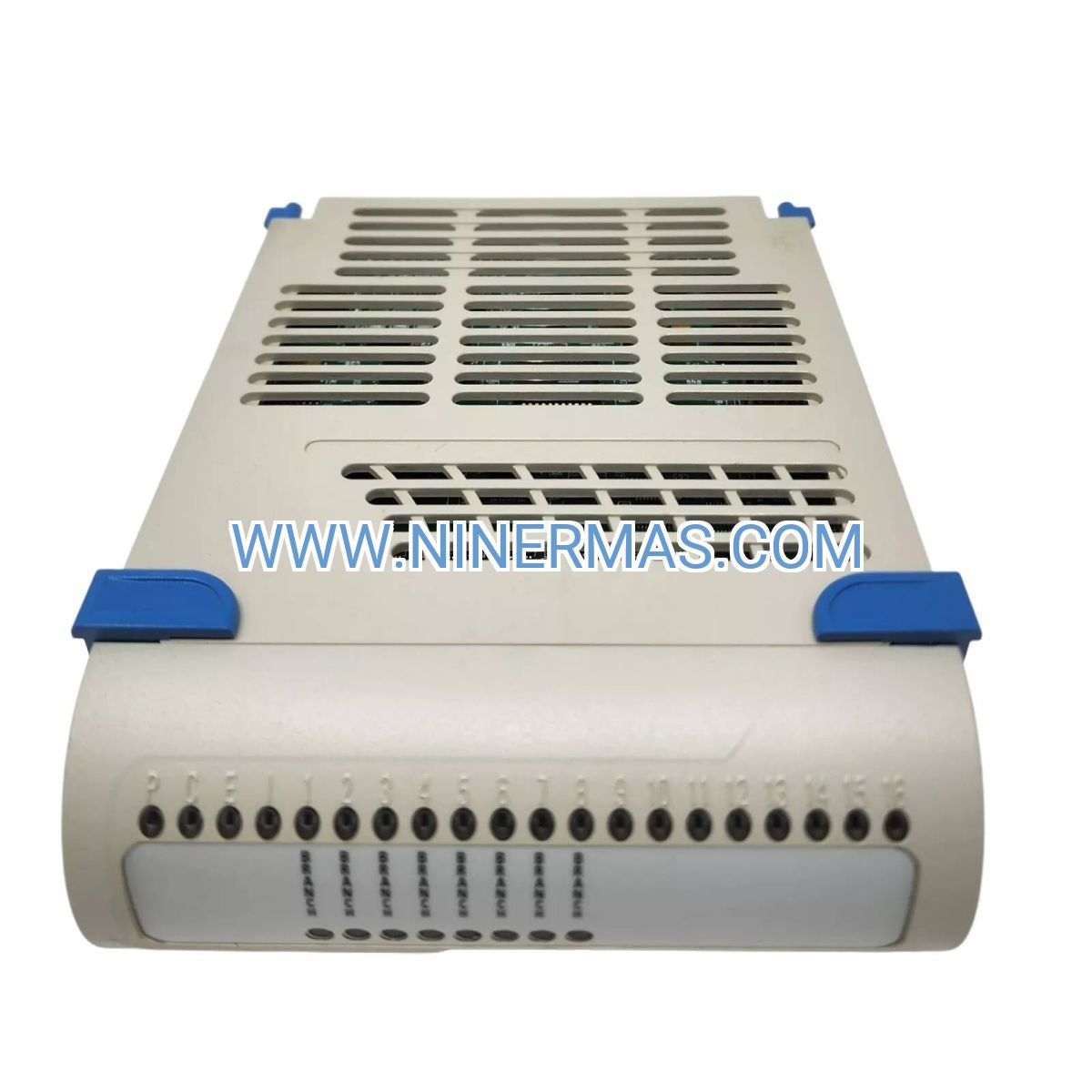
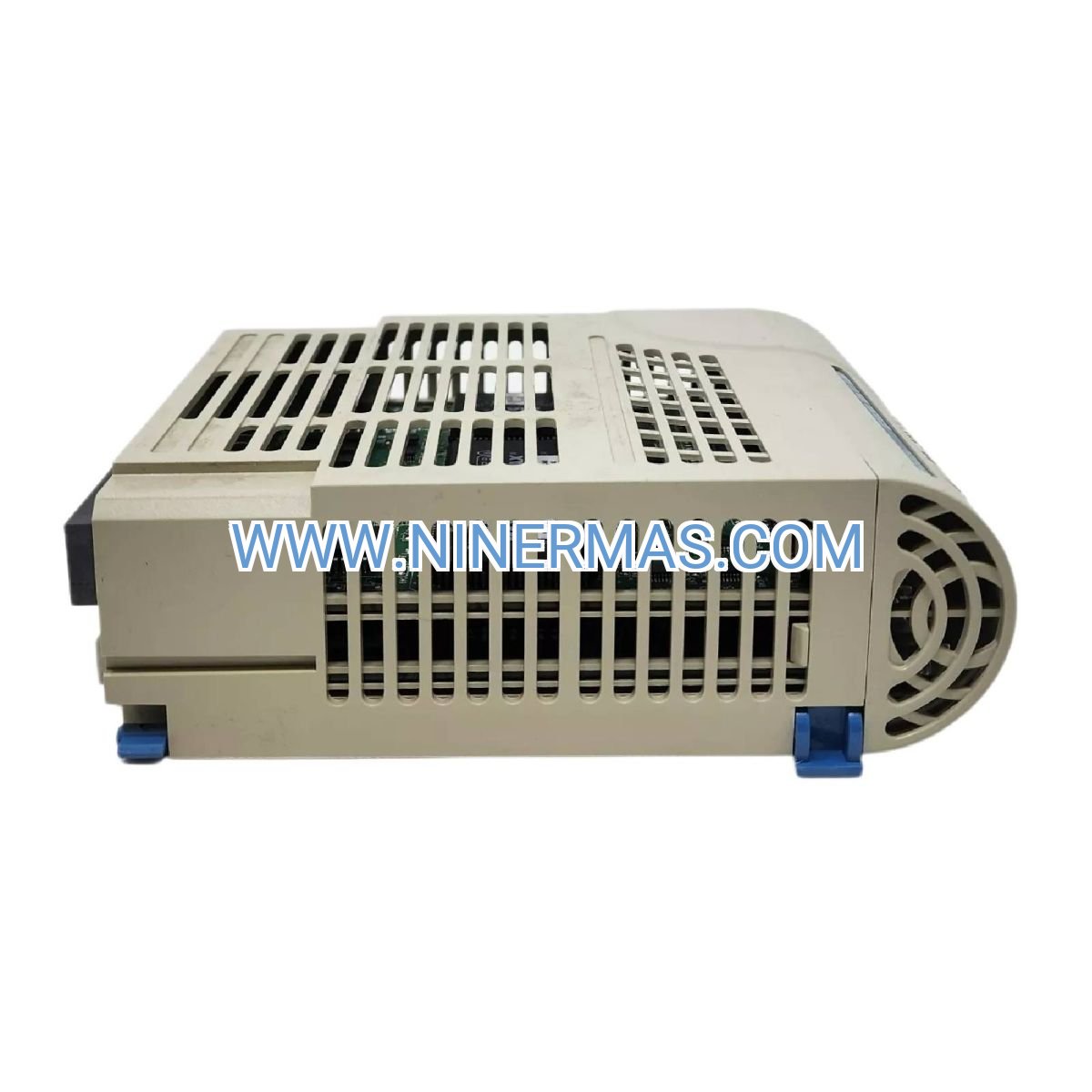
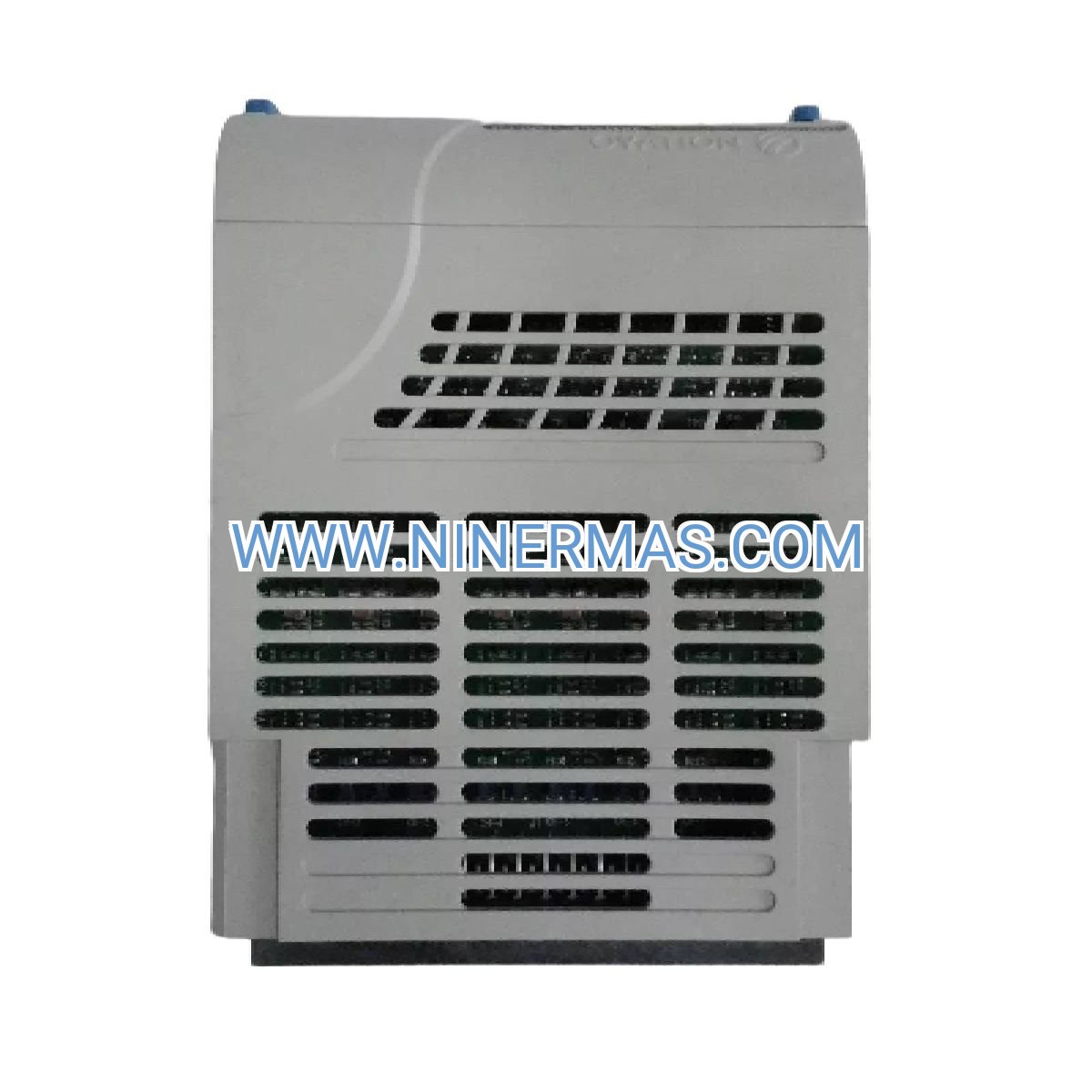
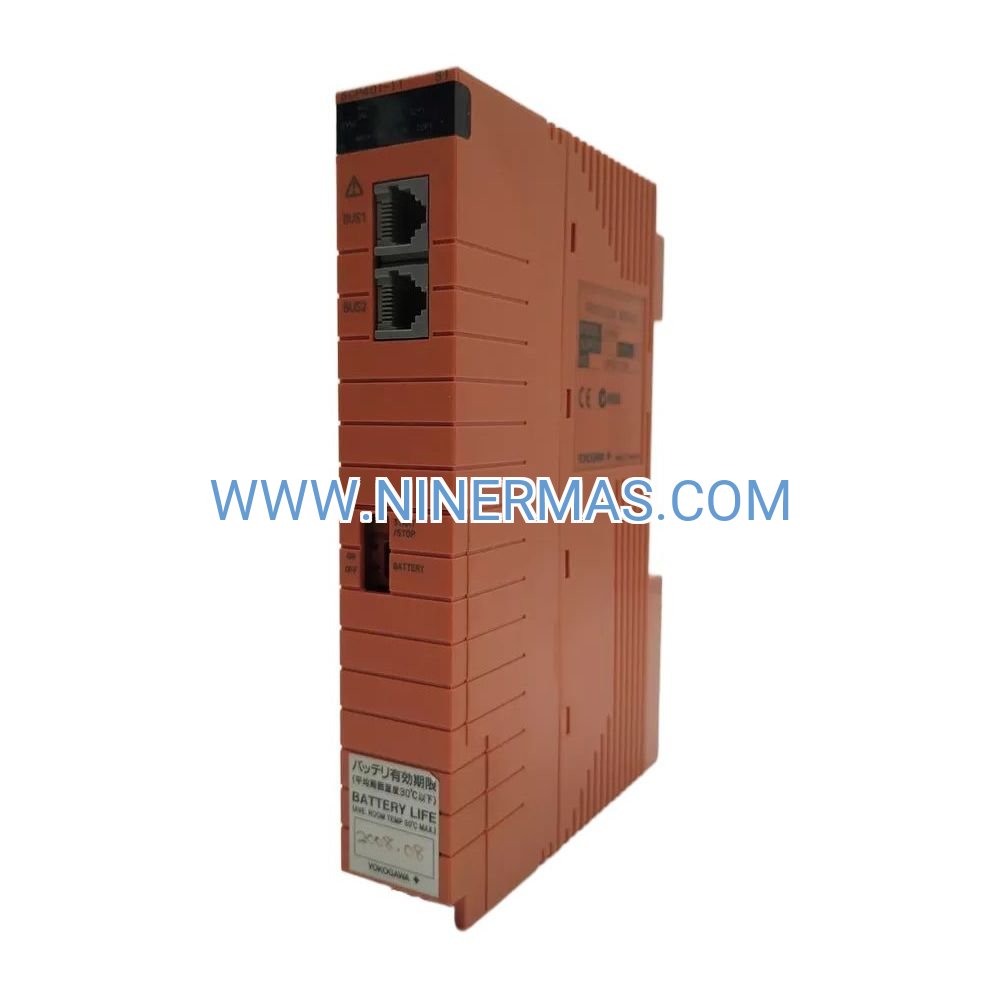
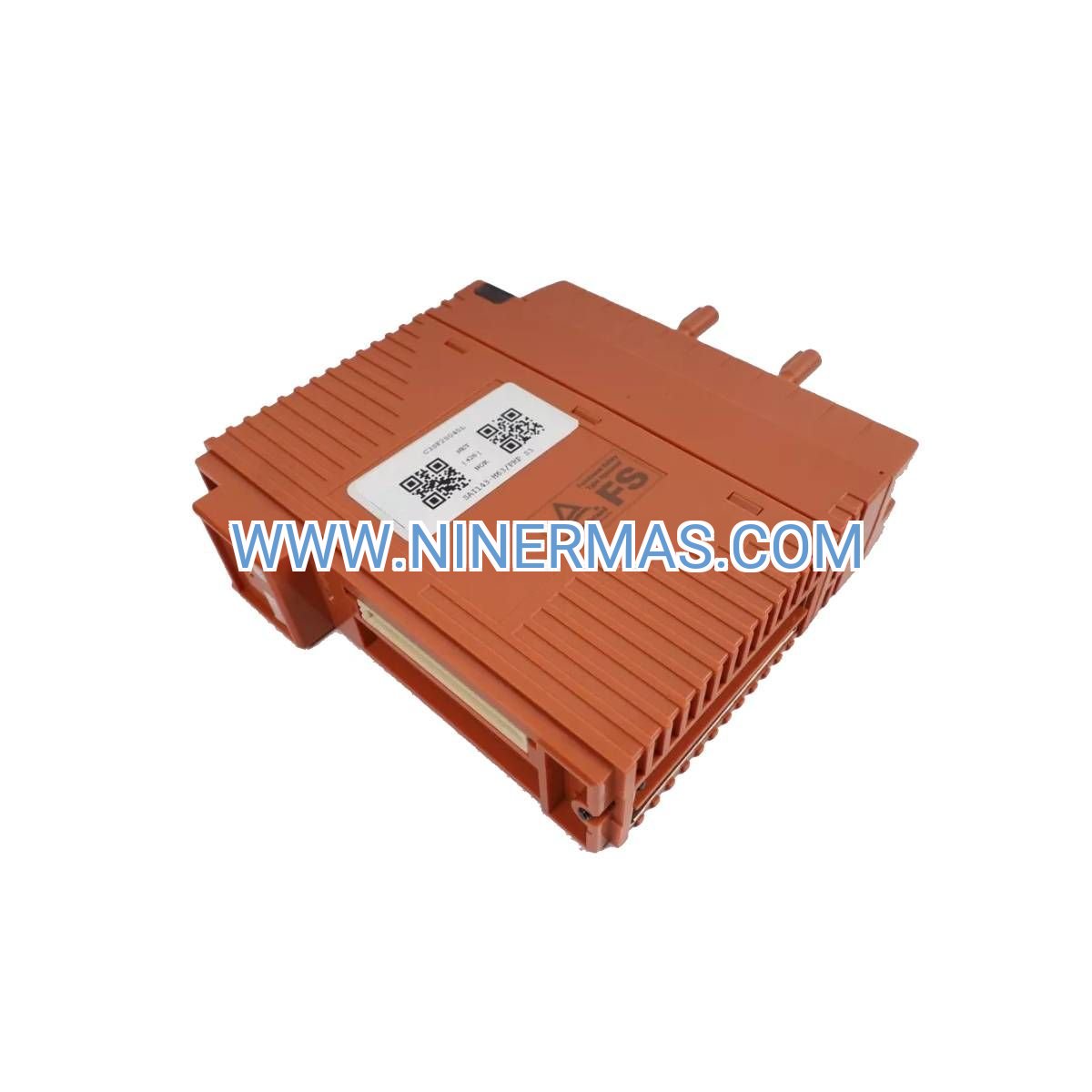
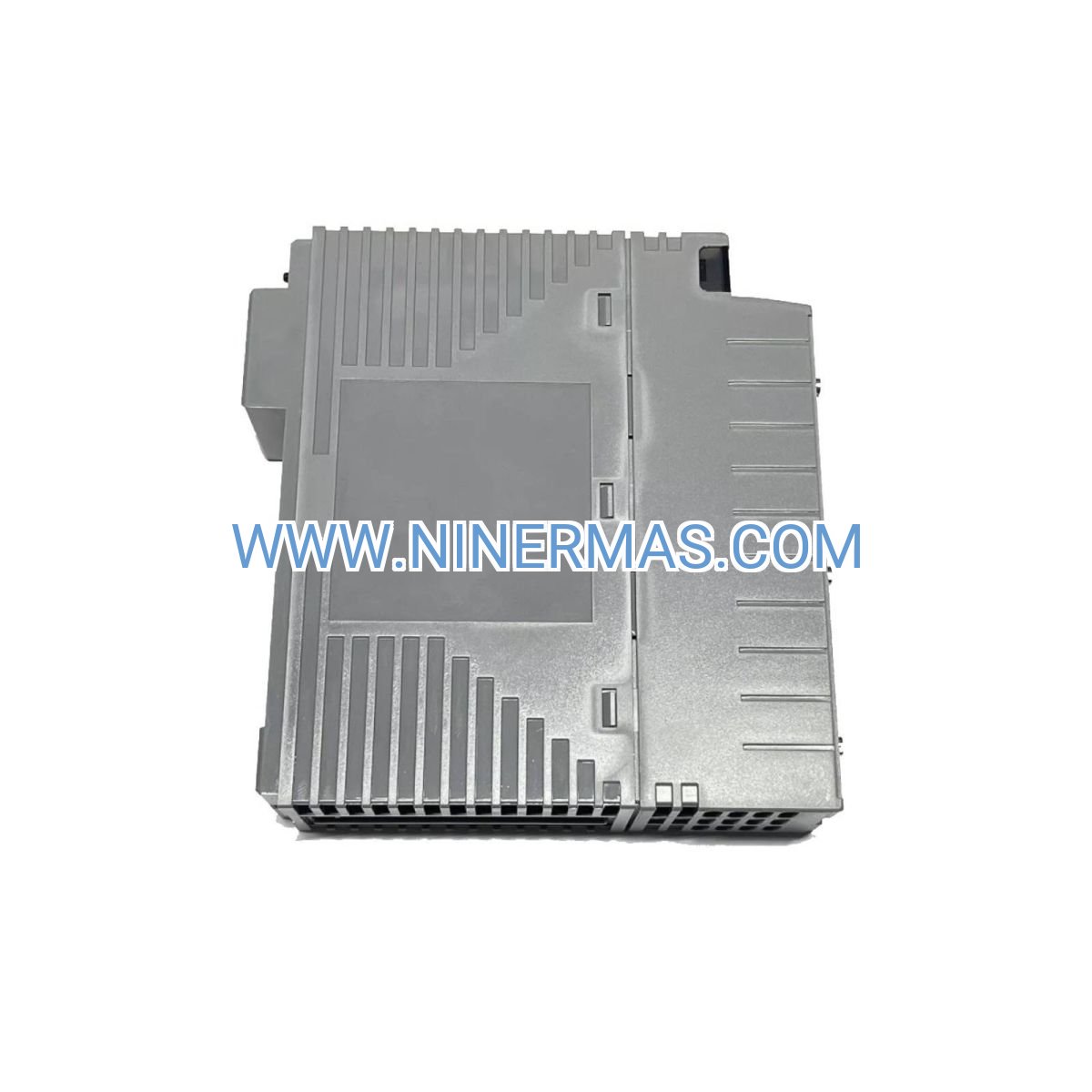
Industrial-Grade Remote I/O Gateway for Ovation DCS Ecosystems
The 1C31203G01 functions as a high-performance communication bridge within Emerson Ovation distributed control architectures, orchestrating real-time data exchange between central processors and field-mounted I/O hardware. Built for continuous operation in power generation, municipal water systems, and petrochemical facilities, this remote node controller delivers deterministic network performance across extended industrial campuses where traditional point-to-point wiring proves cost-prohibitive or physically impractical.
Engineered for mission-critical environments, the unit addresses the fundamental challenge of maintaining microsecond-level synchronization across geographically dispersed control points while providing fault-tolerant operation through dual-redundant network paths. Industries requiring 24/7 uptime—including combined-cycle power plants, wastewater treatment facilities, and pipeline compression stations—rely on this controller to eliminate single points of failure in their automation infrastructure.
Key differentiators include hot-swappable architecture enabling live maintenance, auto-discovery protocols reducing commissioning overhead by 40%, and hardware-enforced network isolation meeting NERC CIP cybersecurity mandates. The controller's ability to manage 128 I/O modules per node while maintaining 10ms update cycles makes it ideal for applications demanding both scale and responsiveness.
Technical Capabilities & Performance Metrics
→ Deterministic Fieldbus Communication: Proprietary Ovation protocol ensures predictable 10ms minimum scan cycles for time-critical control loops, with jitter under 500 microseconds across full I/O complement—essential for coordinated sequencing in turbine startup procedures and batch process synchronization.
→ Scalable I/O Architecture: Single controller supports up to 128 distributed I/O modules across daisy-chained network segments extending 2 kilometers via fiber optic or shielded twisted-pair cabling, eliminating costly intermediate repeaters and reducing copper infrastructure by 60-70% versus traditional home-run designs.
→ Redundant Network Interfaces: Dual communication ports with automatic failover provide bumpless transfer during cable faults or switch failures, maintaining uninterrupted data flow to supervisory systems—critical for regulatory compliance in utility and pharmaceutical applications.
→ 32-Bit Processing Core: RISC-based processor with 64MB onboard memory handles complex signal conditioning algorithms, diagnostic routines, and network traffic management without impacting scan time performance, even under peak I/O loading conditions.
→ Integrated Network Diagnostics: Built-in analyzer tools pinpoint cable faults to specific segments, monitor signal quality metrics, and log communication errors with millisecond timestamps—reducing mean time to repair (MTTR) by 50% compared to systems requiring external test equipment.
✓ Hot-Standby Redundancy: Pair controllers in active/standby configuration with automatic health monitoring and seamless switchover during primary unit failure, achieving 99.99% availability without manual intervention or process disruption.
Industry Applications & Use Cases
Combined-Cycle Power Generation: Coordinate heat recovery steam generators (HRSGs), condensate polishing systems, and auxiliary cooling towers distributed across 50+ acre generation sites. The controller's extended network reach eliminates the need for intermediate marshalling cabinets, reducing installation costs by $80,000-$120,000 per unit while improving system reliability through reduced connection points.
Municipal Water Treatment: Manage influent screening, primary clarification, aeration basins, and UV disinfection stages spread across multi-acre treatment plants. Remote node architecture enables centralized SCADA visualization of 200+ process variables while maintaining local control autonomy during network outages—meeting EPA reliability requirements for critical infrastructure.
Petrochemical Tank Farms: Control automated blending systems, custody transfer metering, and vapor recovery units in hazardous classified areas located 500+ meters from control buildings. ATEX Zone 2 and FM Class I Div 2 certifications permit installation in explosive atmospheres without costly purge enclosures.
Pipeline Compressor Stations: Integrate anti-surge control, vibration monitoring, and emissions compliance systems across unmanned midstream facilities requiring remote diagnostics and firmware updates via cellular backhaul—reducing site visit frequency by 60% while maintaining SIL-2 safety integrity levels.
Food & Beverage Processing: Synchronize CIP (clean-in-place) skids, pasteurization loops, and aseptic filling lines where sanitary design requirements mandate distributed I/O placement near process equipment. Conformal coating and IP65-rated enclosures withstand high-pressure washdown environments common in dairy and brewing operations.
Technical Specifications & Selection Criteria
| Parameter | Specification |
|---|---|
| Network Protocol | Ovation proprietary deterministic fieldbus |
| Maximum I/O Modules | 128 per remote node |
| Minimum Scan Cycle | 10 milliseconds (critical loops) |
| Network Interfaces | Dual redundant with auto-failover |
| Processor Architecture | 32-bit RISC, 64MB RAM |
| Data Throughput | 12 Mbps sustained transfer rate |
| Network Distance | Up to 2 km (fiber/STP) |
| Power Input | 24VDC nominal, 15W typical |
| Operating Temperature | -20°C to +60°C |
| Humidity Range | 5-95% RH non-condensing |
| Certifications | UL508, CE, FM Class I Div 2, ATEX Zone 2 |
| MTBF | >150,000 hours (17+ years) |
Selection Guidelines: Choose this controller when your application requires distributed I/O placement beyond 100 meters from central processors, demands redundant communication paths for high-availability operation, or needs to integrate with existing Emerson Ovation DCS infrastructure. For greenfield installations, verify compatibility with planned I/O module families (analog, discrete, specialty) and confirm network topology supports required cable distances and environmental conditions.
Advanced Integration Features
Cybersecurity Hardening: Hardware-enforced network segmentation isolates field I/O traffic from enterprise IT networks, preventing lateral movement during cyber incidents. Supports encrypted firmware updates and role-based access control (RBAC) for configuration changes—meeting IEC 62443-4-2 security level SL2 requirements without third-party firewalls.
Predictive Maintenance Analytics: Continuous monitoring of network signal quality, processor loading, and I/O module health enables condition-based maintenance strategies. Trend analysis identifies degrading communication links 4-6 weeks before failure, allowing scheduled replacement during planned outages rather than emergency shutdowns.
Multi-Protocol Gateway Capability: Optional firmware enables Modbus TCP/IP and OPC UA server functionality, allowing legacy PLCs and third-party SCADA systems to access Ovation I/O data without custom programming—reducing integration costs by $15,000-$25,000 per interface point.
Delivery Timeline & Service Commitments
Standard Lead Time: 3-5 business days for factory-sealed units with current firmware revision. All controllers undergo 72-hour burn-in testing and network stress validation before shipment.
Custom Configuration: 7-10 business days for pre-programmed units with customer-specific network addresses, I/O mapping tables, and redundancy settings—delivered ready for rack installation with zero on-site configuration.
Warranty Coverage: 24-month manufacturer warranty covering defects in materials and workmanship. Extended 5-year coverage available including advance replacement and on-site failure analysis.
Technical Support: Lifetime access to Emerson's global support network providing 24/7 emergency troubleshooting, firmware update notifications, and application engineering consultation. Average response time under 2 hours for critical system outages.
Documentation Package: Includes installation manual with network topology examples, configuration utility software license, AutoCAD dimensional drawings, and factory acceptance test (FAT) report with calibration certificates traceable to NIST standards.
Frequently Asked Questions
What network cable types are compatible with the 1C31203G01 controller?
The controller supports both multimode fiber optic (62.5/125μm or 50/125μm) and shielded twisted-pair copper (Belden 3105A or equivalent) for network connections. Fiber is recommended for distances exceeding 500 meters or installations crossing between buildings to eliminate ground loop issues. Copper cabling works well for shorter runs within the same electrical ground plane.
How many remote node controllers can operate on a single Ovation network segment?
A single Ovation fieldbus segment supports up to 32 remote node controllers, providing aggregate capacity for 4,096 I/O modules (32 controllers × 128 modules each). For larger systems, implement multiple network segments connected via Ovation controller redundant Ethernet backbone, enabling scalability to 10,000+ I/O points per control domain.
Does the controller reduce energy consumption compared to centralized I/O architectures?
Yes—distributed I/O placement eliminates long copper home-runs that contribute 15-20W per 100 meters in resistive losses. A typical 500-meter installation saves 75-100W per I/O circuit, translating to $800-$1,200 annual energy cost reduction for a 200-point system. Additionally, reduced copper weight lowers cable tray structural requirements by 30-40%.
What are the physical installation requirements for rack mounting?
The controller mounts on standard 35mm DIN rail within Ovation I/O racks or third-party enclosures meeting IP54 minimum ingress protection. Requires 25mm clearance on both sides for convection cooling and 150mm front access for network cable service loops. Vertical or horizontal mounting orientations are supported without derating.
Can the controller support remote firmware updates without site visits?
Yes—when connected to Ovation's secure remote access infrastructure, firmware updates deploy via encrypted VPN tunnels with automatic rollback on verification failure. The redundant controller architecture allows sequential updates (standby first, then active) without process interruption. Typical update duration is 8-12 minutes per controller including reboot cycles.
How does the controller integrate with existing Ovation DCS systems?
The 1C31203G01 auto-discovers upon network connection and appears in Ovation Developer Studio configuration tools within 30 seconds. I/O module assignments, alarm limits, and control logic references update via drag-and-drop operations—no manual scripting required. Backward compatible with Ovation systems dating to 2008 (version 3.3.1 and later).
Ready to Optimize Your Distributed Control Architecture?
Contact our application engineering team for network topology review, I/O count validation, and project-specific lead time confirmation. We provide complimentary system design consultation including cable routing analysis, redundancy configuration recommendations, and lifecycle cost comparisons versus alternative architectures.
Request a formal quotation today—include your I/O module list and site layout for accurate delivery scheduling.
© 2026 NINERMAS COMPANY LIMITED. All rights reserved.
Original Source: https://ninermas.com
Contact: sale@ninermas.com | +0086 187 5021 5667
Related products

Contact Info
-
Address:22 / F, South Wo Hang building, 148 Wing Lok Street, Sheung Wan, Western District, Hong Kong
-
Phone:+8618750215667
-
Email: