Description
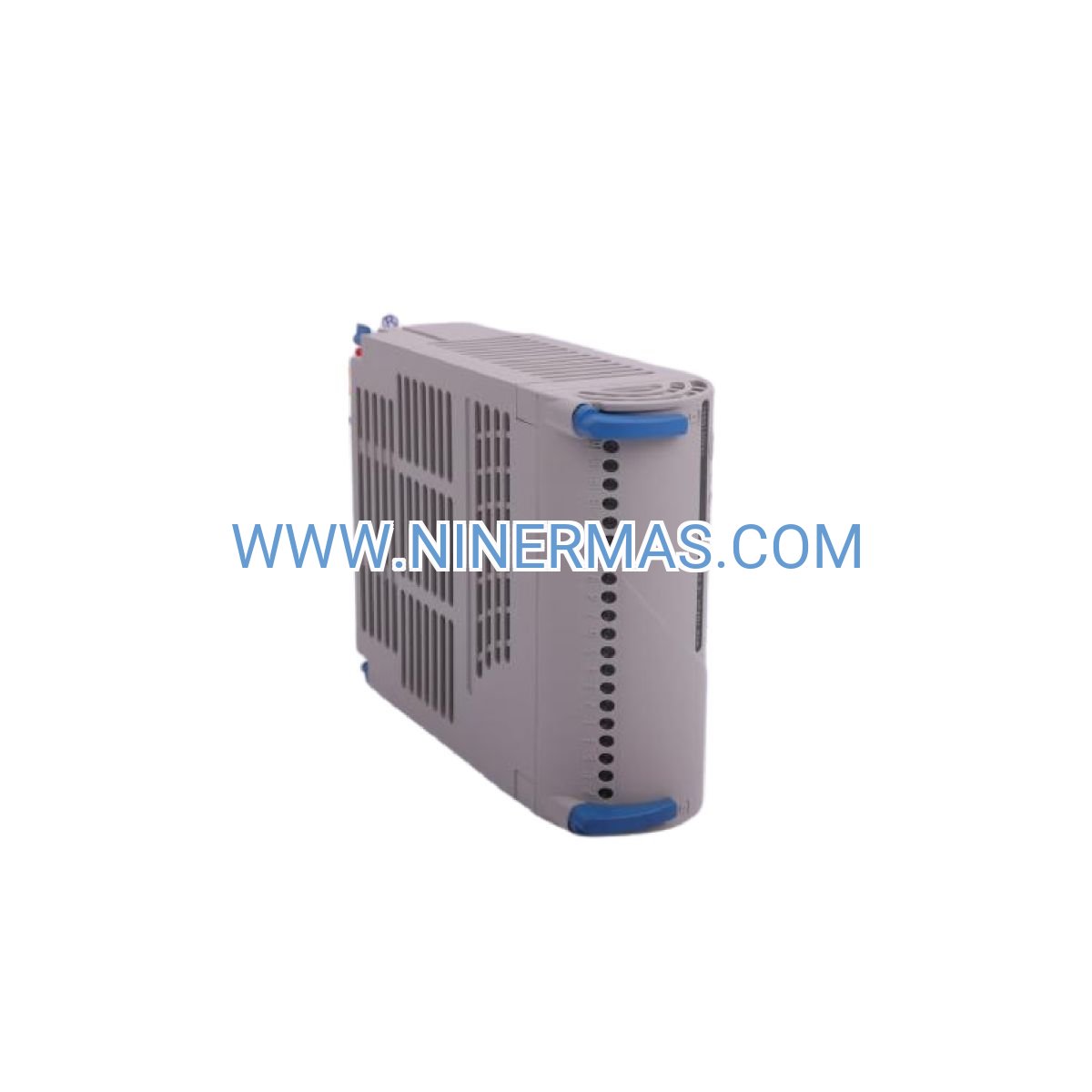
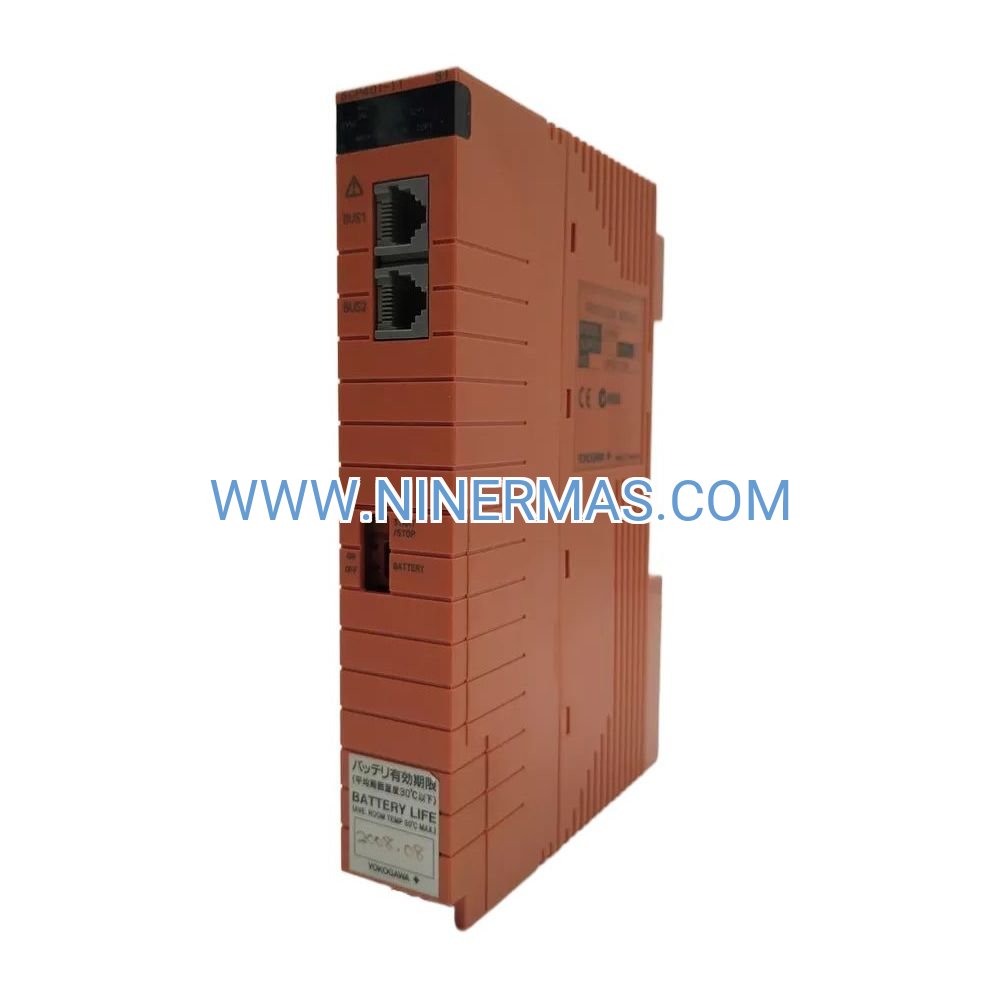
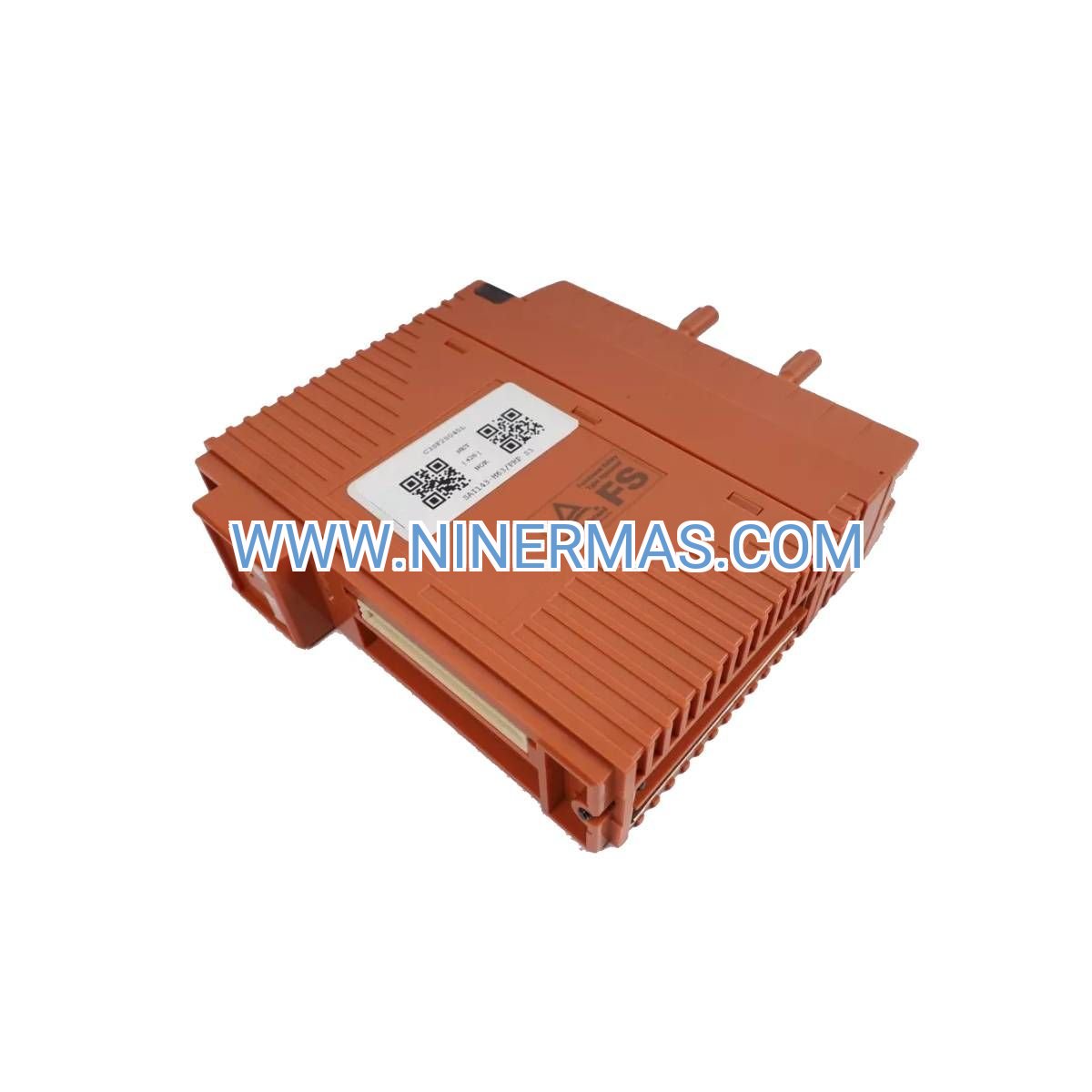
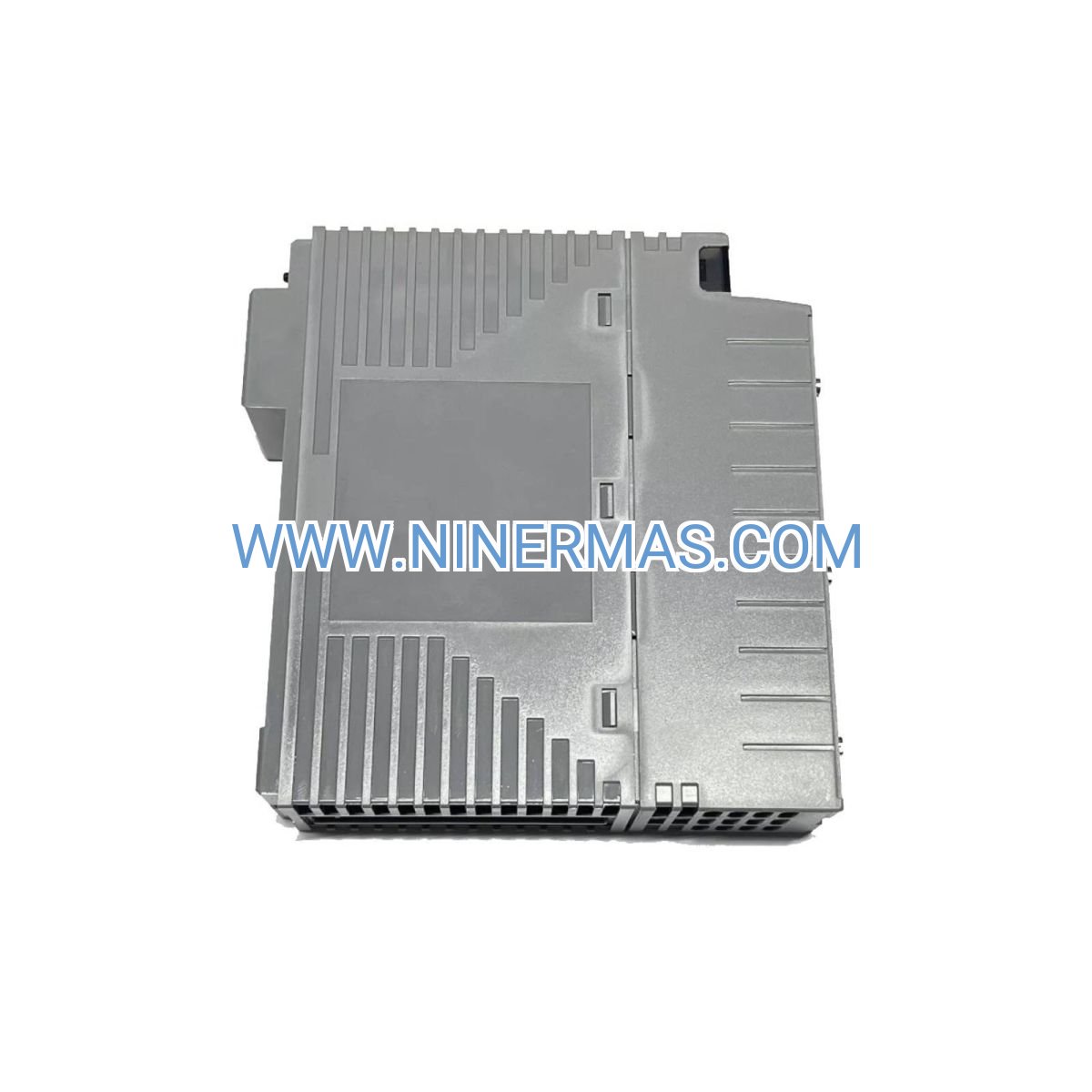
Emerson 1C31199G06 Remote I/O Controller (Industrial-Grade Distributed Expansion)
The Emerson 1C31199G06 represents a next-generation approach to industrial I/O architecture, delivering decentralized data acquisition and control for geographically dispersed process equipment. Built for power generation facilities, petrochemical complexes, and large-scale manufacturing plants, this remote I/O controller eliminates the constraints of centralized cabinet designs while slashing installation costs and improving operational flexibility. By positioning I/O modules directly at field equipment locations, the 1C31199G06 transforms how modern DCS systems handle distributed processes across multi-building industrial sites.
Designed for integration with Emerson Ovation DCS platforms, this module addresses the critical challenge faced by plant engineers: how to efficiently connect hundreds of field devices spread across vast industrial campuses without running prohibitively expensive copper cable. Whether you're managing a 500-acre refinery or a multi-unit power station, the 1C31199G06 delivers enterprise-class reliability with the scalability to grow alongside your operations.
With fiber-optic communication spanning up to 2 kilometers, redundant network paths, and hot-swappable I/O cards, this remote controller ensures continuous process visibility even during maintenance activities or component failures. The result: reduced downtime, faster troubleshooting, and a distributed control architecture that adapts to your facility's unique layout rather than forcing equipment placement around control room proximity.
Core Capabilities & Business Impact
✓ Extended Distance Communication
Fiber-optic and Ethernet connectivity supports I/O placement up to 2 km (1.24 miles) from central control rooms, enabling true distributed architecture across sprawling industrial sites. Eliminates voltage drop concerns and electrical noise interference inherent in long copper runs.
✓ Dramatic Installation Cost Reduction
Cut copper wiring expenses by 40-50% compared to centralized I/O cabinets. A single fiber-optic cable replaces hundreds of individual signal wires, reducing material costs, labor hours, and conduit infrastructure requirements. Typical ROI achieved within 18-24 months on medium-scale deployments.
✓ Real-Time Performance with Fault Tolerance
Dual redundant communication paths ensure uninterrupted data flow even during network maintenance or cable damage. Sub-10ms network latency maintains real-time control loop performance for critical process variables. Autonomous operation mode preserves last-known-good outputs during temporary communication loss.
✓ Hot-Swap Maintenance Without Process Interruption
Replace failed I/O cards while the system remains operational—no need to shut down entire process units for routine maintenance. Field-accessible design allows technicians to service modules at equipment locations rather than in climate-controlled control rooms, reducing mean-time-to-repair by 60%.
✓ Scalable Expansion Architecture
Add I/O capacity incrementally as plant expansions occur without redesigning main control cabinets. Each remote module operates as an intelligent node, supporting mixed analog inputs, digital outputs, and specialty I/O types within a single chassis. Automatic device discovery through Ovation Developer Studio simplifies commissioning.
✓ Harsh Environment Durability
Extended temperature range (-40°C to +70°C) and NEMA 4X/IP65 enclosure options enable outdoor installations and hazardous area deployments. Class I Division 2 and ATEX Zone 2 certifications support petrochemical and chemical processing applications where explosive atmospheres may occur.
Industry Applications & Problem-Solving Use Cases
→ Power Generation: Coal Handling & Ash Systems
Deploy remote I/O at conveyor transfer points, crusher stations, and ash silos located hundreds of meters from the main control building. Monitor belt speeds, material levels, and bearing temperatures without running expensive shielded cable through underground conduit. Fiber-optic immunity to electrical noise from nearby high-voltage switchgear ensures reliable signal integrity.
→ Petrochemical Refineries: Tank Farm Monitoring
Connect storage tank instrumentation—level transmitters, temperature sensors, pressure switches—across multi-acre tank farms using distributed I/O nodes at each tank cluster. Eliminate the need for massive marshalling cabinets and thousands of feet of intrinsically safe wiring. Reduce installation time by 6-8 weeks on typical 20-tank projects.
→ Water Treatment: Remote Pump Stations
Control and monitor lift stations, chemical dosing skids, and clarifier equipment spread across municipal wastewater facilities. Fiber-optic links prevent lightning-induced ground loop damage common in outdoor installations with long copper cable runs. Maintain full SCADA visibility of remote assets without dedicated RTU hardware.
→ Manufacturing: Multi-Building Production Complexes
Integrate process equipment across separate production halls, warehouses, and utility buildings within a single DCS architecture. Coordinate material handling, environmental controls, and utility systems without the complexity of multiple standalone PLCs. Centralized operator interface with distributed execution improves operational efficiency.
Technical Specifications & Selection Criteria
| Parameter | Specification |
|---|---|
| I/O Capacity | Mixed analog/digital expansion, modular chassis design |
| Communication Protocol | Fiber-optic or Ethernet with encrypted data transmission |
| Maximum Distance | 2 km (1.24 miles) from Ovation controller |
| Network Latency | <10ms for real-time I/O updates |
| Redundancy | Dual communication paths, automatic failover |
| Power Requirements | 24 VDC nominal (18-32 VDC operating range) |
| Operating Temperature | -40°C to +70°C extended range |
| Enclosure Rating | NEMA 4X, IP65 (outdoor/washdown environments) |
| Hazardous Area Approvals | Class I Div 2, ATEX Zone 2, IECEx |
| Mounting Options | DIN-rail or panel-mount configurations |
| Cybersecurity | IEC 62443 compliant, MAC filtering, encrypted protocols |
Selection Guidance: Choose the 1C31199G06 when field equipment is located more than 100 meters from control rooms, when electrical noise environments make copper wiring unreliable, or when future plant expansions require flexible I/O placement. For applications requiring intrinsic safety barriers, verify compatibility with Ovation IS barrier modules. Consult Emerson application engineers for fiber-optic cable specifications in outdoor or underground installations.
Advanced Integration & Customization Options
Industrial IoT Connectivity: Optional OPC UA server functionality enables data sharing with enterprise MES and ERP systems without compromising DCS security. Publish process variables to cloud analytics platforms for predictive maintenance and performance optimization while maintaining air-gapped control networks.
Third-Party Device Integration: HART pass-through capability allows direct communication with intelligent field devices for advanced diagnostics and calibration. Modbus TCP/IP gateway option supports legacy equipment integration without protocol converters.
Custom I/O Configurations: Factory-configured chassis available with pre-installed I/O cards, tested communication links, and customer-specific labeling. Reduces on-site commissioning time and eliminates field wiring errors on large projects with dozens of remote nodes.
Delivery, Warranty & Technical Support
Lead Time: Standard configurations ship within 4-6 weeks; custom-configured systems require 8-10 weeks for factory assembly and testing. Expedited delivery available for critical outage situations with 48-hour emergency response.
Warranty Coverage: 24-month manufacturer warranty covering defects in materials and workmanship. Extended warranty programs available for up to 5 years with guaranteed spare parts availability for 20+ years post-purchase.
Technical Support: 24/7 global support hotline with Emerson-certified engineers. On-site commissioning assistance included for orders of 5+ remote I/O nodes. Comprehensive documentation package includes wiring diagrams, configuration files, and troubleshooting guides.
Training & Documentation: Access to Emerson University online training modules for Ovation remote I/O configuration. Detailed installation manuals, network architecture guides, and cybersecurity best practices documentation provided with each shipment.
Frequently Asked Questions
Q: How does the 1C31199G06 remote I/O module connect to existing Ovation DCS controllers?
A: The module connects via fiber-optic cable or Ethernet using Ovation's proprietary communication protocol. Standard LC or SC fiber connectors are used, with automatic device discovery through Ovation Developer Studio. No special programming is required—simply assign I/O addresses and map to control strategies.
Q: What is the maximum I/O capacity supported by a single 1C31199G06 chassis?
A: Each chassis supports up to 16 I/O cards in various combinations of analog inputs (4-20mA, RTD, thermocouple), digital inputs (24 VDC, 120 VAC), and digital outputs (relay, solid-state). Total point count varies by card type, typically ranging from 128 to 256 I/O points per remote node.
Q: Can this remote I/O system reduce energy consumption in distributed control applications?
A: Yes—by eliminating long copper cable runs, you reduce resistive losses and voltage drop issues that waste energy. Additionally, localized I/O placement allows for zone-based power management, shutting down remote modules during non-production periods. Customers report 15-20% reduction in control system power consumption on large distributed installations.
Q: What are the installation requirements for outdoor fiber-optic cable runs?
A: Use armored fiber-optic cable rated for direct burial or aerial installation. Maintain minimum bend radius (typically 10x cable diameter) and protect cable entries with weatherproof glands. For underground runs, use PVC conduit in areas with heavy equipment traffic. Lightning protection is not required for fiber-optic links, unlike copper-based systems.
Q: Does the 1C31199G06 support remote monitoring and diagnostics from mobile devices?
A: When integrated with Ovation operator workstations, diagnostic data is accessible through Emerson's DeltaV Mobile app for iOS and Android. View module health, communication status, I/O card diagnostics, and alarm conditions from smartphones or tablets. Full configuration changes require desktop access for cybersecurity compliance.
Q: How do I size fiber-optic cable for distances approaching the 2 km maximum range?
A: Use single-mode fiber for distances over 500 meters to minimize signal attenuation. Multi-mode fiber is acceptable for shorter runs (<500m) and costs less. Consult fiber-optic loss budgets in the Ovation Remote I/O Installation Guide—typical systems maintain 10-15 dB margin for reliable operation. Factor in splice losses (0.1-0.3 dB each) and connector losses (0.5 dB each) when calculating total link budget.
Ready to Modernize Your Distributed Control Architecture?
Contact our industrial automation specialists to discuss your specific application requirements. We provide detailed system sizing, fiber-optic network design, and ROI analysis for distributed I/O projects. Request a technical consultation to explore how the Emerson 1C31199G06 can reduce installation costs while improving operational flexibility across your facility.
Get a Custom Quote: Email your plant layout, I/O count requirements, and distance specifications for a tailored proposal within 48 hours.
© 2026 NINERMAS COMPANY LIMITED. All rights reserved.
Original Source: https://ninermas.com
Contact: sale@ninermas.com | +0086 187 5021 5667
Related products

Contact Info
-
Address:22 / F, South Wo Hang building, 148 Wing Lok Street, Sheung Wan, Western District, Hong Kong
-
Phone:+8618750215667
-
Email: