Original Industrial Spare Part
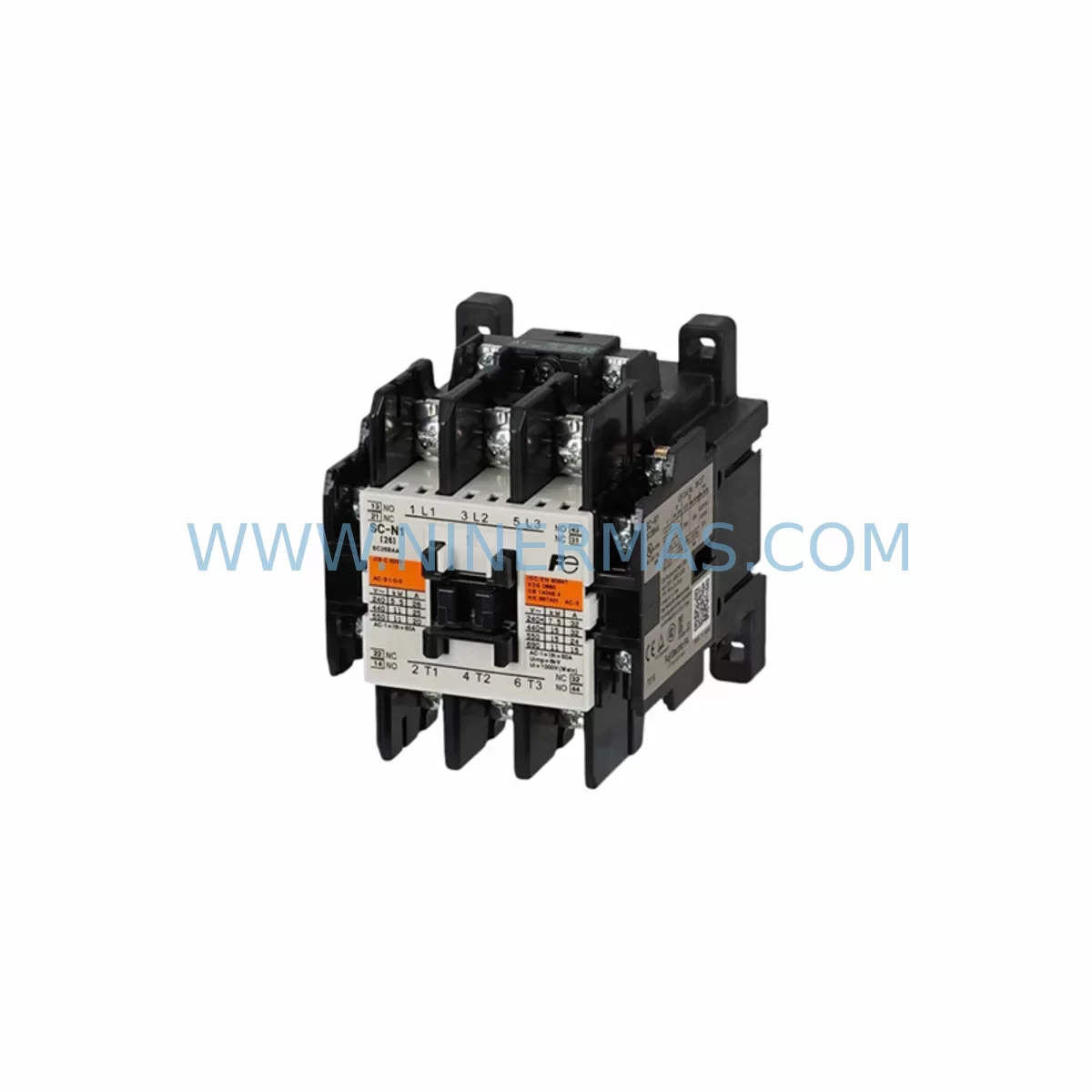
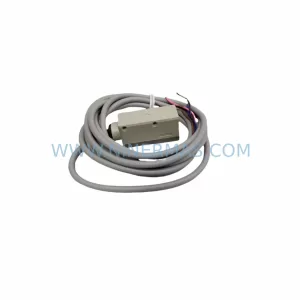
FUJI SC-1N Service-Ready Spare Part for Industrial Maintenance
Verify the part, confirm the platform family, and move straight into quotation with the right commercial details.
RFQ Ready
- SKUSC-1N
- CategoryPLC & Industrial Automation Modules
- BrandFuji Electric
- SupportAvailability, lead time, condition, and shipping coordination
How Buyers Usually Use This Page
- Confirm the exact part number and platform family before sending the quote request.
- Use direct email when quantity, condition, and destination are already defined internally.
- Switch to the broader brand or category archive when you need alternates nearby.
Series Navigation
Move through the most common platform families behind this part.
Product RFQ
Send this part directly for quotation.
Include quantity, required condition, destination country, and target delivery timing. Current reference: FUJI SC-1N Service-Ready Spare Part for Industrial Maintenance with SKU SC-1N.
FUJI SC-1N Service-Ready Spare Part for Industrial Maintenance
The FUJI SC-1N is a compact AC magnetic contactor from FUJI Electric’s SC Series, engineered for reliable motor control and switching duties in industrial motor control centers (MCC), control cabinets, and process automation panels. As a direct OEM-equivalent spare part, the SC-1N is a critical component for maintenance engineers managing aging control systems, executing planned shutdowns, or responding to unplanned equipment failures on the production floor. Sourced from verified supply channels and pre-shipment tested, each unit is backed by a 12-month warranty and is available for long-term supply commitment programs to support lifecycle extension strategies.
Whether you are managing a discrete manufacturing line, a process plant, or a utility substation, the SC-1N contactor plays a central role in motor starter circuits, reversing starters, and star-delta starter configurations. Its compact footprint and standardized mounting dimensions make it a drop-in replacement for worn or failed contactors without requiring panel redesign or rewiring, minimizing downtime and restoring production continuity rapidly.
Spare Maintenance Table
| Parameter | Specification |
|---|---|
| Model / SKU | SC-1N |
| Brand | FUJI Electric |
| Series | SC Series |
| Product Type | AC Magnetic Contactor |
| Rated Current (AC-3) | 9A (approx., 4kW / 400V) |
| Coil Voltage Options | 24V AC, 110V AC, 220V AC, 380V AC (specify on order) |
| Pole Configuration | 3-pole main contacts + 1NO auxiliary |
| Mounting | DIN rail / screw mount |
| Operating Temperature | -5°C to +60°C |
| Enclosure / IP Rating | Open type (suitable for enclosed panel installation) |
| Compatibility | FUJI SC Series starters, MCC panels, motor control circuits |
| Certifications | IEC 60947-4-1, CE (verify with datasheet) |
| Condition | Original, new / tested stock |
| Pre-Shipment Testing | Yes — coil actuation, contact resistance, insulation check |
| Warranty | 12 months from date of shipment |
| Long-Term Supply | Available — bulk stock commitment programs on request |
| Lead Time | In-stock: 1–3 business days; sourced: confirm on inquiry |
Maintenance Planning for Continuous Operation
When replacing the SC-1N contactor during a scheduled or emergency maintenance event, a thorough inspection of the surrounding electrical circuit is essential to prevent repeat failures and ensure system reliability. Maintenance engineers should begin by verifying the integrity of the motor branch circuit, including the upstream thermal overload relay — typically a FUJI TR-0N or TR-5-1N overload relay paired with the SC-1N in a direct-on-line (DOL) starter assembly. A worn or mis-set overload relay can cause nuisance tripping or fail to protect the motor after the contactor is replaced.
The control circuit feeding the SC-1N coil should also be inspected. Check the 24V DC or AC control power supply module for voltage stability and ripple, as an unstable coil supply voltage is a common cause of premature contactor failure through coil burnout or contact chatter. If the panel uses a FUJI BW series molded case circuit breaker (MCCB) as the branch protection device, verify that the breaker’s trip settings remain within the motor’s full-load current rating.
For panels integrating a FUJI FRENIC series variable frequency drive (VFD) upstream of the contactor, confirm that the output contactor switching sequence is correctly programmed to avoid switching under load, which accelerates contact erosion. Inspect the VFD’s output terminals and verify that the cable insulation between the drive and the motor terminal box is intact, as insulation degradation is a frequent co-failure mode.
Auxiliary contact blocks and add-on contact modules fitted to the SC-1N should be tested for continuity and proper actuation. These auxiliary contacts feed PLC digital input modules — commonly FUJI MICREX-SX or third-party Siemens S7 or Mitsubishi MELSEC I/O cards — and a faulty auxiliary contact can cause false status signals that complicate fault diagnosis. Verify the wiring to the PLC I/O terminal block and check for loose ferrules or corroded terminals in the control wiring harness.
Control panel terminal blocks adjacent to the SC-1N should be inspected for discoloration, heat damage, or loose connections, particularly on the power terminals carrying motor load current. If the panel includes a FUJI UPS or 24V DC power supply rail, verify output voltage under load before re-energizing the circuit. For panels with signal isolation requirements, check any interposing relay modules or signal isolators in the control loop to ensure they have not been damaged by the fault event that caused the original contactor failure.
Finally, review the panel’s wiring diagram and confirm that any interlocking contactors — such as a second SC-1N or SC-2N used in a reversing or star-delta configuration — are also inspected and tested before returning the system to service. Replacing only the failed contactor without checking its interlocked counterpart is a common oversight that leads to repeat failures within days of restart.
Site Replacement Workflow
Step 1 — Isolation and Lockout/Tagout (LOTO): De-energize the motor branch circuit at the MCCB or isolator. Apply LOTO per site safety procedures. Verify absence of voltage at the SC-1N line and load terminals using a calibrated voltage tester.
Step 2 — Document Existing Wiring: Photograph or sketch the existing terminal connections on the SC-1N main and auxiliary contacts before disconnection. Note the coil voltage markings and any auxiliary contact block part numbers fitted to the unit.
Step 3 — Remove Failed Unit: Disconnect main power cables (L1/L2/L3 and T1/T2/T3) and control wiring from the coil terminals (A1/A2) and auxiliary contacts. Remove the contactor from the DIN rail or unscrew from the mounting plate.
Step 4 — Inspect and Prepare Replacement: Confirm the replacement SC-1N coil voltage matches the control circuit supply. Transfer any auxiliary contact blocks from the old unit if they are in serviceable condition, or fit new add-on blocks as required. Verify the unit’s pre-shipment test certificate.
Step 5 — Install and Wire: Mount the new SC-1N and reconnect all wiring per the original documentation. Torque power terminals to the manufacturer’s specified values to prevent loose connections under thermal cycling.
Step 6 — Functional Test: Re-energize the control circuit only and manually actuate the contactor coil to verify correct mechanical operation and auxiliary contact switching. Then re-energize the power circuit and perform a no-load test run before returning the motor to full production load.
Step 7 — Update Maintenance Records: Log the replacement date, new unit serial number, and any observations in the equipment maintenance management system (CMMS). Schedule the next inspection interval per the site’s preventive maintenance plan.
Spare Parts Support FAQ
Q1: Is the SC-1N still available as a new original spare part, or has it been discontinued?
The FUJI SC-1N remains available through authorized spare parts distribution channels. NINERMAS maintains stock and long-term supply programs for SC Series contactors to support legacy system lifecycle extension. Contact our team to confirm current stock levels and lead times for your required coil voltage variant.
Q2: How do I verify compatibility between the SC-1N and my existing motor starter assembly?
Compatibility verification should be based on the rated operational current (Ie) at AC-3 duty, the coil voltage, the number of auxiliary contacts required, and the physical mounting configuration. Cross-reference the existing contactor’s nameplate data with the SC-1N datasheet. For star-delta or reversing starter applications, confirm that the mechanical and electrical interlocking arrangement is compatible with the SC-1N’s auxiliary contact block options.
Q3: What pre-shipment testing is performed on the SC-1N before delivery?
Each SC-1N unit undergoes coil actuation testing to verify correct pull-in and drop-out operation, main contact resistance measurement to confirm low-resistance switching, and insulation resistance testing between poles and between poles and frame. A test record is available on request. Units are packaged in anti-static protective packaging to prevent transit damage.
Q4: Can NINERMAS support a long-term supply agreement for SC-1N contactors to cover multi-year maintenance programs?
Yes. NINERMAS offers bulk stock commitment programs and long-term supply agreements for SC Series spare parts, including the SC-1N, SC-2N, SC-3N, and associated overload relays and auxiliary contact blocks. These programs provide price stability, reserved inventory allocation, and priority fulfillment to support planned shutdown schedules and annual maintenance budgets. All units supplied under long-term agreements carry the standard 12-month warranty from date of shipment.
| Product Series | Other series |
|---|
Catalog Continuation
More Fuji Electric modules in the catalog.
Use the brand lane to compare nearby part numbers, platform-adjacent modules, and other inquiry-ready listings before sending your final RFQ.
Catalog Continuation
Alternative parts within PLC & Industrial Automation Modules.
Stay inside the same system family when you need substitutes, adjacent modules, or a broader shortlist for procurement review.