Original Industrial Spare Part
Pepperl+Fuchs KCD2-STC-1 Retrofit-Compatible Signal Conditioner
Verify the part, confirm the platform family, and move straight into quotation with the right commercial details.
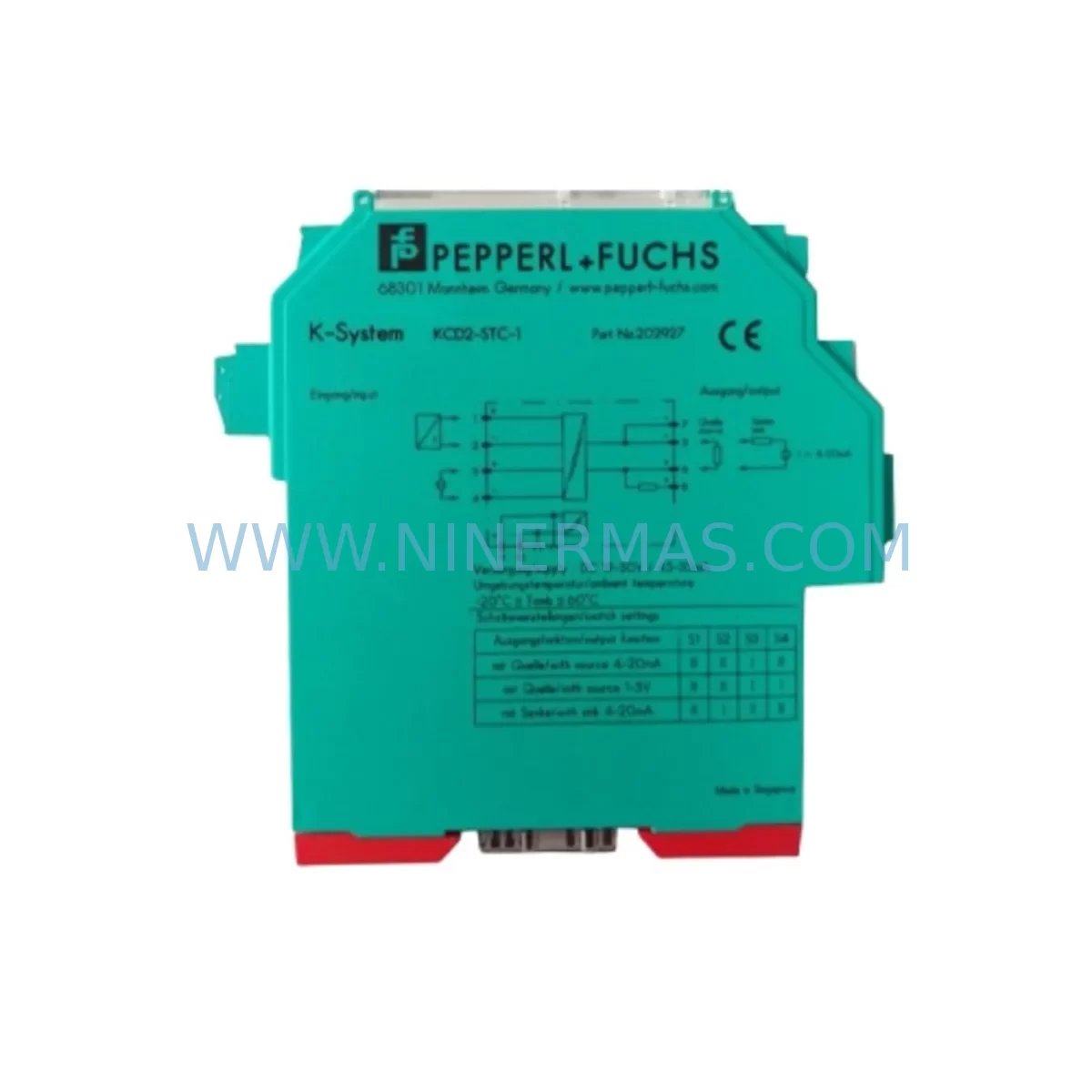
RFQ Ready
- SKUKCD2-STC-1
- CategoryPLC & Industrial Automation Modules
- BrandPepperl+Fuchs
- SupportAvailability, lead time, condition, and shipping coordination
How Buyers Usually Use This Page
- Confirm the exact part number and platform family before sending the quote request.
- Use direct email when quantity, condition, and destination are already defined internally.
- Switch to the broader brand or category archive when you need alternates nearby.
Series Navigation
Move through the most common platform families behind this part.
Product RFQ
Send this part directly for quotation.
Include quantity, required condition, destination country, and target delivery timing. Current reference: Pepperl+Fuchs KCD2-STC-1 Retrofit-Compatible Signal Conditioner with SKU KCD2-STC-1.
Pepperl+Fuchs KCD2-STC-1 Retrofit-Compatible Signal Conditioner for Legacy Automation Systems
The Pepperl+Fuchs KCD2-STC-1 is a DIN rail-mounted signal conditioner designed for NAMUR-compatible proximity sensor inputs in hazardous area applications. As a core component of the KCD2 series, the KCD2-STC-1 delivers reliable signal isolation, conversion, and transmission between field devices and control systems. For facilities managing aging automation infrastructure, this module represents one of the most dependable retrofit-compatible solutions available for legacy Pepperl+Fuchs installations.
Whether you are replacing a failed unit in an existing control cabinet, upgrading a discontinued signal interface module, or migrating from an older Pepperl+Fuchs K-System rack to a modern DIN rail layout, the KCD2-STC-1 provides a direct, low-disruption path forward. Its compact 12.5 mm housing fits standard 35 mm DIN rails, making it compatible with most existing cabinet footprints without requiring panel modifications or additional mounting hardware.
NINERMAS maintains verified stock of the KCD2-STC-1 with a 12-month warranty on all spare parts, supporting procurement teams that require long-term supply commitments for critical automation components.
Upgrade Compatibility Table
| Parameter | KCD2-STC-1 Specification | Retrofit Notes |
|---|---|---|
| Housing Width | 12.5 mm | Compatible with standard 35 mm DIN rail; verify cabinet slot spacing |
| Supply Voltage | 20–30 V DC (via KCD2 power bus or standalone) | Confirm existing power rail capacity; KCD2-PW power supplies recommended |
| Input Type | NAMUR / mechanical contact | Verify field sensor output type before replacement; no rewiring needed for NAMUR sensors |
| Output | Relay output (SPDT) | Check PLC/DCS input card compatibility; relay output is direct drop-in for most legacy wiring |
| Communication | Hardwired relay; no fieldbus | No protocol migration required; compatible with existing hardwired I/O loops |
| Mounting | 35 mm DIN rail | Fits existing KCD2 rack positions; no backplane adapter required |
| Certifications | ATEX, IECEx, FM (zone/division rated) | Verify local hazardous area classification before installation |
| Warranty | 12-Month Warranty — all units shipped by NINERMAS include a 12-month parts warranty with pre-shipment functional testing | |
Retrofit Planning for Existing Automation Systems
Replacing a KCD2-STC-1 in an active production environment requires careful pre-planning to avoid unplanned downtime. Before pulling the failed module, engineers should document the existing terminal wiring using the original cabinet drawings or perform a live trace if drawings are unavailable. The KCD2-STC-1 uses a plug-in terminal block design, which significantly simplifies hot-swap procedures in many installations — the terminal block can be transferred directly to the replacement unit without re-terminating individual conductors.
Power supply capacity is a critical checkpoint. If the control cabinet uses a KCD2-PW segment power supply to feed multiple KCD2 modules on a shared bus, verify that the total current draw remains within the rated output after adding the replacement unit. In older installations where the KCD2-PW has been in service for many years, it is advisable to inspect the power supply condition and consider replacing it alongside the KCD2-STC-1 to prevent a secondary failure shortly after the primary repair.
For facilities transitioning from older K-System rack-based Pepperl+Fuchs modules to the KCD2 DIN rail format, the migration typically involves remapping terminal assignments. The KCD2-SR-1.4S and KCD2-SR-2.4S relay modules are commonly installed in the same retrofit campaign alongside the KCD2-STC-1, particularly where multiple signal types — proximity, solenoid, and relay — are being consolidated into a unified DIN rail layout.
Where the existing system includes KFD2-series isolating barriers or older KHD2-series modules, the KCD2-STC-1 can serve as a functional replacement in many signal conditioning roles, though terminal mapping differences must be verified against the original wiring diagram. In some cases, a KCD2-UT2 universal threshold module or a KCD2-SCD-1 solenoid driver may be required in adjacent slots to maintain full I/O coverage during the upgrade.
Control cabinet space is frequently a constraint in retrofit projects. The 12.5 mm width of the KCD2-STC-1 allows dense packing on DIN rail, and in many legacy panels originally built around bulkier relay modules or older Zener barrier assemblies, the KCD2 format can free up significant cabinet real estate. This space can be used to add KCD2-PW redundant power feeds, additional KCD2-SR relay output modules, or terminal marking strips to improve long-term maintainability.
For systems that include a Siemens S7-300 or S7-400 PLC with existing hardwired I/O cards, the relay output of the KCD2-STC-1 interfaces directly without any intermediate signal conversion. Engineers should confirm the PLC input card’s voltage and current specifications match the relay contact ratings. If the migration involves moving to a newer S7-1500 platform with digital input modules, the same relay output remains compatible, though the I/O address mapping in the PLC program will need to be updated to reflect any slot or rack changes.
All KCD2-STC-1 units supplied by NINERMAS undergo pre-shipment functional testing. Each unit is verified for input response, relay switching, and power consumption before dispatch, reducing the risk of DOA failures during critical retrofit windows.
Downtime Control During System Migration
Minimizing downtime during a KCD2-STC-1 replacement begins with preparation. Before the maintenance window opens, the replacement unit should be on-site, pre-labeled, and bench-tested. The plug-in terminal block from the failed module should be photographed and documented before removal. If the installation permits, a temporary bypass relay or hardwired jumper can maintain the control loop signal during the physical swap, keeping the process running while the module is exchanged.
For PLC-controlled systems, the program logic associated with the affected input channel should be placed in a forced or manual override state during the swap to prevent spurious alarms or unintended actuator responses. After the new KCD2-STC-1 is installed and the terminal block is reconnected, the forced state should be released and the channel verified against the live field sensor signal before returning the loop to automatic control.
Where the retrofit involves multiple KCD2 modules being replaced in a single campaign, a phased approach — replacing one module at a time and verifying each before proceeding — reduces the risk of a systemic wiring error that could affect multiple control loops simultaneously. This approach also allows the maintenance team to identify any unexpected wiring discrepancies between the as-built drawings and the actual cabinet configuration before they become critical issues.
NINERMAS supports urgent retrofit requirements with priority dispatch. For time-critical projects, contact our team directly to confirm stock availability and lead time before scheduling the maintenance window.
Retrofit Support FAQ
Q1: Is the KCD2-STC-1 a direct drop-in replacement for older Pepperl+Fuchs KCD2 signal conditioners?
In most cases, yes. The KCD2-STC-1 uses the same DIN rail footprint and plug-in terminal block system as other KCD2 series modules. Terminal assignments should be verified against the original wiring diagram before installation, as minor differences may exist between module variants within the KCD2 family.
Q2: Can the KCD2-STC-1 replace modules from the older KFD2 or KHD2 series?
Functional replacement is possible in many applications, but it is not a pin-for-pin substitute. Terminal mapping, power supply requirements, and output contact configurations differ between series. A wiring adaptation may be required. NINERMAS can provide technical guidance to support cross-series replacement planning.
Q3: What pre-shipment testing is performed on KCD2-STC-1 units?
All units supplied by NINERMAS are functionally tested prior to dispatch. Testing covers input signal response, relay output switching, and power consumption verification. Each unit ships with a 12-month warranty covering manufacturing defects and functional failures under normal operating conditions.
Q4: What is the typical lead time and stock availability for the KCD2-STC-1?
NINERMAS maintains verified inventory of the KCD2-STC-1 to support urgent retrofit and spare parts requirements. Lead times vary by order volume and destination. Contact our team at sale@ninermas.com or +0086 187 5021 5667 to confirm current stock levels and shipping timelines for your project.
| Product Series | Other series |
|---|---|
| Country of Origin | DE |
Catalog Continuation
More Pepperl+Fuchs modules in the catalog.
Use the brand lane to compare nearby part numbers, platform-adjacent modules, and other inquiry-ready listings before sending your final RFQ.
SKU: KCD2-SCD-EX1 KCD2-STC-EX1
Pepperl+Fuchs KCD2-SCD-EX1 Service-Ready Industrial Spare Part
SKU: 0200X-ZE24-1011 80-S09/S10, 0190-18154 ABX-X302 722A11TGA3FC
P+F VAT-0200X-ZE24-1011-80-S09/S10 Safety-Reliable Valve Sensor
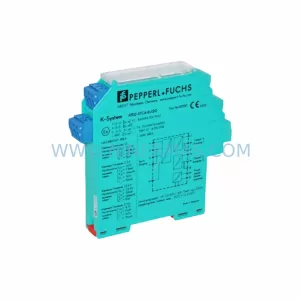
SKU: KFD2-STC4-EX1.2O
PEPPERL+FUCHS KFD2-STC4-EX1.2O Retrofit SMART Transmitter Power Supply
Catalog Continuation
Alternative parts within PLC & Industrial Automation Modules.
Stay inside the same system family when you need substitutes, adjacent modules, or a broader shortlist for procurement review.
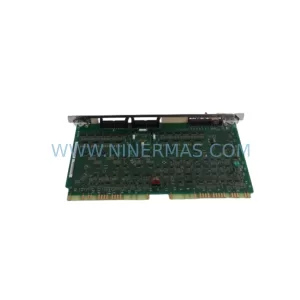
SKU: VT-VSPA1-1-12
REXROTH VT-VSPA1-1-12 Retrofit-Compatible Analog Amplifier
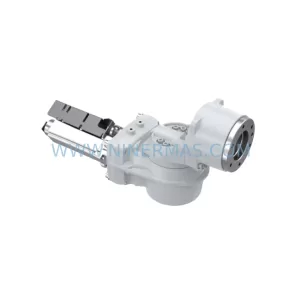
SKU: 00-170-819 00-170-819 00-187-547 00-187-547 00-176-109 RV-410F-236
KUKA RV-410F-236 Retrofit-Compatible Gearbox for Legacy Systems
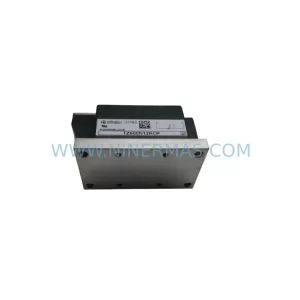
SKU: 3HAC044168-001
ABB 3HAC044168-001 Service-Ready Spare Part for IRC5 Drive