


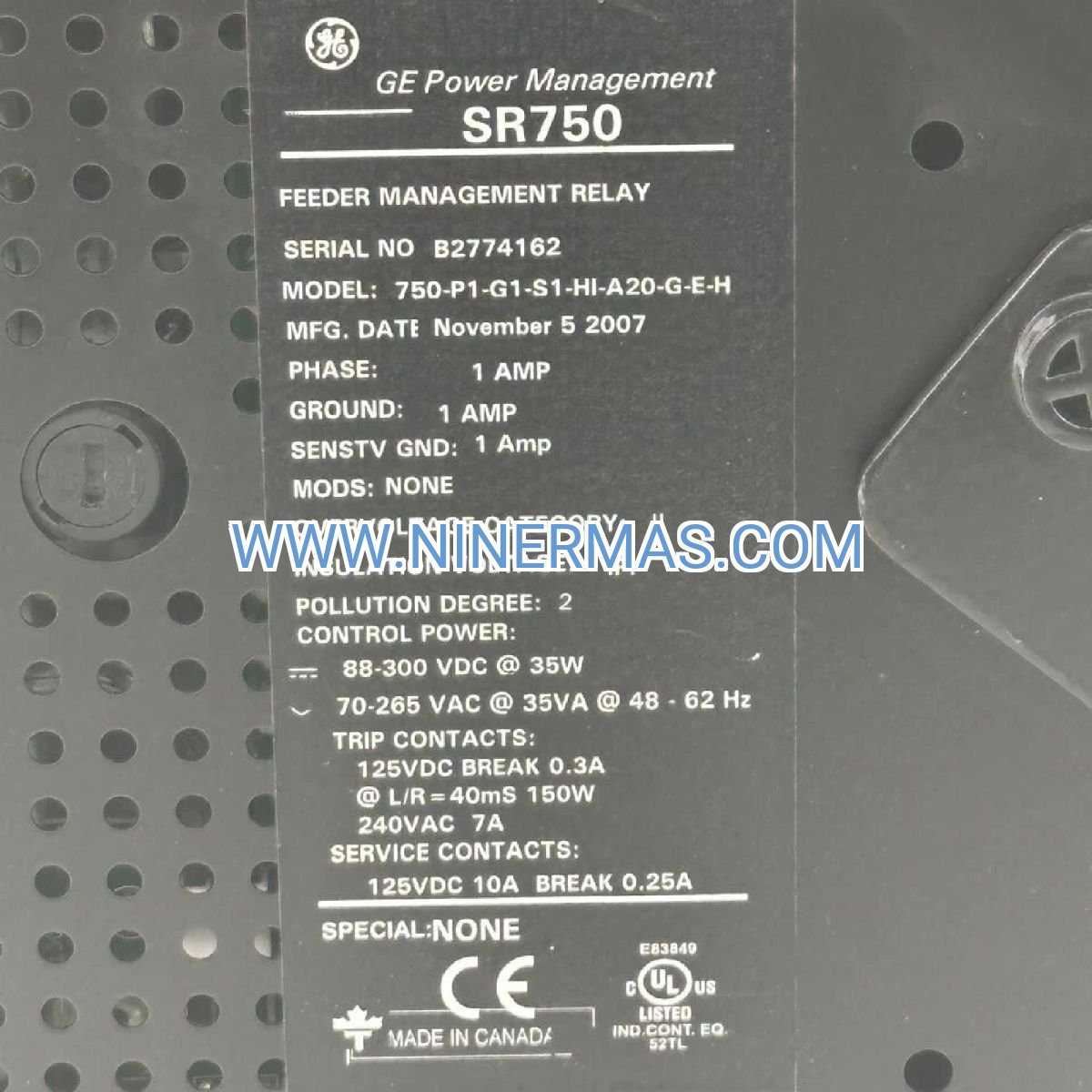
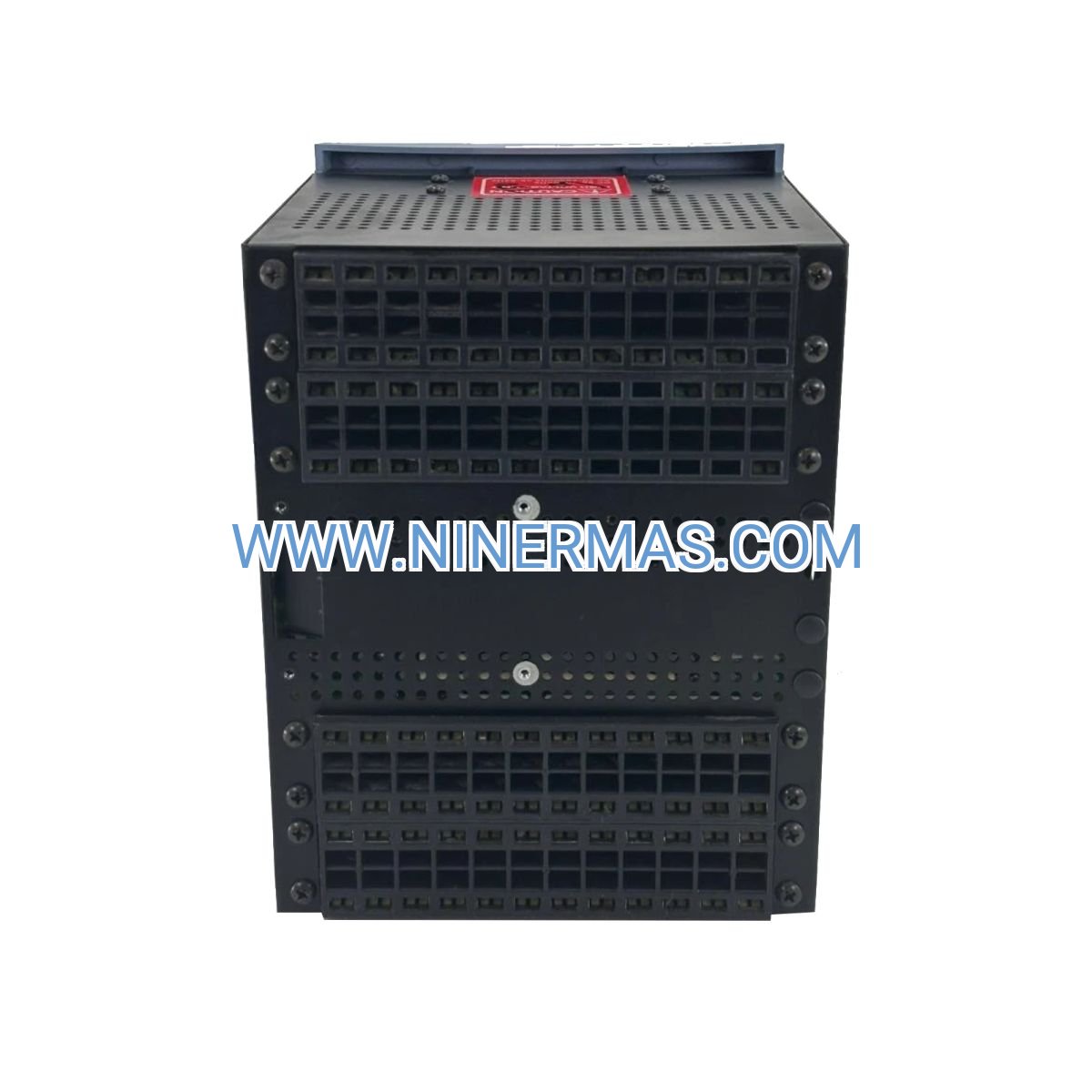
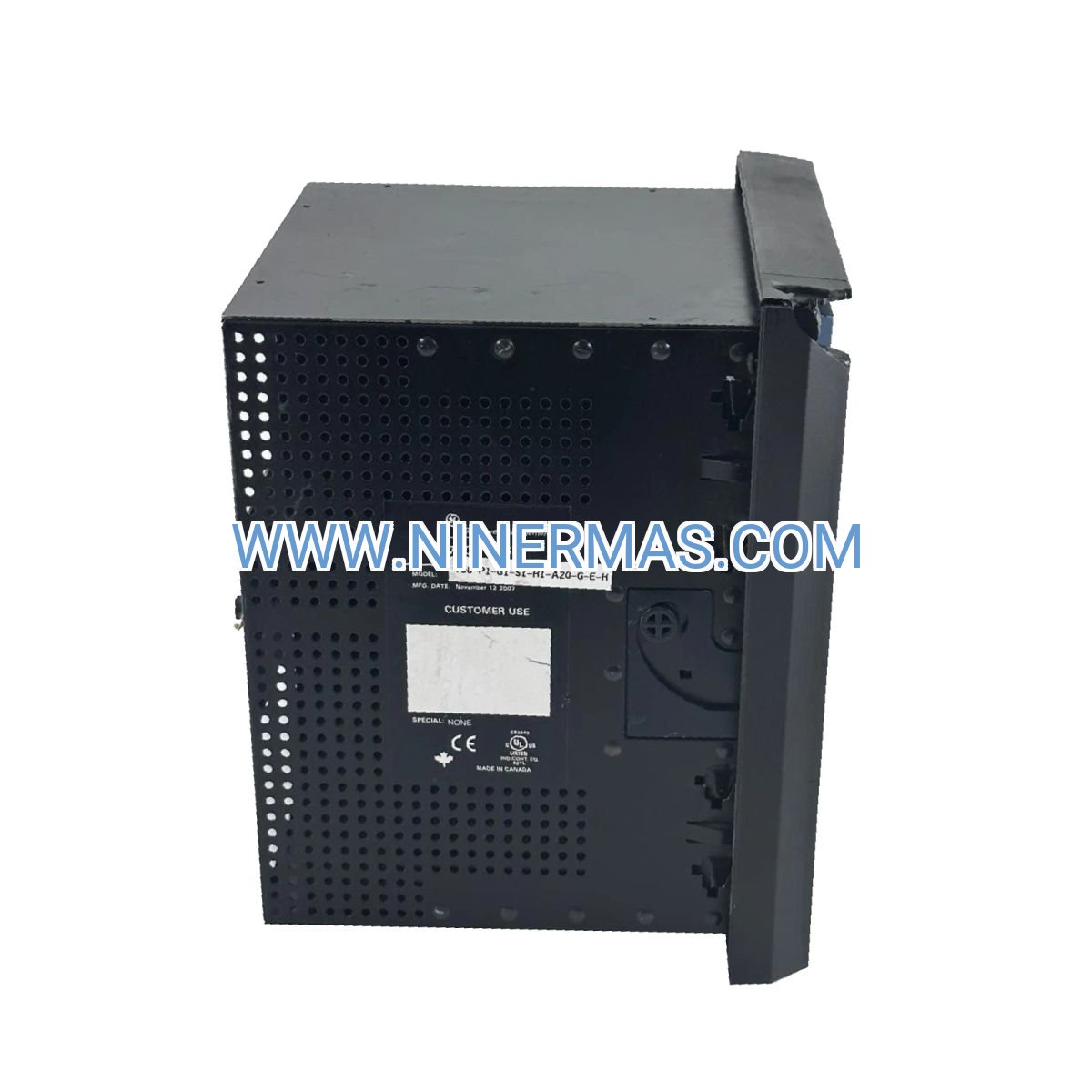
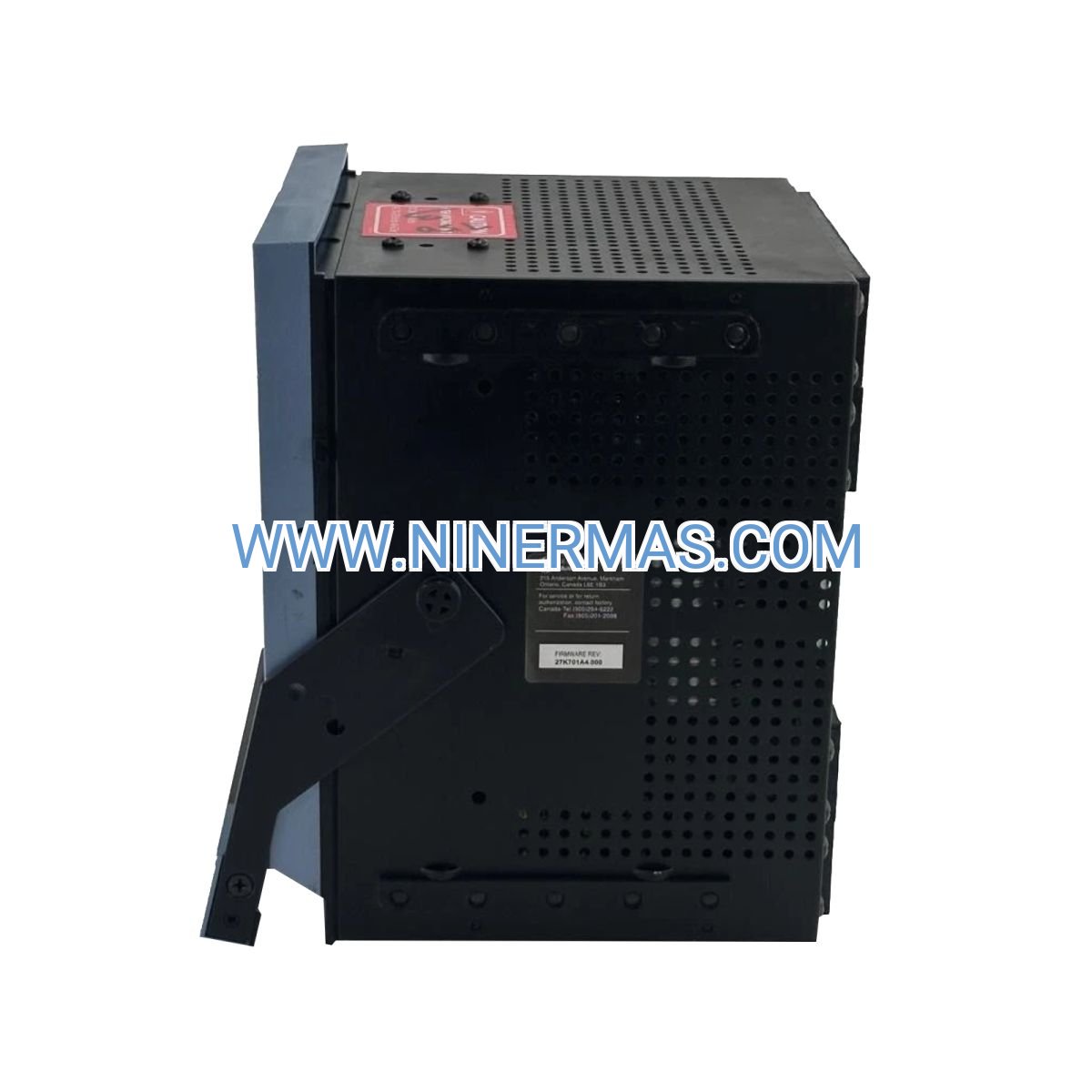
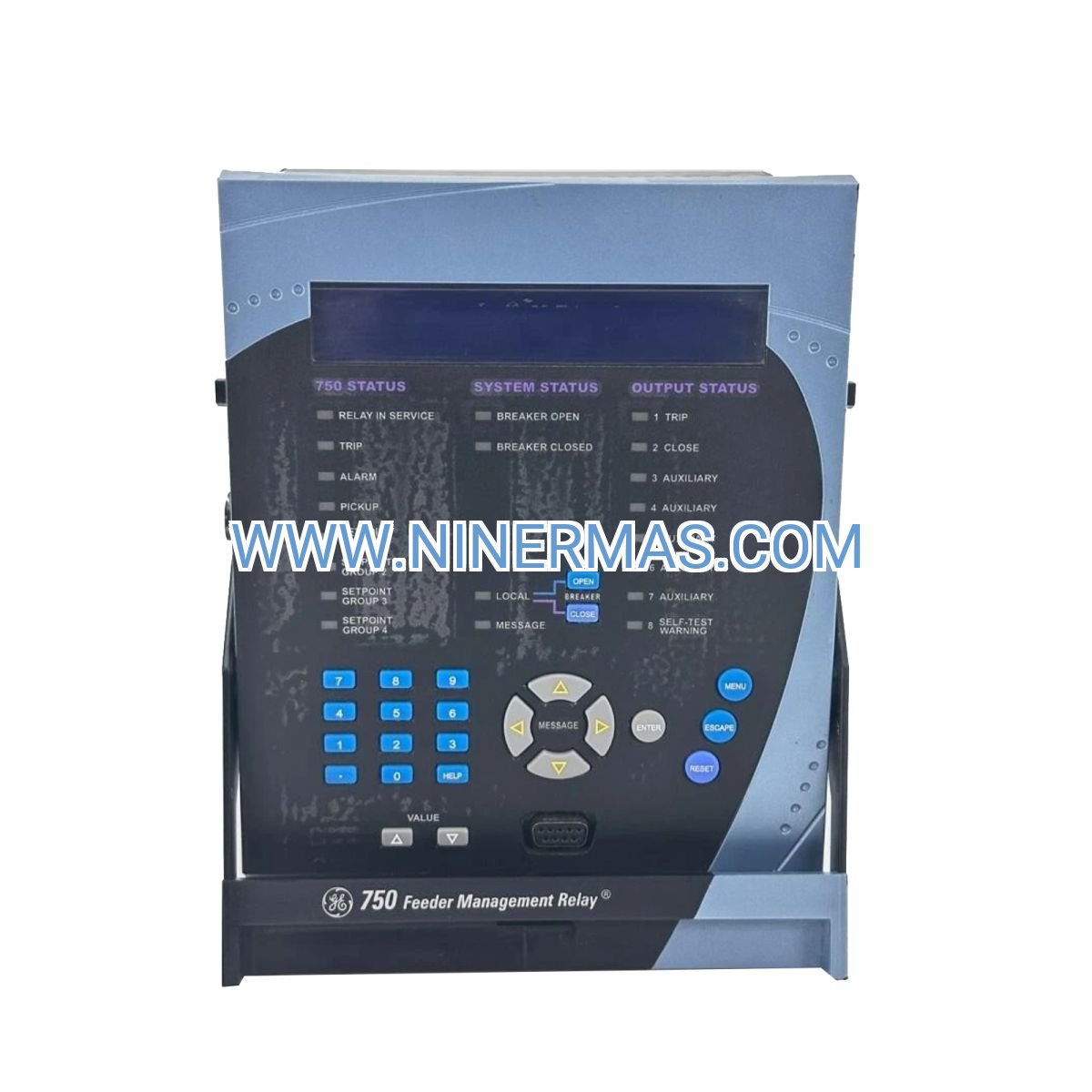
GE IS420PVIBH1B Vibration I/O Module | Mark VIe Turbine Monitoring System
Description
GE IS420PVIBH1B Vibration I/O Module – Industrial-Grade Turbine Monitoring Solution
The GE IS420PVIBH1B Vibration I/O Pack is a precision-engineered module designed for critical rotating machinery protection within Mark VIe turbine control systems. Through advanced signal processing and API 670-compliant vibration monitoring, it delivers real-time shaft vibration analysis, bearing condition assessment, and predictive maintenance capabilities for gas turbines, steam turbines, and industrial compressors.
Engineered for high-reliability applications in power generation, oil & gas, and process industries, this module addresses critical challenges including unplanned shutdowns due to bearing failures, inadequate vibration trend visibility, and the need for continuous machinery health monitoring. It serves turbine OEMs, plant maintenance teams, control system integrators, and reliability engineers requiring certified protection systems.
Built on proven Triple Modular Redundant (TMR) architecture with hot-swappable capability, the IS420PVIBH1B offers exceptional uptime assurance, seamless integration with existing Mark VIe platforms, and comprehensive diagnostic features. Contact our application engineers for system configuration guidance and technical specifications tailored to your machinery protection requirements.
Core Functions & Technical Advantages
- API 670 Certified Vibration Monitoring
Fully compliant with API Standard 670 for machinery protection systems, ensuring industry-recognized reliability for critical turbomachinery applications. Provides continuous monitoring of radial vibration, axial position, and phase reference signals with alarm/trip logic. - High-Fidelity Signal Acquisition
Features 8 differential input channels with 25.6 kHz sampling rate per channel, capturing transient events and high-frequency vibration signatures that conventional systems miss. Supports proximity probes, accelerometers, and velocity transducers with configurable signal conditioning. - Triple Modular Redundancy (TMR) Architecture
Implements fault-tolerant design with three parallel processing paths and voting logic, eliminating single points of failure. Achieves >99.99% availability for turbine protection functions while enabling online module replacement without process interruption. - Comprehensive Machinery Protection
Integrates multi-level alarm thresholds, vector filtering, and gap voltage monitoring to detect bearing wear, rotor imbalance, misalignment, and shaft cracks before catastrophic failure. Reduces unplanned downtime by 40-60% compared to reactive maintenance strategies. - Seamless Mark VIe Integration
Native compatibility with GE Mark VIe control platform via high-speed backplane communication. Shares vibration data with HMI, historian systems, and plant DCS through standard protocols (Modbus TCP, OPC UA), enabling centralized condition monitoring dashboards. - Intuitive Diagnostics & Calibration
Onboard LED indicators and embedded web interface provide real-time channel status, signal quality metrics, and fault isolation. Supports remote calibration verification and automated sensor health checks, reducing commissioning time by 30%.
Typical Application Scenarios
This vibration I/O module is engineered for demanding environments where machinery reliability directly impacts production continuity and safety:
- Gas Turbine Power Generation
Protects Frame 6, 7, 9 series gas turbines in combined-cycle plants and peaking facilities. Monitors compressor/turbine bearing vibration, thrust position, and rotor eccentricity during startup transients and full-load operation, preventing blade rubs and bearing failures. - Steam Turbine & HRSG Systems
Ensures safe operation of reheat steam turbines, condensing turbines, and heat recovery steam generators. Detects thermal bowing during warm starts, monitors gland seal vibration, and tracks shaft expansion in multi-stage configurations. - Industrial Compressor Trains
Safeguards centrifugal compressors in LNG liquefaction, pipeline boosting, and petrochemical processes. Provides continuous surveillance of pinion/bull gear vibration, thrust bearing wear, and surge-induced oscillations in high-pressure applications. - Mechanical Drive Applications
Supports turbine-driven pumps, fans, and generators in refineries, chemical plants, and offshore platforms. Enables condition-based maintenance strategies through trend analysis of vibration spectra and orbit plots.
Technical Specifications & Selection Guide
To ensure optimal system performance, the IS420PVIBH1B is designed with the following key parameters:
| Parameter | Specification |
|---|---|
| Input Channels | 8 differential (configurable for proximity probes, accelerometers, velocity sensors) |
| Sampling Rate | 25.6 kHz per channel (simultaneous acquisition) |
| Signal Conditioning | -24V DC probe power supply, 7.87 mV/μm sensitivity, 200 Hz to 10 kHz bandwidth |
| Compliance Standards | API 670 5th Edition, IEC 61508 SIL 2, CE marked |
| Redundancy Level | TMR (Triple Modular Redundant) with online repair capability |
| Operating Temperature | -40°C to +70°C (-40°F to +158°F) |
| Enclosure Rating | IP20 (for control room mounting), optional IP54 field enclosure available |
| Communication | Mark VIe backplane (proprietary), Ethernet Modbus TCP, OPC UA server |
| Power Consumption | 15W typical per module (TMR configuration: 45W total) |
| Dimensions (H×W×D) | 241 mm × 28 mm × 200 mm (9.5" × 1.1" × 7.9") |
Selection Considerations: When specifying this module, evaluate the total number of vibration measurement points, sensor types (eddy current probes vs. accelerometers), required alarm/trip logic complexity, and integration with existing Mark VIe racks. For systems monitoring >16 channels or requiring seismic/casing vibration inputs, consult our engineers for multi-module configurations and I/O expansion strategies.
Advanced Integration Capabilities
- Predictive Analytics Integration: Exports raw waveform data and FFT spectra to third-party condition monitoring platforms (Bently Nevada System 1, SKF @ptitude) via secure file transfer or streaming protocols
- Cybersecurity Features: Role-based access control, encrypted configuration files, and audit logging compliant with NERC CIP and IEC 62443 standards for critical infrastructure protection
- Flexible Alarm Logic: Supports speed-dependent alarm setpoints, X-Y orbit analysis, and multi-variable trip matrices (e.g., high vibration + low lube oil pressure) for nuanced machinery protection strategies
- Retrofit Compatibility: Designed for drop-in replacement of legacy Mark V/Mark VI vibration monitors with minimal wiring changes, preserving existing sensor infrastructure and reducing upgrade costs
Delivery, Service & Quality Assurance
Lead Time: Standard factory-sealed units ship within 3-5 business days from regional distribution centers. Custom-configured modules (special sensor ranges, extended temperature ratings) require 2-3 weeks for factory programming and testing.
Warranty & Support: Backed by a 24-month manufacturer warranty covering defects in materials and workmanship. Technical support includes remote diagnostics assistance, firmware update guidance, and access to GE's global service network for on-site commissioning (subject to regional availability).
Documentation Package: Each module ships with detailed installation manual, wiring diagrams (terminal block layouts, sensor connection schematics), calibration certificates, and ControlST software configuration templates. Compliance certificates (CE Declaration of Conformity, API 670 test reports) provided upon request.
Quality Certifications: Manufactured in ISO 9001:2015 certified facilities with full traceability. Modules undergo 100% functional testing including vibration simulation, temperature cycling, and EMC compliance verification before shipment.
Frequently Asked Questions (FAQ)
Q: How does the IS420PVIBH1B integrate with non-GE turbine control systems?
A: While optimized for Mark VIe platforms, the module supports standard Modbus TCP and OPC UA protocols for interfacing with third-party DCS/PLC systems (Siemens PCS 7, Emerson DeltaV, Honeywell Experion). Integration requires configuration of Ethernet communication parameters and mapping of vibration tags to the host system's database. Our engineers provide protocol gateway solutions and sample code for common platforms.
Q: What is the maximum number of turbines one TMR set can monitor?
A: A single TMR configuration (3× IS420PVIBH1B modules) provides 8 channels. For a typical single-shaft gas turbine requiring 2 radial probes per bearing × 2 bearings + 1 thrust probe + 1 keyphasor = 6 channels, one set handles one turbine with spare capacity. Multi-shaft or combined-cycle configurations require additional I/O packs based on total measurement point count.
Q: Can this module achieve SIL 2/3 certification for safety instrumented systems?
A: The IS420PVIBH1B is certified to IEC 61508 SIL 2 in TMR configuration when used within a complete Mark VIe safety system architecture. For SIL 3 applications, additional architectural constraints (proof test intervals, diagnostic coverage) must be validated through site-specific safety integrity calculations per IEC 61511 requirements.
Q: What environmental conditions affect installation and performance?
A: The module operates reliably in -40°C to +70°C ambient temperatures with IP20 protection (control room environment). For harsh field installations (high humidity, dust, corrosive atmospheres), specify IP54-rated enclosures with forced ventilation. Avoid mounting near high-voltage switchgear or variable frequency drives to minimize EMI; maintain >300mm separation or use shielded cables.
Q: Does the system support wireless vibration sensors or battery-powered transmitters?
A: This module is designed for wired proximity probes and 4-20mA accelerometer transmitters. For wireless sensor integration (WirelessHART, ISA100), use a protocol gateway to convert wireless data to Modbus TCP, then interface with the Mark VIe Ethernet network. Note that wireless solutions may not meet API 670 response time requirements for emergency shutdown functions.
Q: What is the typical energy savings or efficiency improvement from vibration monitoring?
A: While the module itself doesn't directly reduce energy consumption, predictive maintenance enabled by continuous vibration monitoring prevents efficiency-degrading conditions (rotor imbalance, bearing misalignment) that increase parasitic losses. Customers report 2-5% turbine efficiency improvements through early detection and correction of mechanical issues, plus 40-60% reduction in unplanned outage costs.
Request Technical Consultation
To receive a customized system configuration, pricing quotation, or application engineering support, please provide the following project details:
- Turbine/compressor model and nameplate rating (MW/HP)
- Total number of vibration measurement points required
- Sensor types currently installed (proximity probe model, accelerometer specifications)
- Existing control system platform (Mark VIe version, DCS interface requirements)
- Environmental conditions (ambient temperature range, enclosure rating needs)
- Project timeline and delivery location
Our application engineers will respond within 24 hours with technical recommendations, compliance documentation, and commercial terms tailored to your machinery protection objectives.
© 2026 NINERMAS COMPANY LIMITED. All rights reserved.
Original Source: https://ninermas.com
Contact: sale@ninermas.com | +0086 187 5021 5667

Contact Info
-
Address:22 / F, South Wo Hang building, 148 Wing Lok Street, Sheung Wan, Western District, Hong Kong
-
Phone:+8618750215667
-
Email:
