Description
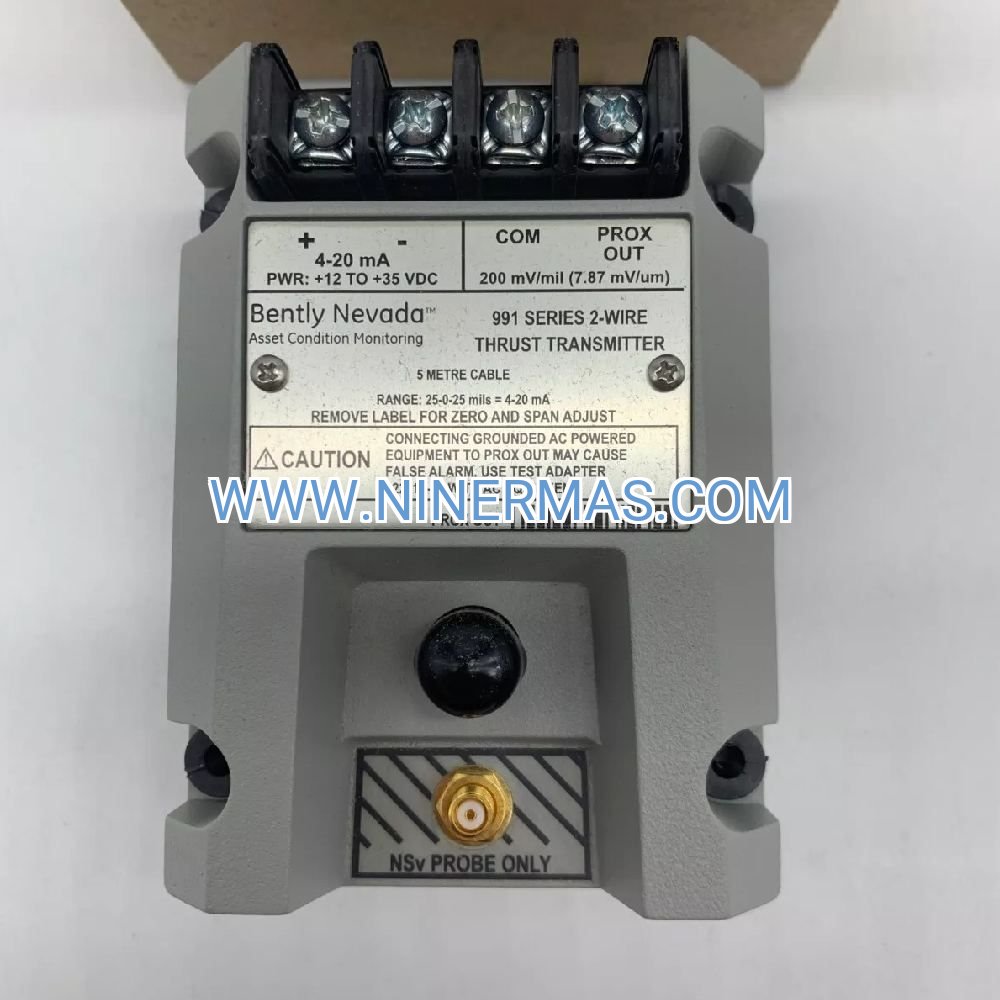
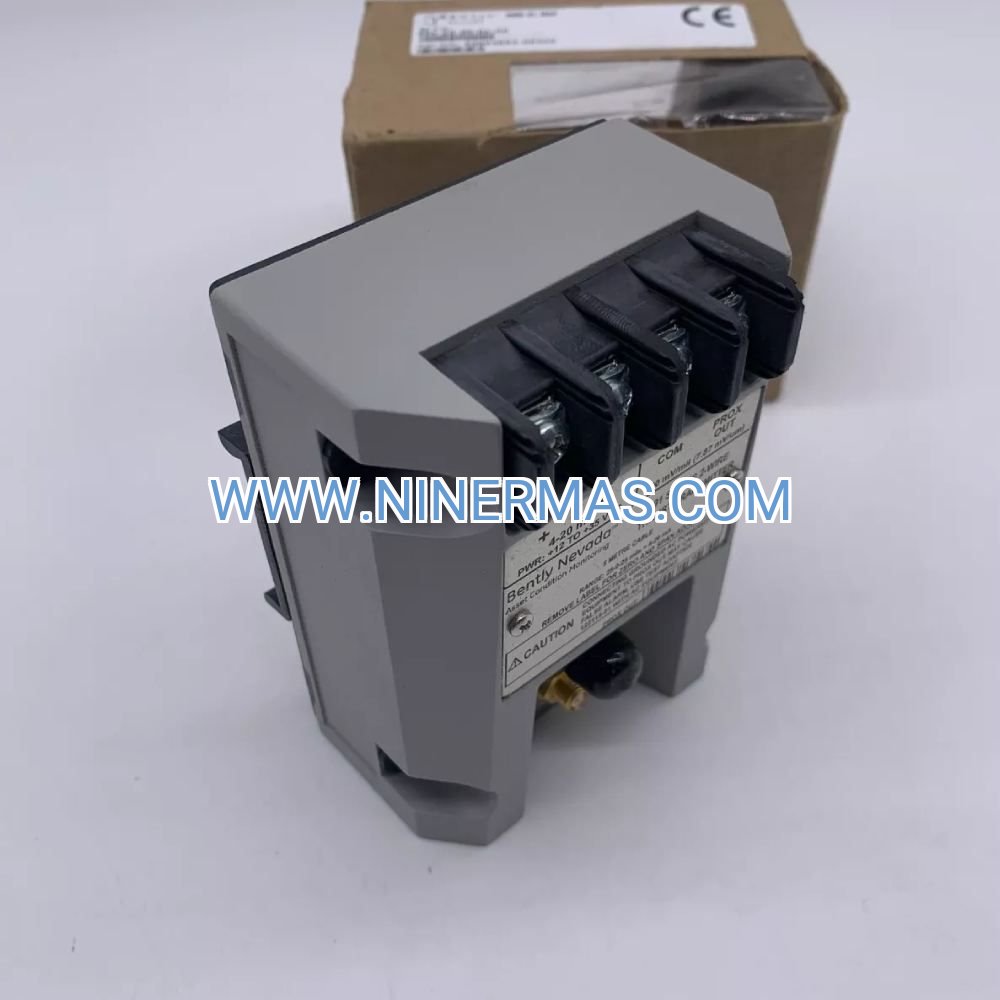
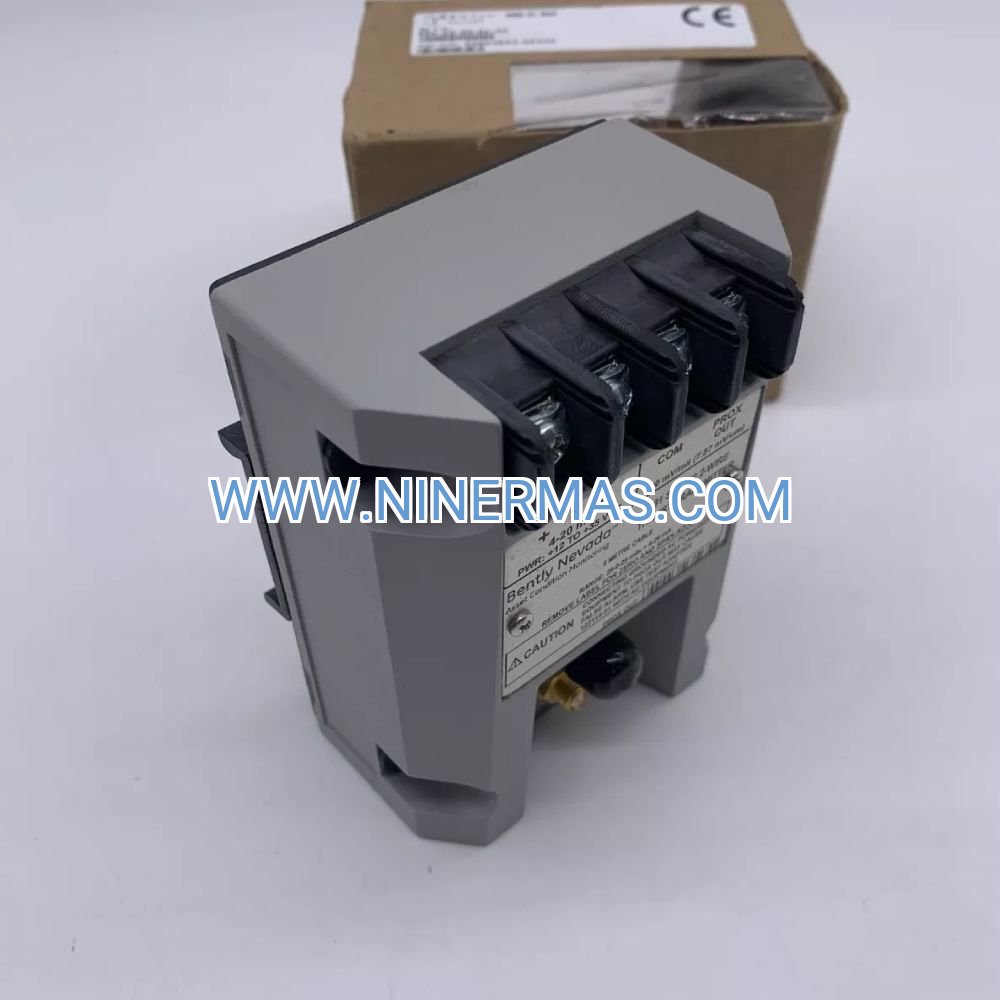
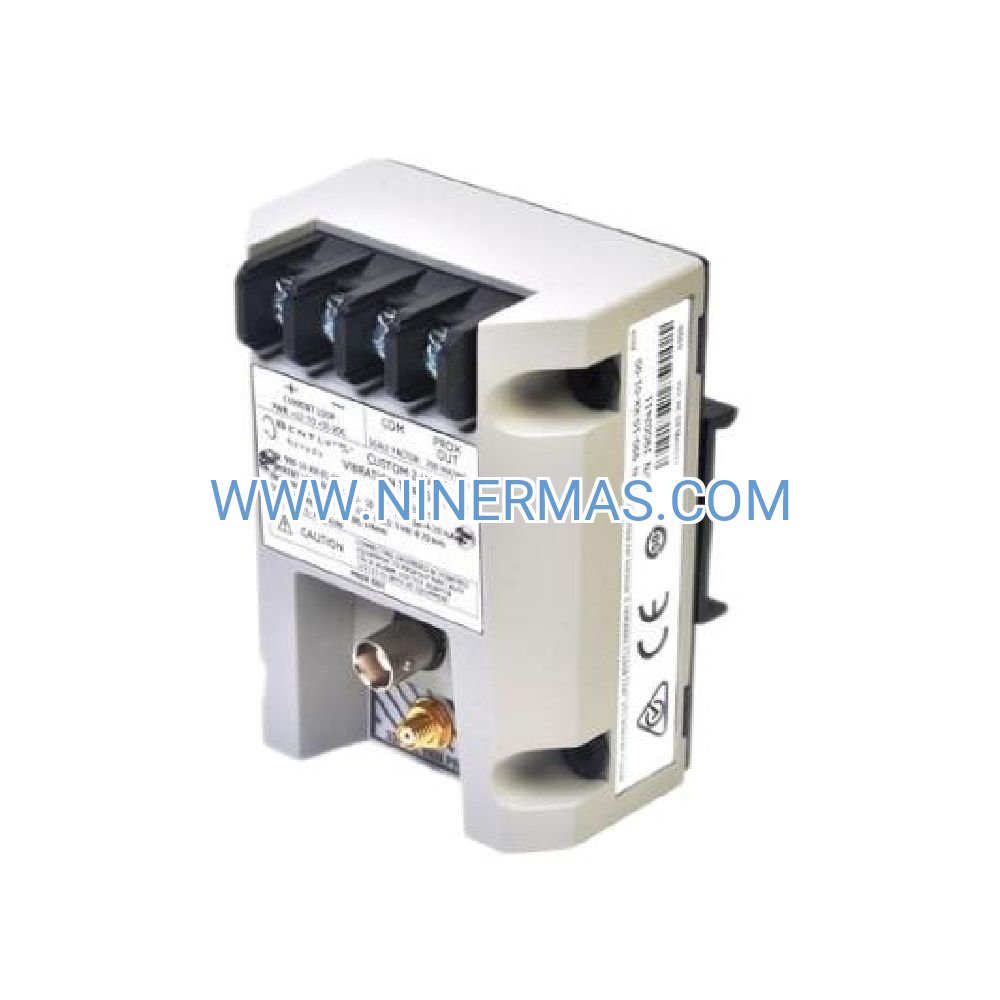
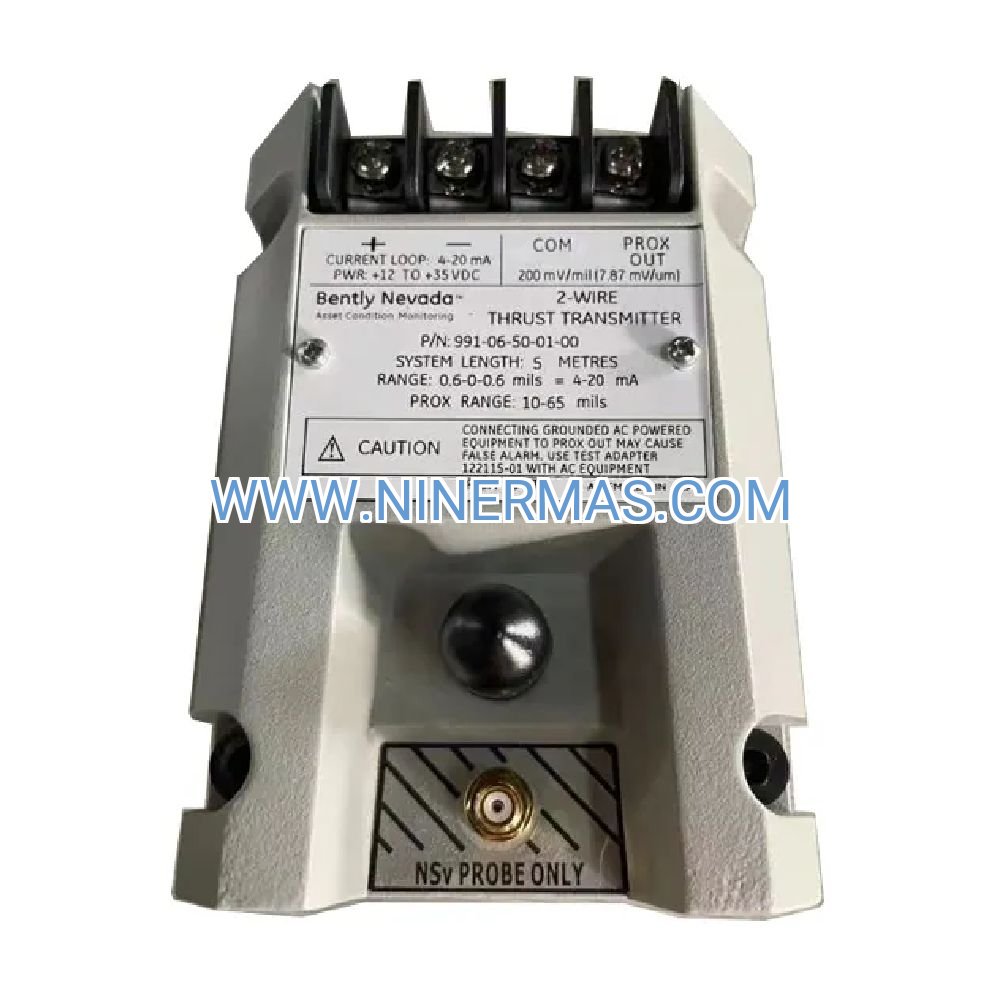
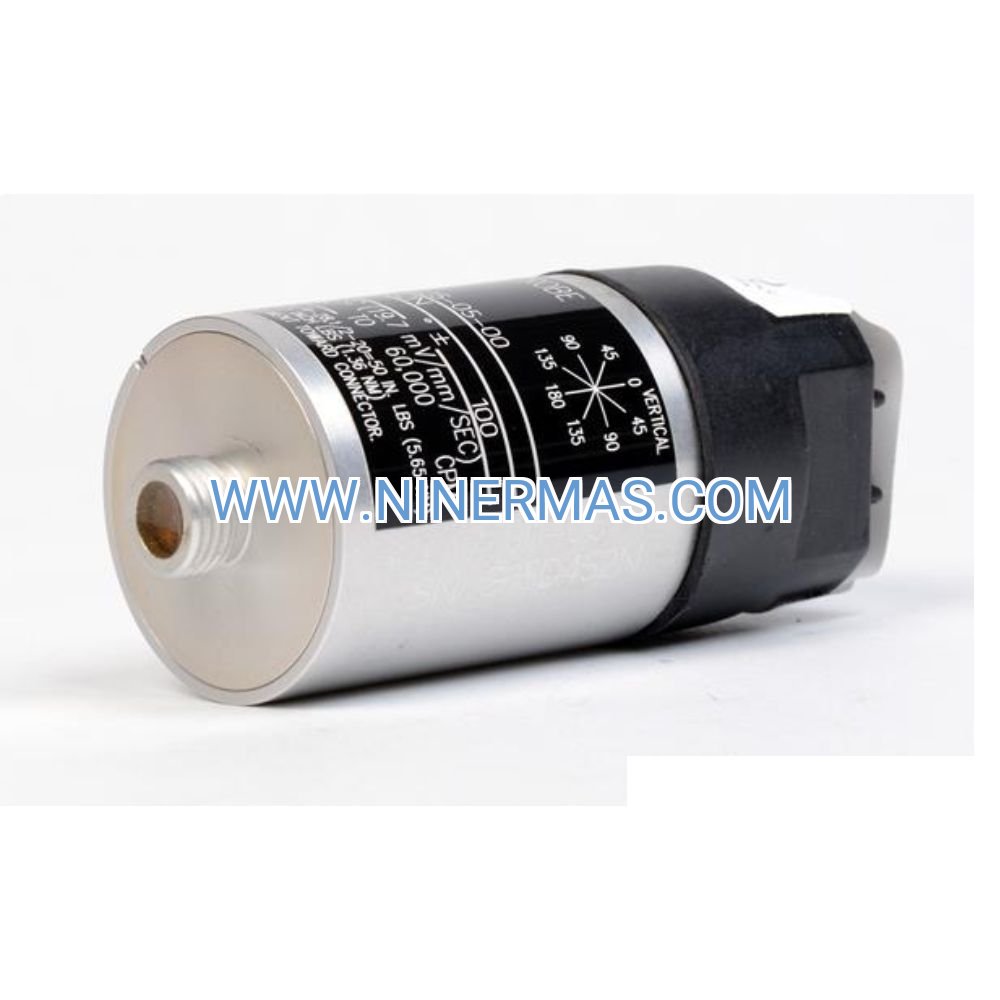
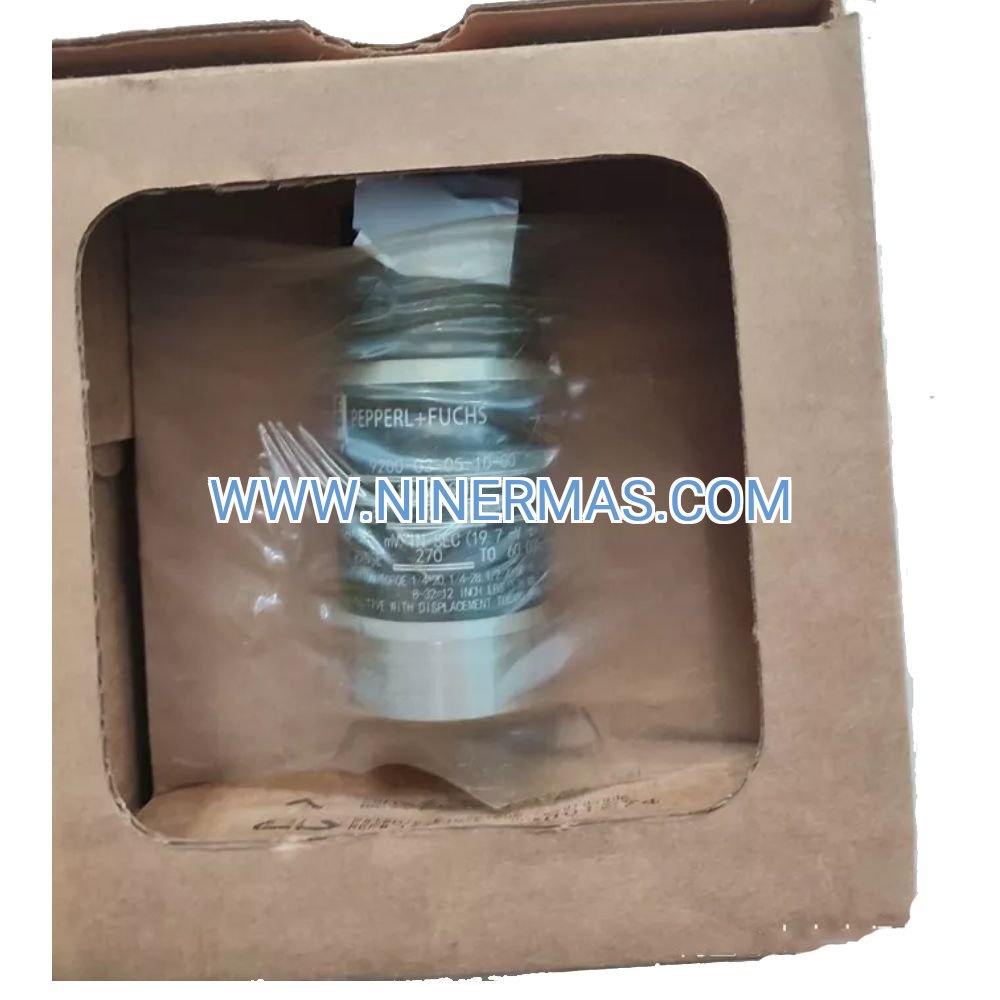
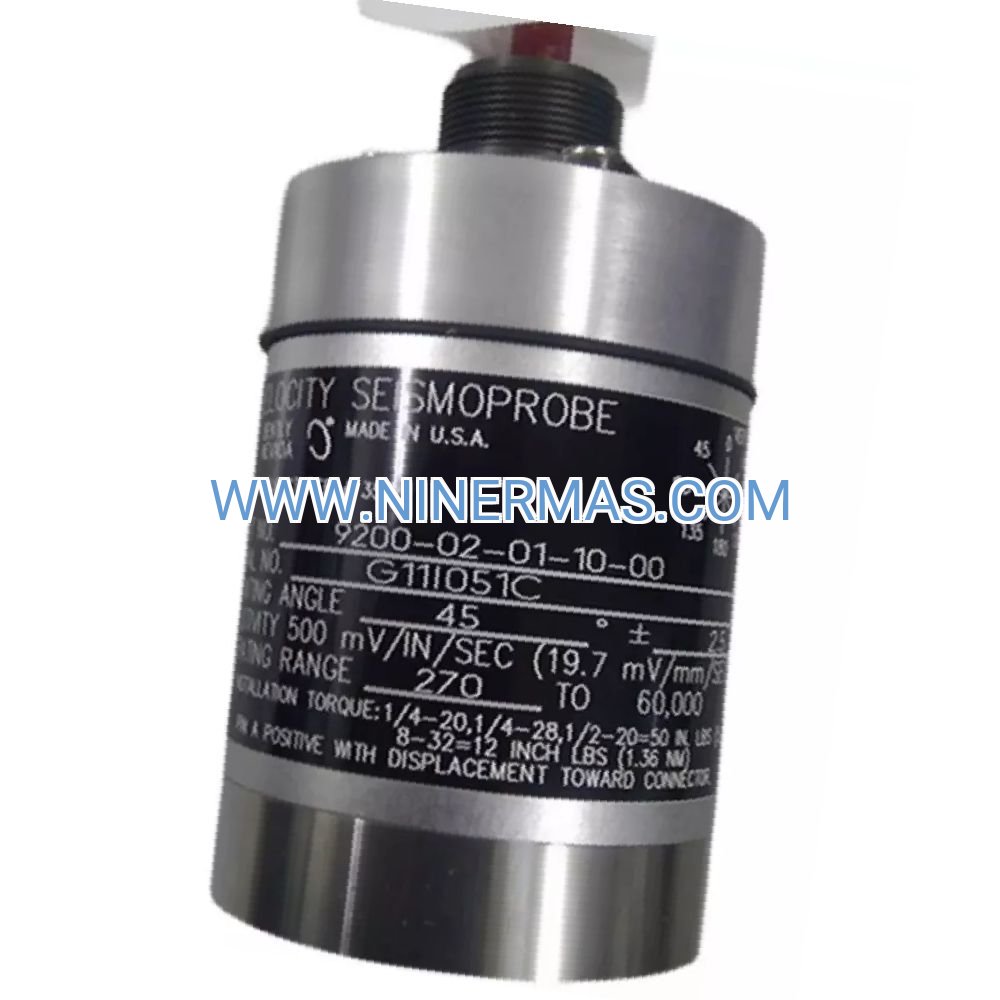
991-05-XX-01-00 Thrust Position Transmitter (Industrial-Grade Axial Monitoring)
The 991-05-XX-01-00 delivers precision axial displacement measurement for mission-critical rotating equipment. Engineered as a signal conditioning bridge between proximity probe systems and process control infrastructure, this loop-powered transmitter converts non-linear sensor outputs into standardized 4-20mA signals compatible with DCS, PLC, and SCADA architectures.
Designed for turbomachinery protection applications, the unit addresses a fundamental challenge in predictive maintenance: translating real-time thrust bearing position data into actionable control signals before catastrophic rotor contact occurs. Target users include reliability engineers managing steam turbines, gas compressors, hydroelectric generators, and high-capacity industrial blowers where unplanned downtime costs exceed $50,000 per hour.
Key differentiators include extended -40°C to +121°C thermal capability eliminating climate control requirements, galvanic isolation preventing ground loop interference, and field-adjustable zero/span calibration enabling custom measurement ranges without factory reconfiguration. The two-wire architecture reduces installation labor by 35% compared to four-wire designs while maintaining ±1% full-scale accuracy across the entire operating envelope.
Performance Advantages & Technical Capabilities
✓ Extended Temperature Range: -40°C to +121°C operation permits direct mounting in turbine enclosures and compressor housings without thermal barriers, reducing system complexity and eliminating 40% of typical installation costs associated with environmental protection.
✓ Two-Wire Loop Power: 18-30 VDC supply voltage with integrated current regulation simplifies wiring infrastructure—single twisted-pair cable handles both power delivery and signal transmission, cutting panel space requirements by half versus traditional four-wire configurations.
✓ Fast Response Dynamics: Sub-100 millisecond settling time to 90% of final value enables real-time tracking of transient thrust events during startup/shutdown sequences, critical for detecting bearing instability before damage propagation.
✓ 1500 VAC Isolation: Input-to-output galvanic separation protects sensitive proximity probe circuits from industrial electrical noise, ground potential differences, and VFD-generated EMI—proven effective in installations with 480 VAC motor drives within 3 meters.
✓ Field Calibration Flexibility: Precision potentiometers allow zero-point and span adjustment without external equipment, supporting custom measurement ranges from 0-500 mils to 0-2000 mils based on specific thrust collar geometry and bearing clearance specifications.
✓ Diagnostic Intelligence: Upscale burnout (22mA) on sensor failure and downscale indication (3.6mA) on power fault provide immediate alarm notification to control systems, reducing mean time to diagnosis by 60% versus non-intelligent transmitters.
Industrial Application Scenarios
→ Power Generation Turbines: Monitors thrust bearing wear in 50-500 MW steam turbines where axial rotor shift exceeding 15 mils indicates bearing degradation requiring immediate load reduction. Prevents secondary damage to seals, couplings, and gearboxes that escalate repair costs from $200K to $2M+.
→ Petrochemical Compressor Trains: Tracks axial float in multi-stage centrifugal compressors handling corrosive process gases. Early detection of 8-mil thrust deviation triggers predictive maintenance, avoiding unplanned shutdowns that cost refineries $150K-$400K per day in lost production.
→ Hydroelectric Generators: Measures vertical shaft position in 10-200 MW hydro units where magnetic bearing failure could allow 50-ton rotor drop, damaging wicket gates and requiring 6-month rebuild. Continuous monitoring enables condition-based maintenance versus time-based overhauls.
→ Marine Propulsion Systems: Detects excessive propeller shaft thrust in 5,000-20,000 HP ship drives caused by fouled propellers or gearbox misalignment. Real-time alerts prevent thrust bearing seizure that could disable vessel propulsion mid-voyage.
→ Industrial Fan Arrays: Monitors axial position in high-capacity induced draft fans and forced draft blowers where impeller rub generates metal debris contaminating downstream heat exchangers, causing secondary failures costing 3-5x the original bearing replacement.
Technical Specifications & Selection Criteria
| Parameter | Specification | Selection Notes |
| Model Designation | 991-05-XX-01-00 | XX = configuration code (consult factory) |
| Output Signal | 4-20mA, 2-wire | Standard for DCS/PLC analog inputs |
| Input Type | Proximity probe (-7.87 VDC/mm) | Compatible with 3300 XL, NSv series |
| Measurement Range | 0-2000 mils typical | Field-configurable via span adjustment |
| Accuracy | ±1% FS (linearity + repeatability) | Includes temperature effects over range |
| Power Supply | 18-30 VDC loop-powered | Maximum load: 600Ω @ 24 VDC |
| Operating Temperature | -40°C to +121°C | No derating required across range |
| Response Time | <100 ms to 90% | Suitable for transient event capture |
| Isolation Voltage | 1500 VAC input/output | Prevents ground loop corruption |
| Housing Rating | NEMA 4X / IP66 stainless | Washdown and corrosive environment rated |
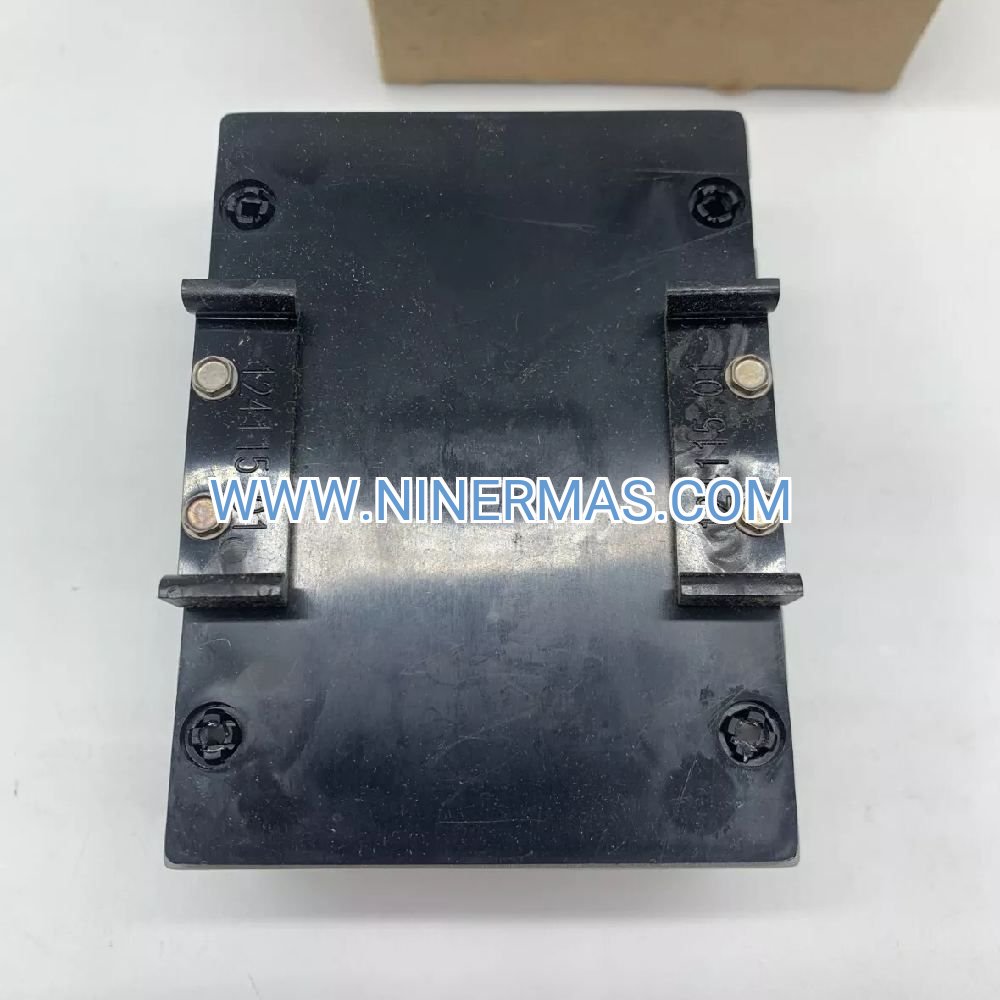
| Mounting Options | DIN rail / panel mount | 35mm DIN rail or 4-hole panel bracket |
| MTBF | >100,000 hours | MIL-HDBK-217F prediction model |
Selection Guidelines: Choose this transmitter when integrating Bently Nevada proximity probes with non-proprietary control systems. Verify DCS analog input accepts 4-20mA (most common) versus 1-5 VDC. For applications requiring dual-channel redundancy, order two units with independent probe inputs. Confirm ambient temperature stays within -40°C to +121°C envelope—units exposed to +130°C+ require active cooling or remote mounting with extension cables.
Advanced Integration & Customization
IoT Connectivity: While the base unit outputs analog 4-20mA, pairing with HART-compatible barriers enables digital overlay communication for remote diagnostics, configuration upload/download, and asset management integration with AMS Device Manager or PACTware FDT platforms.
Redundant Architectures: Deploy dual transmitters monitoring opposite thrust collar faces (active/inactive ends) with 2oo2 voting logic in safety-instrumented systems (SIS) achieving SIL 2 capability per IEC 61508 when combined with certified safety PLCs.
Custom Scaling: Factory can pre-configure non-standard ranges (e.g., 0-750 mils = 4-20mA) and apply custom transfer functions for linearization of non-Bently proximity probes, though field calibration covers 90% of applications without special orders.
Delivery Timeline & Support Infrastructure
Standard Lead Time: 3-5 business days for stock configurations; 2-3 weeks for custom-scaled units requiring factory programming.
Warranty Coverage: 24-month manufacturer defect warranty from ship date, covering materials and workmanship. Extended 60-month coverage available for critical sparing applications.
Technical Support: Lifetime application engineering assistance including wiring diagram review, calibration procedures, and troubleshooting guidance. Phone/email support responds within 4 business hours; on-site commissioning available for orders of 10+ units.
Documentation Package: Each unit ships with installation manual, calibration certificate (NIST-traceable), dimensional drawings, and sample DCS configuration files for Emerson DeltaV, Honeywell Experion, and ABB 800xA systems.
Frequently Asked Questions
How do I interface this transmitter with Allen-Bradley ControlLogix PLCs?
Connect the 4-20mA output to a 1756-IF16 or 1756-IF8 analog input module. Configure the channel for 4-20mA current input with scaling matching your thrust range (e.g., 4mA = 0 mils, 20mA = 1000 mils). Use shielded twisted-pair cable with shield grounded at PLC chassis only to prevent ground loops.
What measurement range should I select for steam turbine thrust monitoring?
Typical steam turbines use 0-1000 mil or 0-1500 mil ranges. Check OEM bearing clearance specifications—set span to 150% of maximum expected thrust travel to avoid output saturation during transient events. Most installations alarm at 50% of bearing clearance (e.g., 500 mils for 1000-mil bearing).
Can this transmitter reduce energy consumption compared to rack-mount monitors?
Yes—loop-powered design draws 22mA maximum (0.53W at 24 VDC) versus 5-15W for traditional rack-mount signal conditioners. In a 50-channel monitoring system, this saves 250-750W continuous power, reducing annual energy costs by $200-$600 and eliminating cooling load on control room HVAC.
What installation distance limitations exist between transmitter and proximity probe?
Mount within 10 meters (33 feet) of the probe to minimize cable capacitance effects on measurement accuracy. Use probe extension cables rated for -7.87 VDC/mm systems. For distances exceeding 10m, consult factory for low-capacitance cable specifications or consider relocating transmitter closer to sensor.
How does remote monitoring capability integrate with existing SCADA systems?
The 4-20mA output connects directly to SCADA RTU analog inputs or PLC-based data acquisition systems. Configure trending with 1-second sample rates for transient capture or 10-second rates for long-term bearing wear analysis. Set high/high-high alarms at 60%/80% of bearing clearance for graduated response protocols.
What preventive maintenance schedule ensures optimal long-term accuracy?
Perform annual calibration verification using a precision current meter and proximity probe simulator. Quarterly visual inspections should check housing integrity, terminal tightness, and cable strain relief. In high-vibration environments (>0.5g continuous), inspect mounting hardware semi-annually for loosening that could affect internal component alignment.
Take the Next Step
Protect your critical rotating assets with proven thrust monitoring technology. Our application engineers are ready to review your machinery specifications, recommend optimal measurement ranges, and provide integration guidance for your specific control system architecture.
Request a technical consultation: Share your turbine/compressor model, existing proximity probe type, and DCS platform for customized implementation recommendations. Typical response time: 4 business hours.
Order now for fast delivery: Stock configurations ship within 3-5 business days with full documentation package and calibration certificates. Volume discounts available for orders of 5+ units.
© 2026 NINERMAS COMPANY LIMITED. All rights reserved.
Original Source: https://ninermas.com
Contact: sale@ninermas.com | +0086 187 5021 5667
PDF Specification
Download PDF file here:
Click to Download PDF

Contact Info
-
Address:22 / F, South Wo Hang building, 148 Wing Lok Street, Sheung Wan, Western District, Hong Kong
-
Phone:+8618750215667
-
Email: