


Description
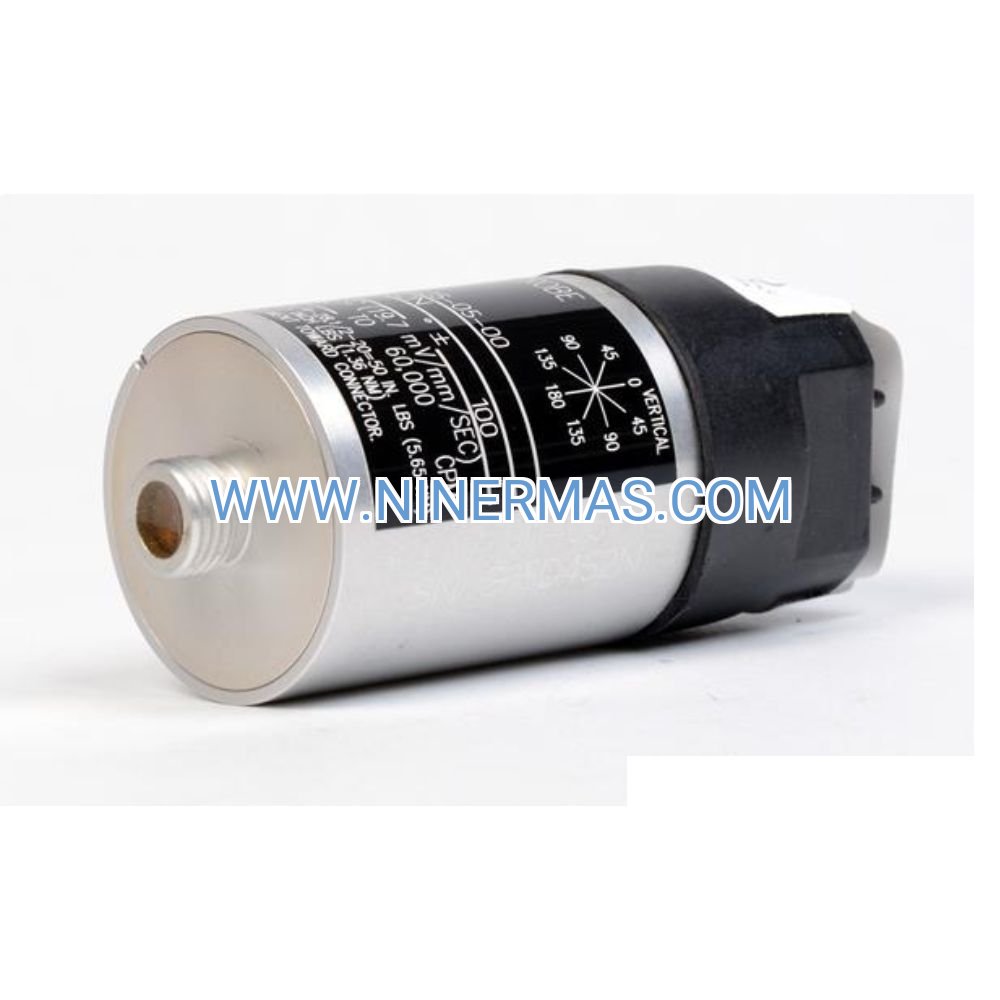
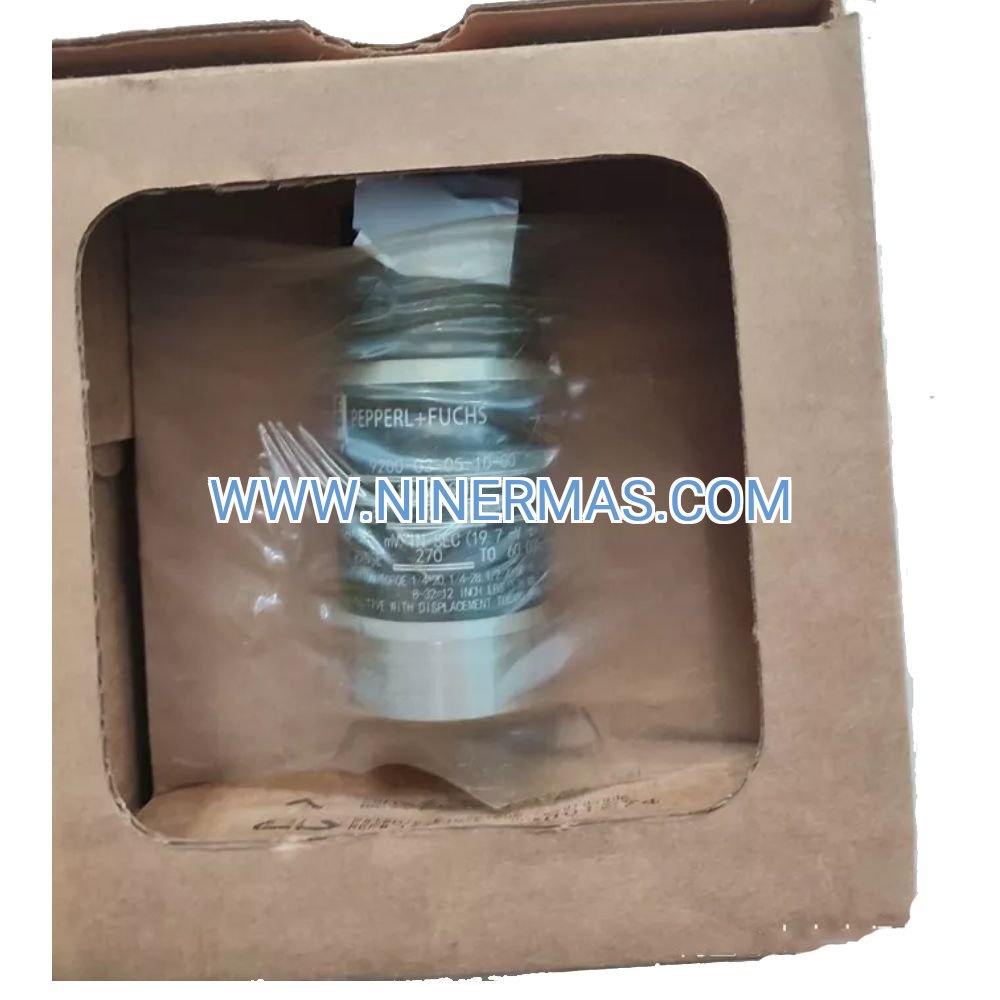
CON041+PR6423/000-031 Eddy Current Vibration Monitoring System (Industrial-Grade Precision)
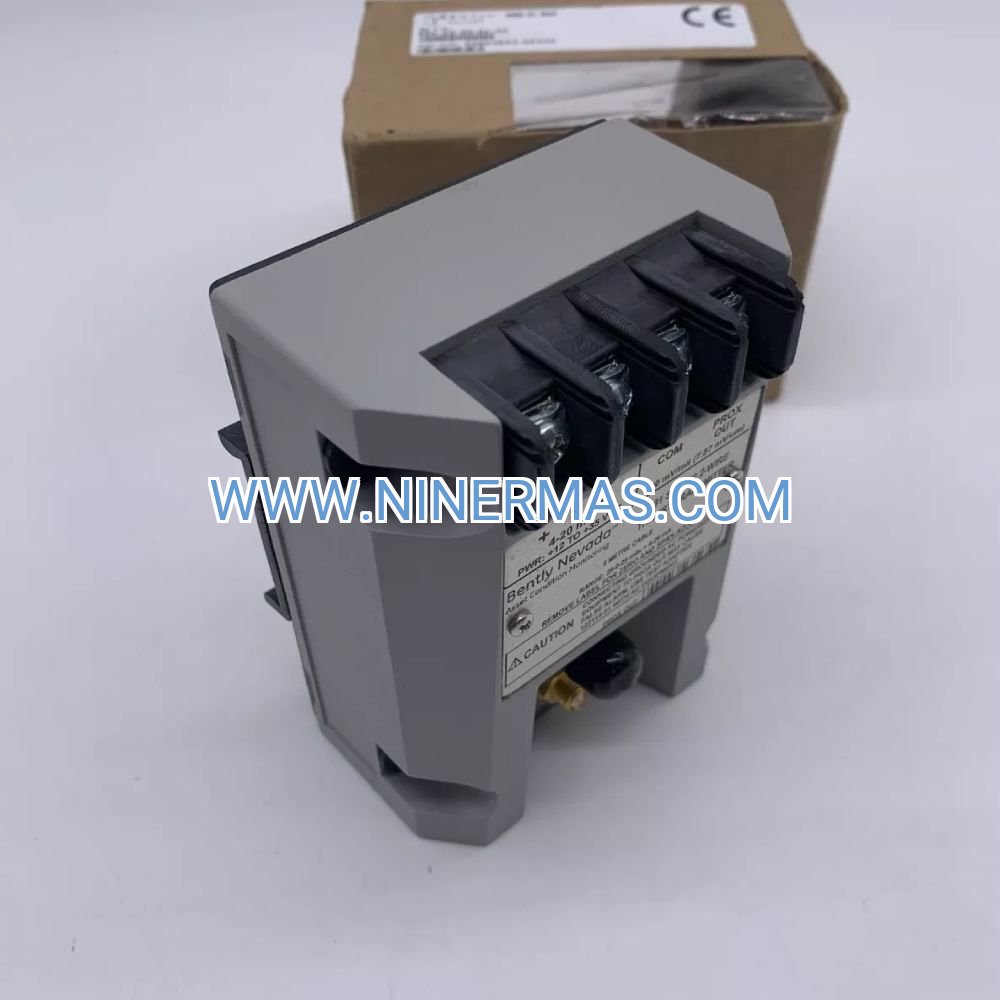
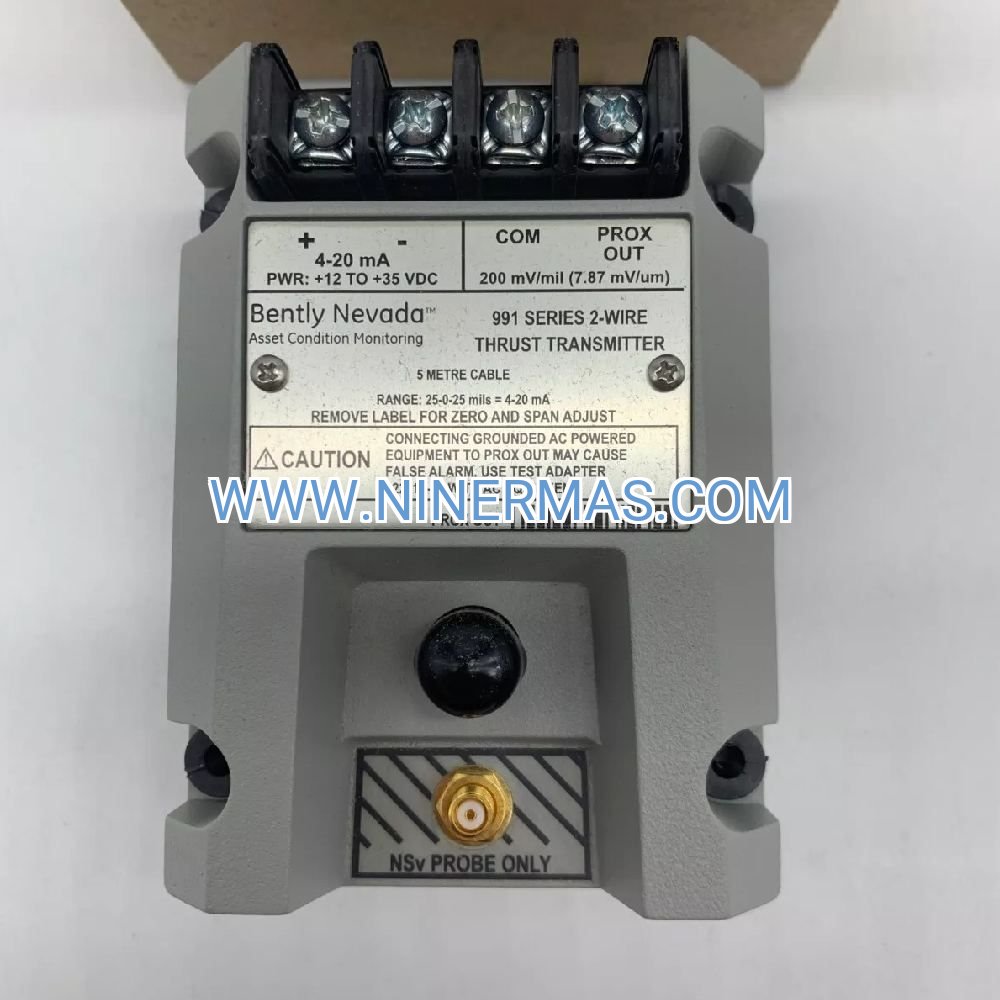
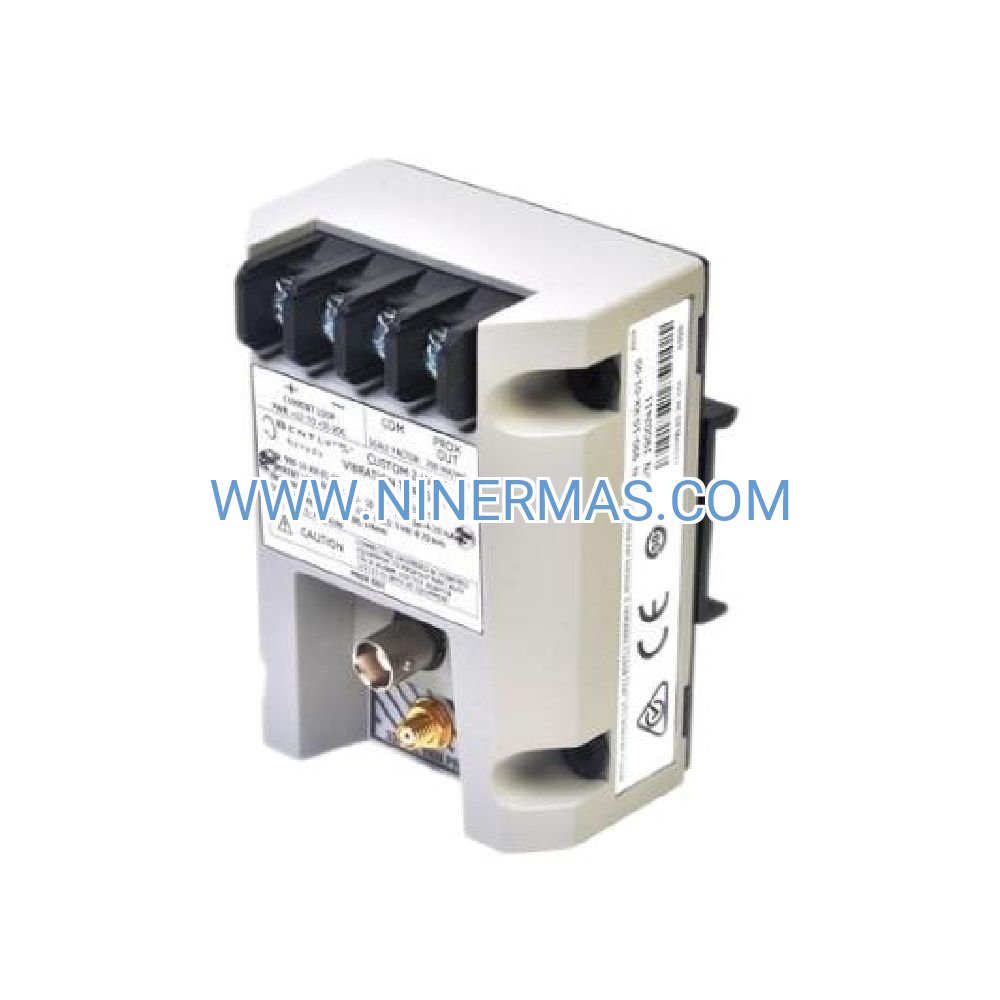
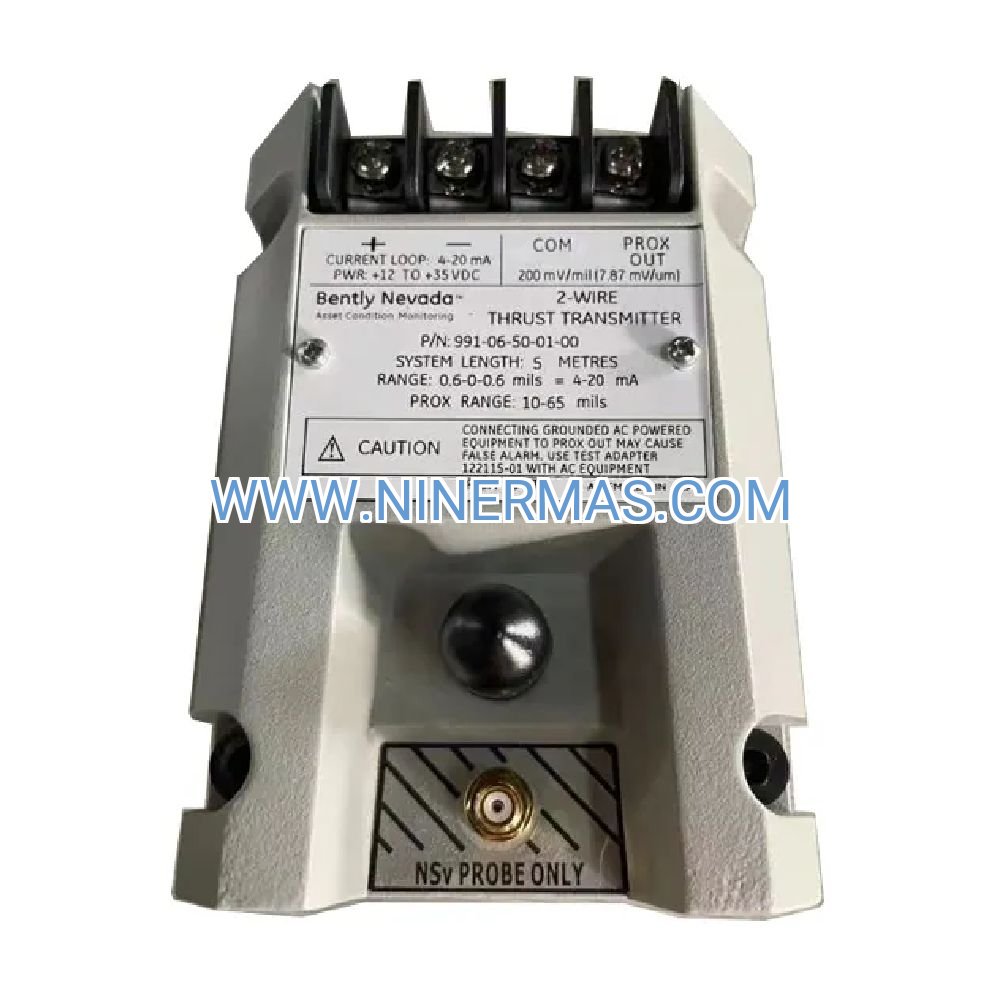
The CON041+PR6423/000-031 represents a complete eddy current displacement monitoring solution engineered for continuous surveillance of rotating machinery in power generation, petrochemical processing, and heavy manufacturing environments. Combining the CON041 signal converter with the PR6423/000-031 proximity probe, this system transforms shaft displacement into actionable intelligence, preventing catastrophic failures through early detection of bearing wear, misalignment, and dynamic instability.
Designed for reliability engineers and maintenance teams managing critical assets, this monitoring package addresses the challenge of unplanned downtime by providing real-time visibility into radial shaft movement with micrometer-level precision. Whether protecting multi-million dollar turbines or ensuring continuous operation of process compressors, the system delivers the measurement accuracy and environmental resilience demanded by industrial applications.
Key differentiators include dual-channel simultaneous measurement for orbit analysis, wide frequency response capturing both slow roll and high-frequency vibration events, and temperature-compensated electronics that maintain calibration accuracy across extreme operating conditions. The 3.1mm measurement span optimizes resolution for close-clearance applications while the IP65-rated sensor construction withstands harsh installation environments.
Core Capabilities & Technical Advantages
✓ Non-Contact Eddy Current Technology
Eliminates mechanical wear and friction-induced measurement errors through electromagnetic sensing principle. The probe generates a high-frequency field that interacts with conductive shaft surfaces, producing displacement-proportional signals without physical contact or force transmission.
✓ Dual-Channel Signal Processing
Simultaneous X-Y axis measurement enables shaft orbit visualization and phase analysis. This capability reveals rotor dynamic behavior patterns invisible to single-channel systems, including precession direction, elliptical orbit characteristics, and 1X/2X vibration component separation.
✓ Extended Frequency Bandwidth (DC to 10 kHz)
Captures both quasi-static thermal growth and high-frequency blade-pass phenomena within a single measurement chain. The DC-coupled response tracks slow shaft position changes during startup/shutdown transients while the 10 kHz upper limit resolves gear mesh frequencies and bearing defect signatures.
✓ Linearized Output with ±1% Accuracy
Factory calibration and digital compensation algorithms deliver measurement linearity superior to traditional analog systems. This precision supports quantitative trending analysis and enables reliable comparison against API 670 alarm setpoints without field recalibration.
✓ Universal DCS/PLC Integration
Configurable 4-20mA current loop or ±10V voltage outputs interface directly with distributed control systems, programmable logic controllers, and legacy monitoring platforms. Galvanic isolation protects against ground loop interference in electrically noisy industrial environments.
✓ Self-Diagnostic Health Monitoring
Continuous sensor integrity verification detects cable faults, probe damage, and target surface contamination before measurement validity is compromised. Diagnostic status outputs trigger maintenance alerts through existing alarm management infrastructure.
Industrial Application Scenarios
→ Steam Turbine Generator Protection
Monitors journal bearing clearances and thrust position in power plant turbines operating at 3000-3600 RPM. Early detection of bearing wear prevents rotor-to-stator contact that would necessitate extended outages and costly repairs. The system's temperature stability maintains calibration accuracy despite 150°C+ bearing housing temperatures.
→ Centrifugal Compressor Surveillance
Tracks radial shaft displacement in multi-stage compressors handling process gases at pressures exceeding 200 bar. Identifies surge-induced vibration, aerodynamic instability, and seal rub conditions before performance degradation or mechanical damage occurs. The 3.1mm range suits compact bearing designs common in high-speed compressor applications.
→ Large Motor Bearing Analysis
Provides continuous displacement monitoring for electric motors driving critical pumps, fans, and mill drives. Detects rotor eccentricity, soft foot conditions, and foundation settling that manifest as increased vibration amplitudes. Integration with motor control centers enables automated shutdown protection.
→ Hydro Turbine Runner Positioning
Measures axial and radial displacement of water turbine shafts subjected to hydraulic thrust forces and guide bearing loads. The system's DC response capability tracks slow position drift caused by bearing wear or wicket gate adjustment, while AC coupling reveals flow-induced vibration at blade-pass frequencies.
→ Gas Pipeline Compressor Stations
Ensures reliability of natural gas transmission compressors operating in remote unmanned facilities. Satellite-linked monitoring systems utilize the 4-20mA outputs for centralized condition assessment, reducing site visit frequency while maintaining protective coverage against bearing failures.
Technical Parameters & Selection Criteria
| Parameter | Specification | Application Relevance |
|---|---|---|
| Measurement Range | 0 to 3.1 mm | Optimized for close-clearance bearings (0.1-0.5mm typical gaps) |
| Sensitivity | 7.87 V/mm (200 mV/mil) | High resolution for detecting 10-50 micron displacement changes |
| Linearity Error | ±1.0% FSO | Supports quantitative trending and alarm threshold accuracy |
| Frequency Response | 0 Hz to 10 kHz (-3dB) | Covers slow roll through 10th order vibration harmonics |
| Output Options | 4-20mA / ±10VDC | Direct PLC/DCS interface without signal conditioning |
| Supply Voltage | 18-30 VDC | Compatible with standard 24VDC industrial power systems |
| Operating Temperature | -30°C to +100°C | Suitable for outdoor installations and high-temperature zones |
| Sensor Protection | IP65 (dust-tight, water jet resistant) | Withstands washdown environments and condensation exposure |
| Probe Diameter | 8mm (M8 thread) | Compact form factor for confined mounting locations |
| Cable Length | Standard 5m (custom available) | Flexible installation geometry with extension options |
Selection Guidelines: Choose this 3.1mm range system for applications where shaft displacement remains within 0-2mm during normal operation, reserving measurement headroom for transient events. For larger bearing clearances or machines exhibiting >2mm vibration amplitudes, consider extended-range alternatives (8mm or 11mm systems). Verify target shaft material conductivity exceeds 1% IACS (International Annealed Copper Standard) for reliable eddy current coupling.
Advanced Integration Features
Modbus RTU Communication Protocol
Optional digital interface enables remote configuration, calibration verification, and diagnostic data retrieval through standard industrial networks. Reduces commissioning time and supports predictive maintenance programs requiring historical trend storage.
Redundant Measurement Architecture
Dual-converter configurations provide 2oo2 (two-out-of-two) voting logic for safety-instrumented systems requiring SIL 2 certification. Independent measurement chains eliminate common-cause failures while maintaining continuous protection coverage during maintenance activities.
Customized Calibration Certificates
Factory test reports document linearity, sensitivity, and frequency response against NIST-traceable standards. Calibration data supports ISO 9001 quality management requirements and regulatory compliance in nuclear, pharmaceutical, and aerospace manufacturing sectors.
Delivery Timeline & Service Commitments
Standard Lead Time: 3-5 business days for stock configurations (CON041 converter + PR6423/000-031 sensor with 5m cable)
Custom Configurations: 10-15 business days for non-standard cable lengths, special mounting adapters, or explosion-proof certifications
Warranty Coverage: 24-month manufacturer's warranty covering material defects and workmanship failures under normal operating conditions
Technical Support: Application engineering assistance for sensor placement optimization, calibration procedures, and troubleshooting guidance
Documentation Package: Installation manual, calibration certificate, dimensional drawings, and wiring diagrams included with each system
Frequently Asked Questions
Q: How does the CON041+PR6423/000-031 system interface with existing Bently Nevada monitoring equipment?
A: The system provides industry-standard 4-20mA or ±10VDC outputs compatible with Bently Nevada 3500 rack monitors, 1900/65A general purpose equipment monitors, and legacy 7200 series systems. Signal scaling matches -10V = 0mm, +10V = 3.1mm convention for seamless integration. For digital communication, Modbus RTU protocol enables direct connection to System 1 condition monitoring software.
Q: What shaft surface finish and material requirements ensure optimal eddy current sensor performance?
A: Target shaft surfaces should exhibit 3.2 μm Ra (125 μin) maximum roughness with hardened steel, stainless steel, or Inconel materials providing best results. Minimum conductivity of 1% IACS is required—carbon steel (10% IACS) and 400-series stainless (2-3% IACS) perform well, while 300-series austenitic stainless may require sensitivity compensation. Avoid chrome plating or thermal spray coatings that alter electromagnetic properties.
Q: Can this vibration monitoring system reduce energy consumption in rotating equipment?
A: Indirectly, yes. By detecting bearing misalignment and rotor imbalance early, the system prevents efficiency-degrading conditions that increase parasitic power losses. Studies show correcting 0.1mm misalignment in a 500 kW motor can reduce energy consumption by 2-5%, translating to $3,000-7,500 annual savings at $0.10/kWh. The monitoring investment typically achieves ROI within 6-12 months through avoided failures and optimized maintenance intervals.
Q: What installation clearances and mounting considerations apply to the PR6423/000-031 proximity probe?
A: Maintain 1.0-1.5mm nominal gap between probe tip and shaft surface for optimal linearity within the 3.1mm range. Mounting threads require M8×1.0 tapped hole with 15mm minimum depth. Ensure 50mm minimum clearance from magnetic materials (motor frames, steel structures) to prevent field distortion. Probe axis must align perpendicular to shaft surface within ±2° to avoid cosine error exceeding measurement uncertainty.
Q: Does the system support remote monitoring and predictive maintenance integration?
A: Yes. The 4-20mA output interfaces with SCADA systems, cloud-connected IIoT gateways, and wireless transmitters for remote data acquisition. When paired with vibration analysis software (MATLAB, LabVIEW, or dedicated platforms), the displacement signals enable automated fault detection algorithms, remaining useful life estimation, and maintenance scheduling optimization based on actual machine condition rather than fixed intervals.
Q: How do I verify proper sensor installation and calibration after commissioning?
A: Perform a static calibration check using precision feeler gauges to confirm output voltage corresponds to known gap distances. Dynamic verification involves comparing measured 1X vibration amplitude against reference accelerometer data during steady-state operation—agreement within ±10% validates installation quality. The CON041 converter's built-in diagnostics continuously monitor sensor impedance, detecting cable damage or probe contamination that would compromise accuracy.
Take the Next Step in Machinery Protection
Protect your critical rotating assets with proven eddy current monitoring technology. Contact our application engineers to discuss sensor placement strategies, integration requirements, and configuration options tailored to your specific machinery and operating environment. Request a detailed quotation including recommended spare parts, calibration services, and technical training programs.
© 2026 NINERMAS COMPANY LIMITED. All rights reserved.
Original Source: https://ninermas.com
Contact: sale@ninermas.com | +0086 187 5021 5667
PDF Specification
Download PDF file here:
Click to Download PDF

Contact Info
-
Address:22 / F, South Wo Hang building, 148 Wing Lok Street, Sheung Wan, Western District, Hong Kong
-
Phone:+8618750215667
-
Email:
