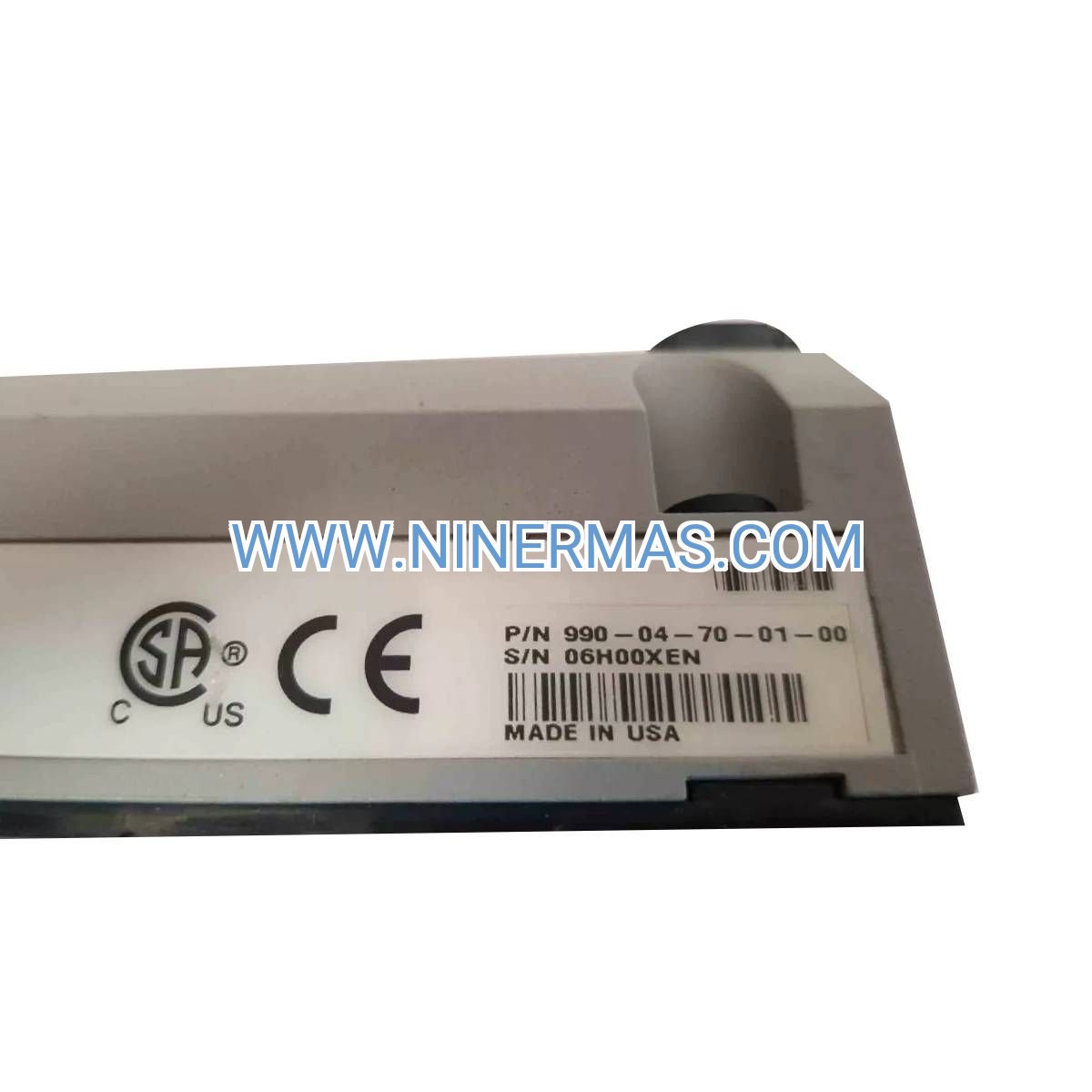
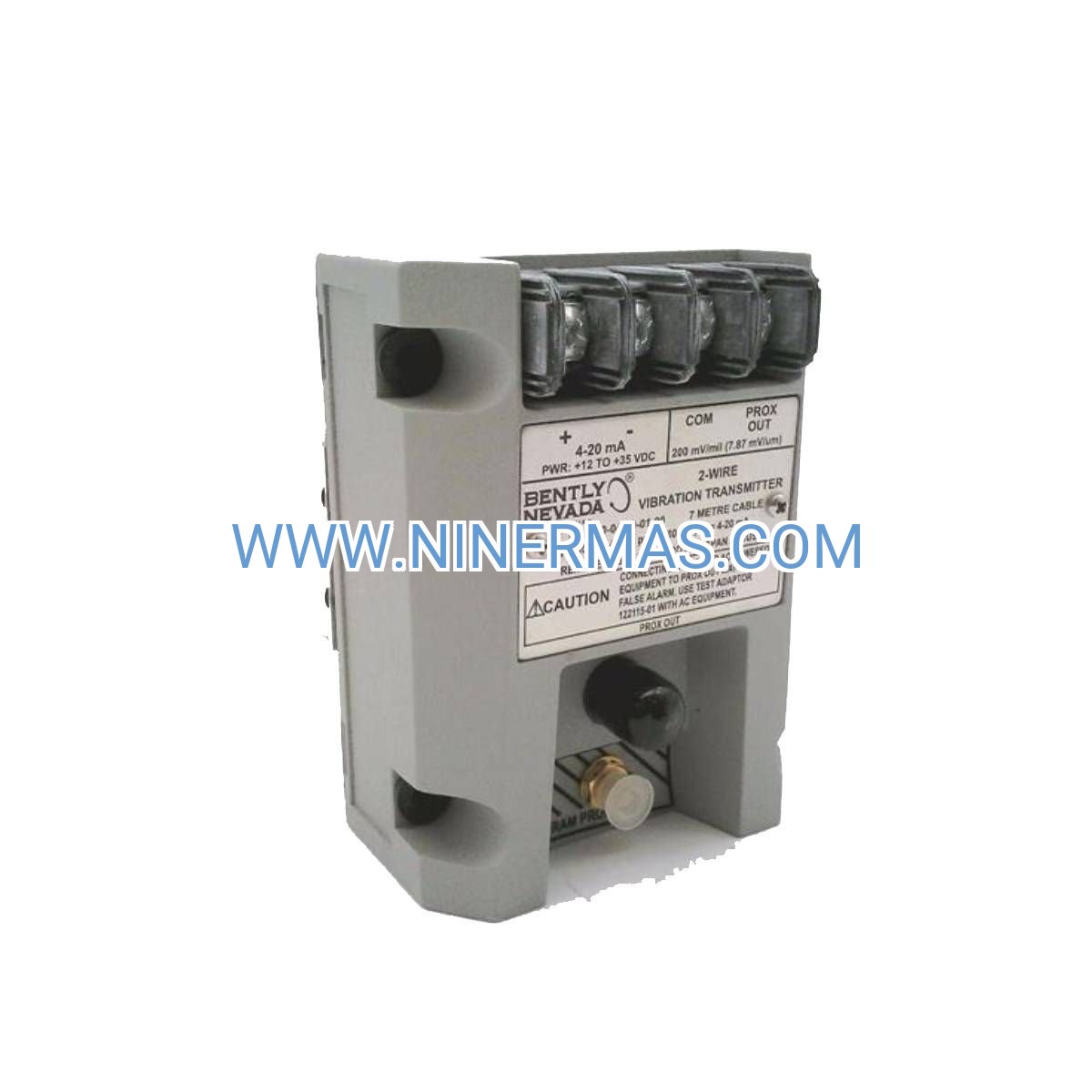
Description
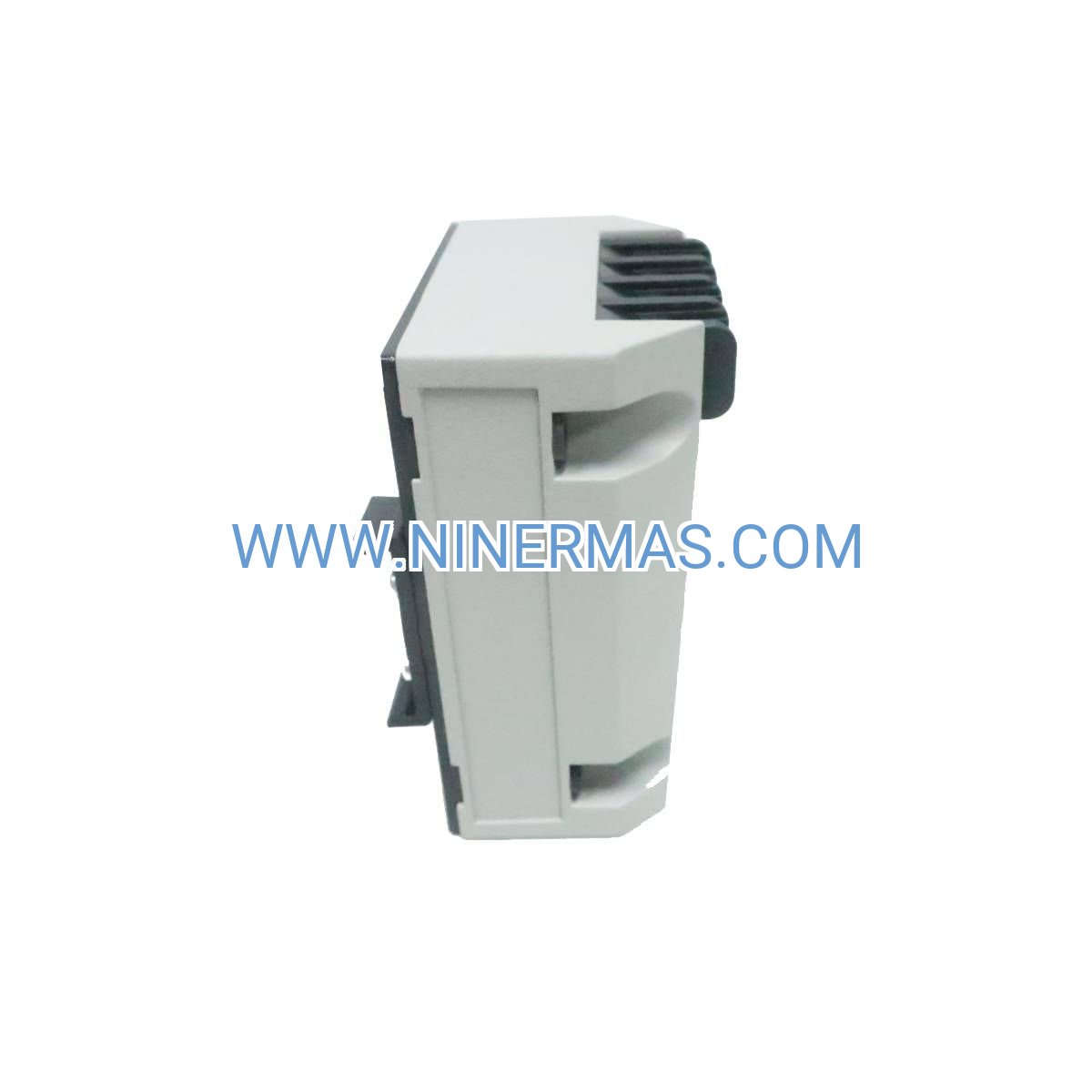
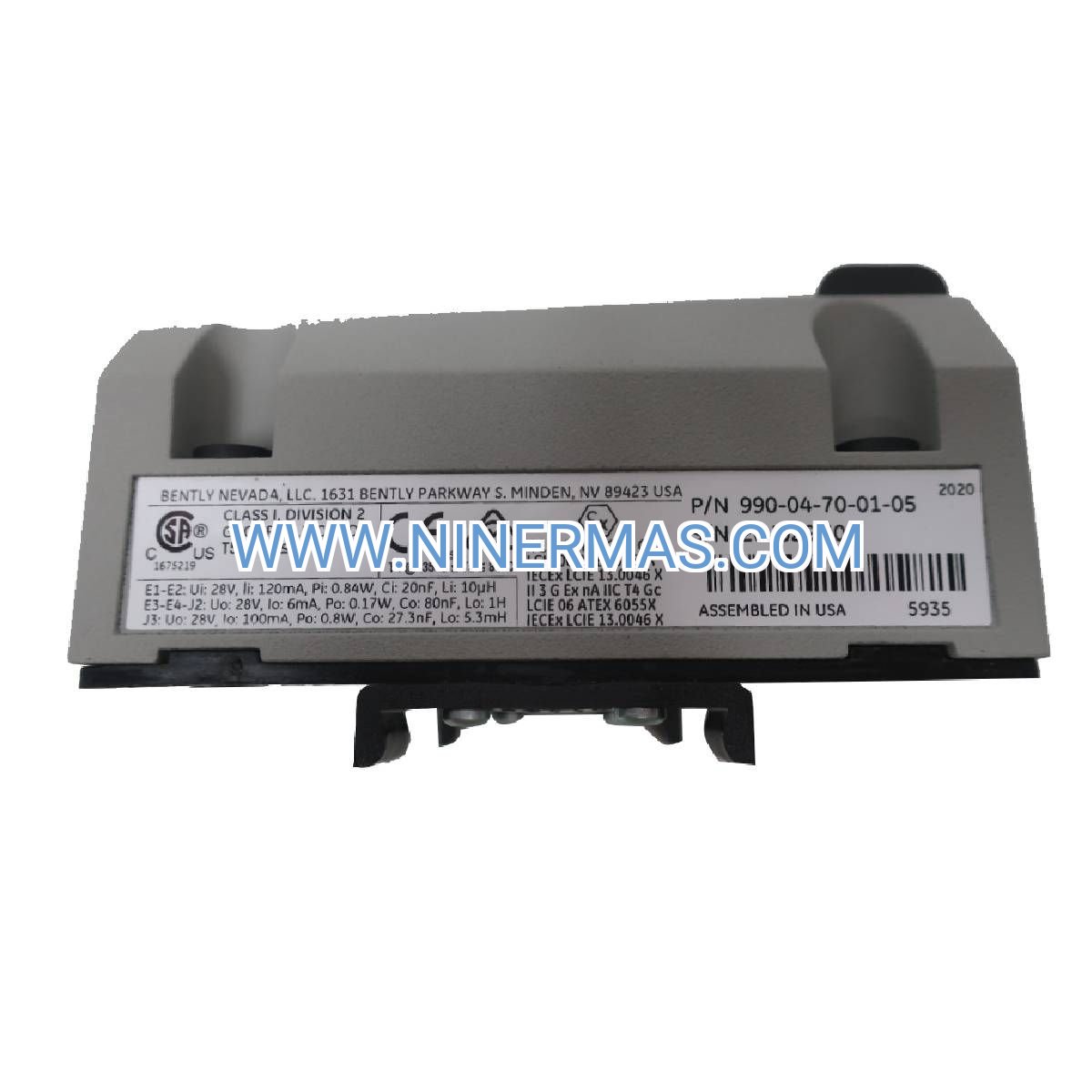
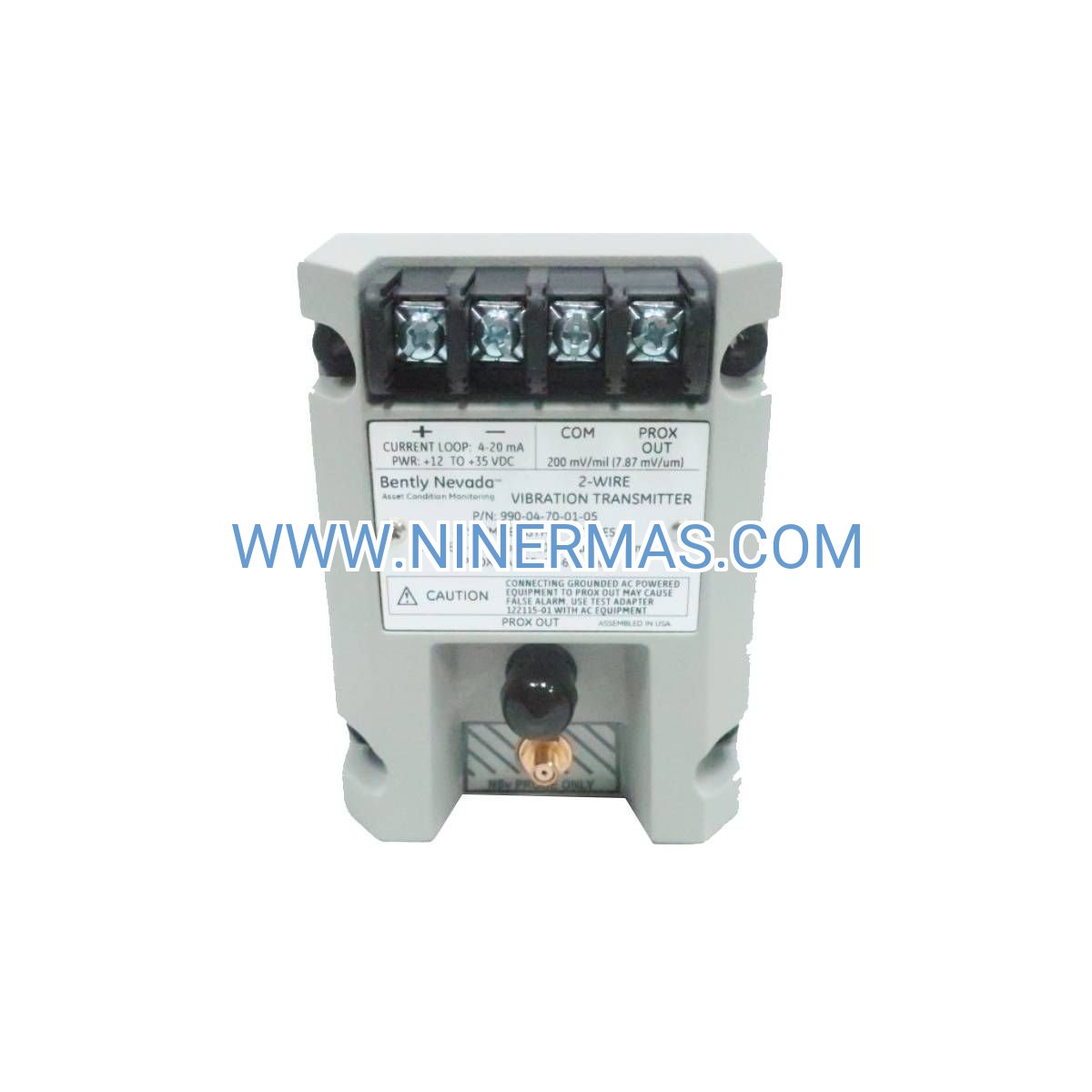
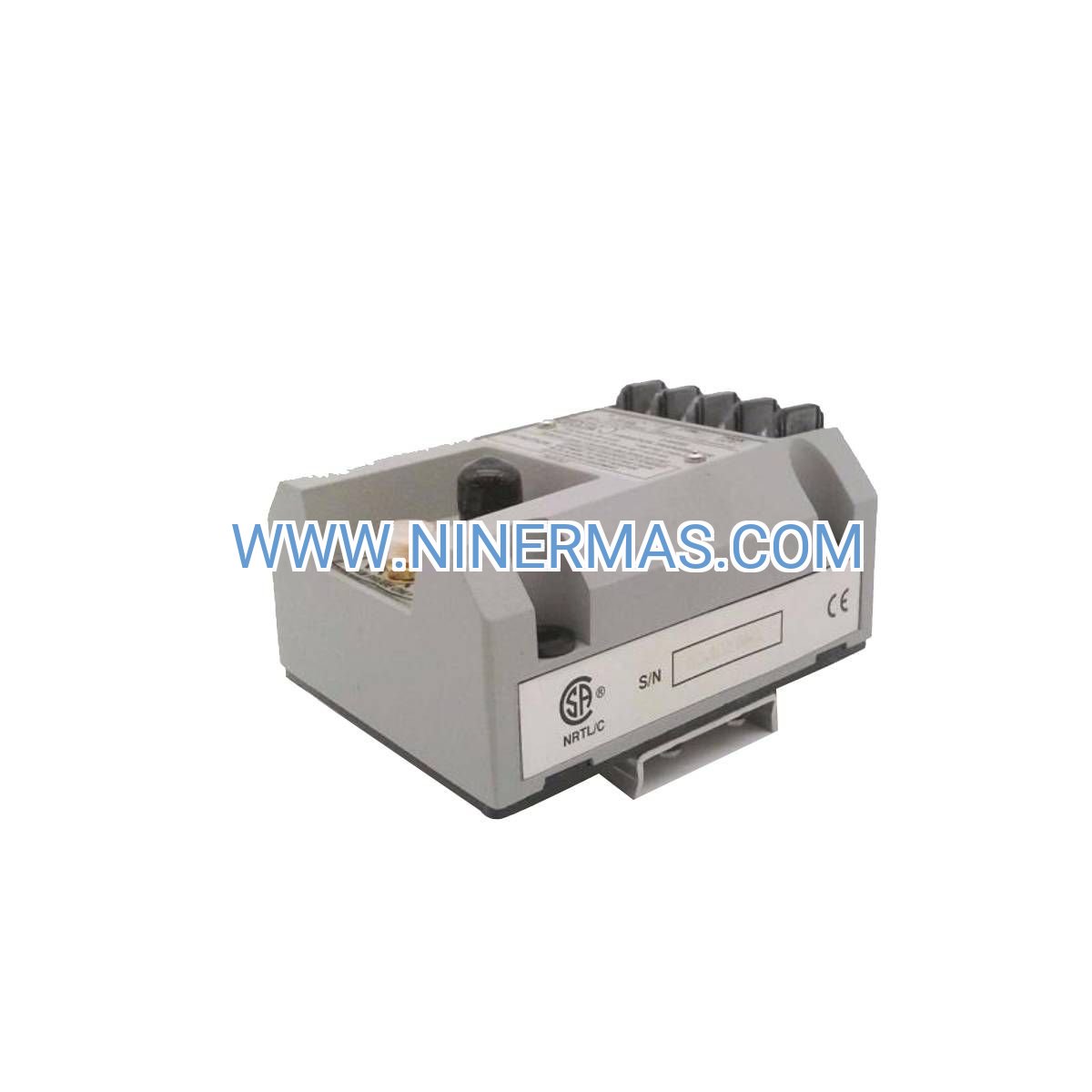
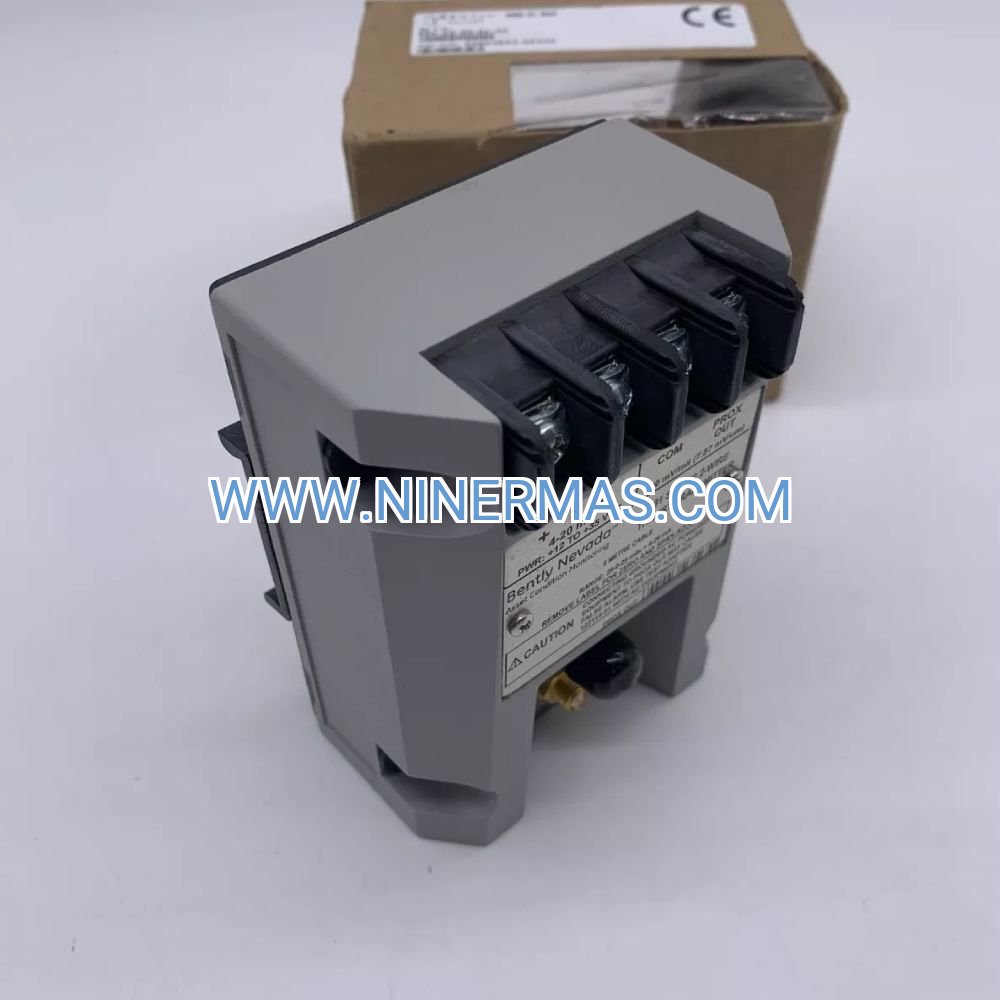
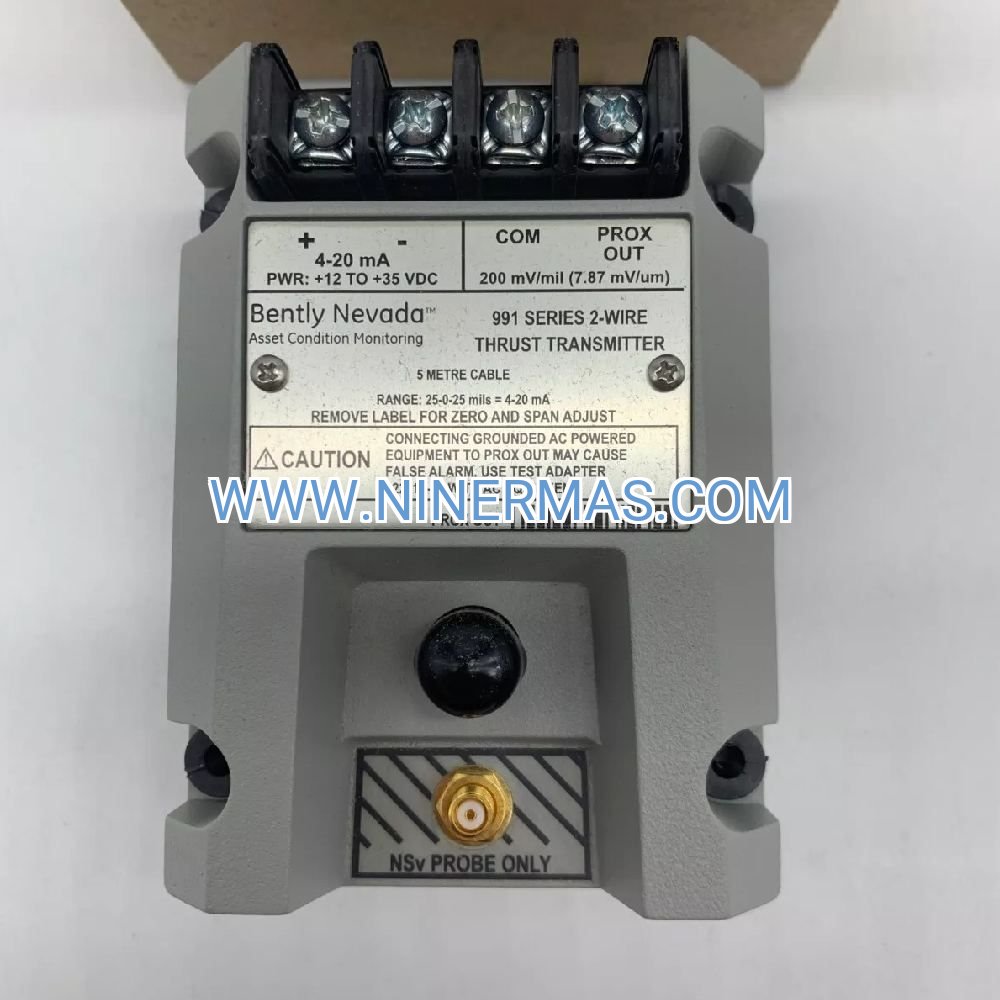
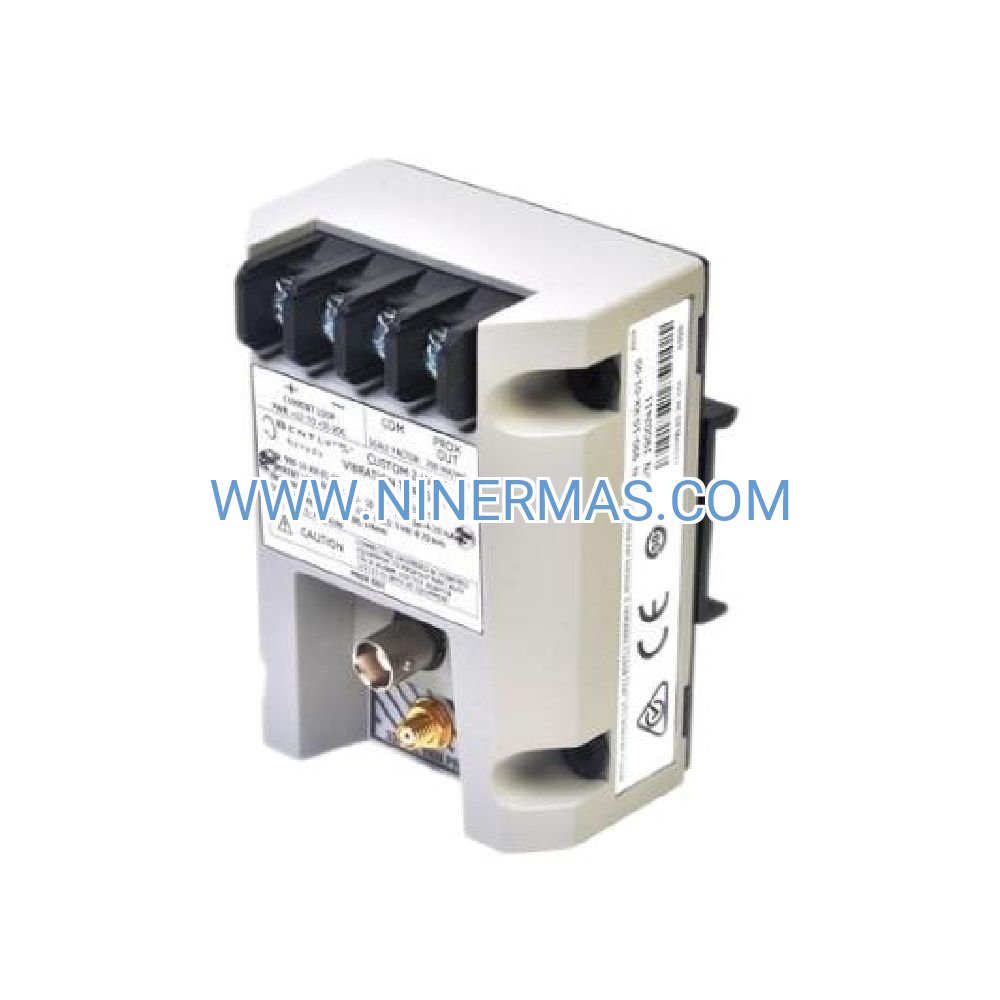
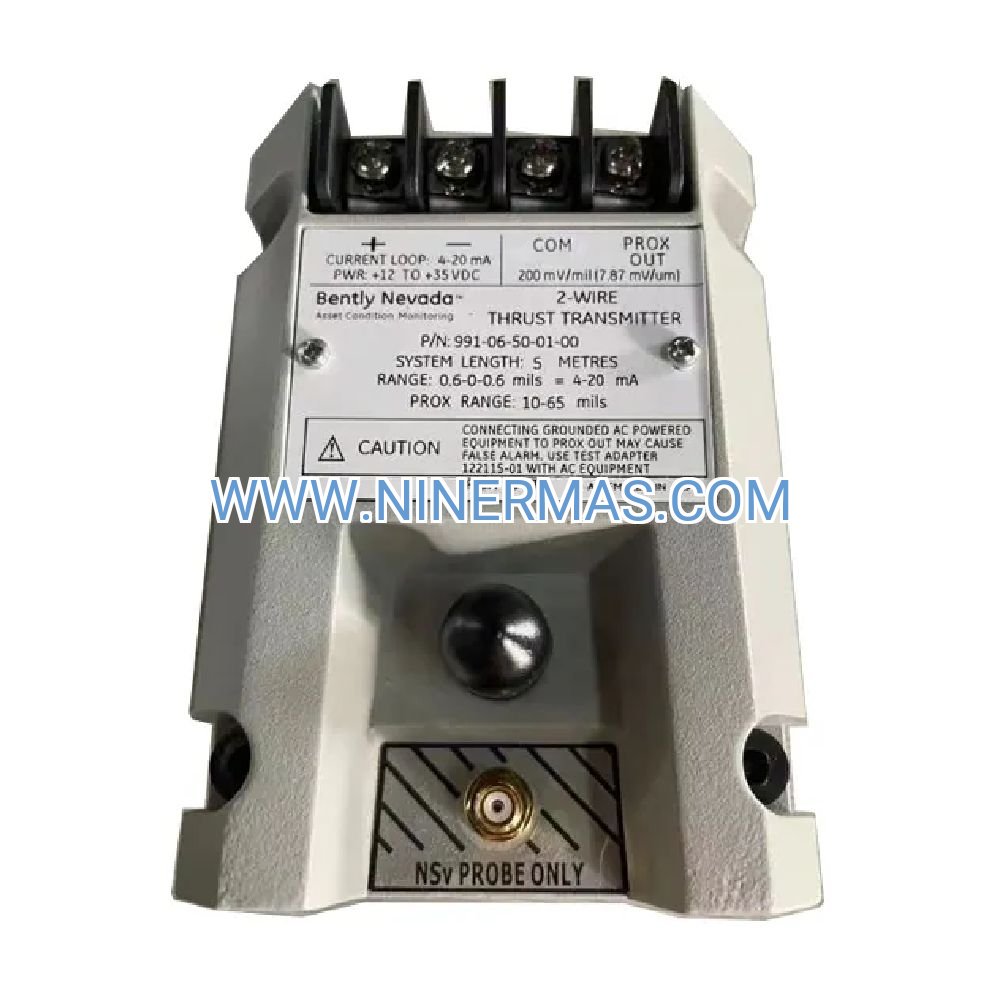
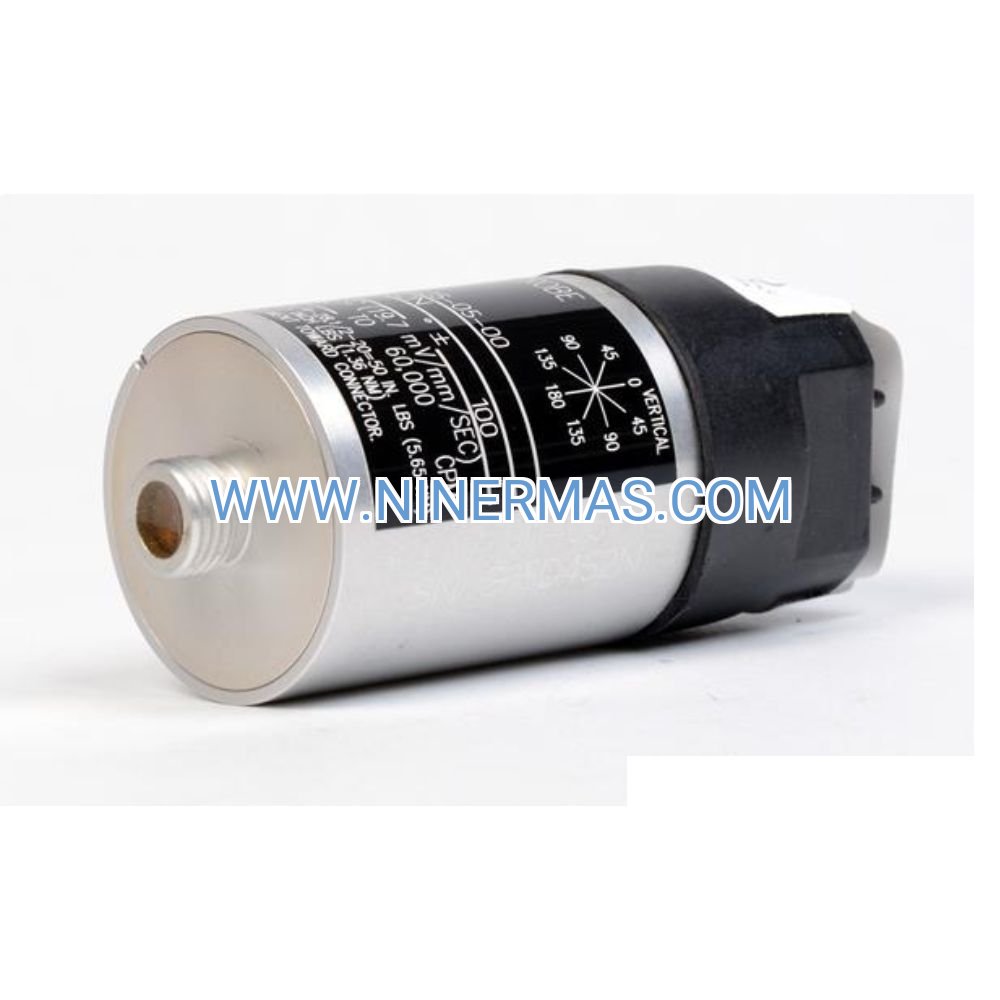
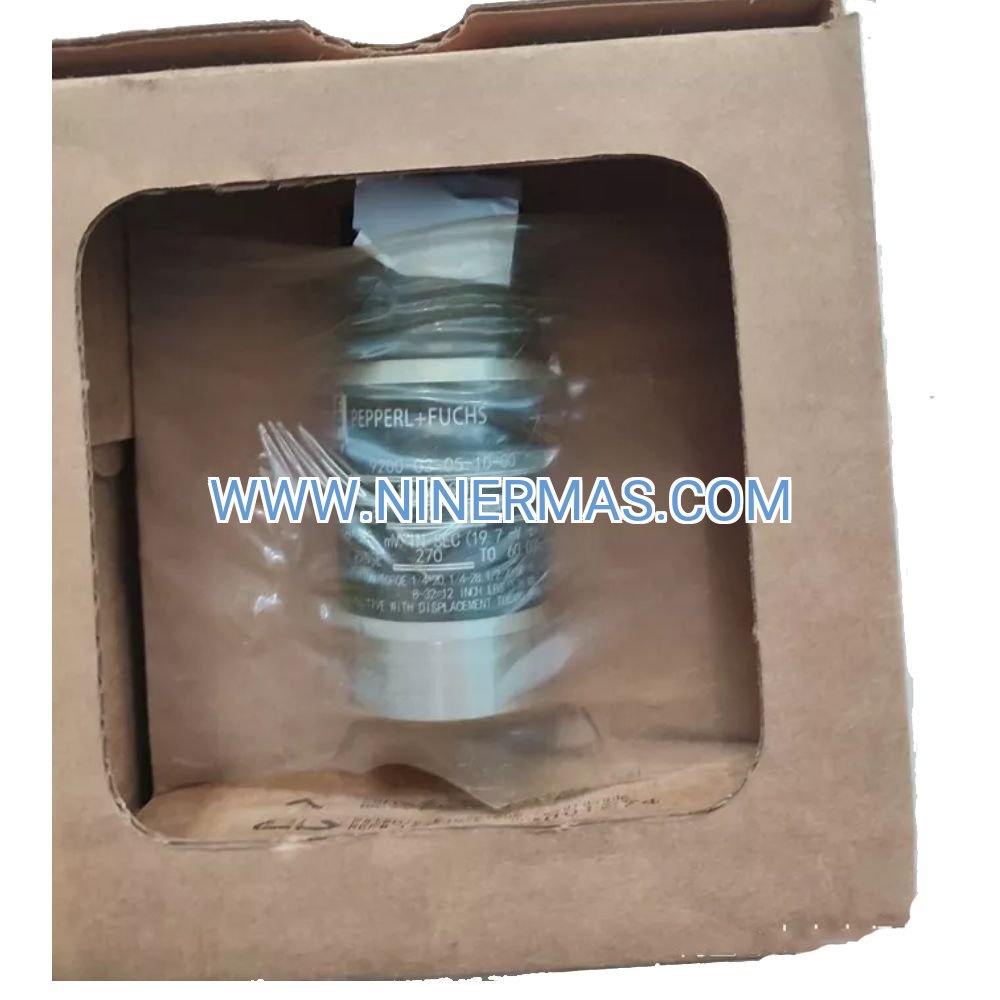
990-04-70-01-05 Industrial Vibration Transmitter (Loop-Powered 4-20mA)
The 990-04-70-01-05 is a loop-powered vibration transmitter engineered for continuous machinery health surveillance in mission-critical industrial operations. Featuring a chemically resistant PPS (Polyphenylene Sulfide) transducer element and corrosion-proof stainless steel enclosure, this transmitter converts mechanical vibration amplitude into industry-standard 4-20mA current signals—enabling direct integration with distributed control systems, programmable logic controllers, and supervisory control platforms without intermediate signal conditioning.
Designed for rotating equipment diagnostics, the 990-04-70-01-05 serves process industries requiring 24/7 vibration monitoring to prevent unplanned downtime. Its robust construction withstands harsh environmental conditions including temperature extremes, chemical exposure, and mechanical shock, while maintaining measurement accuracy critical for early fault detection in pumps, motors, compressors, turbines, and gearboxes.
Target users: Reliability engineers, maintenance planners, and instrumentation technicians in petrochemical refineries, power generation facilities, water treatment plants, pulp & paper mills, and heavy manufacturing operations seeking to transition from reactive to predictive maintenance strategies.
Core Capabilities & Business Value
✓ Loop-Powered 4-20mA Output
Eliminates external power supply requirements—transmitter draws operating current directly from the control loop, reducing installation costs by 30-40% compared to externally powered sensors while simplifying wiring infrastructure.
✓ PPS Transducer Technology
Polyphenylene Sulfide sensing element resists acids, alkalis, and solvents commonly found in process environments, extending sensor lifespan 2-3× beyond standard materials while maintaining ±1% calibration stability across -40°C to +120°C operating range.
✓ Stainless Steel Housing (316L Grade)
Marine-grade stainless construction provides IP67/NEMA 4X environmental protection, enabling outdoor installation and operation in corrosive atmospheres without protective enclosures—reducing total cost of ownership through extended service intervals.
→ Real-Time Vibration Amplitude Monitoring
Continuous measurement of overall vibration levels (typically 10-1000 Hz bandwidth) provides early warning of developing mechanical faults—bearing defects, shaft misalignment, rotor unbalance, and foundation looseness—typically 4-8 weeks before catastrophic failure.
→ Plug-and-Play DCS/PLC Integration
Standard 4-20mA interface connects directly to existing analog input modules without protocol converters or gateways, accelerating deployment timelines and enabling immediate alarm configuration based on equipment-specific vibration thresholds.
→ Intrinsically Safe Design Options
Available with FM/ATEX/IECEx certifications for Class I Division 1 hazardous area installation, supporting compliance requirements in oil & gas, chemical processing, and pharmaceutical manufacturing facilities.
Application Scenarios & Problem Resolution
Scenario 1: Centrifugal Pump Bearing Failure Prevention
Challenge: Chemical processing plant experiencing recurring pump bearing failures every 6-9 months, causing production losses of $15,000-$25,000 per incident.
Solution: 990-04-70-01-05 transmitters installed on pump motor housings detect elevated vibration signatures 6-8 weeks before bearing seizure, enabling planned maintenance during scheduled shutdowns.
Outcome: Bearing replacement costs reduced 60%, unplanned downtime eliminated, mean time between failures extended to 24+ months.
Scenario 2: Steam Turbine Rotor Imbalance Detection
Challenge: Power generation facility requires continuous monitoring of 50MW steam turbine to detect rotor imbalance conditions that could lead to catastrophic blade failure.
Solution: Multiple 990-04-70-01-05 units positioned at turbine bearing housings provide real-time vibration data to DCS, triggering automated load reduction when vibration exceeds 7.5 mm/s RMS threshold.
Outcome: Turbine availability increased from 92% to 98.5%, avoided $2.3M in emergency repair costs over 3-year period.
Scenario 3: Cooling Tower Fan Balance Verification
Challenge: Industrial facility with 12 cooling tower fans requires quarterly vibration surveys to verify mechanical balance and prevent structural damage from excessive vibration.
Solution: Permanent installation of 990-04-70-01-05 transmitters replaces manual vibration surveys, providing continuous monitoring with automated email alerts when vibration exceeds 4.5 mm/s.
Outcome: Labor costs for vibration surveys eliminated ($8,000/year), fan bearing life extended 40%, structural fatigue incidents reduced to zero.
Scenario 4: Compressor Anti-Surge Protection
Challenge: Natural gas compression station requires vibration monitoring as part of multi-parameter protection system to prevent surge-induced mechanical damage.
Solution: 990-04-70-01-05 vibration data integrated with pressure, temperature, and flow measurements in PLC-based protection logic, initiating automatic recycle valve opening when combined parameters indicate surge conditions.
Outcome: Zero surge-related failures over 5-year operating period, compressor availability maintained above 99.2%.
Scenario 5: Motor Control Center Vibration Surveillance
Challenge: Manufacturing facility with 200+ electric motors needs cost-effective vibration monitoring solution to prioritize maintenance resources on highest-risk equipment.
Solution: 990-04-70-01-05 transmitters deployed on critical motors (>50 HP) with 4-20mA signals routed to existing PLC analog input cards, enabling centralized vibration trending without dedicated monitoring hardware.
Outcome: Maintenance efficiency improved 35%, motor failure rate reduced from 8-12 incidents/year to 2-3 incidents/year.
Technical Specifications & Selection Criteria
| Parameter | Specification |
|---|---|
| Model Number | 990-04-70-01-05 |
| Output Signal | 4-20mA DC (loop-powered) |
| Power Supply | 18-30 VDC (loop-powered from receiver) |
| Measurement Range | 0-25 mm/s RMS (typical), field-configurable |
| Frequency Response | 10-1000 Hz (±3 dB) |
| Accuracy | ±5% of reading (at calibration conditions) |
| Transducer Material | PPS (Polyphenylene Sulfide) |
| Housing Material | 316L Stainless Steel |
| Environmental Rating | IP67 / NEMA 4X |
| Operating Temperature | -40°C to +120°C (-40°F to +248°F) |
| Mounting | M12 × 1.5 stud, adhesive pad (optional) |
| Electrical Connection | M12 4-pin connector or cable gland |
| Weight | Approximately 430 grams |
| Certifications | CE, RoHS (hazardous area options available) |
Selection Guidelines:
Choose the 990-04-70-01-05 when your application requires:
- Integration with existing 4-20mA analog input infrastructure (DCS/PLC/SCADA)
- Loop-powered operation to minimize installation complexity and wiring costs
- Chemical resistance for process industry environments (refineries, chemical plants)
- Overall vibration amplitude monitoring (10-1000 Hz) rather than frequency-domain analysis
- Cost-effective deployment across multiple measurement points (10+ locations)
- Compliance with industrial environmental standards (IP67/NEMA 4X)
Consider alternative solutions if you need:
- Frequency spectrum analysis or bearing fault detection (requires accelerometer with FFT capability)
- Wireless connectivity or battery-powered operation (consider IIoT vibration sensors)
- Measurement ranges exceeding 50 mm/s RMS (requires industrial-grade accelerometers)
- Hazardous area certification (specify FM/ATEX/IECEx variant at time of order)
Advanced Integration & Customization
IIoT Gateway Compatibility
The 990-04-70-01-05's 4-20mA output integrates seamlessly with industrial IoT gateways featuring analog input modules, enabling cloud-based vibration trending, mobile app notifications, and machine learning-based anomaly detection when combined with edge computing platforms.
Multi-Point Monitoring Systems
Deploy multiple transmitters across critical equipment trains with signals consolidated in PLC-based monitoring systems. Configure alarm setpoints based on ISO 10816 or API 670 vibration severity standards, with escalating notifications (email → SMS → automated shutdown) based on vibration amplitude thresholds.
Calibration & Configuration Services
Factory calibration certificates traceable to NIST/PTB standards available upon request. Field recalibration services and custom measurement range programming (0-10 mm/s, 0-50 mm/s, etc.) supported through authorized service centers with 5-7 business day turnaround.
Mounting Accessories & Installation Kits
Compatible with magnetic mounting bases, adhesive pads, and threaded stud adapters for flexible installation on flat surfaces, curved housings, or tapped mounting holes. Cable assemblies available in 3m, 5m, 10m, and 25m lengths with M12 or cable gland terminations.
Delivery, Warranty & Technical Support
Lead Time:
- Standard Configuration: 3-5 business days (stock availability permitting)
- Custom Calibration Range: 10-15 business days
- Hazardous Area Certified Units: 4-6 weeks (subject to certification body approval)
- Bulk Orders (20+ units): Contact for project-specific scheduling
Warranty Coverage:
- 24-month manufacturer's warranty covering defects in materials and workmanship
- Extended warranty options available (36-month, 60-month terms)
- Warranty excludes damage from improper installation, overvoltage, or mechanical abuse
Technical Support:
- Email support: Response within 4 business hours (sale@ninermas.com)
- Phone support: +0086 187 5021 5667 (Monday-Friday, 9:00-18:00 CST)
- Installation guidance, wiring diagrams, and troubleshooting assistance included
- On-site commissioning services available (quoted separately based on location)
Documentation Package:
- Product datasheet with dimensional drawings and electrical specifications
- Installation manual with mounting torque specifications and wiring schematics
- Calibration certificate (when requested at time of order)
- Declaration of Conformity (CE/RoHS compliance documentation)
Frequently Asked Questions
Q1: How do I connect the 990-04-70-01-05 vibration transmitter to my existing PLC system?
A: The transmitter uses a standard 2-wire 4-20mA loop-powered configuration. Connect the positive terminal to your PLC's analog input (+) and the negative terminal to the input common (-). Ensure your PLC analog input card is configured for 4-20mA current input mode and provides 18-30 VDC loop power. Most modern PLCs (Allen-Bradley, Siemens, Schneider) support this configuration natively. Refer to your PLC's analog input module documentation for specific wiring details.
Q2: What vibration measurement range should I specify for centrifugal pump monitoring applications?
A: For standard centrifugal pumps (1-200 HP), we recommend the 0-25 mm/s RMS range, which aligns with ISO 10816-3 vibration severity guidelines for rotating machinery. This range provides adequate headroom for normal operating vibration (typically 2-7 mm/s) while capturing fault conditions before reaching alarm thresholds (10-15 mm/s). For high-speed pumps (>3600 RPM) or critical applications, consider the 0-50 mm/s range for extended measurement capability.
Q3: Can the 990-04-70-01-05 achieve energy savings compared to permanently installed accelerometers with separate power supplies?
A: Yes—loop-powered operation eliminates the need for separate 24 VDC power supplies, reducing installation costs by approximately $50-$80 per measurement point and ongoing energy consumption by 2-3 watts per transmitter. In large-scale deployments (50+ measurement points), this translates to $200-$400 annual energy savings plus simplified wiring infrastructure and reduced panel space requirements.
Q4: What are the installation requirements for outdoor mounting in coastal or corrosive environments?
A: The 316L stainless steel housing provides excellent corrosion resistance for outdoor and coastal installations. Ensure the M12 connector is fully seated and the O-ring seal is intact to maintain IP67 rating. For extreme corrosive environments (chemical plants, offshore platforms), apply a thin coat of marine-grade anti-seize compound to threaded mounting studs and verify cable gland seals annually. Avoid direct spray from high-pressure washdown systems—use protective shrouds if equipment undergoes frequent cleaning.
Q5: Does the transmitter support remote calibration or configuration changes without physical access?
A: The 990-04-70-01-05 is an analog transmitter with fixed factory calibration—remote reconfiguration is not supported. Measurement range changes or recalibration require returning the unit to an authorized service center. For applications requiring remote configuration, consider digital vibration transmitters with HART or Modbus communication protocols, which support remote parameter adjustment via asset management software.
Q6: How does the 4-20mA output correlate to actual vibration levels, and can I configure custom scaling?
A: The transmitter's 4-20mA output is linearly proportional to vibration amplitude. For a 0-25 mm/s range: 4mA = 0 mm/s, 12mA = 12.5 mm/s, 20mA = 25 mm/s. Your PLC or DCS analog input scaling should be configured to match this range (e.g., 4mA input = 0 engineering units, 20mA input = 25 engineering units). Custom scaling ranges (0-10 mm/s, 0-50 mm/s) are available as factory options—specify requirements at time of order with 10-15 business day lead time.
Request Technical Consultation & Pricing
Our vibration monitoring specialists are available to assist with:
- Application-specific transmitter selection and measurement range recommendations
- Multi-point monitoring system design and PLC integration guidance
- Compliance verification for hazardous area installations (FM/ATEX/IECEx)
- Volume pricing for projects requiring 10+ transmitters
- Custom calibration certificates and extended warranty options
Contact our technical sales team today:
? Email: sale@ninermas.com
? Phone: +0086 187 5021 5667
? Technical Resources: https://ninermas.com
Typical response time: Within 4 business hours for technical inquiries, same-day quotations for standard configurations.
© 2026 NINERMAS COMPANY LIMITED. All rights reserved.
Original Source: https://ninermas.com
Contact: sale@ninermas.com | +0086 187 5021 5667
PDF Specification
Download PDF file here:
Click to Download PDF

Contact Info
-
Address:22 / F, South Wo Hang building, 148 Wing Lok Street, Sheung Wan, Western District, Hong Kong
-
Phone:+8618750215667
-
Email: