Bently Nevada 90199 Seismic Velocity Sensor | 10-1000Hz Industrial Vibration Monitoring Transducer
Description
Bently Nevada 90199 Seismic Velocity Sensor (Industrial-Grade Vibration Monitoring System)
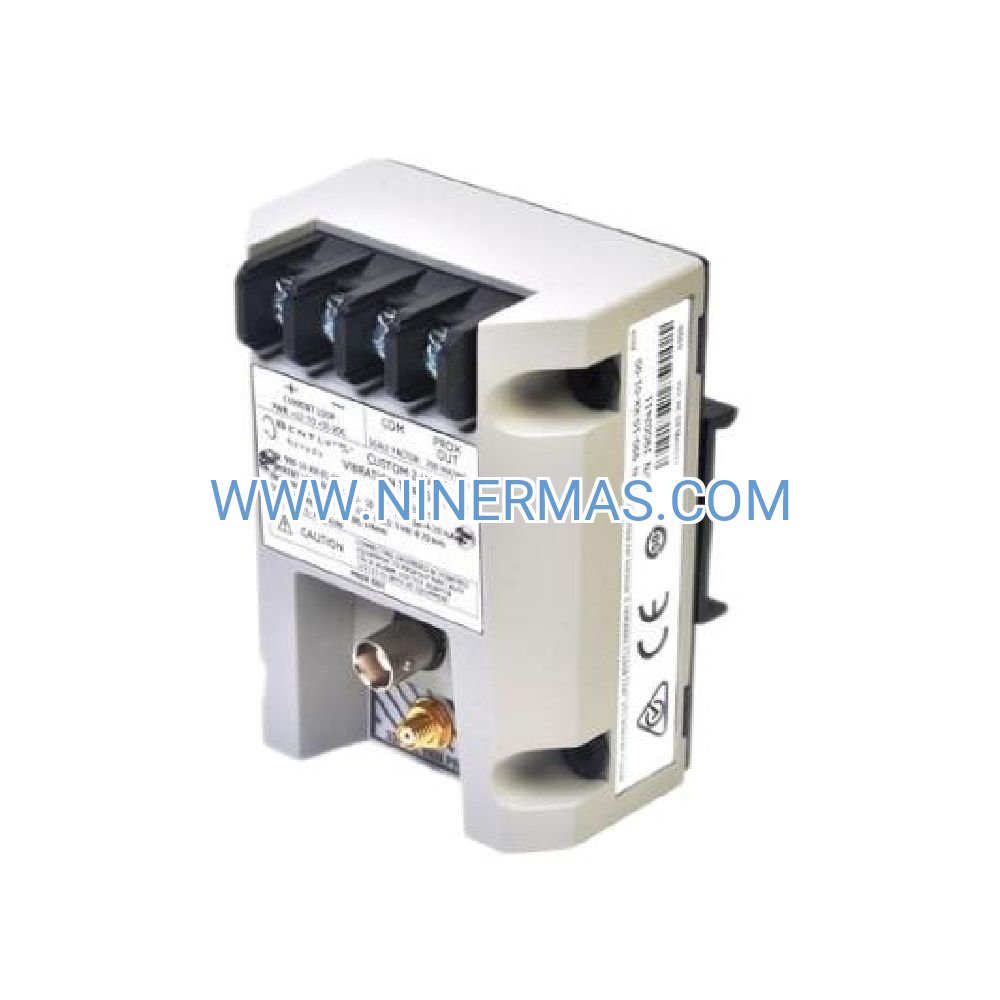
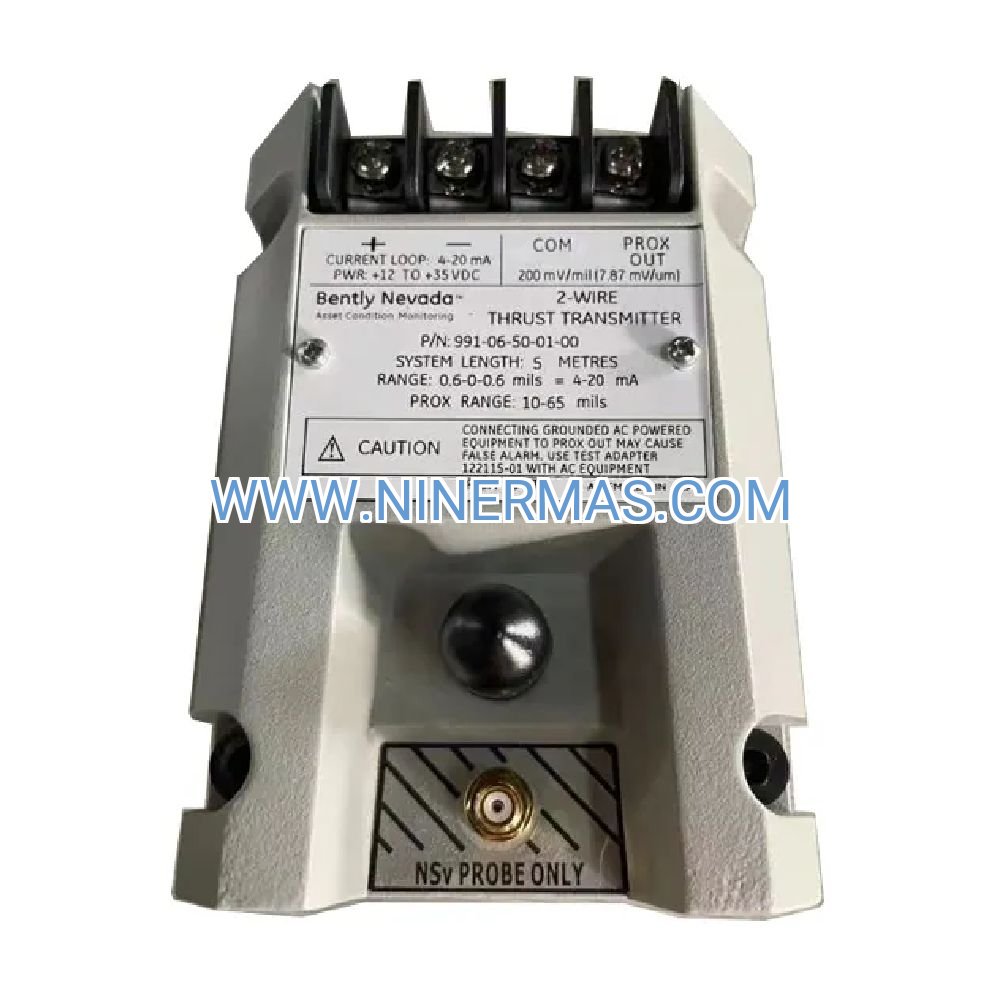
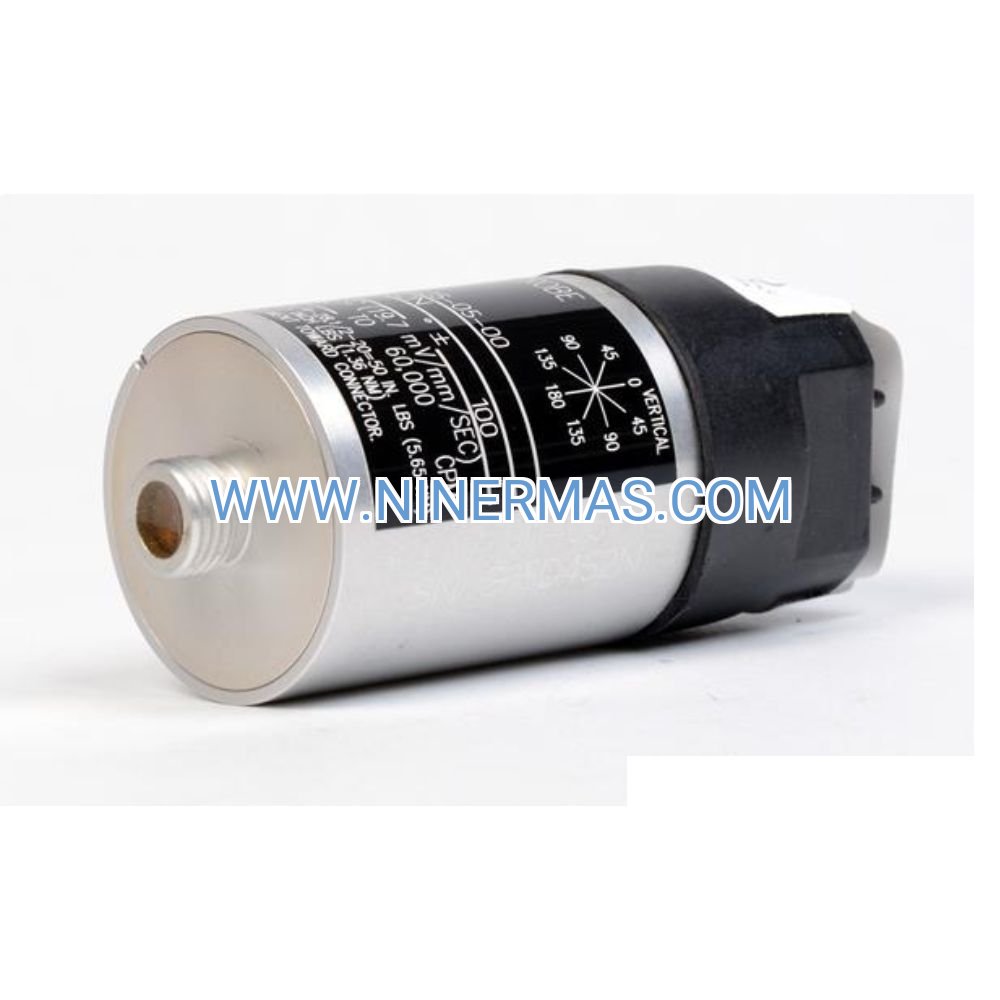
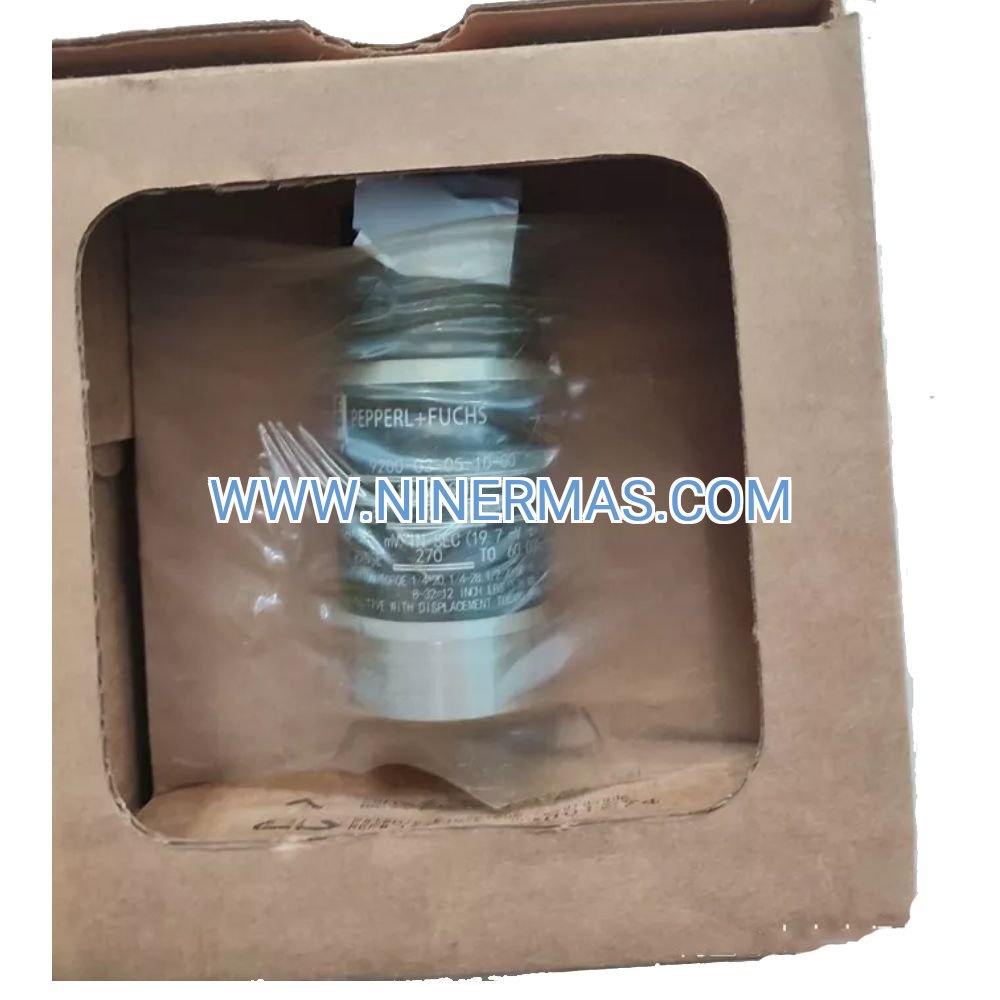
The Bently Nevada 90199 seismic velocity sensor is a precision-engineered industrial transducer designed for continuous vibration monitoring of rotating machinery. Through advanced piezoelectric sensing technology and hermetically sealed construction, this sensor delivers reliable velocity measurements across a 10-1000Hz frequency range, enabling early fault detection and predictive maintenance strategies for critical equipment.
Ideal for turbines, compressors, pumps, motors, and gearboxes in power generation, oil & gas, petrochemical, and heavy manufacturing environments. This sensor helps solve common challenges including bearing wear detection, unbalance identification, misalignment monitoring, and resonance analysis—reducing unplanned downtime and extending equipment service life.
With standardized stud-mount installation and compatibility with Bently Nevada 3300 series monitoring systems, the 90199 sensor offers proven reliability, environmental resilience, and straightforward integration. Suitable for plant engineers, maintenance teams, OEM integrators, and condition monitoring specialists seeking industrial-grade vibration sensing solutions. Contact our application engineers for system configuration guidance and technical support.
Core Features & Advantages
- Wide Frequency Response (10-1000Hz)
Captures low-speed machinery faults and high-frequency bearing defects in a single sensor, eliminating the need for multiple transducer types and simplifying installation. - Hermetically Sealed Construction
IP67-rated stainless steel housing protects against moisture, dust, oil contamination, and harsh industrial environments, ensuring long-term measurement accuracy and reducing replacement frequency. - High Sensitivity & Low Noise
Precision piezoelectric element delivers excellent signal-to-noise ratio, enabling detection of incipient faults at early stages before catastrophic failure occurs. - Standardized Stud Mount Design
Industry-standard 1/4-28 UNF mounting thread ensures secure attachment to machinery surfaces and compatibility with existing mounting locations, reducing installation time and cost. - Temperature Stability (-40°C to +121°C)
Maintains calibration accuracy across extreme operating temperatures, suitable for outdoor installations, steam turbines, and refrigeration compressors. - Integrated Cable Design
Factory-terminated low-noise cable with robust strain relief minimizes installation errors, reduces electromagnetic interference, and improves system reliability.
Typical Application Scenarios
This sensor is engineered for applications requiring continuous vibration monitoring, predictive maintenance capabilities, and compliance with machinery protection standards, including:
- Power Generation Equipment
Steam turbines, gas turbines, generators, and auxiliary systems in power plants. Monitors bearing condition, rotor balance, and alignment to prevent forced outages and optimize maintenance intervals. - Oil & Gas Rotating Machinery
Compressors, pumps, blowers, and turbines in upstream, midstream, and downstream facilities. Detects cavitation, surge, mechanical looseness, and lubrication issues in hazardous area installations. - Petrochemical Process Equipment
Critical pumps, agitators, centrifuges, and fans in continuous process operations. Provides early warning of mechanical degradation to maintain production continuity and safety compliance. - Heavy Industry & Manufacturing
Large motors, gearboxes, rolling mills, and material handling systems. Supports condition-based maintenance programs and reduces spare parts inventory through predictive fault diagnosis. - Marine & Offshore Platforms
Propulsion systems, auxiliary engines, and deck machinery exposed to vibration, shock, and corrosive environments. Hermetic sealing ensures reliable operation in saltwater and high-humidity conditions.
Technical Parameters & Selection Guide
To facilitate system design and sensor selection, we provide key specifications for the Bently Nevada 90199 series. Custom configurations are available based on project-specific requirements.
| Parameter | Specification |
|---|---|
| Frequency Range | 10 - 1000 Hz |
| Sensitivity | Typically 100 mV/in/s (consult datasheet for specific model) |
| Measurement Range | 0 - 2.0 in/s peak (velocity) |
| Operating Temperature | -40°C to +121°C (-40°F to +250°F) |
| Housing Material | Stainless steel, hermetically sealed |
| Environmental Rating | IP67 (dust-tight, water immersion protected) |
| Mounting Type | Stud mount, 1/4-28 UNF thread |
| Cable Type | Integral low-noise cable with polyurethane jacket |
| Cable Length | Standard lengths available (consult for options) |
| Electrical Connection | 2-pin connector (model-dependent) |
| Weight | Approximately 0.2 kg (sensor body) |
| Compliance | CE, RoHS (verify for specific model variant) |
Selection Recommendations: When specifying sensors, consider machinery operating speed range, mounting surface condition (flatness, material), ambient temperature extremes, cable routing distance, and monitoring system input requirements. For applications involving explosive atmospheres, verify hazardous area certifications. Our application engineers can assist with sensor placement optimization, mounting torque specifications, and system integration planning—please provide machinery type, operating speed, measurement objectives, and environmental conditions.
Extended Capabilities
- System Integration: Compatible with Bently Nevada 3300, 3500, and Orbit 60 monitoring platforms, as well as third-party vibration analyzers and data acquisition systems supporting industry-standard velocity transducers.
- Multi-Point Monitoring: Deploy multiple sensors on a single machine to capture radial, axial, and tangential vibration components for comprehensive condition assessment and modal analysis.
- Trending & Diagnostics: Integrate with SCADA, DCS, or cloud-based condition monitoring platforms for real-time trending, alarm management, automated fault diagnosis, and maintenance workflow integration.
- Calibration Services: Factory calibration certificates available; periodic recalibration services ensure long-term measurement traceability and compliance with ISO 10816 and API standards.
Delivery, Service & Quality Assurance
Lead Time: Standard catalog models typically ship within 3-5 business days from stock. Custom cable lengths or special configurations require 10-15 business days manufacturing lead time.
Warranty: All Bently Nevada 90199 sensors include a 12-month manufacturer's warranty covering defects in materials and workmanship under normal operating conditions.
Technical Support: Comprehensive installation guidance, wiring diagrams, and dimensional drawings provided with each sensor. Remote technical consultation available for mounting optimization, signal troubleshooting, and system commissioning. On-site installation and commissioning services available in select regions (contact for availability).
Documentation Package: Each sensor ships with product datasheet, calibration certificate (if applicable), installation instructions, electrical connection diagram, and recommended mounting torque specifications to ensure proper installation and long-term reliability.
Frequently Asked Questions (FAQ)
Q: How do I integrate the Bently Nevada 90199 seismic velocity sensor with my existing monitoring system?
A: The sensor provides a standard velocity output signal compatible with most vibration monitors and data acquisition systems. Verify your system's input impedance (typically >10kΩ) and signal conditioning requirements. Connection is typically via 2-wire or coaxial cable to the monitor input terminals. Consult your monitoring system manual or contact our engineers for interface verification.
Q: What is the recommended mounting surface preparation for optimal sensor performance?
A: The mounting surface should be flat, clean, and free of paint, rust, or contamination. Machine or grind the surface to achieve <63 μin Ra surface finish. Apply a thin layer of mechanical grease or petroleum jelly to the sensor base before installation. Torque the mounting stud to 20-25 ft-lbs (27-34 N⋅m) to ensure proper mechanical coupling and frequency response.
Q: Can this sensor be used in hazardous (explosive) environments?
A: The standard 90199 sensor is designed for industrial environments but may not carry intrinsic safety (IS) or explosion-proof certifications. For Class I Div 1/2 or ATEX Zone 1/2 applications, verify the specific model variant's hazardous area approvals or consult factory for certified alternatives. Always ensure compliance with local electrical codes.
Q: What is the typical service life of the Bently Nevada 90199 sensor?
A: Under normal operating conditions (within specified temperature and vibration limits), the sensor typically provides 10+ years of reliable service. Hermetic sealing protects internal components from environmental degradation. Periodic verification testing (every 2-3 years) is recommended for critical applications to confirm calibration stability.
Q: Does the sensor require external power, and what are the power supply requirements?
A: Piezoelectric velocity sensors like the 90199 are passive devices and do not require external DC power. However, they must be connected to a monitoring system or signal conditioner that provides the necessary input impedance and signal processing. Some systems may provide constant-current excitation—verify compatibility with your specific monitoring hardware.
Q: Can I monitor both low-speed and high-speed machinery with a single 90199 sensor?
A: Yes, the 10-1000Hz frequency range covers most industrial machinery operating speeds, from large slow-speed equipment (e.g., ball mills at 10-50 Hz) to high-speed turbines and motors (up to 60,000 RPM / 1000 Hz). This wide bandwidth eliminates the need for separate low-frequency and high-frequency transducers in many applications.
Request Technical Support & Quotation
For detailed application engineering support, custom sensor configurations, or project quotations, please provide the following information to our technical team:
- Project name and application overview
- Machinery type, operating speed range (RPM), and critical monitoring points
- Quantity of sensors required and preferred cable lengths
- Ambient temperature range and environmental conditions (humidity, chemical exposure, etc.)
- Monitoring system model or input specifications
- Hazardous area classification (if applicable)
- Delivery timeline and installation support requirements
Our application engineers will provide one-on-one consultation, sensor placement recommendations, system integration guidance, and competitive pricing tailored to your project needs.
© 2026 NINERMAS COMPANY LIMITED. All rights reserved. Original Source: https://ninermas.com Contact: sale@ninermas.com | +0086 187 5021 5667

Contact Info
-
Address:22 / F, South Wo Hang building, 148 Wing Lok Street, Sheung Wan, Western District, Hong Kong
-
Phone:+8618750215667
-
Email: