
Description
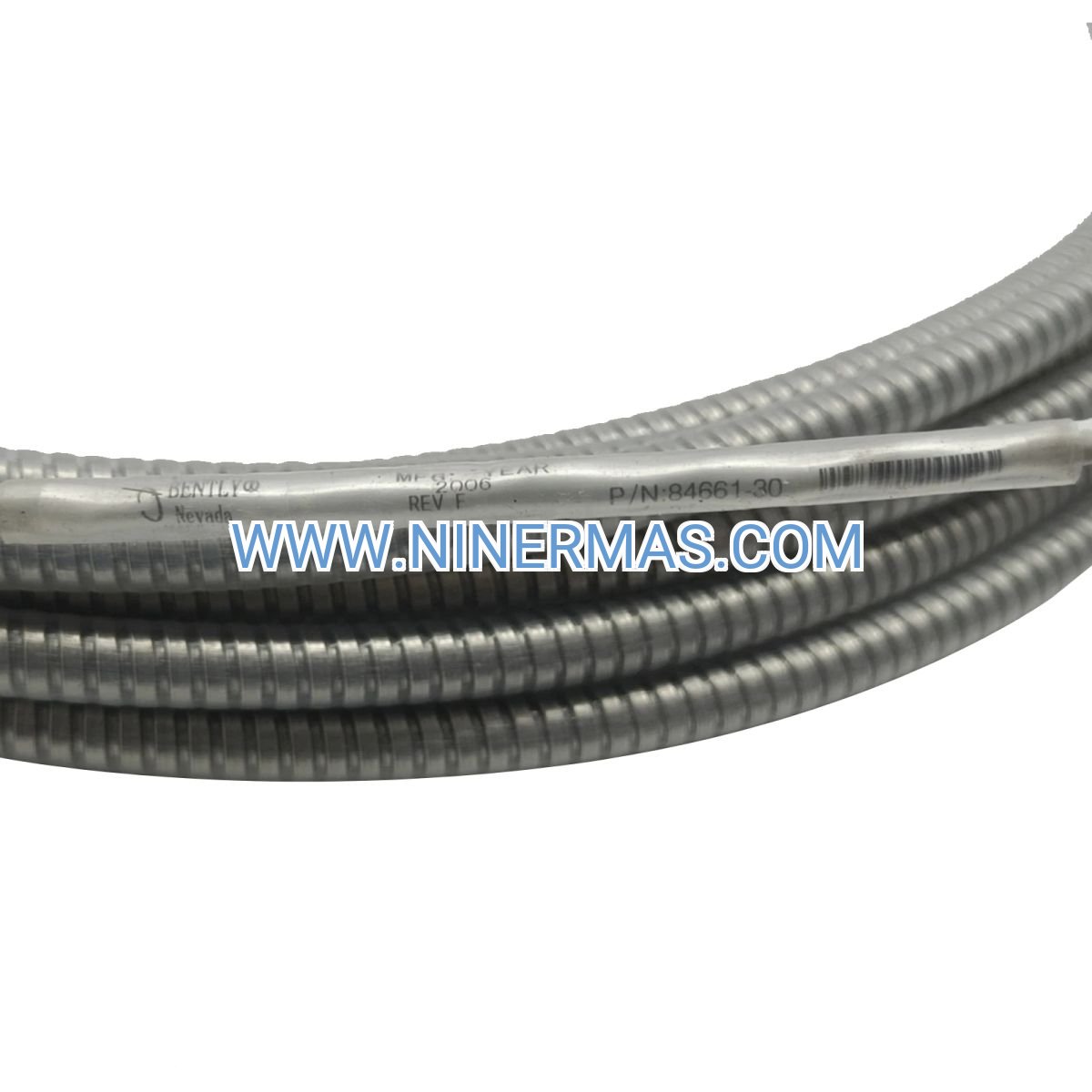
Bently Nevada 84661-30 Armored Interconnect Cable | Industrial Vibration Monitoring Solution
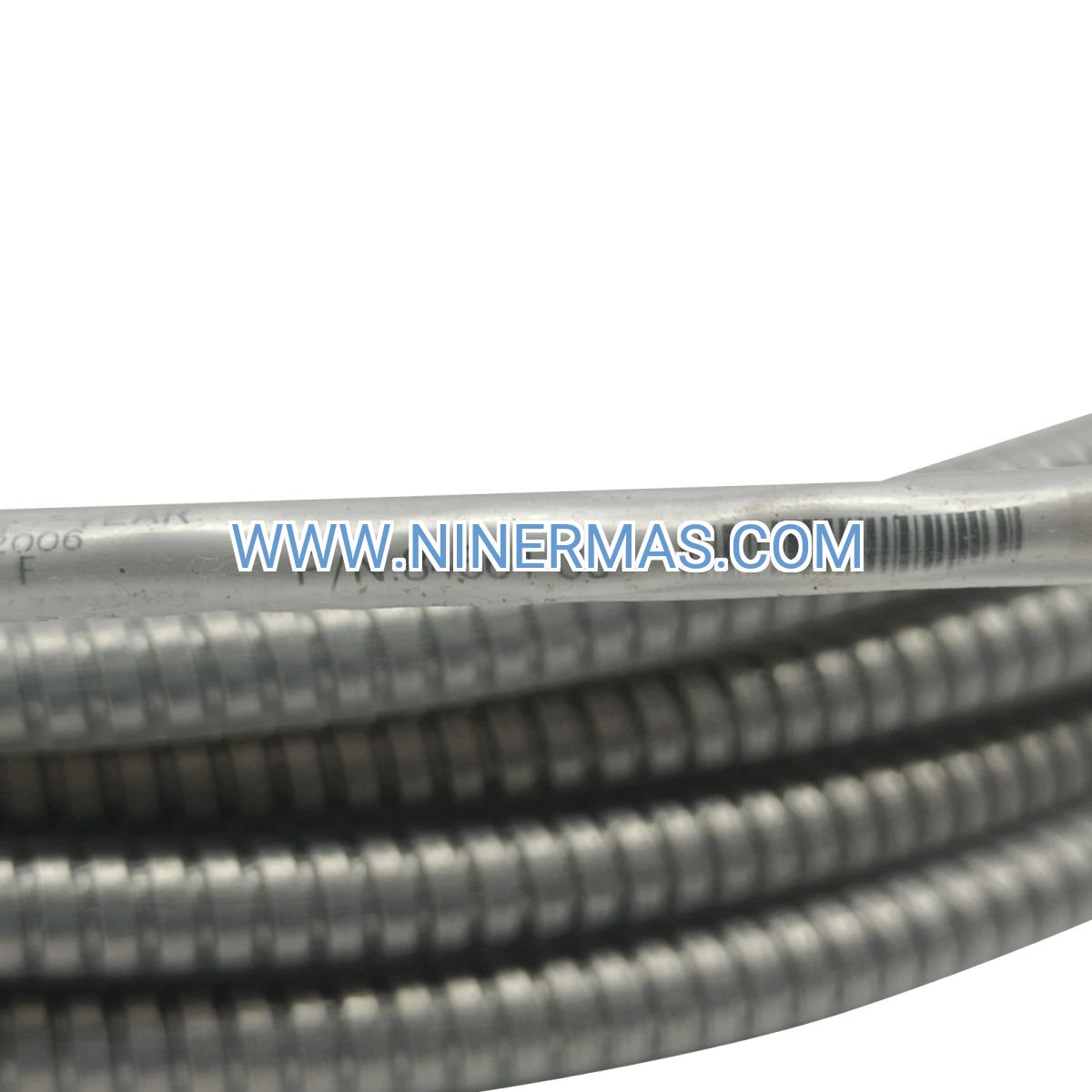
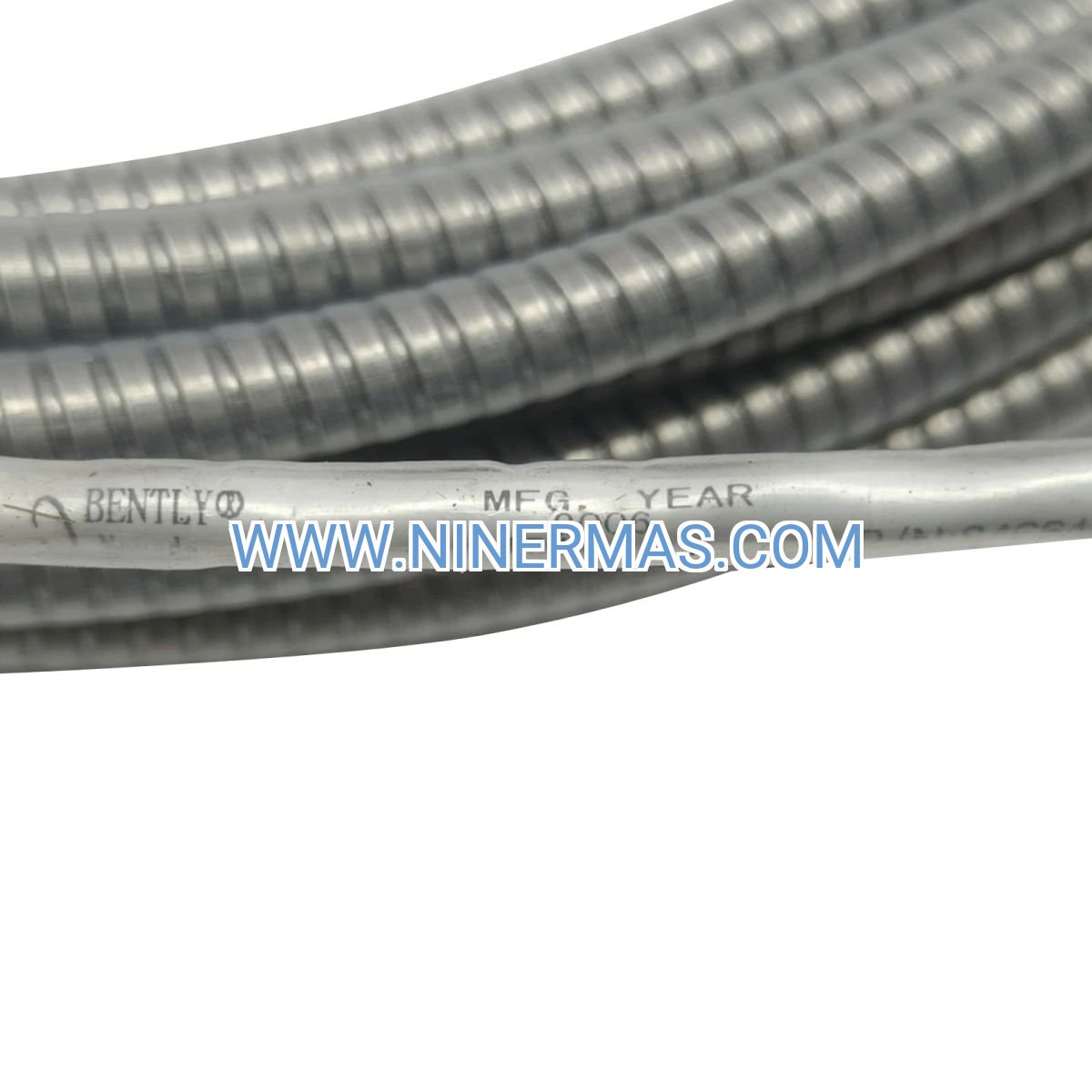
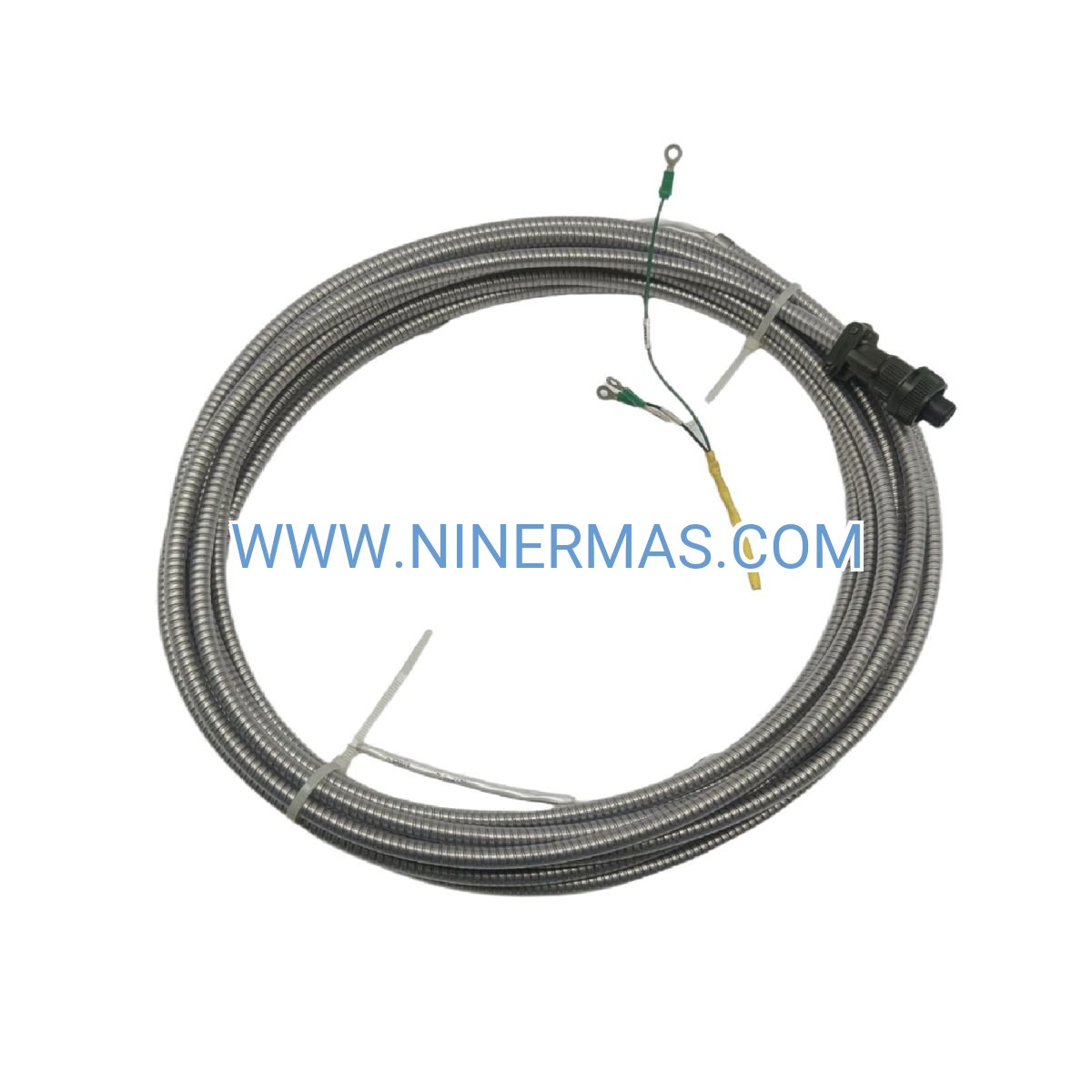
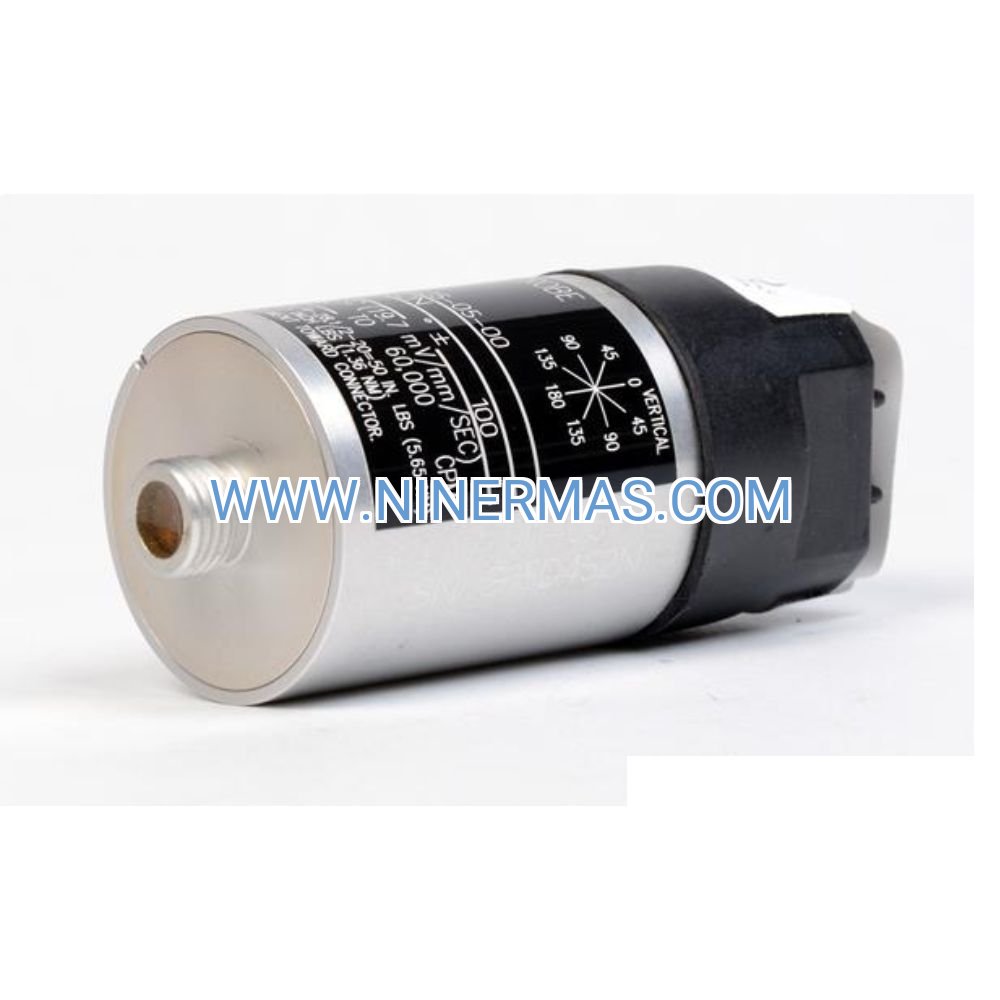
The Bently Nevada 84661-30 Armored Interconnect Cable is a precision-engineered 30-foot signal transmission solution designed for demanding industrial vibration monitoring applications. Through advanced multi-layer electromagnetic shielding and stainless steel armor construction, this cable delivers reliable, low-noise connectivity between 330505 Low Frequency Velocity Sensors and 3500/46M Hydro Monitor modules, ensuring accurate detection of bearing defects, unbalance conditions, and structural anomalies in rotating machinery.
Ideal for hydroelectric facilities, power generation plants, petrochemical processing units, and heavy industrial operations where continuous machinery health surveillance is critical. This interconnect cable addresses common challenges including electromagnetic interference from VFDs, mechanical damage in harsh environments, signal degradation over distance, and unreliable connections that lead to false alarms or missed fault conditions.
Featuring standardized terminations with field-proven compatibility, the 84661-30 offers rapid deployment, minimal installation complexity, and long-term durability in temperatures ranging from -40°C to +85°C. Suitable for condition monitoring engineers, plant maintenance teams, system integrators, and OEM machinery manufacturers. Contact our vibration monitoring specialists for application-specific cable routing guidance and system configuration support.
Core Features & Technical Advantages
- Superior EMI/RFI Rejection: Multi-layer shielding architecture with tinned copper conductors and braided stainless steel armor provides >90dB electromagnetic interference suppression, preserving low-amplitude vibration signals even in electrically noisy industrial environments near motor drives and high-voltage switchgear.
- Rugged Mechanical Protection: Stainless steel braided outer armor resists impact damage, abrasion, rodent intrusion, and chemical exposure common in industrial settings, significantly extending cable service life compared to standard PVC-jacketed alternatives.
- Optimized Signal Integrity: Low-capacitance insulation and impedance-matched construction maintain frequency response characteristics essential for accurate low-frequency vibration measurement (typically 2-1000 Hz), enabling early detection of bearing wear patterns and structural resonance issues.
- Wide Operating Temperature Range: Rated for continuous operation from -40°C to +85°C (-40°F to +185°F), suitable for outdoor installations, steam turbine proximity, and arctic climate deployments without signal drift or insulation degradation.
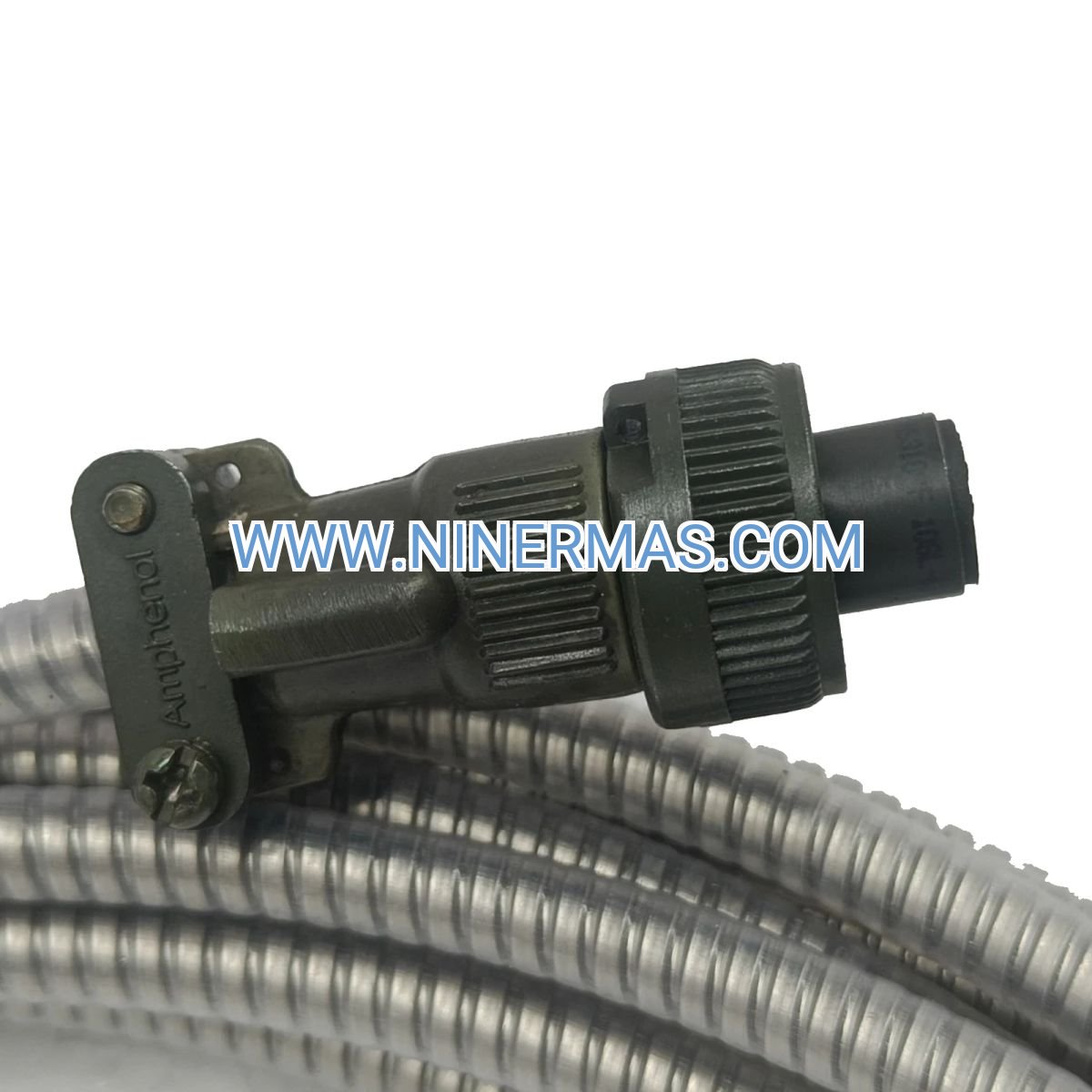
- Factory-Terminated Reliability: Pre-assembled connectors eliminate field wiring errors and ensure consistent contact resistance, reducing installation time by approximately 60% compared to field-terminated alternatives while improving long-term connection stability.
- Verified System Compatibility: Engineered specifically for Bently Nevada 330505 velocity transducers and 3500/46M monitoring modules, ensuring plug-and-play integration with guaranteed electrical specifications and mechanical fit within existing monitoring architectures.
Industrial Application Scenarios
This armored interconnect cable serves critical machinery protection functions across multiple industrial sectors where equipment downtime carries significant operational and safety consequences:
- Hydroelectric Power Generation: Connects velocity sensors monitoring turbine bearing vibration, generator thrust position, and wicket gate mechanism movement in high-humidity environments with electromagnetic interference from excitation systems and power transformers.
- Steam & Gas Turbine Monitoring: Provides reliable signal paths for turbine-generator set vibration surveillance in combined-cycle power plants, enabling detection of blade fouling, coupling misalignment, and bearing degradation before catastrophic failure occurs.
- Petrochemical Process Equipment: Links vibration sensors on critical rotating equipment including centrifugal compressors, process pumps, and cooling tower fans in refineries and chemical plants where cable exposure to hydrocarbons, corrosive vapors, and temperature extremes demands armored construction.
- Water & Wastewater Treatment: Supports condition monitoring of large vertical turbine pumps, blower packages, and clarifier drives in municipal facilities, where early fault detection prevents service interruptions and reduces emergency maintenance costs.
- Heavy Manufacturing & Mining: Enables vibration analysis of crushers, conveyors, mills, and material handling systems in cement plants, steel mills, and mining operations where mechanical impact and dust ingress threaten standard cable integrity.
Technical Specifications & Selection Guide
To ensure optimal performance and compatibility with your vibration monitoring system, review the following technical parameters and selection criteria:
| Parameter | Specification |
|---|---|
| Part Number | 84661-30 |
| Cable Length | 30 feet (9.14 meters) |
| Construction Type | Standard armored with stainless steel braid |
| Sensor Compatibility | Bently Nevada 330505 Low Frequency Velocity Sensors |
| Monitor Interface | 3500/46M Hydro Monitor modules |
| Conductor Material | Tinned copper with low-capacitance insulation |
| Shielding Effectiveness | >90dB EMI/RFI rejection across industrial frequency spectrum |
| Operating Temperature | -40°C to +85°C (-40°F to +185°F) |
| Minimum Bend Radius | 10× cable outer diameter (approximately 1.5 inches) |
| Armor Type | Stainless steel braided outer layer with ground continuity |
| Connector Type | Factory-installed, system-specific terminations |
| Environmental Rating | Suitable for indoor/outdoor industrial environments |
Cable Selection Recommendations
When specifying interconnect cables for your vibration monitoring system, consider the following application factors: physical distance between sensor mounting location and monitoring rack (standard lengths available: 10ft, 30ft, 33ft, 67ft), electromagnetic environment severity (proximity to VFDs, welding equipment, or high-voltage lines may require additional conduit), mechanical hazard exposure (areas with mobile equipment traffic or maintenance activity benefit from armored construction), and ambient temperature extremes at sensor locations.
For installations requiring cable lengths beyond 67 feet, consult with our application engineers regarding signal conditioning options, impedance-matched extension cables, or alternative sensor placement strategies to maintain measurement accuracy. Custom cable assemblies with specialized connectors or environmental sealing are available for unique installation requirements.
Installation Best Practices & System Integration
- Cable Routing Strategy: Maintain minimum separation of 12 inches from AC power cables and 24 inches from variable frequency drives to minimize capacitive coupling. Use dedicated cable trays or conduit runs separate from power distribution infrastructure.
- Mechanical Installation: Support cables at intervals not exceeding 3 feet to prevent excessive sag and mechanical stress. Avoid routing through areas with sharp edges or moving machinery that could abrade armor over time.
- Bend Radius Compliance: Never exceed minimum bend radius of 10× cable diameter during installation or service. Tight bends degrade shielding effectiveness and can cause conductor fatigue leading to intermittent connections.
- Grounding & Shielding: Ensure armor terminations at both sensor and monitor ends maintain electrical continuity to facility ground system. Single-point shield grounding at monitor end is recommended to prevent ground loop currents that introduce noise.
- Environmental Sealing: When cables penetrate enclosures or transition between indoor/outdoor environments, use appropriate cable glands or sealed conduit fittings rated for the installation environment to prevent moisture ingress.
- Documentation: Label both cable ends with sensor channel assignment and maintain as-built drawings showing cable routing for future troubleshooting and system expansion planning.
Delivery, Warranty & Technical Support
Lead Time: Standard 84661-30 cables typically ship within 3-5 business days from stock. Custom-length assemblies or bulk orders may require 2-3 weeks production time depending on current manufacturing schedule.
Warranty Coverage: Each cable is backed by a comprehensive 12-month manufacturer warranty covering material defects and workmanship failures under normal operating conditions. Warranty excludes damage from improper installation, mechanical abuse, or operation outside specified environmental limits.
Technical Documentation: Complete installation instructions, dimensional drawings, and electrical specifications are provided with each shipment. Digital copies of technical manuals and system integration guides are available upon request.
Application Support: Our vibration monitoring specialists provide pre-sales consultation for cable selection, installation planning assistance, and post-installation troubleshooting support. Remote diagnostic support and on-site commissioning services are available for complex multi-channel monitoring systems (geographic restrictions may apply).
Frequently Asked Questions (FAQ)
Q: Can the 84661-30 armored interconnect cable be used with proximity probes or accelerometers?
A: This cable is specifically engineered for 330505 velocity sensors with matching impedance and frequency response characteristics. Proximity probes require different cable types (typically coaxial with specific capacitance per foot), while accelerometers may need low-noise coaxial or twisted-pair configurations. Using incompatible cables can result in signal attenuation, phase distortion, or measurement errors. Consult factory specifications or contact our engineering team for sensor-specific cable recommendations.
Q: What is the maximum recommended cable length for maintaining signal integrity in velocity sensor applications?
A: For 330505 velocity sensors, cable lengths up to 67 feet (84661-67 model) maintain excellent signal-to-noise ratios under typical industrial conditions. Longer runs may experience high-frequency rolloff or increased susceptibility to electromagnetic interference. For distances exceeding 67 feet, consider relocating monitoring equipment closer to sensors, using signal conditioning amplifiers, or implementing 4-20mA transmitter-based systems for extended transmission distances.
Q: Is this cable suitable for hazardous area installations in Class I Division 1 or Zone 1 locations?
A: When integrated with intrinsically safe barriers (such as Bently Nevada 93696 series) and used with properly certified sensors and monitoring modules, this cable supports installations in Class I Division 2 and Zone 2 hazardous locations. For Division 1 or Zone 1 applications, the complete signal chain including sensors, cables, barriers, and monitors must carry appropriate certifications (FM, CSA, ATEX, IECEx). Always verify system-level certification documentation matches your specific hazardous area classification before installation.
Q: How does armored cable construction compare to standard PVC-jacketed cables in terms of performance and cost?
A: Armored cables provide superior mechanical protection (impact resistance, rodent damage prevention) and enhanced EMI shielding compared to PVC-jacketed alternatives, making them essential for harsh industrial environments or electrically noisy locations. While initial cost is approximately 40-60% higher than standard cables, armored construction typically extends service life by 3-5× and reduces maintenance-related downtime costs. For critical machinery monitoring applications, the reliability improvement justifies the incremental investment.
Q: Can this cable be repaired if damaged, or must it be completely replaced?
A: Due to the precision factory terminations and calibrated electrical characteristics, field repair of damaged cables is not recommended and will void warranty coverage. Damaged cables should be replaced entirely to maintain system measurement accuracy and reliability. For installations in high-risk areas, consider specifying additional protective conduit or routing cables through less vulnerable pathways to minimize damage potential.
Q: What installation accessories or tools are required for proper cable deployment?
A: Basic installation requires cable support hardware (J-hooks, cable trays, or clamps at 3-foot intervals), cable glands or conduit fittings for enclosure penetrations, and labeling materials for channel identification. A cable bend radius gauge or template helps ensure compliance with minimum bend radius requirements. For complex installations, a megohmmeter for insulation resistance verification and a multimeter for continuity checks are recommended commissioning tools.
Request Technical Consultation & Quotation
To receive detailed application guidance, system integration recommendations, or project-specific pricing for the Bently Nevada 84661-30 armored interconnect cable, please provide the following information to our vibration monitoring specialists:
- Project name and facility location
- Machinery type and monitoring objectives (bearing vibration, shaft position, casing vibration, etc.)
- Number of monitoring points and required cable quantities
- Approximate cable run distances and routing environment (cable tray, conduit, outdoor exposure)
- Electromagnetic environment severity (proximity to VFDs, welding, high-voltage equipment)
- Existing monitoring system configuration (3500 rack model, available I/O channels)
- Project timeline and delivery requirements
Our engineering team will respond within one business day with tailored cable selection recommendations, installation best practices, and competitive pricing for your complete vibration monitoring cable requirements.
© 2026 NINERMAS COMPANY LIMITED. All rights reserved.
Original Source: https://ninermas.com
Contact: sale@ninermas.com | +0086 187 5021 5667
PDF Specification
Download PDF file here:
Click to Download PDF

Contact Info
-
Address:22 / F, South Wo Hang building, 148 Wing Lok Street, Sheung Wan, Western District, Hong Kong
-
Phone:+8618750215667
-
Email: