Bently Nevada 72791 Monitor Module | Multi-Parameter Vibration & Process Control | API 670 Certified
Description
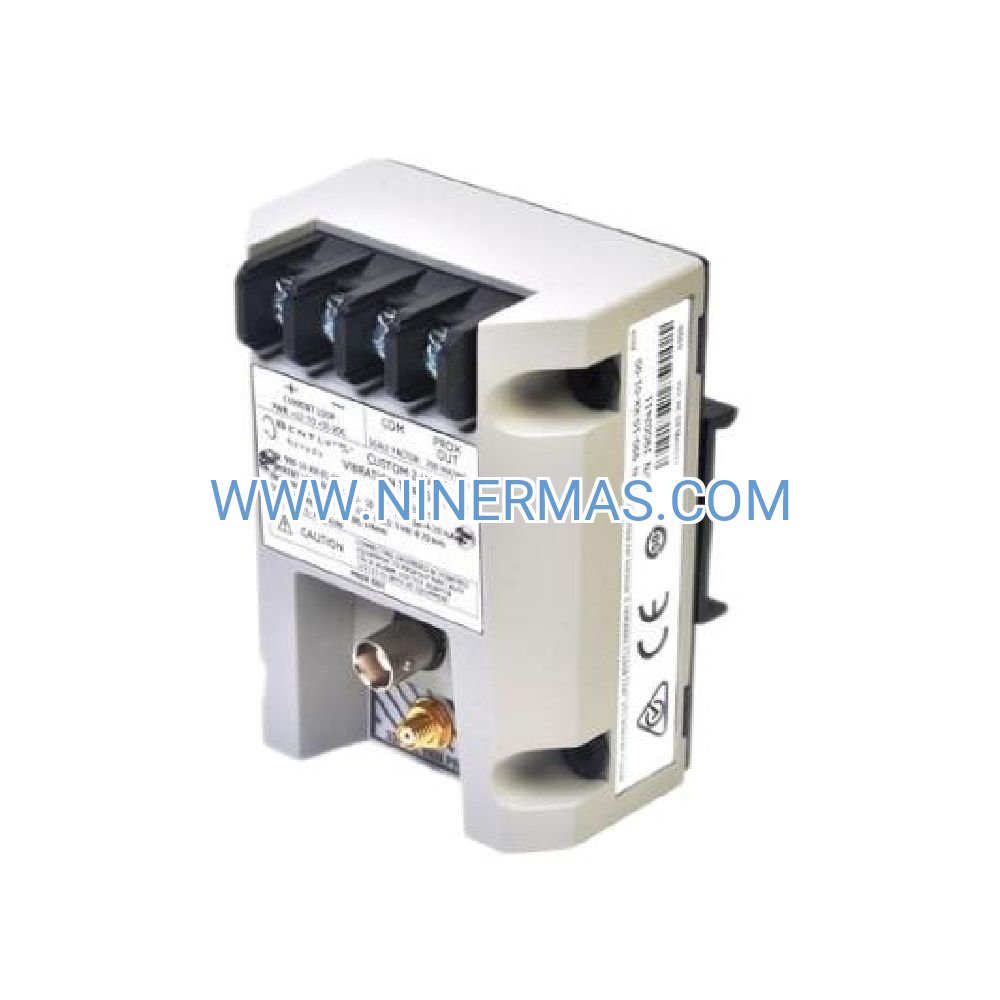
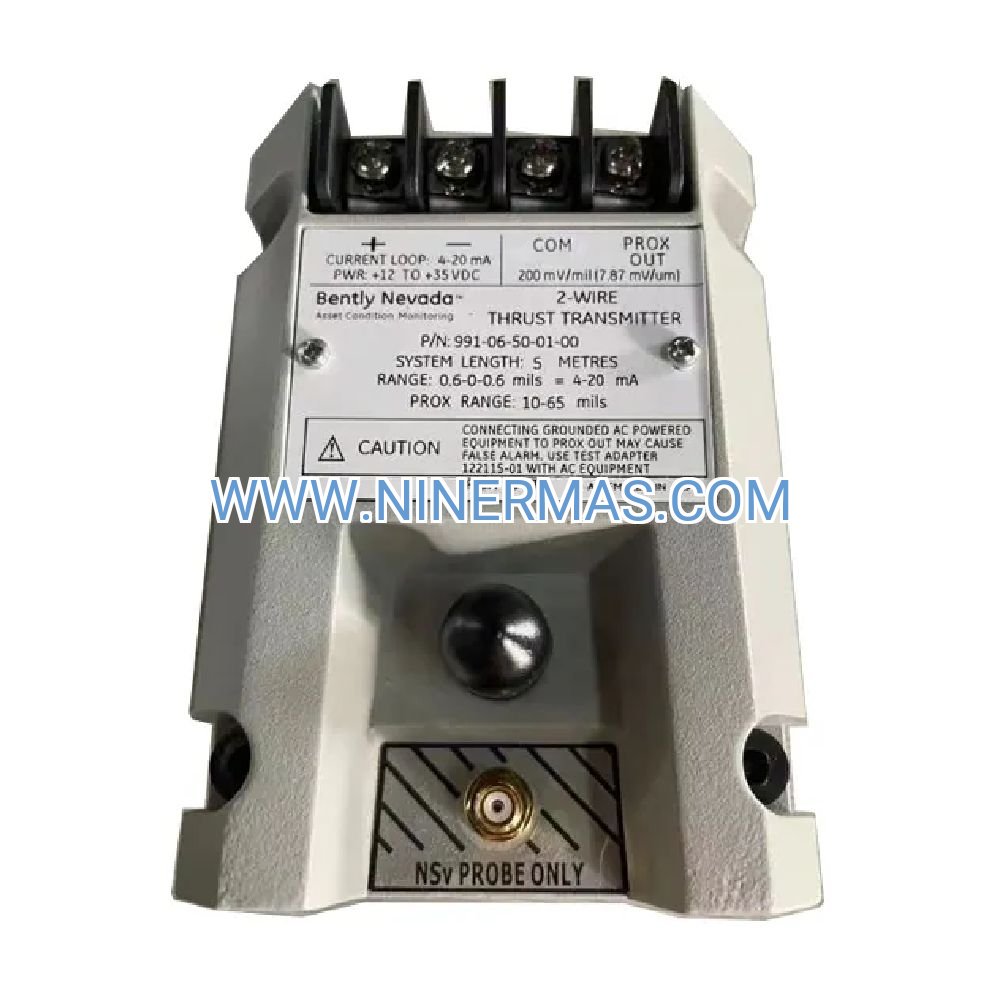
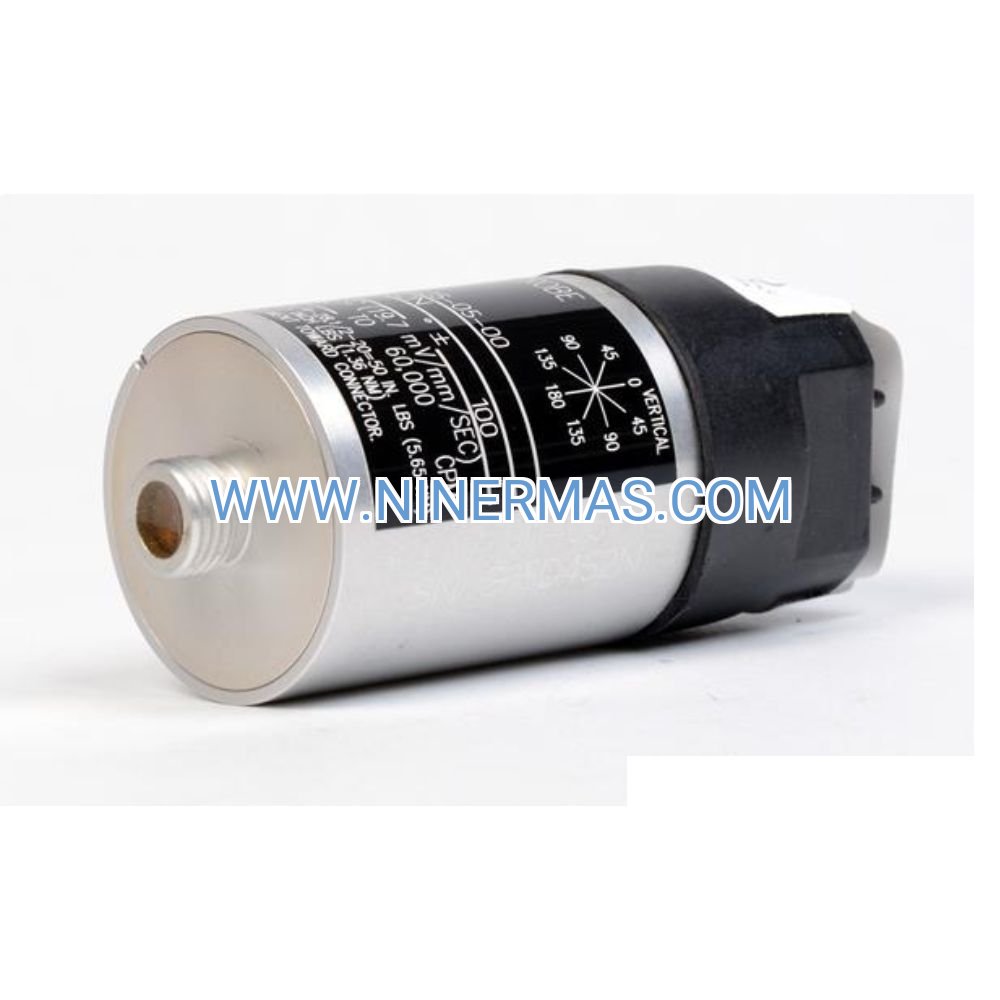
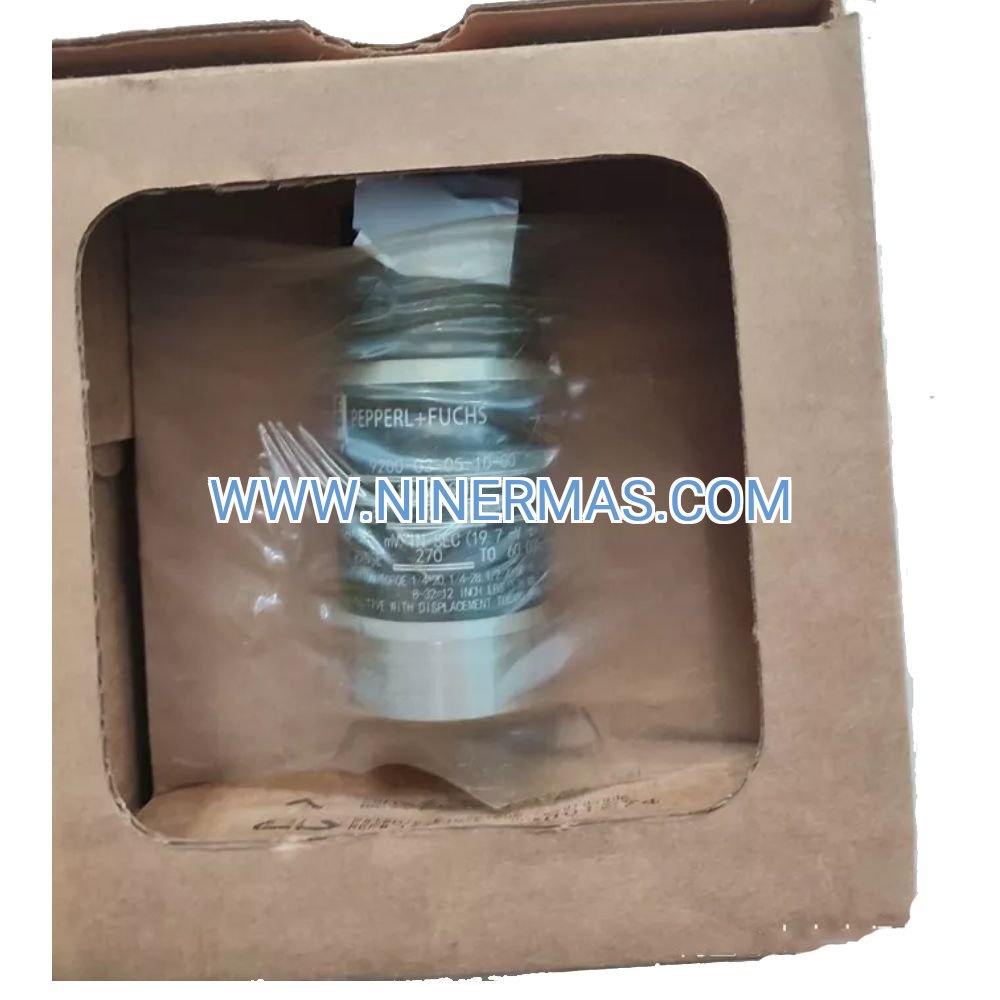
Bently Nevada 72791 Multi-Parameter Monitor Module (Industrial Vibration & Process Control System)
The Bently Nevada 72791 Monitor Module is an industrial-grade condition monitoring device designed for critical rotating machinery protection and diagnostics. Through advanced multi-parameter measurement technology and real-time data processing, it delivers continuous vibration monitoring, temperature tracking, and process variable surveillance for turbomachinery applications. This module integrates seamlessly with distributed control systems (DCS) and supervisory control and data acquisition (SCADA) platforms via Modbus TCP/IP and Ethernet protocols.
Ideal for power generation facilities, oil & gas processing plants, petrochemical refineries, steel mills, and heavy manufacturing environments where equipment reliability is paramount. The 72791 addresses critical challenges including unexpected machinery failures, inadequate early fault detection, compliance with API 670 machinery protection standards, integration complexity with legacy control systems, and the need for scalable multi-point monitoring architectures.
Certified to API 670 fifth edition standards and featuring hot-swappable I/O modules, redundant communication paths, and field-configurable alarm setpoints, this monitor module provides exceptional reliability, flexible deployment options, and simplified maintenance workflows. Suitable for consulting engineers, EPC contractors, system integrators, plant maintenance teams, and OEM machinery manufacturers. Contact our application engineers for customized configuration assistance, technical datasheets, and project-specific quotations.
Core Features & Technical Advantages
- Multi-Parameter Monitoring Capability
Simultaneously processes up to 8 dynamic channels (vibration, displacement, velocity, acceleration) and 16 static channels (temperature, pressure, flow), enabling comprehensive machinery health assessment through a single module platform. - API 670 Fifth Edition Compliance
Meets stringent machinery protection system requirements for voting logic, fault tolerance, and alarm response times, ensuring regulatory compliance for critical turbomachinery installations in upstream and downstream energy sectors. - Industrial Ethernet & Modbus TCP/IP Connectivity
Dual Ethernet ports with built-in switch functionality support redundant network topologies; Modbus TCP server capability enables direct integration with Allen-Bradley, Siemens, Schneider Electric, and Yokogawa control platforms without protocol gateways. - Configurable 4-20mA Analog Outputs
Provides 8 isolated current loop outputs with user-programmable scaling for interfacing with legacy DCS systems, chart recorders, and PLC analog input modules; supports HART protocol for digital overlay communication. - Hot-Swappable I/O Architecture
Field-replaceable transducer input modules and output cards allow maintenance without system shutdown, minimizing downtime and supporting predictive maintenance strategies in 24/7 continuous process environments. - Advanced Diagnostic & Self-Test Functions
Continuous internal health monitoring with automatic fault detection for sensor open/short circuits, power supply anomalies, and communication failures; detailed event logs with timestamp accuracy to 1ms facilitate root cause analysis. - Intuitive Configuration Software
Windows-based System 1 Condition Monitoring software with graphical interface supports rapid setup, real-time trending, spectral analysis, and remote diagnostics; configuration files can be version-controlled and replicated across multiple installations.
Typical Application Scenarios
This monitor module is engineered for demanding industrial environments requiring high-reliability machinery protection and condition-based maintenance programs, particularly in:
- Steam & Gas Turbine Generator Sets
Protects critical power generation assets by monitoring bearing vibration, shaft displacement, differential expansion, and eccentricity; prevents catastrophic failures in combined-cycle plants, cogeneration facilities, and utility-scale power stations. - Centrifugal & Reciprocating Compressors
Ensures operational safety in natural gas pipeline compression, refrigeration systems, air separation units, and petrochemical process compressors through continuous surveillance of thrust position, casing vibration, and discharge temperature. - Industrial Pumps & Blowers
Monitors high-energy pumps in refinery crude units, boiler feedwater systems, cooling water circuits, and wastewater treatment plants; detects cavitation, impeller imbalance, and bearing degradation before performance loss occurs. - Rotating Equipment in Hazardous Areas
Suitable for Zone 2 / Division 2 classified locations when installed in appropriate enclosures; supports offshore platforms, chemical processing units, and pharmaceutical manufacturing where intrinsic safety and explosion-proof design are required. - Predictive Maintenance & Reliability Programs
Integrates with enterprise asset management (EAM) systems and computerized maintenance management systems (CMMS) to enable condition-based maintenance scheduling, reducing unplanned outages and optimizing spare parts inventory.
Technical Specifications & Selection Guide
To facilitate engineering design and procurement, we provide comprehensive technical parameters for the Bently Nevada 72791 monitor module. Custom configurations are available to match specific project requirements.
| Parameter | Specification |
|---|---|
| Model Number | 72791-03-02-01-00-01-02-1 |
| Input Channels | 8 dynamic + 16 static (configurable) |
| Sensor Compatibility | Proximity probes, accelerometers, velocity sensors, RTDs, thermocouples, 4-20mA transmitters |
| Analog Outputs | 8 × isolated 4-20mA (HART compatible) |
| Digital Communication | Dual Ethernet 10/100 Mbps, Modbus TCP/IP server |
| Alarm Relays | 4 × Form C (SPDT), 5A @ 250VAC resistive load |
| Power Supply | 24VDC ±20% (18-30VDC), redundant input option available |
| Power Consumption | Typical 15W, maximum 25W with full I/O loading |
| Operating Temperature | -30°C to +65°C (-22°F to +149°F) |
| Enclosure Rating | IP20 (panel mount), IP65 available with field enclosure |
| Compliance Standards | API 670 5th Ed., IEC 61508 SIL 2, CE, UL/cUL |
| Dimensions (H×W×D) | 220mm × 180mm × 85mm (8.66" × 7.09" × 3.35") |
| Mounting | DIN rail or panel mount with supplied brackets |
Selection Considerations: When specifying the 72791 monitor module, evaluate the following project parameters: total number of measurement points required, sensor types and signal conditioning needs, communication protocol requirements for host DCS/SCADA integration, environmental conditions (temperature extremes, humidity, vibration exposure), power supply availability (single or redundant 24VDC), and physical installation constraints (panel space, cable routing). For complex multi-train installations or retrofit projects, consult with our application engineering team who can provide system architecture recommendations, I/O mapping documentation, and integration test plans.
Extended Functionality & Integration Options
- Redundant Configuration Support
Dual-module redundancy with automatic failover ensures continuous protection for critical machinery; synchronized data acquisition and voting logic eliminate single points of failure in safety-instrumented systems (SIS). - Remote Monitoring & Diagnostics
Secure VPN connectivity enables off-site condition monitoring specialists to access real-time data, perform spectral analysis, and provide expert diagnostics without site visits, reducing mean time to repair (MTTR) and travel costs. - Third-Party System Integration
OPC UA server functionality and RESTful API support facilitate data exchange with enterprise historians (OSIsoft PI, Honeywell PHD), asset performance management (APM) platforms, and cloud-based analytics services for machine learning applications. - Cybersecurity Features
Role-based access control (RBAC), encrypted communication channels, and audit trail logging comply with IEC 62443 industrial cybersecurity standards, protecting critical infrastructure from unauthorized access and cyber threats.
Delivery, Service & Quality Assurance
Lead Time: Standard catalog configurations ship within 3-5 business days from regional distribution centers; custom-configured modules with specialized I/O or firmware require 2-3 weeks for factory programming and testing.
Warranty Coverage: All Bently Nevada 72791 modules include a comprehensive 24-month manufacturer warranty covering defects in materials and workmanship; extended warranty programs and advance replacement services are available for mission-critical applications.
Technical Support: Complimentary pre-sales application engineering assistance includes sensor selection guidance, wiring diagram review, and configuration file development; post-installation support encompasses remote commissioning assistance, on-site startup services (subject to geographic availability), and 24/7 technical hotline access.
Documentation Package: Each module ships with complete technical documentation including installation manual, quick start guide, detailed wiring diagrams, Modbus register mapping tables, configuration software installer, and factory acceptance test (FAT) reports with calibration certificates traceable to NIST standards.
Frequently Asked Questions (FAQ)
Q: How does the Bently Nevada 72791 monitor module integrate with existing Allen-Bradley or Siemens PLC systems?
A: The 72791 features native Modbus TCP/IP server functionality accessible via standard Ethernet connectivity. For Allen-Bradley ControlLogix/CompactLogix platforms, use the built-in Modbus TCP client instructions (MSG) to poll register data; for Siemens S7-1200/1500 PLCs, utilize the GET/PUT communication blocks with Modbus TCP library functions. Detailed register mapping and sample PLC code are provided in the integration guide. No third-party protocol gateways are required.
Q: What is the maximum number of machinery trains that can be monitored with a single 72791 module?
A: A single 72791 module supports up to 8 dynamic measurement channels and 16 static channels. For a typical two-bearing turbine-generator set requiring 4 radial vibration probes, 2 thrust position sensors, and 4 bearing temperature RTDs, one module can monitor one complete train. Multi-train installations require multiple modules networked via Ethernet switch infrastructure; the System 1 software can aggregate data from up to 250 modules in a single monitoring network.
Q: What energy savings or efficiency improvements can be achieved with vibration monitoring systems like the 72791?
A: While the 72791 itself is a monitoring device rather than a control actuator, implementing condition-based maintenance (CBM) programs enabled by continuous vibration monitoring typically reduces unplanned downtime by 35-50% and extends mean time between overhauls (MTBO) by 20-30% according to industry studies. For a 50MW gas turbine, avoiding a single unplanned outage can save $500K-$2M in lost generation revenue and emergency repair costs, providing rapid return on investment for monitoring system deployment.
Q: What are the environmental and installation requirements for the 72791 monitor module?
A: The module is rated for -30°C to +65°C ambient operation with IP20 enclosure protection (suitable for climate-controlled control rooms). For field-mounted installations in harsh environments, specify IP65-rated NEMA 4X enclosures with thermal management (heaters/cooling fans) to maintain internal temperature within operating range. Mounting can be DIN rail or panel-mount; ensure adequate ventilation clearance (minimum 50mm top/bottom) and protect from direct water spray, corrosive atmospheres, and excessive vibration (>0.5g RMS). Power supply must be clean 24VDC with <5% ripple; use isolated DC-DC converters if sharing power with variable frequency drives (VFDs) or other noise-generating equipment.
Q: Does the 72791 support remote monitoring and cloud-based data analytics platforms?
A: Yes, the 72791 provides multiple pathways for remote connectivity and cloud integration. The Modbus TCP/IP interface can be accessed via secure VPN tunnels for remote diagnostics using System 1 software. For cloud analytics, the module's data can be forwarded through edge gateways supporting MQTT, OPC UA, or RESTful APIs to platforms such as Microsoft Azure IoT, AWS IoT Core, or GE Digital Predix. Bently Nevada also offers the Orbit 60 cloud-connected monitoring service that provides turnkey remote monitoring with expert analysis. Ensure compliance with corporate IT security policies and IEC 62443 cybersecurity guidelines when implementing remote access.
Q: Can I retrofit the 72791 module into an existing legacy Bently Nevada 3300 or 3500 monitoring system?
A: The 72791 is part of the System 1 evolution platform and is not directly backward-compatible with 3300 or 3500 rack-based systems in terms of physical mounting or proprietary communication protocols. However, it can coexist in hybrid installations where legacy systems remain operational while new equipment is protected by 72791 modules. Sensor compatibility is maintained—existing proximity probes, accelerometers, and RTDs can be reused with appropriate signal conditioning. For complete system upgrades, migration services are available to transfer historical configuration data and alarm setpoints from 3500 to System 1 platforms, minimizing re-commissioning time.
Request Technical Support & Custom Configuration
To obtain detailed application engineering support, customized configuration proposals, or project-specific quotations, please provide the following information to our technical sales team:
- Project name and end-user facility location
- Machinery type and criticality classification (API 670 machinery train designation)
- Number and types of sensors (proximity probes, accelerometers, RTDs, pressure transmitters)
- Required analog outputs and relay alarm contacts
- Host control system brand and communication protocol requirements (Modbus TCP, OPC UA, etc.)
- Environmental conditions (ambient temperature range, enclosure rating, hazardous area classification)
- Power supply specifications (voltage, redundancy requirements)
- Installation timeline and delivery schedule constraints
Our application engineers will respond within 24 hours with tailored recommendations, system architecture diagrams, bill of materials (BOM), and budget pricing. For urgent inquiries or complex multi-site projects, request a dedicated engineering consultation session.
© 2026 NINERMAS COMPANY LIMITED. All rights reserved.
Original Source: https://ninermas.com
Contact: sale@ninermas.com | +0086 187 5021 5667

Contact Info
-
Address:22 / F, South Wo Hang building, 148 Wing Lok Street, Sheung Wan, Western District, Hong Kong
-
Phone:+8618750215667
-
Email: