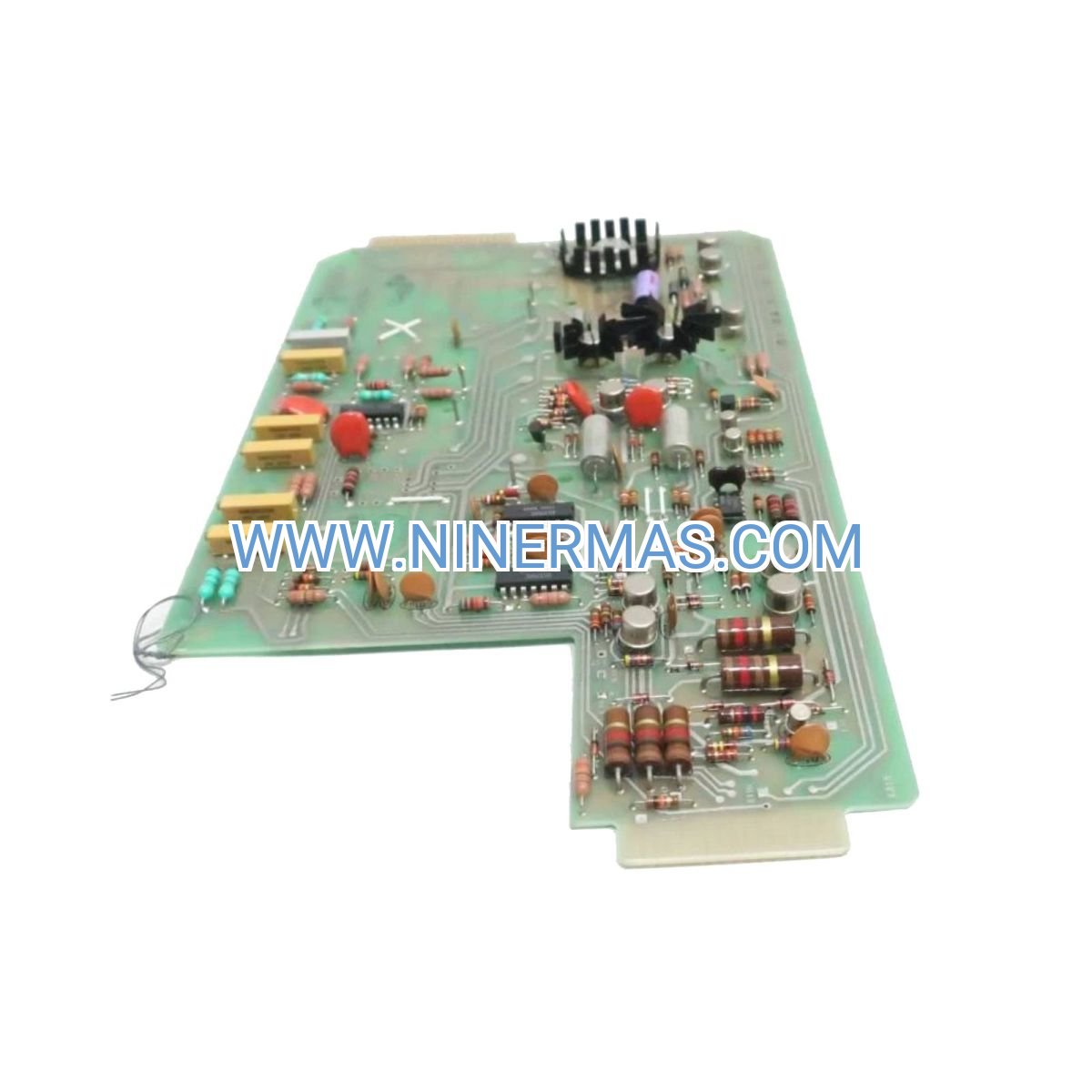
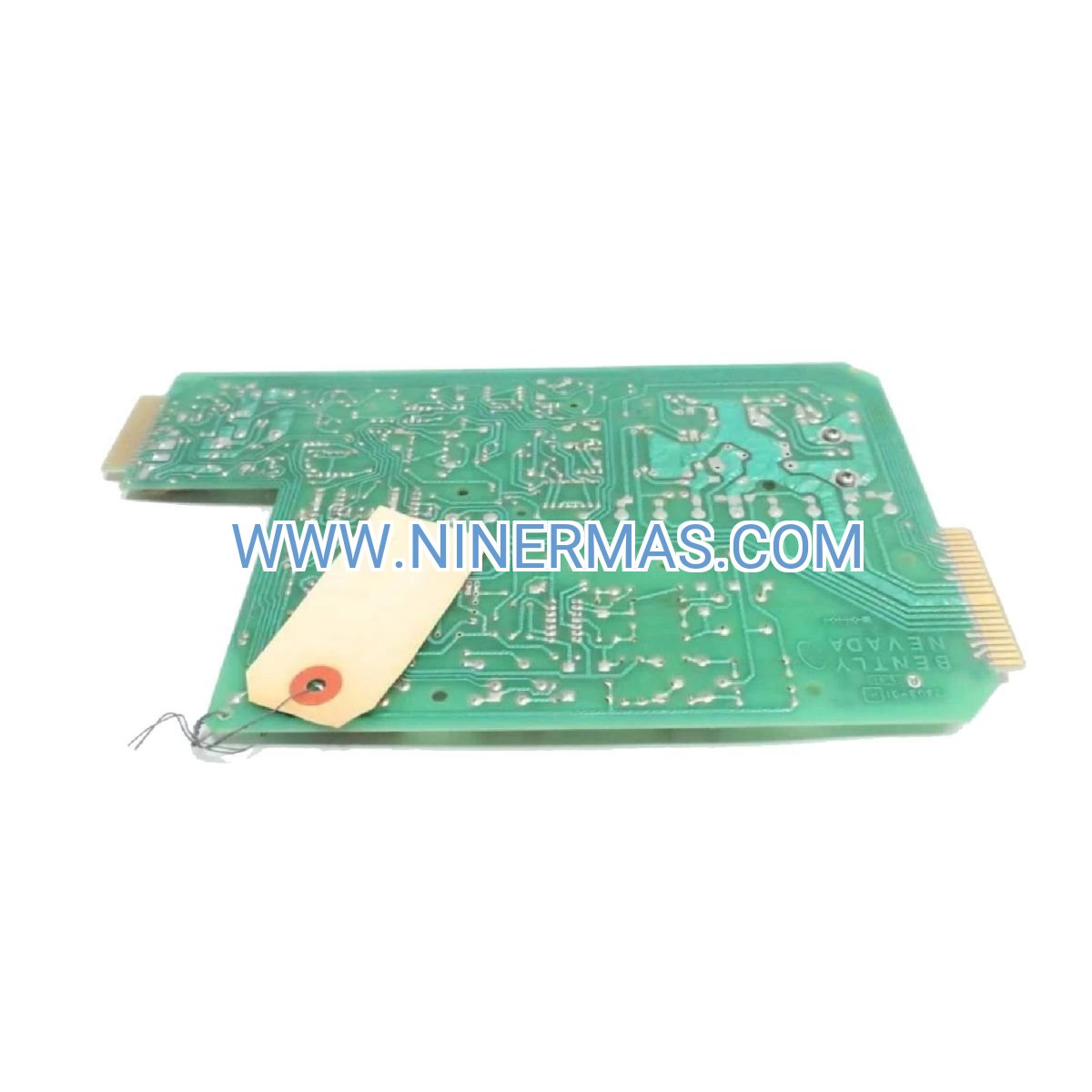
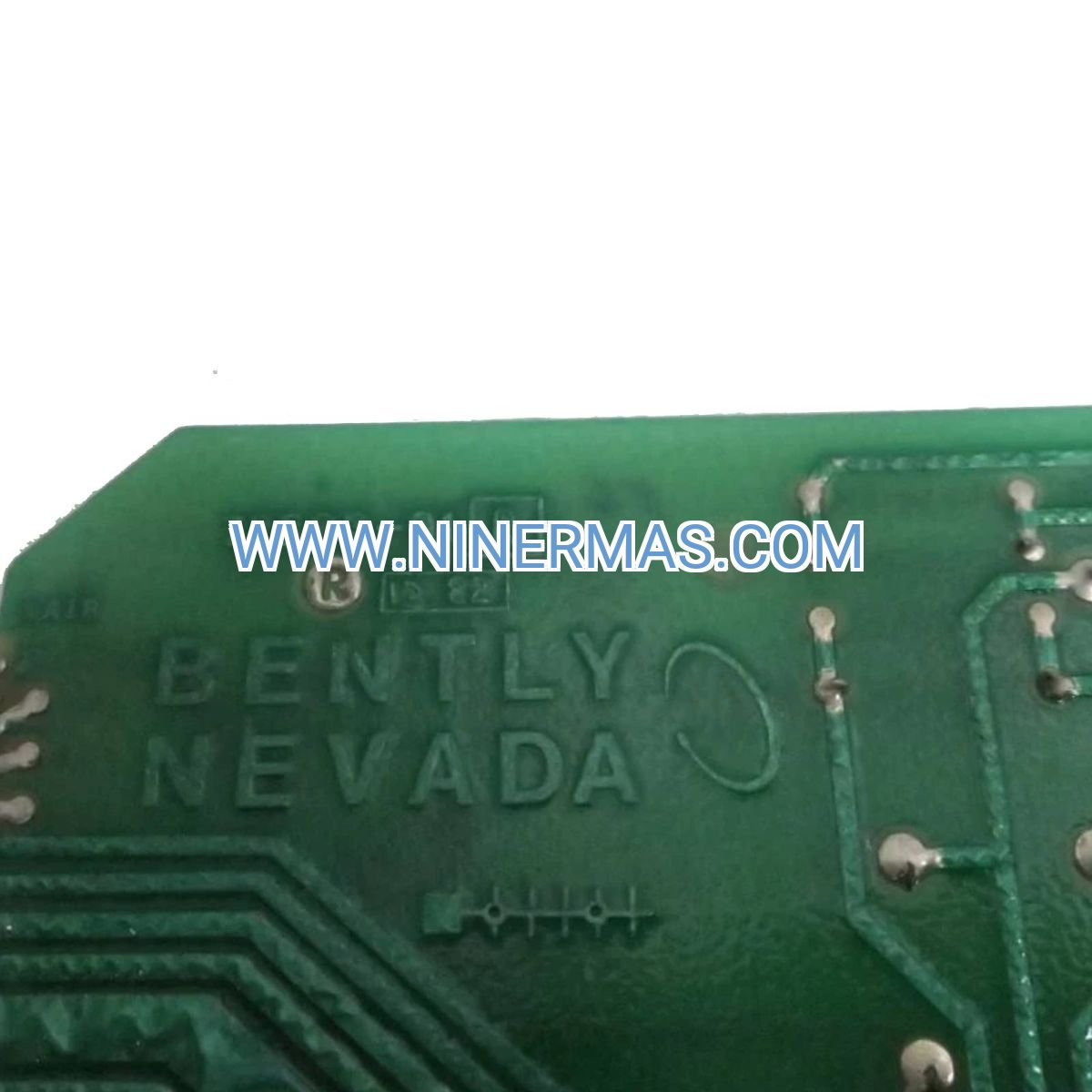
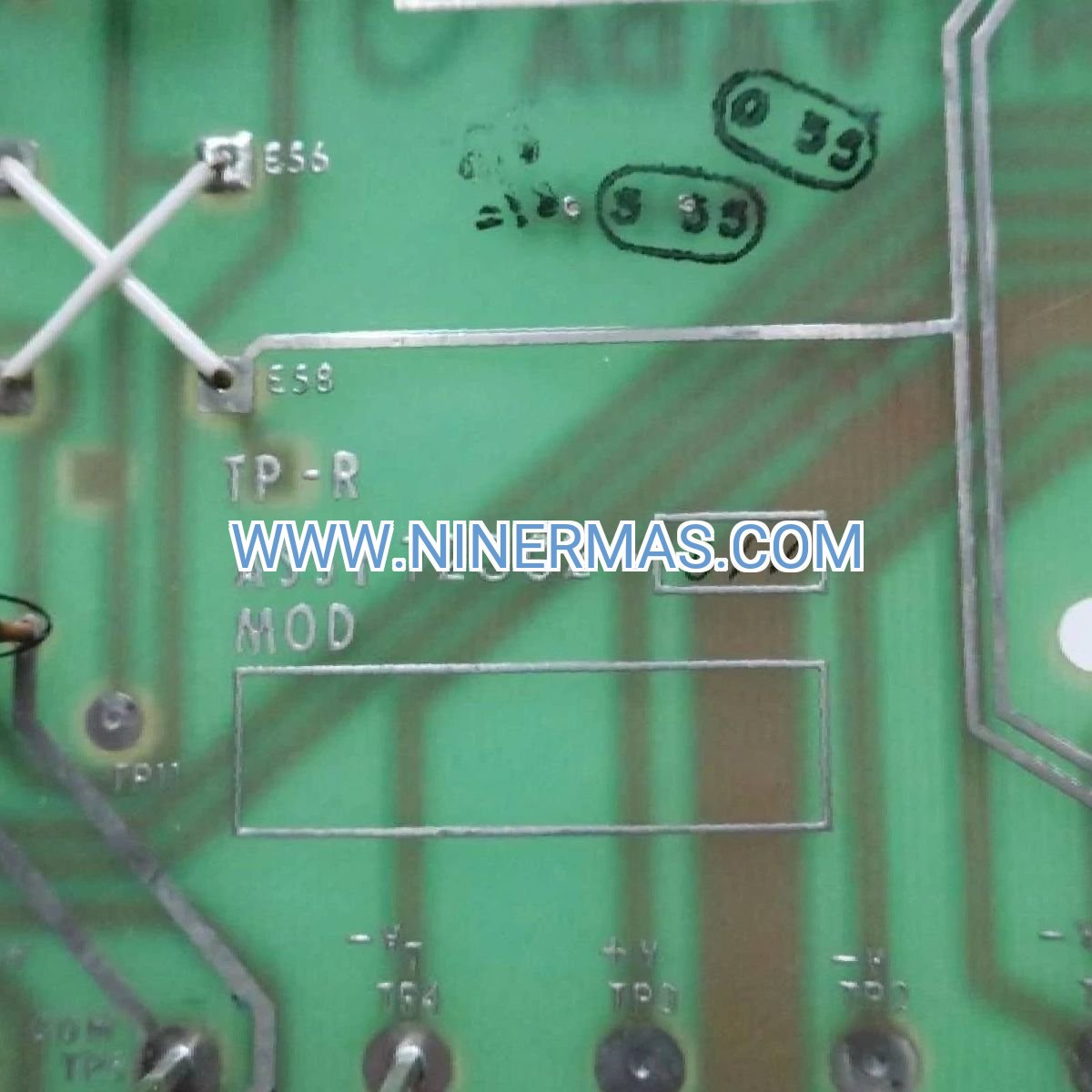

Bently Nevada 72301 TDI Module | Transient Data Interface for 3500 Monitoring System | NINERMAS
Description
72301-01-02-02-01-01-01 Transient Data Interface (Industrial-Grade Monitoring Solution)
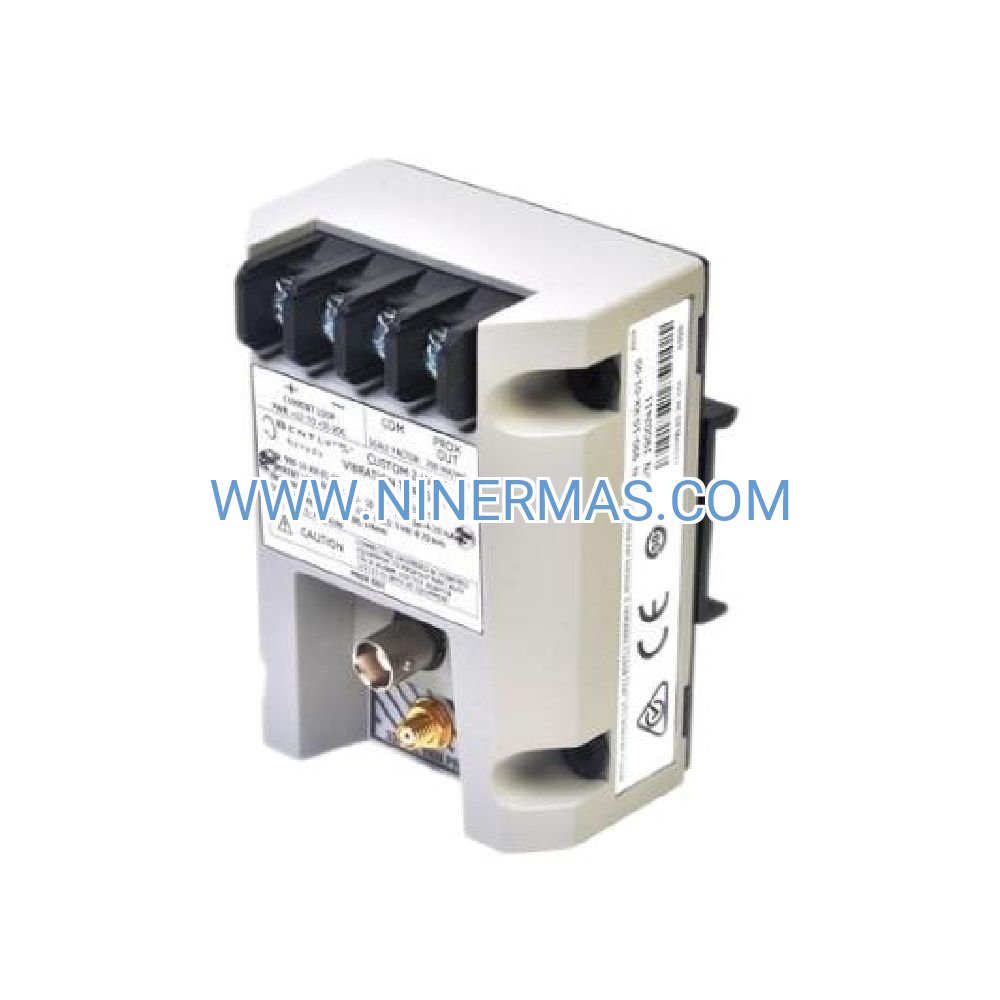
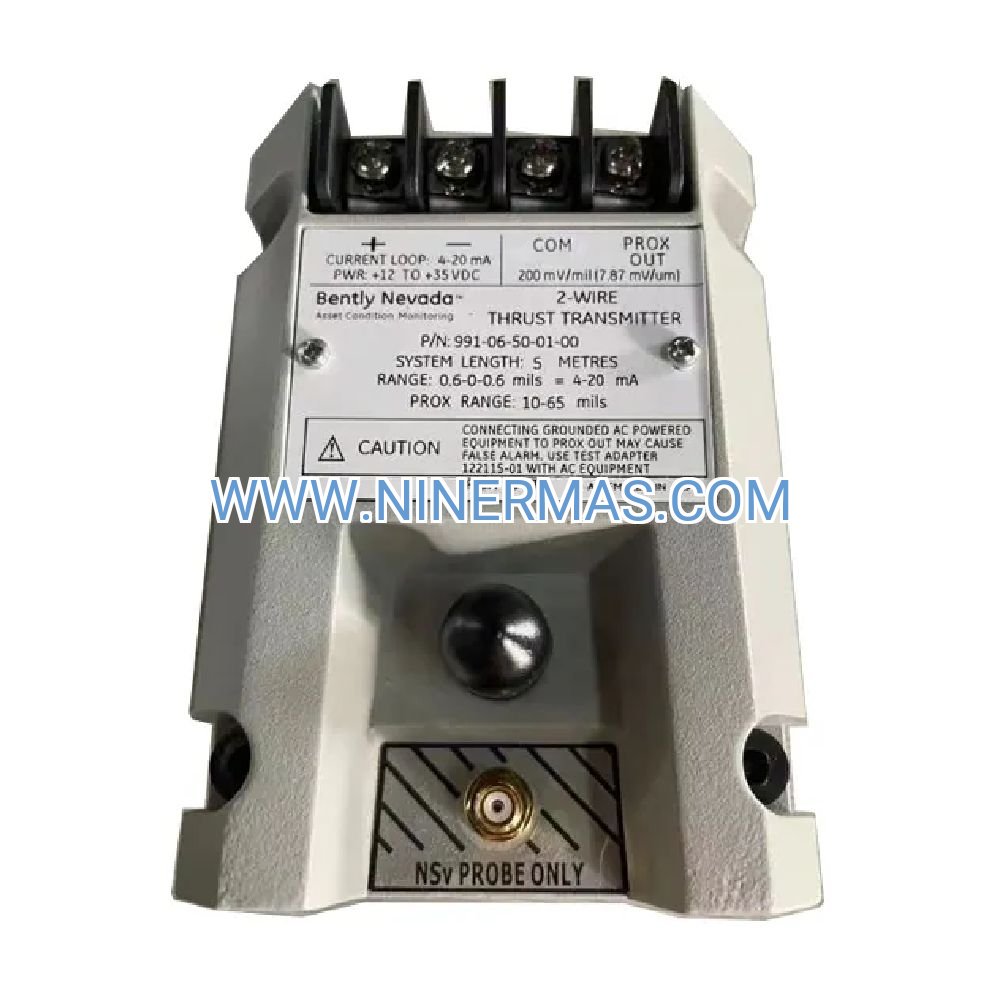
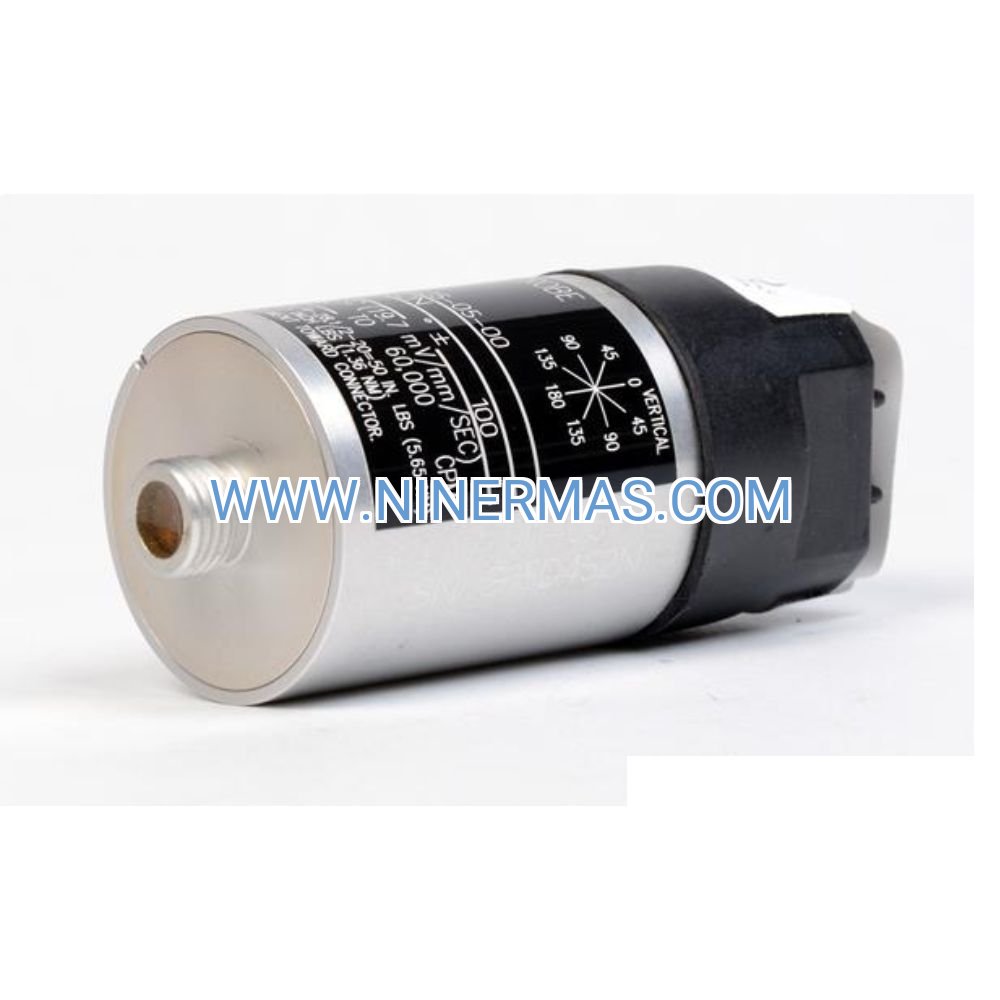
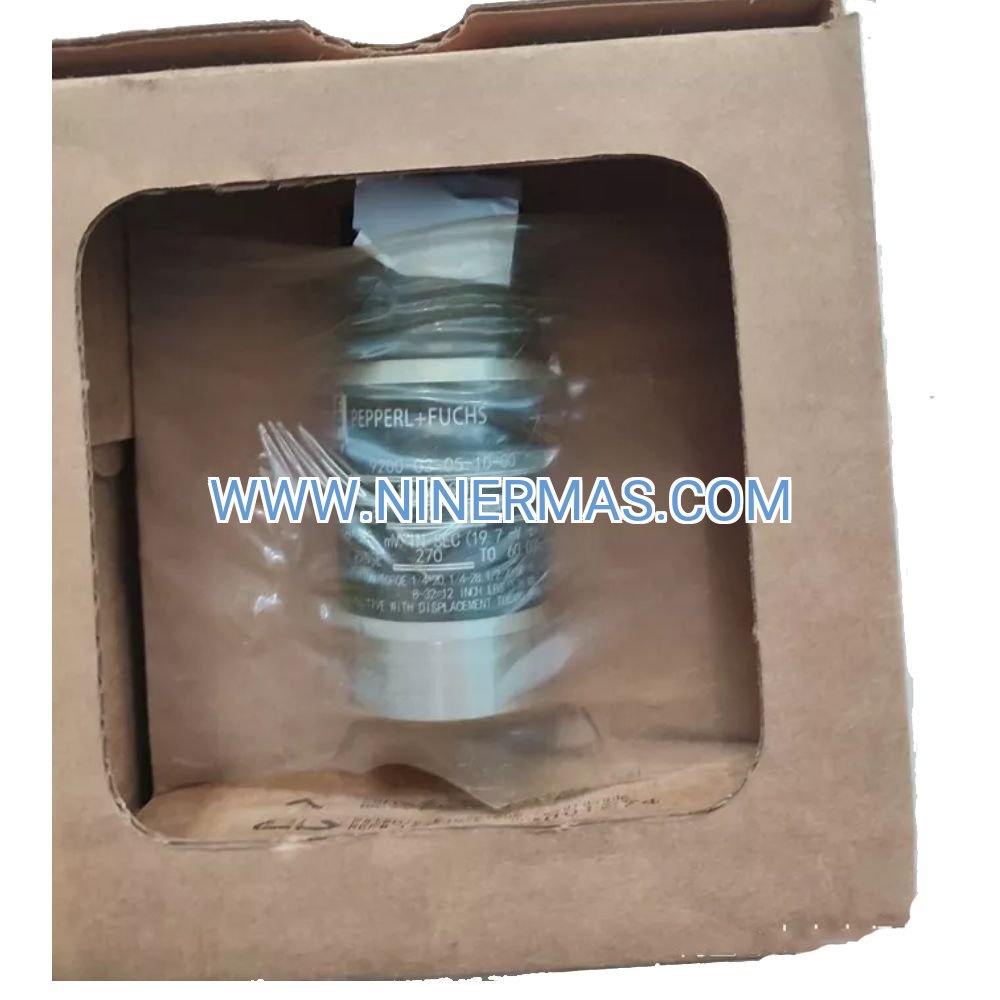
The Bently Nevada 72301-01-02-02-01-01-01 represents a critical component in advanced machinery health monitoring—a transient data interface (TDI) module engineered specifically for 3500 series protection systems. Unlike conventional monitoring modules that track steady-state conditions, this specialized interface captures high-fidelity waveform data during dynamic machinery events: startups, shutdowns, trips, and transient disturbances that reveal hidden mechanical faults.
Designed for reliability engineers and maintenance teams managing critical rotating equipment in power generation, oil & gas, and heavy industry, this TDI module solves a persistent challenge: understanding what happened during the seconds before a catastrophic failure. Traditional monitoring provides snapshots; the 72301 delivers the complete story through synchronized, multi-channel transient recording at sampling rates that expose bearing defects, rotor rubs, and resonance conditions invisible to standard monitoring.
Key advantages include hot-swappable installation for zero-downtime maintenance, Ethernet-based remote access for distributed monitoring teams, and seamless System 1 software integration that transforms raw waveform data into actionable diagnostic insights. Whether commissioning new turbomachinery or investigating recurring trip events, this module provides the forensic-level data quality demanded by modern predictive maintenance programs.
Core Capabilities & Technical Advantages
→ Multi-Channel Synchronous Acquisition
Simultaneously records data from multiple vibration probes, keyphasor signals, and process parameters during transient events. This synchronized capture enables orbit analysis, phase relationships, and cross-channel correlation impossible with sequential sampling methods. Critical for identifying mode shapes and understanding complex rotor dynamics.
→ Event-Triggered Intelligence
Configurable trigger logic automatically initiates recording when alarm thresholds are exceeded, manual commands are issued, or scheduled captures occur. Pre-trigger buffering ensures you capture the seconds before the event—often where root cause evidence resides. Eliminates the guesswork of manual data collection during unpredictable machinery behavior.
→ Network-Enabled Remote Diagnostics
10/100 Mbps Ethernet connectivity allows vibration specialists to access transient data from anywhere on the plant network or via secure remote connections. No need for technicians to physically visit the 3500 rack during off-hours trips or weekend startups. Accelerates troubleshooting response times and enables centralized expertise to support multiple sites.
✓ System 1 Ecosystem Integration
Native compatibility with Bently Nevada's System 1 condition monitoring platform means captured transients automatically populate your diagnostic database. Generate Bode plots, orbit diagrams, waterfall charts, and trend comparisons without manual data export. Leverages your existing software investment and analyst training.
✓ Hot-Swap Serviceability
Field-replaceable without rack shutdown or process interruption. Locking mechanisms and keyed connectors prevent installation errors. Reduces mean time to repair (MTTR) and eliminates the production losses associated with planned monitoring system outages.
✓ Industrial-Hardened Reliability
0°C to +65°C operating range, conformal coating for harsh environments, and CE/UL/CSA certifications ensure dependable operation in refineries, chemical plants, and offshore platforms where environmental conditions challenge commercial-grade electronics.
Application Scenarios & Problem-Solving Value
Turbine Startup Characterization
Challenge: Steam and gas turbines pass through multiple critical speeds during acceleration, each potentially exciting destructive resonances or revealing rotor imbalance.
Solution: The 72301 captures full-speed-range vibration signatures, enabling engineers to map critical speeds, validate balance quality, and confirm clearances before reaching operating speed. Prevents costly rework and reduces commissioning time by 30-40%.
Trip Event Root Cause Analysis
Challenge: Machinery trips occur in milliseconds, leaving maintenance teams with alarm logs but no insight into the mechanical sequence that triggered protection systems.
Solution: High-resolution transient recording reveals whether bearing failure, rotor contact, process upset, or control system malfunction initiated the trip. Eliminates trial-and-error repairs and focuses resources on actual failure mechanisms, reducing repeat trip rates by 60%.
Coastdown Bearing Assessment
Challenge: Bearing defects often manifest most clearly during deceleration when lubrication film thickness decreases and load distribution changes.
Solution: Automated coastdown capture during planned shutdowns provides trending data on bearing condition without dedicated vibration surveys. Enables condition-based bearing replacement strategies that extend component life 20-35% compared to time-based schedules.
Acceptance Testing Documentation
Challenge: OEM performance guarantees require documented proof of vibration levels, critical speed margins, and dynamic behavior during commissioning.
Solution: Permanent transient records establish contractual compliance baselines and protect against future warranty disputes. Provides objective evidence for performance bonds and insurance requirements.
Forensic Investigation Support
Challenge: Catastrophic failures require detailed reconstruction of events leading to the incident for insurance claims, regulatory reporting, and corrective action planning.
Solution: Time-stamped, multi-parameter transient data serves as the "black box" for machinery incidents, supporting engineering analysis and legal documentation with irrefutable evidence of pre-failure conditions.
Technical Parameters & Selection Criteria
| Specification | Value | Selection Consideration |
|---|---|---|
| Part Number | 72301-01-02-02-01-01-01 | Verify suffix code matches rack configuration |
| System Compatibility | 3500/15, 3500/22M, 3500/40M, 3500/42M racks | Not compatible with 3300 XL or legacy systems |
| Communication Protocol | 10/100 Mbps Ethernet (TCP/IP) | Requires network infrastructure; supports VLANs |
| Channel Capacity | Rack-dependent (typically 16-40 channels) | Consult rack manual for maximum channel count |
| Sampling Rate | Configurable (up to 6,400 samples/sec typical) | Higher rates for high-speed machinery (>10,000 RPM) |
| Power Consumption | Backplane-powered (no external supply) | Verify rack power budget for multiple modules |
| Operating Temperature | 0°C to +65°C (32°F to 149°F) | Consider cooling for enclosed cabinets |
| Slot Position | Designated TDI slot (rack-specific) | Cannot be installed in arbitrary slots |
| Certifications | CE, UL, CSA | Meets North American and European standards |
| MTBF | >100,000 hours (typical) | Industrial-grade reliability for continuous operation |
Selection Guidelines:
- New Installations: Order TDI module with initial 3500 rack to ensure slot availability and proper power allocation
- Retrofit Projects: Verify rack has available TDI slot and sufficient backplane power capacity before ordering
- Network Planning: Allocate static IP address and ensure firewall rules permit System 1 communication ports
- Software Licensing: Confirm System 1 license includes TDI data analysis features (some packages require upgrades)
- Training Requirements: Plan for analyst training on transient data interpretation—raw waveforms require specialized expertise
Extended Functionality & Integration Options
Predictive Maintenance Ecosystem
Integrate TDI data with CMMS platforms (SAP PM, Maximo, Infor EAM) via System 1 APIs. Automatically generate work orders when transient analysis detects degrading conditions, linking vibration evidence directly to maintenance planning workflows.
Cloud Analytics & Machine Learning
Export transient datasets to cloud-based analytics platforms for pattern recognition and anomaly detection. Train machine learning models on historical startup/shutdown data to predict optimal maintenance windows and identify subtle degradation trends invisible to threshold-based alarming.
Multi-Site Benchmarking
Centralize transient data from multiple plants to compare identical asset performance across facilities. Identify best practices in startup procedures, lubrication strategies, and operating parameters that minimize vibration and extend equipment life.
Custom Trigger Logic
Develop advanced trigger algorithms combining vibration, temperature, pressure, and process parameters. Example: Capture transients only when vibration exceeds thresholds and bearing temperature rises >5°C in 60 seconds—reducing false triggers by 80%.
Delivery, Warranty & Service Commitments
Lead Times:
- Stock Items: 3-5 business days (expedited shipping available)
- Factory Orders: 6-8 weeks (for non-standard configurations)
- Emergency Replacement: 24-hour courier service for critical outages (subject to availability)
Warranty Coverage:
- 24-Month Manufacturer Warranty: Covers defects in materials and workmanship
- Global Service Network: Baker Hughes authorized service centers in 50+ countries
- Advance Replacement: Swap defective modules within 48 hours (RMA process)
- Calibration Certification: Factory calibration certificate included with each module
Technical Support Services:
- Pre-Sales Engineering: Rack compatibility verification, network architecture review, channel capacity planning
- Installation Assistance: Remote guidance during module installation and IP configuration
- Commissioning Support: Trigger setup, data validation, System 1 integration testing
- Training Resources: Installation videos, configuration guides, troubleshooting flowcharts
Documentation Package:
- Installation & Configuration Manual (PDF + printed)
- Network Setup Guide with IP addressing examples
- System 1 Integration Tutorial
- Trigger Configuration Templates
- Troubleshooting Decision Trees
Frequently Asked Questions
How does the TDI module differ from standard 3500 monitoring modules?
Standard modules (3500/42M, 3500/40M) provide continuous steady-state monitoring with 1-second update rates, ideal for tracking slow-changing trends and alarm conditions. The TDI module captures high-speed transient events at sampling rates 100-1000× faster, recording the dynamic behavior during startups, trips, and disturbances that standard modules cannot resolve. Think of standard modules as security cameras recording at 1 frame/second, while the TDI is a high-speed camera capturing 1000 frames/second during critical moments.
Can I retrofit a TDI module into an existing 3500 rack without system downtime?
Yes, if your rack has an available TDI slot and sufficient backplane power capacity. The module is hot-swappable, meaning you can install it while the rack is energized and monitoring other channels. However, you'll need to configure the network settings and System 1 integration, which may require brief interruptions to monitoring software connectivity (not to the protection functions). Best practice: Install during a planned maintenance window to allow thorough testing.
What network security measures are required for TDI Ethernet connectivity?
The TDI module should be connected to a dedicated monitoring network (VLAN) isolated from enterprise IT networks and the internet. Implement firewall rules that permit only System 1 workstations to communicate with the TDI IP address on required ports (typically TCP 2000-2010). Disable unused network services on the module. For remote access, use VPN tunnels rather than exposing the monitoring network directly. Follow IEC 62443 industrial cybersecurity guidelines for network segmentation and access control.
How much storage capacity does the TDI module provide for transient data?
The TDI module has limited onboard storage (typically 128-256 MB) designed as a buffer for data transfer to System 1 software, not long-term archival. Transient captures are automatically transferred to the System 1 database on your monitoring PC or server, where storage is limited only by your IT infrastructure. A typical transient capture (10 seconds, 16 channels, 1600 samples/sec) consumes approximately 2-5 MB. Plan for 100-500 GB of System 1 database storage for facilities generating 50-100 transient captures monthly.
Is specialized training required to interpret TDI transient data effectively?
Yes. While the TDI module is straightforward to install and configure, extracting diagnostic value from transient waveforms requires expertise in rotor dynamics, vibration analysis, and machinery diagnostics. Bently Nevada offers 3-5 day training courses covering orbit analysis, Bode plot interpretation, and transient troubleshooting techniques. Alternatively, many plants partner with vibration consulting firms for initial transient analysis until internal staff develop proficiency. The investment in training typically pays for itself within the first major failure prevented.
Can the TDI module capture data from non-Bently Nevada sensors?
The TDI captures data from any sensors connected to the 3500 rack monitor modules, regardless of sensor manufacturer. However, the sensors must be compatible with the specific monitor modules (e.g., 3500/42M proximity monitors, 3500/50M tachometer modules). The TDI doesn't directly interface with sensors—it records the processed signals from the monitor modules. This means you can capture transients from accelerometers, velocity sensors, proximity probes, or any other transducer supported by your 3500 rack configuration.
Take the Next Step
Ready to enhance your machinery protection system with forensic-level transient diagnostics? Contact our application engineers to discuss your 3500 rack configuration, channel requirements, and network integration. We'll verify compatibility, provide a detailed quotation, and outline the implementation timeline.
Request a Quote: Email your 3500 rack model number, current module configuration, and number of monitored machines
Technical Consultation: Schedule a 30-minute call to review your transient data capture requirements
Documentation Access: Download installation guides and configuration examples from our technical library
© 2026 NINERMAS COMPANY LIMITED. All rights reserved.
Original Source: https://ninermas.com
Contact: sale@ninermas.com | +0086 187 5021 5667

Contact Info
-
Address:22 / F, South Wo Hang building, 148 Wing Lok Street, Sheung Wan, Western District, Hong Kong
-
Phone:+8618750215667
-
Email: