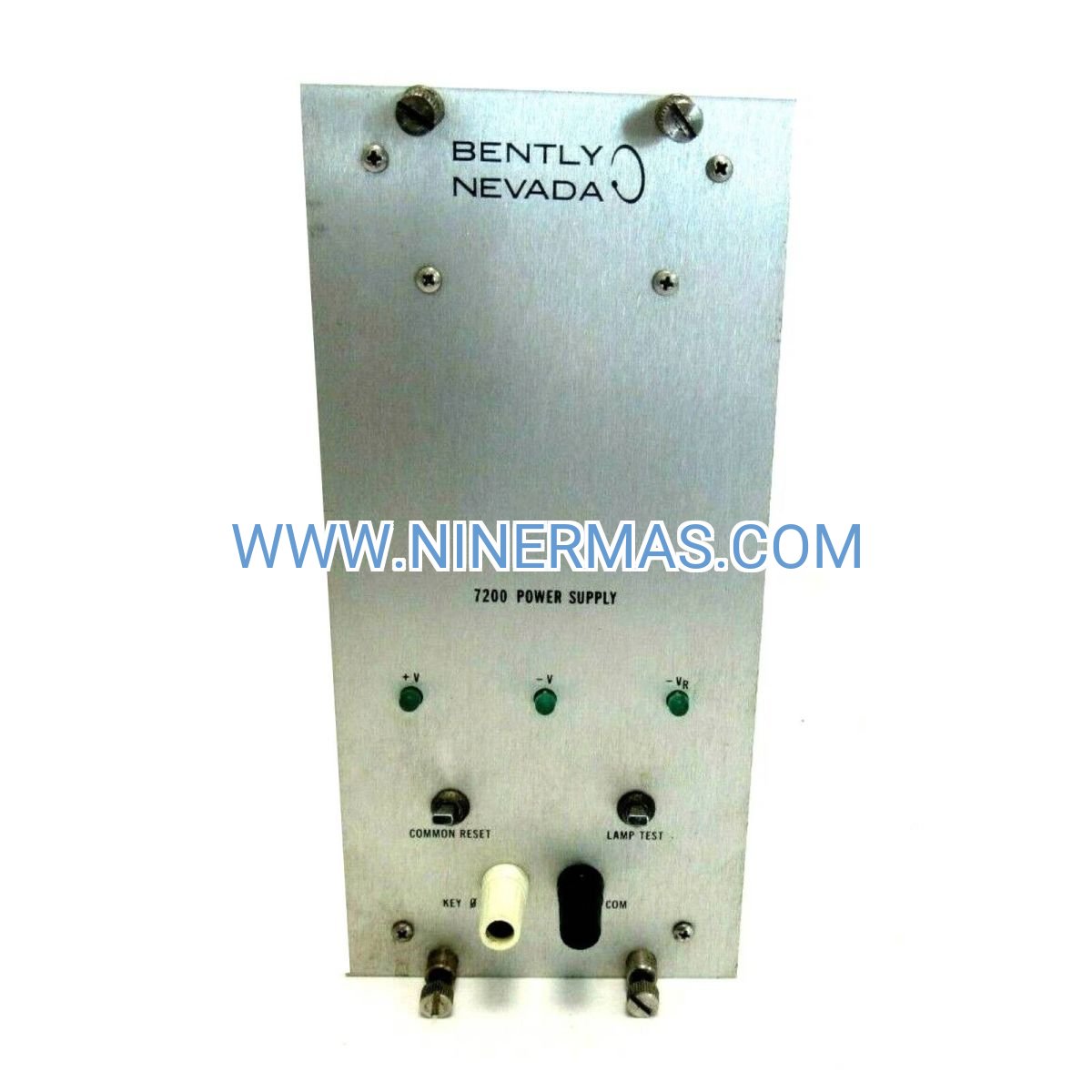
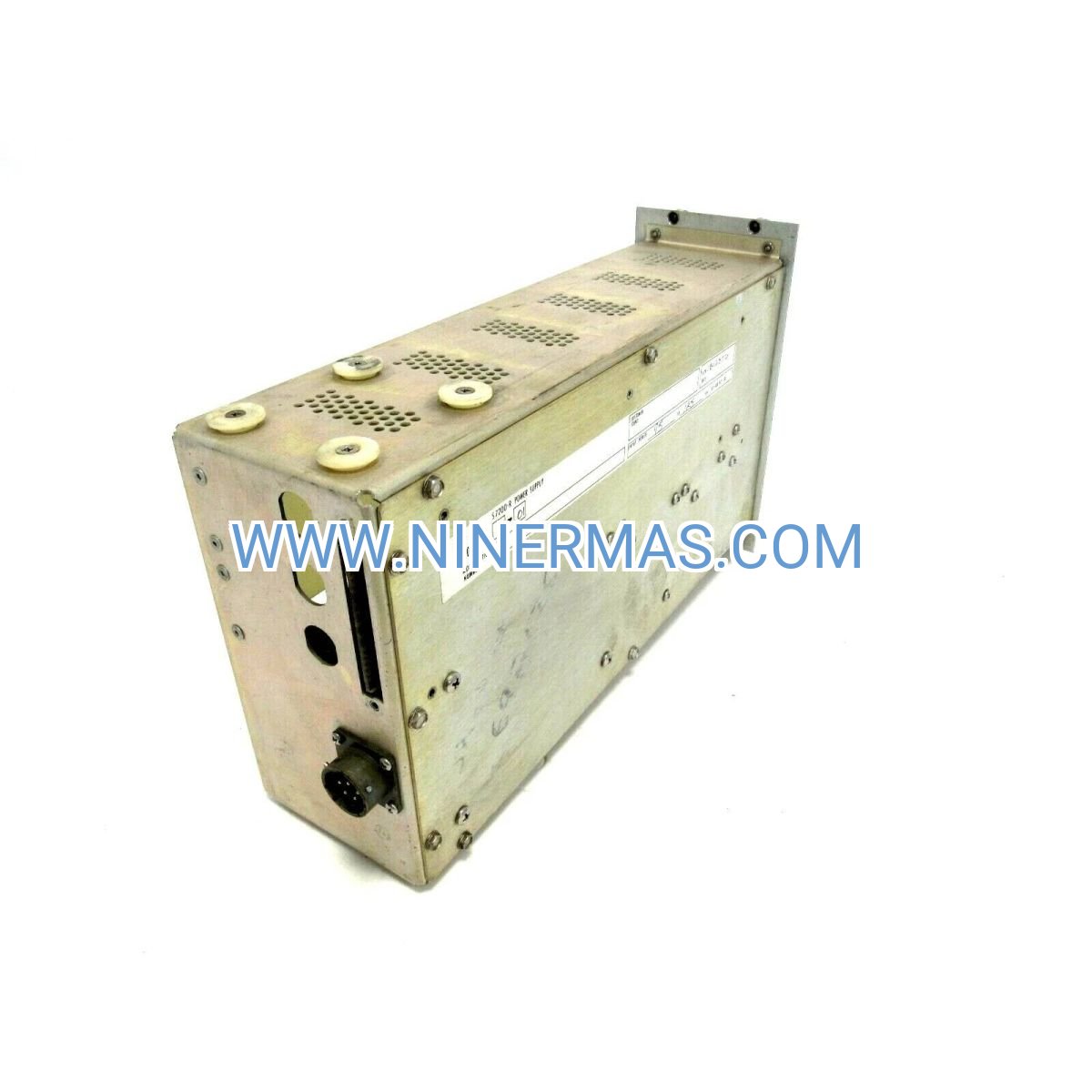
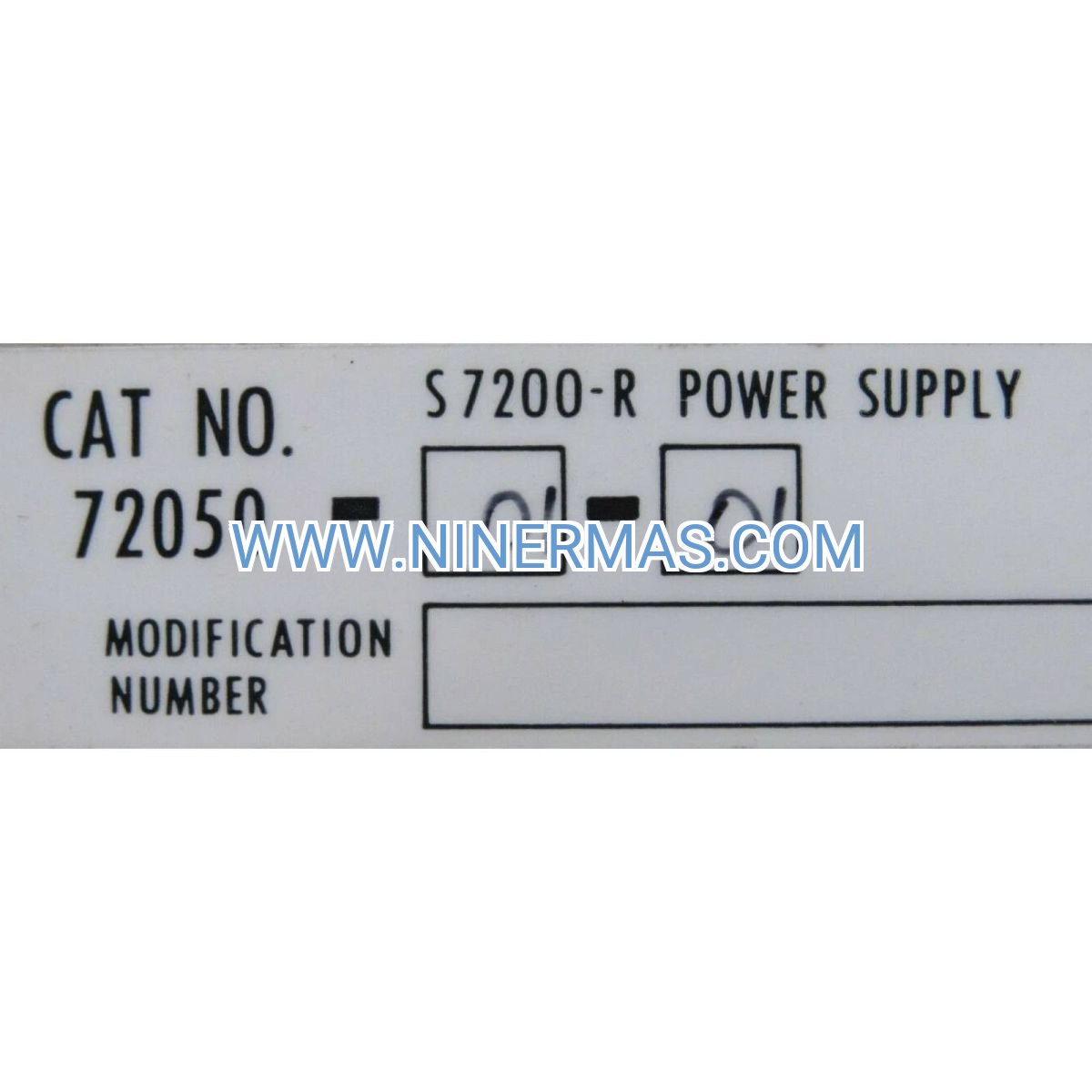
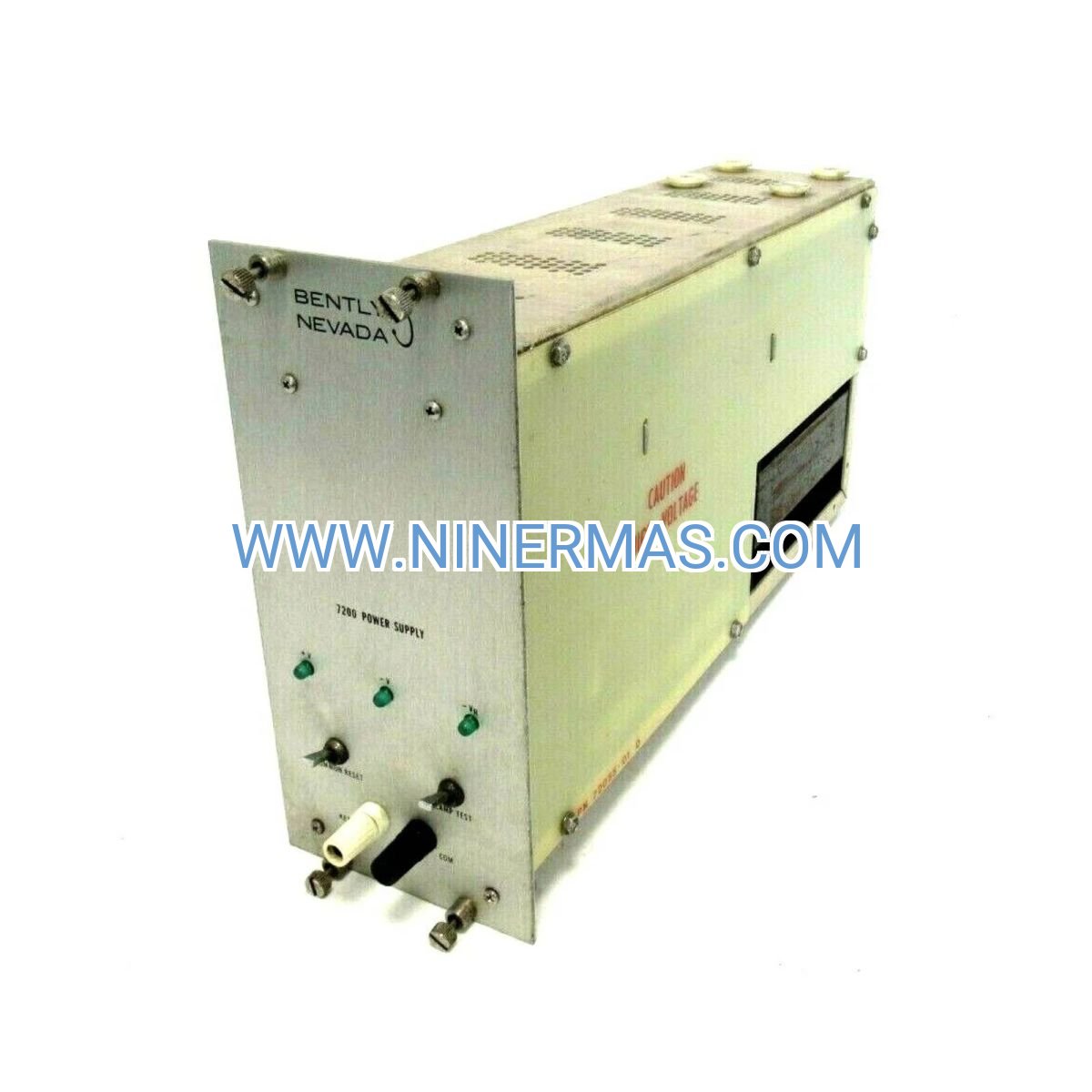
Bently Nevada 72050-01-01 Velocity Sensor | 4-20mA Seismic Transmitter for Vibration Monitoring
Description
Bently Nevada 72050-01-01 Seismic Velocity Sensor (Industrial-Grade Vibration Monitoring Solution)
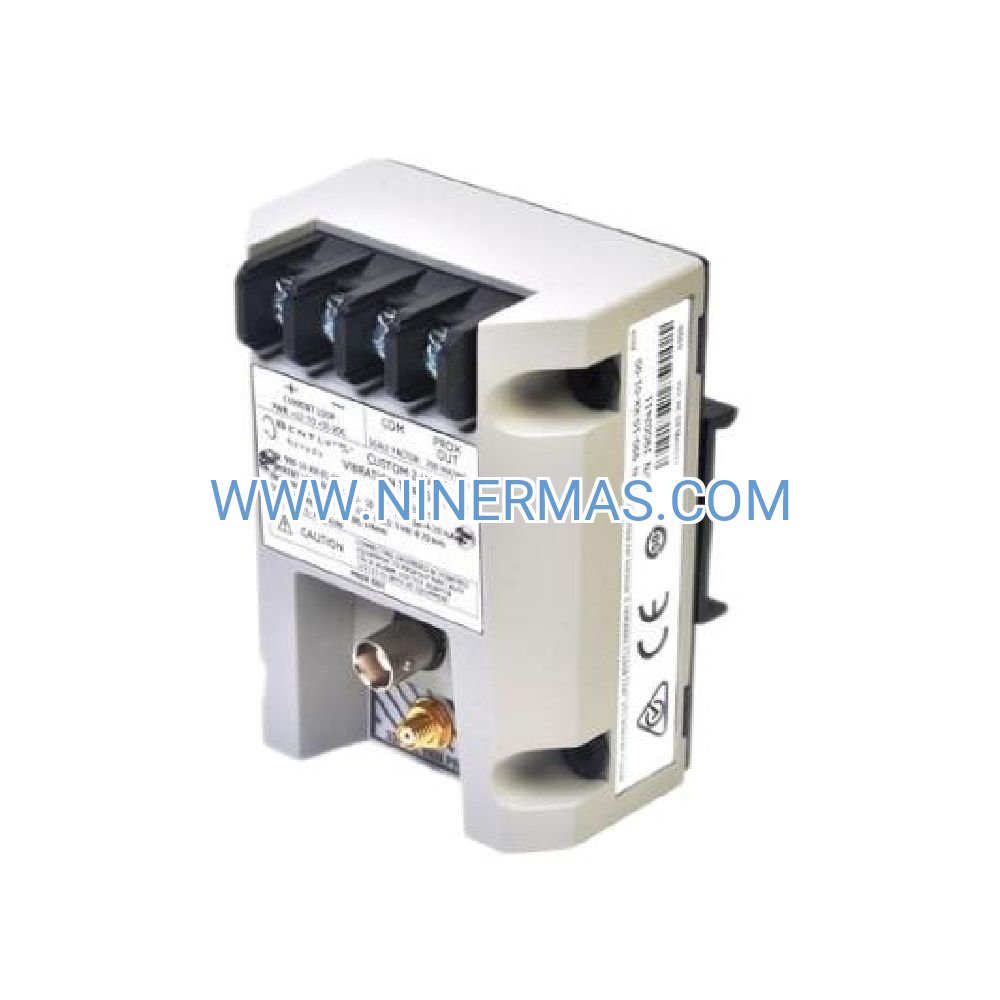
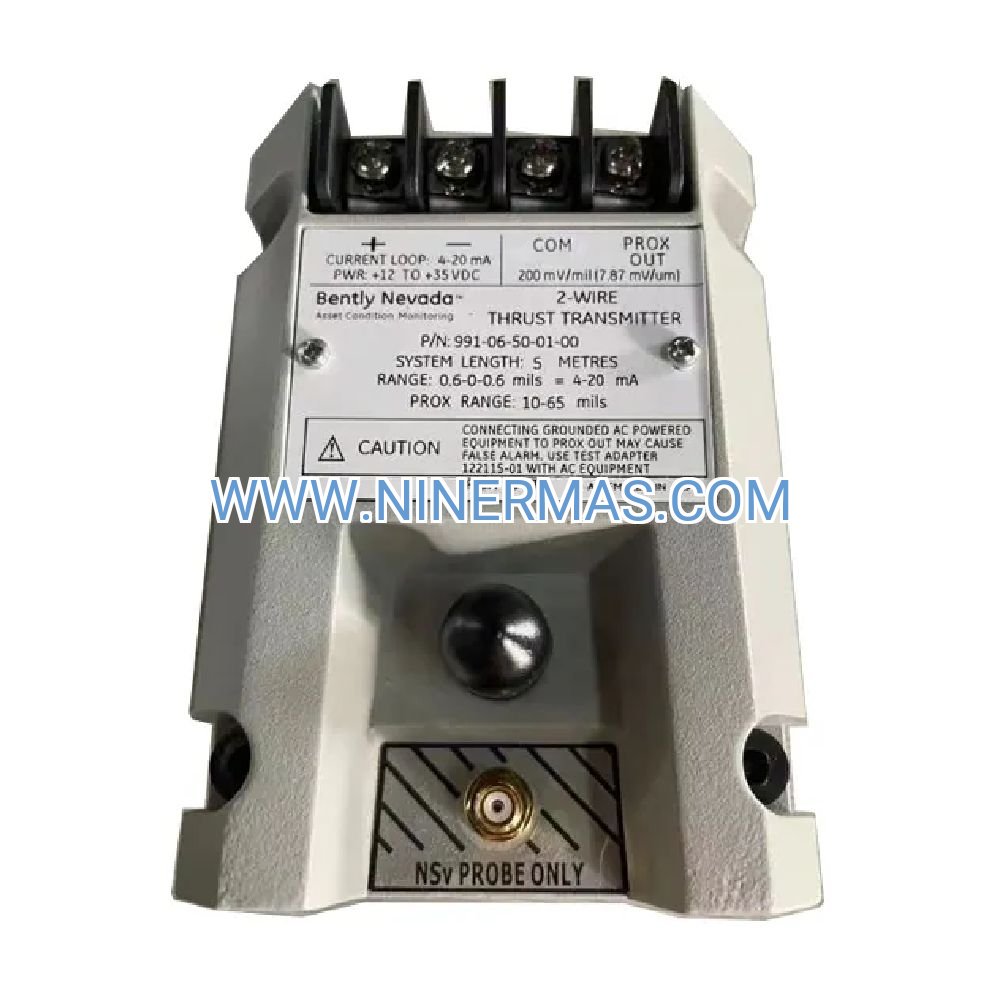
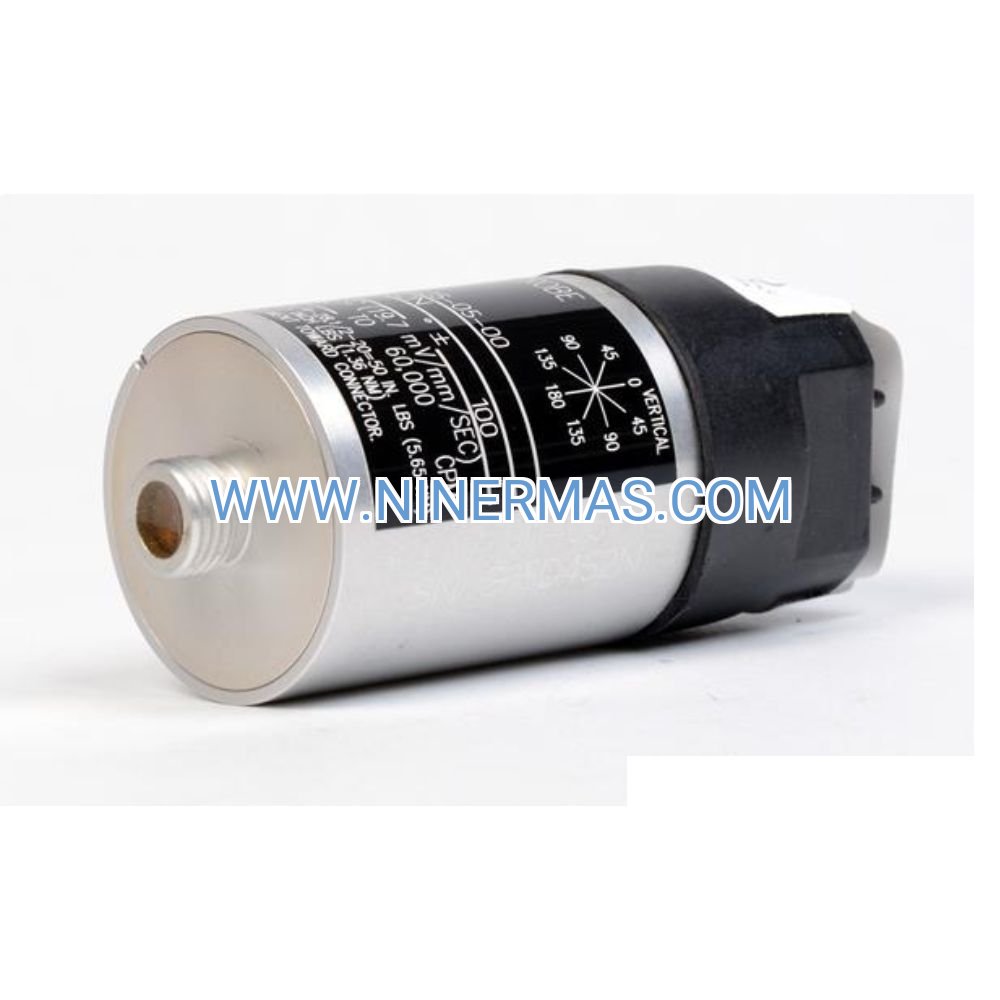
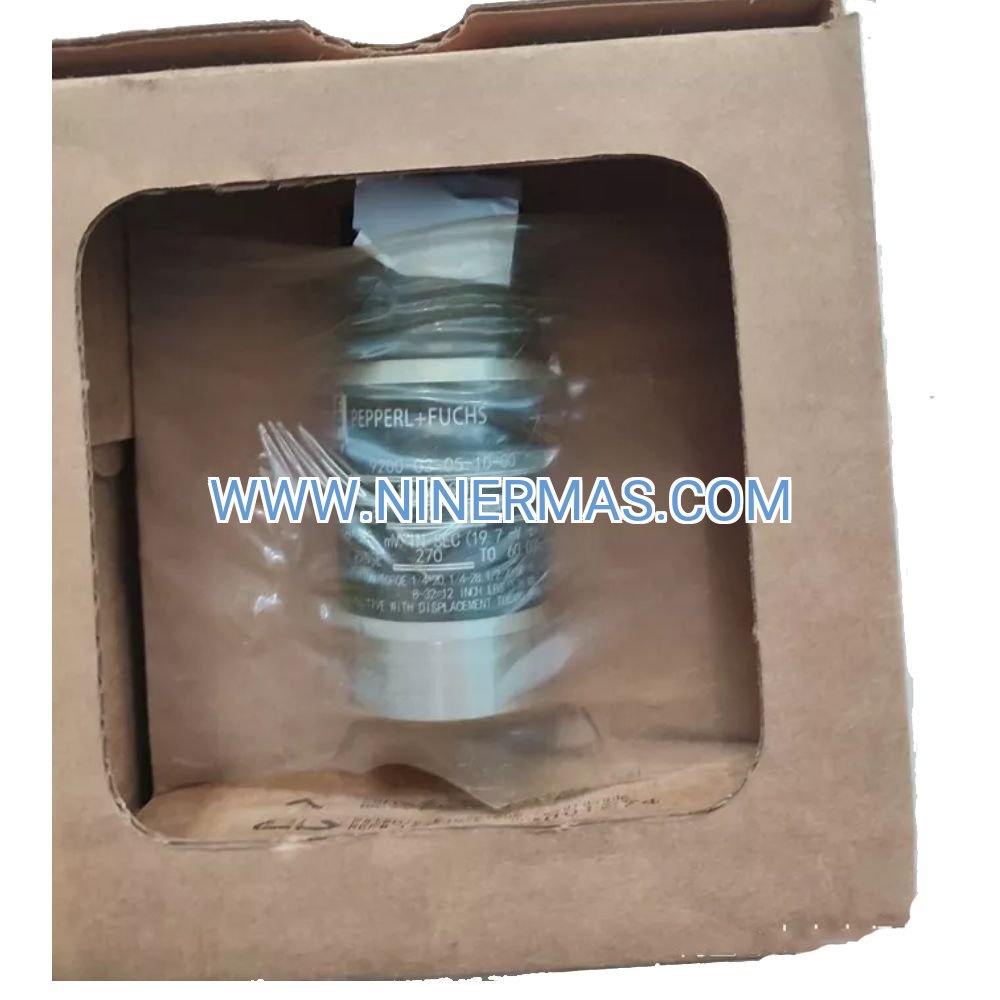
The Bently Nevada 72050-01-01 is a high-precision seismic velocity sensor designed for continuous vibration monitoring of rotating machinery and industrial equipment. Through advanced piezoelectric sensing technology and integrated signal conditioning, it delivers real-time velocity measurements with 4-20mA current loop output, enabling reliable condition monitoring and predictive maintenance strategies.
Specifically engineered for motors, pumps, fans, compressors, and gearbox applications, this sensor addresses critical challenges including unexpected equipment failures, excessive vibration-induced damage, costly unplanned downtime, and inadequate early fault detection. It provides continuous health assessment for assets operating in harsh industrial environments.
Featuring ISO 10816 compliance, IP67 environmental protection, and CE/ATEX certification, the 72050-01-01 combines rugged construction with flexible installation options. Ideal for plant engineers, maintenance teams, OEM integrators, and reliability professionals seeking standardized yet customizable vibration monitoring solutions. Contact our application engineers for system configuration assistance and technical quotations.
Core Features & Technical Advantages
- ISO 10816 Compliance for Machine Condition Assessment
Fully compliant with ISO 10816 international standards for vibration severity evaluation, providing direct velocity RMS measurements (mm/s) that align with acceptance criteria for rotating machinery classes I-IV, simplifying condition-based maintenance decisions. - 4-20mA Current Loop Output for Industrial Integration
Standard two-wire 4-20mA transmission enables seamless integration with PLCs, DCS systems, SCADA platforms, and portable analyzers. Loop-powered design eliminates separate power supplies, reducing installation complexity and cost. - Wide Frequency Response (10-1000Hz)
Captures vibration signatures across bearing defect frequencies, gear mesh harmonics, and imbalance conditions. Optimized for machinery operating speeds from 600 to 60,000 RPM, covering most industrial rotating equipment. - Rugged IP67 Stainless Steel Construction
Hermetically sealed 316 stainless steel housing withstands water jets, dust ingress, corrosive atmospheres, and temperature extremes (-40°C to +120°C). Suitable for outdoor installations, washdown environments, and hazardous area Zone 2/Div 2 locations. - Magnetic Base & Stud Mounting Flexibility
Includes high-strength magnetic base for temporary measurements and M10 threaded stud for permanent installations. Quick-mount design facilitates route-based monitoring and fixed-point surveillance strategies. - Built-In Signal Conditioning & EMI Protection
Integrated electronics provide velocity conversion, temperature compensation, and RFI/EMI filtering. Maintains ±5% accuracy across operating range without external signal conditioners, reducing system component count and failure points.
Typical Application Scenarios
This sensor is ideal for applications requiring continuous vibration surveillance, periodic condition assessment, and compliance with machinery health standards, particularly in:
- Electric Motors & Generators (1-500 HP)
Monitors bearing wear, rotor imbalance, and misalignment in induction motors, synchronous generators, and variable-speed drives. Detects developing faults 4-8 weeks before catastrophic failure, enabling planned maintenance windows. - Centrifugal Pumps & Blowers
Tracks impeller imbalance, cavitation signatures, and coupling misalignment in process pumps, cooling water systems, and HVAC air handlers. Reduces energy waste from mechanical inefficiencies and prevents seal damage. - Industrial Fans & Ventilation Systems
Identifies blade fouling, bearing degradation, and structural resonance in induced draft fans, forced draft blowers, and exhaust systems. Critical for maintaining air quality and process temperature control in manufacturing facilities. - Gearboxes & Speed Reducers
Detects gear tooth wear, lubrication breakdown, and shaft misalignment through sideband analysis. Applicable to parallel shaft, planetary, and worm gear configurations in conveyors, mixers, and material handling equipment. - Compressors & Vacuum Pumps
Monitors reciprocating and rotary compressor health in pneumatic systems, refrigeration plants, and process gas applications. Early detection of valve failures, piston wear, and foundation looseness.
Technical Specifications & Selection Guide
To ensure optimal performance and compatibility, the Bently Nevada 72050-01-01 offers the following standardized specifications, with custom configurations available for specialized requirements:
| Parameter | Specification |
|---|---|
| Measurement Range | 0-25 mm/s RMS (0-1.0 in/s RMS) |
| Frequency Response | 10-1000 Hz (±3dB) |
| Output Signal | 4-20mA, 2-wire loop-powered |
| Power Supply | 18-30 VDC (loop power) |
| Accuracy | ±5% of reading |
| Temperature Range | -40°C to +120°C (-40°F to +248°F) |
| Environmental Protection | IP67 (IEC 60529) |
| Housing Material | 316 Stainless Steel |
| Mounting Options | Magnetic base or M10×1.5 stud |
| Cable Connection | 2-meter integral cable with flying leads |
| Weight | Approx. 200g (sensor only) |
| Certifications | CE, ATEX Zone 2, ISO 10816 compliant |
Selection Recommendations: When specifying this sensor, consider the following factors: maximum expected vibration levels (ensure within 0-25 mm/s range), machinery operating speed (verify within 10-1000 Hz bandwidth), mounting surface temperature (must not exceed +120°C), available loop power supply voltage (18-30 VDC required), and cable length requirements (extensions available up to 100m). For assistance with system design, provide equipment type, operating RPM, mounting location, and environmental conditions to our application engineering team.
Advanced Integration Capabilities
- Multi-Point Monitoring Networks: Deploy multiple sensors on a single 4-20mA loop using addressable transmitters or individual channels. Supports up to 16 measurement points per PLC analog input card for comprehensive machine train surveillance.
- Alarm Threshold Programming: Configure two-stage alarm setpoints (Alert/Danger) based on ISO 10816 severity zones or custom limits. Integrate with plant alarm management systems for automated notifications and work order generation.
- Trend Analysis & Data Logging: Compatible with SCADA historians, cloud-based condition monitoring platforms, and portable data collectors. Export time-waveform and FFT spectrum data for root cause analysis and reliability engineering studies.
- Wireless Retrofit Solutions: Pair with 4-20mA wireless transmitters (WirelessHART, ISA100) for remote asset monitoring without cable infrastructure. Ideal for rotating equipment in hazardous areas or difficult-to-access locations.
Delivery, Service & Quality Assurance
Lead Time: Standard 72050-01-01 sensors ship from stock within 3-5 business days. Custom cable lengths or special certifications require 2-3 weeks for configuration and testing.
Warranty: All units include a 24-month manufacturer's warranty covering defects in materials and workmanship. Extended warranty and calibration service contracts available.
Technical Support: Comprehensive installation guidance provided, including mounting torque specifications, cable routing best practices, and loop calibration procedures. Remote commissioning assistance and on-site startup services available (region-dependent).
Documentation Package: Each sensor ships with calibration certificate, dimensional drawings, wiring diagrams, ISO 10816 reference guide, and quick-start installation manual. CAD models and product datasheets available for download.
Frequently Asked Questions (FAQ)
Q: How does the Bently Nevada 72050-01-01 seismic velocity sensor integrate with existing PLC or DCS systems?
A: The sensor provides a standard 4-20mA current loop output that connects directly to analog input modules on most PLCs (Allen-Bradley, Siemens, Schneider) and DCS platforms (Honeywell, Emerson, ABB). Simply wire the two-conductor cable to your analog input card, configure the 4-20mA scaling (typically 0-25 mm/s), and enable loop power (18-30 VDC). No external signal conditioners or power supplies required.
Q: What is the maximum number of sensors that can be monitored on a single machine?
A: For comprehensive vibration analysis, we recommend 2-4 sensors per machine depending on configuration: horizontal/vertical/axial measurements at drive-end and non-drive-end bearings. Each sensor requires one dedicated analog input channel. For multi-machine installations, consider multiplexed systems or wireless networks to optimize I/O utilization.
Q: What level of energy savings or maintenance cost reduction can be expected?
A: Predictive maintenance programs using continuous vibration monitoring typically reduce unplanned downtime by 35-50% and extend bearing life by 20-30% through early fault detection. Actual savings depend on equipment criticality, current maintenance strategy (reactive vs. preventive), and failure history. ROI calculations should factor in avoided production losses and emergency repair costs.
Q: What are the environmental installation requirements and IP rating?
A: The sensor is rated IP67 per IEC 60529, providing protection against temporary immersion (1m depth, 30 minutes) and complete dust ingress prevention. Operating temperature range is -40°C to +120°C. Suitable for outdoor installations, washdown areas, and corrosive atmospheres. For continuous submersion or temperatures exceeding +120°C, consult factory for specialized models.
Q: Does the sensor support remote monitoring and data acquisition protocols?
A: The 4-20mA output is compatible with all standard industrial protocols when connected through appropriate gateways: Modbus RTU/TCP, HART, Profibus, EtherNet/IP, OPC UA. For native digital connectivity, consider pairing with smart transmitters or wireless adapters that support WirelessHART, ISA100.11a, or LoRaWAN protocols for IIoT integration.
Q: Can this sensor be used in hazardous area classifications?
A: Yes, the 72050-01-01 carries ATEX Zone 2 (Gas) and Zone 22 (Dust) certifications for Group IIC T6 environments. Suitable for non-hazardous and Division 2/Zone 2 locations. For Division 1/Zone 1 installations, intrinsically safe barriers or explosion-proof housings are required. Consult certification documentation for specific installation requirements.
Request Technical Selection Support
To receive a customized sensor configuration, detailed quotation, or application engineering assistance, please provide the following project information: equipment type and manufacturer, rated operating speed (RPM), mounting surface material and temperature, required cable length, environmental conditions (indoor/outdoor, temperature range, chemical exposure), quantity required, and delivery timeline. Our vibration specialists will respond within 24 hours with tailored recommendations and pricing.
© 2026 NINERMAS COMPANY LIMITED. All rights reserved.
Original Source: https://ninermas.com
Contact: sale@ninermas.com | +0086 187 5021 5667

Contact Info
-
Address:22 / F, South Wo Hang building, 148 Wing Lok Street, Sheung Wan, Western District, Hong Kong
-
Phone:+8618750215667
-
Email: