


Description
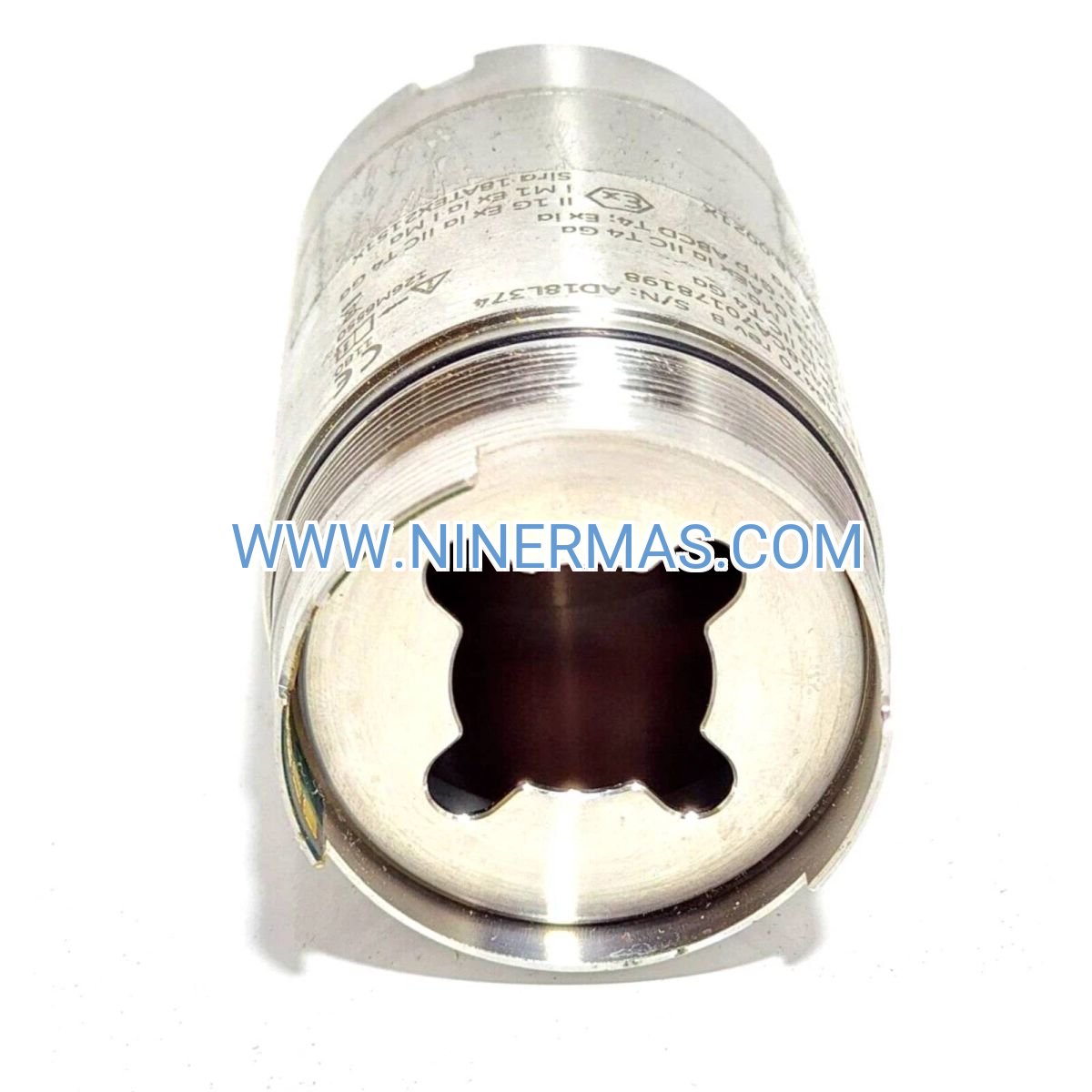
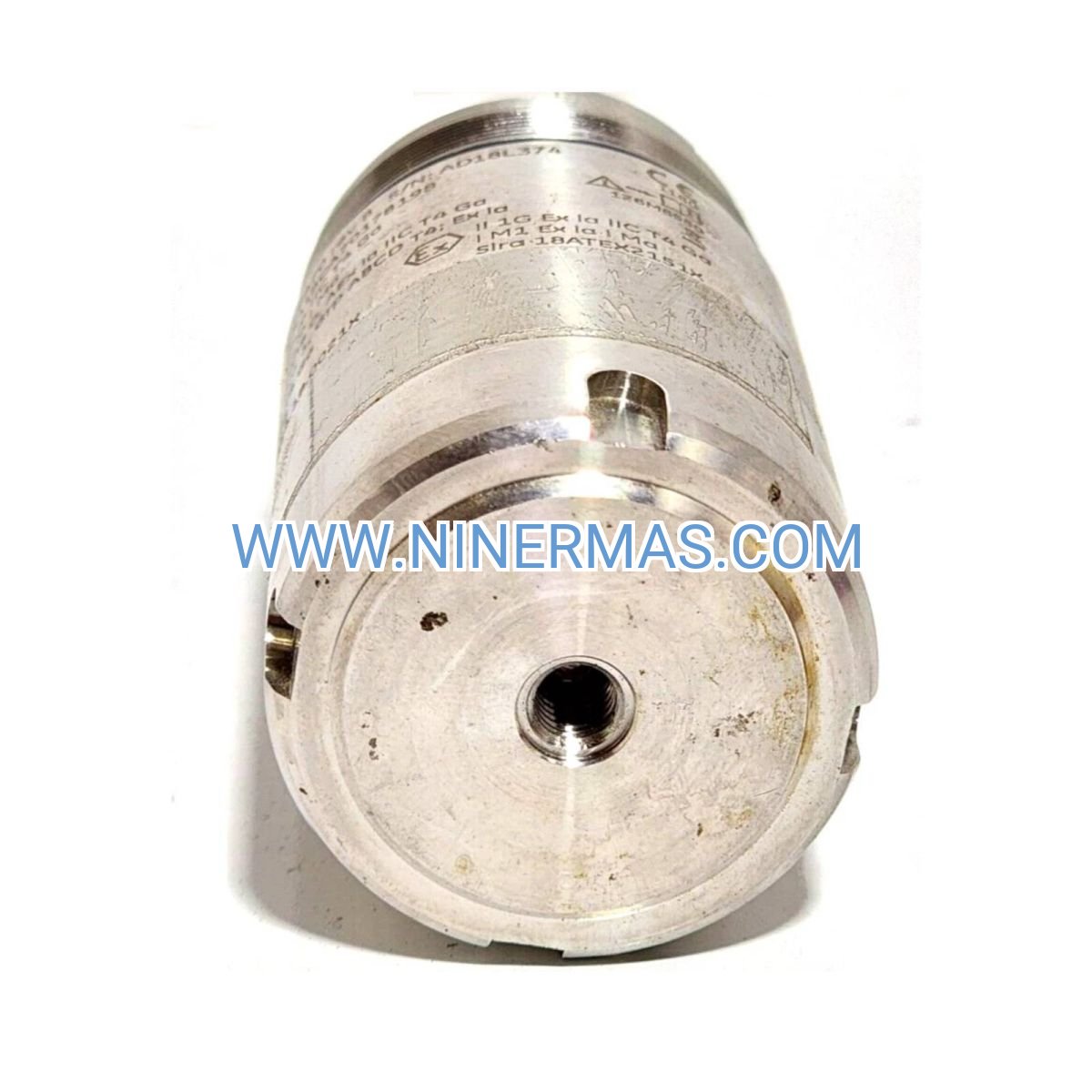
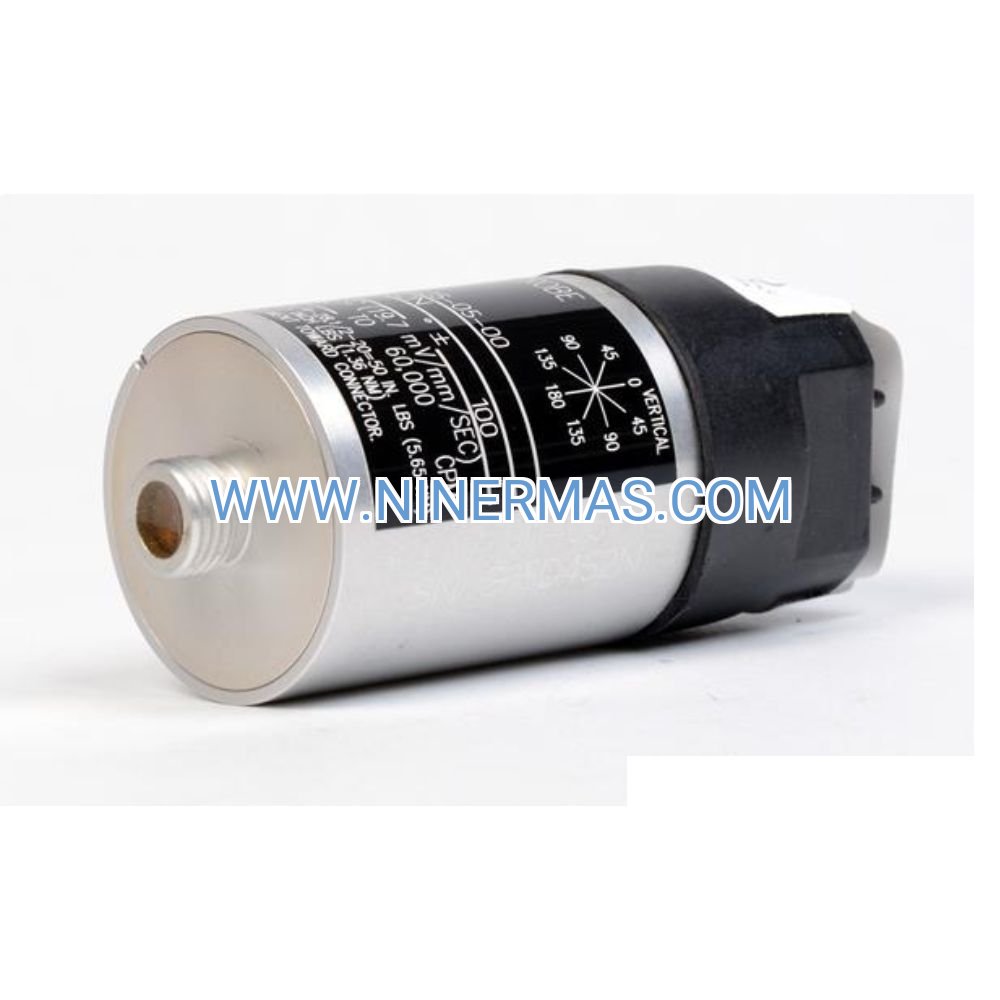
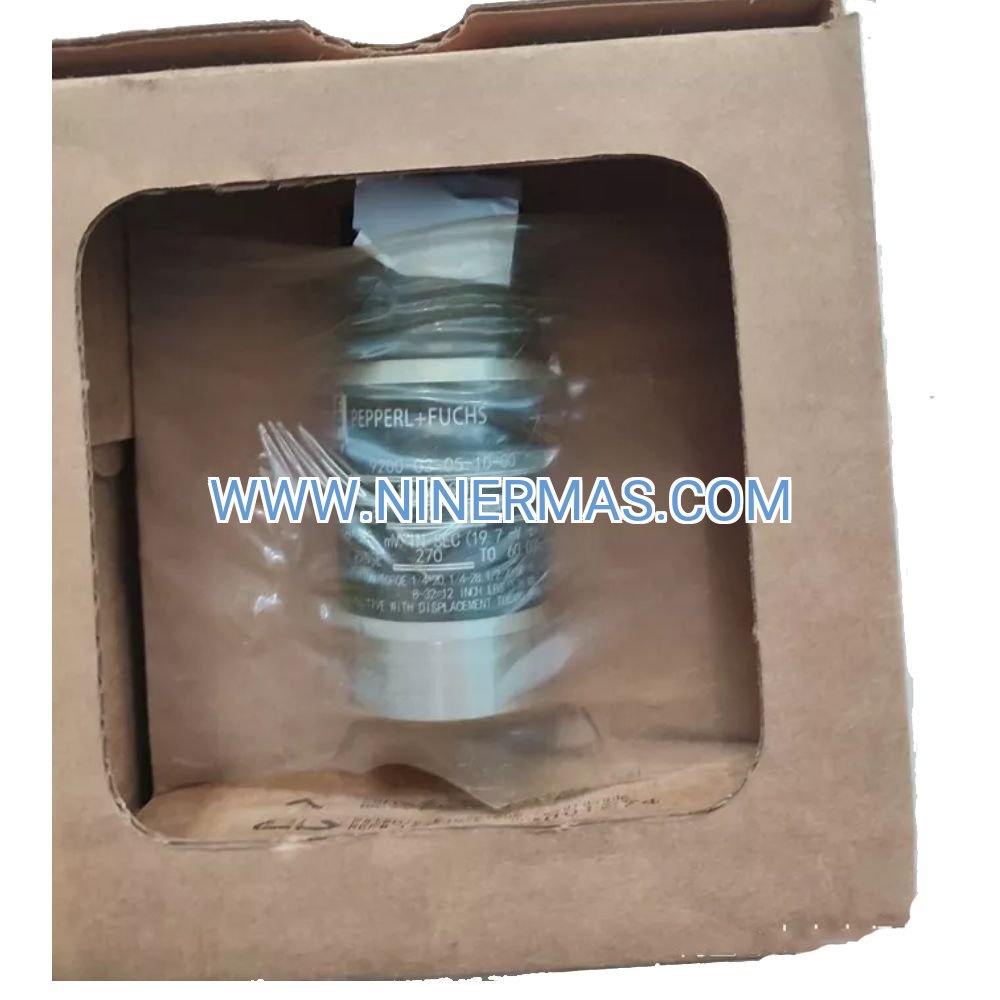
Bently Nevada 70M303 Wireless Triaxial Accelerometer (Industrial-Grade Vibration Monitoring System)
The Bently Nevada 70M303 is an industrial-grade wireless triaxial accelerometer designed for continuous vibration and temperature monitoring on rotating machinery and critical process equipment. Utilizing ISA100.11a wireless protocol and factory-calibrated tri-axial sensing technology, this sensor enables real-time condition assessment, early fault detection, and predictive maintenance optimization without the complexity and cost of traditional wired installations.
Ideal for applications in oil & gas, power generation, chemical processing, water treatment, and heavy manufacturing, the 70M303 addresses common challenges such as high installation costs, limited accessibility to remote assets, cable routing constraints in hazardous areas, and the need for scalable monitoring infrastructure. It helps eliminate unexpected equipment failures, reduce maintenance costs, minimize unplanned downtime, and extend asset service life through data-driven decision making.
Through standardized design and flexible deployment options, this product delivers rapid installation (mount and commission in under 30 minutes), long-term reliability (up to 5-year battery life), robust environmental protection (IP67 enclosure rating), and seamless system integration (native compatibility with Ranger Pro and System 1 platforms). Suitable for reliability engineers, maintenance managers, plant operators, and system integrators seeking to implement Industry 4.0 condition monitoring strategies. Contact our application engineers for customized deployment plans and technical consultation.
Core Features & Advantages
True Triaxial Vibration Measurement
Simultaneous X, Y, and Z-axis acceleration capture provides comprehensive vibration signature analysis, enabling detection of radial, axial, and tangential fault patterns that single-axis sensors cannot identify. Frequency response from 2 Hz to 10 kHz covers the full spectrum of machinery defects including imbalance, misalignment, bearing wear, and gear mesh issues.
Industrial Wireless Reliability
ISA100.11a protocol ensures deterministic, secure, and interference-resistant data transmission in electromagnetically noisy industrial environments. Encrypted communication channels protect sensitive operational data, while mesh network topology provides redundant signal paths and self-healing capabilities for mission-critical applications.
Extended Autonomous Operation
Field-replaceable lithium battery pack delivers up to 5 years of continuous operation under typical sampling schedules (configurable from hourly to daily intervals), eliminating frequent maintenance visits and reducing total cost of ownership. Low-battery alerts provide advance warning for planned replacement during scheduled maintenance windows.
Harsh Environment Durability
IP67-rated stainless steel enclosure withstands dust ingress, water immersion, chemical exposure, and mechanical impact. Operating temperature range of -40°C to +85°C accommodates extreme climates from Arctic installations to desert refineries. Integrated temperature sensor enables thermal trending and bearing temperature monitoring.
Plug-and-Play Deployment
Factory calibration with traceable certification eliminates on-site setup procedures. Magnetic base mounting enables tool-free installation on ferrous surfaces, while optional stud mount adapters accommodate non-magnetic equipment. Auto-discovery and self-registration with wireless gateways streamline commissioning workflows.
Comprehensive Diagnostic Protection
Built-in self-test routines continuously verify sensor health, battery status, wireless link quality, and data integrity. Automatic fault notifications alert operators to sensor malfunctions, communication failures, or environmental anomalies before they impact monitoring coverage.
Typical Application Scenarios
This product is engineered for environments demanding high reliability, continuous uptime, and cost-effective monitoring expansion, particularly in:
Rotating Equipment in Oil & Gas Facilities
Monitor offshore platform pumps, compressor trains, turbine generators, and pipeline booster stations where cable installation is prohibitively expensive or physically impractical. Wireless architecture eliminates explosion-proof conduit requirements in classified hazardous areas (Class I Division 2 compliant when paired with approved gateways).
Power Generation & Utility Infrastructure
Track vibration trends on steam turbines, cooling tower fans, feedwater pumps, and auxiliary systems across distributed generation sites. Scalable wireless mesh networks enable plant-wide monitoring without extensive cabling infrastructure, supporting both new construction and brownfield retrofits.
Chemical Processing & Refining Operations
Ensure continuous operation of agitators, centrifuges, reactors, and material handling conveyors in corrosive or high-temperature process environments. Remote monitoring capabilities reduce personnel exposure to hazardous areas while maintaining comprehensive asset visibility.
Water & Wastewater Treatment Plants
Protect critical pumps, blowers, clarifiers, and screening equipment from catastrophic failures through early detection of cavitation, bearing degradation, and mechanical looseness. Battery-powered operation eliminates dependency on local AC power in remote lift stations and wellhead installations.
Manufacturing & Heavy Industry
Implement condition-based maintenance programs across production lines, HVAC systems, material conveyors, and machine tools. Rapid deployment enables phased monitoring expansion aligned with budget cycles and operational priorities, with typical ROI achieved within 12-18 months through avoided failures.
Technical Specifications & Selection Guide
To facilitate engineering design and procurement decisions, we provide standardized configuration parameters with customization options available for specialized requirements.
| Parameter | Specification |
|---|---|
| Measurement Axes | Three-axis (X, Y, Z) simultaneous |
| Acceleration Range | ±16 g peak |
| Frequency Response | 2 Hz to 10 kHz (±3 dB) |
| Temperature Sensor | -40°C to +85°C (±2°C accuracy) |
| Wireless Protocol | ISA100.11a (2.4 GHz band) |
| Transmission Range | Up to 200 m line-of-sight (typical) |
| Power Source | Internal lithium battery (user-replaceable) |
| Battery Life | Up to 5 years (1-hour sampling interval) |
| Enclosure Rating | IP67 (dust-tight, waterproof) |
| Housing Material | 316 stainless steel |
| Mounting Options | Magnetic base or M6 stud mount |
| Dimensions | 76 mm (H) × 38 mm (Dia.) |
| Weight | Approximately 200 g |
| Compliance Standards | ISO 20816, API 670, FCC Part 15 |
Selection Recommendations:
When specifying the 70M303, consider the following factors: maximum vibration amplitude expected during normal and fault conditions, required sampling frequency based on machinery speed and fault detection objectives, wireless gateway placement and line-of-sight obstructions, ambient temperature extremes and exposure to moisture or chemicals, mounting surface material and accessibility for battery replacement. For assistance with system architecture design, wireless coverage planning, or integration with existing monitoring platforms, please provide equipment details (machine type, operating speed, mounting location, environmental conditions) and our application engineers will recommend optimal sensor placement and configuration settings.
System Integration & Compatibility
Native Platform Support
The 70M303 integrates seamlessly with Bently Nevada Ranger Pro Wireless Gateway (1-channel or 4-channel models) for local data aggregation and System 1 condition monitoring software for enterprise-wide analytics, trending, and alarm management. Supports OPC UA and Modbus TCP protocols for third-party SCADA, DCS, and historian integration.
Scalable Network Architecture
ISA100.11a mesh topology allows daisy-chaining multiple sensors through intermediate nodes, extending coverage beyond single-hop range limitations. Each gateway supports up to 100 wireless sensors, enabling cost-effective expansion from pilot projects to plant-wide deployments without infrastructure redesign.
Cloud Connectivity Options
When paired with System 1 Edge Gateway, vibration data can be securely transmitted to cloud-based analytics platforms for remote diagnostics, machine learning-based anomaly detection, and multi-site fleet benchmarking. Supports Azure IoT Hub and AWS IoT Core integration.
Delivery, Service & Quality Assurance
Lead Time: Standard configuration units typically ship within 5-7 business days from stock. Custom configurations (special mounting adapters, extended temperature ratings, or bulk orders) require 2-3 weeks production lead time.
Warranty Coverage: 12-month manufacturer warranty covering defects in materials and workmanship from date of shipment. Extended warranty plans available for critical applications.
Technical Support: Complimentary remote commissioning assistance via phone or video conference. On-site installation support and training available (travel costs apply based on location). 24/7 emergency technical hotline for production-critical issues.
Documentation Package: Each unit ships with factory calibration certificate (traceable to NIST/ISO standards), quick-start installation guide, detailed user manual (PDF), wireless network configuration worksheet, and battery replacement procedure. CAD mounting drawings and 3D STEP files available upon request.
Calibration Services: Recalibration services available through authorized service centers worldwide. Recommended calibration interval: 24 months for general industrial use, 12 months for applications requiring ISO 10012 compliance.
Frequently Asked Questions (FAQ)
Q: How does the Bently Nevada 70M303 wireless triaxial accelerometer integrate with existing monitoring systems?
A: The 70M303 connects to Ranger Pro wireless gateways via ISA100.11a protocol, which then interface with System 1 software through Ethernet. For non-Bently systems, gateways provide OPC UA or Modbus TCP outputs for integration with third-party SCADA, DCS, or vibration analysis platforms. Configuration requires gateway IP address, sensor registration, and alarm threshold setup—typically completed in under 1 hour per sensor.
Q: What is the maximum number of sensors a single wireless gateway can support?
A: Each Ranger Pro gateway supports up to 100 wireless sensors in a mesh network configuration. Actual capacity depends on sampling rates, data throughput requirements, and network topology. For large installations (>50 sensors), we recommend conducting a wireless site survey to optimize gateway placement and ensure reliable coverage.
Q: What energy savings or efficiency improvements can be expected from wireless vibration monitoring?
A: While the sensor itself does not directly reduce energy consumption, predictive maintenance enabled by continuous monitoring typically reduces unplanned downtime by 30-50%, extends equipment life by 20-40%, and decreases maintenance costs by 25-35% compared to reactive or time-based strategies. Early detection of mechanical faults (imbalance, misalignment) can also identify energy-wasting conditions before they escalate.
Q: What are the installation environment requirements and protection level specifications?
A: The 70M303 features IP67 enclosure rating, suitable for outdoor installations, washdown environments, and temporary submersion (up to 1 meter for 30 minutes). Operating temperature range is -40°C to +85°C. Avoid direct steam impingement, continuous submersion, or exposure to strong solvents. For hazardous area installations (Class I Div 2), ensure wireless gateway has appropriate certifications—sensor itself is non-incendive.
Q: Does the system support remote monitoring and data export? Which communication protocols are compatible?
A: Yes, when connected through System 1 software or Edge Gateway, vibration data is accessible via web browser from any network location. Data export formats include CSV, TDMS, and direct database writes (SQL Server, Oracle). Supported protocols: OPC UA, Modbus TCP, MQTT (for IoT cloud platforms), and RESTful API for custom integrations. Real-time streaming and historical trending both supported.
Q: How long does battery replacement take and can it be performed without removing the sensor?
A: Battery replacement requires sensor removal from mounting surface (magnetic base detaches in seconds; stud mount requires wrench). Battery module replacement takes approximately 5 minutes following the illustrated procedure in the user manual. Replacement batteries (part number available from distributor) include pre-charged cells and require no special tools. Sensor automatically resumes operation and re-joins wireless network upon reinstallation.
Request Technical Consultation
To receive a customized deployment plan, budget quotation, or application-specific technical guidance, please provide the following project information: facility type and industry sector, equipment to be monitored (machine type, quantity, operating speeds), installation environment (indoor/outdoor, temperature range, hazardous area classification), existing monitoring infrastructure (if any), wireless coverage area and potential obstructions, preferred sampling intervals and alarm notification requirements. Our vibration specialists will respond within 1 business day with tailored recommendations and pricing.
© 2026 NINERMAS COMPANY LIMITED. All rights reserved.
Original Source: https://ninermas.com
Contact: sale@ninermas.com | +0086 187 5021 5667

Contact Info
-
Address:22 / F, South Wo Hang building, 148 Wing Lok Street, Sheung Wan, Western District, Hong Kong
-
Phone:+8618750215667
-
Email:
