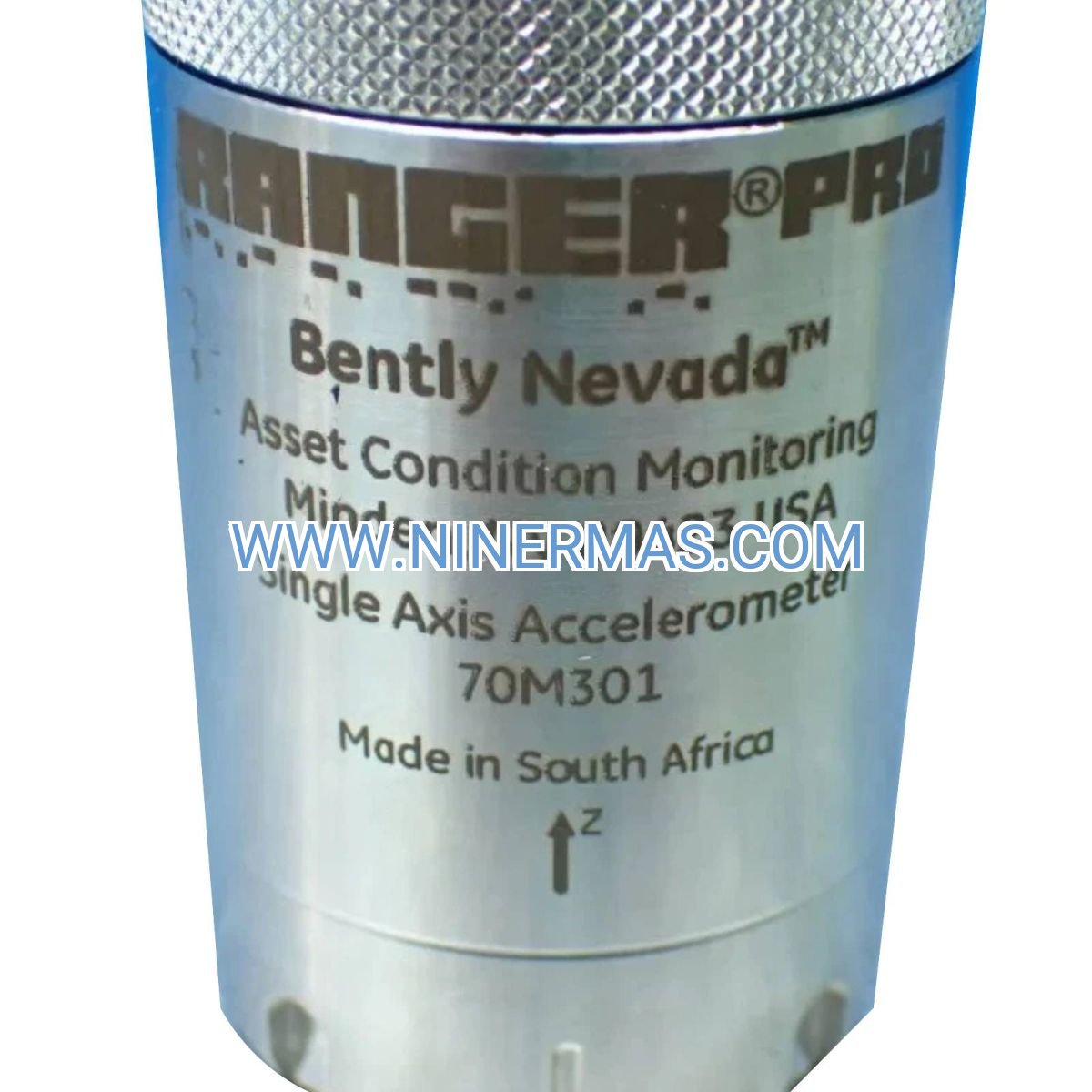
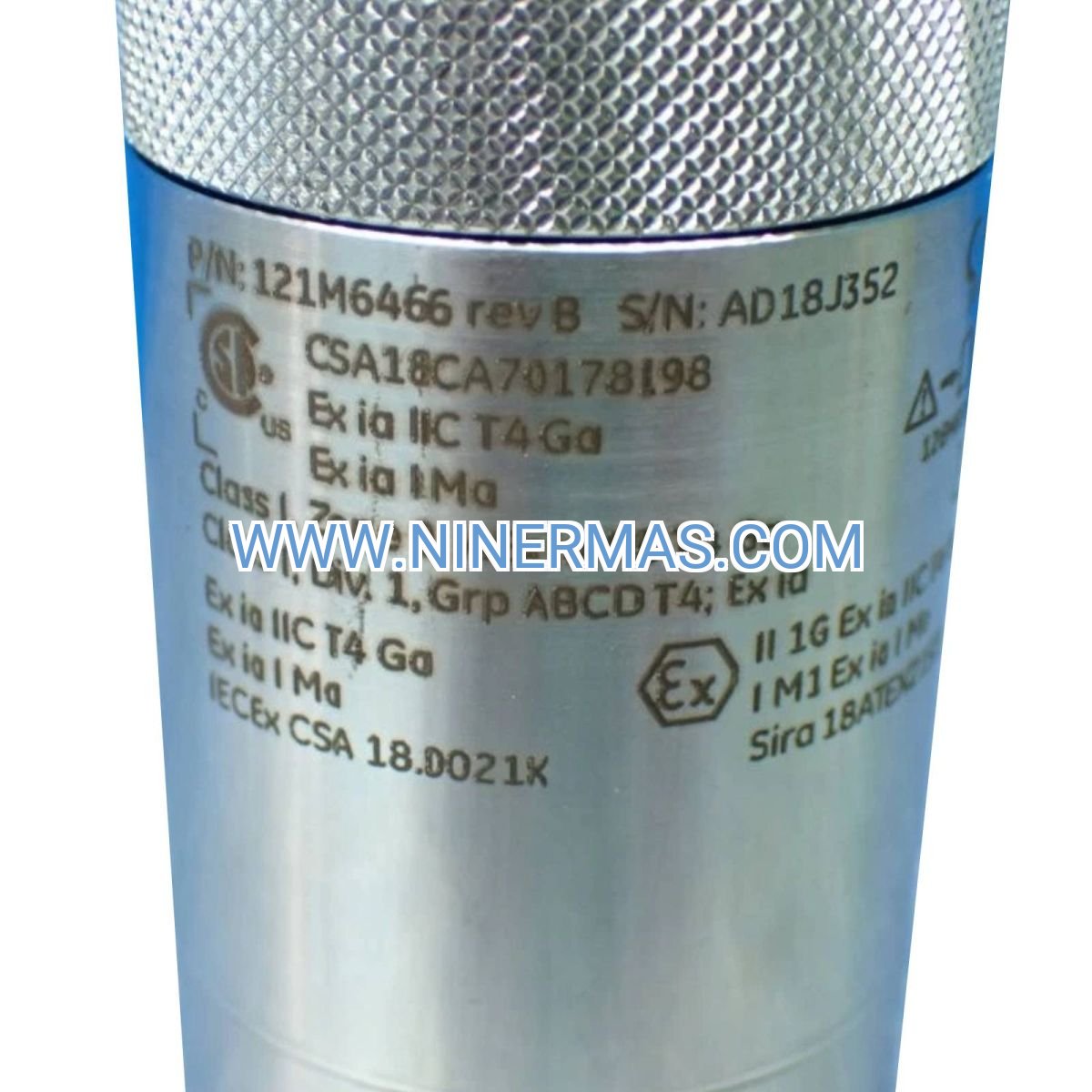
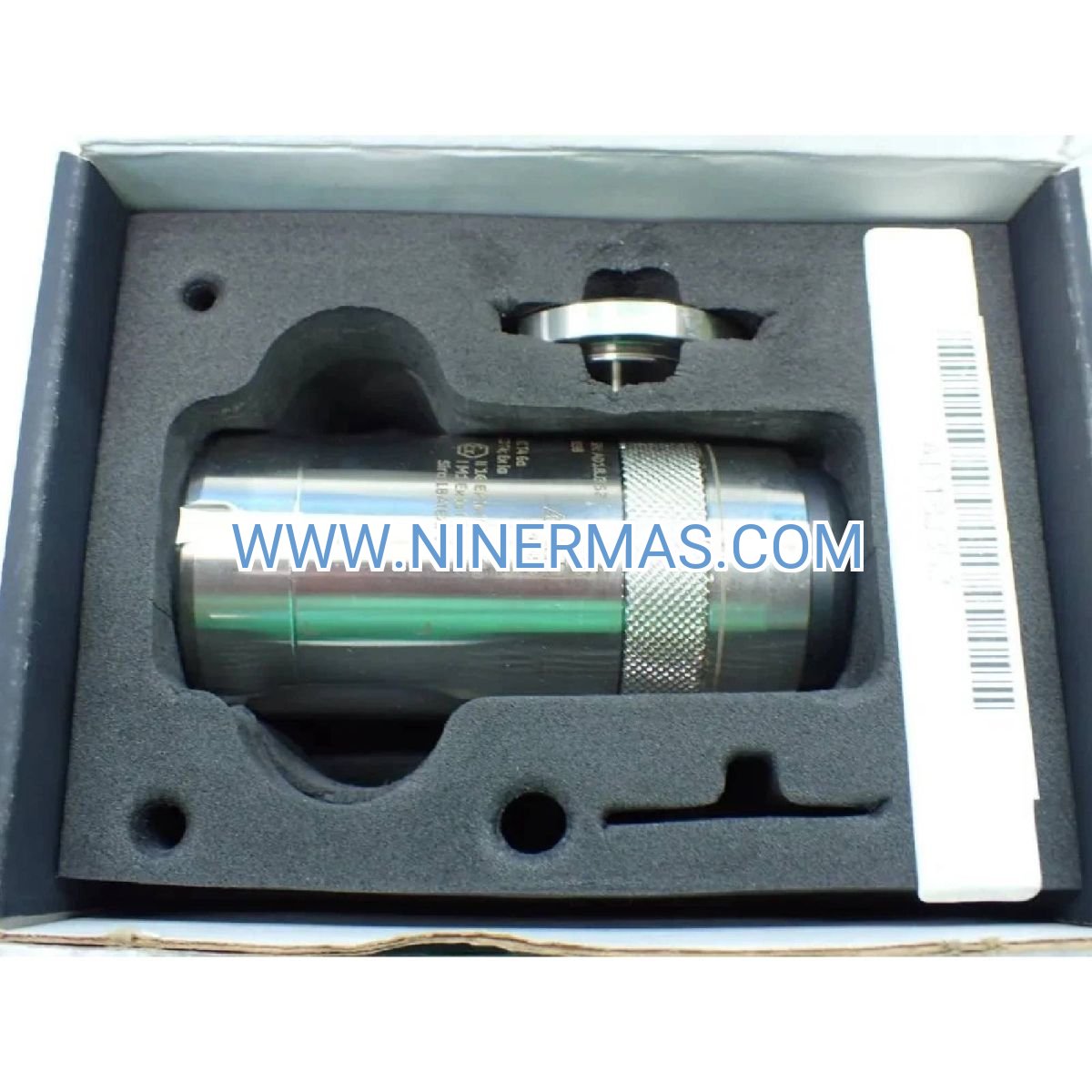
Bently Nevada 70M301 Proximity Sensor | API 670 Turbomachinery Monitoring System
Description
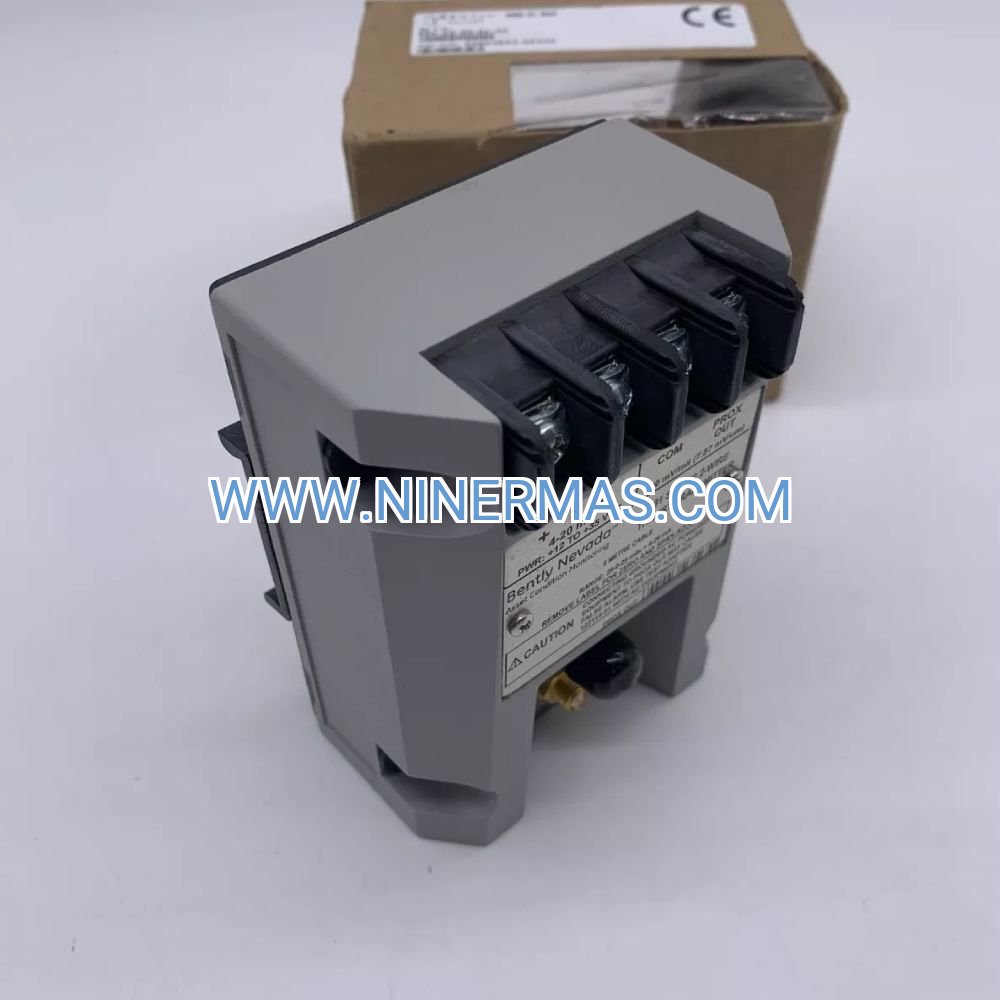
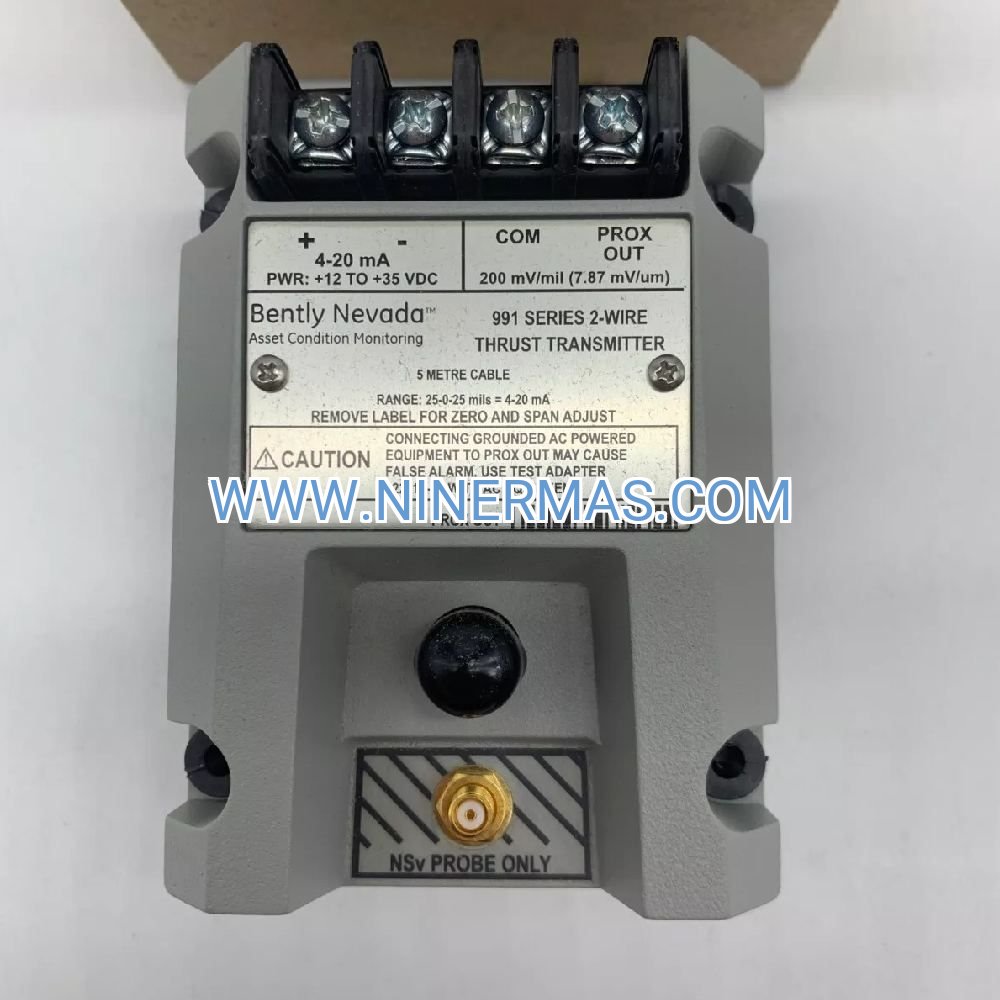
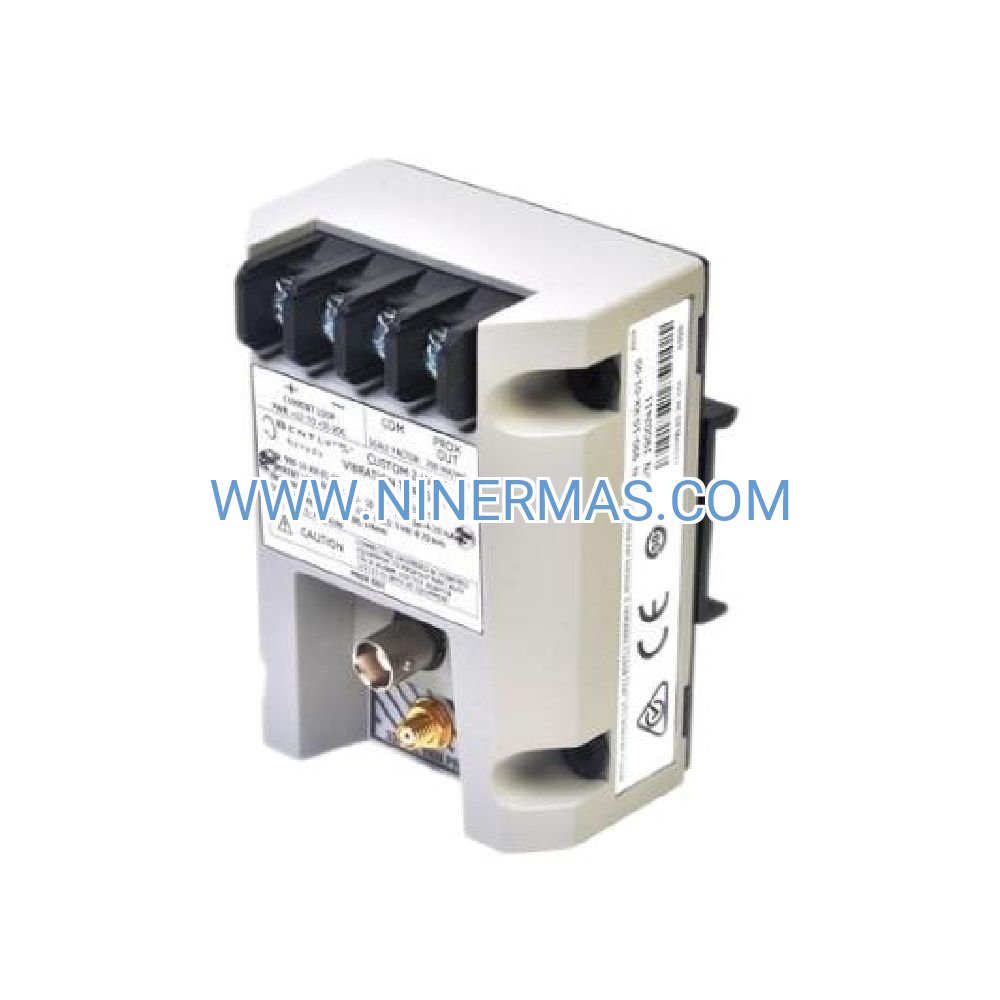
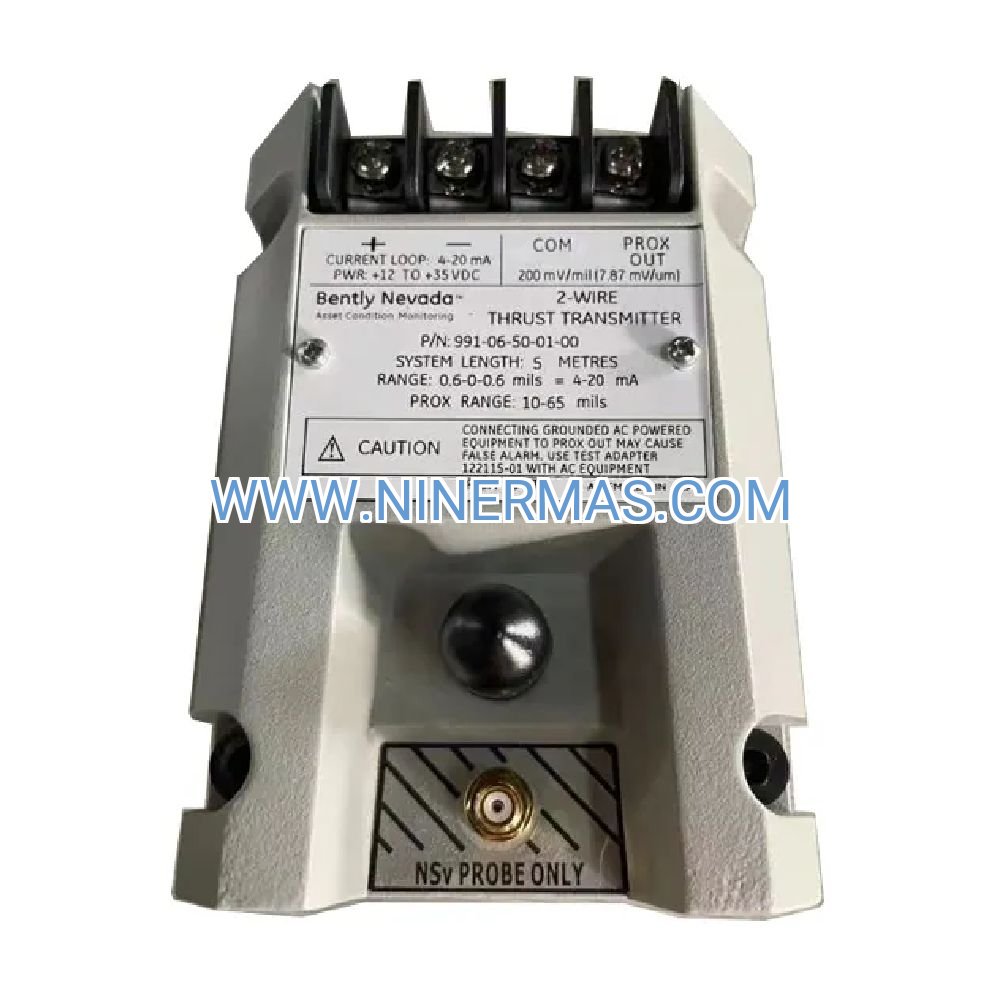
Bently Nevada 70M301 Proximity Sensor System (Industrial-Grade Turbomachinery Monitoring Solution)
The Bently Nevada 70M301 Proximity Sensor System is a precision industrial measurement device designed for continuous vibration and displacement monitoring in rotating machinery. Through advanced eddy-current sensing technology and API 670-compliant signal conditioning, this system delivers real-time shaft position data with exceptional accuracy and reliability, enabling predictive maintenance and critical machine protection.
Engineered for demanding industrial environments including power generation, oil & gas, petrochemical processing, steel manufacturing, and heavy machinery operations, the 70M301 addresses critical challenges such as bearing wear detection, rotor eccentricity measurement, thrust position monitoring, and early fault diagnosis. It helps prevent catastrophic failures, reduces unplanned downtime, and extends equipment service life through continuous condition monitoring.
With standardized configurations and customizable mounting options, this proximity sensor system offers superior measurement stability, excellent temperature compensation, robust EMI immunity, and seamless integration with DCS/SCADA platforms. Ideal for reliability engineers, maintenance teams, OEM integrators, and plant operators seeking proven turbomachinery protection solutions. Contact our application engineers for system configuration guidance and technical quotations.
Core Features & Technical Advantages
- API 670 Compliance & Industry Certification
Fully compliant with API 670 machinery protection standards, meeting stringent requirements for vibration monitoring systems in critical rotating equipment across petroleum, chemical, and power industries. - High-Precision Eddy-Current Sensing
Delivers ±1% linearity across the full measurement range with exceptional repeatability, providing accurate shaft displacement data for predictive maintenance and condition-based monitoring programs. - Wide Frequency Response (DC-10kHz)
Captures both slow-roll baseline measurements and high-frequency vibration events, enabling comprehensive analysis of rotor dynamics, bearing conditions, and mechanical anomalies across all operating speeds. - Robust Environmental Protection
Designed with industrial-grade materials and IP67-rated construction (sensor probe), withstanding extreme temperatures (-40°C to +125°C), high humidity, corrosive atmospheres, and severe mechanical vibration exposure. - Factory Calibration & Traceability
Each system ships with NIST-traceable calibration certificates and material test reports, ensuring measurement accuracy and compliance with quality management systems (ISO 9001, AS9100). - Universal System Integration
Standard 4-20mA or -10V to +10V output signals enable direct connection to PLCs, DCS platforms, vibration monitors, and SCADA systems from major vendors including Honeywell, Siemens, Emerson, and Rockwell Automation. - Long-Term Stability & Low Drift
Advanced temperature compensation circuitry and hermetically sealed electronics minimize measurement drift over extended operating periods, reducing calibration frequency and maintenance costs.
Typical Application Scenarios
The Bently Nevada 70M301 Proximity Sensor System is engineered for applications demanding continuous shaft position monitoring, vibration analysis, and machine protection in high-value rotating equipment:
- Steam & Gas Turbines in Power Generation
Monitors radial vibration, axial thrust position, and differential expansion in utility-scale turbines, providing critical data for protection systems and preventing blade rubs, bearing failures, and catastrophic rotor damage. - Centrifugal & Reciprocating Compressors
Tracks shaft displacement and bearing clearances in API 617/618 compressors used in natural gas processing, refinery operations, and chemical plants, enabling early detection of surge conditions, misalignment, and mechanical looseness. - Large Industrial Pumps & Motors
Measures rotor eccentricity and bearing wear in high-power pumps (boiler feed, cooling water, crude oil transfer) and synchronous motors, supporting condition-based maintenance strategies and reducing unplanned outages. - Gearboxes & Speed Reducers
Detects gear mesh anomalies, shaft misalignment, and bearing degradation in heavy-duty gearboxes serving mining equipment, cement mills, rolling mills, and marine propulsion systems. - Aerospace Test Stands & R&D Facilities
Provides precision displacement measurements for jet engine test cells, turbine development rigs, and high-speed rotor dynamics research, where measurement accuracy and data integrity are paramount.
Technical Specifications & Selection Guide
To facilitate engineering design and system selection, we provide comprehensive technical parameters for the Bently Nevada 70M301 Proximity Sensor System. Custom configurations are available to meet specific project requirements.
| Parameter | Specification |
|---|---|
| Measurement Range | 0-200 mils (0-5.08 mm) typical, customizable |
| Linearity | ±1% of full scale (FSO) |
| Frequency Response | DC to 10 kHz (-3dB) |
| Sensitivity | 200 mV/mil (7.87 V/mm) nominal |
| Operating Temperature | Probe: -40°C to +125°C; Proximitor: -20°C to +65°C |
| Output Signal | -10V to +10V DC or 4-20mA (configurable) |
| Power Supply | -24 VDC ±10% (standard), 110/220 VAC options available |
| Target Material | Ferromagnetic steel (4140, 4340, 17-4PH stainless) |
| Probe Thread | M18×1.5 or 3/4"-16 UNF (specify at order) |
| Cable Length | Standard 5m or 9m; extended lengths up to 30m available |
| Environmental Rating | Probe: IP67; Proximitor housing: IP54 |
| Compliance Standards | API 670, ISO 20816, IEC 61508 (SIL-capable) |
Selection Recommendations: When specifying the 70M301 system, consider the following parameters: maximum shaft runout and vibration amplitude, target material composition and surface finish, available mounting space and probe installation depth, operating temperature range, required output signal type (voltage/current), and integration with existing monitoring systems. For complex applications involving multiple measurement points, high-temperature environments, or hazardous area installations (ATEX/IECEx), please provide detailed application data sheets. Our application engineers will recommend optimal sensor configurations, mounting hardware, and signal conditioning options.
System Configuration & Integration Options
The Bently Nevada 70M301 can be configured as a complete monitoring solution with the following components and accessories:
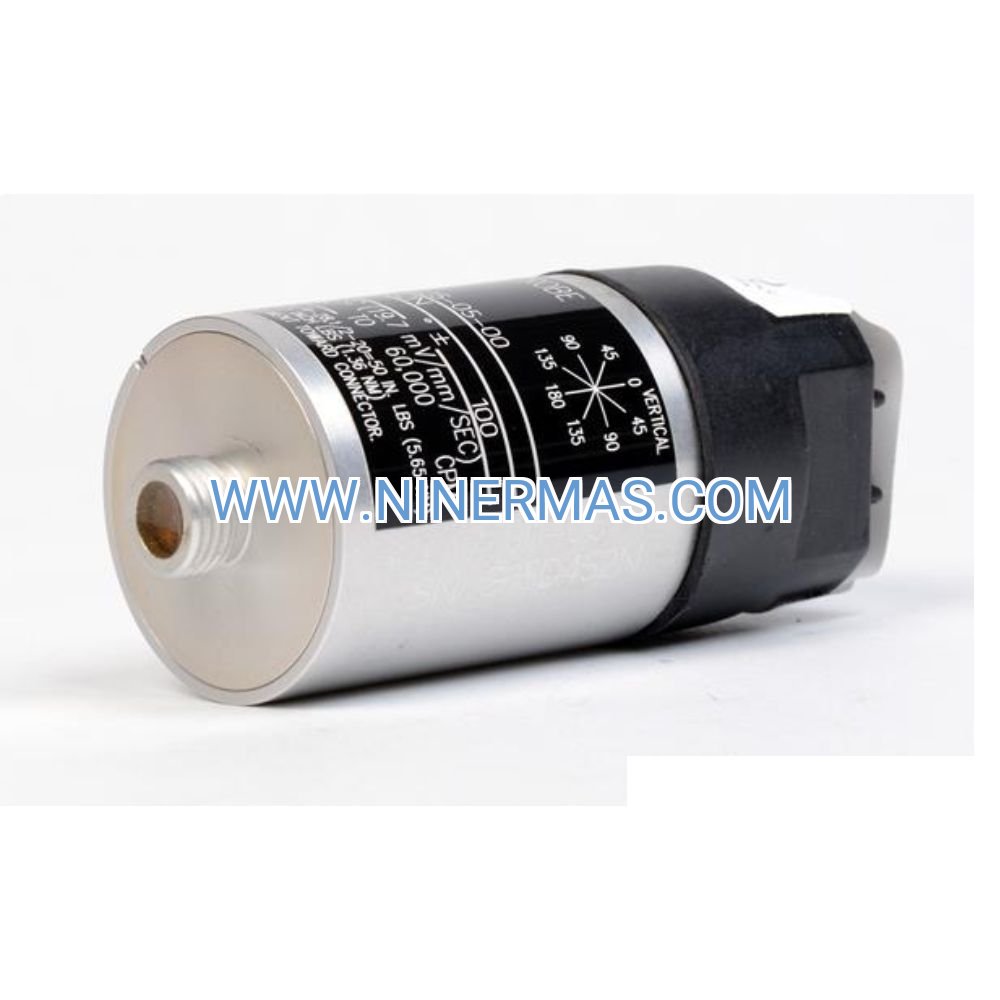
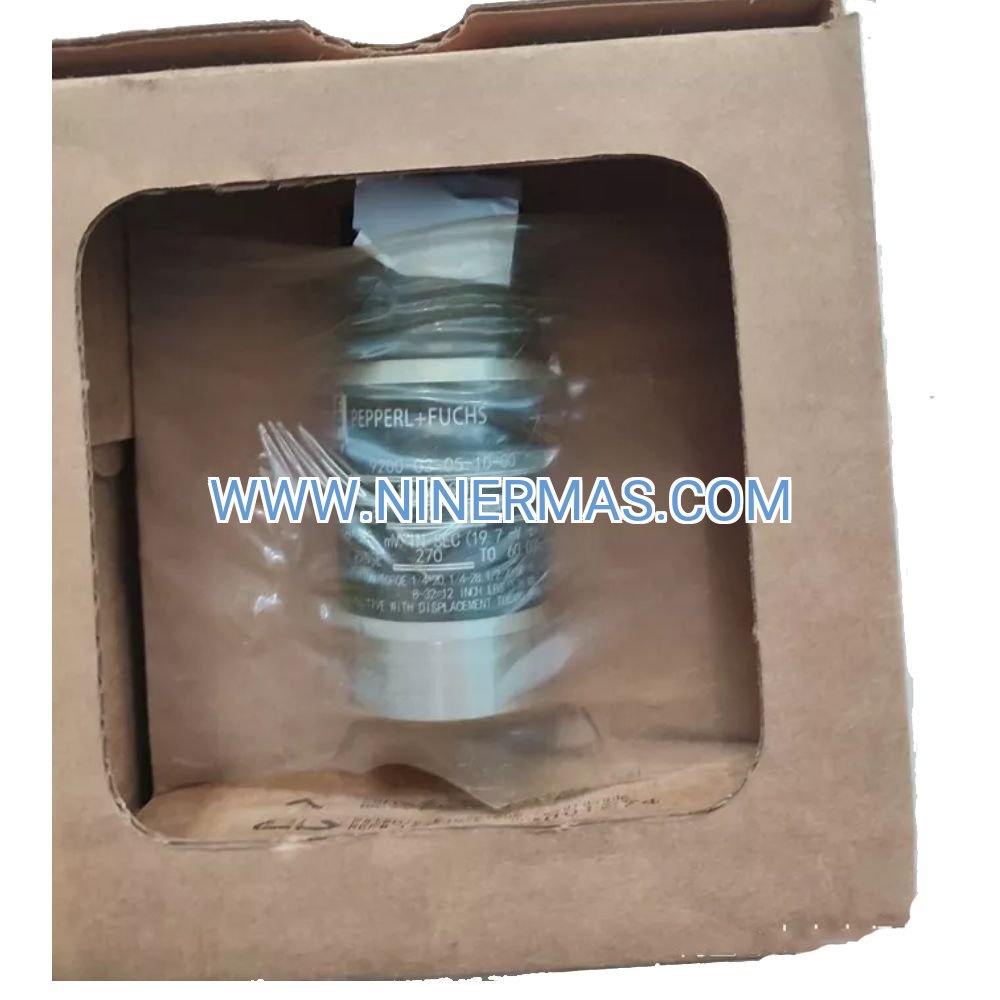
- Proximity Probe: Rugged eddy-current sensor with threaded mounting and integral cable connection
- Extension Cable: Low-noise shielded cable assemblies in standard lengths (5m, 9m) or custom lengths up to 30m
- Proximitor Transducer: Signal conditioning module converting probe impedance changes to linear voltage/current output
- Mounting Hardware: Adjustable probe holders, lock nuts, and installation tooling for precise gap setting
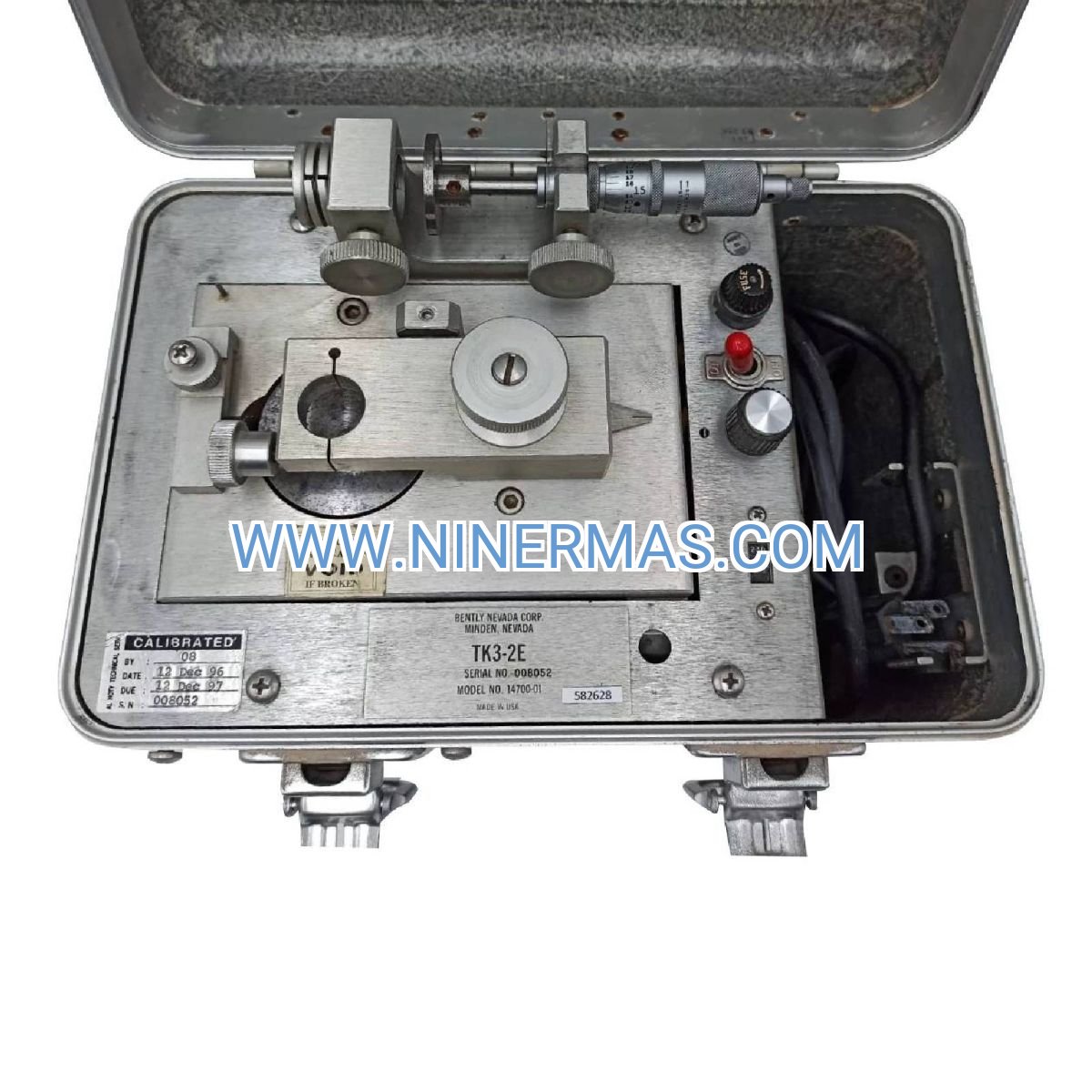
- Calibration Targets: Reference standards for field verification and periodic calibration checks
- DIN Rail Enclosures: Industrial housings for proximitor modules with terminal blocks and surge protection
- Redundant Configurations: Dual-channel systems for SIL-rated safety applications and critical machine protection
The system supports integration with major vibration monitoring platforms including Bently Nevada 3500 series, Emerson AMS Suite, SKF @ptitude, and third-party PLC/DCS systems via standard analog interfaces. Modbus RTU/TCP and HART protocol options are available for advanced diagnostics and remote configuration.
Delivery, Service & Quality Assurance
Lead Time: Standard configurations ship from stock within 3-5 business days. Custom-configured systems (special cable lengths, hazardous area certifications, extended temperature ratings) typically require 2-3 weeks for engineering and testing.
Warranty & Support: All Bently Nevada 70M301 systems include a minimum 24-month manufacturer's warranty covering materials and workmanship. Extended warranty programs and on-site commissioning support are available for large projects and critical installations.
Technical Documentation: Complete product documentation package includes installation drawings, wiring diagrams, calibration data sheets, operation manuals, and troubleshooting guides. CAD models (STEP/IGES) and 3D installation drawings are provided upon request for design integration.
Compliance & Certification: Products are manufactured under ISO 9001:2015 quality management systems and comply with CE, RoHS, and REACH directives. Hazardous area certifications (ATEX, IECEx, CSA, FM) are available for Zone 1/Division 1 installations.
Frequently Asked Questions (FAQ)
Q: How does the Bently Nevada 70M301 proximity sensor integrate with existing PLC or DCS control systems?
A: The 70M301 proximitor module provides industry-standard analog output signals (±10V DC or 4-20mA) that connect directly to analog input cards on PLCs (Allen-Bradley, Siemens, Schneider) and DCS platforms (Honeywell, Emerson DeltaV, ABB). Signal scaling and alarm setpoints are configured in your control system. For digital integration, the output can interface with vibration monitors featuring Modbus or HART communication protocols.
Q: What is the maximum number of proximity sensors that can be installed on a single rotating machine?
A: The number of sensors depends on your monitoring strategy. Typical configurations include: 2 sensors per bearing (X-Y radial vibration), 1-2 sensors for axial thrust position, and 1 keyphasor sensor for phase reference. A large steam turbine might use 12-20 proximity sensors across multiple bearings and measurement planes. Each sensor requires a dedicated proximitor signal conditioner.
Q: What energy savings or efficiency improvements can be achieved with proximity sensor monitoring?
A: While proximity sensors don't directly reduce energy consumption, they enable condition-based maintenance strategies that prevent efficiency-degrading conditions such as bearing wear (increased friction losses), rotor misalignment (coupling losses), and blade rubs (aerodynamic losses). Studies show predictive maintenance programs can reduce maintenance costs by 25-30% and extend equipment life by 20-40%, indirectly improving overall plant efficiency and availability.
Q: What are the environmental requirements for installing the 70M301 proximity sensor system?
A: The proximity probe is rated IP67 and operates from -40°C to +125°C, suitable for direct mounting on machinery in harsh industrial environments. The proximitor signal conditioner requires IP54 minimum protection (typically installed in control cabinets or junction boxes) with ambient temperatures between -20°C and +65°C. Avoid direct exposure to corrosive chemicals, continuous water spray, or extreme electromagnetic interference without appropriate shielding.
Q: Can the system support remote monitoring and data acquisition for predictive maintenance programs?
A: Yes. The analog output signals can be connected to data acquisition systems, vibration analyzers, or IIoT gateways for continuous trending and remote monitoring. When integrated with platforms like Emerson AMS, SKF @ptitude Observer, or Bently Nevada System 1, the 70M301 enables cloud-based condition monitoring, automated alarm notifications, and advanced analytics including FFT spectrum analysis, orbit plots, and machine learning-based anomaly detection.
Q: What protocols and communication standards does the Bently Nevada 70M301 support?
A: The standard 70M301 proximitor provides analog voltage or current output (non-digital). For digital communication, the analog signals can be interfaced with vibration monitors or I/O modules supporting Modbus RTU/TCP, HART, Profibus, or OPC UA protocols. Bently Nevada's 3500 series monitoring systems provide native integration with the 70M301 and offer comprehensive digital communication capabilities for enterprise-level condition monitoring networks.
Request Technical Support & Custom Solutions
To obtain detailed application engineering support, system configuration recommendations, or project quotations, please provide the following information: project name and industry sector, equipment type and operating parameters (speed, temperature, power), number of measurement points required, target shaft material and diameter, mounting constraints and available space, environmental conditions (temperature, humidity, hazardous area classification), required output signal type and integration platform, and any specific compliance or certification requirements.
Our application engineers will provide one-on-one consultation, system architecture drawings, bill of materials, and competitive pricing within 24-48 hours for standard configurations.
© 2026 NINERMAS COMPANY LIMITED. All rights reserved. Original Source: https://ninermas.com Contact: sale@ninermas.com | +0086 187 5021 5667

Contact Info
-
Address:22 / F, South Wo Hang building, 148 Wing Lok Street, Sheung Wan, Western District, Hong Kong
-
Phone:+8618750215667
-
Email: