


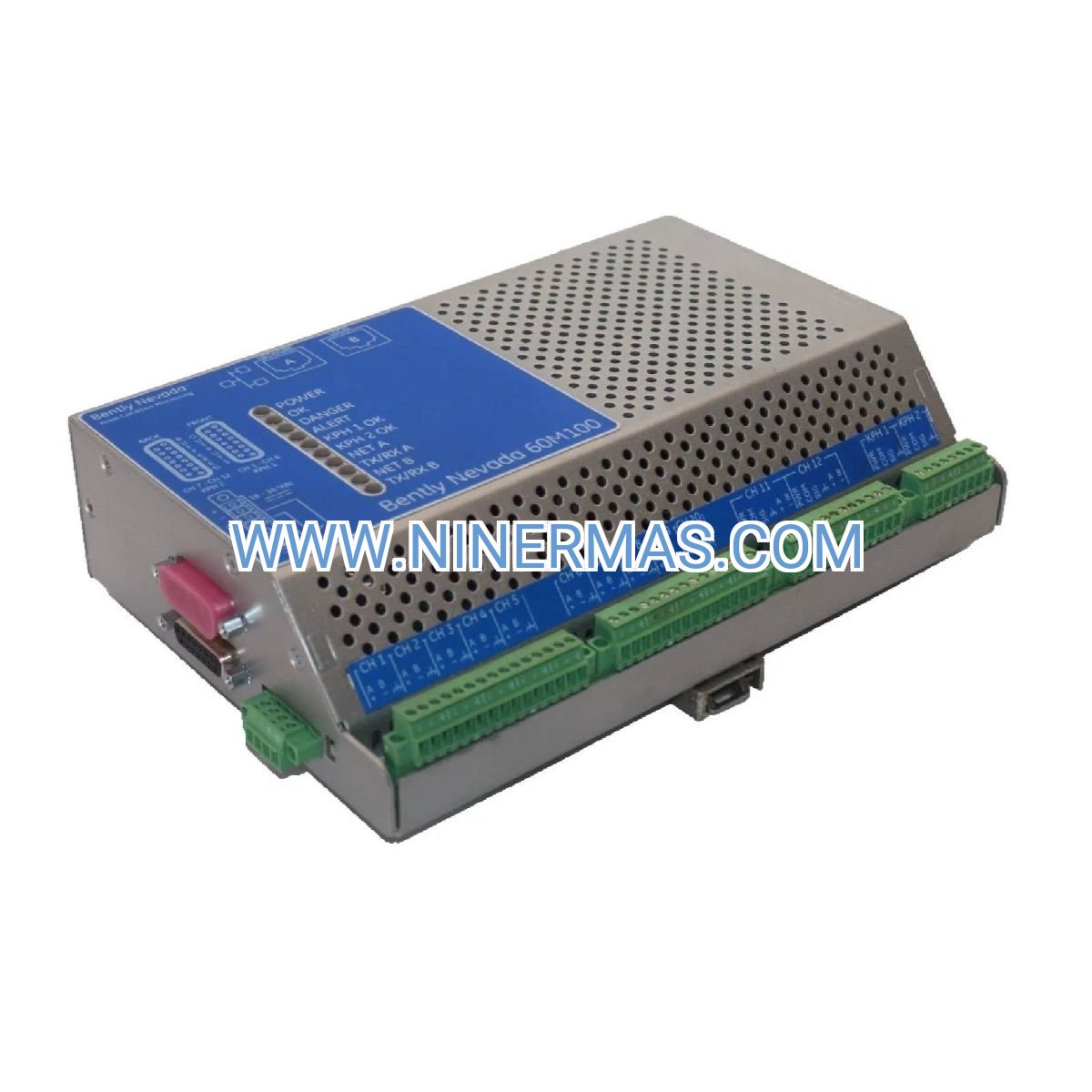

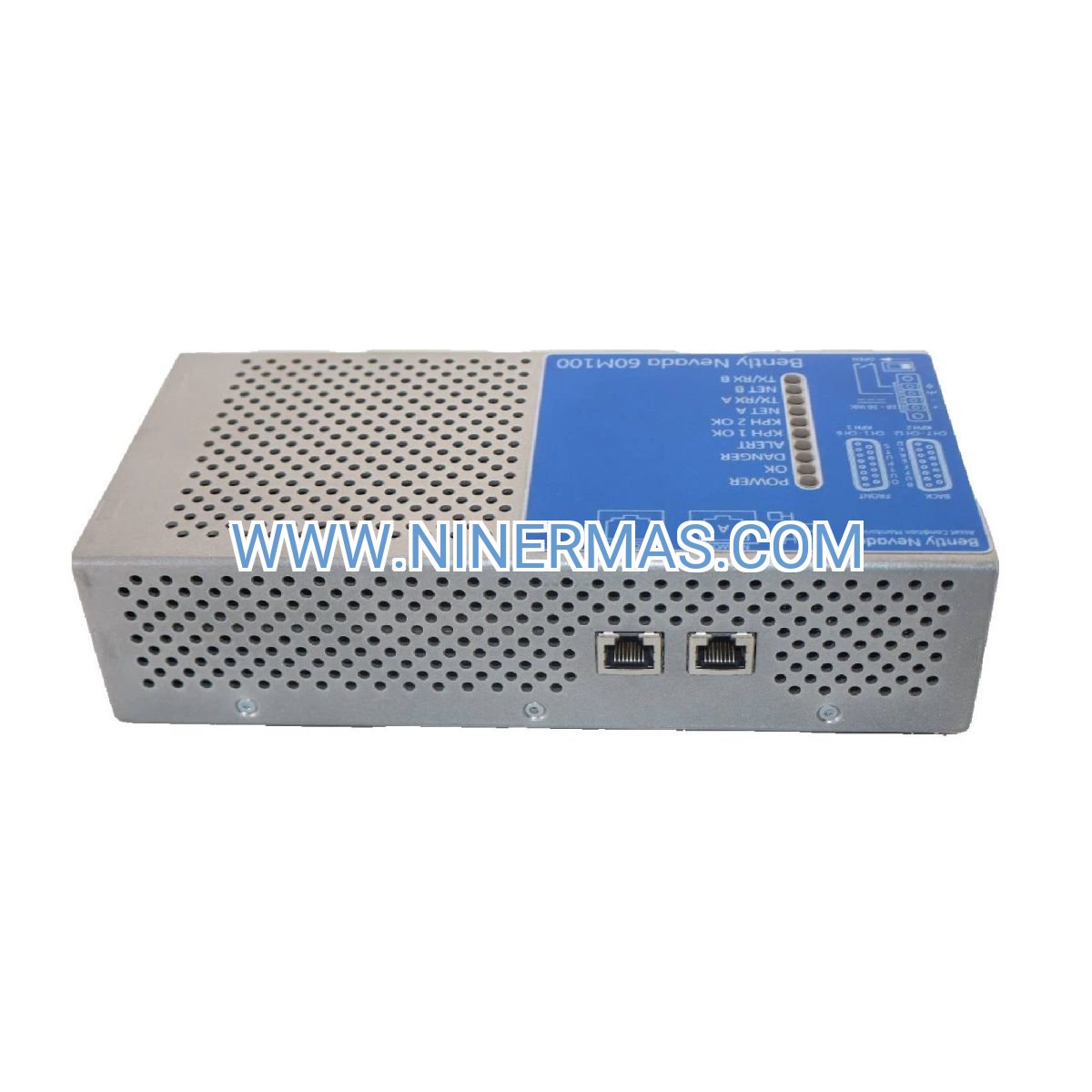
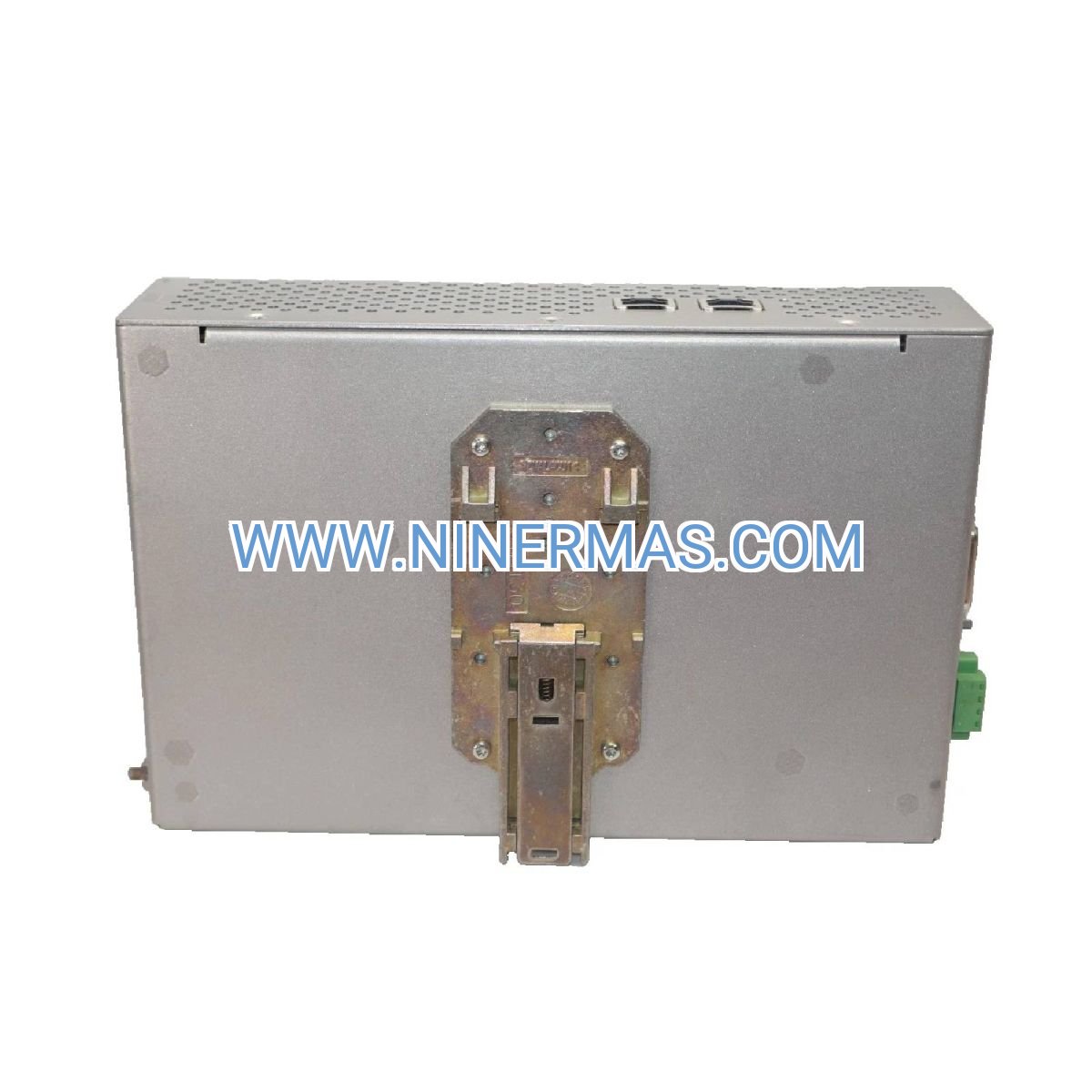
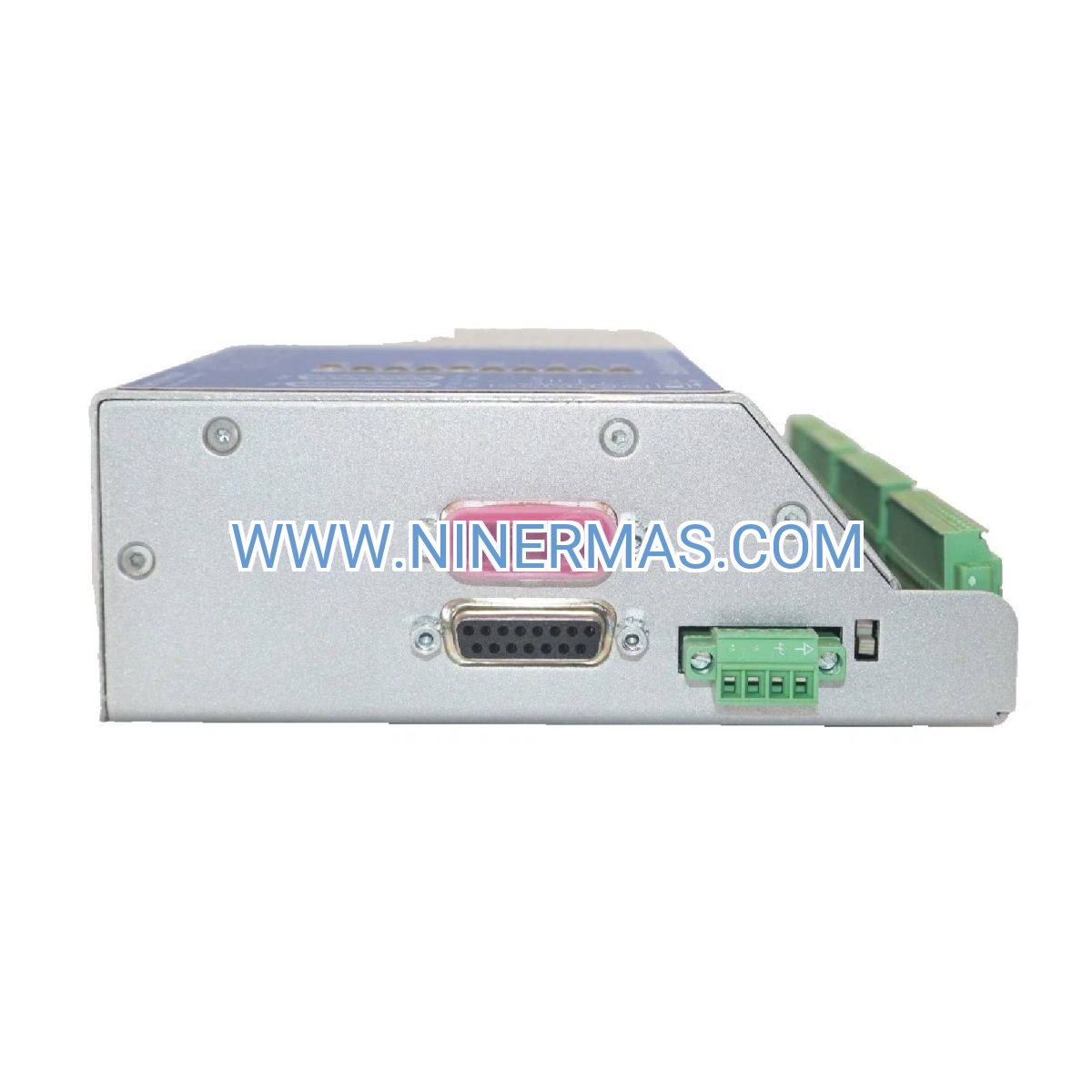
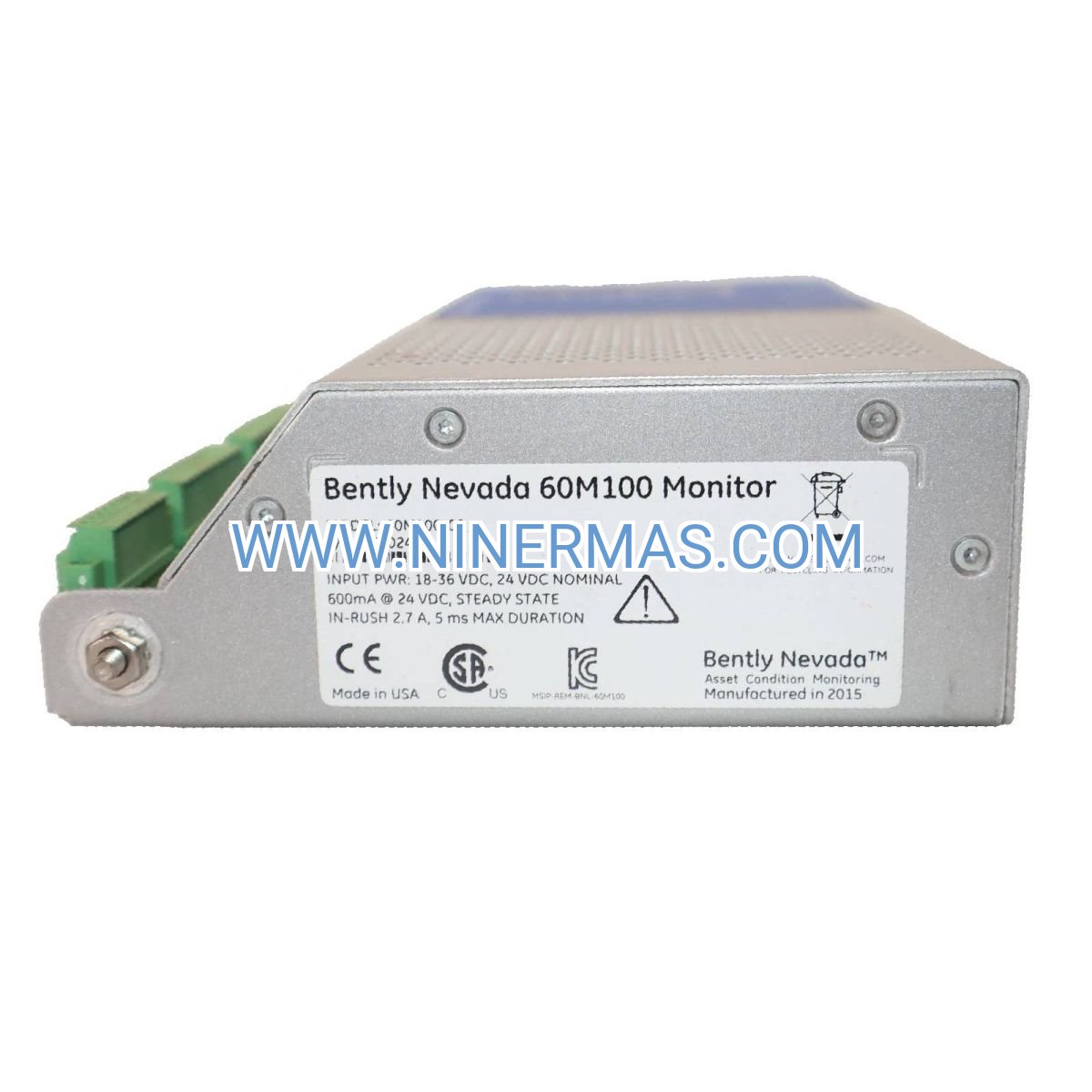
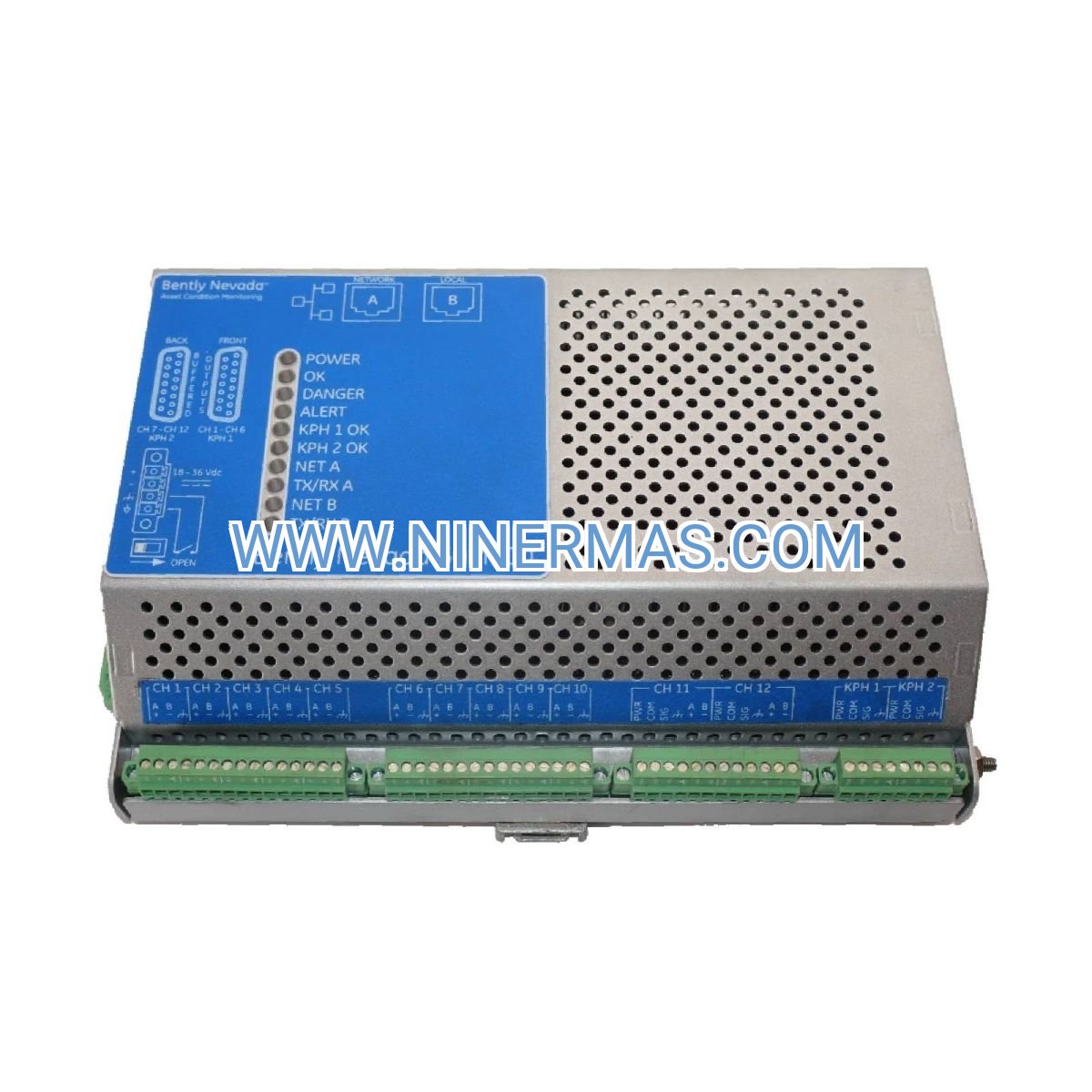
Bently Nevada 60M100-00 Wireless Vibration Sensor | Triaxial Monitoring Solution | NINERMAS
Description
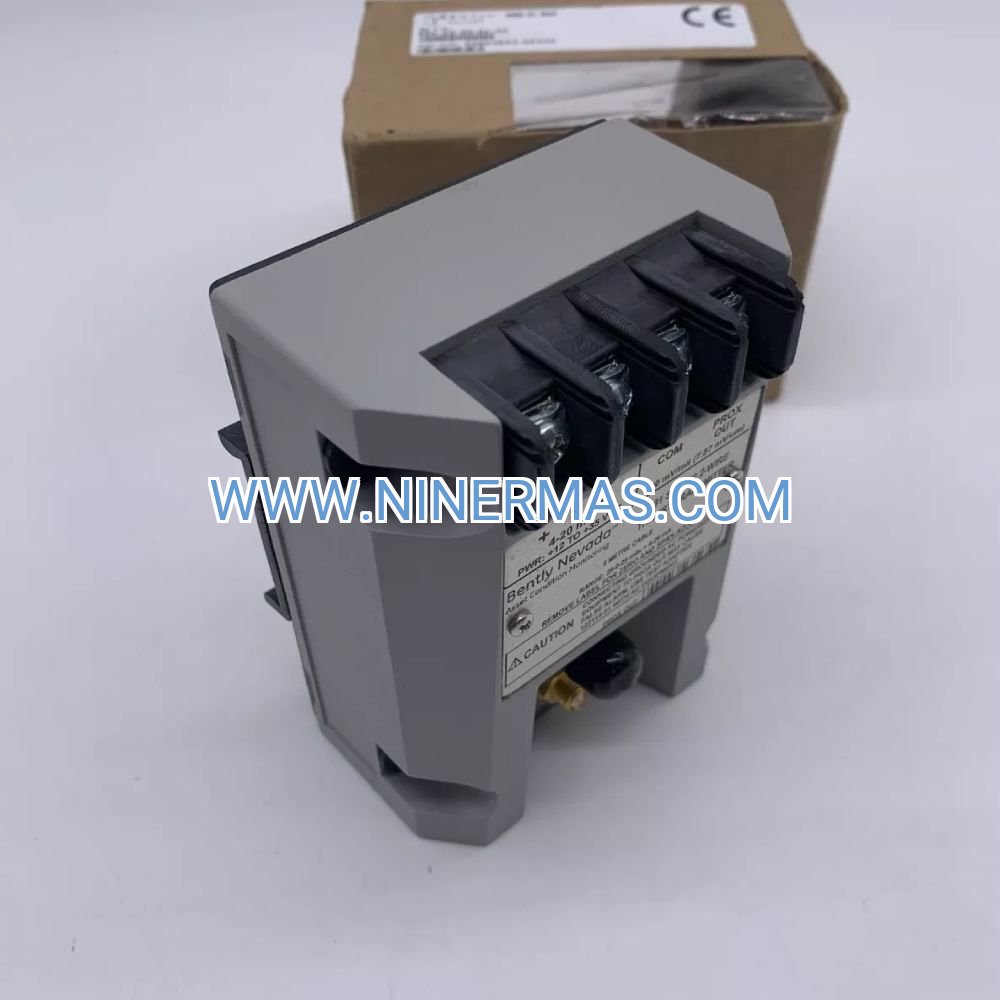
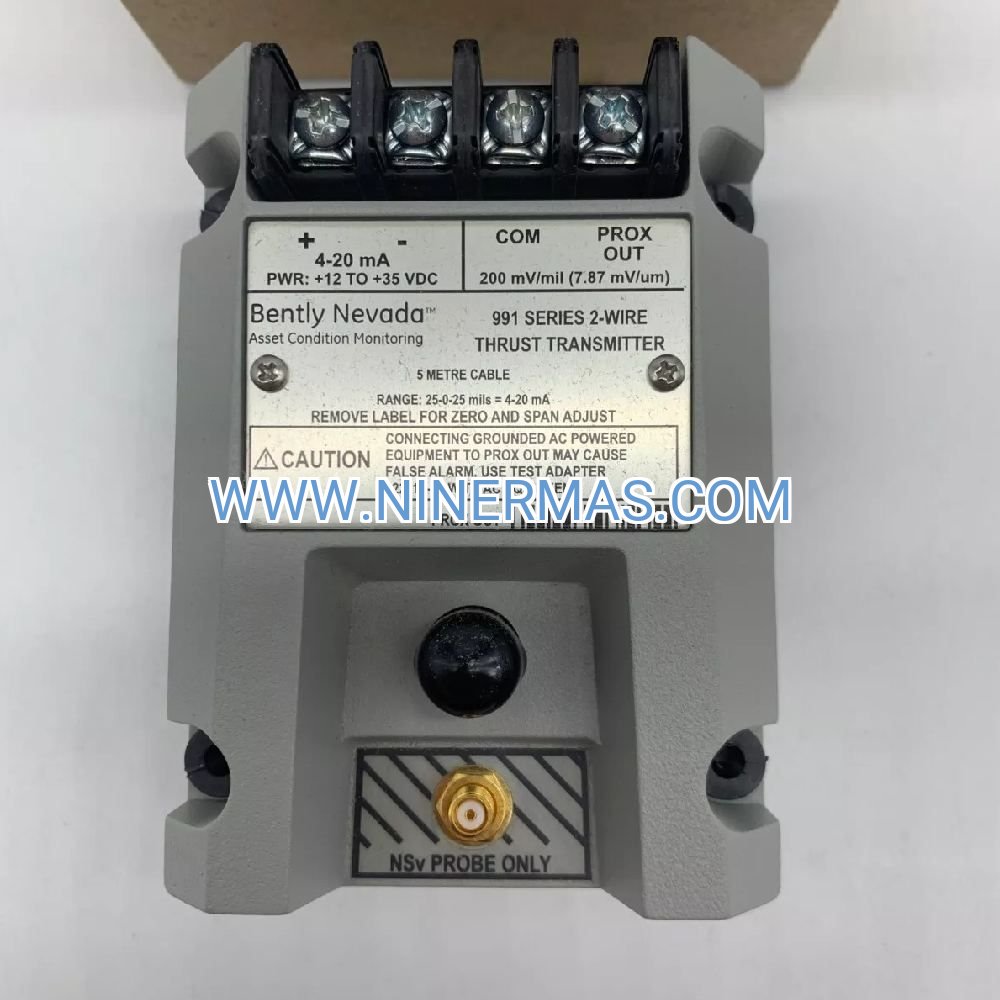
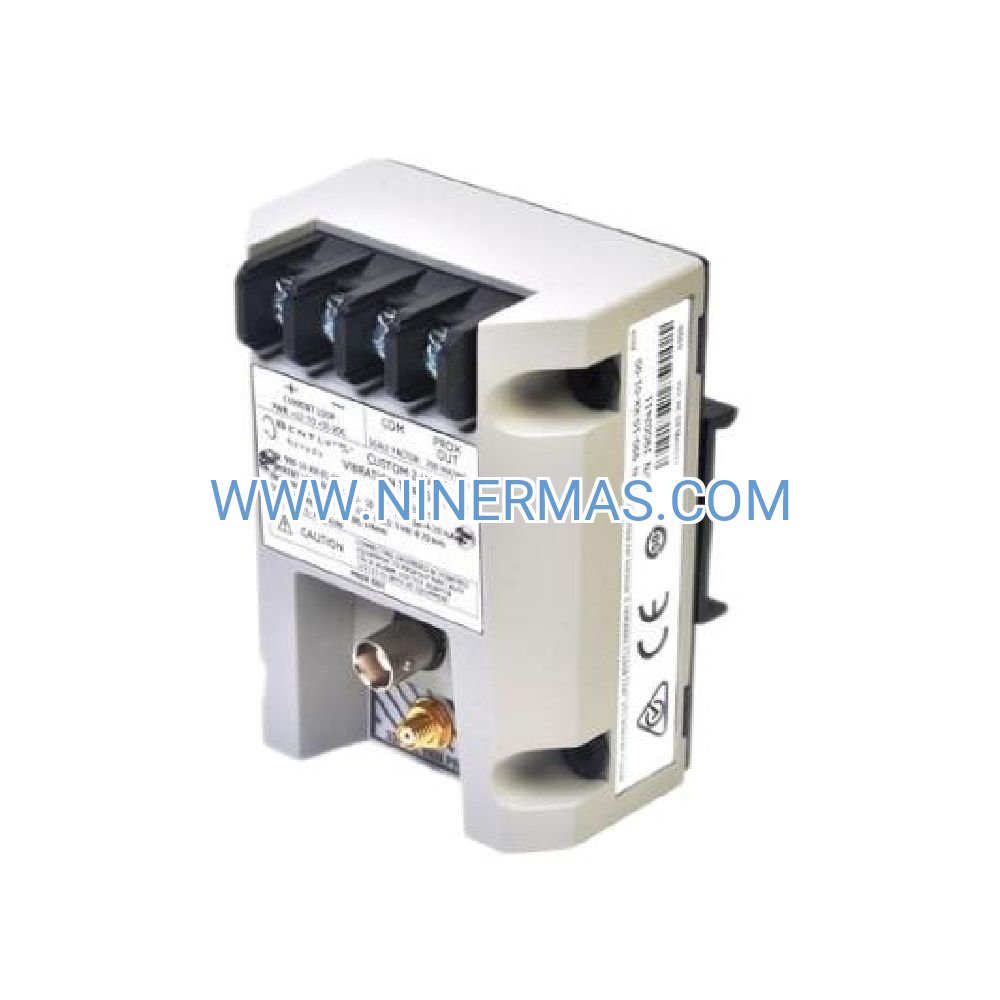
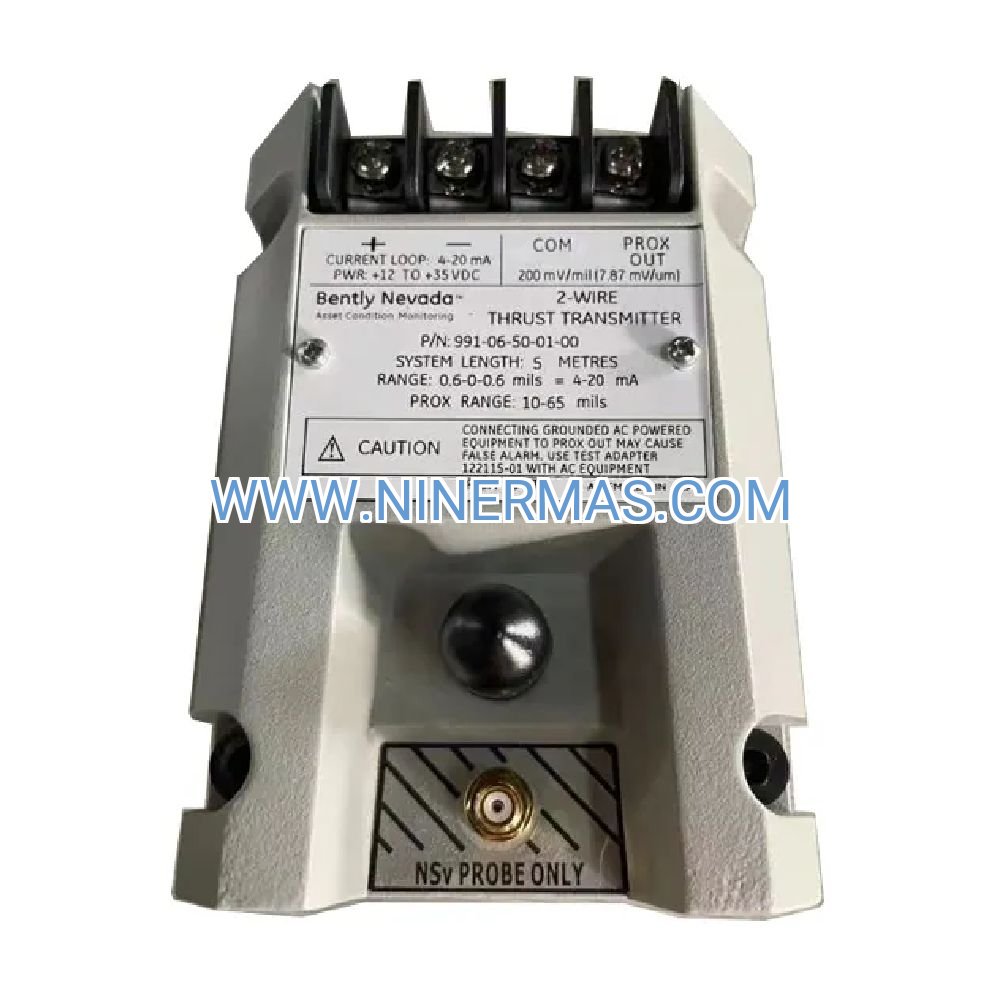
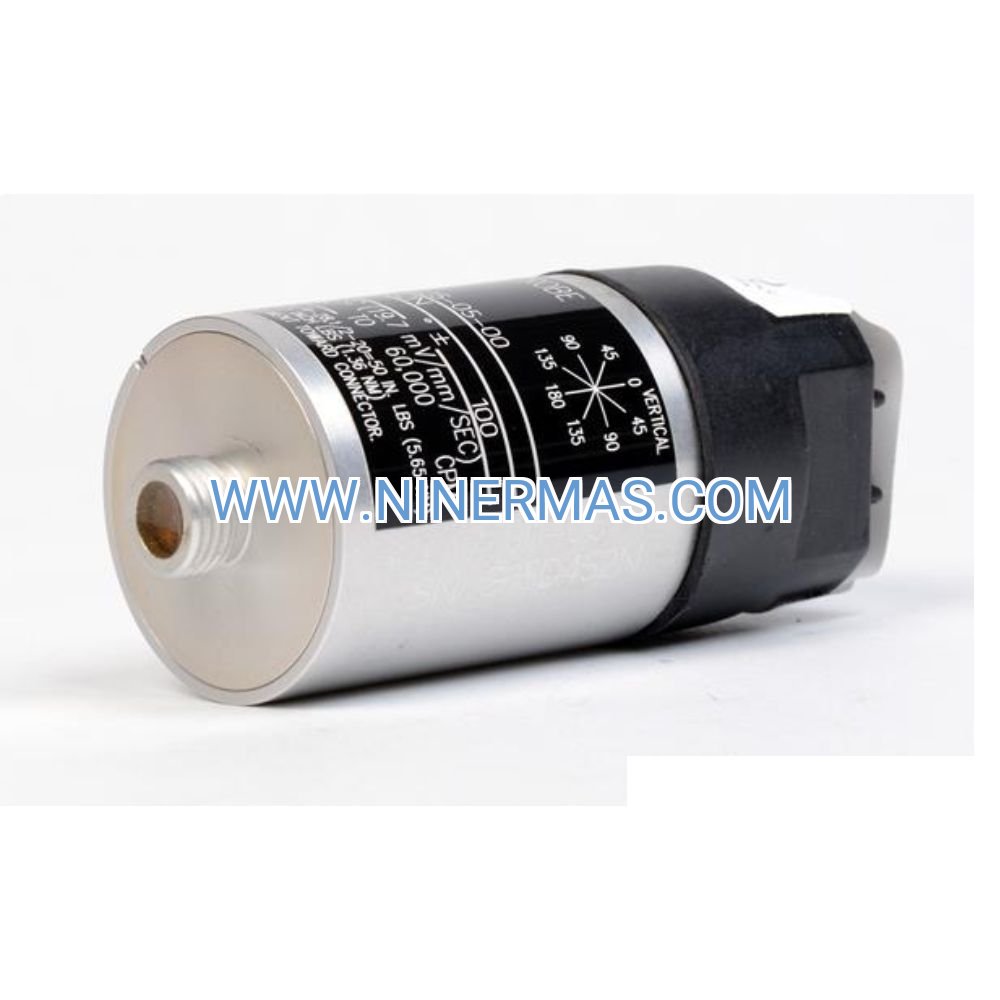
60M100-00 Wireless Triaxial Accelerometer (Industrial-Grade Machinery Diagnostics)
Engineered for continuous asset health surveillance, the 60M100-00 delivers three-axis vibration intelligence without infrastructure complexity. This battery-operated MEMS sensor transforms reactive maintenance into data-driven predictive strategies, cutting emergency repairs by 40-60% while extending equipment lifespan across rotating machinery fleets.
Designed for harsh industrial environments, the sensor operates reliably from -40°C to +85°C with IP67 ingress protection. Its ISM 2.4 GHz wireless architecture eliminates costly cable installations while maintaining measurement precision across pumps, motors, compressors, and gearboxes. With 5-year battery autonomy and ATEX Zone 2 certification, the 60M100-00 enables scalable monitoring programs that adapt to evolving operational needs.
Whether you're launching a pilot predictive maintenance initiative or expanding existing condition monitoring coverage, this sensor provides the foundation for actionable vibration analytics. Deploy across 100+ machines with a single gateway, capture baseline signatures in minutes, and transition from time-based to condition-based maintenance workflows that optimize both uptime and maintenance spend.
Core Capabilities & Business Impact
→ Cable-Free Deployment Architecture
Eliminate conduit runs, junction boxes, and intrinsically safe barriers. Magnetic mounting enables 5-minute installations on bearing housings, motor frames, or gearbox casings. Relocate sensors across facilities without rewiring—ideal for temporary diagnostics, commissioning verification, or evolving monitoring priorities.
→ Three-Axis Vibration Capture
Simultaneous X, Y, Z measurement reveals complex fault patterns invisible to single-axis sensors. Detect misalignment through axial vibration, identify bearing defects via radial signatures, and correlate multi-directional data for comprehensive machine health assessment. Configurable ±2g to ±16g ranges accommodate diverse equipment types.
→ Extended Operational Autonomy
Replaceable lithium battery delivers 5 years of continuous monitoring at standard sampling intervals. Configurable data transmission schedules balance battery life against diagnostic resolution. Low-battery alerts via System 1 software prevent measurement gaps during critical monitoring campaigns.
→ Hazardous Location Compatibility
ATEX Zone 2 and IECEx certifications enable deployment in classified areas without explosion-proof enclosures. Monitor equipment in refineries, chemical plants, or offshore platforms where wired sensors require costly intrinsically safe infrastructure. IP67 rating withstands washdown environments and outdoor installations.
✓ Scalable Multi-Sensor Networks
Single gateway aggregates data from 100 sensors across 30-meter industrial ranges (100m line-of-sight). Mesh networking ensures reliable transmission through steel structures and electromagnetic interference. Add monitoring points incrementally without I/O card expansions or PLC programming.
✓ High-Frequency Fault Detection
2 Hz to 10 kHz frequency response captures bearing defects, gear mesh issues, and cavitation signatures. 25.6 kHz sampling rate enables envelope analysis for early-stage bearing fault identification. 0.5 mg RMS resolution detects subtle vibration changes before failures propagate.
Application Scenarios & Problem Resolution
Rotating Equipment Health Programs
Monitor centrifugal pumps, induction motors, cooling tower fans, and air compressors for unbalance, misalignment, bearing wear, and mechanical looseness. Establish vibration baselines during commissioning, then track degradation trends to schedule bearing replacements during planned outages rather than emergency shutdowns. Typical use case: 20-machine pump station with 40-60 sensors providing 24/7 surveillance.
Remote Asset Surveillance
Oversee equipment in hazardous zones, outdoor substations, or difficult-access locations without running cables through explosive atmospheres or extreme environments. Deploy on offshore platform compressors, rooftop HVAC units, or underground conveyor systems where wired infrastructure is prohibitively expensive. Wireless architecture reduces installation costs by $500-$1,500 per monitoring point.
Gearbox & Drivetrain Diagnostics
Capture gear mesh frequencies, sideband modulation, and bearing fault signatures in multi-stage gearboxes. Three-axis measurement reveals load distribution issues and shaft misalignment that single-axis sensors miss. Frequency domain analysis identifies specific gear tooth defects, enabling targeted repairs instead of complete gearbox replacements.
Temporary Monitoring Campaigns
Deploy sensors for short-term troubleshooting, acceptance testing, or seasonal equipment verification without permanent installation commitments. Relocate sensors from summer cooling equipment to winter heating systems as operational priorities shift. Magnetic mounting enables rapid redeployment across changing asset portfolios.
Predictive Maintenance Transitions
Migrate from reactive or time-based maintenance to condition-based strategies. Establish vibration severity thresholds per ISO 10816 standards, configure automated alerts for abnormal conditions, and schedule interventions based on actual equipment health rather than arbitrary calendar intervals. Reduce maintenance costs by 30-40% while improving equipment availability.
Technical Parameters & Selection Criteria
| Parameter | Specification | Selection Consideration |
| Sensor Technology | MEMS triaxial accelerometer | Lower cost than piezoelectric; suitable for <10 kHz applications |
| Measurement Range | ±16 g peak (±2/±4/±8g configurable) | ±2g for low-speed (<1800 RPM), ±16g for high-vibration equipment |
| Frequency Response | 2 Hz – 10 kHz | Covers 99% of industrial machinery faults; not for ultrasonic |
| Sampling Rate | Up to 25.6 kHz | Enables bearing fault envelope analysis and high-order harmonics |
| Resolution | 0.5 mg RMS | Detects early-stage faults; 10× better than consumer-grade sensors |
| Wireless Protocol | ISM 2.4 GHz (IEEE 802.15.4) | Global license-free band; coexists with Wi-Fi/Bluetooth |
| Transmission Range | 30m typical (100m line-of-sight) | Plan gateway placement for 20-25m sensor spacing in plants |
| Battery Life | 5 years @ 1 sample/hour | Higher sampling reduces life; 2 samples/hour = ~3 years |
| Operating Temperature | -40°C to +85°C | Covers arctic to desert climates; use heat shields >85°C |
| Ingress Protection | IP67 | Submersion-resistant; suitable for washdown and outdoor use |
| Hazardous Area Rating | ATEX Zone 2, IECEx | Not for Zone 0/1; requires certified gateway in Zone 2 |
| Mounting Options | Magnetic base or M6 stud | Magnetic for temporary; stud mount for permanent/high-vibration |
| Dimensions | 76mm H × 38mm Ø | Compact footprint fits tight bearing housing spaces |
| Weight | 200g (with battery) | Minimal mass loading on small machines (<1 HP motors) |
Selection Guide:
- Low-Speed Equipment (<1800 RPM): Configure ±2g range for maximum resolution
- High-Vibration Machines: Use ±16g range to prevent clipping on impacting equipment
- Critical Assets: Increase sampling to 4-6 samples/hour for faster fault progression tracking
- Non-Critical Equipment: 1 sample/hour balances battery life with adequate trending
- Hazardous Locations: Verify Zone 2 classification; use certified gateway models
Advanced Integration & Customization
Industrial IoT Connectivity
System 1 software provides Modbus TCP, OPC UA, and RESTful API interfaces for SCADA/DCS integration. Stream vibration data to cloud analytics platforms (AWS IoT, Azure IoT Hub) for machine learning-based anomaly detection. Export trend data to CMMS systems (SAP PM, Maximo) for automated work order generation.
Multi-Parameter Monitoring
Combine vibration sensors with wireless temperature, pressure, and flow sensors on the same gateway network. Correlate vibration spikes with process parameter changes to identify root causes. Example: Detect pump cavitation by correlating vibration increase with suction pressure drop.
Custom Alarm Logic
Configure multi-stage alerts: Advisory (10% above baseline) → Warning (25% increase) → Danger (50% increase or ISO 10816 Zone D). Set frequency-band alarms for specific fault types (bearing frequencies, gear mesh, 1× RPM). Route notifications via email, SMS, or plant alarm systems.
Firmware Configurability
Adjust sampling rates, transmission intervals, and measurement ranges via System 1 software without physical sensor access. Update sensor firmware remotely for new diagnostic features or protocol enhancements. Configure sleep modes for seasonal equipment to extend battery life during idle periods.
Delivery Timeline & Service Commitments
Standard Lead Time: 3-5 business days for stock items; ships from authorized Bently Nevada distribution centers in North America, Europe, and Asia-Pacific.
Expedited Options: Next-day air available for emergency replacements or urgent project deadlines (additional freight charges apply).
Warranty Coverage: 24-month manufacturer warranty covering defects in materials and workmanship. Warranty honored globally through Baker Hughes service network.
Technical Support: Application engineering assistance for sensor placement, baseline establishment, and alarm threshold configuration. Remote commissioning support via video call or screen sharing.
Documentation Package: Installation manual, quick start guide, calibration certificate, and compliance declarations (CE, FCC, ATEX) included with each sensor.
Return Policy: 30-day returns on unused sensors in original packaging. Restocking fee waived for defective units or incorrect shipments.
Frequently Asked Questions
How does wireless sensor accuracy compare to wired accelerometers?
The 60M100-00 uses the same MEMS accelerometer technology as wired sensors, with identical ±1% accuracy specifications. Wireless transmission does not degrade measurement quality—digital data packets ensure bit-perfect delivery to the gateway. Independent testing per ISO 10816 confirms equivalent performance to wired systems for frequencies below 10 kHz.
What factors affect wireless transmission reliability in industrial plants?
Steel structures, electrical cabinets, and motor drives can reduce range from 100m (line-of-sight) to 30m (typical industrial). Position gateways centrally within sensor clusters, avoid placing sensors inside metal enclosures, and use mesh networking for extended coverage. Signal strength indicators in System 1 software help optimize gateway placement during commissioning.
Can I monitor high-speed turbines or spindles with this sensor?
The 10 kHz frequency limit suits equipment up to ~15,000 RPM for fundamental frequency analysis. For higher speeds or ultrasonic bearing fault detection, consider wired proximity probes or high-frequency accelerometers. The 60M100-00 excels at 99% of industrial machinery operating below 10,000 RPM.
How do I determine optimal sensor quantity for my facility?
Typical installations use 2-3 sensors per machine: motor drive end (radial), motor non-drive end (radial + axial), and driven equipment (pump/fan/gearbox). Critical assets may require 4-6 sensors for comprehensive coverage. Start with high-value or failure-prone equipment, then expand based on ROI analysis.
What ongoing maintenance does the sensor require?
Battery replacement every 5 years is the primary maintenance task (15-minute procedure). Periodically verify magnetic base adhesion and clean mounting surfaces to maintain coupling quality. Firmware updates via System 1 software add new features without physical sensor access. No calibration required during operational life.
Is the sensor compatible with non-Bently Nevada monitoring systems?
The 60M100-00 requires a Bently Nevada wireless gateway and System 1 software for data collection and analysis. However, System 1 supports industry-standard protocols (Modbus, OPC UA) for integration with third-party SCADA, DCS, or analytics platforms. Raw vibration data can be exported to external systems via API.
Ready to Deploy Wireless Vibration Monitoring?
Contact our application engineers for sensor quantity estimates, gateway placement recommendations, and System 1 software licensing options. We'll help you design a scalable monitoring architecture that aligns with your predictive maintenance objectives and budget constraints.
? Email: sale@ninermas.com | ? Phone: +0086 187 5021 5667
© 2026 NINERMAS COMPANY LIMITED. All rights reserved.
Original Source: https://ninermas.com
Contact: sale@ninermas.com | +0086 187 5021 5667

Contact Info
-
Address:22 / F, South Wo Hang building, 148 Wing Lok Street, Sheung Wan, Western District, Hong Kong
-
Phone:+8618750215667
-
Email:
