Description
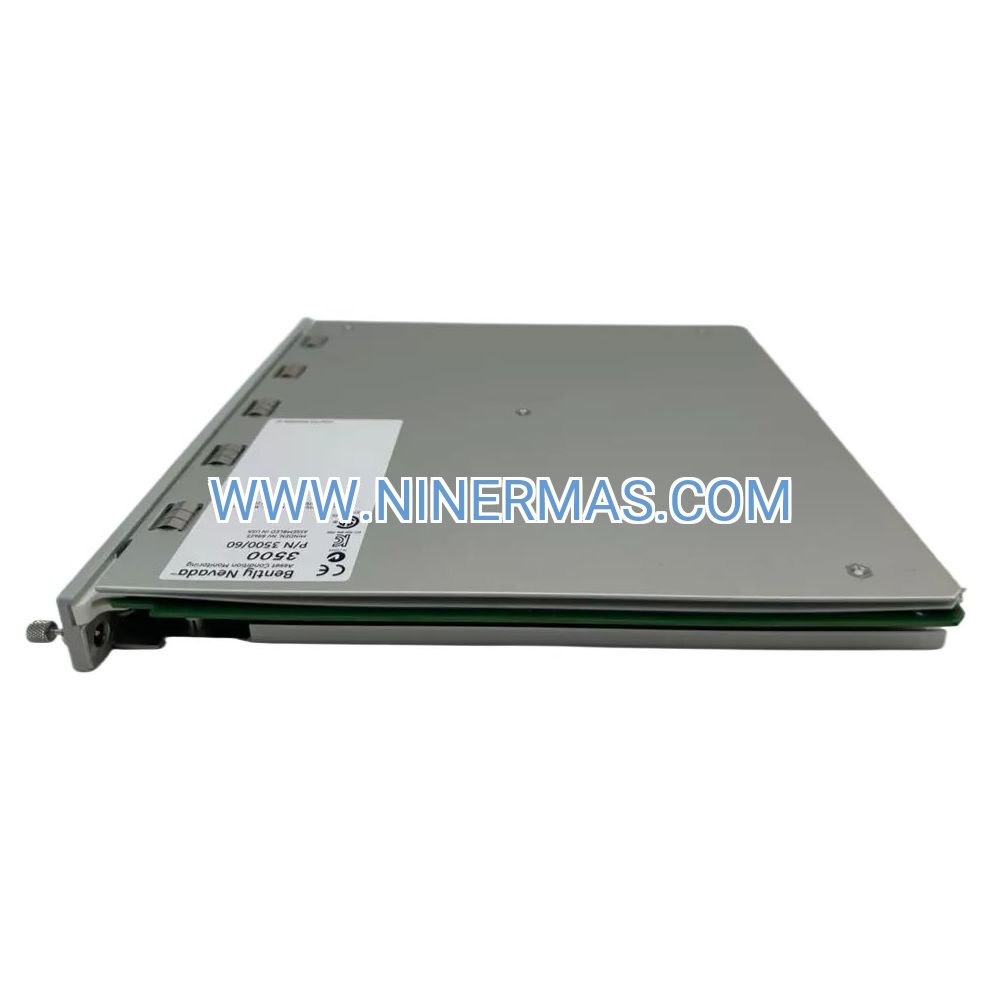
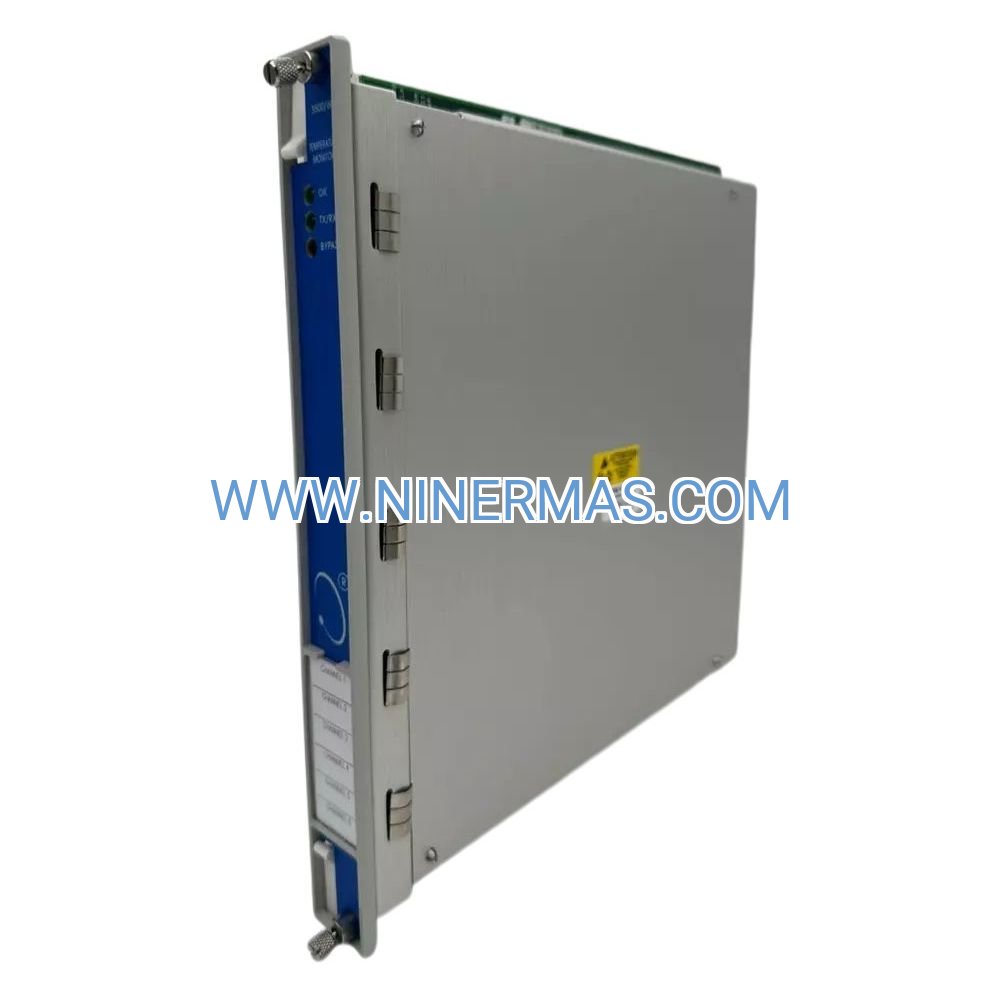
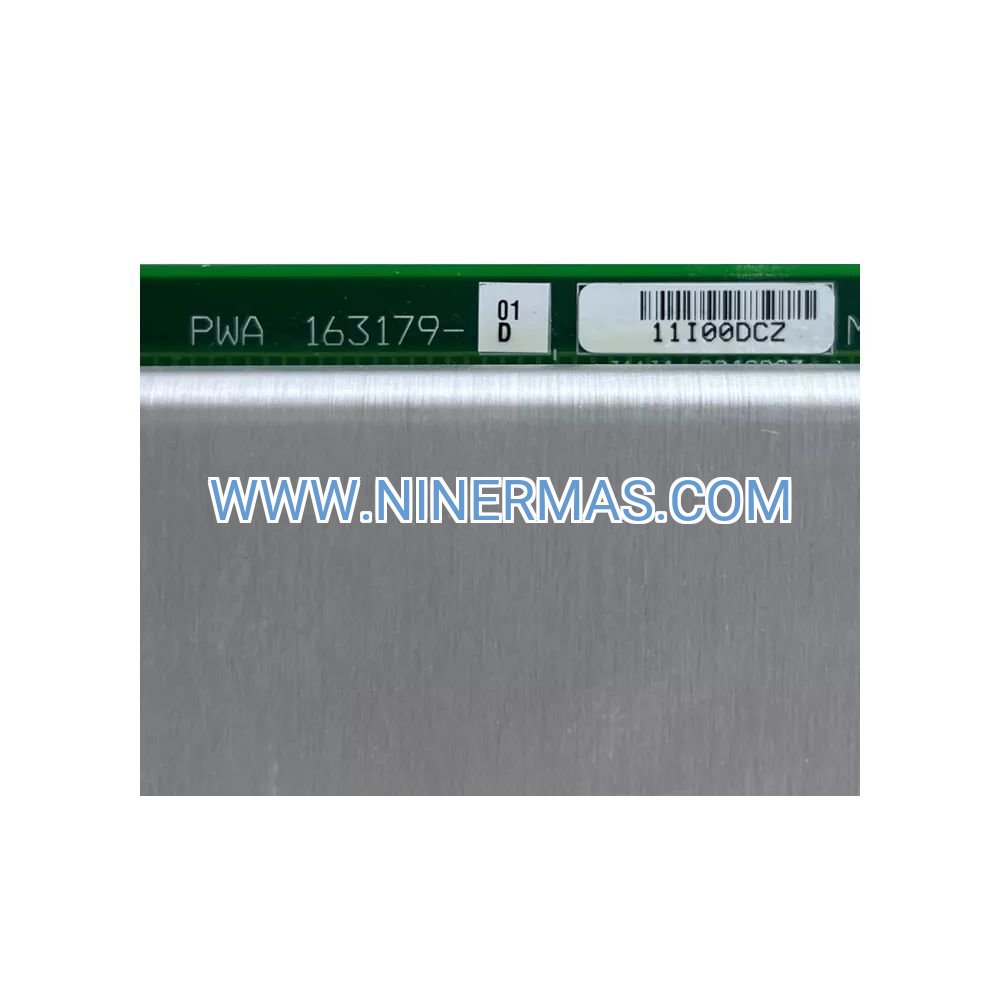
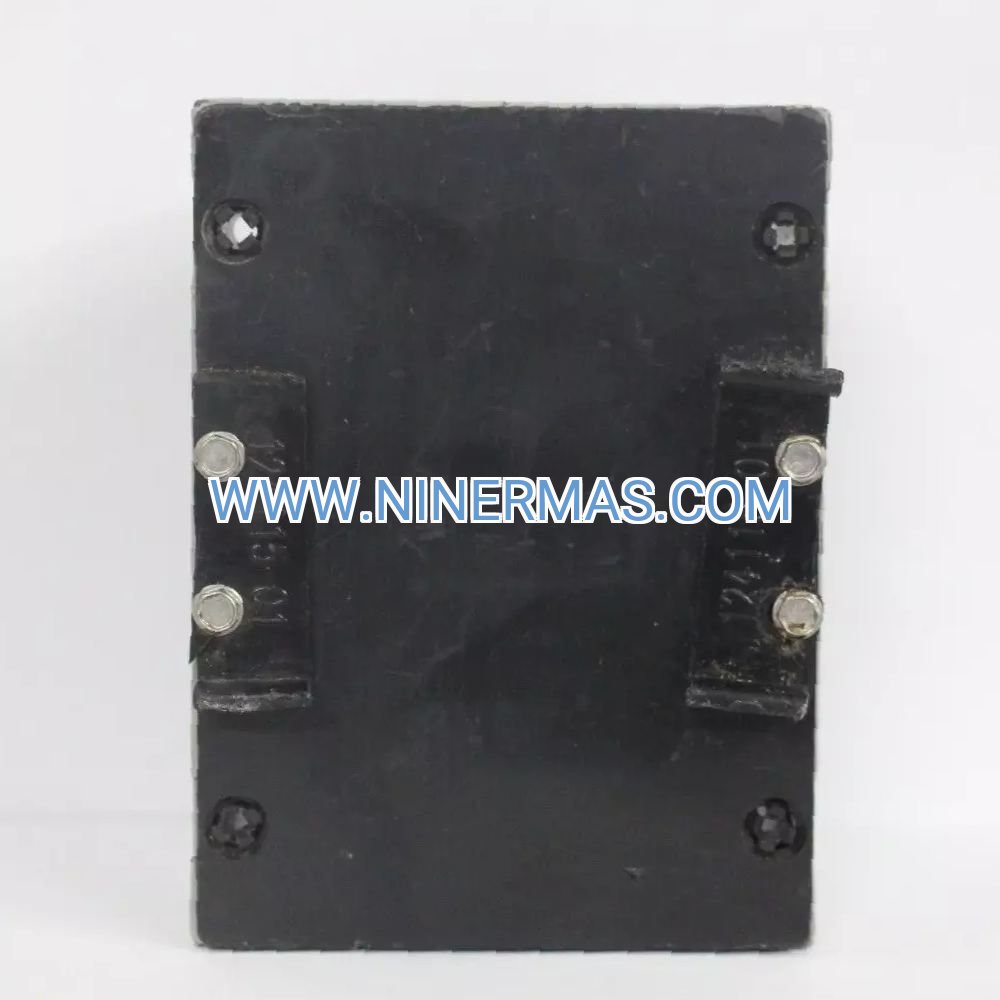
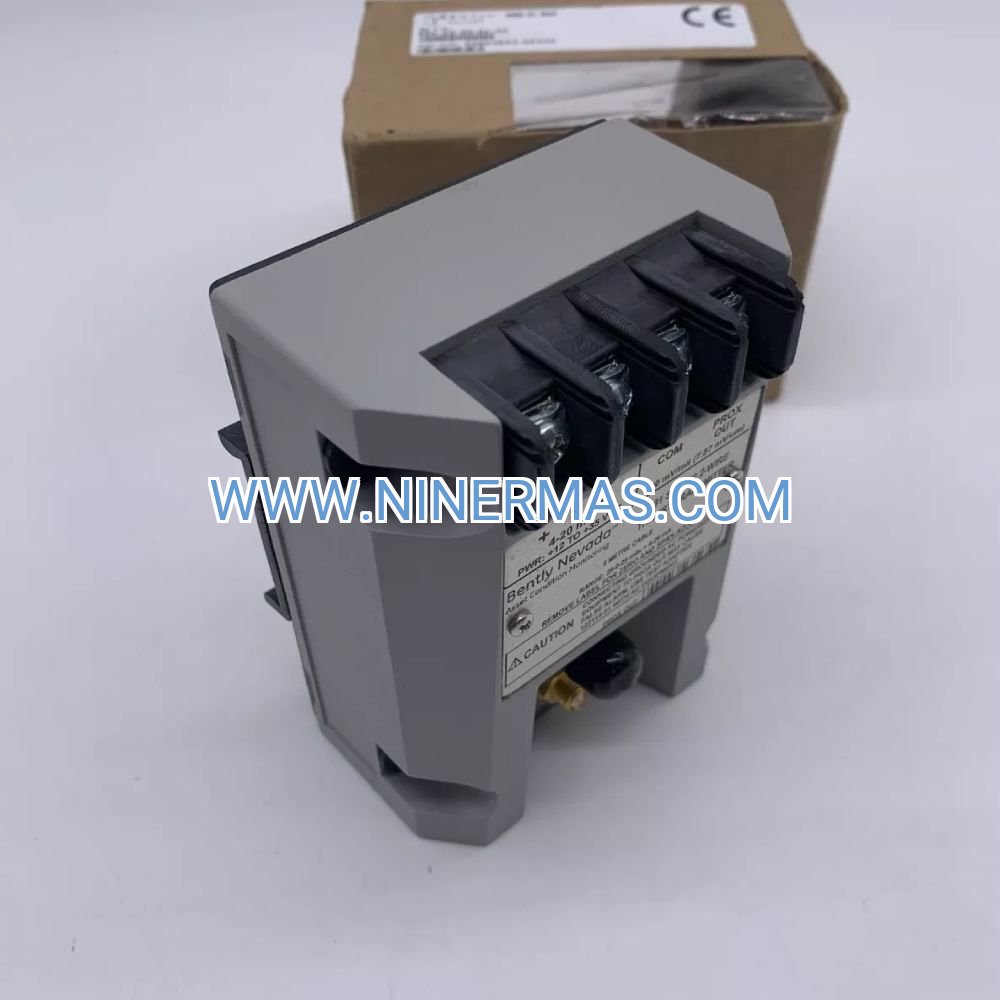
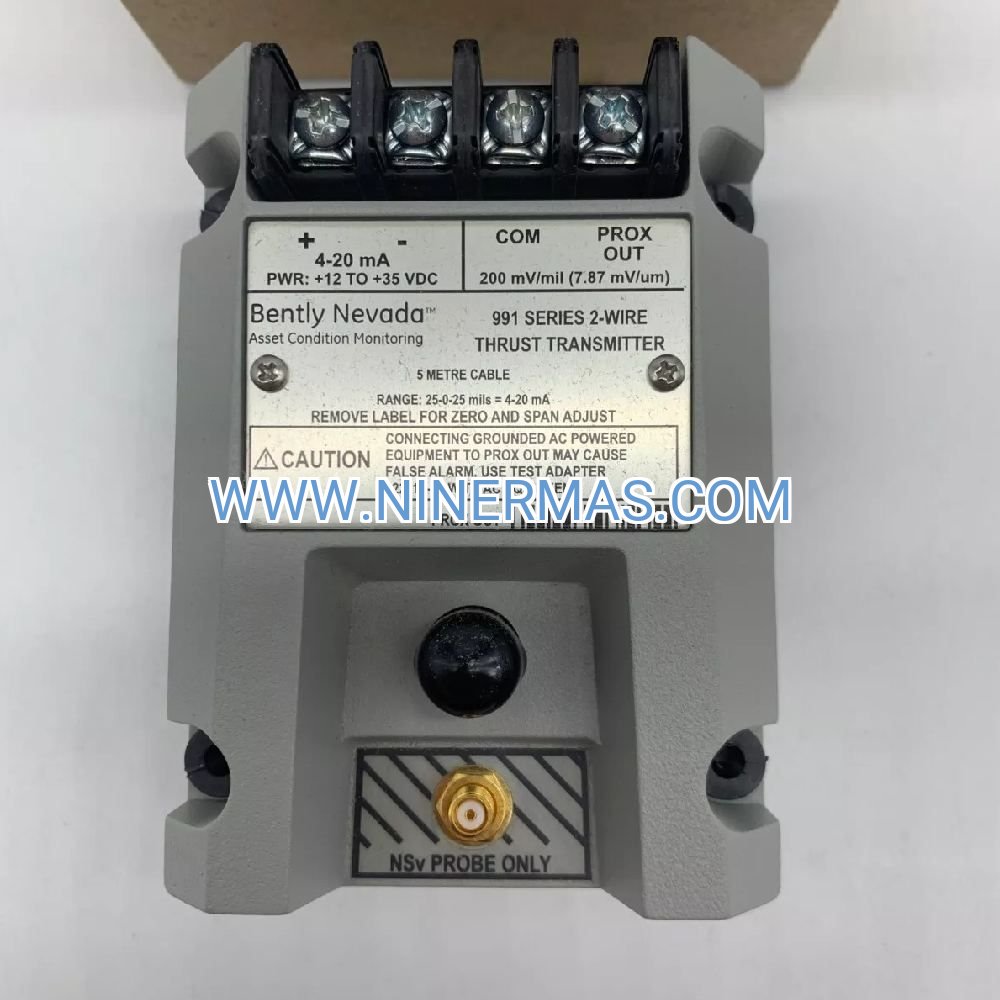
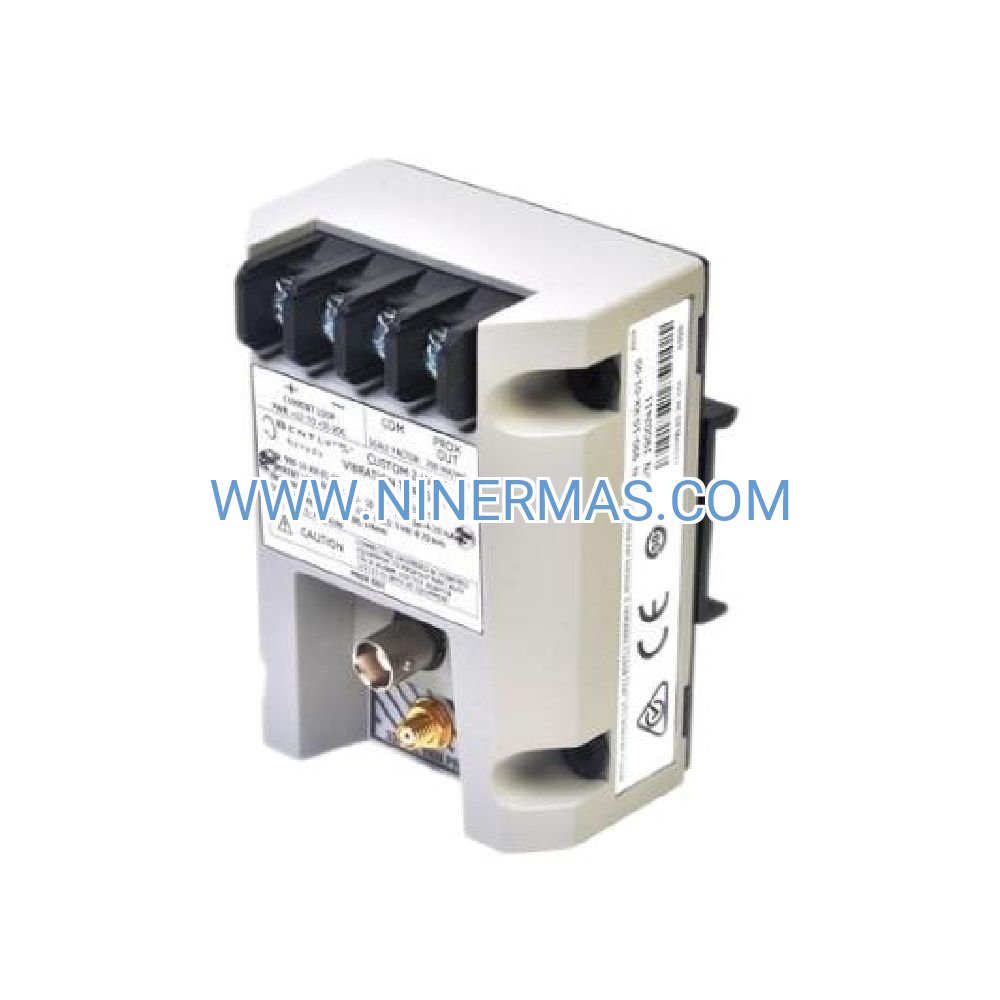
163179-01D Six-Channel Temperature Monitor (Industrial-Grade Thermal Surveillance)
The Bently Nevada 3500/60 163179-01D is a rack-mounted temperature monitoring module engineered for continuous thermal surveillance in rotating machinery and industrial process environments. Featuring six independent RTD and thermocouple input channels, this module delivers real-time temperature data acquisition with configurable alarm thresholds, enabling predictive maintenance strategies and preventing thermal-induced equipment failures. Designed for seamless integration into 3500 rack systems, the 163179-01D supports both 2-wire and 3-wire RTD configurations alongside Type J, K, E, and T thermocouples.
This module addresses critical thermal monitoring challenges in power generation, oil & gas, and heavy manufacturing sectors where bearing overheating, winding insulation degradation, and process temperature excursions can lead to unplanned downtime costing $50,000+ per hour. Target users include reliability engineers, instrumentation technicians, and plant maintenance managers responsible for turbomachinery health monitoring and process safety compliance.
Key advantages include hot-swappable architecture for zero-downtime module replacement, 4-20mA analog outputs for DCS/SCADA integration, and field-proven reliability in harsh industrial environments with operating temperatures from -30°C to +65°C. The module's dual-redundant power supply compatibility ensures continuous operation even during electrical system faults.
Core Features & Benefits
→ Six Independent Temperature Inputs
Monitor multiple critical points simultaneously—bearing pads, stator windings, exhaust manifolds, and process vessels—from a single module, reducing hardware costs by 40% compared to single-channel solutions while maintaining measurement accuracy of ±0.5°C.
→ Universal Sensor Compatibility
Accepts both RTD (Pt100, Pt1000) and thermocouple (J/K/E/T) inputs with automatic sensor type detection, eliminating the need for separate modules and simplifying spare parts inventory management across multi-technology installations.
→ Configurable Alarm Logic
Program up to four alarm setpoints per channel (Alert, Danger, High-High, Rate-of-Change) with adjustable hysteresis and time delays, enabling graduated response protocols that distinguish between transient spikes and sustained thermal events requiring immediate shutdown.
✓ Hot-Swap Capability
Replace modules during operation without system shutdown or data loss, maintaining continuous protection during maintenance activities—critical for 24/7 facilities where scheduled downtime windows are limited to 2-4 hours annually.
✓ Analog Output Integration
Provides 4-20mA recorder outputs for each channel, feeding temperature trends to plant historians and enabling correlation analysis between thermal patterns and operational parameters like load, speed, and ambient conditions.
✓ Rack-Based Scalability
Expand monitoring coverage by adding modules to existing 3500 racks without controller upgrades, supporting phased implementation strategies that align with capital budget cycles and equipment criticality assessments.
Typical Application Scenarios
Steam Turbine Bearing Monitoring
Power plants deploy the 163179-01D to track journal and thrust bearing temperatures on 50-500MW turbine-generator sets. Early detection of 15-20°C temperature rises indicates lubrication system degradation or bearing wear, triggering maintenance interventions 3-6 months before catastrophic failure—preventing forced outages valued at $1.2M+ in lost generation revenue.
Compressor Motor Winding Protection
Petrochemical facilities use embedded RTDs in motor stator windings to detect insulation breakdown caused by voltage imbalance or cooling system failures. The module's rate-of-change alarms identify thermal runaway conditions within 30-60 seconds, enabling automated shutdown sequences that prevent $800K+ motor rewinds.
Heat Exchanger Performance Tracking
Refineries monitor inlet/outlet temperatures on shell-and-tube heat exchangers to calculate thermal efficiency and detect fouling. When temperature differentials drop below design values, maintenance teams schedule chemical cleaning or bundle replacement during planned turnarounds, maintaining process yields within 2% of design specifications.
Gas Turbine Exhaust Monitoring
Combined-cycle plants track exhaust gas temperatures across combustor sections to identify fuel nozzle plugging or combustion imbalances. Temperature spreads exceeding 50°C between sections trigger inspection protocols, preventing hot gas path component damage that requires $2M+ in replacement parts and 4-6 week outages.
Pulp Digester Temperature Control
Paper mills use the module to maintain precise cooking temperatures (160-180°C) in batch digesters, ensuring consistent lignin removal and fiber quality. Tight temperature control (±3°C) reduces chemical consumption by 8-12% and improves pulp strength properties by 15-20 kPa in burst testing.
Technical Parameters & Selection Guide
| Parameter | Specification |
|---|---|
| Input Channels | 6 (configurable RTD or TC per channel) |
| RTD Types | Pt100, Pt1000 (2-wire, 3-wire, 4-wire) |
| Thermocouple Types | J, K, E, T |
| Measurement Range | -200°C to +850°C (sensor dependent) |
| Accuracy | ±0.5°C (RTD), ±1.0°C (TC) |
| Update Rate | 1 second per channel |
| Alarm Outputs | 4 setpoints per channel (relay contact) |
| Recorder Outputs | 4-20mA (isolated, 600Ω max load) |
| Power Supply | 24VDC (18-30VDC range), 8W typical |
| Operating Temp | -30°C to +65°C |
| Dimensions | 241.8mm (H) × 24.4mm (W) × 241.8mm (D) |
| Weight | 0.91 kg |
| Certifications | CE, UL, ATEX Zone 2, IECEx |
Selection Criteria: Choose the 163179-01D when monitoring 4-6 temperature points on a single machine or process unit. For applications requiring 7-12 channels, deploy two modules in adjacent rack slots. Specify 3-wire RTD connections for cable runs exceeding 50 meters to compensate for lead resistance errors. In hazardous areas (Class I Div 2), verify barrier compatibility for intrinsically safe sensor circuits.
Extended Functions
Modbus TCP/IP Integration: When paired with 3500 rack communication modules, temperature data streams to plant-wide asset management systems via Ethernet protocols, enabling cross-functional analytics that correlate thermal trends with production schedules, ambient weather, and equipment age.
Predictive Analytics Compatibility: Export historical temperature data to machine learning platforms that identify subtle degradation patterns 6-12 months before traditional alarm thresholds are breached, shifting maintenance strategies from reactive to predictive with 30-40% reductions in spare parts inventory.
Custom Linearization Tables: Upload sensor-specific calibration curves for non-standard RTD elements or specialty thermocouples, maintaining measurement accuracy across extended temperature ranges or in applications using exotic alloy sensors for corrosive environments.
Delivery & Service Assurance
Lead Time: Standard configuration units ship within 3-5 business days from regional distribution centers. Custom-configured modules (special alarm logic, non-standard I/O) require 2-3 weeks for factory programming and testing.
Warranty: 24-month manufacturer's warranty covering defects in materials and workmanship. Extended 5-year coverage available for critical applications with annual calibration verification services.
Technical Support: Access to 24/7 application engineering hotline for configuration assistance, troubleshooting, and integration guidance. On-site commissioning support available for multi-rack installations exceeding 20 modules.
Documentation Package: Includes installation manual, configuration software (3500 Rack Configuration), sensor wiring diagrams, Modbus register maps, and AutoCAD dimensional drawings for panel layout planning.
Frequently Asked Questions
Q: What communication protocols does the 163179-01D temperature monitor support for integration with existing control systems?
A: The module provides 4-20mA analog outputs as standard. Digital communication (Modbus TCP/IP, OPC) requires a 3500 rack communication gateway module installed in the same chassis, which aggregates data from all rack modules and presents it via Ethernet protocols compatible with DCS, SCADA, and historian systems.
Q: Can this six-channel module handle mixed sensor types, or must all channels use identical RTD/thermocouple configurations?
A: Each of the six channels is independently configurable—you can simultaneously monitor three Pt100 RTDs on bearing pads, two Type K thermocouples on exhaust stacks, and one Type J thermocouple on a process vessel. Configuration is performed via software without hardware jumper changes.
Q: What energy efficiency improvements result from implementing continuous temperature monitoring on rotating equipment?
A: Facilities report 5-8% reductions in energy consumption by identifying inefficient operating conditions: bearing temperatures 10-15°C above baseline indicate excessive friction from misalignment or inadequate lubrication, while motor winding temperatures reveal voltage imbalance or cooling fan failures that increase electrical losses by 12-18%.
Q: Are there specific installation requirements regarding cable routing or electromagnetic interference for accurate temperature measurement?
A: Route RTD and thermocouple cables in dedicated conduit separated by 300mm minimum from VFD power cables and high-current conductors. Use twisted-pair shielded cable with shields grounded at the module end only. For cable runs exceeding 100 meters, specify 3-wire RTD connections to compensate for lead resistance, which introduces 0.1-0.3°C errors per 100 meters in 2-wire configurations.
Q: Does the module support remote monitoring capabilities for off-site personnel to track temperature trends?
A: Yes, when integrated with 3500 rack Ethernet gateways and plant network infrastructure. Temperature data uploads to cloud-based condition monitoring platforms accessible via web browsers and mobile apps, enabling reliability engineers to review trends, acknowledge alarms, and adjust setpoints from remote locations—critical for multi-site operations managing 50+ machines across distributed facilities.
Q: What is the typical calibration interval, and can field calibration be performed without returning the module to the factory?
A: Recommended calibration interval is 24 months for general industrial applications, 12 months for custody transfer or regulatory compliance scenarios. Field calibration is supported using portable RTD simulators and the 3500 Rack Configuration software, allowing technicians to verify and adjust channel accuracy during planned maintenance windows without module removal.
Request Technical Consultation
Our application engineers are available to discuss your specific thermal monitoring requirements, recommend optimal sensor placement strategies, and provide integration guidance for existing 3500 rack systems. Contact us for detailed datasheets, configuration examples, and project-specific pricing for multi-module deployments.
© 2026 NINERMAS COMPANY LIMITED. All rights reserved.
Original Source: https://ninermas.com
Contact: sale@ninermas.com | +0086 187 5021 5667
PDF Specification
Download PDF file here:
Click to Download PDF

Contact Info
-
Address:22 / F, South Wo Hang building, 148 Wing Lok Street, Sheung Wan, Western District, Hong Kong
-
Phone:+8618750215667
-
Email: