Description
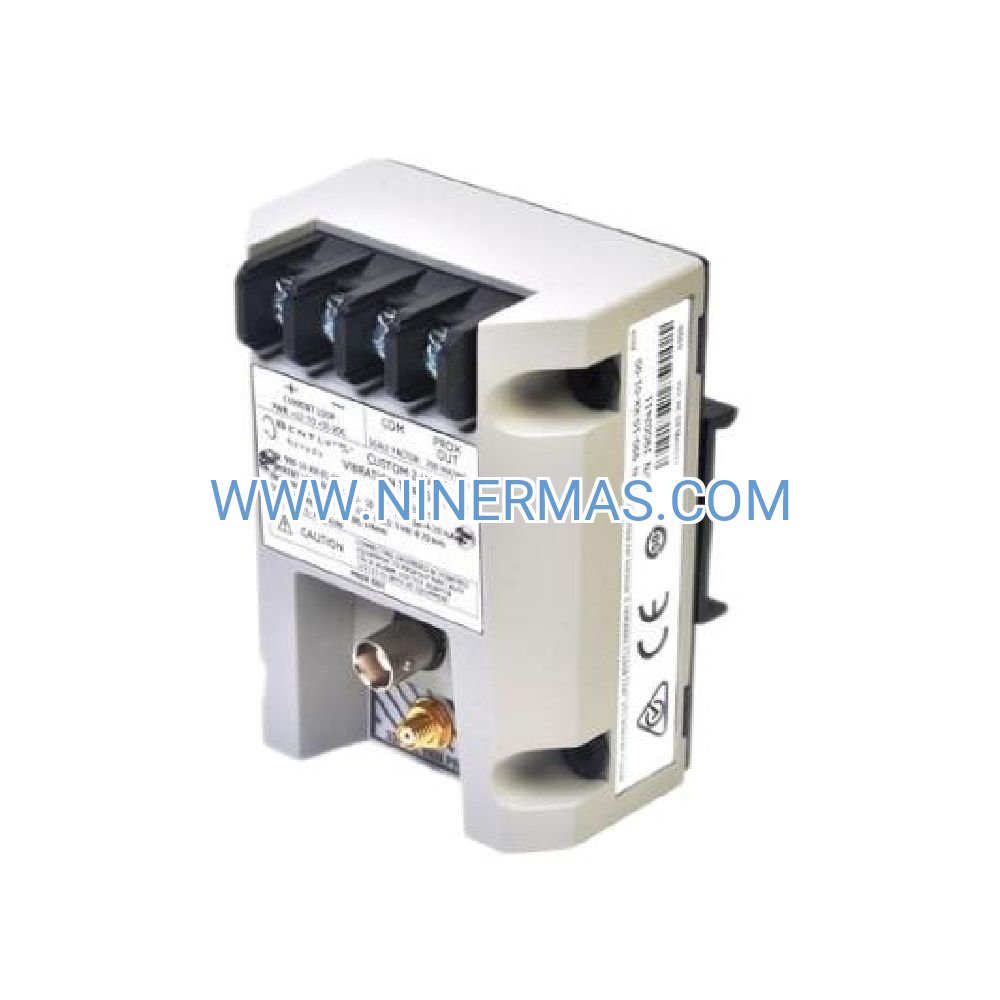
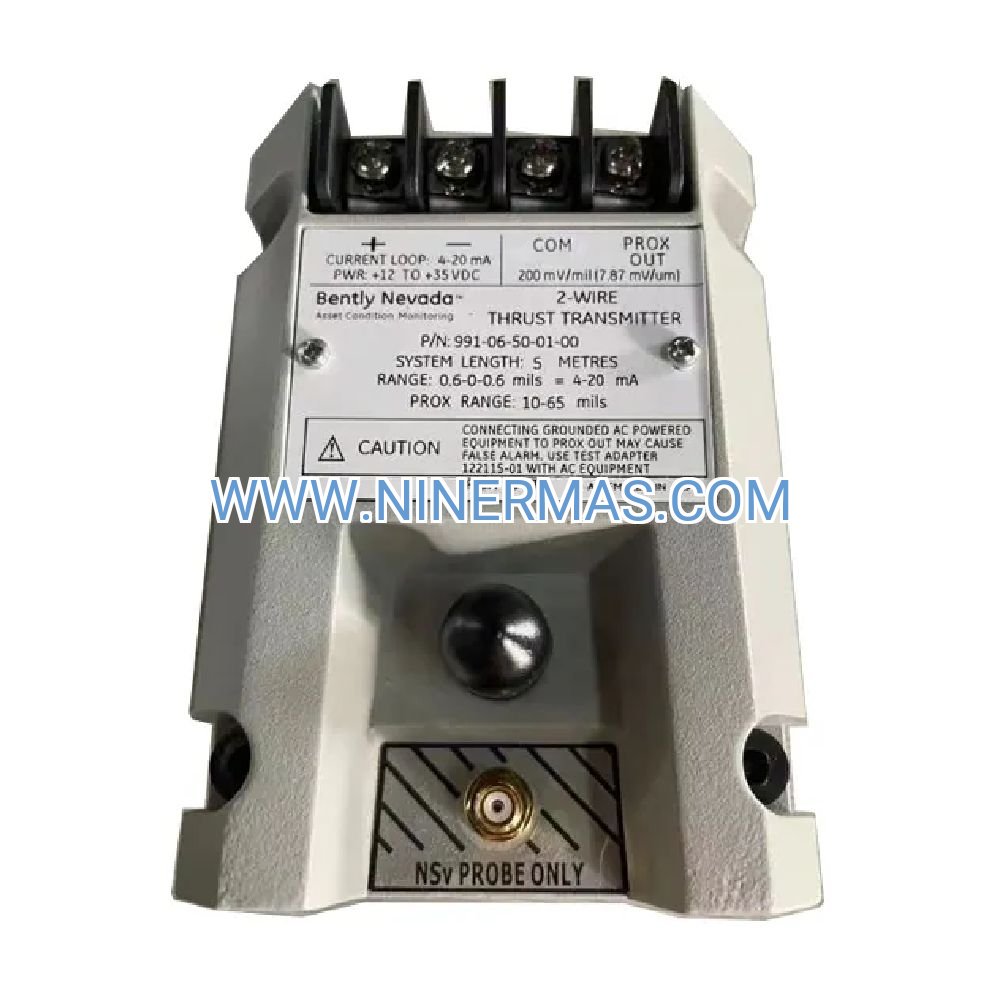
Bently Nevada 3500/46M Hydro Monitor – Industrial Vibration Protection for Hydro Turbines & Rotating Machinery
The Bently Nevada 3500/46M Hydro Monitor (Model 176449-06) is an industrial-grade vibration monitoring module designed for hydro turbine generators, pump-turbine units, and critical rotating equipment. Utilizing advanced multimode I/O architecture, this module simultaneously processes proximity probe and velocity transducer signals, delivering real-time machinery health diagnostics through four independent monitoring channels with configurable alarm logic and protective relay outputs.
Engineered for hydroelectric power plants, pumped-storage facilities, and heavy industrial applications, the 3500/46M addresses critical challenges including undetected bearing degradation, shaft misalignment, rotor imbalance, and catastrophic thrust failure. By continuously analyzing vibration signatures against API 670 and ISO 20816 severity standards, the system enables predictive maintenance strategies, reduces unplanned downtime, and protects multi-million-dollar assets from irreversible damage.
Built on Bently Nevada's proven 3500 platform with field-proven reliability, this monitor features hot-swappable rack mounting, backward compatibility with legacy 3300 XL transducers, and seamless integration with SCADA/DCS systems via Modbus protocols. Ideal for design engineers, EPC contractors, plant maintenance teams, and OEM integrators requiring certified machinery protection solutions. Contact our application engineers for project-specific configuration guidance, transducer selection, and technical documentation.
Core Features & Technical Advantages
Multimode I/O Flexibility
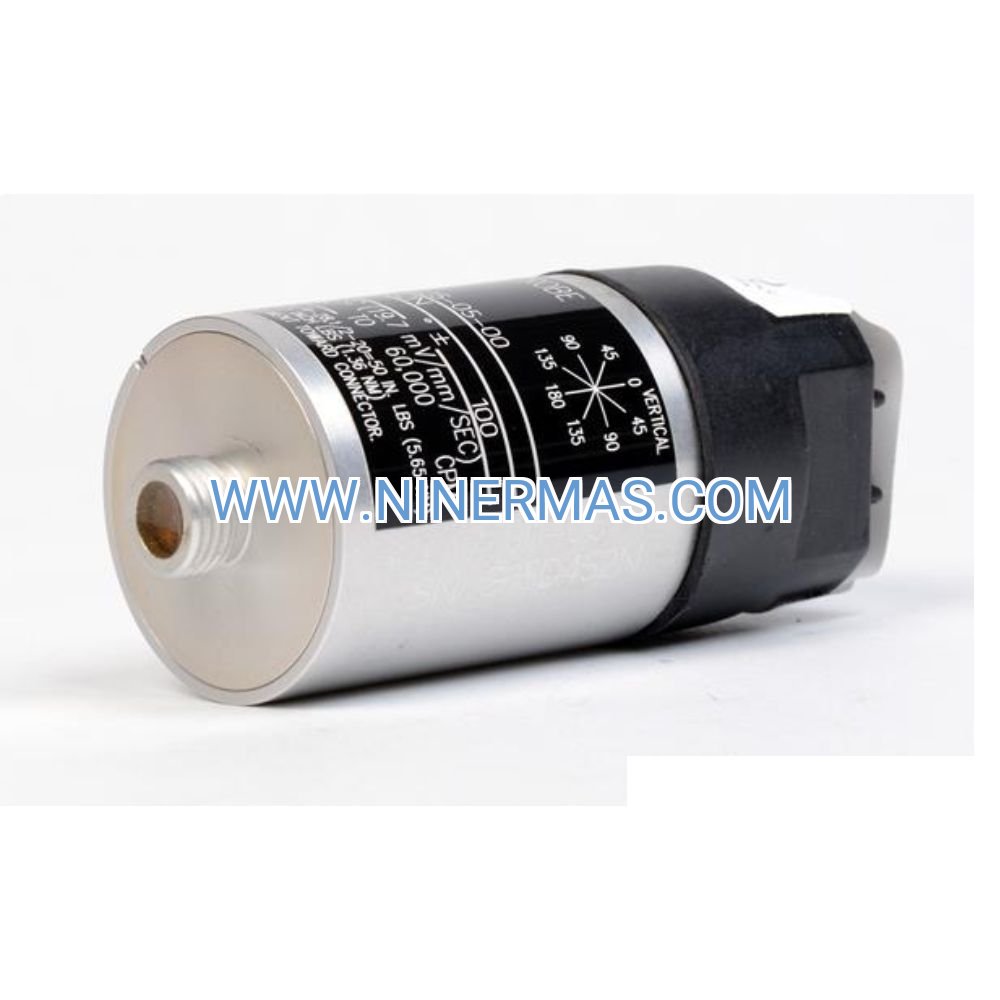
Accepts both eddy current proximity probes (for shaft relative vibration, thrust position, differential expansion) and velocity transducers (for bearing housing absolute vibration) within a single module. Each of the four channels can be independently configured for different transducer types, eliminating the need for separate monitor modules and reducing rack space requirements by up to 50% compared to single-mode alternatives.
API 670 & ISO 20816 Compliance
Factory-calibrated to meet API 670 machinery protection standards and ISO 20816 vibration severity guidelines. Built-in vector filtering, gap voltage monitoring, and dual-stage alarm logic (Alert/Danger thresholds with adjustable hysteresis) ensure regulatory compliance for insurance, safety audits, and OEM warranty requirements.
Four-Channel Simultaneous Monitoring
Monitors up to four measurement points concurrently—typical configurations include X-Y radial vibration pairs, thrust position, and bearing housing velocity. Independent alarm setpoints per channel with dedicated OK/Alert/Danger LED indicators and relay outputs for emergency shutdown integration, reducing mean time to fault identification by 70%.
Advanced Diagnostic Capabilities
Real-time spectral analysis with configurable bandpass filters isolates synchronous (1X running speed), subsynchronous (oil whirl, rub), and supersynchronous (gear mesh, blade pass) frequency components. Gap voltage monitoring detects transducer cable faults, probe wear, and target surface contamination before measurement accuracy degrades, minimizing false trips and maintenance callouts.
Seamless System Integration
Communicates via Modbus RTU/TCP and proprietary protocols when paired with 3500/92 Communication Gateway or 3500/95 Integrator Module. Streams high-resolution waveform data, trend values, and alarm status to plant historians (OSIsoft PI, Honeywell PHD), SCADA platforms (Siemens WinCC, GE iFIX), and cloud-based condition monitoring services for enterprise-wide asset performance management.
Rugged Industrial Construction
Operates reliably in harsh environments: -30°C to +65°C ambient temperature range, conformal-coated PCBs resist moisture and chemical exposure, EMI/RFI shielding prevents interference from VFDs and switchgear. Hot-swappable design allows module replacement without system shutdown, supporting 24/7 continuous operation requirements in baseload power generation facilities.
Typical Application Scenarios
This monitoring solution is purpose-built for installations demanding uninterrupted machinery protection, regulatory compliance, and long-term asset reliability, particularly in:
Hydroelectric Power Generation
Protects Francis turbines, Kaplan turbines, and Pelton wheels in run-of-river, reservoir, and pumped-storage plants. Monitors generator shaft vibration (X-Y proximity probes at turbine and generator bearings), thrust bearing position (axial proximity probe), and bearing housing vibration (velocity sensors on guide bearings). Prevents catastrophic failures caused by cavitation erosion, runner imbalance, and wicket gate misalignment—common issues resulting in $2M+ repair costs and 6-12 month outages.
Pump-Turbine Units & Reversible Systems
Addresses unique challenges in pumped-storage facilities where machines alternate between generating and pumping modes. Detects mode-transition vibration spikes, hydraulic instability (draft tube vortex), and reversing thrust loads that accelerate bearing wear. Configurable alarm delays prevent nuisance trips during planned mode changes while maintaining protection during steady-state operation.
Large Industrial Pumps & Compressors
Safeguards boiler feed pumps, cooling water pumps, centrifugal compressors, and reciprocating compressors in petrochemical, refining, steel, and pulp/paper industries. Monitors radial vibration on inboard/outboard bearings, axial position on thrust bearings, and casing vibration on high-energy equipment. Early detection of cavitation, surge, misalignment, and foundation looseness reduces maintenance costs by 40% through condition-based intervention versus time-based overhauls.
Steam & Gas Turbine Auxiliary Systems
Provides secondary protection for turbine-driven feed pumps, lube oil pumps, and turning gear motors in combined-cycle and cogeneration plants. Complements primary turbine monitoring systems (TMR configurations) by covering balance-of-plant rotating equipment often excluded from main protection schemes, closing gaps in plant-wide machinery health coverage.
Technical Specifications & Selection Guide
To ensure optimal performance and compatibility, the 3500/46M requires careful consideration of transducer types, channel assignments, alarm philosophy, and system architecture. Below are key parameters for design and procurement:
| Parameter | Specification |
|---|---|
| Model Number | 176449-06 |
| Product Series | Bently Nevada 3500 Machinery Protection System |
| I/O Configuration | Multimode (Proximity/Velocity) |
| Monitoring Channels | Four independent configurable channels |
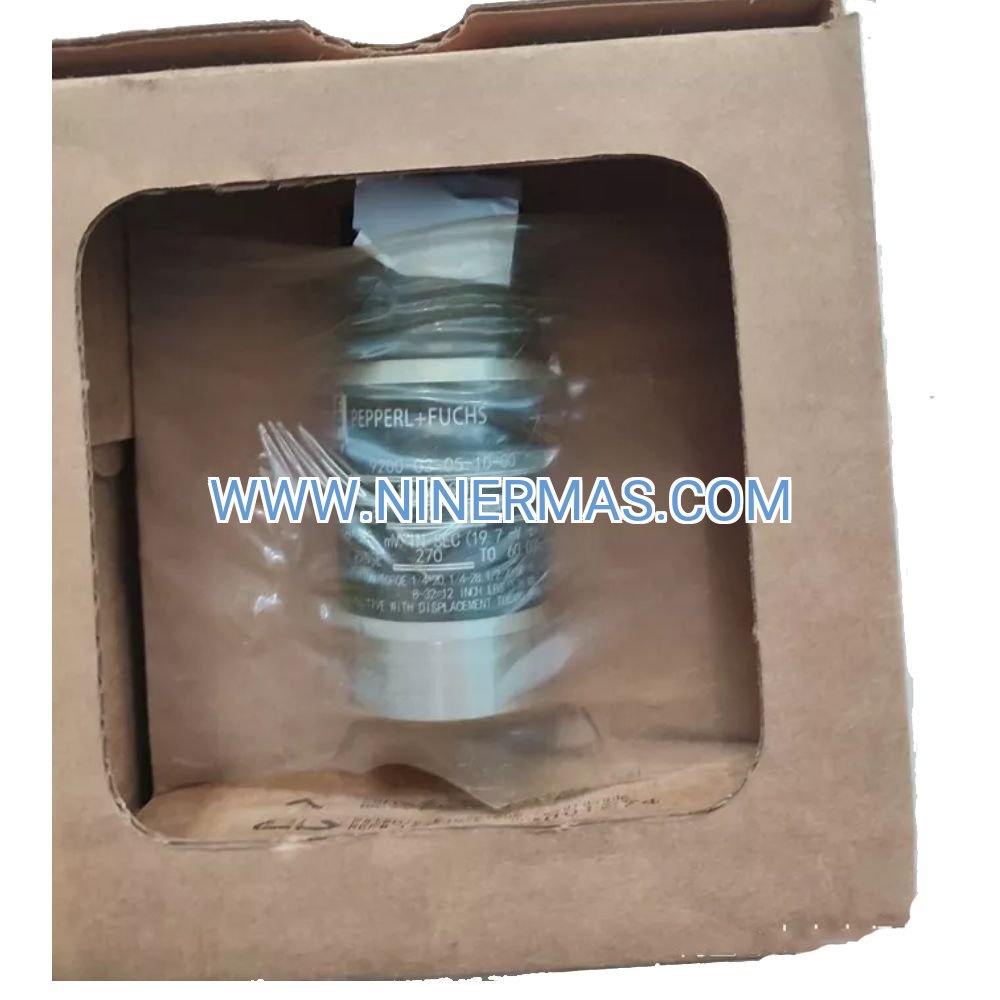
| Supported Transducers | Eddy current proximity probes (3300 XL, 3300 NSv, 7200 series), velocity transducers (100 mV/mm/s sensitivity) |
| Measurement Range | Proximity: 0-10 mm pk-pk; Velocity: 0-500 mm/s pk |
| Frequency Response | 0.5 Hz to 10 kHz (configurable bandpass filters) |
| Alarm Logic | Dual-stage (Alert/Danger) with independent setpoints and time delays per channel |
| Relay Outputs | Form-C contacts, 5A @ 30 VDC / 250 VAC resistive load |
| Power Supply | 24 VDC via 3500 rack backplane (supplied by 3500/15 or 3500/22M power supply) |
| Operating Temperature | -30°C to +65°C (-22°F to +149°F) |
| Storage Temperature | -40°C to +85°C (-40°F to +185°F) |
| Humidity | 5% to 95% non-condensing |
| Mounting | Standard 3500 rack slot (single-width module) |
| Dimensions (H×W×D) | 241.3 mm × 24.4 mm × 241.8 mm (9.5" × 0.96" × 9.52") |
| Weight | 0.91 kg (2.0 lbs) |
| Compliance Standards | API 670, ISO 20816, CE, UL/cUL, ATEX/IECEx (Zone 2) |
Selection Considerations
When specifying the 3500/46M for your application, provide the following information to our engineering team for optimized configuration:
- Machine Type & Operating Speed: Turbine/pump model, rated RPM, variable vs. fixed speed operation
- Measurement Points: Number and location of monitoring positions (radial bearings, thrust bearing, casing)
- Transducer Inventory: Existing probe types (proximity vs. velocity), cable lengths, mounting constraints
- Alarm Philosophy: Desired Alert/Danger setpoints based on ISO 20816 zones or OEM recommendations, shutdown vs. alarm-only logic
- System Architecture: Standalone rack vs. integrated with existing 3500 system, communication requirements (Modbus, proprietary, isolated)
- Environmental Conditions: Ambient temperature extremes, humidity, vibration/shock exposure, electrical noise sources
Our application engineers will recommend optimal channel assignments, filter settings, and alarm configurations tailored to your machinery characteristics and protection objectives. For complex installations involving multiple machines or custom transducer interfaces, we provide pre-configured modules with factory load testing and documentation packages.
Advanced Configuration & Customization Options
Beyond standard vibration monitoring, the 3500/46M supports extended functionality through software configuration and accessory modules:
Spectral Analysis & Trending
When paired with System 1 software or TDXnet data acquisition, the module streams full-spectrum FFT data (up to 6400 lines resolution) and time-domain waveforms for root cause analysis. Automated trend tracking identifies gradual degradation patterns (bearing wear, rotor bow, foundation settling) months before alarm thresholds are exceeded, enabling planned maintenance windows versus emergency shutdowns.
Keyphasor® Integration
Accepts once-per-revolution Keyphasor signals for synchronous vector filtering, phase angle measurement, and torsional vibration analysis. Essential for diagnosing rotor-related faults (unbalance, misalignment, rub) and validating balancing corrections during commissioning or after maintenance interventions.
Redundant Monitoring Architectures
Supports 2-out-of-3 (2oo3) voting logic when multiple 3500/46M modules monitor the same machine. Eliminates single-point failures in critical applications (nuclear safety-related systems, offshore platforms) where spurious trips incur severe economic or safety penalties. Complies with IEC 61508 SIL 2/3 requirements when properly configured and maintained.
Remote Diagnostics & Cybersecurity
Secure remote access via VPN-enabled communication gateways allows vendor support teams to troubleshoot configuration issues, update firmware, and analyze historical data without site visits. Role-based access controls, encrypted data transmission, and audit logging meet NERC CIP and IEC 62443 industrial cybersecurity standards.
Delivery, Commissioning & Service Support
Lead Times & Availability
Standard 176449-06 modules ship from stock within 3-5 business days for single-unit orders. Custom-configured modules (pre-programmed alarm setpoints, special transducer scaling, extended temperature ratings) require 10-15 business days for factory programming and quality verification. Expedited processing available for emergency replacements and critical project deadlines.
Warranty Coverage
All units include a comprehensive 12-month manufacturer's warranty covering material defects, component failures, and workmanship issues. Warranty terms include free replacement or repair, return shipping (within continental regions), and technical support for installation troubleshooting. Extended warranty plans (24/36 months) available for high-criticality applications.
Technical Documentation Package
Each module ships with complete technical documentation: installation manual (mounting procedures, wiring diagrams, grounding requirements), configuration guide (System 1 software setup, alarm programming, transducer scaling), and calibration certificate (traceable to NIST/ISO 17025 standards). CAD drawings (DWG/PDF), 3D STEP models, and panel cutout templates provided upon request for design integration.
Commissioning & Training Services
Factory-certified field service engineers available for on-site commissioning support: transducer installation verification, baseline vibration surveys, alarm setpoint validation, and operator training. Remote commissioning via video conference and screen-sharing reduces travel costs while maintaining quality standards. Customized training programs cover system operation, routine maintenance, and advanced diagnostics for plant personnel.
Lifecycle Support & Spare Parts
Bently Nevada maintains long-term product support (15+ years typical) with guaranteed spare parts availability and backward-compatible firmware updates. Trade-in programs for obsolete modules (3300, 7200 series) provide cost-effective migration paths to current 3500 platform. Repair services with 5-10 day turnaround and loaner module programs minimize downtime during unplanned failures.
Frequently Asked Questions (FAQ)
Q: Can the 3500/46M Hydro Monitor accept both proximity and velocity transducers on the same module simultaneously?
A: Yes, the multimode I/O architecture allows mixed transducer types across the four channels. A typical configuration uses proximity probes on channels 1-2 for shaft radial vibration (X-Y pair) and velocity sensors on channels 3-4 for bearing housing vibration, all within a single module. Each channel is independently configurable for transducer type, scaling, and alarm logic.
Q: Is this module compatible with legacy 3300 XL proximity transducers and older Bently Nevada sensors?
A: Absolutely. The 3500/46M maintains full backward compatibility with 3300 XL, 3300 NSv, and 7200 series proximity transducers operating on standard -24 VDC proximitor power. Velocity sensors with 100 mV/mm/s sensitivity (industry-standard output) are directly supported. This compatibility protects existing transducer investments during system upgrades and allows phased migration from legacy monitoring platforms.
Q: What configuration software and tools are required to program alarm setpoints and channel assignments?
A: Configuration is performed using Bently Nevada System 1 software (current version) or the legacy 3500 Rack Configuration utility. Both tools support offline programming (pre-configure modules before installation) and online tuning (adjust parameters on live systems). Software licenses are typically included with 3500 rack purchases; standalone licenses available for retrofit projects. USB or Ethernet connectivity to the 3500 rack required; no direct module connection needed.
Q: Does the 3500/46M support remote monitoring and integration with plant SCADA or DCS systems?
A: Yes, when paired with a 3500/92 Communication Gateway or 3500/95 Integrator Module installed in the same rack. These communication interfaces provide Modbus RTU/TCP, Ethernet/IP, and proprietary protocol outputs, streaming real-time vibration data, alarm status, and diagnostic information to SCADA platforms (Siemens, Rockwell, Schneider), DCS systems (Honeywell, Emerson, ABB), and plant historians (OSIsoft PI, GE Proficy). OPC UA and MQTT protocols supported via third-party gateways for IIoT and cloud connectivity.
Q: What is the typical vibration measurement accuracy and how often does the module require recalibration?
A: The 3500/46M achieves ±1% full-scale accuracy for proximity measurements and ±2% for velocity measurements under controlled conditions, meeting API 670 requirements. Factory calibration is traceable to NIST standards and remains stable for 3-5 years under normal operating conditions. Field recalibration is not required unless the module undergoes repair, environmental exposure exceeds specifications, or regulatory audits mandate verification. Transducer calibration (separate from module) follows manufacturer recommendations, typically 2-3 years for proximity probes.
Q: Can alarm setpoints be adjusted without shutting down the monitored machine or removing the module from service?
A: Yes, online configuration changes are fully supported. Alarm thresholds, time delays, and hysteresis values can be modified via System 1 software while the module actively monitors machinery, with changes taking effect within 1-2 scan cycles (typically <1 second). This capability is essential for commissioning activities (baseline establishment, sensitivity tuning) and operational adjustments (seasonal load variations, post-maintenance verification) without production interruptions.
Q: What environmental protection rating does the module have, and can it operate in hazardous area classifications?
A: The 3500/46M is designed for controlled environment installation (control rooms, electrical enclosures) with IP20 front panel rating. For hazardous area applications, the module installs in Zone 2 / Division 2 classified locations when mounted in appropriate enclosures meeting ATEX/IECEx or NEC 505/500 standards. Transducers and field wiring in Zone 1 / Division 1 areas require intrinsically safe barriers (Bently Nevada 7200 series galvanic isolators) or explosion-proof junction boxes per site classification requirements.
Q: How many 3500/46M modules can be installed in a single rack, and what are the power supply requirements?
A: A standard 3500 rack (14-slot or 18-slot chassis) can accommodate multiple 3500/46M modules, limited only by available slot positions and total power budget. Each module consumes approximately 5 watts from the rack backplane. A single 3500/15 AC power supply (125 VDC output) or 3500/22M transient data interface (with integrated power) supports up to 16 monitoring modules, depending on configuration. For large systems (>12 modules), dual redundant power supplies recommended for high-availability applications.
Contact Us for Technical Support & Custom Solutions
Our application engineering team specializes in machinery protection system design for hydroelectric, industrial, and power generation facilities. Whether you're upgrading legacy monitoring systems, designing new installations, or troubleshooting existing equipment, we provide comprehensive support:
- Project Consultation: Free initial assessment of monitoring requirements, transducer selection, and system architecture recommendations
- Custom Configuration: Pre-programmed modules with project-specific alarm setpoints, scaling factors, and documentation
- Integration Services: SCADA/DCS interface design, communication protocol mapping, and cybersecurity compliance
- Training & Commissioning: On-site or remote support for installation, startup, and operator training
- Spare Parts & Repairs: Expedited replacement modules, repair services, and long-term lifecycle support
To request a detailed selection guide, technical datasheet, or project quotation, please provide:
- Project name and application type (hydro turbine, pump, compressor, etc.)
- Machine specifications: type, rated speed, power output, bearing configuration
- Number of monitoring points and preferred transducer types (proximity/velocity)
- Desired alarm philosophy and integration requirements (standalone vs. networked)
- Environmental conditions: temperature range, humidity, electrical noise exposure
- Delivery timeline and any special certifications required (ATEX, SIL, seismic qualification)
Our engineers will respond within 24 hours with tailored recommendations, budget pricing, and technical documentation to support your design and procurement process.
© 2026 NINERMAS COMPANY LIMITED. All rights reserved.
Original Source: https://ninermas.com
Contact: sale@ninermas.com | +0086 187 5021 5667
PDF Specification
Download PDF file here:
Click to Download PDF

Contact Info
-
Address:22 / F, South Wo Hang building, 148 Wing Lok Street, Sheung Wan, Western District, Hong Kong
-
Phone:+8618750215667
-
Email: