Description
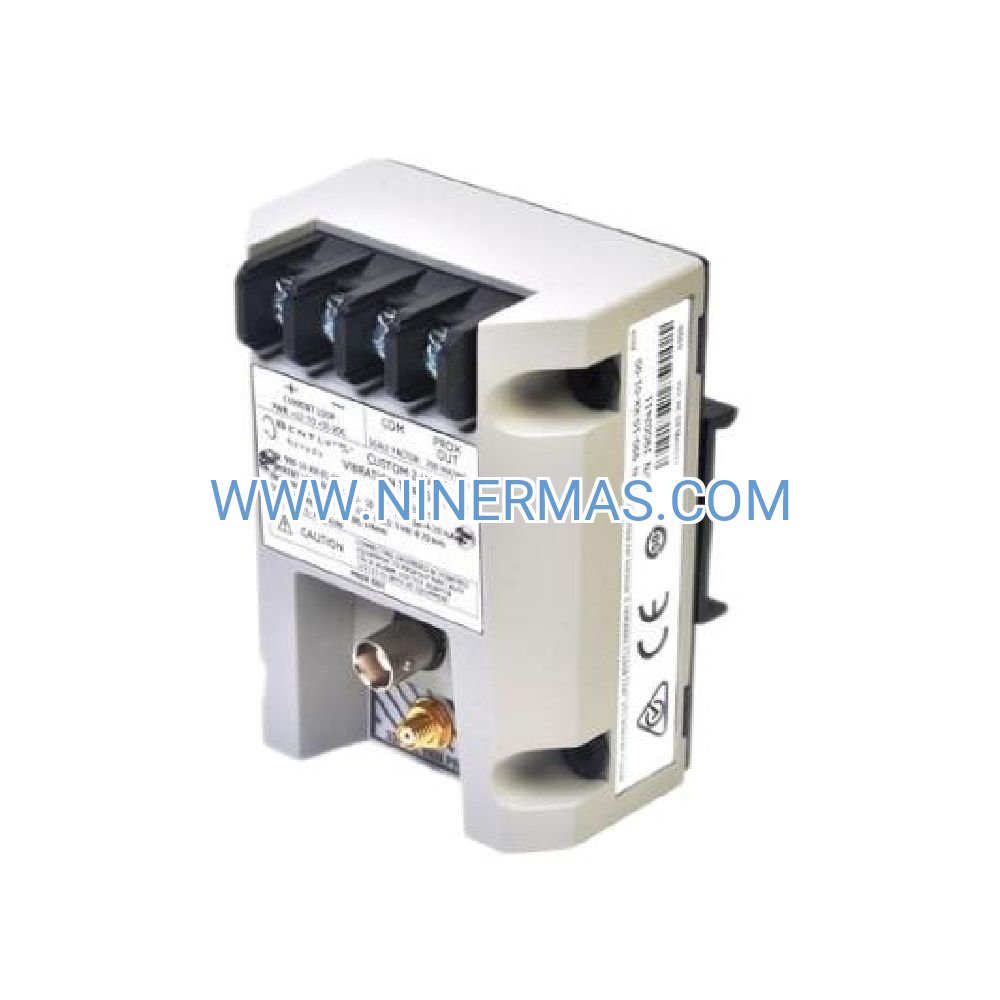
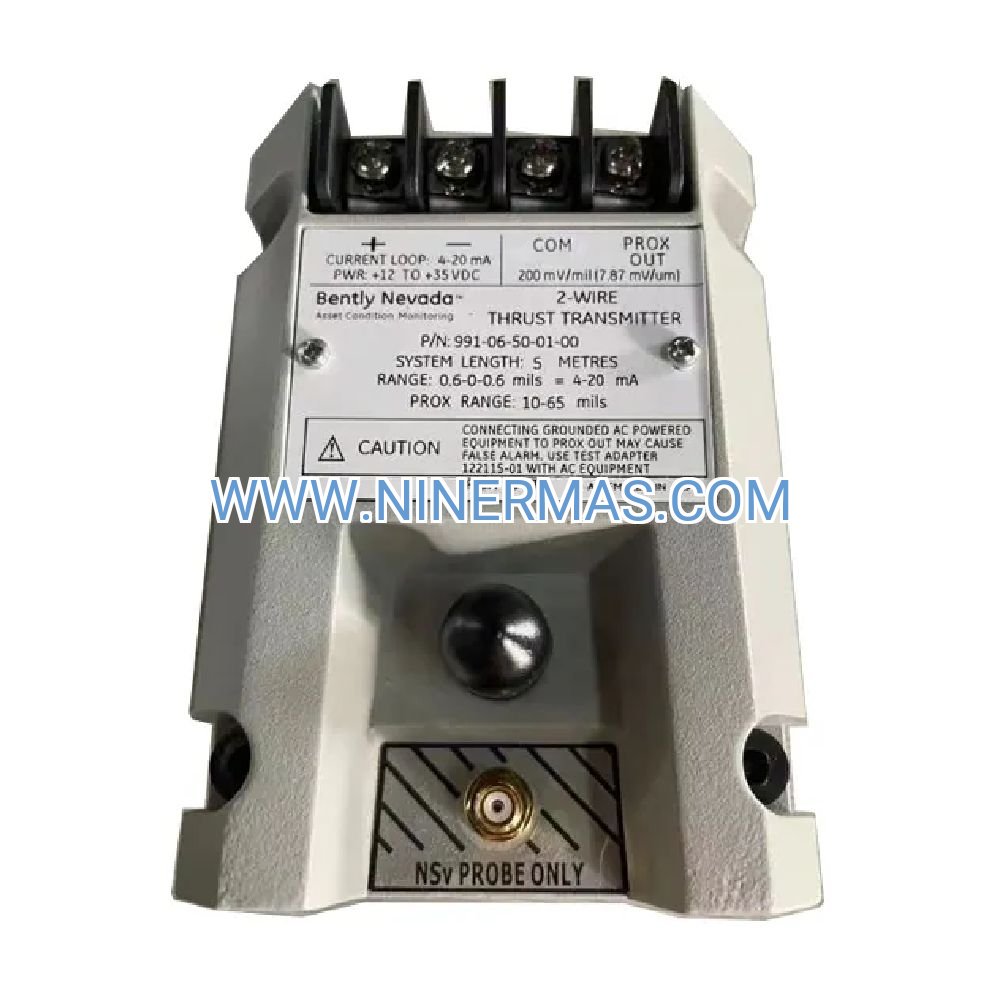
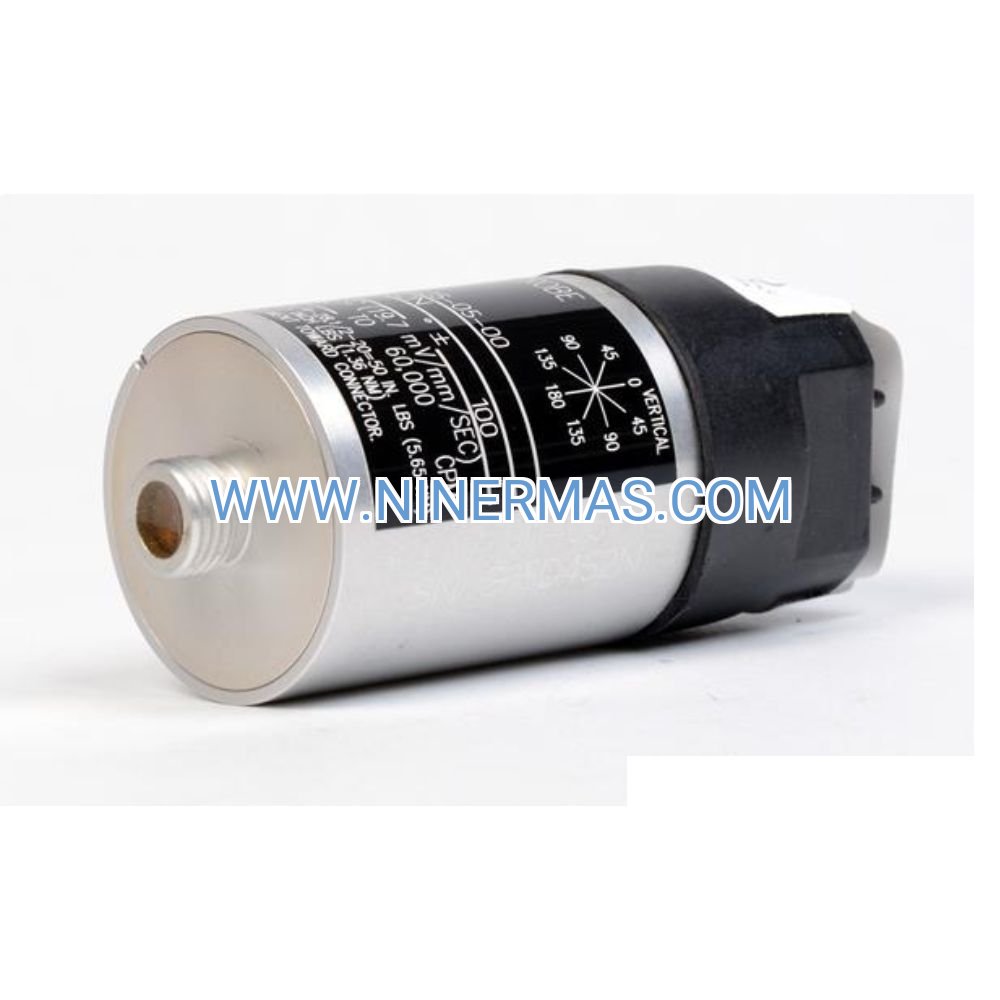
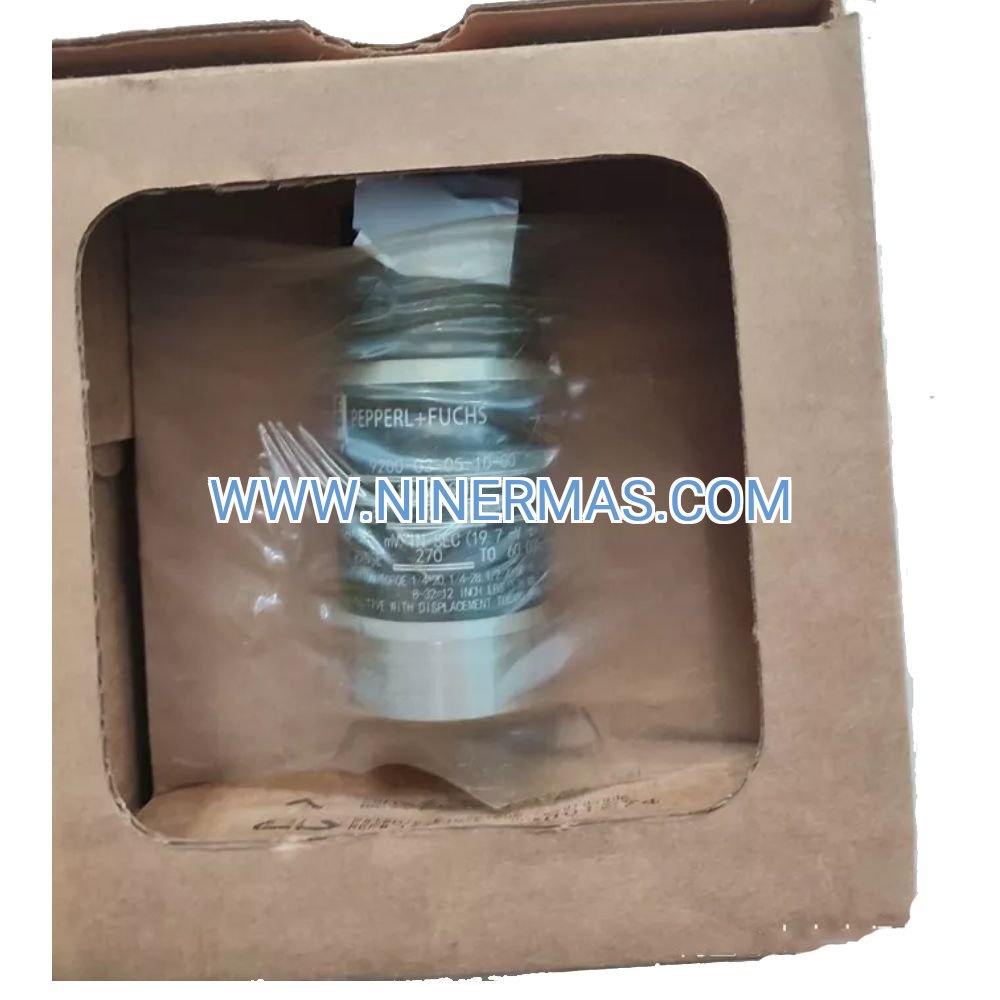
3500/44M Four-Channel Vibration Monitor (Industrial-Grade Turbine Protection)
The 3500/44M represents a specialized vibration monitoring solution engineered for aeroderivative gas turbine environments where reliability cannot be compromised. This four-channel system transforms raw vibration data into actionable intelligence, enabling maintenance teams to detect anomalies before they escalate into costly failures. Designed for integration within Bently Nevada 3500 Series monitoring racks, it serves power generation facilities, offshore platforms, and industrial gas compression stations that demand continuous uptime and regulatory compliance.
Built to withstand harsh industrial conditions, this monitor combines precision sensing with intelligent alarm logic to safeguard high-value rotating assets. Whether you're managing a fleet of aero-derivative engines or a single critical turbine, the 3500/44M delivers the diagnostic clarity needed to optimize maintenance schedules, reduce emergency shutdowns, and extend equipment service life.
Core Capabilities & Business Value
→ Multi-Parameter Surveillance: Four independent channels monitor displacement, velocity, and acceleration simultaneously, providing a complete vibration profile that reveals bearing wear, imbalance, misalignment, and resonance issues before they trigger catastrophic damage.
→ Configurable Alarm Architecture: User-defined alert and danger setpoints enable tailored protection strategies aligned with OEM specifications and operational risk tolerance, reducing false alarms while ensuring genuine threats receive immediate attention.
→ Adaptive I/O Framework: Multiple input/output module configurations support proximity probes, velocity transducers, and accelerometers, allowing seamless adaptation to diverse sensor ecosystems without hardware redesign.
→ Operational Transparency: Front-panel LED indicators (OK, TX/RX, Bypass) provide at-a-glance system health verification, enabling technicians to confirm monitoring integrity during routine inspections without accessing software interfaces.
→ Network Integration: Proprietary communication protocols deliver vibration trends, alarm histories, and diagnostic data to SCADA systems, DCS platforms, and condition monitoring software for centralized asset management.
→ Bypass Functionality: Authorized personnel can temporarily suspend alarm outputs during planned maintenance or startup sequences, preventing nuisance trips while maintaining data logging for post-event analysis.
Industry Applications & Problem Resolution
✓ Power Generation Facilities: Combined-cycle plants utilizing LM2500, LM6000, or Trent-series aero-derivative turbines rely on the 3500/44M to meet NERC reliability standards and avoid grid penalties associated with unplanned outages. The monitor's ability to detect subsynchronous vibrations prevents blade failures that could sideline generation capacity for months.
✓ Offshore Oil & Gas Platforms: FPSO vessels and fixed platforms operating in remote locations use this system to minimize helicopter-dependent maintenance visits. Early detection of compressor train issues allows condition-based interventions during scheduled crew rotations rather than emergency mobilizations.
✓ Pipeline Compression Stations: Natural gas transmission operators deploy the 3500/44M to monitor aero-derivative compressor drivers, where vibration-induced failures can disrupt continental energy supply chains. The system's hazardous area certifications (ATEX, IECEx, cNRTLus) enable installation in Zone 2/Division 2 classified locations.
✓ Marine Propulsion Systems: Naval vessels and commercial ships with gas turbine propulsion leverage four-channel monitoring to track thrust bearing health, gearbox mesh frequencies, and shaft alignment during variable-load operations, preventing mission-critical propulsion failures.
✓ Industrial Cogeneration Plants: Manufacturing facilities with on-site power generation use the monitor to balance production demands with equipment preservation, scheduling turbine overhauls based on actual condition data rather than conservative time-based intervals.
Technical Specifications & Selection Criteria
| Parameter | Specification |
|---|---|
| Monitoring Channels | 4 independent inputs |
| Main Monitor Dimensions | 241.3 mm (H) × 24.4 mm (W) × 241.8 mm (D) |
| Main Monitor Weight | 0.91 kg (2.0 lbs) |
| I/O Module Dimensions | 241.3 mm (H) × 24.4 mm (W) × 99.1 mm (D) |
| I/O Module Weight | 0.45 kg (1.0 lb) |
| Status Indicators | OK, TX/RX, Bypass (front-panel LEDs) |
| Rack Compatibility | Bently Nevada 3500 Series monitoring frames |
| Power Requirements | Supplied via 3500 rack backplane |
Configuration Guide: The 3500/44M follows the naming convention 3500/44-[AA]-[BB], where [AA] designates the I/O module type and [BB] indicates hazardous area certifications.
I/O Module Selection ([AA] Code):
- 01 – Aero GT I/O with internal terminations (recommended for new installations with limited panel space)
- 02 – Aero GT I/O with external terminations (facilitates field wiring changes without module removal)
- 05 – Prox/Velom I/O with internal terminations (supports proximity and velocity sensors)
- 06 – Prox/Velom I/O with external terminations
- 07 – Multimode Prox/Velom I/O with internal terminations (universal sensor compatibility)
- 08 – Multimode Prox/Velom I/O with external terminations
Hazardous Area Approvals ([BB] Code):
- 00 – No hazardous area certification (general industrial use)
- 01 – cNRTLus (Class 1, Division 2) for North American installations
- 02 – ATEX/IECEx/CSA (Class 1, Zone 2) for international compliance
Advanced Integration Options
SCADA Connectivity: The monitor interfaces with Modbus, OPC, and proprietary Bently Nevada protocols, enabling vibration data visualization on existing HMI platforms without middleware development.
Predictive Analytics: When paired with System 1 condition monitoring software, the 3500/44M contributes to machine learning algorithms that forecast remaining useful life and recommend optimal maintenance windows based on fleet-wide performance trends.
Redundancy Configurations: Critical applications can deploy dual 3500/44M monitors with voting logic to eliminate single-point failures in protection schemes, ensuring turbine shutdown authority remains intact even during monitor faults.
Custom Alarm Strategies: Beyond standard alert/danger setpoints, advanced users can program hysteresis bands, time delays, and vector filtering to suppress transient vibrations during startup while maintaining sensitivity to developing faults.
Delivery Timeline & Support Infrastructure
Standard Lead Time: In-stock units ship within 2-3 business days via expedited carriers. Custom configurations (specific I/O modules or certifications) typically require 4-6 weeks from factory.
Warranty Coverage: 12-month manufacturer's warranty against defects in materials and workmanship. Extended warranty programs available for critical applications requiring guaranteed uptime.
Technical Assistance: Our engineering team provides pre-sale application consulting, installation guidance, and post-commissioning troubleshooting. Remote diagnostic support available via secure VPN connections.
Documentation Package: Each unit includes installation manual, configuration software, calibration certificates, and dimensional drawings. Hazardous area certifications ship with applicable units.
Frequently Asked Questions
Q: How does the 3500/44M interface with existing DCS systems for alarm integration?
A: The monitor provides relay outputs and analog signals (4-20mA) that connect directly to DCS input cards. For digital integration, Modbus TCP/RTU protocols enable direct data exchange with Honeywell, Emerson, or Siemens controllers without protocol converters.
Q: What sensor types are compatible with the Aero GT I/O module configuration?
A: Aero GT modules accept Bently Nevada 330500 proximity probes, 330400 velocity sensors, and 350900 accelerometers. Third-party sensors with 4-20mA or voltage outputs require signal conditioning adapters.
Q: Can the monitor detect bearing failures in high-speed turbines exceeding 15,000 RPM?
A: Yes. The 3500/44M's frequency response extends to 10 kHz, capturing bearing defect frequencies and gear mesh harmonics in turbines operating up to 20,000 RPM. Proper sensor selection (accelerometers for high-frequency content) is critical for optimal detection.
Q: What power consumption should I budget for when adding this monitor to an existing rack?
A: The 3500/44M draws approximately 8 watts from the rack power supply. Verify your 3500 rack has sufficient capacity (check power supply model and current load) before installation to avoid backplane overload.
Q: Is remote configuration possible for offshore installations with limited technician access?
A: Absolutely. Using 3500 Rack Configuration Software over Ethernet, authorized personnel can modify alarm setpoints, adjust filter parameters, and retrieve diagnostic data from shore-based control rooms, minimizing offshore work hours.
Q: How does this monitor compare to the standard 3500/42 for general machinery applications?
A: The 3500/44M includes specialized algorithms for aeroderivative turbine characteristics (rapid acceleration, variable-speed operation), whereas the 3500/42 targets conventional rotating equipment. For non-turbine applications, the 3500/42 offers better cost-effectiveness.
Ready to Enhance Your Turbine Protection Strategy?
Contact our application engineers to discuss sensor selection, rack integration, and alarm philosophy development. We'll provide a detailed quotation including all necessary I/O modules, cables, and configuration services tailored to your specific turbine model and operational requirements.
© 2026 NINERMAS COMPANY LIMITED. All rights reserved.
Original Source: https://ninermas.com
Contact: sale@ninermas.com | +0086 187 5021 5667
PDF Specification
Download PDF file here:
Click to Download PDF

Contact Info
-
Address:22 / F, South Wo Hang building, 148 Wing Lok Street, Sheung Wan, Western District, Hong Kong
-
Phone:+8618750215667
-
Email: