Description
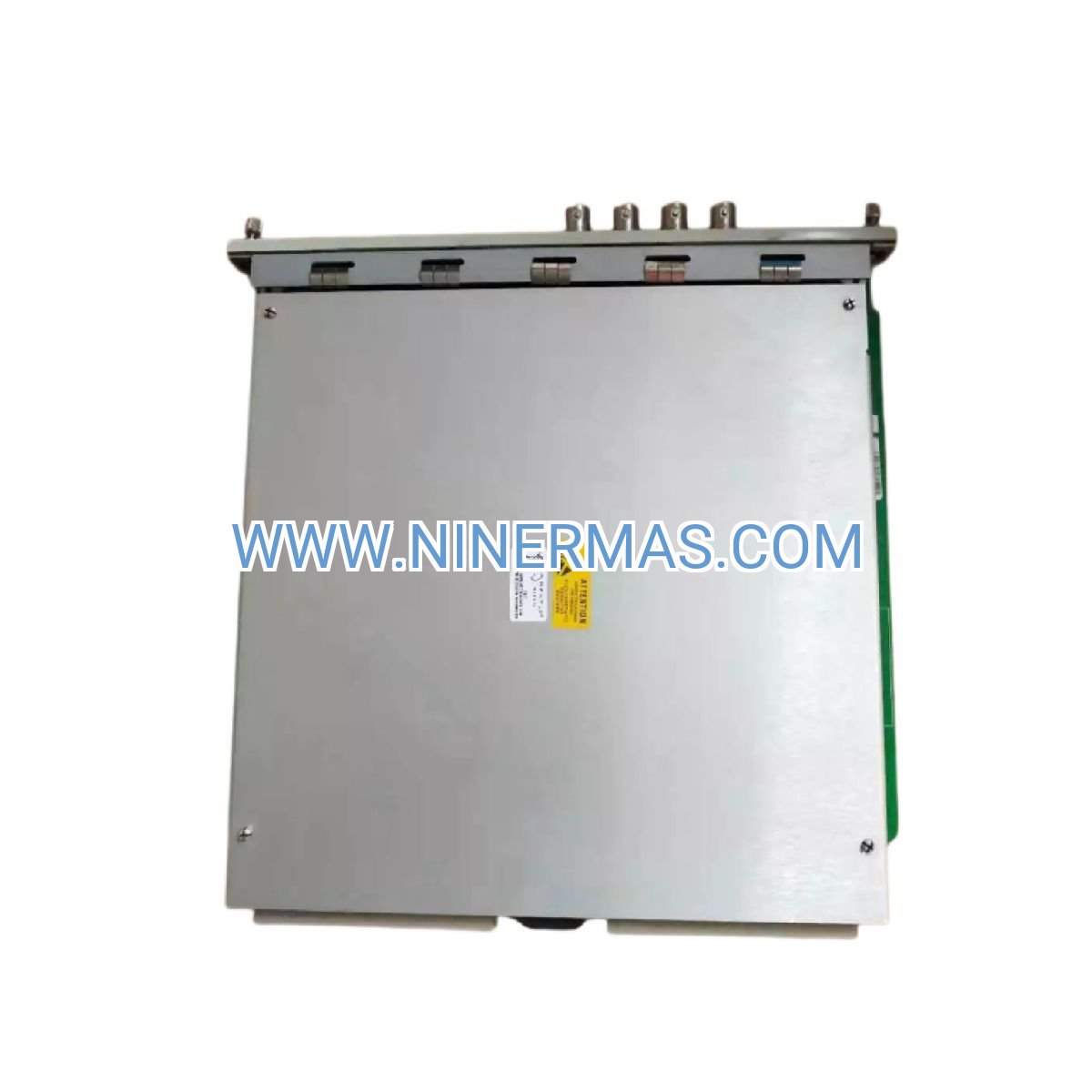
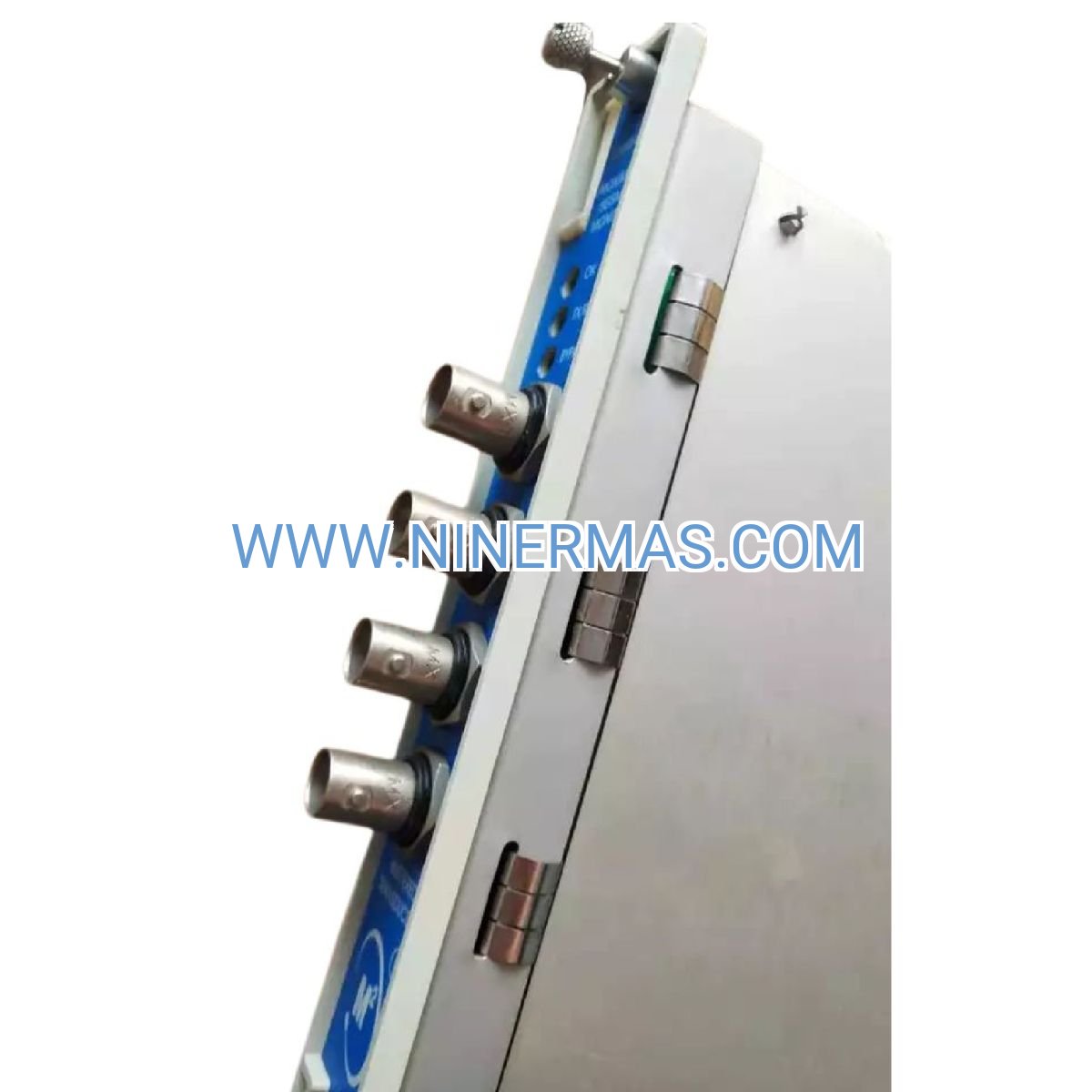
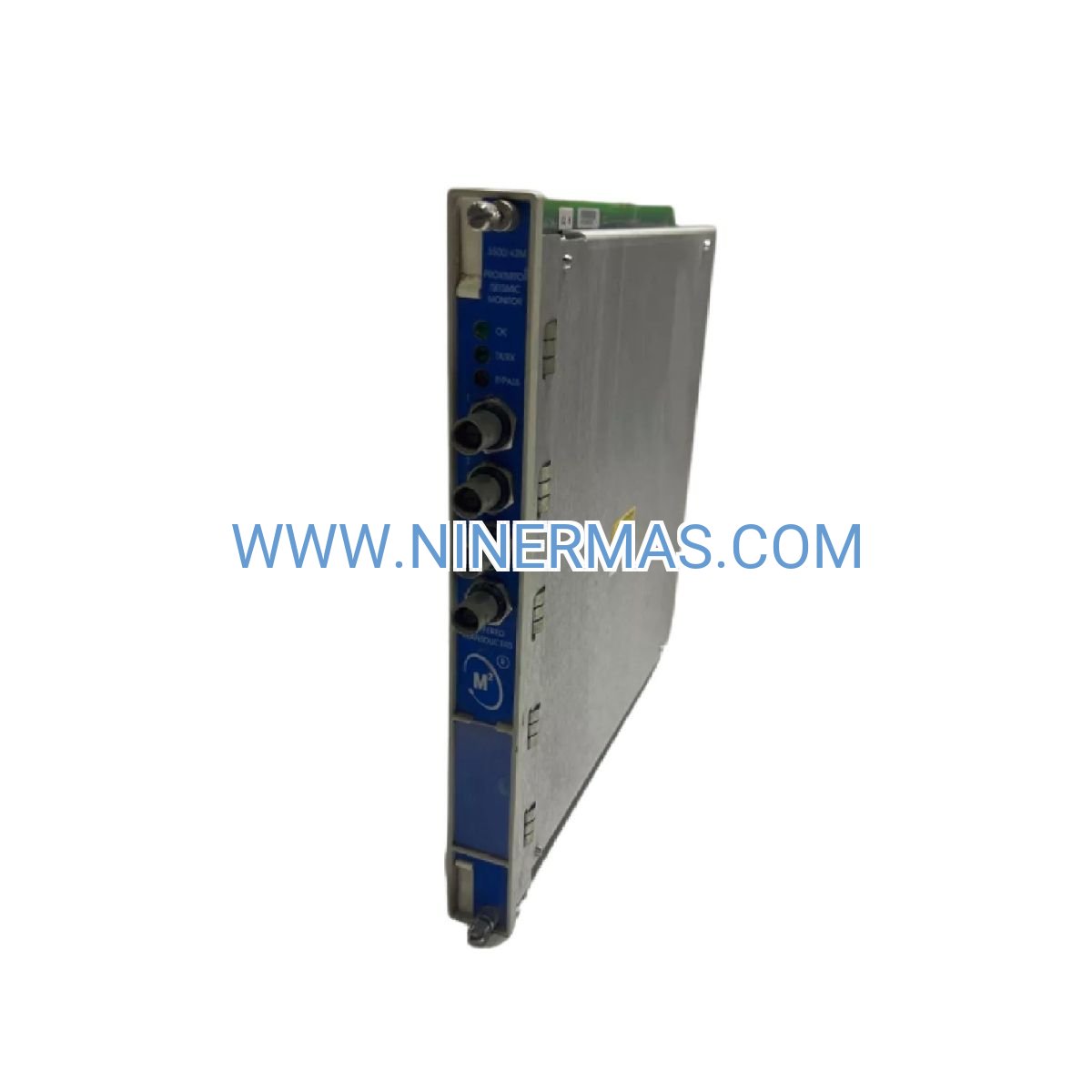
3500/42M Proximitor Seismic Monitor (Industrial-Grade Vibration Protection)
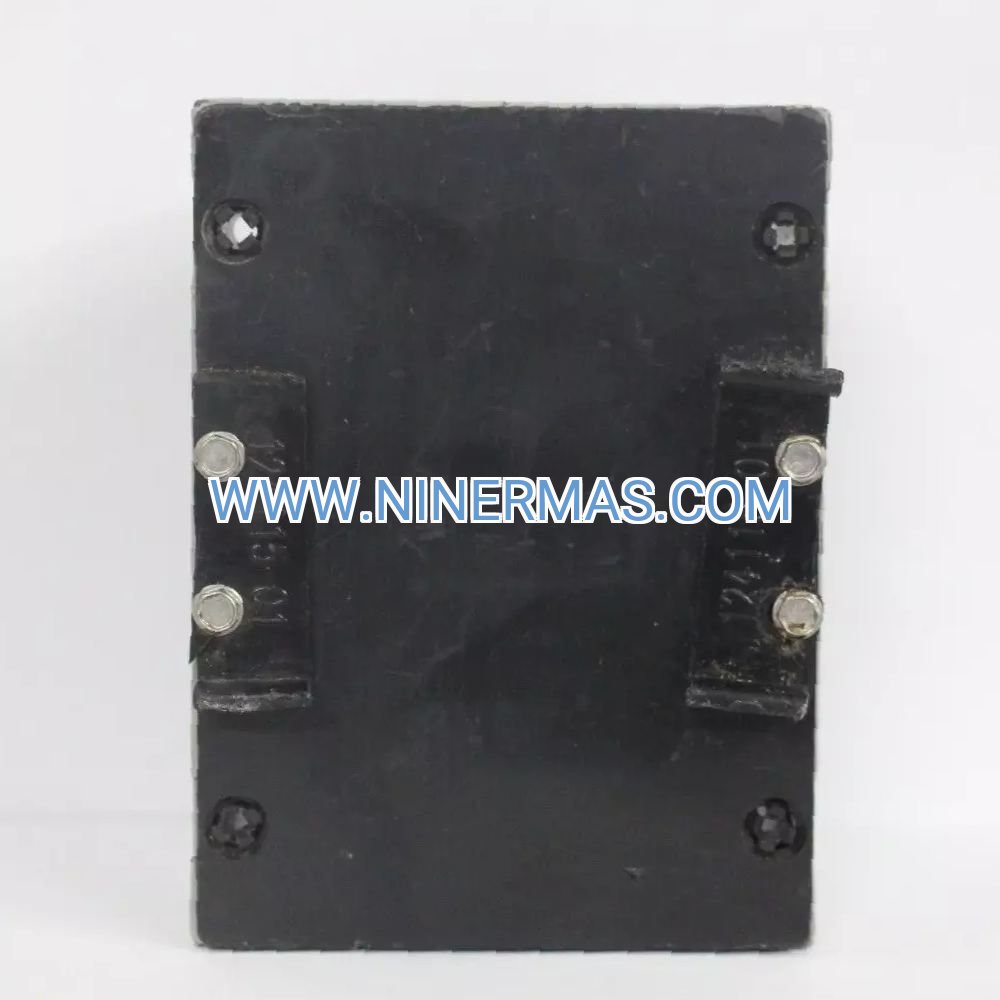
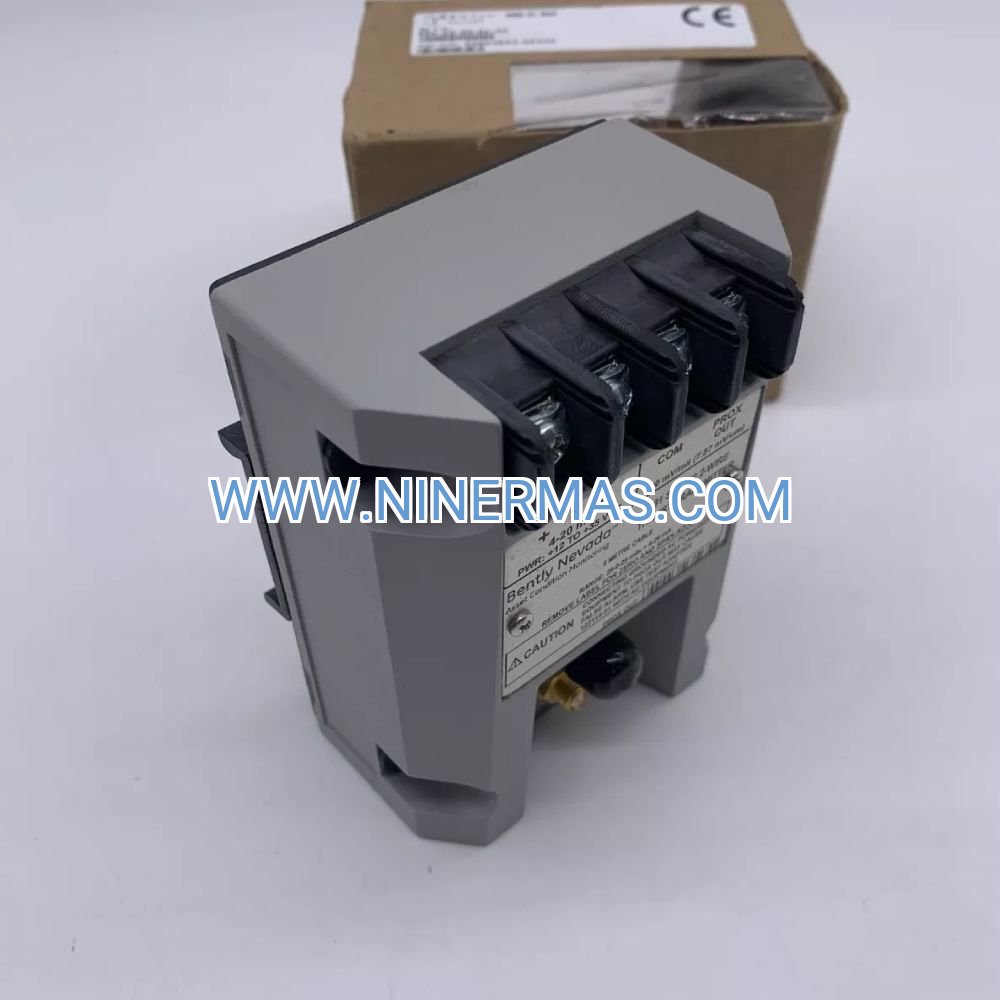
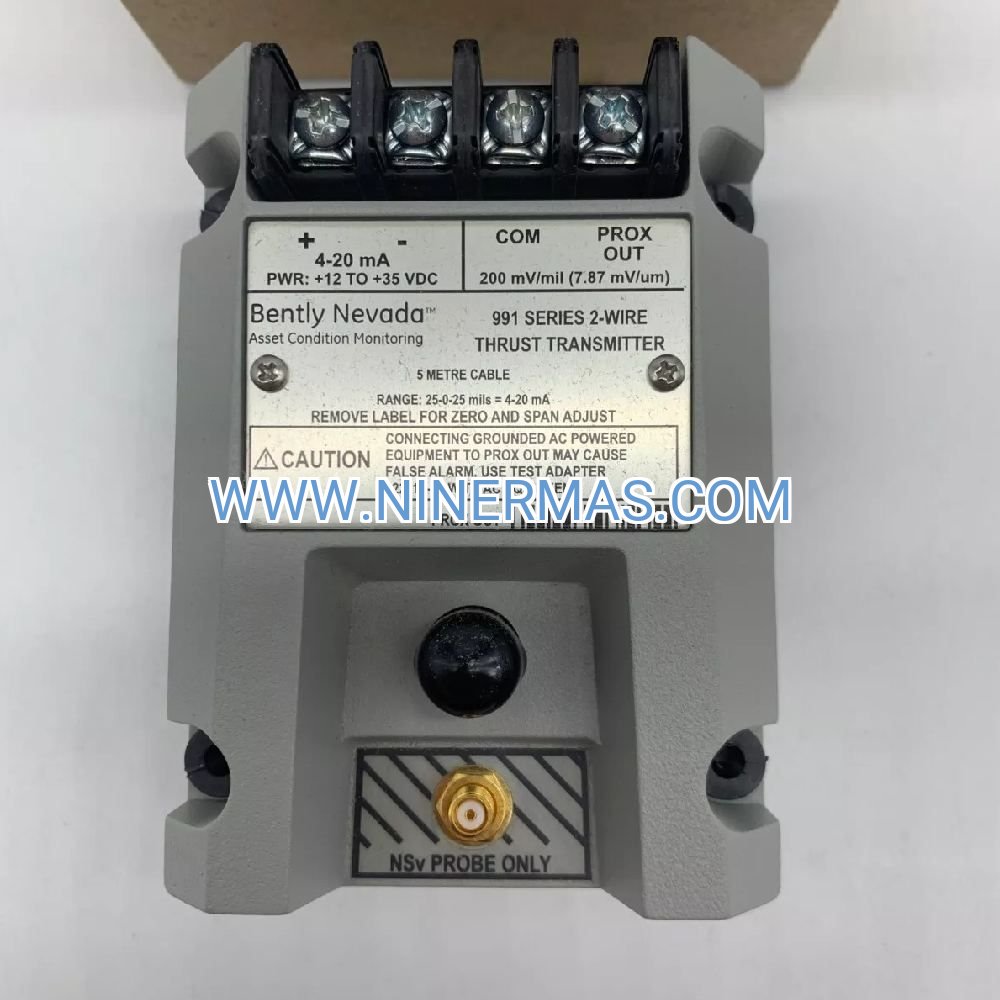
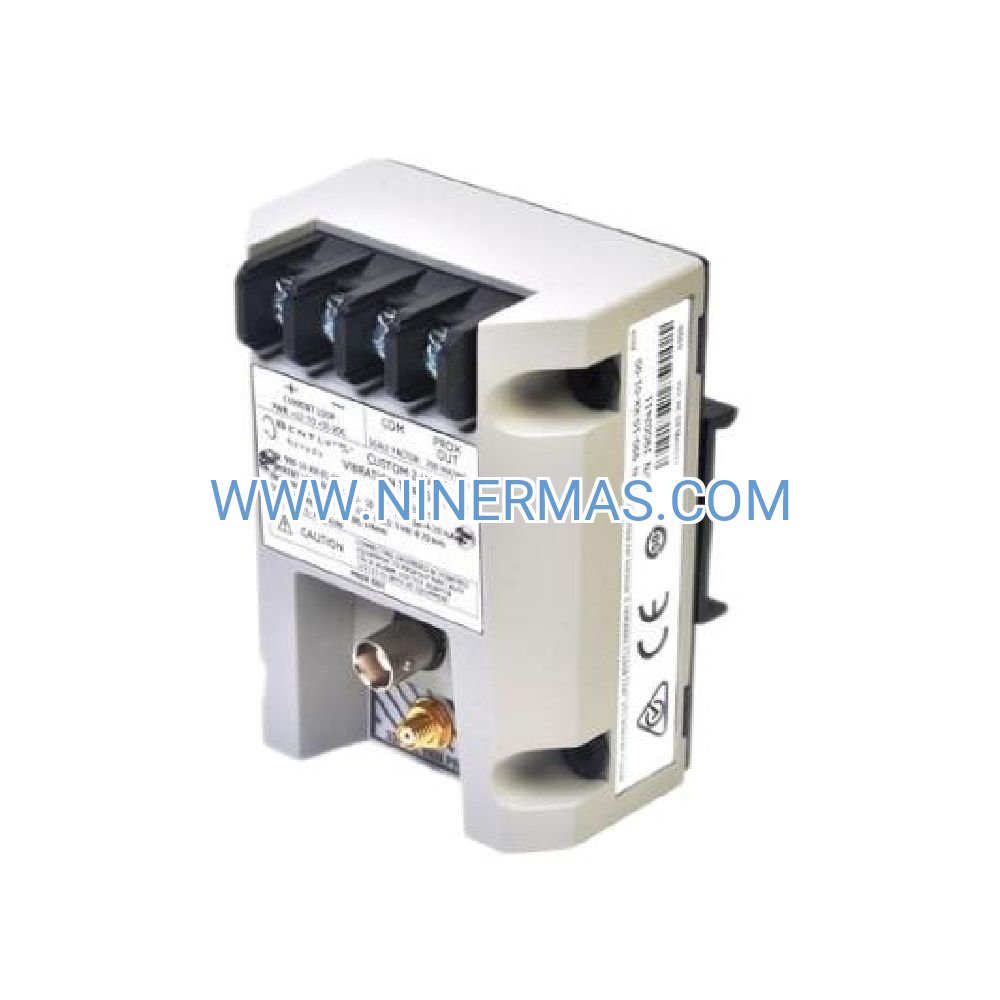
The Bently Nevada 3500/42M (P/N: 140734-02) delivers enterprise-class vibration monitoring for mission-critical rotating equipment in power generation, petrochemical processing, and heavy manufacturing environments. This four-channel monitor module seamlessly integrates proximity transducers and seismic accelerometers within a unified platform, enabling comprehensive machinery health surveillance from shaft-level dynamics to structural casing response.
Engineered for turbomachinery protection systems, the 3500/42M processes real-time vibration signals through advanced DSP algorithms, extracting overall amplitude, synchronous 1× components, harmonic 2× patterns, and spectral peak energy (Smax) across user-defined frequency bands. Dual-threshold alarm architecture with programmable voting logic provides layered defense against catastrophic failures while minimizing false trips during transient operating conditions.
Ideal for reliability engineers managing steam turbines, gas compressors, centrifugal pumps, and high-horsepower motors requiring continuous condition monitoring per API 670 machinery protection standards. The module's flexible channel configuration supports mixed sensor deployments—combining eddy current probes for rotor displacement with piezoelectric accelerometers for bearing housing velocity—delivering complete vibration characterization across all critical measurement planes.
Core Capabilities & Technical Advantages
→ Dual-Mode Sensor Processing
Each of the four independent channels auto-configures for either proximity probe inputs (-10 to -1V DC from Proximitor® sensors) or seismic transducer signals (±10V from external conditioners). This eliminates the need for separate monitor types, reducing spare parts inventory and simplifying system architecture for plants with diverse machinery portfolios.
✓ Multi-Parameter Vibration Analysis
Simultaneous measurement of broadband RMS vibration (10 Hz–10 kHz), running-speed filtered 1× amplitude, twice-running-speed 2× component, and Smax spectral energy. This parallel processing enables early detection of unbalance, misalignment, looseness, bearing defects, and blade-pass resonances without requiring external FFT analyzers during routine operations.
→ Intelligent Alarm Management
Dual-setpoint Alert/Danger thresholds with independent time delays (0–60 sec) and programmable hysteresis prevent nuisance trips from startup transients or process upsets. Four relay outputs support flexible voting logic (AND/OR combinations) for redundant protection schemes mandated by safety-instrumented system (SIS) requirements in critical service applications.
✓ Wide Dynamic Range & Precision
Greater than 80 dB dynamic range captures vibration from sub-micron shaft motion to high-amplitude fault conditions without range switching. 16-bit A/D conversion with anti-aliasing filters ensures measurement accuracy across the full 2 Hz–10 kHz frequency spectrum, meeting ISO 10816 and ISO 7919 vibration severity standards.
→ Integrated Diagnostics & Display
Front-panel 4-line LCD provides real-time vibration values, alarm status, and channel configuration without requiring external software. Tri-color status LEDs (OK/Alert/Danger) enable at-a-glance health assessment during plant rounds, while built-in sensor fault detection identifies open circuits, shorts, and out-of-range conditions.
✓ Seamless System Integration
Propretary backplane communication protocol interfaces with 3500/92 Communication Gateway for Modbus TCP/IP, EtherNet/IP, or OPC connectivity to DCS/SCADA platforms. Compatible with 3500/22M Transient Data Interface for high-resolution waveform capture and System 1 predictive maintenance software integration.
Industrial Application Scenarios
Steam Turbine-Generator Protection
Monitor journal bearing vibration on 50–500 MW turbine-generator sets using dual proximity probes (X-Y configuration) at each bearing pedestal. Track shaft absolute vibration during startup/shutdown transients, detect thermal bows, and identify rubs before catastrophic failure. Simultaneously measure casing vibration with seismic sensors to correlate rotor and stator dynamics during load changes.
Gas Turbine Compressor Surveillance
Protect aero-derivative and industrial gas turbines by monitoring compressor and turbine section vibration independently. Detect blade resonances, surge-induced vibration, and bearing degradation across the 10,000–15,000 RPM operating range. Smax tracking identifies emerging blade-pass frequencies indicative of FOD damage or coating delamination.
Centrifugal Compressor Monitoring
Implement comprehensive vibration surveillance on multi-stage centrifugal compressors handling process gases in refineries and chemical plants. Monitor radial shaft vibration at thrust and journal bearings, axial position via thrust probe, and casing pulsation using accelerometers—all within a single 3500/42M module for compact system design.
Critical Pump & Motor Applications
Protect high-energy boiler feed pumps, cooling water circulation pumps, and induced draft fans in power plants. Velocity sensors on bearing housings detect cavitation, impeller imbalance, and coupling misalignment. Early warning alarms trigger maintenance before seal failures or bearing seizures cause unplanned outages.
Gearbox Condition Monitoring
Track gear mesh vibration and bearing health in parallel-shaft and planetary gearboxes using accelerometers mounted on gearbox casings. Smax parameter isolates gear mesh frequencies and bearing tone families, enabling trending of tooth wear progression and lubrication degradation without disassembly.
Technical Specifications & Selection Guide
| Parameter | Specification |
|---|---|
| Part Number | 140734-02 |
| Input Channels | 4 independently configurable |
| Proximity Input Range | -10 to -1V DC (Proximitor® output) |
| Seismic Input Range | ±10V DC (conditioned signal) |
| Frequency Response | Proximity: 10 Hz–10 kHz | Seismic: 2 Hz–10 kHz |
| Dynamic Range | >80 dB |
| Measurement Functions | Overall, 1× Filtered, 2× Filtered, Smax, Gap Voltage |
| Alarm Outputs | 4 programmable relays (5A @ 30V DC / 250V AC) |
| Display | 4-line LCD with real-time values |
| Operating Temperature | -30°C to +65°C (-22°F to +149°F) |
| Power Consumption | 7.5W (from 3500 rack supply) |
| Dimensions (W×H×D) | 24.4 × 241.8 × 241.3 mm (0.96" × 9.52" × 9.50") |
| Weight | 0.91 kg (2.0 lbs) |
| Compliance | API 670, UL 508, CE, RoHS, DNV GL Marine |
Selection Criteria: Choose the 3500/42M when your application requires mixed proximity and seismic sensor inputs on the same machine, or when monitoring parameters beyond simple overall vibration (1×, 2×, Smax) are needed for diagnostic purposes. For proximity-only applications, consider the 3500/40M; for seismic-only with higher channel density, evaluate the 3500/44M.
Advanced Monitoring Functions
Keyphasor-Synchronized Filtering
The 3500/42M receives once-per-revolution keyphasor timing signals from the 3500/25 Enhanced Keyphasor Module, enabling precise 1× and 2× filtered measurements that track with machine speed variations. This synchronous filtering rejects non-synchronous vibration components, isolating unbalance and misalignment signatures even during speed ramps or load transients.
Spectral Peak Detection (Smax)
User-configurable frequency bands (e.g., 50–300 Hz for bearing defect detection, 500–2000 Hz for gear mesh monitoring) enable the Smax function to identify and track the highest-amplitude spectral component within the defined range. Trending Smax amplitude over time reveals bearing degradation, gear tooth wear, and blade resonance development months before overall vibration levels trigger alarms.
Gap Voltage Monitoring
For proximity probe channels, the monitor continuously tracks DC gap voltage—the average voltage output from the Proximitor sensor. Changes in gap voltage indicate shaft thermal growth, thrust bearing wear, or sensor degradation. Gap voltage alarms prevent false vibration readings caused by sensor drift or installation issues.
Velocity Conversion & ISO Compliance
When configured for accelerometer inputs, the 3500/42M automatically integrates acceleration signals to velocity (mm/s or in/s RMS) per ISO 10816 vibration severity standards. This eliminates the need for external signal conditioners with integration functions, simplifying system design and reducing potential failure points.
Delivery, Warranty & Technical Support
Lead Time: Standard delivery 5–7 business days for in-stock units; custom-configured modules ship within 10–15 business days. Expedited shipping available for emergency replacements.
Warranty Coverage: 12-month manufacturer's warranty covering defects in materials and workmanship. Extended warranty programs available for critical applications requiring guaranteed uptime.
Technical Assistance: Pre-sales application engineering support for sensor selection, setpoint calculation, and system architecture design. Post-sales commissioning guidance, troubleshooting assistance, and configuration file review included with purchase.
Documentation Package: Each module ships with installation manual, configuration software (3500 Rack Configuration), quick-start guide, and calibration certificate. Comprehensive technical manuals, application notes, and training videos available via online resource portal.
Frequently Asked Questions
Can the 3500/42M monitor both proximity and seismic sensors simultaneously on the same machine?
Yes. Each of the four channels independently configures for either proximity or seismic input types. A typical configuration might use channels 1–2 for proximity probes measuring shaft vibration at the inboard bearing, and channels 3–4 for accelerometers measuring casing vibration at the outboard bearing.
What is the maximum cable length between sensors and the 3500/42M module?
Proximity probe systems (Proximitor sensor + extension cable) support up to 300 feet total cable length. Seismic sensors with 4–20 mA output signal conditioners can extend to 1000 feet using shielded twisted-pair cable. Voltage-output accelerometers are limited to approximately 100 feet to maintain signal integrity.
How do I determine appropriate vibration alarm setpoints for my machinery?
Establish baseline vibration levels during commissioning with the machine in known-good condition. Set Alert thresholds at 1.5× baseline and Danger thresholds at 2.5× baseline as a starting point per API 670 guidelines. Refine setpoints based on machine criticality, operating experience, and manufacturer recommendations. ISO 10816 and ISO 7919 standards provide severity zone guidance for various machine types.
Does the 3500/42M require external power supplies for sensors?
Proximity probes require Proximitor sensors (e.g., 3300 XL 8mm or 11mm systems) which include integrated -24V DC power supplies—these connect directly to the 3500/42M inputs. Seismic sensors require external signal conditioners (e.g., 3501 Piezoelectric Transducer Conditioner) to provide IEPE excitation and signal conditioning; conditioned ±10V outputs then connect to the monitor.
Can I integrate 3500/42M vibration data with our plant DCS or SCADA system?
Yes, via the 3500/92 Communication Gateway module installed in the same 3500 rack. The gateway provides Modbus TCP/IP, EtherNet/IP, or Modbus RTU protocols for real-time data transfer to DCS, SCADA, or historian systems. All vibration measurements, alarm states, and diagnostic information are accessible via standard industrial protocols.
What preventive maintenance does the 3500/42M module require?
The module itself is solid-state electronics requiring no routine maintenance. Recommended practices include annual verification of relay operation, biennial calibration verification using a precision vibration calibrator, and quarterly firmware update checks. Typical mean time between failures (MTBF) exceeds 150,000 hours in properly maintained installations.
Ready to Protect Your Critical Machinery?
Contact our vibration monitoring specialists to discuss your application requirements, receive sensor selection guidance, and obtain a detailed quotation. Our team provides complimentary system architecture reviews and setpoint calculation assistance to ensure optimal protection for your rotating equipment.
© 2026 NINERMAS COMPANY LIMITED. All rights reserved.
Original Source: https://ninermas.com
Contact: sale@ninermas.com | +0086 187 5021 5667
PDF Specification
Download PDF file here:
Click to Download PDF

Contact Info
-
Address:22 / F, South Wo Hang building, 148 Wing Lok Street, Sheung Wan, Western District, Hong Kong
-
Phone:+8618750215667
-
Email: