
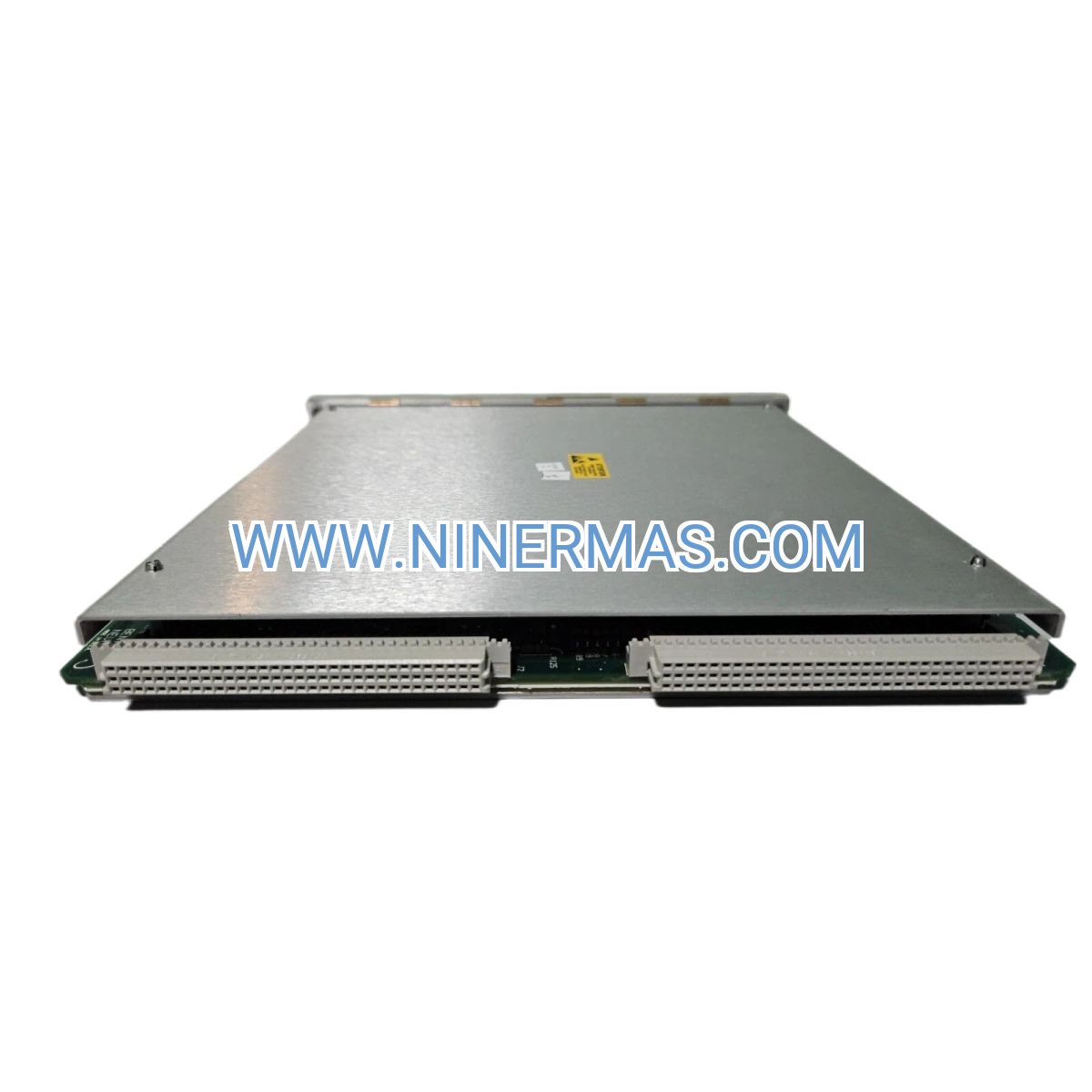
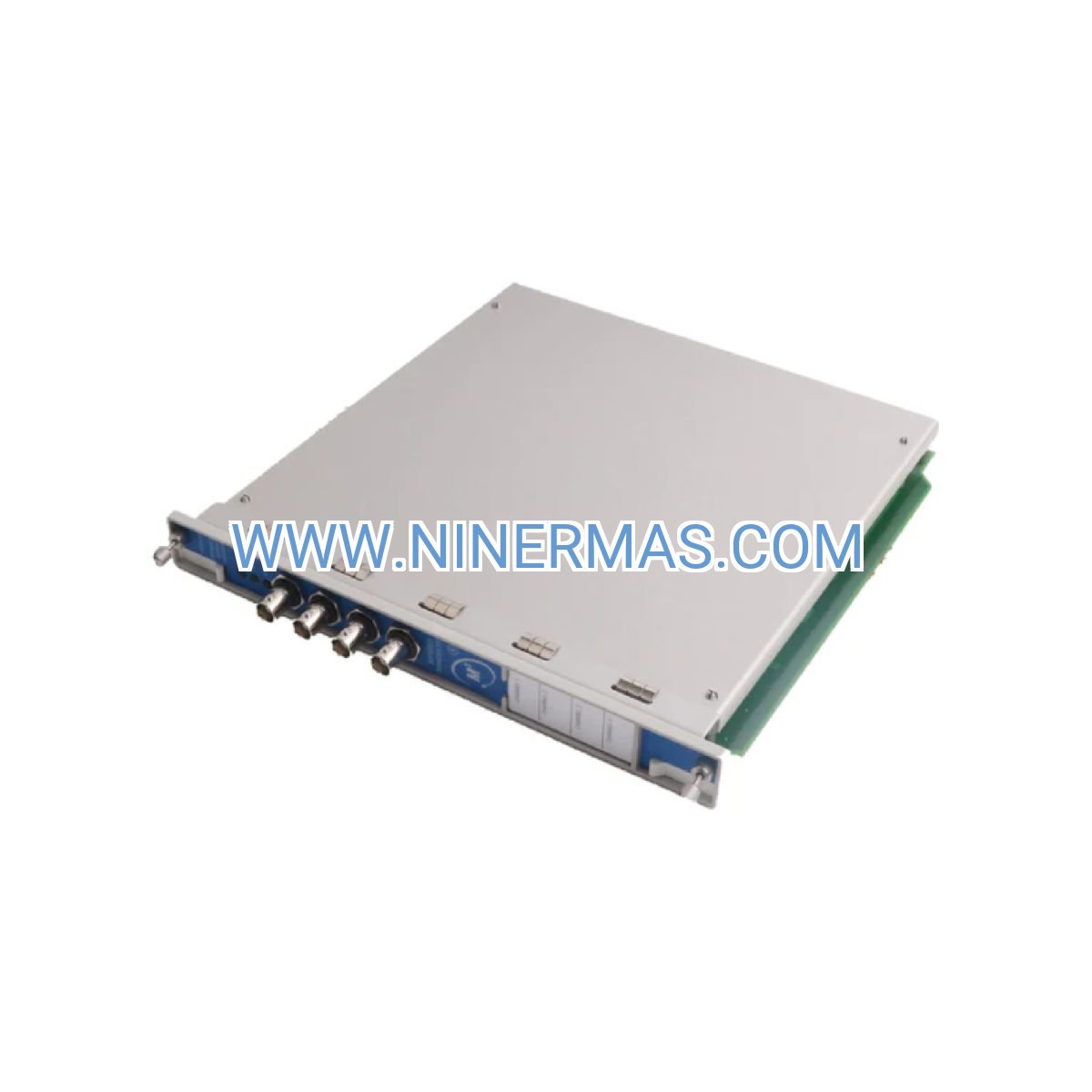
Description
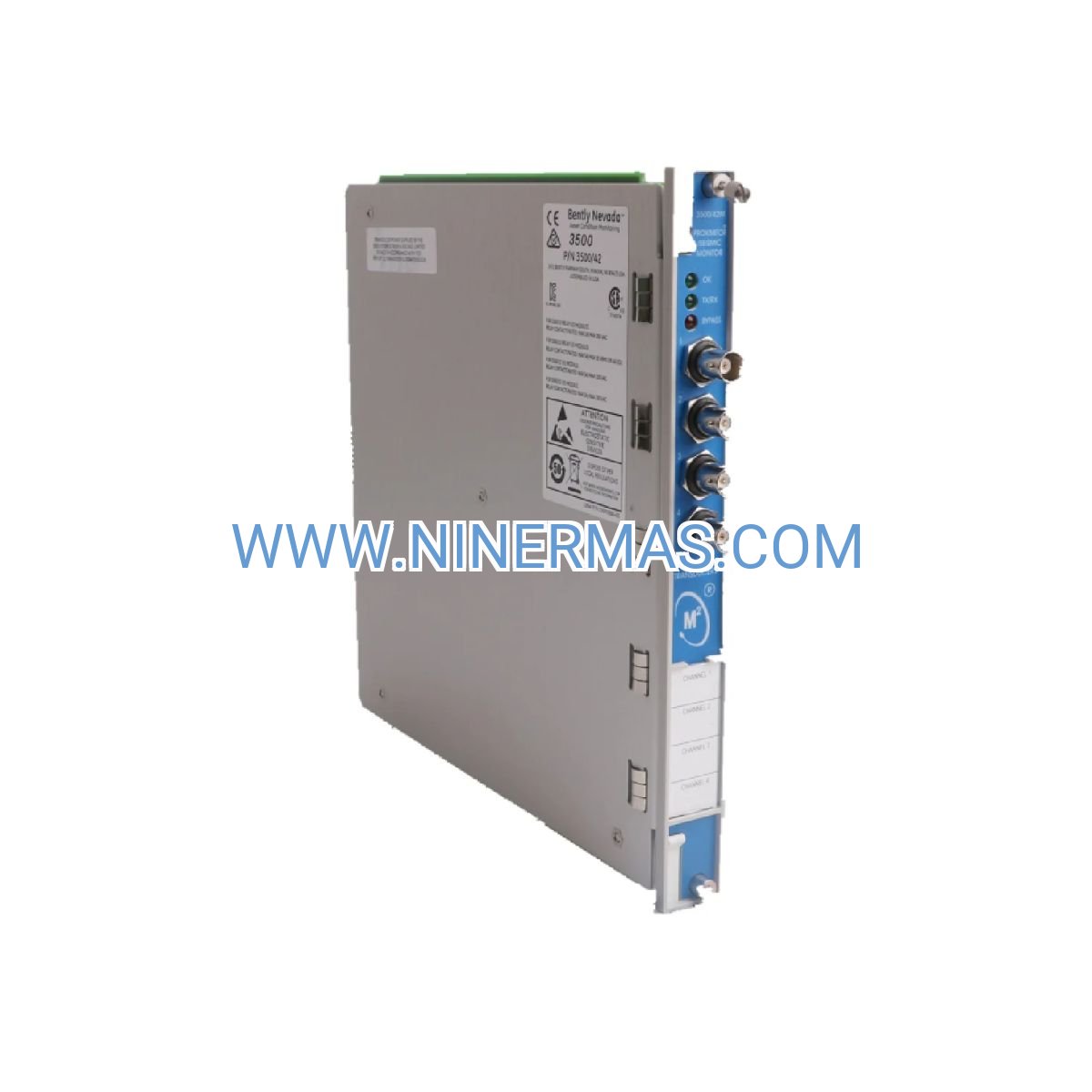
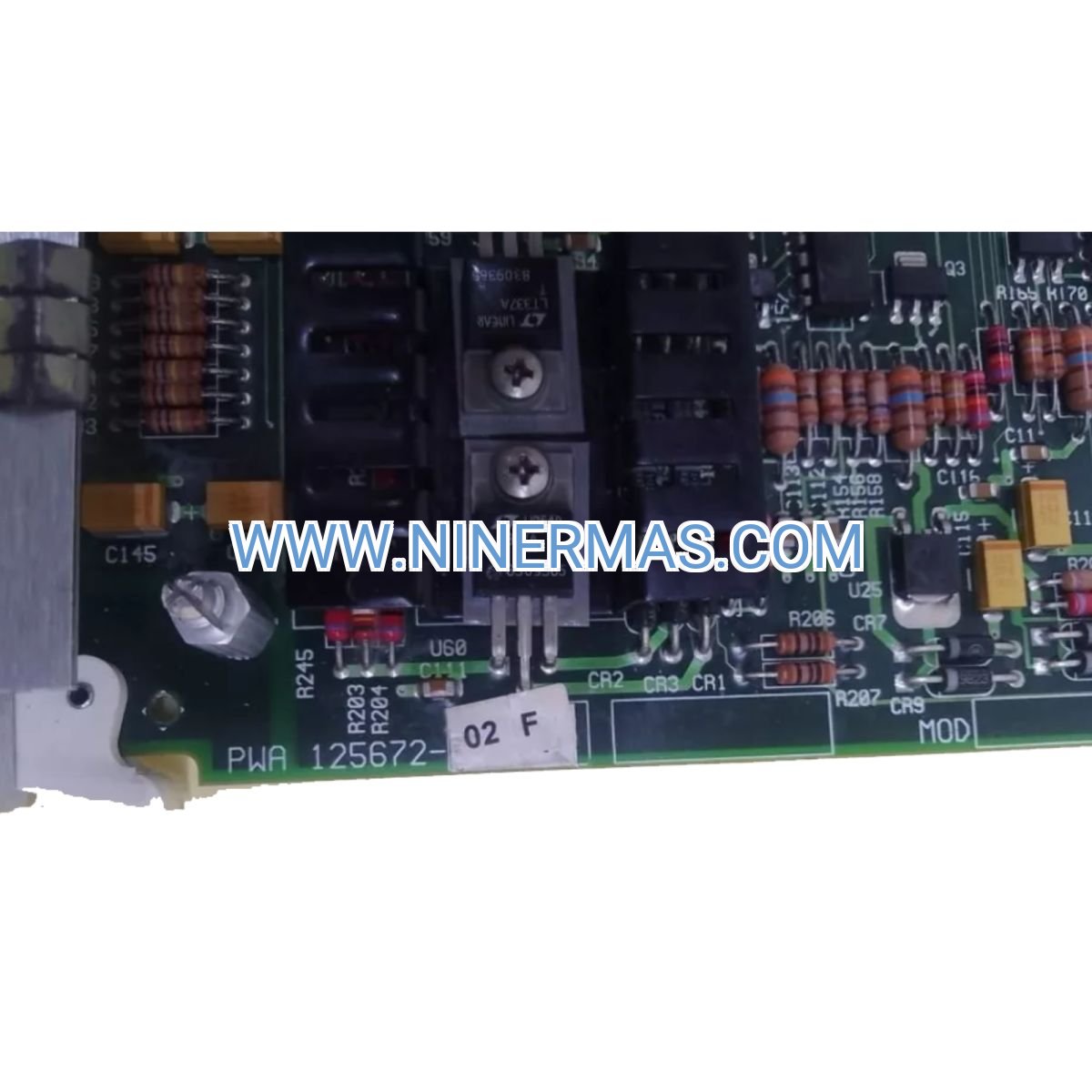
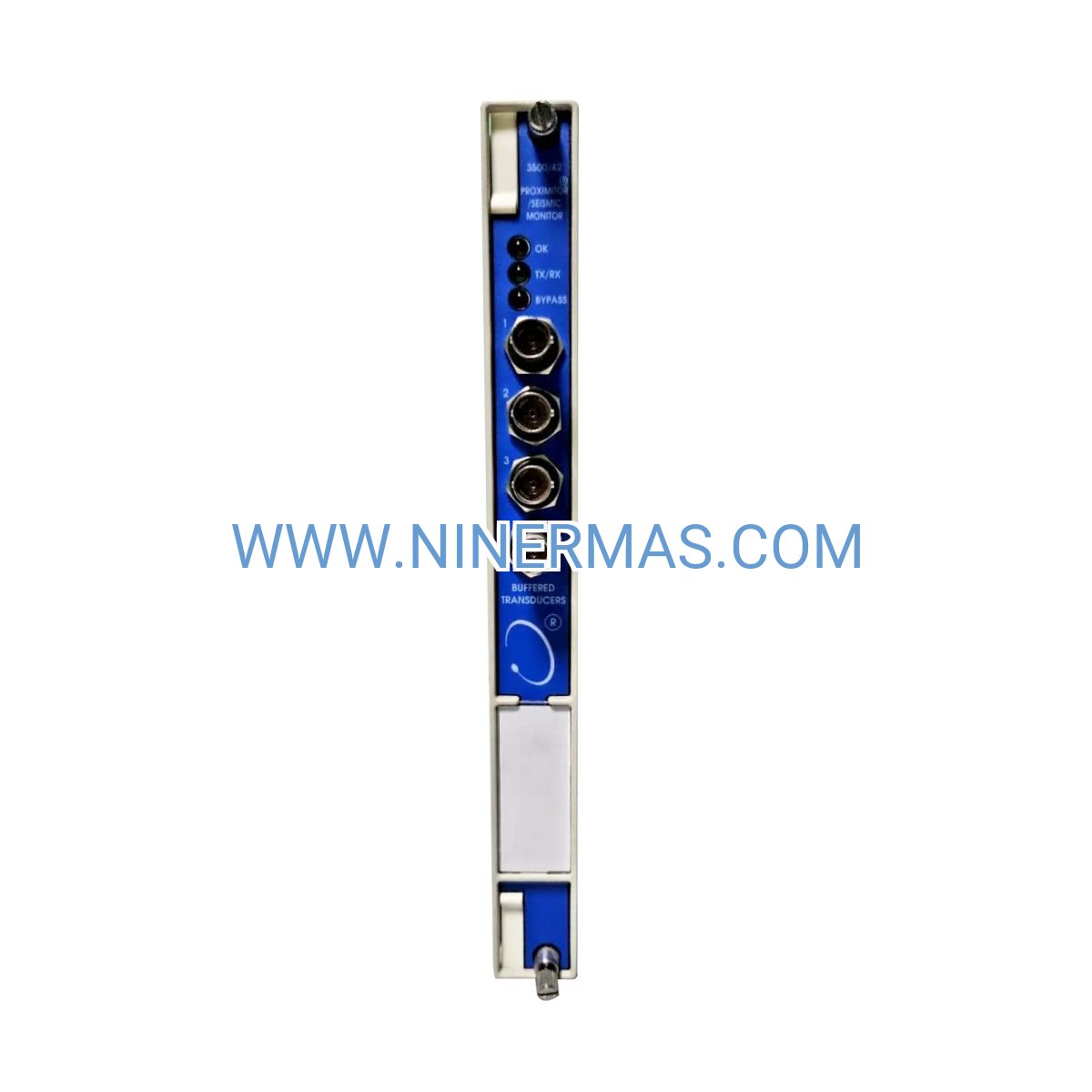
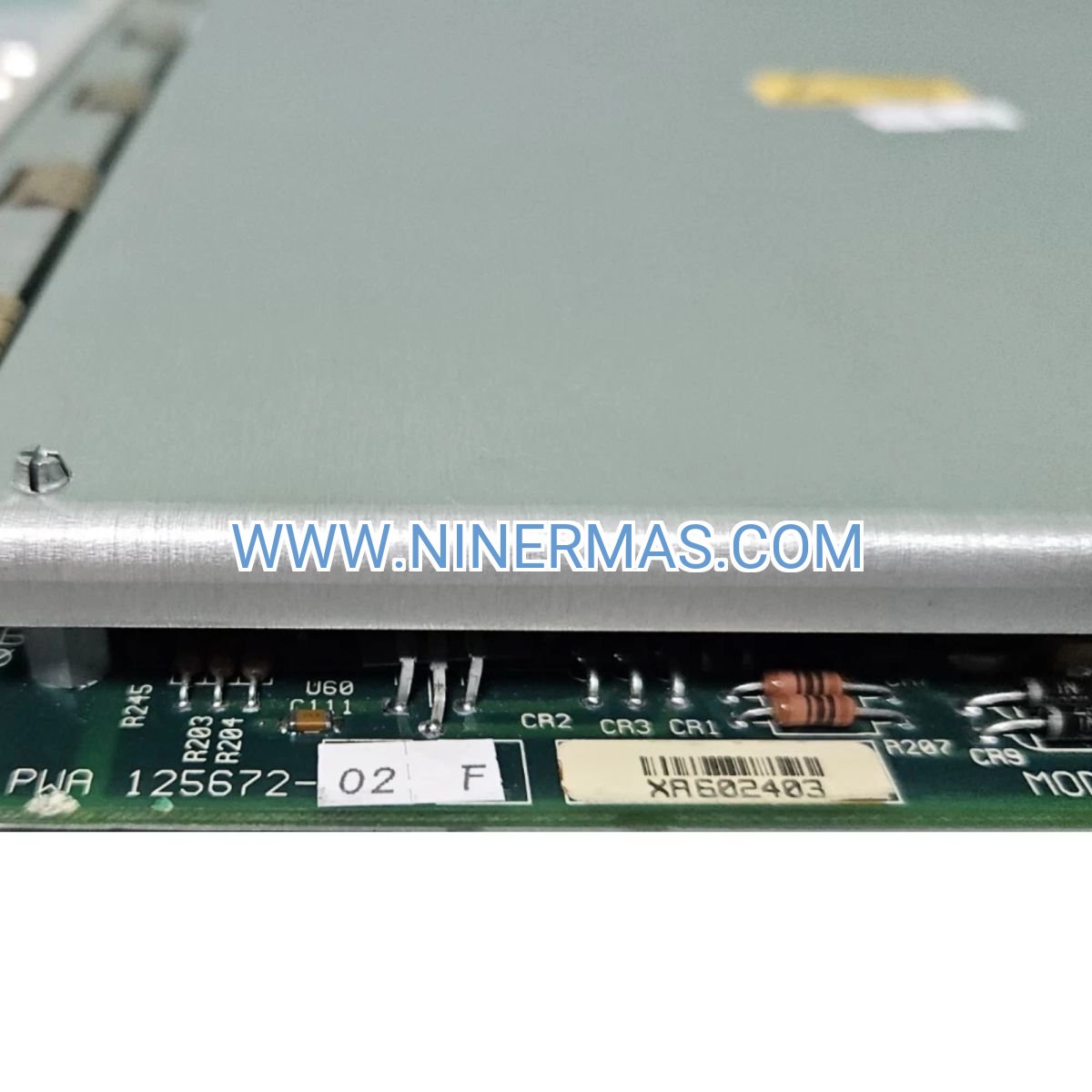
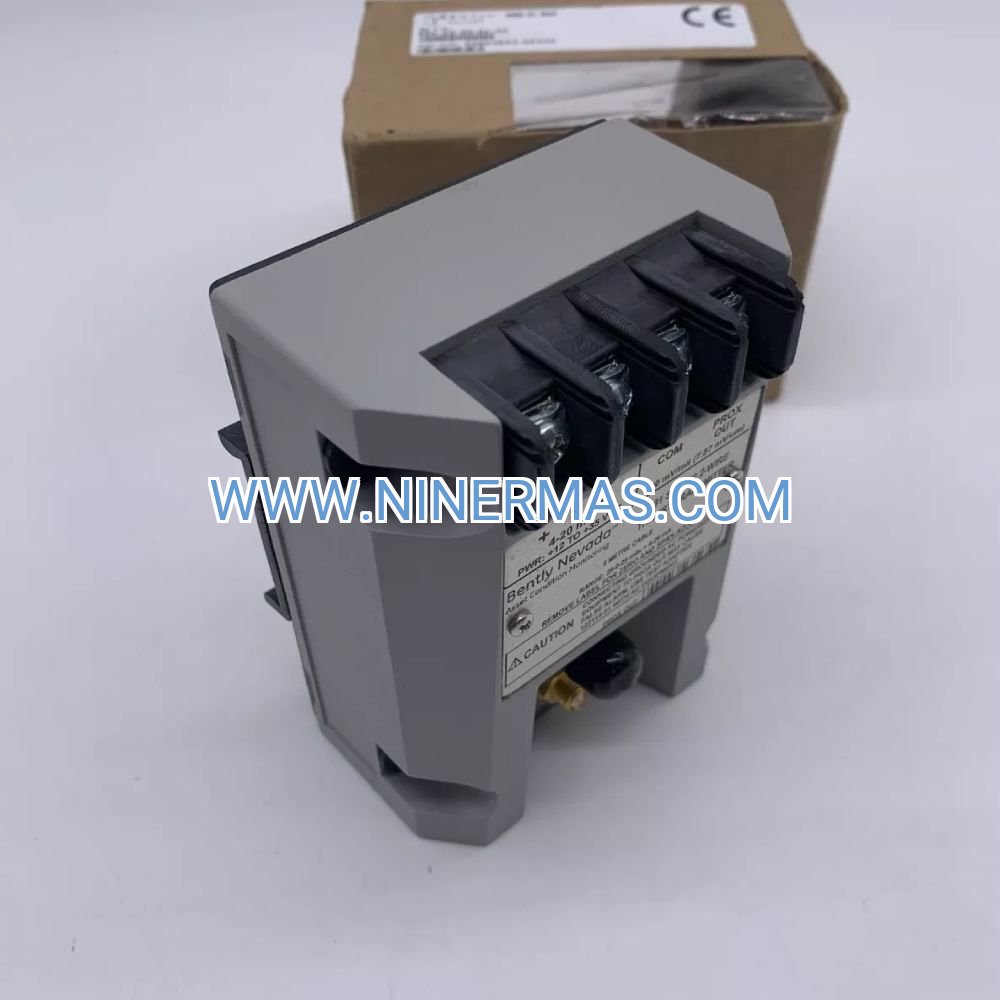
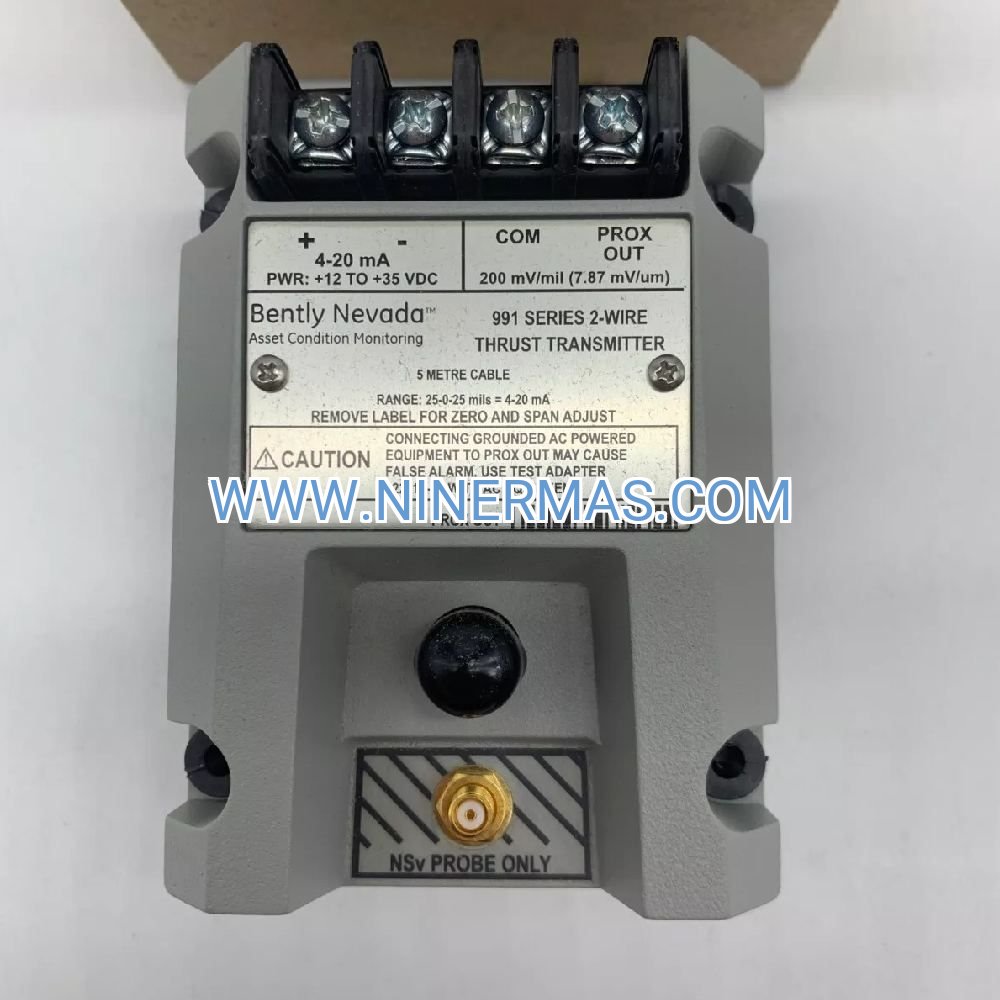
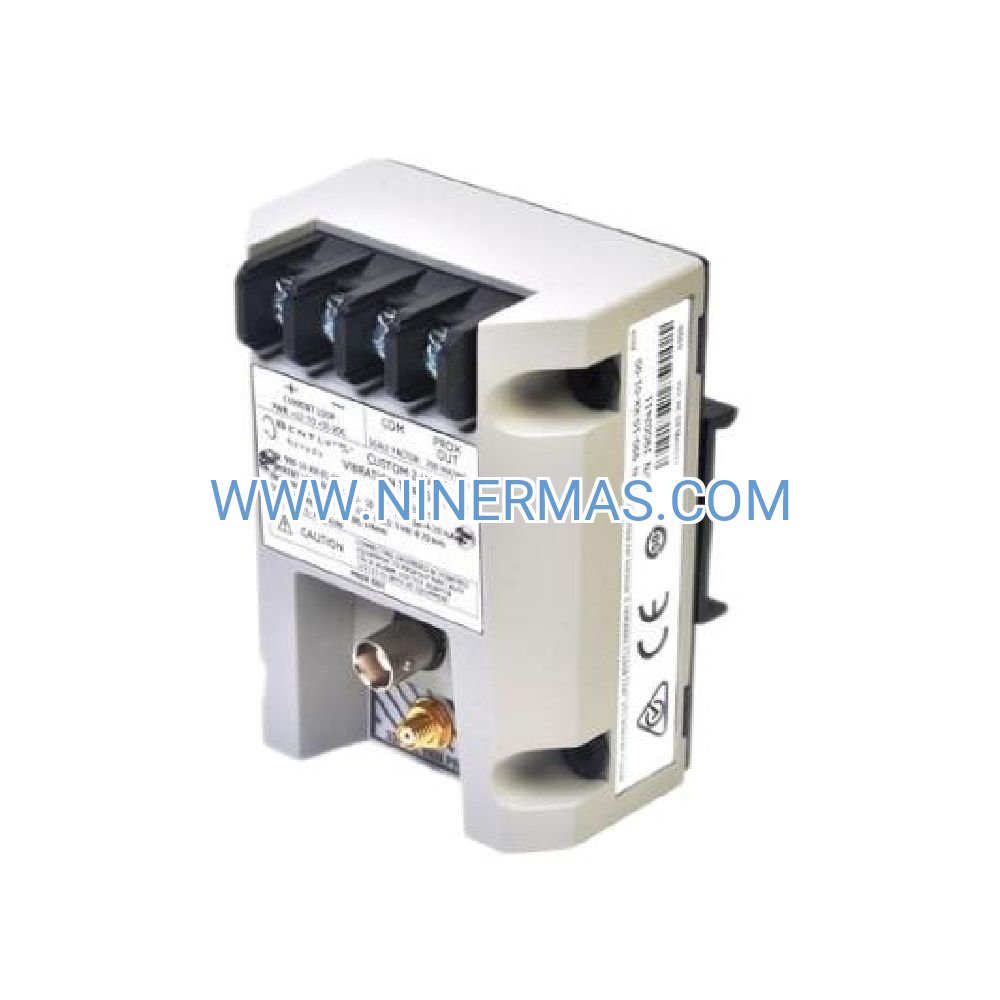
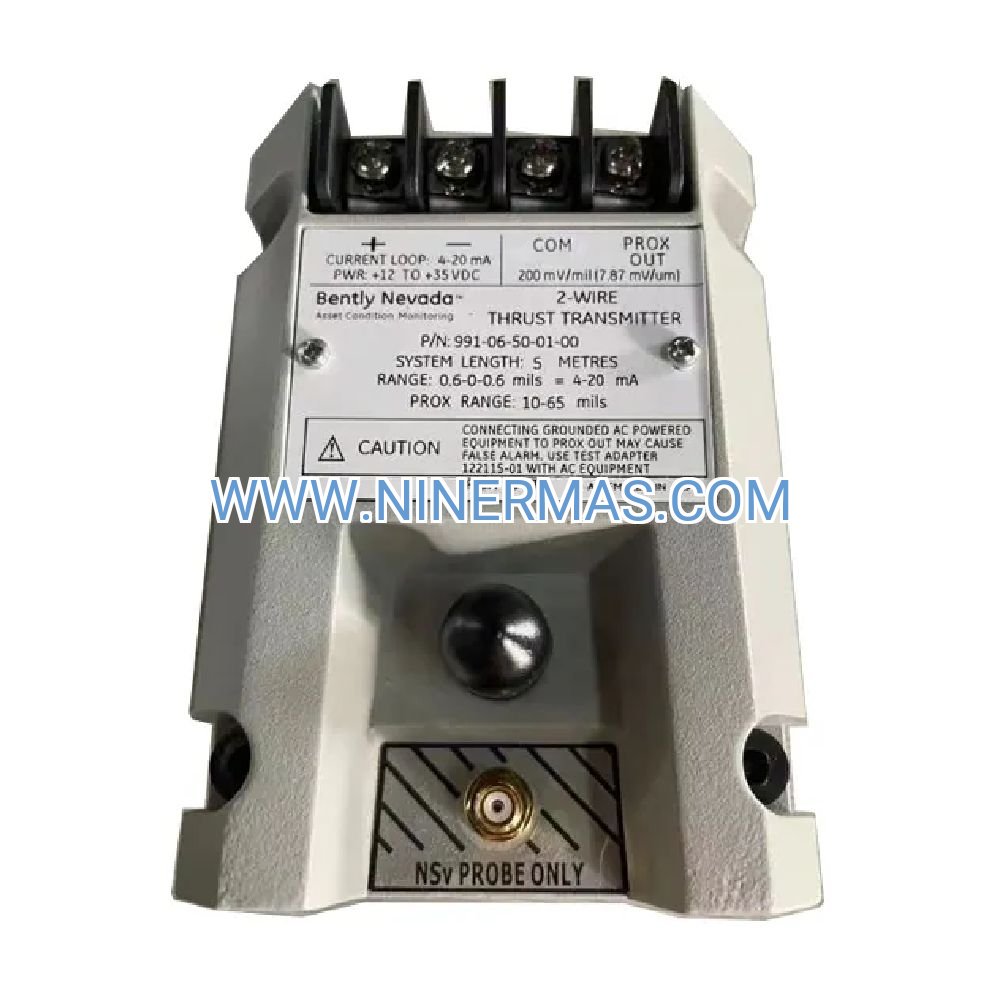
125672-02 Four-Channel Proximitor Monitor (Industrial-Grade Vibration Protection)
The 125672-02 represents a proven solution for continuous vibration surveillance in mission-critical rotating machinery. Engineered to interface seamlessly with proximity probes and seismic transducers, this four-channel monitor delivers precise measurement data that enables predictive maintenance strategies and prevents catastrophic equipment failures. Designed for integration within Bently Nevada 3500 rack systems, it serves as the frontline defense for turbines, compressors, and high-speed rotating assets operating under demanding industrial conditions.
Process industries face mounting pressure to maximize uptime while minimizing unplanned maintenance events. Traditional time-based maintenance approaches often result in premature component replacement or unexpected breakdowns. This proximitor monitor addresses these challenges by providing real-time condition data from multiple measurement points simultaneously, allowing maintenance teams to transition from reactive to predictive maintenance models. Plant operators in power generation, oil refining, and chemical processing facilities rely on this technology to safeguard investments in rotating equipment valued at millions of dollars.
What distinguishes the 125672-02 is its field-proven reliability combined with flexible configuration options. Factory calibration ensures measurement accuracy from the moment of installation, while hot-swap capability allows module replacement during operation without system interruption. The monitor's compatibility with both eddy current proximity sensors and piezoelectric accelerometers provides versatility across diverse machinery types and monitoring requirements.
Core Capabilities & Business Value
→ Simultaneous Multi-Point Surveillance
Four independent channels enable comprehensive machine health assessment through concurrent monitoring of radial vibration, axial position, and differential expansion. This parallel data acquisition reveals developing faults that single-point measurements might miss, reducing diagnostic time by up to 60% compared to sequential monitoring approaches.
→ Universal Transducer Compatibility
Accepts signals from -24VDC proximity probes (eddy current sensors) and 100mV/g accelerometers without external signal conditioning. This dual-mode capability eliminates the need for separate monitoring systems when facilities operate mixed sensor populations, cutting hardware costs by 35-40% in typical installations.
→ Intelligent Alarm Architecture
Programmable alert and danger setpoints with adjustable hysteresis prevent nuisance alarms while ensuring genuine fault conditions trigger immediate notification. Configurable voting logic across multiple channels provides high-confidence trip decisions that balance equipment protection with operational continuity.
✓ Zero-Downtime Serviceability
Hot-swappable module design permits field replacement during active operation, maintaining continuous protection during maintenance activities. This feature alone can prevent production losses exceeding $50,000 per hour in critical process applications where shutdown is not an option.
✓ Factory-Validated Performance
Each unit ships with calibration certificates traceable to NIST standards, eliminating weeks of commissioning time typically required for field calibration. Pre-configured alarm templates for common machinery types enable deployment in hours rather than days.
✓ Embedded Diagnostics
Continuous transducer health monitoring detects sensor cable faults, probe damage, and signal degradation before they compromise measurement integrity. Gap voltage measurement for proximity probes ensures optimal sensor positioning and early detection of installation issues.
Industrial Application Scenarios
Power Generation Turbine Protection
Steam and gas turbines in combined-cycle plants operate at extreme speeds where bearing failures can destroy equipment worth $15-30 million. The 125672-02 monitors journal bearing vibration and thrust position simultaneously, providing the early warning necessary to execute controlled shutdowns before catastrophic damage occurs. Typical installations monitor two radial planes plus axial position per bearing, utilizing all four channels for comprehensive turbine protection.
Petrochemical Compressor Monitoring
Centrifugal compressors handling corrosive or explosive gases demand uncompromising reliability. This monitor tracks both radial vibration and case-mounted seismic measurements, detecting rotor imbalance, misalignment, and bearing wear patterns that precede failure. Early fault detection enables planned maintenance during scheduled turnarounds rather than emergency shutdowns that can cost $200,000+ per day in lost production.
Refinery Pump Surveillance
High-energy pipeline pumps and process pumps operating in continuous service benefit from multi-channel monitoring that reveals cavitation, impeller damage, and seal degradation. The monitor's ability to track both pump and motor bearings from a single module reduces hardware costs while providing complete drivetrain visibility. Facilities report 40-50% reduction in pump-related unplanned downtime after implementing continuous monitoring.
Critical Motor-Generator Sets
Emergency generators and standby power systems must start reliably during grid failures. Continuous monitoring during monthly test runs captures trending data that identifies developing faults in bearings, couplings, and mounting structures. This proactive approach ensures backup power availability when needed most, meeting regulatory requirements for critical infrastructure facilities.
Industrial Gearbox Condition Assessment
High-ratio gearboxes in mills, crushers, and conveyors generate complex vibration signatures. Four-channel monitoring enables simultaneous tracking of input and output shaft vibration plus case-mounted measurements, providing the data density required for advanced diagnostic techniques like spectral analysis and envelope detection. Maintenance teams use this information to optimize gear mesh lubrication and detect tooth wear before catastrophic failure.
Technical Parameters & Selection Guide
| Parameter | Specification |
|---|---|
| Part Number | 125672-02 |
| Product Family | Bently Nevada 3500/42 Proximitor/Seismic Monitor |
| Input Channels | 4 independent, configurable |
| Sensor Types Supported | Proximity probes (-24VDC), Accelerometers (100mV/g), Velocity transducers |
| Measurement Range | 0-500 mils pk-pk (proximity), 0-50 g pk (acceleration) |
| Frequency Response | 0-10 kHz (-3dB), configurable filtering |
| Alarm Outputs | 2 per channel (Alert, Danger), relay or logic level |
| Compliance Standards | API 670 (4th Edition), ISO 20816, IEC 61508 SIL-2 |
| Operating Environment | -30°C to +65°C, 5-95% RH non-condensing |
| Power Requirements | 24VDC ±10%, 7.5W typical, 12W maximum |
| Communication Interface | Proprietary backplane protocol (requires 3500 rack) |
| Physical Dimensions | Single-slot 3500 rack module, 241.8mm H × 24.4mm W × 241.3mm D |
| Weight | 0.91 kg (2.0 lbs) |
| MTBF | >150,000 hours (calculated per MIL-HDBK-217F) |
Selection Criteria: Choose the 125672-02 when your application requires monitoring of four or fewer measurement points per machine train. For larger machines requiring 8+ channels, consider deploying multiple modules or upgrading to higher-density monitor configurations. Verify that your existing 3500 rack has available slots and sufficient backplane power capacity (each module consumes one slot and draws 12W maximum). Confirm sensor compatibility—proximity probes must provide -24VDC bias voltage, and accelerometers should output 100mV/g nominal sensitivity. For applications requiring advanced spectral analysis or transient capture, ensure your rack includes a 3500/92 communication gateway for data export to System 1 software.
Extended Functionality
SCADA Integration Capabilities
When paired with a 3500/92 or 3500/95 communication gateway module, the monitor's data becomes accessible to plant-wide distributed control systems via Modbus TCP/IP or proprietary protocols. This integration enables centralized alarm management, historical trending in process historians, and correlation of vibration events with process parameters like temperature, pressure, and flow rate.
Advanced Diagnostic Features
Beyond basic vibration amplitude monitoring, the module supports gap voltage measurement for proximity probes, enabling verification of proper probe-to-target spacing during commissioning and ongoing operation. Transducer open-circuit and short-circuit detection provides immediate notification of sensor failures, preventing false alarms and ensuring measurement integrity.
Customization Options
Factory configuration services are available for customers requiring pre-programmed alarm setpoints, custom scaling factors, or application-specific filtering. Consult with our technical team during the ordering process to specify your exact requirements—custom configurations typically add 2-3 weeks to standard lead times but eliminate field programming effort.
Delivery Timeline & Service Commitment
Standard Delivery: In-stock units ship within 2-3 business days via express courier (DHL, FedEx, UPS). Typical transit time to major industrial centers: North America 3-5 days, Europe 4-6 days, Asia-Pacific 5-7 days. All shipments include full tracking and signature confirmation.
Custom Configuration: Factory-programmed units require 15-20 business days for configuration, testing, and quality verification before shipment. Rush service available for critical applications (contact sales for expedited processing).
Warranty Coverage: 12-month manufacturer warranty covers defects in materials and workmanship under normal operating conditions. Warranty includes free replacement or repair at our discretion, with return shipping costs covered for confirmed warranty claims.
Technical Support: Lifetime access to our applications engineering team for installation guidance, configuration assistance, and troubleshooting support. Phone and email support available during business hours (GMT+8), with emergency support for critical failures available 24/7 for customers under extended service agreements.
Documentation Package: Every unit ships with installation manual, configuration guide, dimensional drawings, and calibration certificate. Digital copies of all documentation available for download immediately upon order confirmation.
Frequently Asked Questions
What proximity probe models are compatible with this vibration monitor?
The 125672-02 accepts any proximity probe system providing -24VDC bias voltage and 200mV/mil sensitivity, including legacy 3300 XL, 3300 NSv, and current 330 series probes. Probe cable length should not exceed manufacturer recommendations (typically 5-9 meters depending on cable type) to maintain measurement accuracy.
Can I monitor both radial vibration and axial thrust position on the same machine?
Yes, each of the four channels can be independently configured for radial vibration, axial position, differential expansion, or eccentricity measurements. A typical turbine installation might use two channels for radial vibration (X-Y plane), one for thrust position, and one for differential expansion, all monitored simultaneously from a single module.
How does this monitor integrate with existing plant control systems for alarm annunciation?
Direct integration requires a 3500/92 Communication Gateway or 3500/95 Display & Communication module installed in the same rack. These gateways provide Modbus TCP/IP connectivity to DCS, SCADA, or PLC systems. Alternatively, hardwired relay outputs from the monitor can drive discrete alarm inputs on control systems for basic alert/danger notification without network connectivity.
What configuration software is required to program alarm setpoints and channel parameters?
Configuration is performed using Bently Nevada 3500 Rack Configuration Software, available from authorized distributors. The software connects to the rack via a 3500/92 gateway or direct serial connection to a 3500/20 Rack Interface Module. Basic configuration can also be performed using the front-panel keypad on certain rack configurations, though software-based configuration is recommended for complex setups.
Is field calibration necessary after installation, or does factory calibration remain valid?
Factory calibration remains valid for the life of the module under normal operating conditions. Field calibration is not required unless the module has been subjected to physical damage, exposure to conditions exceeding environmental specifications, or if verification testing indicates drift beyond acceptable tolerances (rare occurrence within the first 5-7 years of operation).
What is the typical power consumption, and how many modules can a standard 3500 rack support?
Typical power draw is 7.5W per module, with a maximum of 12W during transient conditions. A standard 3500 rack with a 3500/15 Power Supply (125V or 250V AC input) can support up to 16 full-height modules drawing maximum power, though practical configurations rarely exceed 12-14 modules to allow for future expansion and maintain thermal margins.
Take the Next Step
Ready to implement predictive maintenance for your critical rotating equipment? Contact our technical sales team to discuss your specific monitoring requirements. We'll help you determine the optimal sensor configuration, rack layout, and integration approach for your facility. Request a formal quotation by providing your machinery details and monitoring objectives—most quotes are delivered within 24 hours.
Need immediate assistance? Our applications engineers are available to answer technical questions about sensor compatibility, installation requirements, and system configuration. Reach out via email or phone using the contact information below.
© 2026 NINERMAS COMPANY LIMITED. All rights reserved.
Original Source: https://ninermas.com
Contact: sale@ninermas.com | +0086 187 5021 5667
PDF Specification
Download PDF file here:
Click to Download PDF

Contact Info
-
Address:22 / F, South Wo Hang building, 148 Wing Lok Street, Sheung Wan, Western District, Hong Kong
-
Phone:+8618750215667
-
Email: