


Description
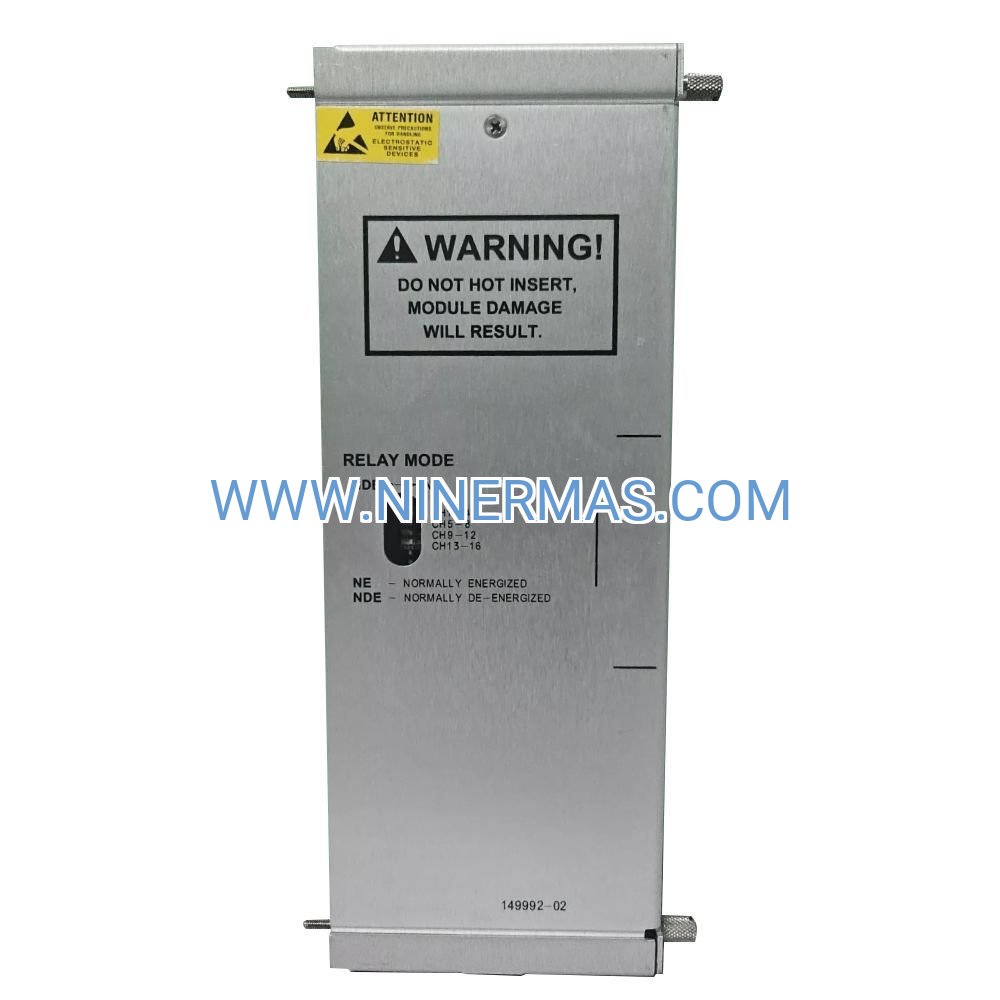
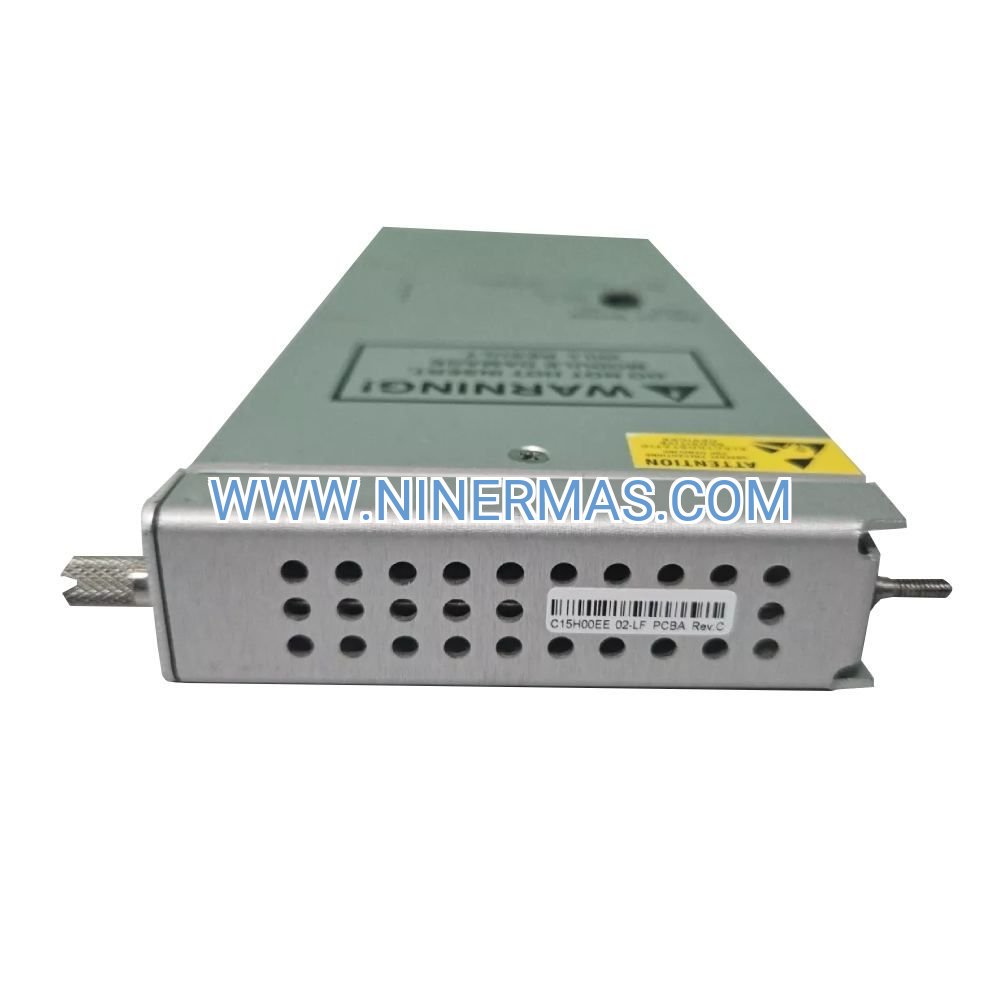
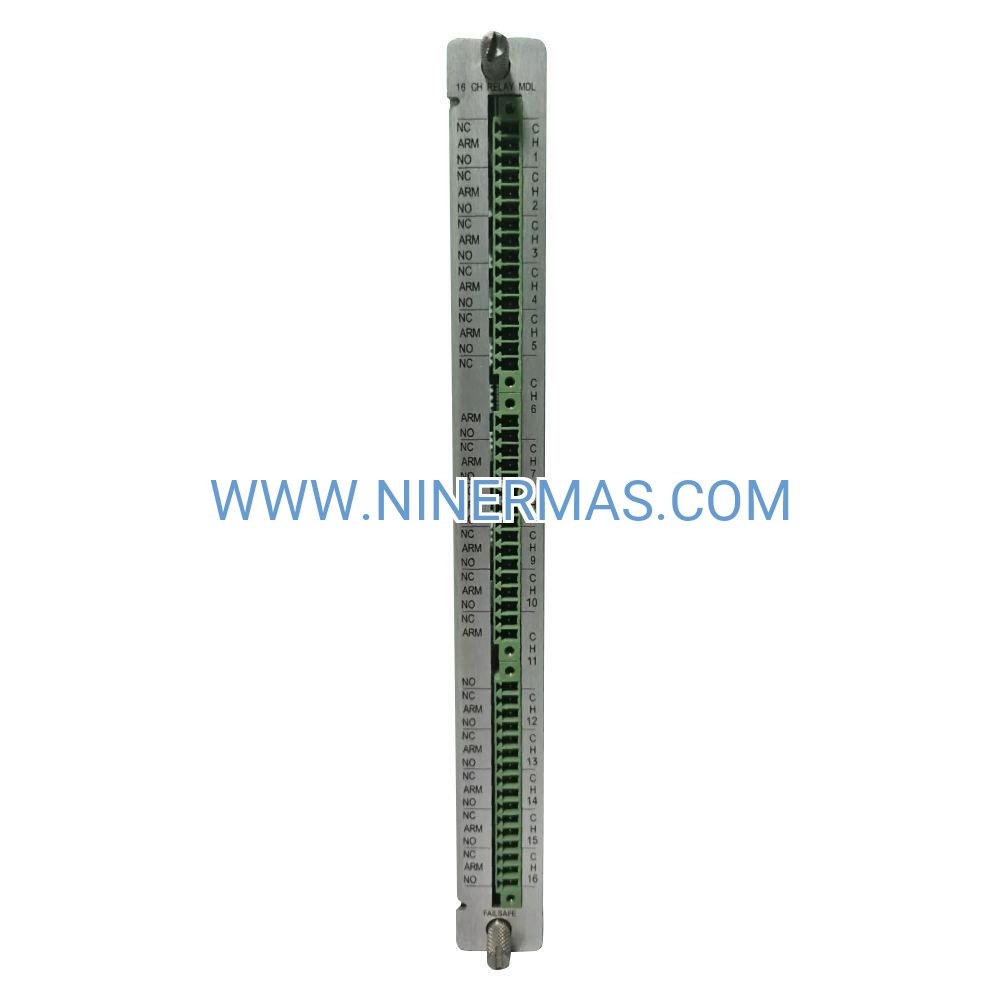
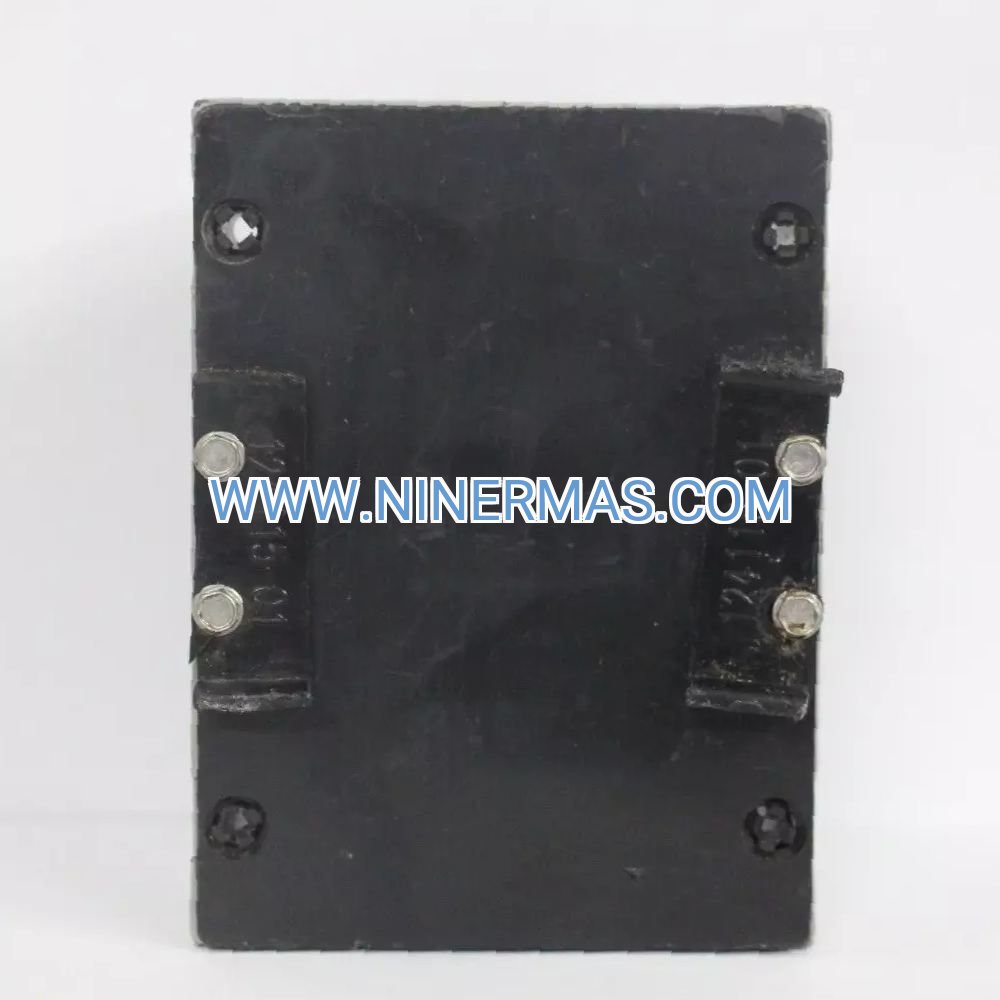
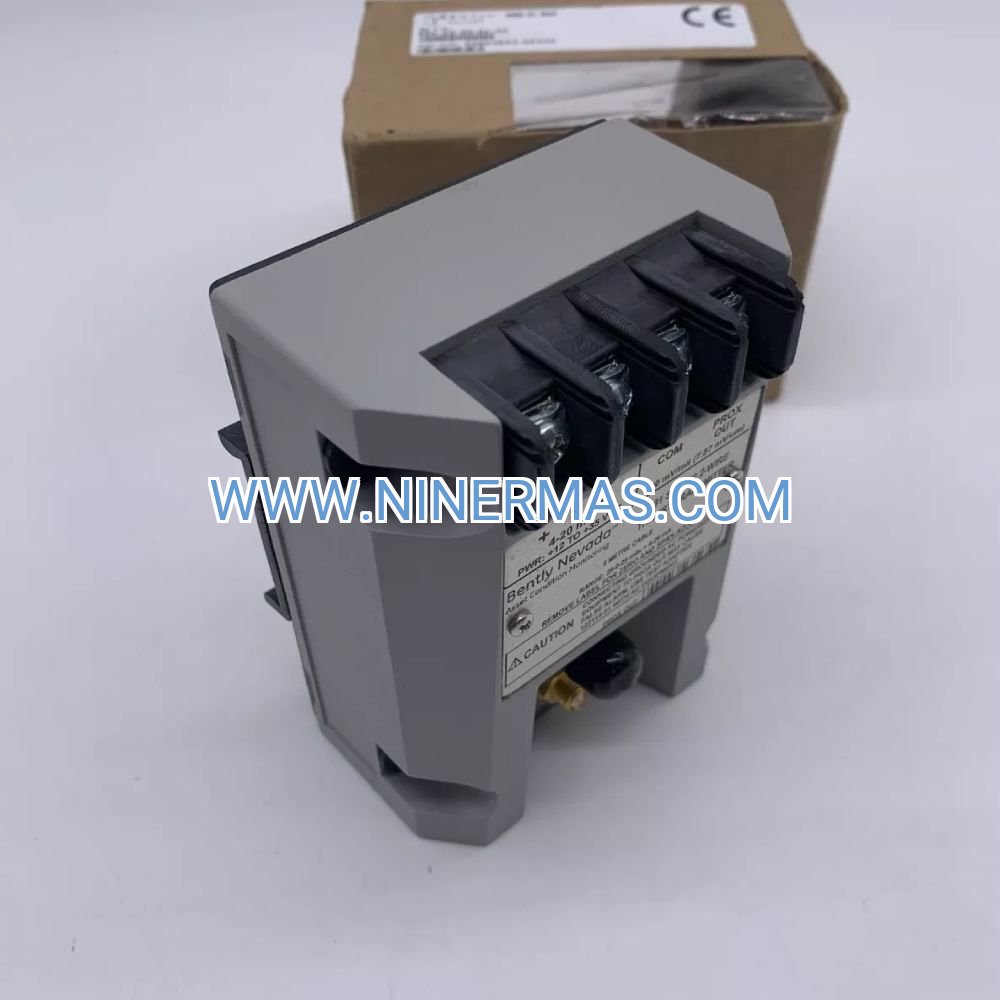
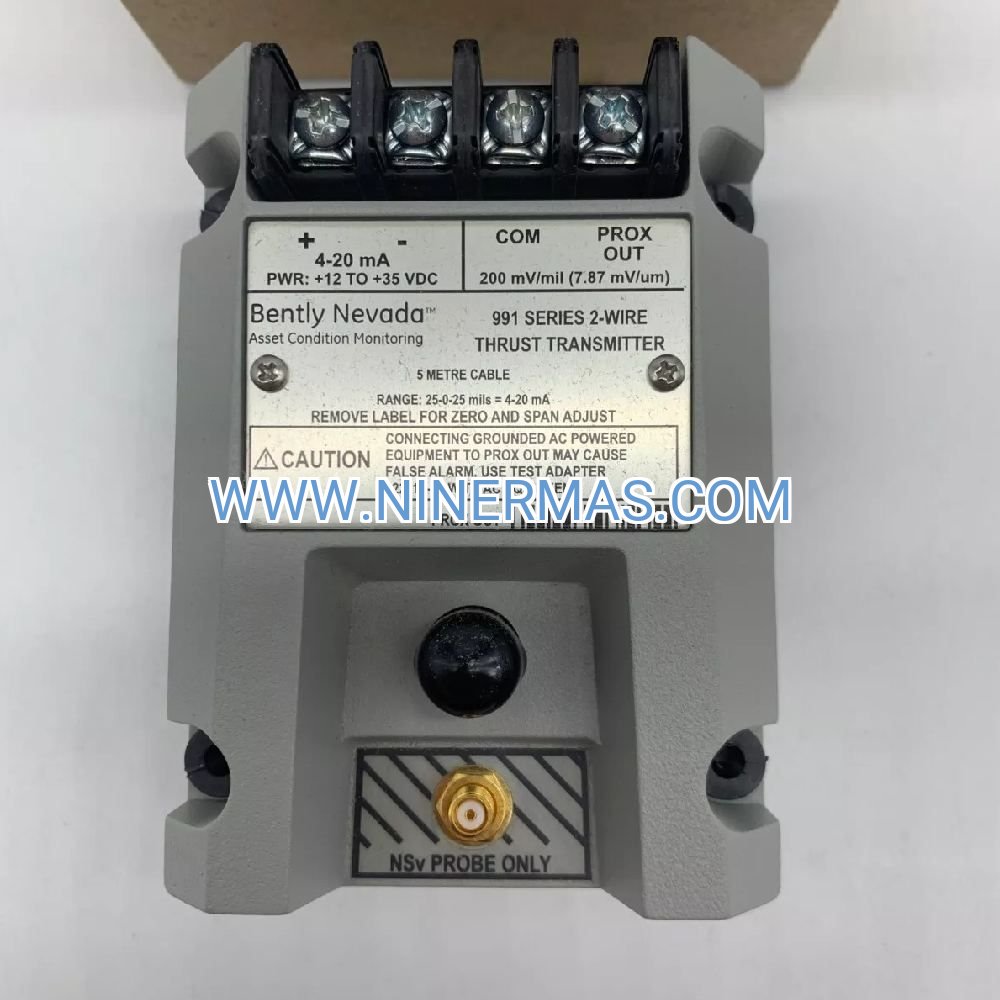
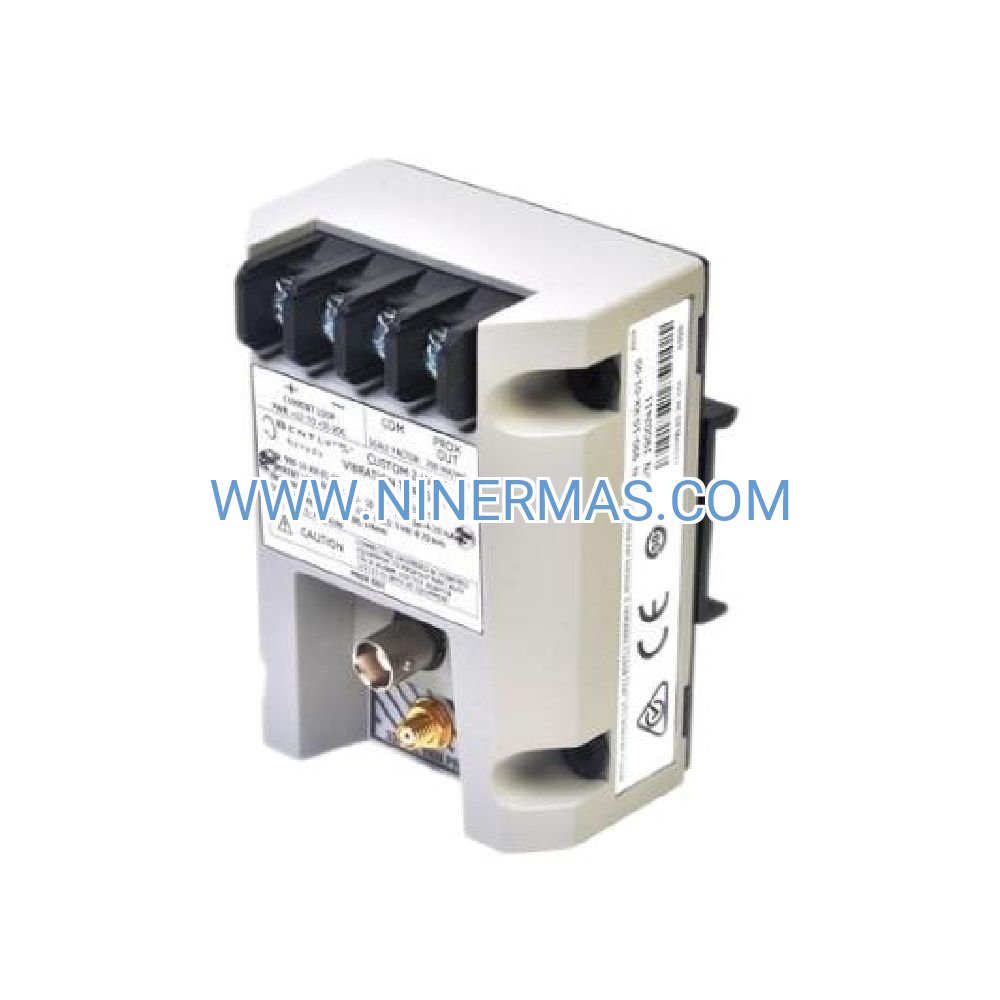
3500/33 16-Channel Relay Module (Industrial-Grade Failsafe Control)
The Bently Nevada 149992-02 delivers mission-critical relay switching for rotating machinery protection systems across power generation, oil & gas, and heavy industrial sectors. Engineered with 16 independent relay channels and triple modular redundancy (TMR) voting architecture, this module transforms alarm signals from vibration monitors, temperature sensors, and position detectors into decisive protective actions—valve closures, motor trips, and emergency shutdowns—with response times measured in milliseconds.
Designed for integration within 3500 Series monitoring racks, the 149992-02 serves as the final control element in safety instrumented systems (SIS) where equipment failures could result in production losses exceeding $500K per incident or catastrophic safety events. Plant engineers specify this module when standard relay logic cannot meet IEC 61508 SIL-3 integrity requirements or when energize-to-run failsafe behavior is mandated by corporate risk management protocols.
Unlike conventional I/O modules that require external safety PLCs, the 3500/33 embeds voting logic directly within the relay card. Each channel independently evaluates alarm inputs from redundant monitor pairs, executing state changes only when multiple sources confirm hazardous conditions. This distributed intelligence architecture eliminates single points of failure while reducing installation costs by 40% compared to PLC-based safety systems.
Core Features & Business Value
✓ Triple Modular Redundancy (TMR) Voting Logic
Each relay channel compares signals from three independent monitor inputs, rejecting spurious alarms caused by sensor drift or electromagnetic interference. This 2-out-of-3 voting scheme achieves 99.97% availability while maintaining <0.01% probability of dangerous failure—critical metrics for facilities operating under API 670 machinery protection standards.
→ Energize-to-Run Failsafe Design
Relay coils remain energized during normal operation and de-energize to trigger protective actions. Loss of module power, backplane communication, or internal faults automatically initiate safe shutdown sequences rather than allowing continued operation under unmonitored conditions. This design philosophy aligns with ISA-84 safety lifecycle requirements for high-demand protection functions.
✓ 16 Independent Form C Relay Outputs
SPDT contact configuration supports both normally-open and normally-closed wiring schemes without external interface relays. Contact ratings of 5A @ 250VAC enable direct control of solenoid valves, motor contactors, and pneumatic actuators, eliminating signal conditioning costs that typically add $200-400 per channel in traditional DCS architectures.
→ Hot-Swappable Rack Installation
Module replacement occurs without rack power-down or system reconfiguration. Automatic recognition protocols retrieve voting logic parameters from rack controllers within 3 seconds of insertion, restoring protection system redundancy in under 60 seconds—essential for continuous process industries where protection outages trigger mandatory unit shutdowns.
✓ Real-Time Diagnostic Monitoring
Front-panel LEDs display relay coil status, voting logic states, and communication health at a glance. Embedded self-test routines detect relay coil degradation, contact welding, and backplane errors before they compromise protection integrity, enabling condition-based maintenance strategies that reduce spare parts inventory by 30%.
→ Modbus TCP/RTU Integration
Bi-directional communication with SCADA systems, historians, and asset performance management (APM) platforms. Relay state changes, voting discrepancies, and diagnostic alarms stream to supervisory layers in real-time, supporting predictive analytics that identify degrading protection loops 4-6 weeks before functional failures occur.
Application Scenarios Across Industries
Power Generation – Steam Turbine Overspeed Protection
Combined-cycle plants deploy the 3500/33 to monitor shaft speed signals from magnetic pickups during grid disturbances. When frequency deviations indicate loss of electrical load, the module trips main steam valves and extraction non-return valves within 40 milliseconds—preventing rotor speeds from exceeding 110% rated RPM where centrifugal forces cause blade liberation events. The failsafe architecture ensures that monitoring system failures default to turbine trip rather than allowing uncontrolled acceleration that could destroy $15M+ generator sets.
Petrochemical – Centrifugal Compressor Anti-Surge Control
Ethylene crackers and LNG facilities utilize dedicated relay channels to modulate anti-surge valves based on real-time operating point calculations. When suction flow drops below minimum stable flow curves, the 3500/33 opens recycle valves in staged sequences—25% at warning threshold, 100% at danger threshold—preventing aerodynamic instabilities that induce bearing failures and seal damage costing $2M+ in unplanned maintenance. Independent channel operation allows simultaneous protection of multi-stage compressor trains without cross-channel interference.
Refining – High-Pressure Pump Seal Failure Mitigation
Crude distillation units protect barrel pumps handling 650°F liquids at 450 PSIG by monitoring seal chamber temperatures and radial vibration. The relay module executes coordinated shutdown sequences when seal degradation indicators exceed alarm setpoints: close suction block valve (Channel 1), open minimum flow bypass (Channel 2), trip motor starter (Channel 3), activate seal flush system (Channel 4). This orchestrated response contains seal failures before process fluid reaches atmospheric seals, preventing fires that have historically resulted in $50M+ property damage and multi-week outages.
Mining – SAG Mill Bearing Temperature Protection
Copper and gold operations monitor journal bearing metal temperatures on semi-autogenous grinding mills processing 3,000 TPH ore. When bearing temperatures rise 15°C above baseline—indicating lubrication system failures or liner detachment—the 3500/33 initiates controlled mill shutdown: reduce feed rate (30 seconds), stop ore conveyors (60 seconds), trip mill drive motor (90 seconds). Gradual deceleration prevents thermal shock to 18-foot diameter shells while protecting $8M gearboxes from catastrophic tooth failures.
Marine Propulsion – Diesel Engine Crankcase Pressure Monitoring
Container ships and bulk carriers protect slow-speed diesel engines by monitoring crankcase pressures that indicate piston ring failures or bearing seizures. Pressure spikes above 50 mbar trigger emergency fuel cutoff and cylinder lubrication isolation via 3500/33 relay outputs, preventing crankcase explosions that have sunk vessels and killed engine room crews. The module's shock and vibration ratings (MIL-STD-167) ensure reliable operation in marine environments where conventional relay panels fail within 18 months.
Technical Specifications & Selection Criteria
| Parameter | Specification | Selection Guidance |
|---|---|---|
| Relay Channels | 16 independent Form C (SPDT) | Allocate 1 channel per critical shutdown function; reserve 20% spare capacity for future expansions |
| Contact Rating | 5A @ 250VAC / 30VDC resistive | Verify solenoid valve coil currents <4A; use external contactors for motor loads >3HP |
| Voting Logic | 2oo3 (2-out-of-3) configurable per channel | Requires 3 redundant monitor inputs; consult API 670 for voting scheme selection |
| Response Time | <40 ms from alarm to contact change | Add valve stroke time + process lag when calculating total protection loop response |
| Operating Temperature | -30°C to +65°C (-22°F to +149°F) | Suitable for non-climate-controlled equipment rooms; verify rack ventilation for >55°C ambients |
| Power Consumption | 12W typical, 18W maximum | Calculate rack power budget: 18W × installed modules + 25% margin |
| Safety Integrity Level | SIL-3 per IEC 61508 (when configured per manual) | Requires proof testing every 12-24 months; document in safety lifecycle plan |
| MTBF | >150,000 hours @ 40°C | Stock 1 spare per 10 installed modules for 99.5% protection availability |
Key Selection Criteria:
- Choose 3500/33 when protection functions require SIL-2 or SIL-3 certification and energize-to-run failsafe behavior
- Verify that connected monitoring modules support TMR voting (3500/42M, 3500/45, 3500/46M variants)
- Confirm that plant DCS or safety PLC can accept hardwired relay inputs; some modern systems require Modbus-only interfaces
- Review relay contact life ratings (100,000 mechanical operations) against expected trip frequency; high-cycling applications may require solid-state output modules
Extended Capabilities & Integration Options
Modbus Communication Protocol
The 149992-02 supports both Modbus TCP (Ethernet) and Modbus RTU (RS-485) protocols for integration with third-party control systems. Register maps provide read access to relay states, voting logic status, and diagnostic counters, while write access enables remote relay testing and voting parameter adjustments. This dual-protocol capability supports brownfield retrofits where legacy DCS systems use serial communications alongside modern Ethernet-based SCADA platforms.
Cybersecurity Hardening
Firmware versions 5.x and later incorporate role-based access control (RBAC) and encrypted configuration uploads to mitigate risks identified in ICS-CERT advisories. When deployed in IEC 62443 security zones, the module supports network segmentation strategies that isolate safety instrumented systems from enterprise IT networks while maintaining remote monitoring capabilities required by centralized reliability teams.
Customization for Hazardous Areas
While the standard 149992-02 carries UL/CSA approvals for general industrial use, Bently Nevada offers factory-customized variants with ATEX Zone 2 and IECEx certifications for installation in classified electrical areas. These variants incorporate conformal coating on PCB assemblies and modified relay coil specifications to prevent ignition sources in explosive atmospheres—critical for offshore platforms and chemical plants handling flammable process streams.
Delivery, Warranty & Technical Support
Lead Times:
- Stock units (149992-02 standard configuration): 3-5 business days to major industrial hubs
- Factory-sealed units with certification documentation: 2-3 weeks
- Custom configurations (modified voting logic, extended temperature ratings): 6-8 weeks
Warranty Coverage:
24-month manufacturer warranty covering defects in materials and workmanship. Warranty includes advance replacement service with 48-hour shipment of exchange units to minimize protection system downtime. Extended warranty programs available for facilities operating under performance-based maintenance contracts.
Technical Support Included:
- Application engineering assistance for voting logic configuration and safety loop design
- Access to 3500 Rack Configuration Software (latest version) and firmware update packages
- Comprehensive documentation package: installation manual, wiring diagrams, Modbus register maps, SIL certification reports
- 24/7 emergency support hotline for protection system failures impacting production
Training & Commissioning Services:
On-site commissioning support available through Bently Nevada Orbit 60 service network. Typical 3-day engagement includes rack installation verification, voting logic validation, relay contact testing, and operator training on diagnostic interpretation. Post-commissioning support includes quarterly remote health checks and annual proof testing to maintain SIL certification compliance.
Frequently Asked Questions
Q: How does the 3500/33 interface with existing DCS shutdown logic?
A: The module's Form C relay contacts wire directly into DCS digital input cards or safety PLC input modules. Normally-closed contacts connect to DCS inputs configured for "closed = healthy" logic, ensuring that relay coil failures, wiring breaks, or module removal trigger DCS alarms. For plants with redundant shutdown systems, parallel relay contacts from multiple 3500/33 modules feed separate DCS controllers to achieve 1oo2 (1-out-of-2) voting at the DCS layer.
Q: What relay contact capacity is required for direct solenoid valve control?
A: Most industrial solenoid valves draw 0.5-2.0A inrush current and 0.3-0.8A holding current at 24VDC or 120VAC. The 3500/33's 5A contact rating provides 2.5-10× safety margin for single valve control. For applications requiring simultaneous control of multiple valves (e.g., turbine trip systems with main steam valve + extraction valve), use one relay channel per valve or install external contactors rated for cumulative inrush currents.
Q: Can the module support time-delayed relay operations for staged shutdowns?
A: Yes, the 3500 Rack Configuration Software allows programming of 0-60 second time delays per relay channel. Typical staged shutdown sequences use progressive delays: warning alarm at T+0 (no relay action), danger alarm at T+5 seconds (close isolation valve), shutdown alarm at T+10 seconds (trip motor). Time delays prevent nuisance trips during transient upsets while ensuring decisive action when alarm conditions persist beyond configurable thresholds.
Q: How do I verify relay contact integrity without triggering actual shutdowns?
A: The module supports manual relay testing via front-panel pushbuttons or Modbus commands. Test mode energizes/de-energizes relay coils while blocking alarm inputs, allowing technicians to measure contact resistance, verify wiring continuity, and confirm DCS input recognition. Recommended test frequency: quarterly for SIL-3 loops, semi-annually for SIL-2 loops, per IEC 61511 proof testing requirements.
Q: What energy efficiency benefits does the failsafe design provide?
A: Energize-to-run architecture consumes 12-18W continuously to maintain relay coils in energized state during normal operation. While this exceeds de-energized relay designs (2-3W standby), the failsafe behavior eliminates need for external watchdog timers, safety PLCs, and UPS systems that would collectively consume 50-100W. Net energy savings of 60-70% compared to equivalent PLC-based safety systems, with payback periods under 18 months in facilities with 20+ protection loops.
Q: Does the module support remote monitoring for predictive maintenance programs?
A: Modbus registers expose relay coil current, contact operation counters, and voting discrepancy logs that feed condition monitoring platforms. Trending relay coil current over time reveals degradation patterns (normal: 180-200mA, degraded: 150-170mA, failed: <100mA) that predict failures 30-45 days in advance. Integration with Bently Nevada System 1 software enables automated work order generation when diagnostic thresholds indicate impending relay failures.
Take the Next Step in Machinery Protection
Protect your critical assets with proven failsafe relay technology trusted by Fortune 500 industrial operators worldwide. Our application engineers are available to review your machinery protection requirements, recommend optimal voting logic configurations, and provide budget quotations for complete 3500 Series monitoring systems.
Request a technical consultation: Share your equipment specifications, protection philosophy documents, and existing monitoring system details for customized recommendations.
Order now: Stock units ship within 3-5 business days with full documentation packages and 24-month warranty coverage.
© 2026 NINERMAS COMPANY LIMITED. All rights reserved.
Original Source: https://ninermas.com
Contact: sale@ninermas.com | +0086 187 5021 5667
PDF Specification
Download PDF file here:
Click to Download PDF

Contact Info
-
Address:22 / F, South Wo Hang building, 148 Wing Lok Street, Sheung Wan, Western District, Hong Kong
-
Phone:+8618750215667
-
Email:
