Description
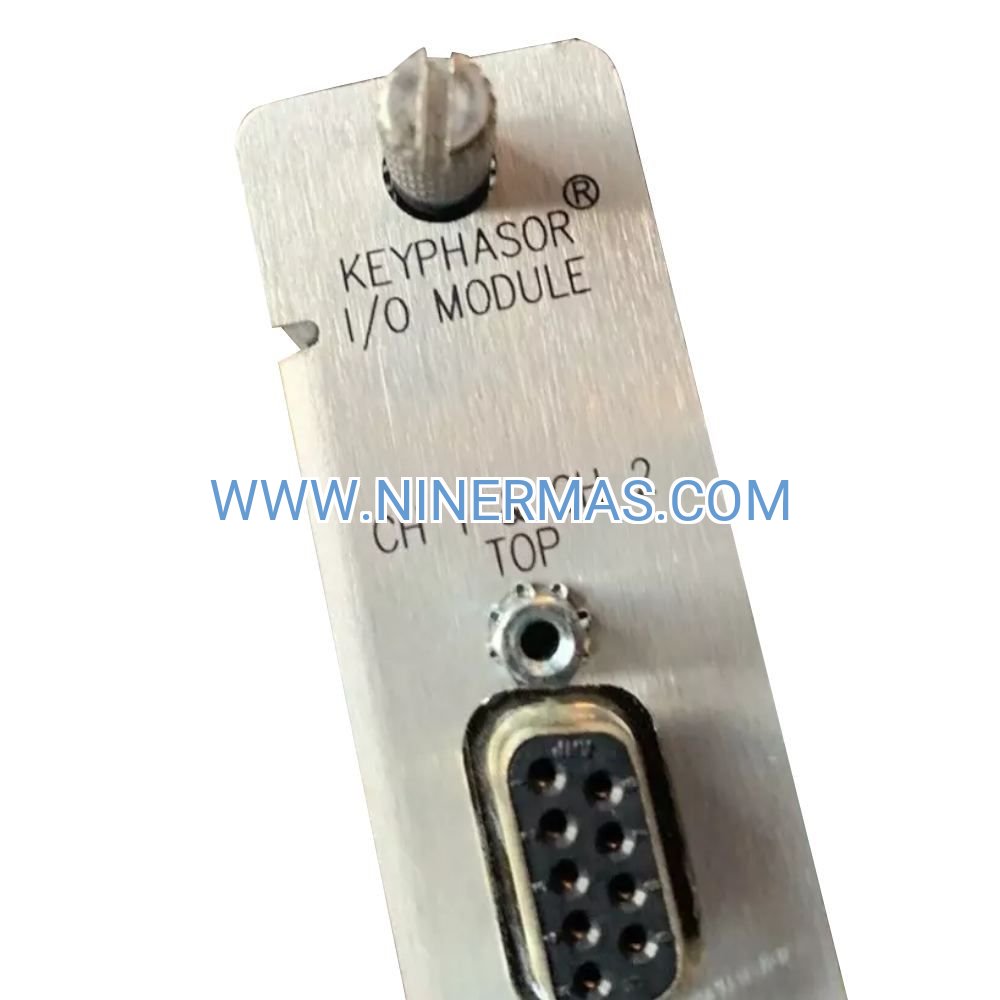
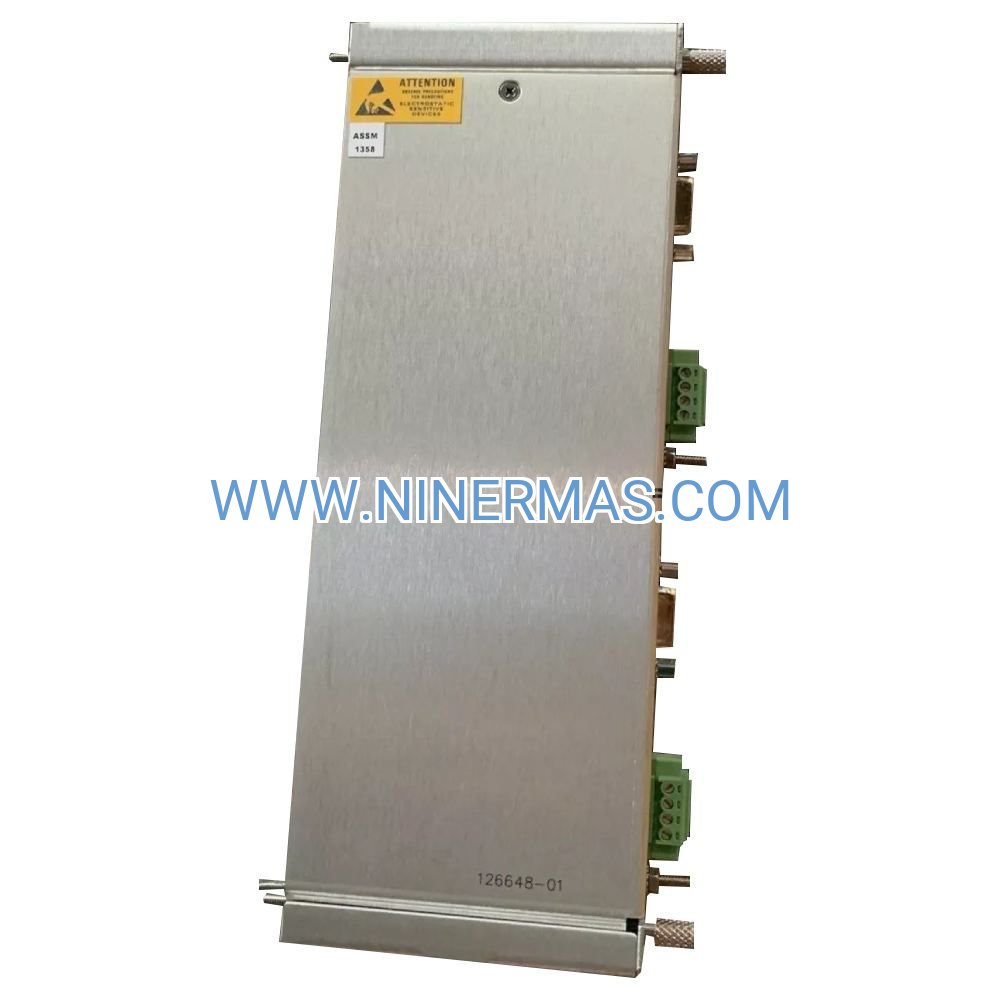
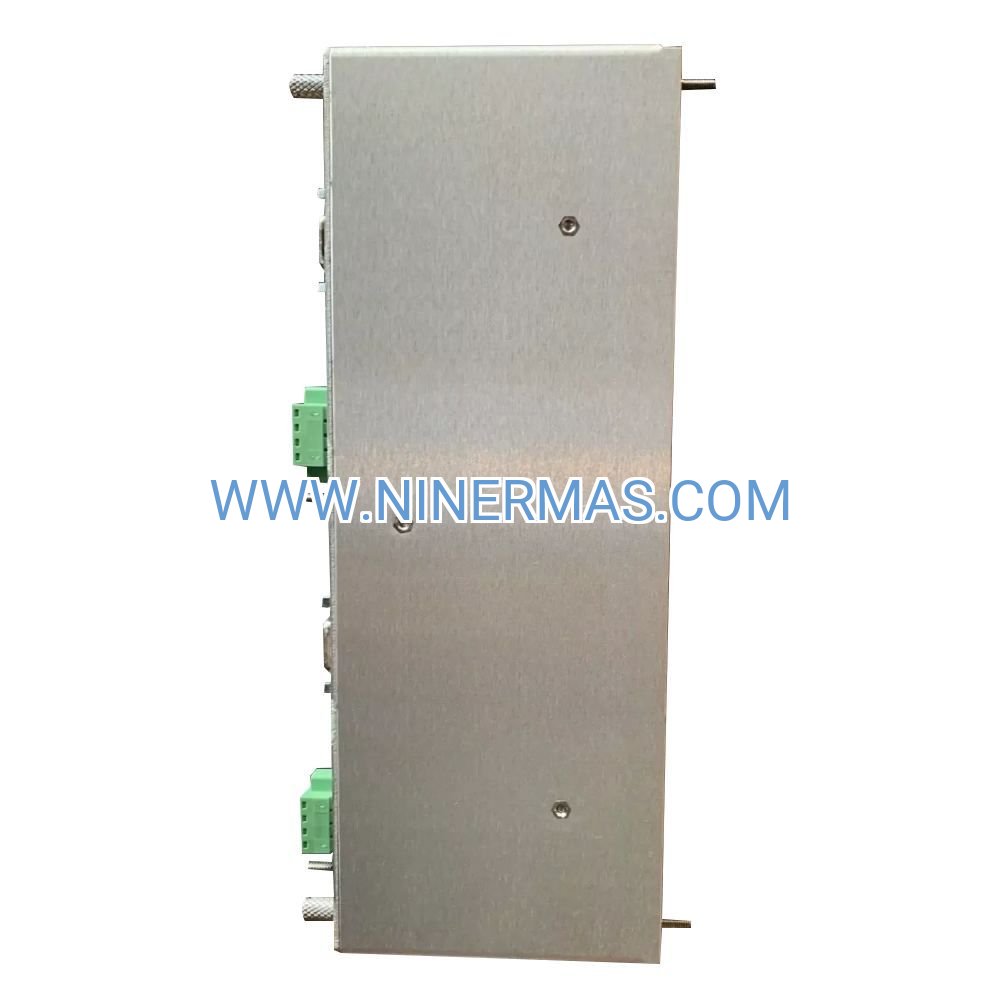
3500/22-01-03-00 Transient Data Interface Module (Industrial-Grade Diagnostics)
The 3500/22-01-03-00 represents a critical advancement in machinery health diagnostics, capturing transient vibration signatures that conventional monitoring overlooks. Built for the Bently Nevada 3500 ecosystem, this interface module transforms fleeting mechanical events into actionable intelligence, enabling maintenance teams to diagnose bearing failures, rotor rubs, and resonance phenomena before they escalate into catastrophic shutdowns.
Designed for asset-intensive industries where every hour of downtime translates to six-figure losses, the TDI module serves as your digital witness to machinery behavior during critical transitions—startup acceleration, load changes, emergency trips, and thermal transients. Unlike static monitoring that samples at fixed intervals, this module employs triggered buffering to preserve complete waveform data surrounding alarm events, giving engineers the forensic evidence needed for root-cause analysis.
With seamless System 1 connectivity and hot-swap capability, the 3500/22-01-03-00 integrates into your existing protection architecture without production interruptions, delivering diagnostic depth that reduces mean-time-to-repair by up to 40% while extending asset service life through predictive intervention strategies.
Core Capabilities & Business Impact
→ Triggered Waveform Capture: Automatically records full-bandwidth vibration data when alarm thresholds are breached, preserving 10-60 seconds of pre-trigger and post-trigger waveforms for detailed fault signature analysis—eliminating guesswork in failure investigations.
✓ Zero-Loss Data Buffering: Onboard memory architecture maintains continuous recording even during network interruptions, ensuring critical transient events are never lost due to communication failures—a vital safeguard for remote or offshore installations.
✓ Multi-Channel Synchronization: Simultaneously captures data from multiple sensor inputs with phase-locked timing, enabling cross-channel correlation analysis to pinpoint complex fault modes like shaft misalignment or coupling degradation across bearing positions.
→ System 1 Integration: Native Ethernet TCP/IP connectivity streams high-resolution data directly to centralized condition monitoring platforms, where advanced analytics tools perform FFT analysis, orbit plots, and trend comparisons without manual data transfer.
✓ Hot-Swap Serviceability: Field-replaceable design allows module exchange during live operation, minimizing maintenance windows and supporting continuous protection coverage for critical machinery trains in 24/7 production environments.
→ API 670 Compliance: Meets international machinery protection standards for vibration monitoring systems, ensuring regulatory compliance for turbomachinery installations in power generation, oil & gas processing, and petrochemical facilities.
Industry Applications & Problem Resolution
Power Generation Turbines: Captures startup vibration transients in steam and gas turbines, identifying bearing wear patterns and rotor imbalance conditions during critical acceleration phases when static monitoring provides insufficient resolution—preventing blade rubs and thrust bearing failures that cost $2M+ per incident.
Petrochemical Compressor Trains: Records surge events and anti-surge valve cycling dynamics in centrifugal compressors, enabling engineers to optimize control strategies and detect early-stage impeller fouling or seal degradation before process upsets occur—reducing unplanned shutdowns by 35%.
Oil & Gas Pipeline Compression: Monitors reciprocating compressor rod drop events and crosshead wear signatures during load transitions, providing diagnostic evidence for predictive maintenance scheduling in remote installations where technician mobilization costs exceed $50K per trip.
Industrial Fan & Blower Systems: Tracks resonance excitation during variable-speed operation, capturing critical speed passage data that informs structural modifications and damping solutions—eliminating chronic vibration issues that reduce equipment service life by 60%.
Marine Propulsion Systems: Documents shaft alignment changes and bearing temperature excursions during vessel maneuvering, supporting condition-based maintenance programs that extend drydock intervals and reduce operational expenditures in commercial shipping fleets.
Technical Specifications & Selection Criteria
| Parameter | Specification |
|---|---|
| Part Number | 3500/22-01-03-00 |
| Module Function | Transient Data Interface (TDI) |
| System Compatibility | Bently Nevada 3500 rack (not compatible with 3300 XL) |
| Communication Interface | Ethernet 10/100 Mbps TCP/IP |
| Sampling Rate Range | 1 kHz to 40 kHz (configurable per channel) |
| Operating Temperature | -30°C to +65°C (-22°F to +149°F) |
| Power Supply | 3500 rack internal power (no external supply required) |
| Physical Dimensions | Single-slot 3500 module (0.91 kg / 2.0 lbs) |
| Compliance Standards | API 670, ISO 20816, CE marked |
Selection Guidance: Choose the 3500/22-01-03-00 configuration when your application requires standard transient capture with System 1 integration. For installations demanding extended buffer memory or redundant communication paths, evaluate the -02-00 or -03-01 variants. Ensure your 3500 rack includes a 3500/20 Rack Interface Module for proper network connectivity, and verify System 1 software licensing covers TDI data acquisition features.
Advanced Integration & IoT Connectivity
The module supports MODBUS TCP protocol for integration with third-party SCADA systems and plant-wide asset management platforms, enabling unified dashboards that combine vibration diagnostics with process parameters, thermal imaging data, and oil analysis trends. When paired with edge computing gateways, the TDI module can trigger automated work orders in CMMS systems based on transient event severity, streamlining maintenance workflows and reducing administrative overhead by 25%.
For Industry 4.0 implementations, the module's data streams feed machine learning algorithms that establish baseline transient signatures for each asset, automatically flagging anomalous patterns that deviate from historical norms—advancing from reactive diagnostics to prescriptive maintenance strategies that optimize spare parts inventory and technician deployment.
Delivery Timeline & Support Infrastructure
Standard Lead Time: 3-5 business days for in-stock units with expedited shipping available to major industrial hubs worldwide. Custom configurations or bulk orders (10+ units) typically ship within 7-10 business days following order confirmation.
Warranty Coverage: Comprehensive 12-month manufacturer's warranty covering material defects and workmanship issues, with optional extended service agreements available for mission-critical installations requiring guaranteed replacement response times under 48 hours.
Technical Support: Access to application engineers with Bently Nevada certification for configuration assistance, troubleshooting guidance, and integration planning. Support includes System 1 setup consultation, sensor compatibility verification, and alarm threshold optimization based on machinery type and operating conditions.
Documentation Package: Each module ships with installation quick-start guide, configuration software utilities, and digital access to complete technical manuals including wiring diagrams, communication protocol specifications, and diagnostic procedures for common fault scenarios.
Frequently Asked Questions
How does the transient data interface module improve machinery reliability compared to standard vibration monitors?
Standard monitors sample vibration at fixed intervals (typically 1-second averages), missing short-duration events like bearing impacts or rub contacts that occur in milliseconds. The TDI module captures these transients at sampling rates up to 40 kHz, preserving waveform details that reveal fault progression weeks before conventional monitoring detects anomalies—enabling proactive interventions that prevent 70% of unexpected failures.
What network infrastructure requirements exist for System 1 connectivity with this module?
The module requires a dedicated Ethernet connection (10/100 Mbps) to your System 1 server, typically implemented via industrial-grade managed switches supporting VLAN segmentation for OT network isolation. Bandwidth consumption averages 2-5 Mbps per module during transient uploads, with burst rates reaching 15 Mbps during simultaneous multi-channel captures—ensure network capacity accommodates peak loads when deploying multiple TDI modules across a facility.
Can this module operate independently without System 1 software for data storage?
No, the 3500/22 requires System 1 software for transient data retrieval, storage, and analysis. The module's onboard memory serves as a temporary buffer (typically 30-60 minutes of continuous recording), but permanent archival and diagnostic tools reside in the System 1 platform. For standalone applications, consider alternative data acquisition systems with local storage capabilities.
What sensor types are compatible with the transient data interface for waveform capture?
The module accepts signals from any sensor connected to 3500 monitor modules within the same rack—including proximitor displacement sensors, accelerometers, velocity transducers, and keyphasor speed sensors. Signal conditioning occurs in the upstream monitor modules (e.g., 3500/42, 3500/50), with the TDI module capturing the conditioned outputs for transient recording.
How do I configure alarm triggers to initiate transient waveform recording automatically?
Trigger configuration occurs within System 1 software, where you define alarm setpoints based on vibration amplitude, frequency bands, or rate-of-change thresholds. When any monitored parameter exceeds configured limits, the TDI module automatically captures pre-trigger and post-trigger waveforms (duration configurable from 5-60 seconds) and uploads data to System 1 for analysis—no manual intervention required during alarm events.
What are the power consumption specifications for rack capacity planning?
The 3500/22-01-03-00 draws approximately 8 watts from the 3500 rack power supply, equivalent to standard monitor module consumption. A fully populated 14-slot rack with power supplies rated at 150W can accommodate multiple TDI modules without exceeding capacity—consult rack power budget calculations when planning configurations with 10+ modules to ensure adequate headroom for peak loads.
Take the Next Step in Predictive Maintenance
Transform your machinery protection strategy from reactive repairs to predictive intelligence. Contact our application engineering team to discuss your specific monitoring requirements, receive configuration recommendations tailored to your asset portfolio, and access volume pricing for multi-site deployments. Request a technical consultation today to discover how transient diagnostics reduce maintenance costs by 30-45% while extending equipment service life.
© 2026 NINERMAS COMPANY LIMITED. All rights reserved.
Original Source: https://ninermas.com
Contact: sale@ninermas.com | +0086 187 5021 5667
PDF Specification
Download PDF file here:
Click to Download PDF

Contact Info
-
Address:22 / F, South Wo Hang building, 148 Wing Lok Street, Sheung Wan, Western District, Hong Kong
-
Phone:+8618750215667
-
Email: