


Description
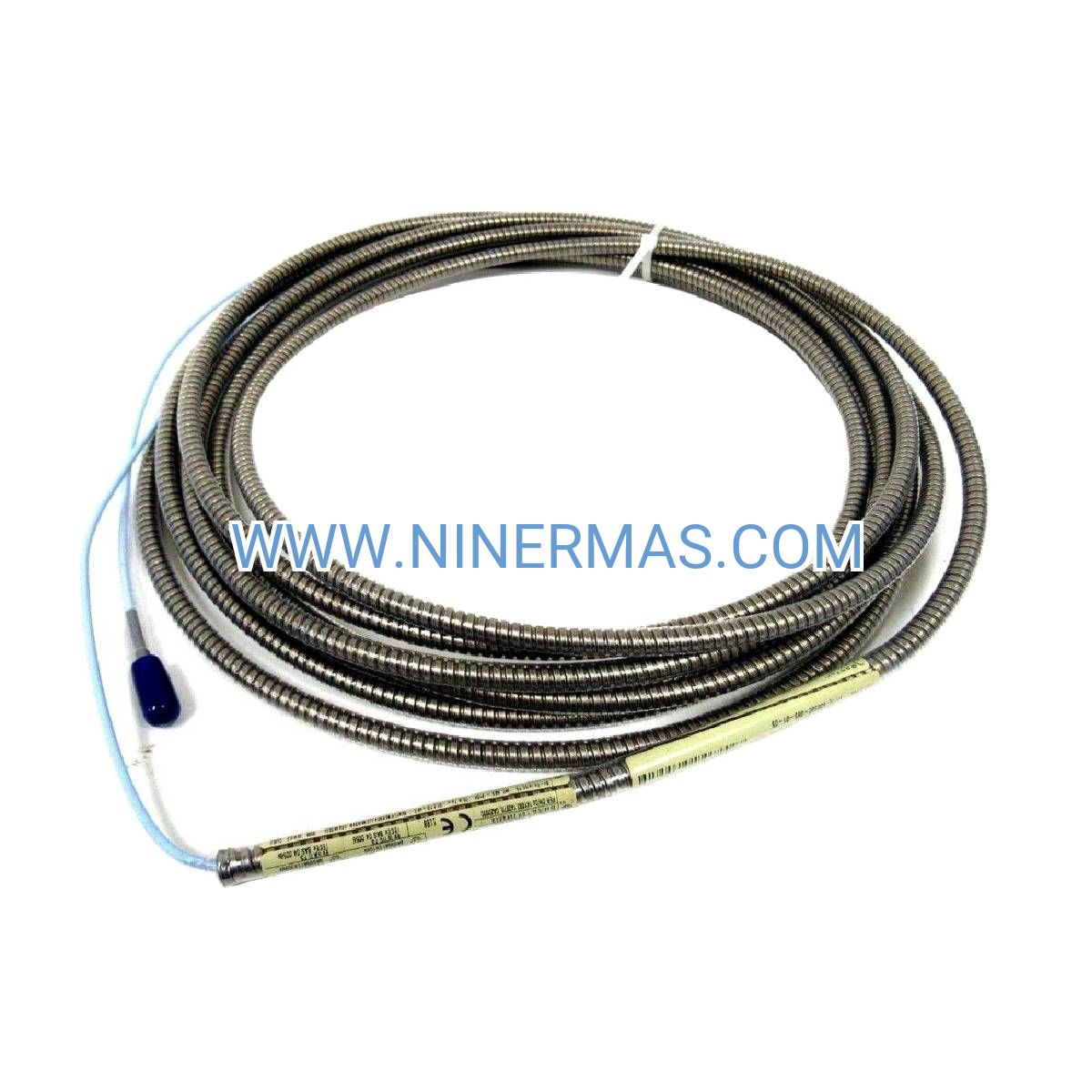
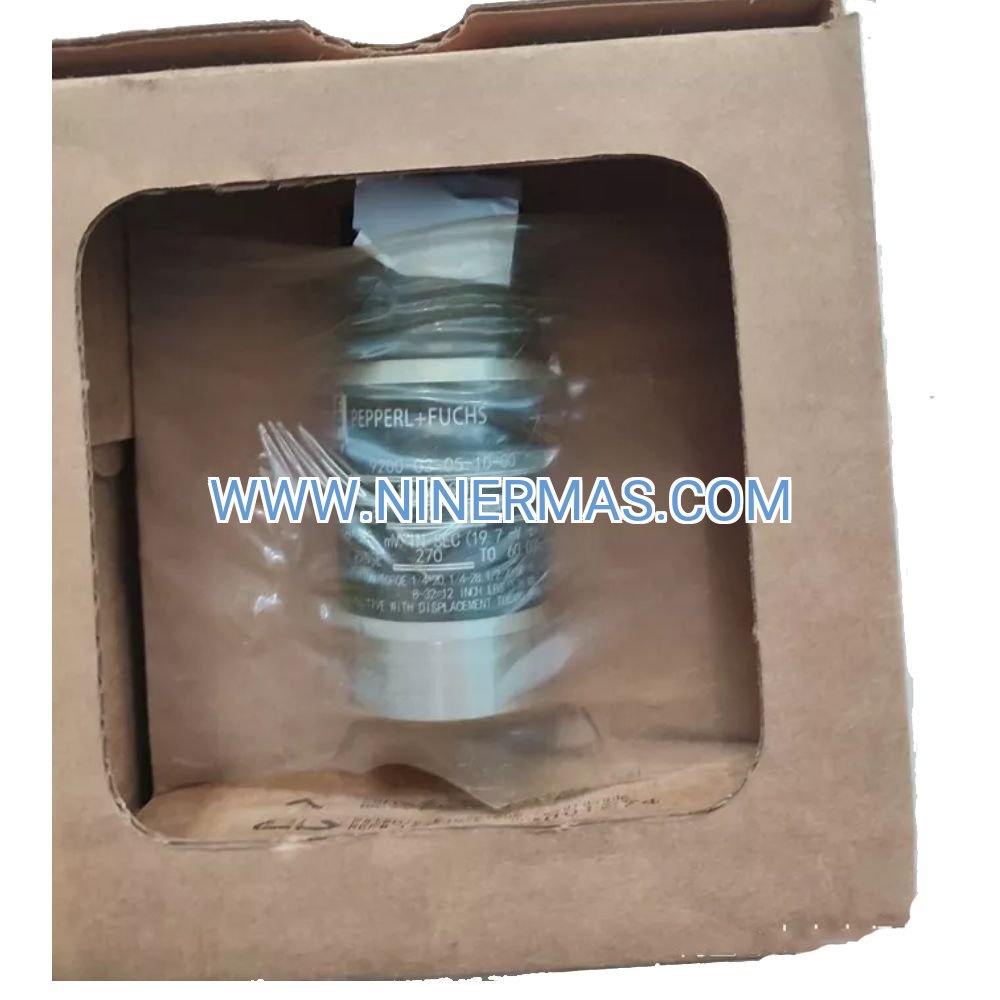
330525-02 Velocity Transducer (Industrial-Grade Vibration Monitoring)
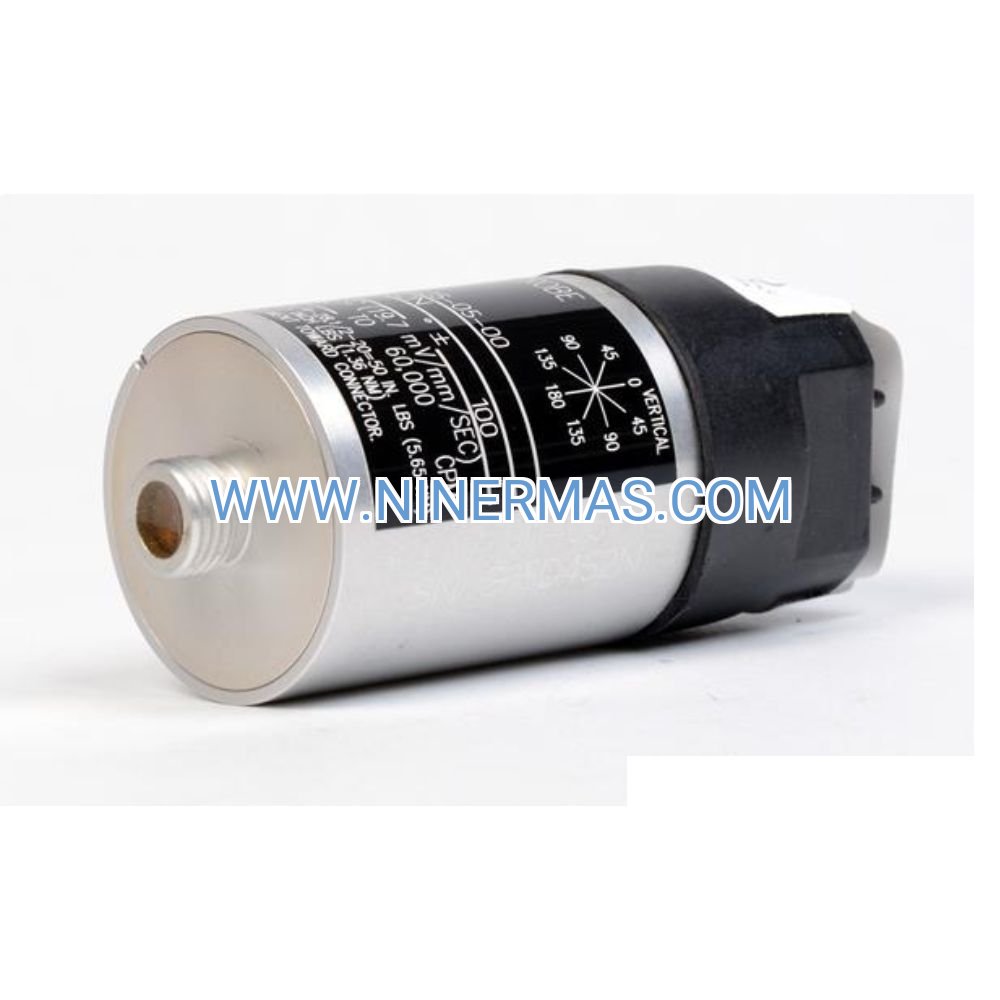
The 330525-02 represents a precision-engineered piezo-velocity transducer specifically developed for continuous vibration surveillance on mission-critical turbomachinery. Built to withstand extreme industrial conditions, this sensor transforms mechanical vibration into proportional electrical signals, enabling proactive fault detection before catastrophic failures occur. Trusted by maintenance engineers across power generation, petrochemical processing, and heavy manufacturing sectors, the 330525-02 delivers the measurement accuracy and environmental resilience demanded by API 670 machinery protection standards.
Designed for integration with Bently Nevada 3300 XL monitoring architectures, this velocity sensor eliminates the signal degradation common in accelerometer-based systems that require mathematical integration. Direct velocity output ensures superior low-frequency response—critical for detecting imbalance, misalignment, and bearing wear patterns in rotating equipment operating below 600 Hz. The hermetically sealed 316L stainless steel enclosure provides IP67-rated protection against moisture ingress, chemical exposure, and mechanical shock in the harshest process environments.
Whether you're monitoring steam turbines in combined-cycle plants, centrifugal compressors in gas processing facilities, or large induction motors in mining operations, the 330525-02 provides the reliability foundation for condition-based maintenance programs that reduce unplanned downtime by 40-60% and extend mean time between overhauls.
Performance Features & Technical Advantages
✓ Direct Velocity Measurement Architecture
Eliminates integration errors inherent in accelerometer systems, delivering true velocity data across 10-1000 Hz frequency range with ±5% linearity for accurate trending of machinery health degradation.
✓ Ruggedized Environmental Protection
316L stainless steel construction with hermetic sealing withstands temperatures from -40°C to +121°C, vibration levels up to 50g peak, and corrosive atmospheres in offshore/chemical processing applications.
✓ Factory-Calibrated Precision
Each unit ships with NIST-traceable calibration certification documenting sensitivity within ±3% tolerance, ensuring measurement consistency across multi-sensor installations without field calibration requirements.
✓ Low-Impedance Output Design
Drives cable runs up to 150 meters without signal amplification, reducing installation costs and eliminating noise susceptibility in electrically noisy industrial environments with VFDs and high-voltage switchgear.
✓ Universal Mounting Compatibility
Standard M10×1.5 stud interface accepts magnetic bases for temporary diagnostics or permanent threaded installations, with optional right-angle adapters for space-constrained mounting locations.
✓ Intrinsic Safety Certification Ready
When paired with approved galvanic isolators, achieves Class I Division 1 / ATEX Zone 1 certification for hazardous area installations in refineries and chemical plants.
Industrial Application Scenarios
→ Power Generation Turbomachinery
Monitor steam turbine bearing housings, generator pedestals, and gearbox casings in combined-cycle and coal-fired plants. Detects subsynchronous vibration from steam whirl, thermal bow during startups, and blade passing frequencies that indicate fouling or erosion—preventing forced outages that cost $500K-$2M per day.
→ Oil & Gas Compression Systems
Continuous surveillance of centrifugal compressor trains, reciprocating compressors, and gas turbine packages in upstream production and midstream processing. Early identification of aerodynamic instability, mechanical looseness, and coupling misalignment extends overhaul intervals from 3 to 5+ years.
→ Chemical Process Rotating Equipment
Critical service pumps handling corrosive/toxic fluids, agitators in reactor vessels, and centrifuge systems require 24/7 vibration monitoring to prevent seal failures and product contamination. The 330525-02's chemical-resistant housing ensures reliable operation in chlorine, sulfuric acid, and caustic environments.
→ Heavy Industry Drive Systems
Large AC/DC motors (500+ HP), rolling mill gearboxes, and crusher drives in mining, steel, and cement production benefit from velocity-based monitoring that captures low-speed bearing defects and gear mesh anomalies missed by acceleration-only systems.
→ Marine Propulsion & Auxiliary Systems
Shipboard diesel engines, reduction gears, and shaft line bearings operate in high-vibration, corrosive saltwater environments where the 330525-02's sealed construction and shock resistance ensure continuous data availability for condition-based maintenance programs.
Technical Specifications & Selection Criteria
| Parameter | Specification |
|---|---|
| Model Designation | 330525-02 |
| Sensor Technology | Piezoelectric Velocity (Self-Generating) |
| Sensitivity Class | High-Sensitivity Configuration |
| Frequency Response | 10 Hz - 1000 Hz (±3 dB) |
| Housing Material | 316L Stainless Steel (Hermetically Sealed) |
| Operating Temperature | -40°C to +121°C (-40°F to +250°F) |
| Shock Resistance | 50g Peak (11 ms Duration) |
| Environmental Rating | IP67 (Dust-Tight, Temporary Immersion) |
| Mounting Thread | M10×1.5 or 3/8-16 UNC |
| Cable Connection | 2-Pin MIL-C-5015 Connector |
| Unit Weight | 156 grams (0.34 lbs) |
| Compliance Standards | API 670, ISO 20816, ISO 10816 |
Selection Guidelines: Choose the 330525-02 for applications requiring enhanced sensitivity on low-speed machinery (300-1800 RPM) or where vibration amplitudes are typically below 0.5 in/sec RMS. For higher-speed equipment or severe vibration environments, consult the 330525-00 standard sensitivity variant. Verify compatibility with existing proximitor systems and ensure adequate clearance for connector orientation during installation planning.
Advanced Integration Capabilities
Distributed Monitoring Networks: Seamlessly interfaces with Bently Nevada 3500 rack-based monitoring systems, 1900/65A general purpose equipment monitors, and ADAPT software platforms for centralized vibration analysis and alarm management across multi-unit facilities.
Wireless Retrofit Solutions: Compatible with third-party wireless vibration transmitters for cost-effective monitoring expansion on balance-of-plant equipment without trenching conduit or pulling cables through congested pipe racks.
Predictive Analytics Integration: Velocity data streams directly into machine learning platforms (Azure IoT, AWS Greengrass, OSIsoft PI) for automated anomaly detection, remaining useful life calculations, and prescriptive maintenance scheduling that optimizes spare parts inventory.
Custom Calibration Services: Factory recalibration available with expedited 5-day turnaround, including sensitivity verification at customer-specified frequencies for specialized applications like slow-roll measurements or torsional vibration analysis.
Delivery Timeline & Service Commitments
Standard Lead Time: 3-5 business days for in-stock units with same-day shipping on orders placed before 2:00 PM CST. Expedited overnight delivery available for emergency shutdowns and critical path projects.
Custom Configurations: 10-15 business days for special cable lengths, alternative connector types, or non-standard sensitivity calibrations requiring factory customization.
Warranty Coverage: Comprehensive 12-month manufacturer's warranty covering material defects and workmanship failures. Extended 36-month protection plans available for high-reliability applications.
Technical Support: Unlimited access to application engineers for mounting recommendations, cable routing best practices, and troubleshooting sensor output anomalies. Remote diagnostics support via phone/email within 4 business hours.
Documentation Package: Each sensor ships with calibration certificate, dimensional drawings, wiring diagrams, and recommended mounting torque specifications. Installation manuals and 3D CAD models available for download.
Frequently Asked Questions
What cable specifications are required for reliable signal transmission?
Use low-noise coaxial cable (RG-59 or equivalent) with 95% braided shield coverage. Maximum recommended length is 150 meters (500 feet) without signal conditioning. For longer runs, install in-line amplifiers every 100 meters to maintain signal integrity and prevent electromagnetic interference from adjacent power cables.
How does piezo-velocity technology compare to MEMS accelerometers for machinery protection?
Piezo-velocity sensors provide superior low-frequency response (down to 10 Hz) without the phase shift and integration errors inherent in accelerometer-based systems. This makes them ideal for detecting imbalance, misalignment, and bearing defects in equipment operating below 3600 RPM. Accelerometers excel at high-frequency bearing diagnostics above 1 kHz.
Can the 330525-02 operate in explosive atmospheres without additional barriers?
The sensor itself is not intrinsically safe certified. For Class I Division 1 or ATEX Zone 1 installations, pair with approved galvanic isolators (e.g., Bently Nevada 330780 series) that limit energy transfer to hazardous areas. Consult local electrical codes and facility safety requirements before installation.
What mounting torque prevents sensor damage while ensuring adequate coupling?
Apply 20-25 N⋅m (15-18 ft-lbs) torque to the mounting stud using a calibrated torque wrench. Over-tightening beyond 30 N⋅m risks internal element damage, while under-tightening below 15 N⋅m causes mechanical resonance that corrupts vibration measurements. Always use a thin layer of anti-seize compound on threads for future removal.
Is the 330525-02 interchangeable with legacy 330500 series sensors in existing installations?
The 330525-02 uses the same mounting footprint and electrical interface as 330500 series sensors, allowing direct replacement in most applications. However, verify sensitivity specifications match your monitoring system's input range to avoid alarm threshold recalibration. Consult factory documentation for specific cross-reference compatibility.
What diagnostic checks confirm proper sensor installation and operation?
After installation, verify DC bias voltage (typically 8-12 VDC with 3500 series monitors), check for stable baseline readings during equipment shutdown, and perform a "bump test" by lightly tapping the sensor housing to confirm signal response. Compare readings to adjacent sensors on the same machine to identify outliers indicating loose mounting or cable faults.
Take the Next Step in Machinery Protection
Protect your critical assets with proven vibration monitoring technology trusted by Fortune 500 industrial operators worldwide. Our technical team is ready to assist with sensor selection, system design consultation, and integration support for your specific application requirements.
Request a quote today or contact our application engineers to discuss your machinery monitoring challenges. Volume pricing available for multi-sensor installations and plant-wide monitoring system upgrades.
© 2026 NINERMAS COMPANY LIMITED. All rights reserved.
Original Source: https://ninermas.com
Contact: sale@ninermas.com | +0086 187 5021 5667

Contact Info
-
Address:22 / F, South Wo Hang building, 148 Wing Lok Street, Sheung Wan, Western District, Hong Kong
-
Phone:+8618750215667
-
Email:
