Description
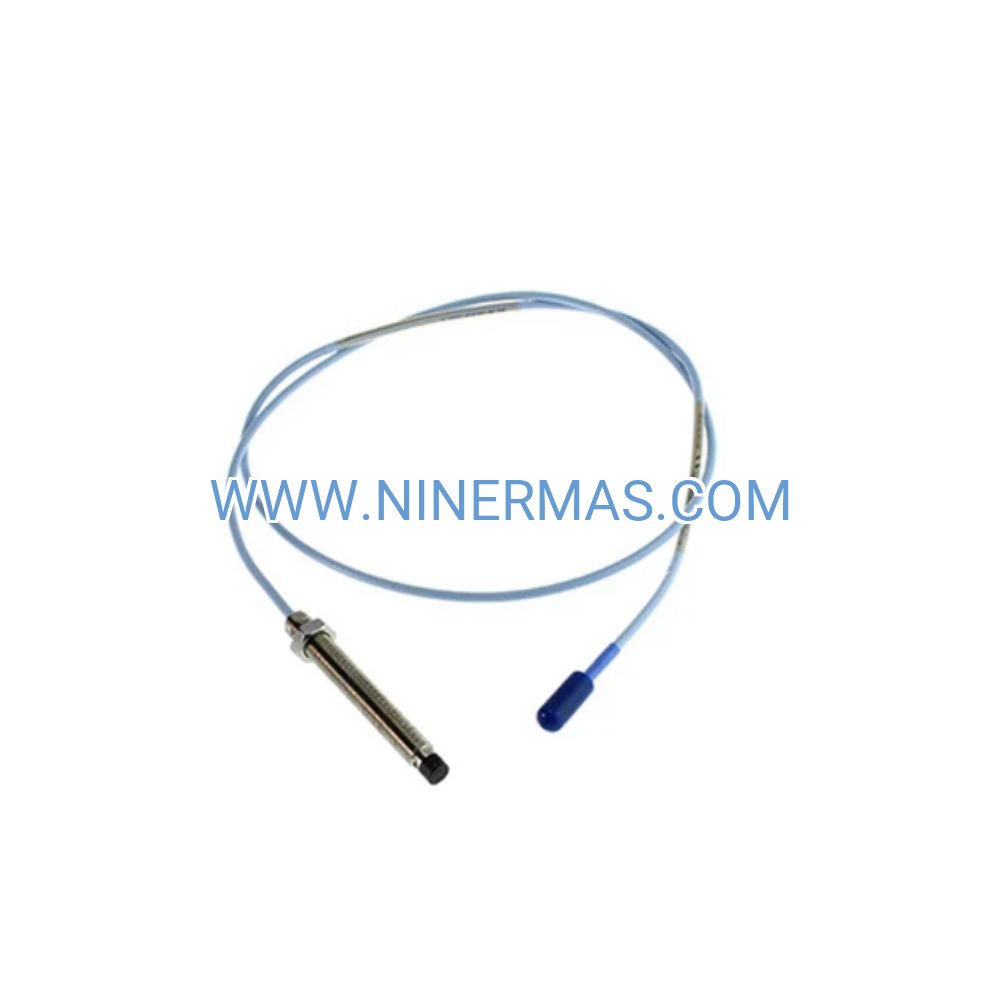
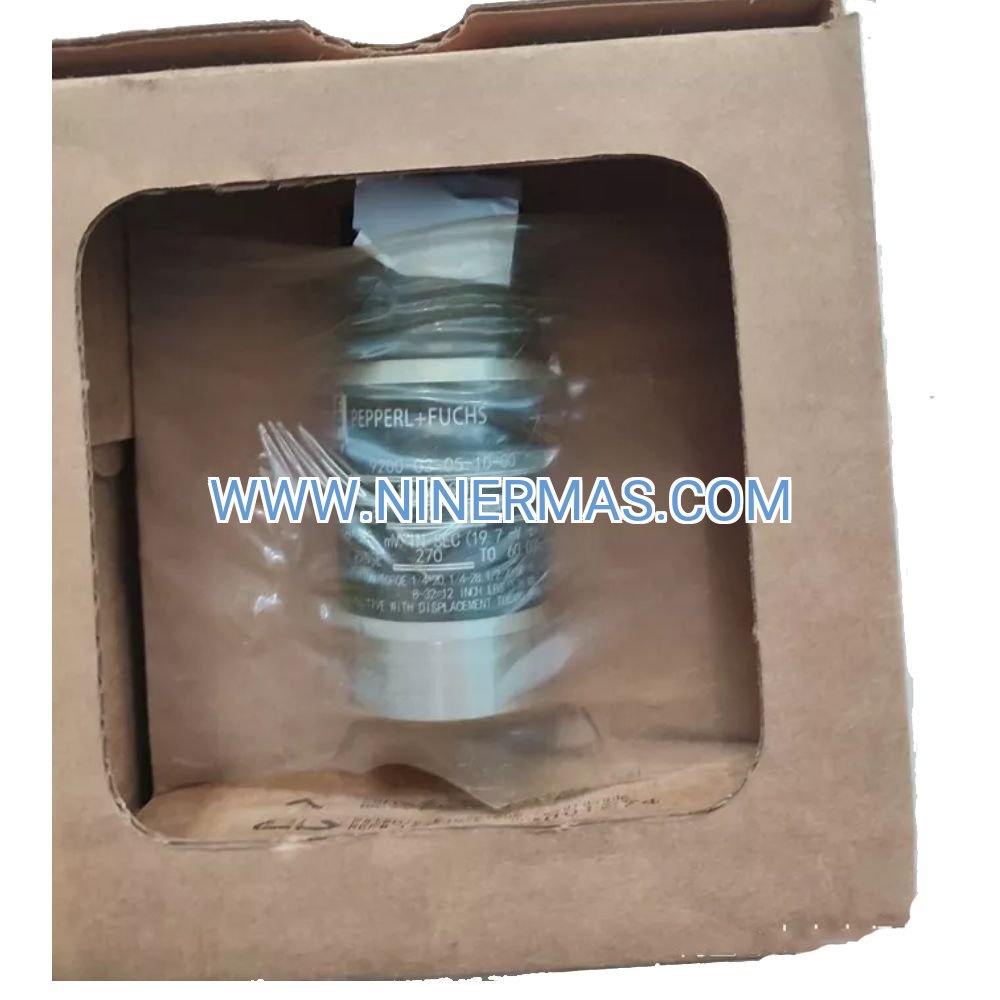
TM0180-07-00-06-05-02 Proximity Sensor (Industrial-Grade Eddy Current Technology)
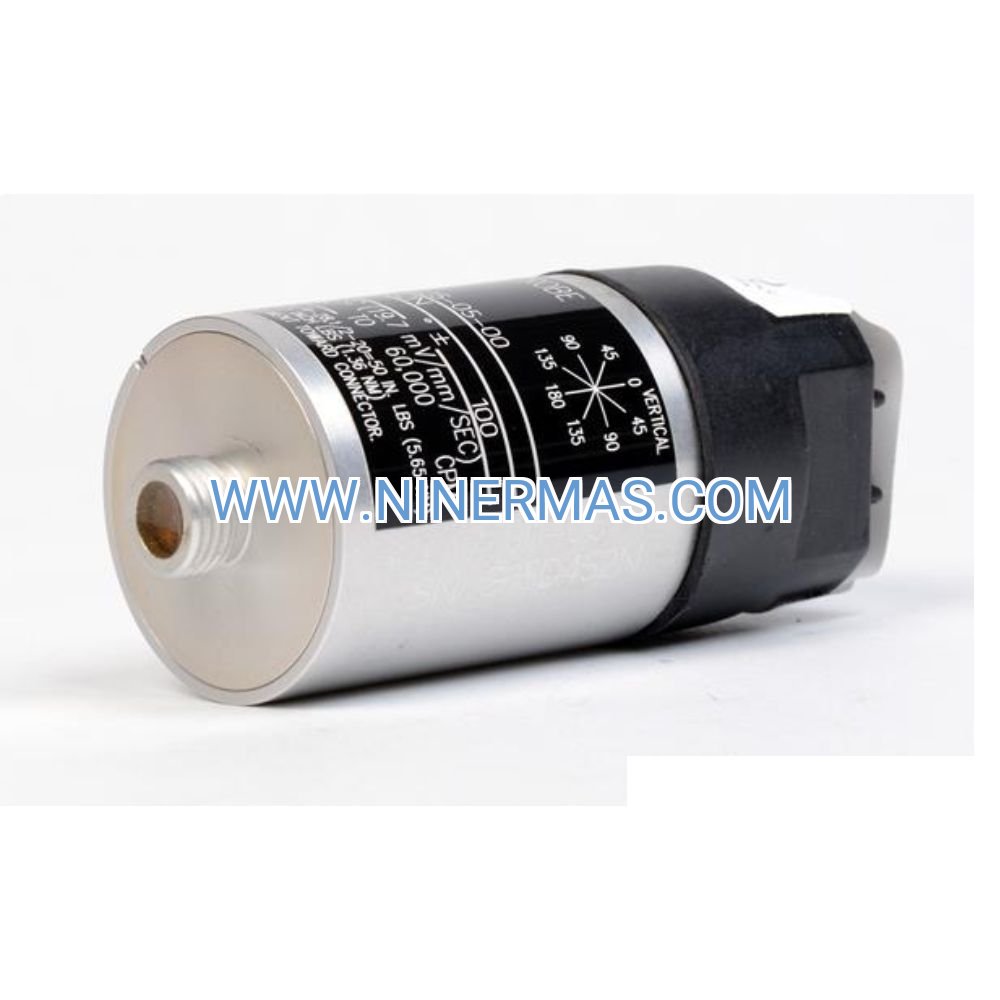
The TM0180-07-00-06-05-02 is a precision-engineered 7mm eddy current proximity sensor designed for continuous vibration and displacement monitoring in critical rotating machinery. Built with stainless steel 316 housing and low-noise coaxial cabling, this non-contact probe delivers reliable performance in harsh industrial environments where equipment uptime is paramount.
This sensor addresses the challenge of unplanned downtime in turbomachinery by providing early detection of mechanical anomalies such as shaft misalignment, bearing degradation, and rotor imbalance. Ideal for maintenance engineers, reliability teams, and OEM integrators managing turbines, compressors, pumps, and high-speed motors across power generation, oil & gas, and heavy manufacturing sectors.
Key advantages include API 670 compliance for machinery protection systems, extended temperature tolerance from -40°C to +120°C, and a wide frequency response (0-10 kHz) that captures both slow-roll runout and high-frequency bearing faults. The 5-meter cable length provides installation flexibility while maintaining signal integrity.
Core Features & Benefits
✓ Non-Contact Measurement: Eddy current technology eliminates wear and friction, ensuring long-term stability and zero maintenance on the sensing element itself
✓ Wide Linear Range (0.5-1.5mm): Accommodates typical shaft displacement in industrial machinery while maintaining ±5% accuracy for precise condition assessment
✓ High-Frequency Response (0-10 kHz): Captures both low-speed imbalance signatures and high-frequency bearing defect patterns in a single sensor
✓ Corrosion-Resistant Construction: 316 stainless steel housing withstands chemical exposure, moisture, and temperature extremes in petrochemical and marine environments
✓ API 670 Compatibility: Meets international standards for machinery protection systems, ensuring seamless integration with existing monitoring infrastructure
✓ Factory Calibration: Pre-calibrated to 4140 steel reference with documented sensitivity (8.0 mV/μm typical), reducing commissioning time and field calibration requirements
Application Scenarios
→ Steam Turbine Generator Sets:
Monitors journal bearing vibration and shaft radial position in power plant turbines operating at 3000-3600 RPM. Detects thermal bow during startup, rotor rub conditions, and bearing oil whirl before protective trip limits are reached, preventing catastrophic failures that could cost $500K+ in repairs and lost generation.
→ Centrifugal Compressor Trains:
Tracks shaft displacement in multi-stage compressors handling process gases in refineries and chemical plants. Identifies surge events, aerodynamic instability, and seal rub conditions that compromise efficiency and threaten rotor integrity in assets valued at $2M-$10M.
→ Paper Machine Dryer Sections:
Measures roll eccentricity and bearing condition in high-speed dryer cylinders (600-1200 FPM). Reduces web breaks caused by excessive vibration, improving first-pass quality rates and minimizing production losses in continuous manufacturing processes.
→ Cryogenic Pump Systems:
Provides reliable vibration monitoring in LNG transfer pumps and air separation units where temperatures drop to -196°C. The sensor's extended temperature rating and sealed construction maintain accuracy in extreme cold where conventional accelerometers fail.
→ Hot Gas Expander Turbines:
Operates continuously in waste heat recovery systems and FCC units where ambient temperatures exceed 80°C. Monitors rotor dynamics in equipment that converts thermal energy to mechanical power, protecting investments in energy efficiency infrastructure.
Technical Parameters & Selection Guide
| Parameter | Specification |
|---|---|
| Probe Diameter | 7mm (0.276 in) |
| Thread Size | M10 x 1.0 metric |
| Active Sensing Length | 60mm from probe tip |
| Cable Length | 5 meters (16.4 ft) standard |
| Operating Temperature | -40°C to +120°C (-40°F to +248°F) |
| Frequency Response | DC to 10 kHz (-3dB) |
| Sensitivity | 8.0 mV/μm (200 mV/mil) typical |
| Linear Measurement Range | 0.5 to 1.5mm (20 to 60 mils) |
| Target Material | Ferrous metals (4140 steel calibration standard) |
| Housing Material | Stainless steel 316 with passivation |
| Cable Construction | Low-noise coaxial, Teflon insulation, braided shield |
| Connector Type | BNC or 3.5mm coaxial (specify at order) |
| Vibration Resistance | 20g RMS, 10-2000 Hz |
| Ingress Protection | IP67 when properly installed |
Selection Criteria: Choose this 7mm probe for machinery with shaft diameters 50-200mm where radial clearance allows M10 mounting. For larger shafts (200mm+) or higher displacement ranges, consider 8mm or 11mm probe variants. Verify target material is ferrous; non-magnetic shafts require conductive coating or capacitive sensor alternatives. Cable length can be customized for installations requiring extended reach beyond 5 meters.
Extended Functions
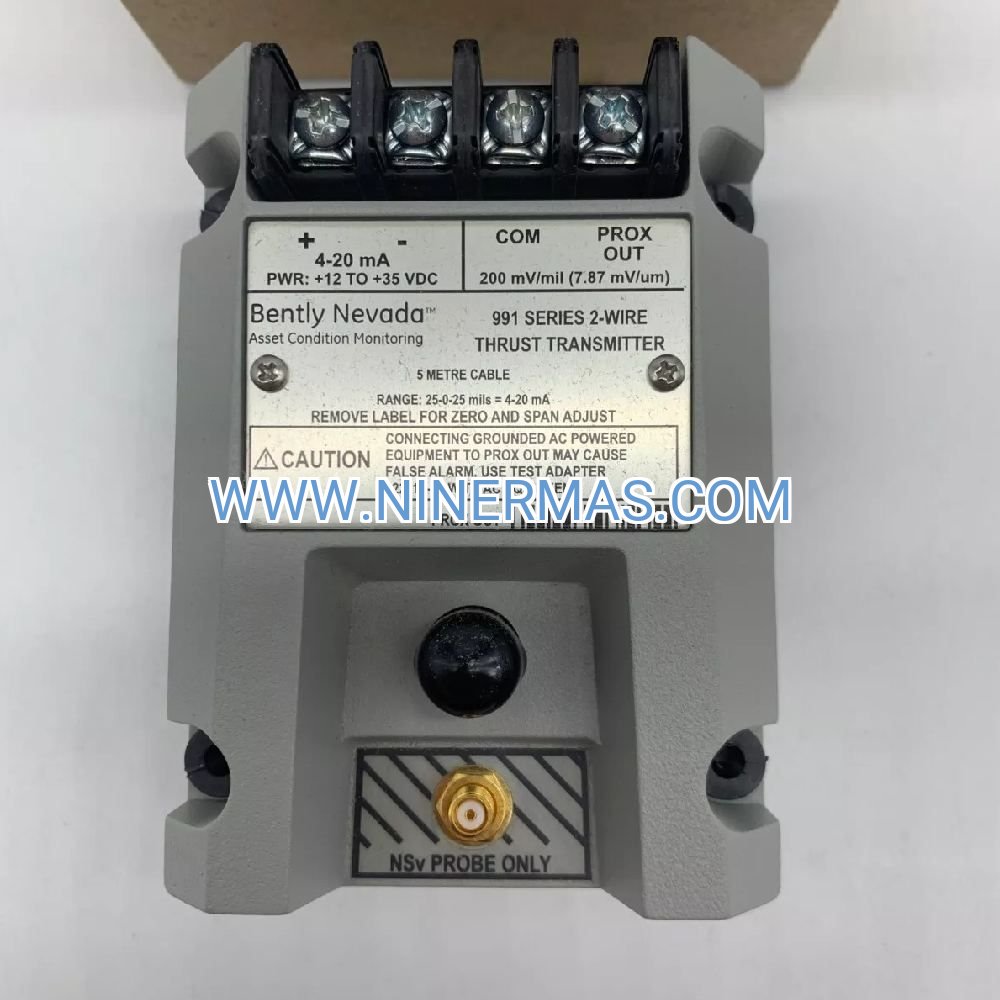
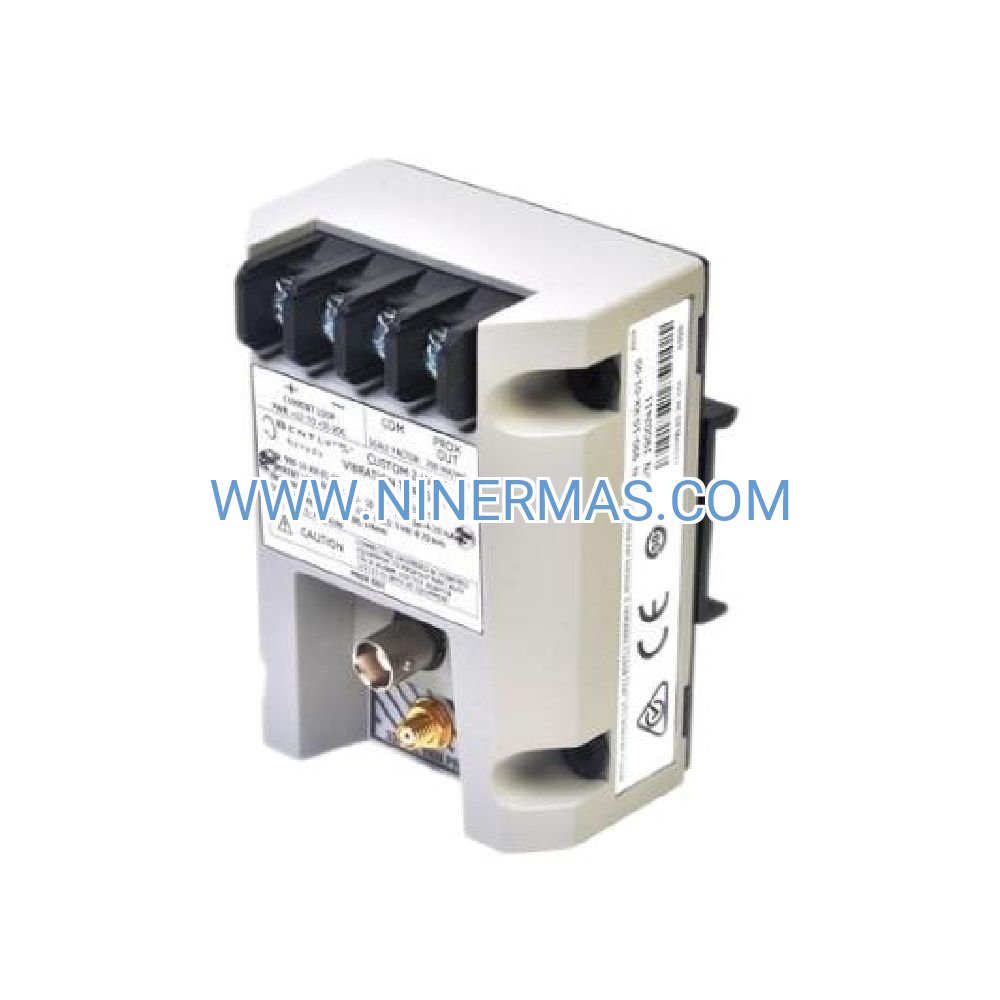
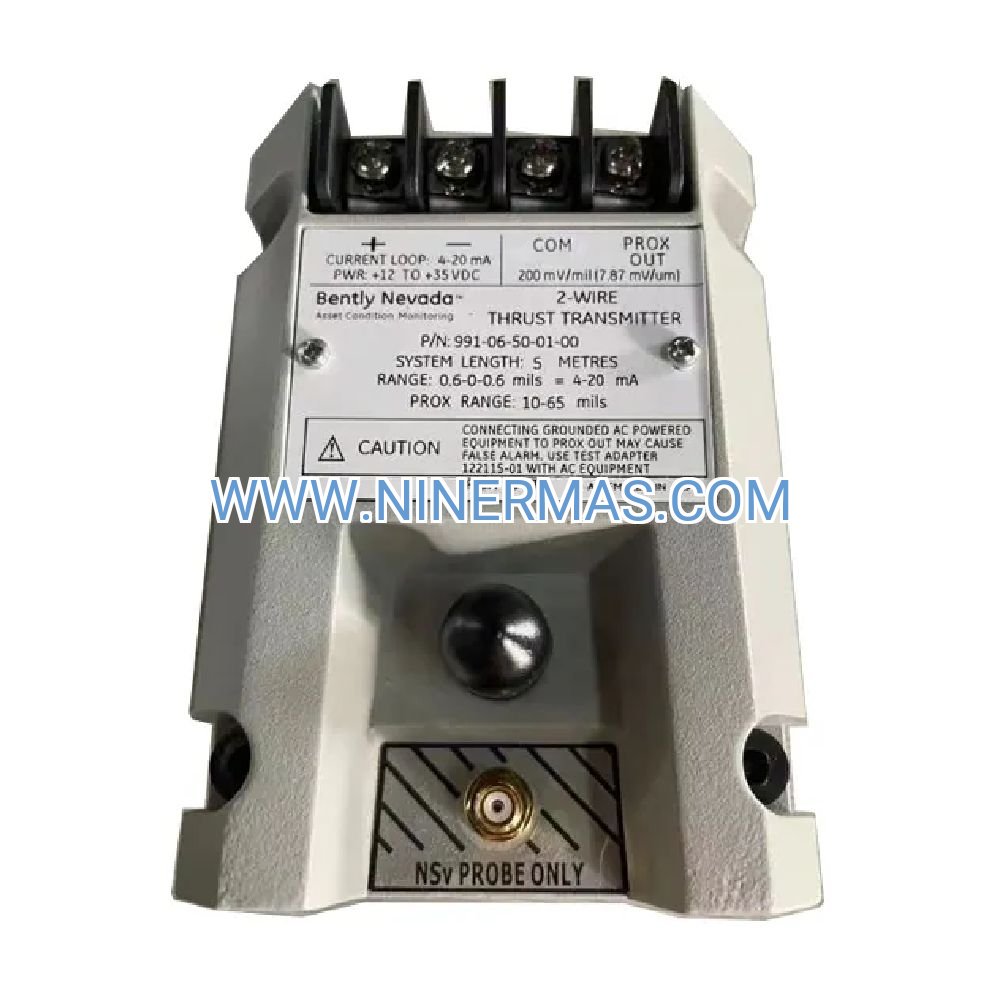
IoT Integration Capability: When paired with PVTVM TM0182 series proximitor drivers and digital transmitters, sensor data can be streamed to cloud-based condition monitoring platforms via Modbus TCP, OPC UA, or 4-20mA analog signals. This enables remote diagnostics, trend analysis, and integration with enterprise asset management (EAM) systems for automated work order generation.
Dual-Channel Monitoring: Install two probes at 90° orientation (X-Y configuration) to create orbit plots that visualize shaft centerline motion, revealing rotor dynamic behavior patterns such as oil whip, subsynchronous vibration, and reverse precession that single-axis measurements cannot detect.
Customization Options: Available with extended cable lengths (7m, 10m, 15m), alternative connector types (Microdot, MIL-spec), and special calibrations for non-standard target materials. Consult factory for high-temperature variants (up to 180°C) or explosion-proof certifications (ATEX, IECEx) for hazardous area installations.
Delivery & Service Assurance
Lead Time: Standard configuration ships within 3-5 business days from order confirmation. Custom cable lengths or special calibrations require 10-15 business days. Expedited processing available for critical outage support.
Warranty Coverage: 18-month manufacturer warranty from shipment date, covering defects in materials and workmanship under normal operating conditions. Warranty includes one-time free recalibration if sensor drift exceeds ±10% within first 12 months.
Technical Support: Access to application engineers for installation guidance, troubleshooting, and system integration assistance. Phone and email support available during business hours (GMT+8), with 24-hour response for critical issues.
Documentation Package: Each sensor ships with calibration certificate traceable to NIST standards, installation manual with mounting torque specifications, and dimensional drawings in PDF and DWG formats. Proximitor driver compatibility matrix provided.
Frequently Asked Questions
Q: What proximitor driver is required for this proximity probe?
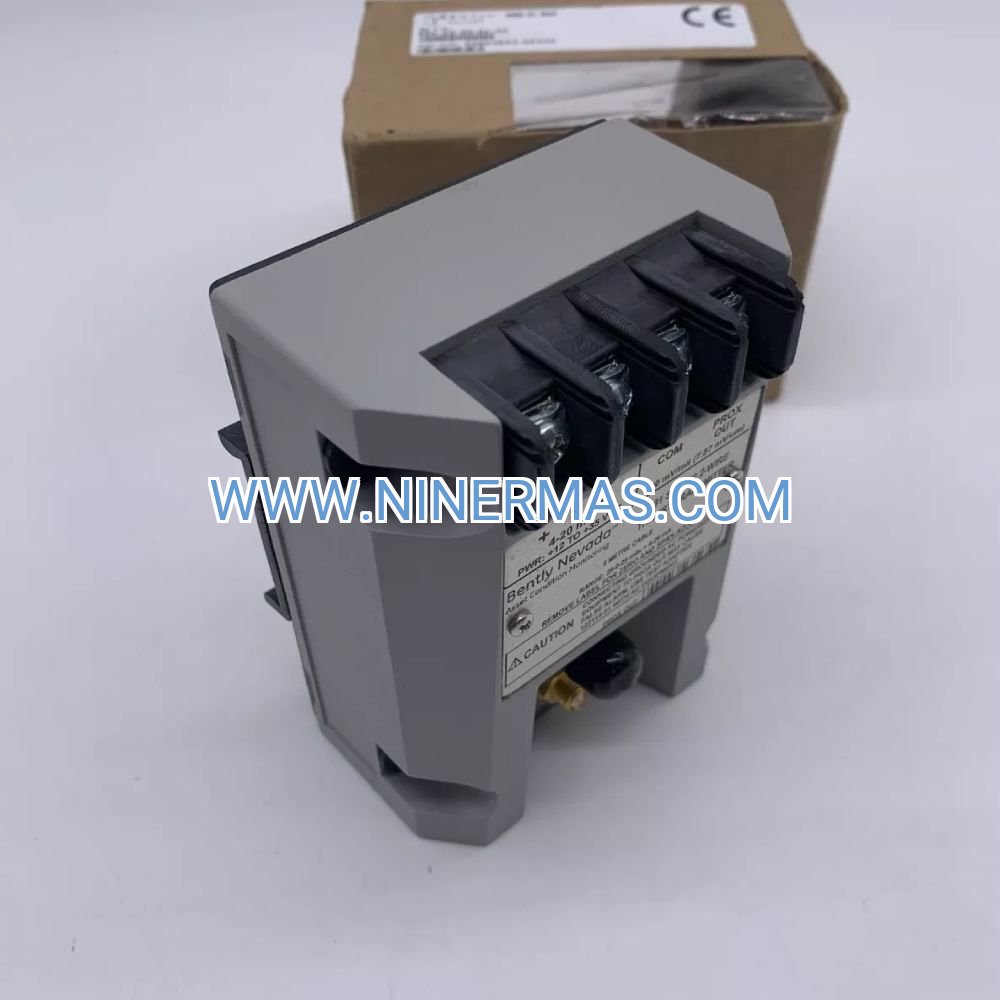
A: The TM0180-07-00-06-05-02 is compatible with PVTVM TM0182 series proximitor drivers and most API 670 compliant signal conditioning systems designed for 7mm eddy current probes. The driver converts the probe's high-impedance signal to a low-impedance voltage output (typically -2V to -18V for 0-2mm gap) suitable for PLC, DCS, or vibration monitor inputs.
Q: How do I verify proximity sensor calibration in the field?
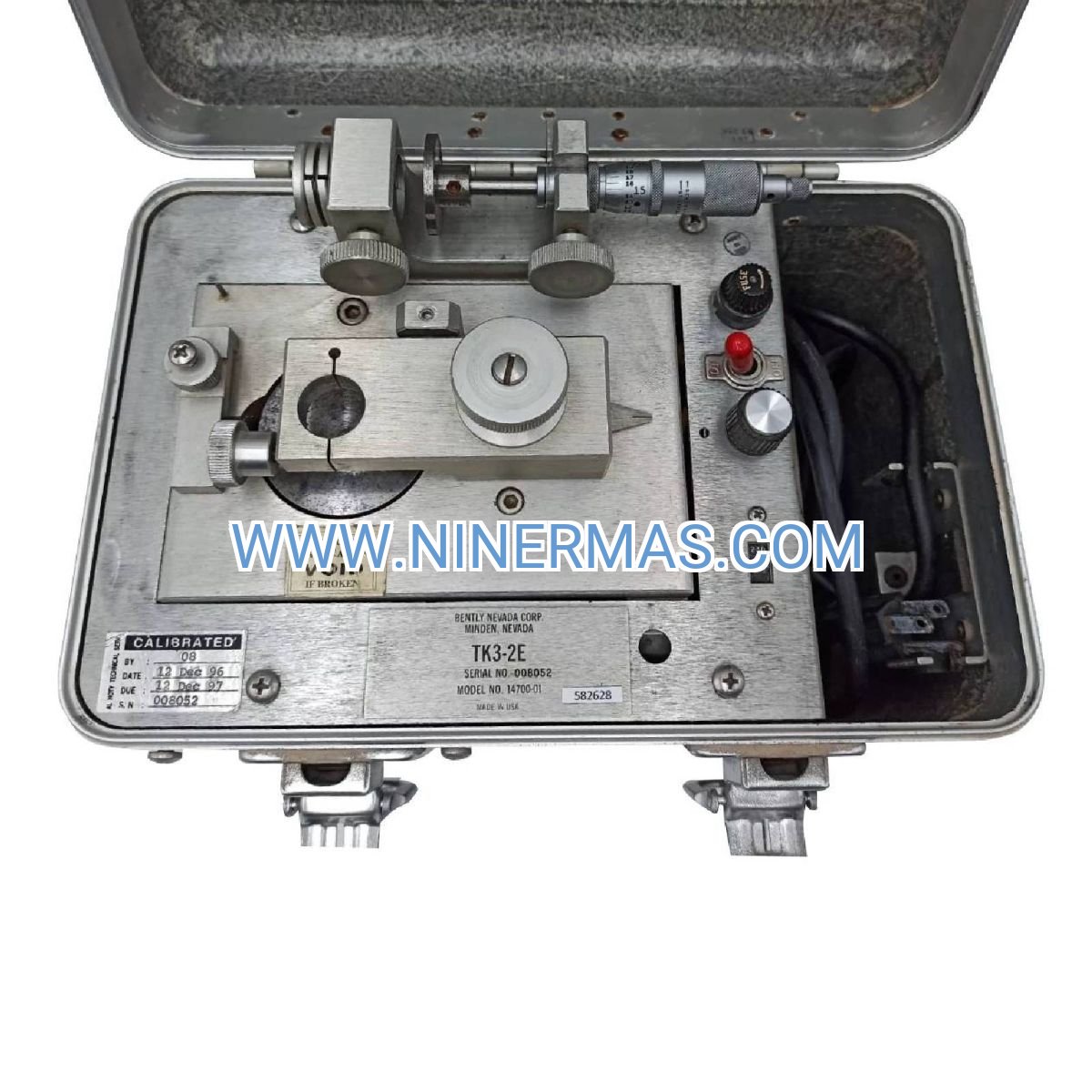
A: Use a calibration fixture with precision micrometer adjustment to move a 4140 steel target through the linear range while measuring output voltage. Plot voltage vs. gap distance; slope should match factory sensitivity (8.0 mV/μm ±5%). Alternatively, compare readings against a known-good reference probe on the same target.
Q: Can this eddy current probe monitor non-ferrous rotating shafts?
A: Eddy current sensors require conductive targets; this probe is optimized for ferrous materials (steel, iron). For aluminum, titanium, or stainless steel 300-series shafts, sensitivity drops significantly and linearity degrades. Apply a ferrous coating (e.g., electroless nickel) to non-magnetic shafts, or specify capacitive displacement sensors for non-conductive materials.
Q: What mounting hardware and installation clearance is needed?
A: Probe ships with M10 lock nut and sealing washer. Mounting bracket design depends on bearing housing geometry; typical installations use adjustable clamp-style brackets (sold separately). Ensure 15mm minimum clearance around probe body for cable bend radius and 25mm axial clearance for installation/removal.
Q: How does cable length affect vibration measurement accuracy?
A: Standard 5m cable is impedance-matched to minimize signal loss and noise pickup. Extending beyond 9m may require driver gain adjustment or low-capacitance cable upgrades. For runs exceeding 15m, consider installing the proximitor driver closer to the probe and transmitting the conditioned 4-20mA signal over longer distances.
Q: Is this proximity sensor suitable for hazardous area installations?
A: Standard version is not intrinsically safe or explosion-proof certified. For Class I Div 1/2 or ATEX Zone 1 applications, specify factory-certified IS barriers or request ATEX-compliant probe variants with blue-certified proximitor drivers. Consult application engineering for hazardous location compliance.
Ready to Enhance Your Machinery Reliability?
Contact our technical sales team to discuss your vibration monitoring requirements, receive application-specific recommendations, and obtain a detailed quotation. For immediate assistance with sensor selection, installation planning, or system integration, reach out via email or phone below.
© 2026 NINERMAS COMPANY LIMITED. All rights reserved.
Original Source: https://ninermas.com
Contact: sale@ninermas.com | +0086 187 5021 5667

Contact Info
-
Address:22 / F, South Wo Hang building, 148 Wing Lok Street, Sheung Wan, Western District, Hong Kong
-
Phone:+8618750215667
-
Email: