Description
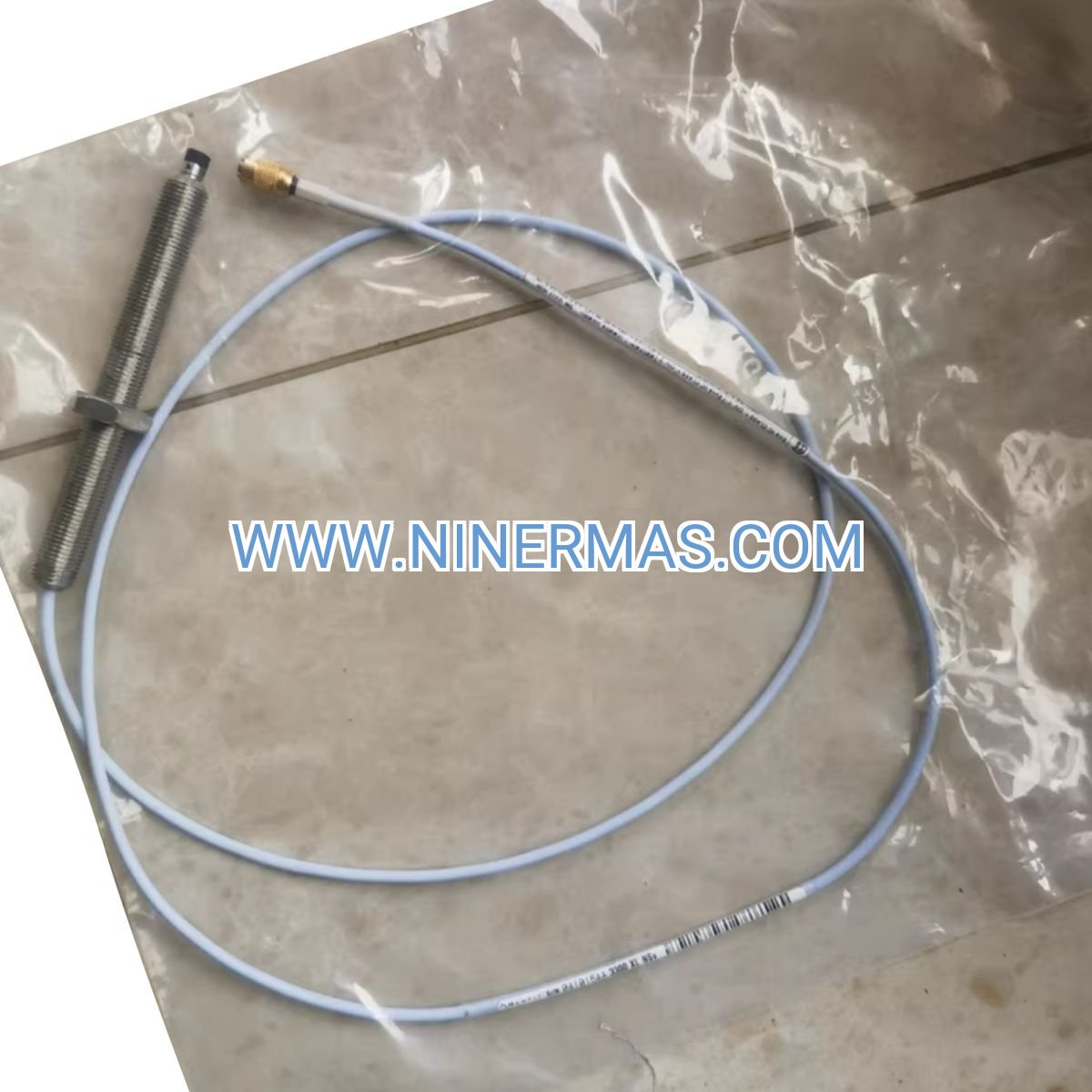
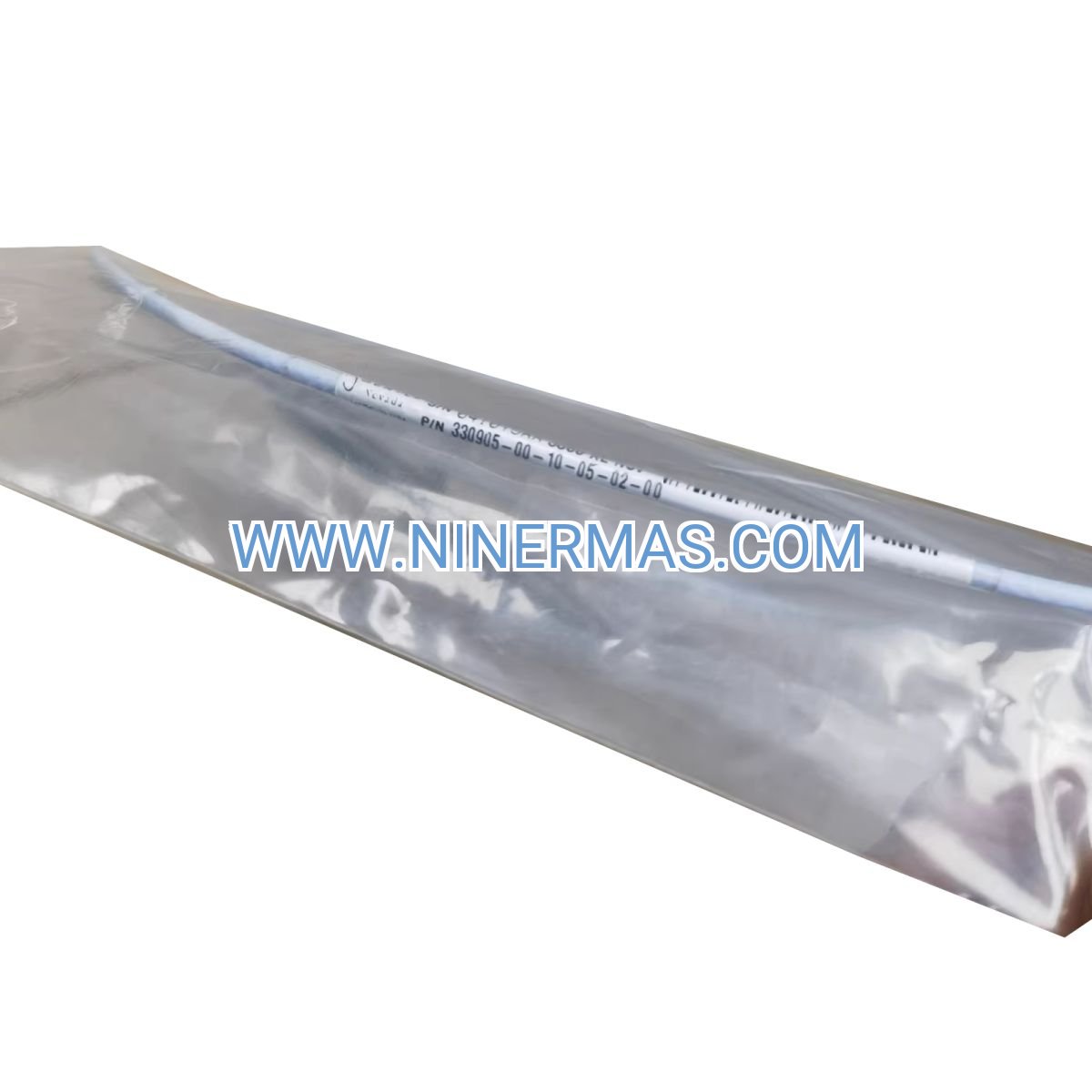
M10x1 Proximity Probe for Industrial Rotating Machinery Vibration Monitoring
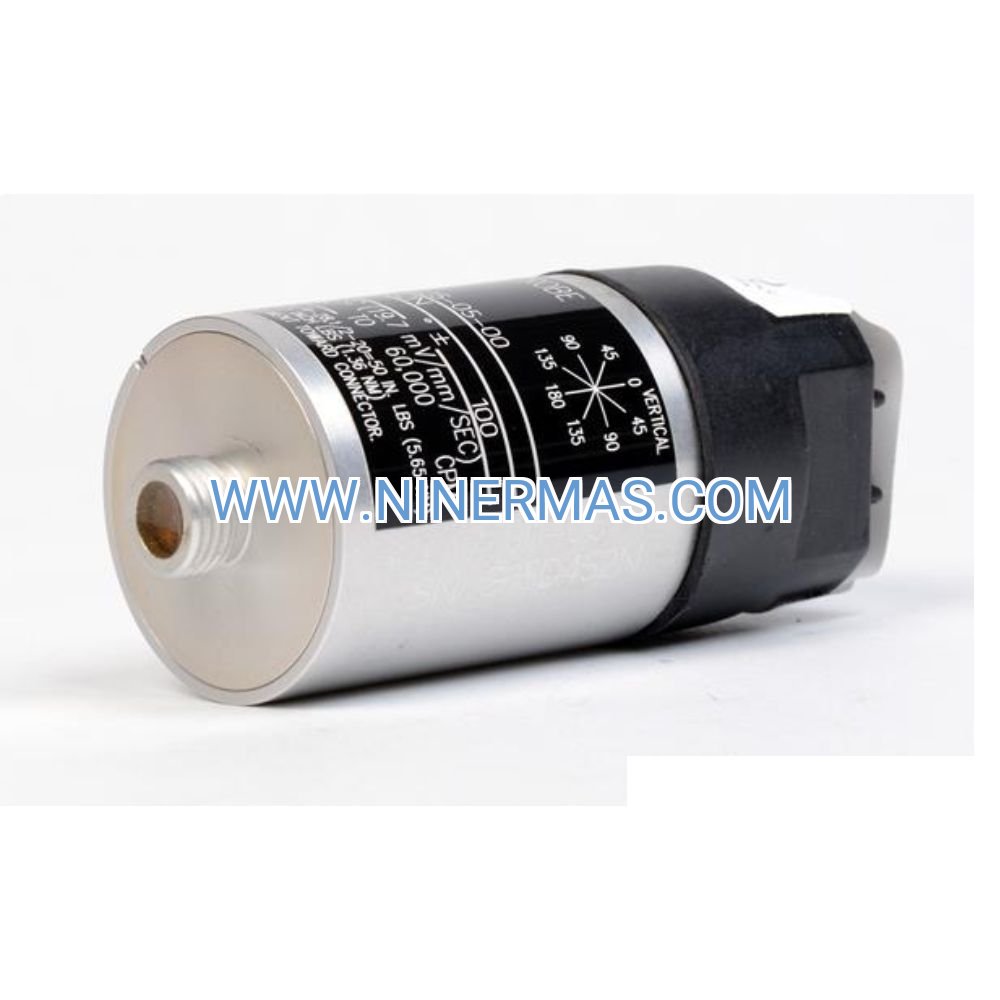
The Bently Nevada 330905-00-10-05-02-00 is an industrial-grade 3300 NSv proximity probe designed for non-contact displacement and vibration measurement in critical rotating equipment. Utilizing eddy current sensing technology with M10×1 metric threading and 10mm compact case design, this probe enables real-time shaft position tracking, radial vibration analysis, and axial displacement monitoring across turbomachinery, compressors, pumps, and motor-driven systems.
Engineered for harsh industrial environments including power generation plants, petrochemical facilities, oil & gas processing units, and heavy manufacturing operations, this probe addresses common challenges such as bearing wear detection, rotor imbalance identification, shaft misalignment diagnosis, and early fault prediction. By providing continuous condition monitoring data, it helps prevent unplanned downtime, catastrophic equipment failures, and costly production interruptions.
With proven compatibility across Bently Nevada 3300 NSv monitoring ecosystems, this proximity probe delivers reliable performance through wide temperature tolerance (-40°C to +105°C), high-frequency response (0-10kHz), and electromagnetic interference immunity. Suitable for design engineers, maintenance teams, system integrators, and plant reliability managers seeking standardized or application-specific vibration monitoring solutions. Contact our technical specialists for system configuration guidance and project quotations.
Core Features & Technical Advantages
Non-Contact Eddy Current Measurement
Employs electromagnetic induction principles to measure target displacement without physical contact, eliminating wear-related sensor degradation and enabling continuous long-term monitoring in high-speed rotating applications up to 100,000 RPM.
Compact M10×1 Thread Design
Metric M10×1.0 threading with 10mm case length allows installation in space-constrained mounting locations, tight bearing housings, and retrofit applications where larger probe formats cannot fit, while maintaining structural rigidity and vibration resistance.
Wide Frequency Response Range
Flat frequency response from DC to 10kHz (-3dB point) captures both low-frequency rotor dynamics (imbalance, misalignment) and high-frequency bearing defects (rolling element faults, gear mesh frequencies), providing comprehensive diagnostic coverage in a single sensor.
Extended Operating Temperature Range
Qualified for continuous operation from -40°C to +105°C, suitable for cryogenic pump applications, steam turbine environments, and high-ambient-temperature installations without performance degradation or calibration drift.
Linear Measurement Range
Typical linear operating range of 0.5mm to 2.0mm provides adequate sensitivity for standard vibration amplitudes while maintaining measurement accuracy within ±1% of full scale, ensuring reliable trending and alarm threshold management.
Electromagnetic Immunity
Shielded cable construction and differential signal processing minimize susceptibility to electrical noise from VFDs, motor controllers, and high-voltage switchgear, maintaining signal integrity in electrically harsh industrial environments.
Typical Application Scenarios
This proximity probe is engineered for installations requiring continuous shaft vibration monitoring, precise radial clearance measurement, and real-time rotor position feedback, particularly in:
Steam & Gas Turbine Generator Sets
Monitors journal bearing vibration, thrust position, and differential expansion in power generation turbines ranging from 10MW to 500MW+, supporting API 670 machinery protection standards and enabling automated trip logic for overspeed, excessive vibration, and bearing failure conditions.
Centrifugal & Axial Compressor Trains
Tracks rotor dynamics in multi-stage compressors used for natural gas pipeline transmission, air separation units, and petrochemical process applications, detecting surge conditions, aerodynamic instability, and mechanical seal failures before catastrophic damage occurs.
Large Industrial Pumps & Blowers
Provides continuous condition monitoring for boiler feed pumps, cooling water circulation pumps, induced draft fans, and forced draft blowers in power plants, refineries, and chemical processing facilities, reducing maintenance costs through predictive maintenance strategies.
Paper Machine Dryer Sections
Measures vibration and runout in high-speed dryer rolls, press rolls, and calender stacks operating at temperatures up to 200°C, helping paper mills maintain product quality and prevent web breaks caused by excessive roll vibration.
Steel Mill Rolling Equipment
Monitors rolling mill drive trains, backup roll assemblies, and gearbox intermediate shafts in hot strip mills, cold rolling mills, and continuous casting machines, where bearing failures can result in multi-million-dollar production losses.
Technical Specifications & Selection Guide
To facilitate engineering design and procurement decisions, the following specifications define the operational parameters and physical characteristics of this proximity probe. Custom configurations are available for specialized applications requiring modified cable lengths, temperature ratings, or mounting hardware.
| Parameter | Specification |
|---|---|
| Part Number | 330905-00-10-05-02-00 |
| Product Series | Bently Nevada 3300 NSv Proximity System |
| Thread Type | M10 × 1.0 metric (ISO standard) |
| Case Length | 10mm (0.39 inches) |
| Sensing Technology | Eddy current (non-contact electromagnetic) |
| Operating Temperature | -40°C to +105°C (-40°F to +221°F) |
| Frequency Response | 0 Hz (DC) to 10 kHz (-3dB) |
| Linear Range | 0.5mm to 2.0mm (typical, target-dependent) |
| Target Material | Ferromagnetic (steel, iron alloys) |
| Minimum Target Diameter | 30mm (3× probe diameter recommended) |
| Cable Connection | Compatible with 3300 NSv extension cables |
| Housing Material | Stainless steel (corrosion-resistant) |
| Installation Torque | 20-25 N⋅m (15-18 lb⋅ft) |
| Protection Rating | IP67 (when properly installed) |
Selection Considerations
When specifying this proximity probe for your application, consider the following factors: shaft diameter and material composition, maximum operating speed (RPM), expected vibration amplitude range, ambient temperature extremes, available mounting space and thread depth, required cable length from probe to proximitor, and compatibility with existing Bently Nevada monitoring infrastructure. For applications involving non-standard shaft materials (aluminum, titanium, ceramic coatings), consult factory engineering for target sensitivity verification and calibration data.
System Integration & Compatibility
Extension Cable Requirements
This probe requires connection to a Bently Nevada 3300 NSv proximitor (signal conditioner) via a matched extension cable. Standard cable lengths range from 1 meter to 9 meters, with custom lengths available up to 15 meters for special installations. Cable selection must account for total system capacitance, signal attenuation, and electromagnetic interference exposure.
Proximitor Signal Conditioning
Pairs with 3300 NSv proximitor modules that provide -24VDC excitation voltage, signal linearization, temperature compensation, and 4-20mA or ±10VDC output scaling for connection to DCS, PLC, or vibration monitoring systems. Proximitors are available in single-channel and dual-channel configurations for redundant measurement architectures.
Monitoring System Connectivity
Output signals integrate seamlessly with Bently Nevada 3500 rack-based monitoring systems, 1900/65A general-purpose equipment monitors, Orbit 60 software platforms, and third-party SCADA/DCS systems via industry-standard analog and digital communication protocols including Modbus, HART, and OPC.
Delivery, Service & Quality Assurance
Lead Time & Availability
Standard catalog items typically ship within 3-5 business days from regional distribution centers. Custom-configured systems with specialized cable assemblies, mounting brackets, or calibration certificates require 10-15 business days. Expedited processing available for critical outage situations and emergency replacements.
Warranty Coverage
All proximity probes are backed by a comprehensive 18-month manufacturer warranty covering defects in materials, workmanship, and performance specifications. Warranty includes free replacement of defective units and technical support for installation troubleshooting and system commissioning assistance.
Technical Documentation
Each probe ships with complete technical documentation package including: dimensional drawings with mounting specifications, electrical connection diagrams, calibration curves for standard target materials, installation torque requirements, and recommended proximitor pairing guidelines. Digital copies available in PDF format for engineering file retention.
Field Service Support
Factory-trained field service engineers available for on-site installation supervision, system commissioning, baseline vibration surveys, and operator training programs. Remote technical support provided via phone and email for troubleshooting, configuration optimization, and performance validation (availability varies by geographic region).
Quality Certifications
Manufactured under ISO 9001:2015 quality management systems with full traceability documentation. Each probe undergoes 100% functional testing including frequency response verification, temperature cycling, and calibration validation against NIST-traceable standards prior to shipment.
Frequently Asked Questions (FAQ)
Q: What extension cable length should I specify for my proximity probe installation?
A: Cable length selection depends on the physical distance between the probe mounting location and the proximitor signal conditioner housing. Standard lengths include 1m, 3m, 5m, 7m, and 9m options. For optimal signal integrity, select the shortest cable that accommodates your installation geometry while allowing 10-15% slack for routing flexibility. Cables longer than 9m may require impedance matching or signal amplification—consult our engineering team for installations exceeding standard lengths.
Q: Can this eddy current proximity probe measure vibration on non-ferrous shafts such as aluminum or stainless steel?
A: While this probe is optimized for ferromagnetic targets (carbon steel, alloy steel), it can measure displacement on conductive non-ferrous materials with reduced sensitivity and altered calibration curves. Aluminum shafts typically yield 40-60% of the sensitivity achieved with steel targets. For critical applications involving non-ferrous materials, request factory calibration data specific to your target material composition, or consider alternative sensor technologies such as capacitance probes.
Q: What is the recommended installation torque specification for M10×1 proximity probes?
A: Apply 20-25 N⋅m (15-18 lb⋅ft) installation torque using a calibrated torque wrench on the probe hex flats. This torque range ensures adequate thread engagement and vibration resistance without risking thread damage or case deformation. Always use a backup wrench on the mounting boss to prevent bearing housing distortion during installation. Apply anti-seize compound to threads in high-temperature applications (above 80°C) to facilitate future removal.
Q: How do I determine the correct probe-to-target gap setting for my application?
A: The optimal operating gap (standoff distance) is typically set at the midpoint of the probe's linear range, approximately 1.25mm for this model. This allows equal measurement capability for both positive and negative shaft displacements. Use a calibrated feeler gauge or dial indicator during installation to establish initial gap, then verify proper operation by observing the proximitor DC voltage output (should read approximately -10VDC at mid-range gap). Consult the probe/proximitor calibration curve for precise voltage-to-displacement correlation.
Q: Is remote condition monitoring and data acquisition supported with this proximity probe system?
A: Yes, when paired with compatible proximitor signal conditioners and monitoring platforms, this probe supports remote data acquisition via multiple protocols. The 3300 NSv system outputs can connect to Ethernet-based vibration monitors, wireless transmitters, or cloud-connected IIoT gateways supporting Modbus TCP, OPC UA, MQTT, or proprietary Bently Nevada communication standards. Contact our system integration specialists to discuss architecture options for your remote monitoring requirements.
Request Technical Support & Quotation
For detailed system configuration recommendations, application-specific engineering assistance, or project quotations, please provide the following information to our technical sales team:
- Project name and application description (equipment type, operating conditions)
- Shaft diameter, material, and maximum operating speed (RPM)
- Number of measurement points and probe mounting locations
- Required extension cable lengths and routing constraints
- Existing monitoring system infrastructure (if retrofit application)
- Environmental conditions (temperature range, humidity, vibration exposure)
- Delivery timeline and installation schedule
Our vibration monitoring specialists will respond within 24 business hours with customized recommendations, system architecture drawings, and detailed pricing. For urgent inquiries related to equipment outages or emergency replacements, please indicate priority status in your request.
© 2026 NINERMAS COMPANY LIMITED. All rights reserved.
Original Source: https://ninermas.com
Contact: sale@ninermas.com | +0086 187 5021 5667
PDF Specification
Download PDF file here:
Click to Download PDF

Contact Info
-
Address:22 / F, South Wo Hang building, 148 Wing Lok Street, Sheung Wan, Western District, Hong Kong
-
Phone:+8618750215667
-
Email: