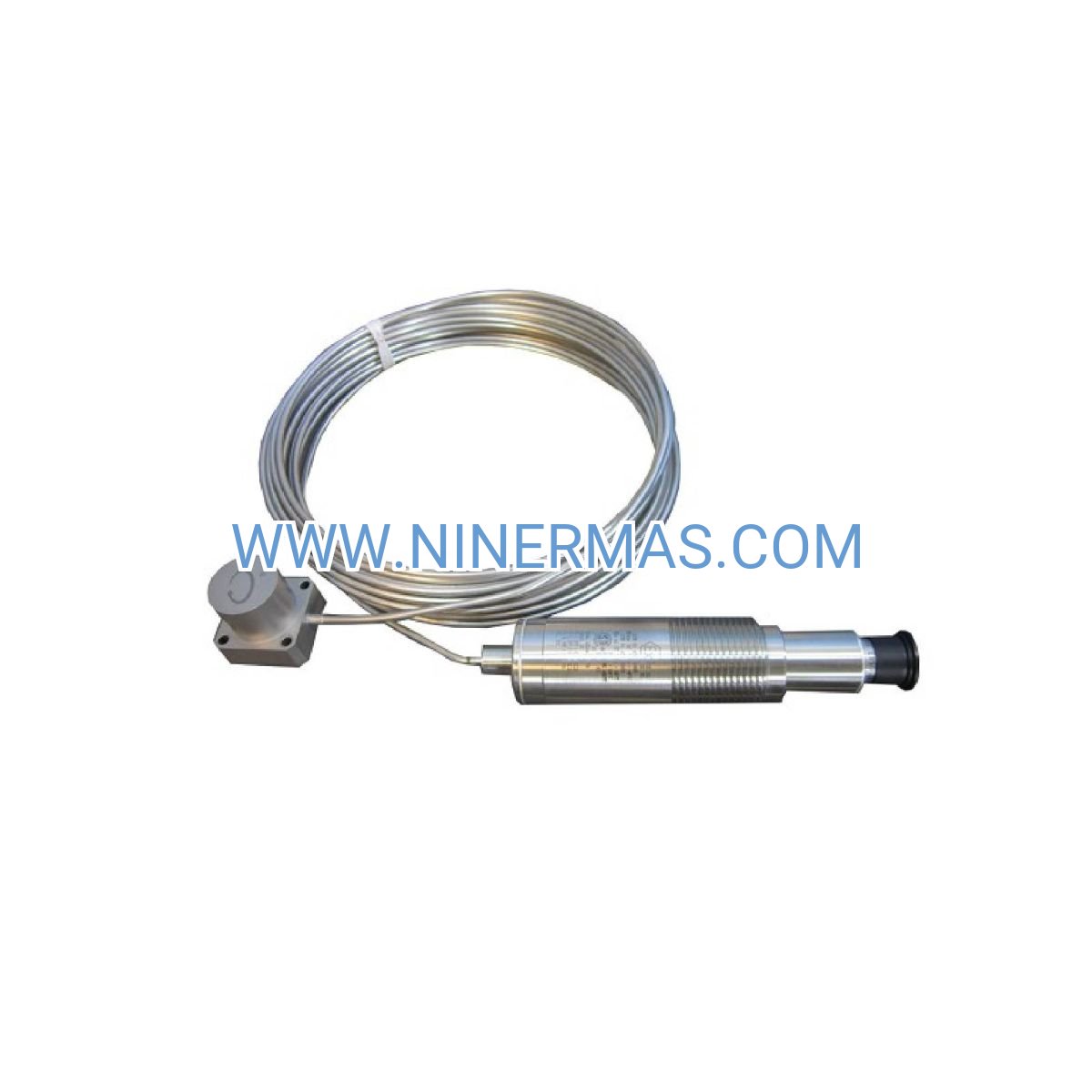
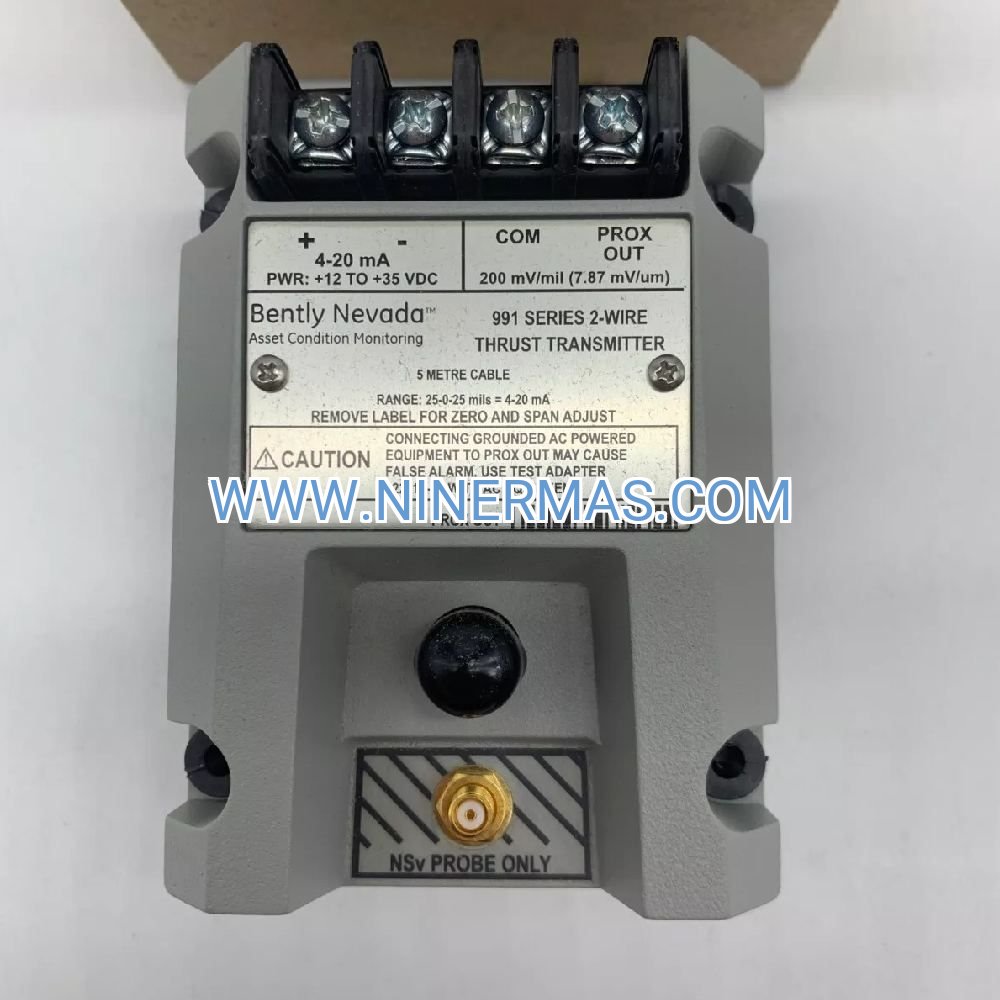
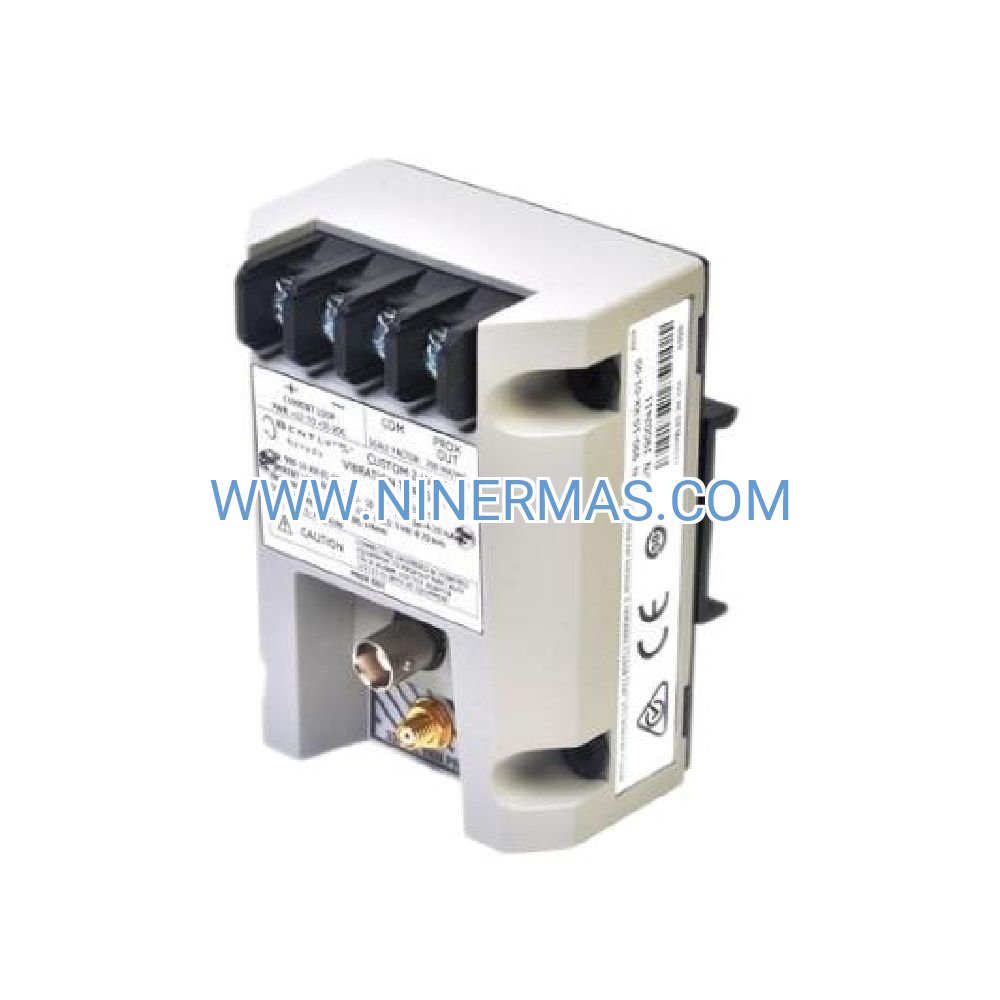
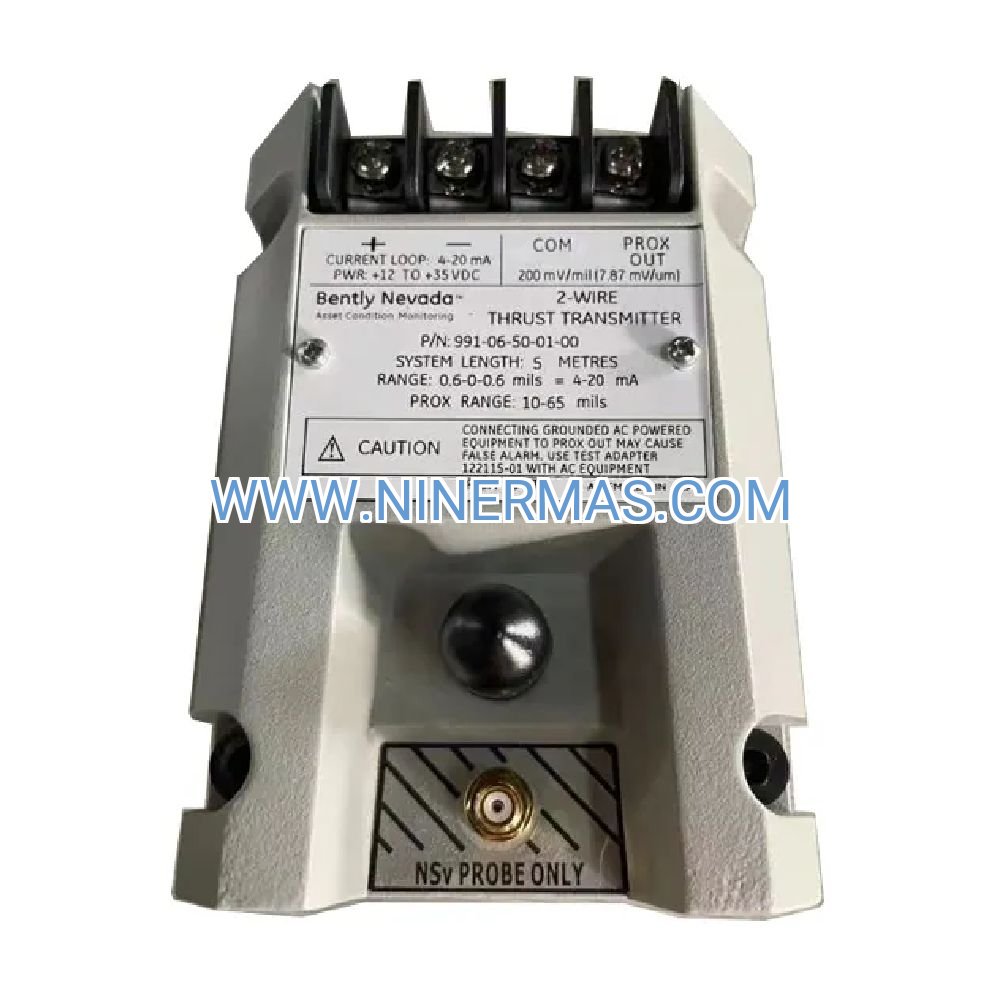
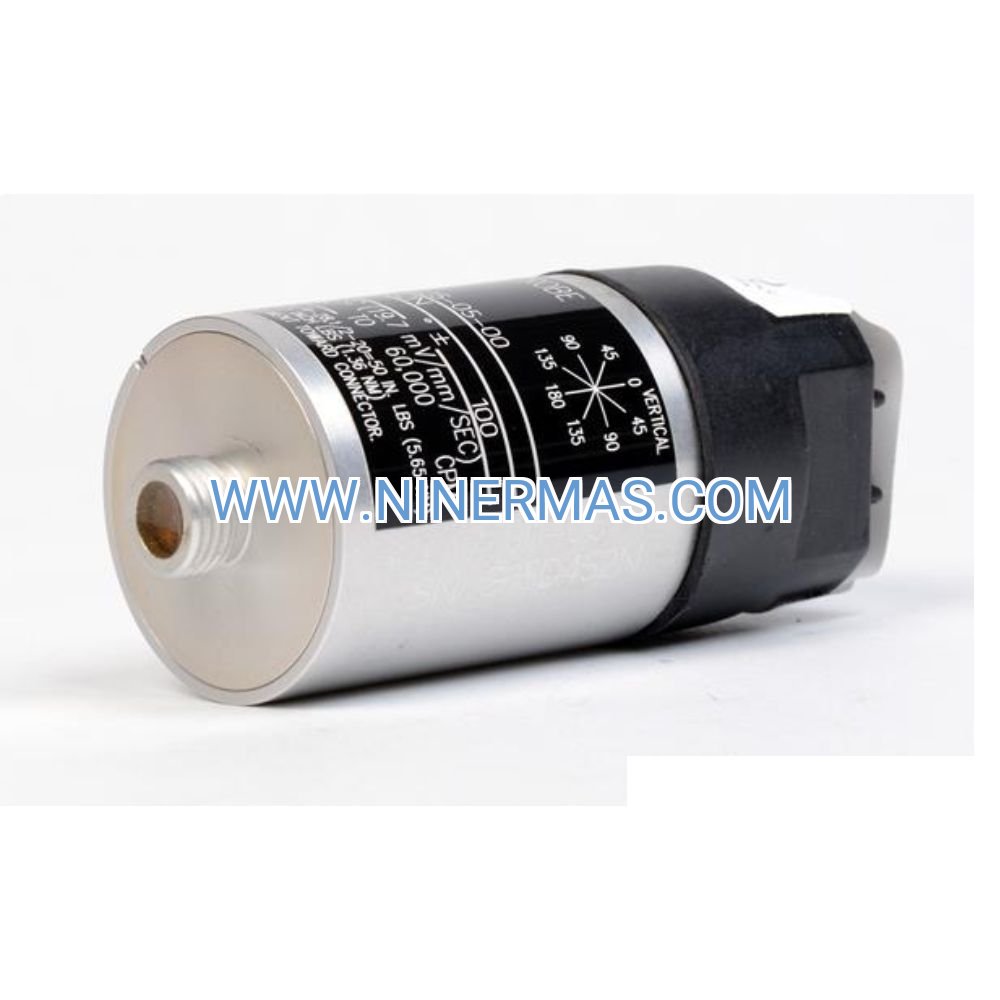
Bently Nevada 330750-80 3300 XL Proximity Sensor System | 8mm API 670 Vibration Monitoring
Description
Bently Nevada 330750-80 3300 XL Proximity Sensor System (Industrial-Grade Vibration Monitoring Solution)
The Bently Nevada 330750-80 is a precision proximity sensor system engineered for continuous vibration and position monitoring in rotating machinery applications. Through advanced eddy current sensing technology and signal conditioning, this system delivers accurate shaft displacement measurement, enabling early fault detection and predictive maintenance strategies.
Designed for critical turbomachinery installations including steam turbines, gas turbines, compressors, pumps, and generators, this system addresses common challenges such as bearing wear detection, rotor dynamic analysis, thrust position monitoring, and compliance with machinery protection standards. It helps prevent catastrophic failures, reduces unplanned downtime, and optimizes maintenance intervals.
Featuring API 670 certification, standardized 8mm probe design, and proven reliability in harsh industrial environments, the 330750-80 system offers seamless integration with existing Bently Nevada monitoring infrastructure, field-proven durability, and comprehensive technical support. Ideal for power generation plants, oil & gas facilities, petrochemical complexes, and OEM machinery builders seeking dependable condition monitoring solutions. Contact our application engineers for system configuration assistance and technical specifications.
Core Features & Technical Advantages
- High-Precision Eddy Current Sensing
Utilizes proven eddy current technology with 8mm probe diameter, delivering accurate non-contact measurement of shaft displacement and vibration with resolution down to micrometers, ensuring reliable detection of developing mechanical issues. - API 670 Certified Performance
Meets stringent API Standard 670 requirements for machinery protection systems, ensuring compliance with industry safety standards and providing confidence for critical rotating equipment applications in regulated industries. - Wide Frequency Response Range
Covers DC to 10 kHz bandwidth, capturing both slow-roll position data and high-frequency vibration signatures, enabling comprehensive analysis of rotor dynamics, bearing conditions, and mechanical resonances. - Complete Integrated System
Includes factory-matched proximity probe, extension cable, and proximitor signal conditioner as a calibrated system, eliminating field calibration requirements and ensuring optimal performance out of the box. - Robust Industrial Construction
Engineered for continuous operation in demanding environments with temperature extremes, electromagnetic interference, and mechanical vibration, featuring hermetically sealed probes and industrial-grade electronics for long-term reliability. - Seamless System Integration
Compatible with Bently Nevada 3500 and 3300 monitoring frameworks, DCS/SCADA systems via standard 4-20mA or voltage outputs, and supports Modbus, OPC protocols for enterprise-level data integration and remote diagnostics.
Typical Application Scenarios
This proximity sensor system is specifically designed for installations requiring continuous shaft monitoring, precise position measurement, and compliance with machinery protection standards, particularly in:
- Steam & Gas Turbine Monitoring
Provides critical radial vibration and axial position measurement for turbine rotors, enabling detection of rubs, misalignment, and thrust bearing degradation in power generation and mechanical drive applications. - Centrifugal Compressor Protection
Monitors compressor shaft displacement and vibration in oil & gas processing, petrochemical plants, and air separation units, preventing surge conditions and bearing failures that could lead to costly production interruptions. - Large Pump & Motor Systems
Ensures reliable operation of critical pumping systems in water treatment, pipeline transportation, and industrial process applications by detecting cavitation, impeller imbalance, and bearing wear before failure occurs. - Generator & Exciter Monitoring
Tracks rotor eccentricity and vibration in synchronous generators and exciters, supporting predictive maintenance programs and compliance with grid reliability standards in utility and industrial power plants. - OEM Machinery Integration
Serves as factory-installed condition monitoring for turbomachinery manufacturers, providing end users with built-in protection systems and enabling remote diagnostics and performance optimization throughout equipment lifecycle.
Technical Specifications & Selection Guide
To facilitate engineering design and system specification, we provide key technical parameters for the 330750-80 proximity sensor system. Custom configurations are available to meet specific project requirements.
| Parameter | Specification |
|---|---|
| Probe Diameter | 8mm (5/16 inch) |
| Frequency Response | DC to 10 kHz (-3dB) |
| Linear Range | 0 to 2.0mm (0 to 80 mils) |
| Output Signal | -2 to -18 VDC (proportional to gap) |
| Operating Temperature | Probe: -40°C to +177°C; Proximitor: -40°C to +85°C |
| Compliance Standards | API 670, ISO 20816, ISO 7919 |
| Cable Length Options | Standard 5m or 9m extension; custom lengths available |
| Target Material | Ferrous metals (carbon steel, stainless steel) |
| Protection Rating | Probe: IP68; Proximitor: IP65 (when properly installed) |
| Power Supply | -24 VDC (via proximitor) |
Selection Considerations: When specifying this system, engineers should evaluate shaft material and surface finish, available installation space and mounting provisions, required cable routing distance, environmental conditions (temperature, humidity, vibration), and integration requirements with existing monitoring infrastructure. For application-specific guidance, please provide machinery type, shaft diameter, operating speed range, and monitoring objectives—our technical team will recommend optimal sensor placement and system configuration.
Advanced Integration Capabilities
- Multi-Channel Monitoring Architecture
Supports installation of multiple sensor systems per machine (typically 2 XY pairs for radial vibration plus 1-2 for thrust position), enabling comprehensive rotor behavior analysis and compliance with API machinery protection requirements. - Condition Monitoring System Connectivity
Interfaces directly with Bently Nevada 3500 rack-based monitoring systems, portable diagnostic instruments, and third-party DCS platforms, providing real-time data for alarm generation, trending analysis, and predictive maintenance algorithms. - Remote Diagnostics & Data Analytics
Enables integration with IIoT platforms and cloud-based analytics services through standard industrial protocols, supporting remote expert analysis, machine learning-based anomaly detection, and fleet-wide performance benchmarking.
Delivery, Service & Quality Assurance
Standard catalog items ship from stock within 3-5 business days; custom-configured systems require 2-3 weeks lead time depending on specifications. All products include a minimum 12-month manufacturer warranty covering materials and workmanship. We provide comprehensive technical support including installation guidance, system commissioning assistance, and troubleshooting consultation (remote support standard; on-site services available based on location and project scope).
Each system ships with complete documentation package including calibration certificates, installation drawings, wiring diagrams, and operation manuals, ensuring smooth integration and compliance with quality management system requirements. Our technical team offers pre-sale application engineering support to optimize sensor selection and placement for your specific machinery configuration.
Frequently Asked Questions (FAQ)
Q: How does the Bently Nevada 330750-80 proximity sensor system integrate with existing turbomachinery installations?
A: The system requires mounting the 8mm probe in a threaded or clamped fixture positioned perpendicular to the shaft surface, with the proximitor mounted in a suitable enclosure nearby. Connection to monitoring systems is via standard coaxial cable and terminal blocks. We recommend confirming shaft material (must be ferrous), available radial clearance, and mounting thread specifications before ordering.
Q: What is the maximum number of proximity sensors that can be installed on a single machine?
A: Typical configurations include 2-4 radial vibration probes (XY pairs at one or two bearing locations) plus 1-2 thrust position sensors. The exact number depends on machinery criticality, API requirements, and monitoring objectives. Each sensor requires its own proximitor and monitoring system input channel.
Q: What level of vibration reduction or energy savings can be expected with this monitoring system?
A: While the sensor system itself does not reduce vibration, it enables early detection of developing faults (misalignment, imbalance, bearing wear), allowing corrective action before catastrophic failure. Studies show predictive maintenance programs using continuous monitoring can reduce unplanned downtime by 30-50% and extend equipment life by 20-40% compared to reactive maintenance approaches.
Q: What are the environmental requirements for installing proximity sensor systems?
A: Probes are rated IP68 and can operate in temperatures from -40°C to +177°C, suitable for most industrial environments. Proximitors require IP65 or better enclosures and operate from -40°C to +85°C. Avoid direct exposure to corrosive chemicals, excessive moisture condensation, and strong electromagnetic fields. Proper cable routing and grounding are essential for noise immunity.
Q: Can the system support remote monitoring and data acquisition for Industry 4.0 applications?
A: Yes, when integrated with Bently Nevada 3500 monitoring systems or compatible DCS platforms, sensor data can be transmitted via Modbus TCP/IP, OPC UA, or proprietary protocols to SCADA systems, cloud platforms, and analytics software. This enables remote diagnostics, automated alarm notification, and integration with enterprise asset management systems.
Q: Is factory calibration included, or does the system require field calibration after installation?
A: Each 330750-80 system is factory-calibrated as a matched set (probe + cable + proximitor) and ships with calibration certificates. No field calibration is required for standard installations. However, we recommend verification testing after installation and periodic calibration checks per your plant's quality procedures or API 670 guidelines.
Request Technical Support & Custom Configuration
For detailed application engineering support, system quotations, or custom configurations, please provide the following information: project name and application type, machinery details (type, shaft diameter, operating speed), number of measurement points required, cable length and routing requirements, environmental conditions (temperature, hazardous area classification), and integration requirements (monitoring system type, communication protocols). Our engineering team will provide tailored recommendations, technical drawings, and competitive pricing within 24-48 hours.
© 2026 NINERMAS COMPANY LIMITED. All rights reserved. Original Source: https://ninermas.com Contact: sale@ninermas.com | +0086 187 5021 5667

Contact Info
-
Address:22 / F, South Wo Hang building, 148 Wing Lok Street, Sheung Wan, Western District, Hong Kong
-
Phone:+8618750215667
-
Email: